Prince Albert's Diner sits at 565 Richmond St in London, Ontario, a city whose dining scene punches well above its mid-sized profile. The diner format occupies a distinct niche in the local eating order, unpretentious, neighbourhood-anchored, and operating in deliberate contrast to the tasting-menu ambition that defines Ontario's higher-end restaurant conversation. It is the kind of address that earns loyalty through consistency rather than ceremony.
- Address
- 565 Richmond St, London, ON N6A 3G2, Canada
- Phone
- +1 519 432 2835
- Website
- princealbertsdiner.com
 Saves & bookings on Pearl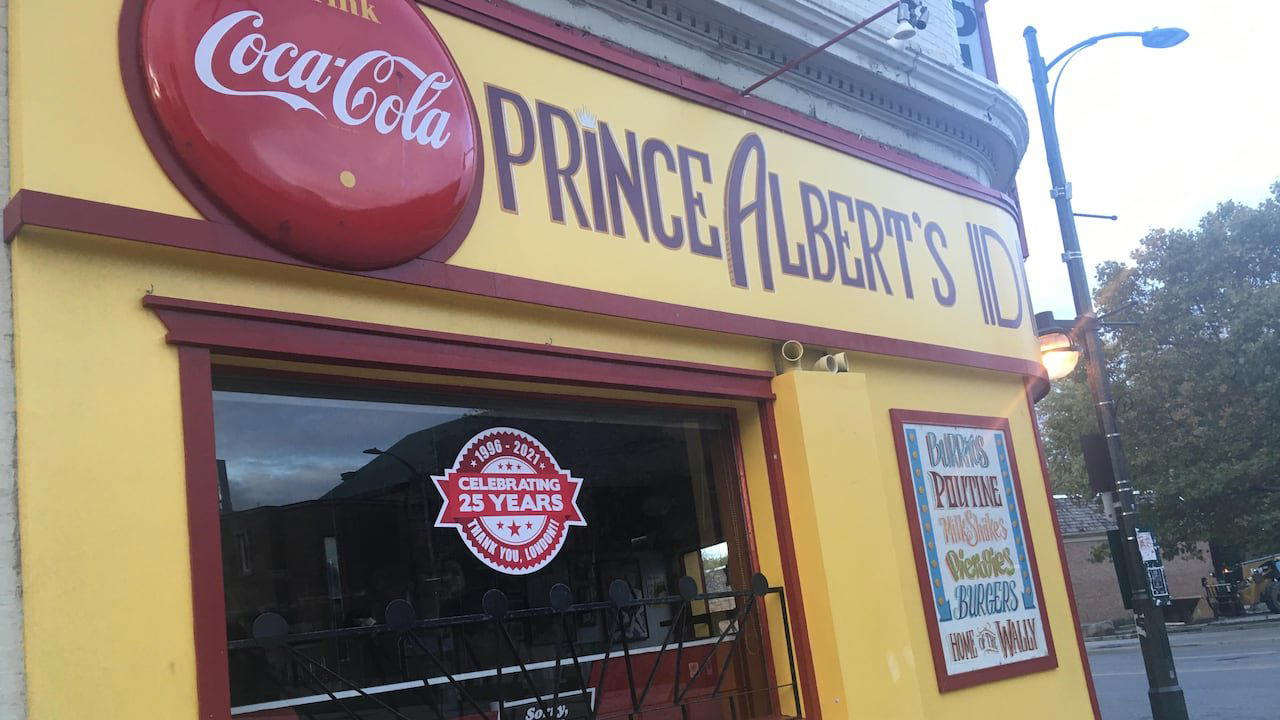
London, Ontario's Diner Tradition and Where Richmond Street Fits
London, Ontario occupies an interesting position in the province's food geography. Large enough to sustain a serious restaurant scene, small enough that individual addresses accumulate reputational weight faster than they might in Toronto or Ottawa. Richmond Street, the city's main commercial artery, has historically housed the full spectrum of that scene: student-facing spots near Western University, a clutch of independently owned neighbourhood staples, and the occasional ambitious room that draws diners from across the region. The diner format is among the more durable of these categories. In a city that sees meaningful foot traffic from students, hospital workers, and office commuters, a well-positioned diner on a central street occupies a genuinely functional role, not as a fallback, but as a deliberate choice.
Prince Albert's Diner, at 565 Richmond St, sits in that tradition. The address places it in the walkable core of the city, accessible from the downtown core and from the university quarter, which means its service pattern is shaped by two different daily rhythms. That split, between the daytime crowd and the evening one, is worth examining closely, because in the diner category, the gap between lunch service and dinner service often tells you more about what a place actually is than any single menu item.
The Lunch and Dinner Divide: How Daytime and Evening Service Shape the Experience
In North American diner culture broadly, lunch tends to be the more honest meal. Counter seats fill with regulars who know the cadence, what's freshest, when the rush peaks, how long to linger. The menu at lunch is typically tighter, faster, and less self-conscious. Evening service at a diner operates differently: the pace slows, the crowd often skews older or more destination-minded, and the question of what a diner actually offers a city's dining public becomes more pointed.
For a street-level diner on Richmond, the daytime proposition is relatively clear. London's downtown core generates the kind of lunchtime foot traffic that supports steady, high-turnover service, office workers on tight windows, students between classes, hospital staff from the medical corridor to the south. A 565 Richmond address captures that flow without requiring any particular destination marketing. The evening equation is different. Diners that hold relevance through dinner on a main commercial street tend to do so either by anchoring a neighbourhood's social fabric or by offering a price-to-value ratio that holds up against the casual-dining alternatives on the same block.
Ontario's broader restaurant conversation in the premium tier runs toward tasting menus and chef-driven formats. Alo in Toronto and Restaurant Pearl Morissette in Lincoln represent the province's ambition in that direction. The diner register sits at a different coordinate entirely, deliberately outside that conversation, which is not a weakness but a positioning. The comparison set that matters for Prince Albert's Diner is the casual, accessible, neighbourhood-anchored category, not the tasting-counter tier.
London, Ontario's Dining Context
Understanding what a diner offers in London requires understanding the city's eating habits. London is not a city where the premium end of the market has the concentration it does in Toronto or Montreal. Eigensinn Farm in Singhampton and The Pine in Creemore demonstrate what the southwestern Ontario region produces at its most ambitious, but those are destination addresses with specific booking logic. London's own fine-dining tier is smaller and more variable. The bulk of the city's eating-out culture lives in the mid-range and casual categories, which is exactly where a Richmond Street diner competes.
That competitive set includes chains, fast-casual operations, and a collection of independently owned casual rooms. The diner category holds its ground in that field through a combination of familiarity, speed, and the specific comfort register that diners have provided in North American food culture since the mid-twentieth century. It is not a format that requires reinvention to remain relevant; it requires execution. Price consistency, staff familiarity with regulars, and a menu that doesn't overreach are the relevant performance metrics, not culinary ambition.
For visitors arriving in London from cities where the premium restaurant scene is more developed, those who have eaten at Tanière³ in Quebec City or Jérôme Ferrer - Europea in Montreal, or who follow the London, England tier represented by CORE by Clare Smyth or The Ledbury, the Richmond Street diner reads as a register shift, not a compromise. Different meal, different expectation, different value frame.
What the Diner Format Delivers That Higher Formats Don't
The persistence of the diner in North American food culture is not accidental. It survives because it answers a specific need with a consistency that more ambitious formats cannot always replicate. No tasting menu, however accomplished, solves the problem of a fast, reliable, affordable meal on a Tuesday afternoon in a mid-sized city. Fogo Island Inn Dining Room in Joe Batt's Arm and AnnaLena in Vancouver operate in entirely different registers, addressing entirely different needs. The diner's staying power comes precisely from its refusal to operate in those registers.
In the London, Ontario context, a diner on Richmond also serves a social function. The street is well-trafficked across the day, and a reliable casual address on a main commercial strip becomes part of the city's daily texture in a way that quieter neighbourhood rooms or destination tasting venues cannot. That daily-texture quality is not a consolation prize for a venue that couldn't become something grander; it is the actual product.
Peers Worth Knowing
Comparable venues nearby, for context on price, style, and recognition.
| Venue | Cuisine | Price | Notes |
|---|---|---|---|
| Prince Albert's Diner | Classic American Diner | $$ | Richmond Row |
| IVANOPOBLANO | Organic Mexican Fusion | $$ | South London |
| The Sweet Onion Bistro | Greek-Inspired Bistro | $$ | Wortley Village |
| David's Bistro | French Bistro | $$$ | Central London |
| The Aging Oak | Canadian Tapas | $$ | Hespeler Village |
| Mascot Brewery King St | Craft Beer Brewpub | $$ | Entertainment District |
At a Glance
- Classic
- Cozy
- Late Night
- Casual Hangout
- Historic Building
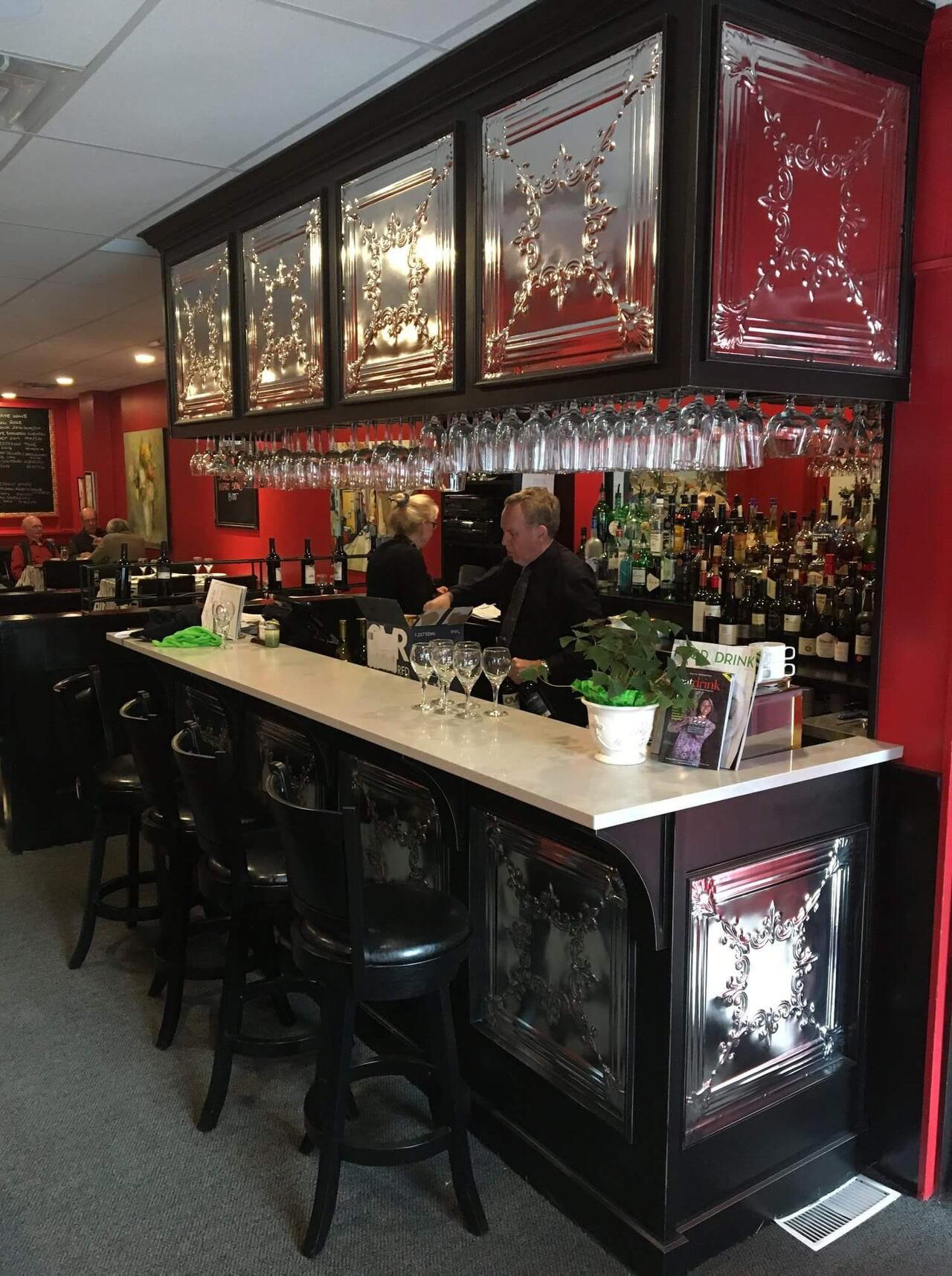
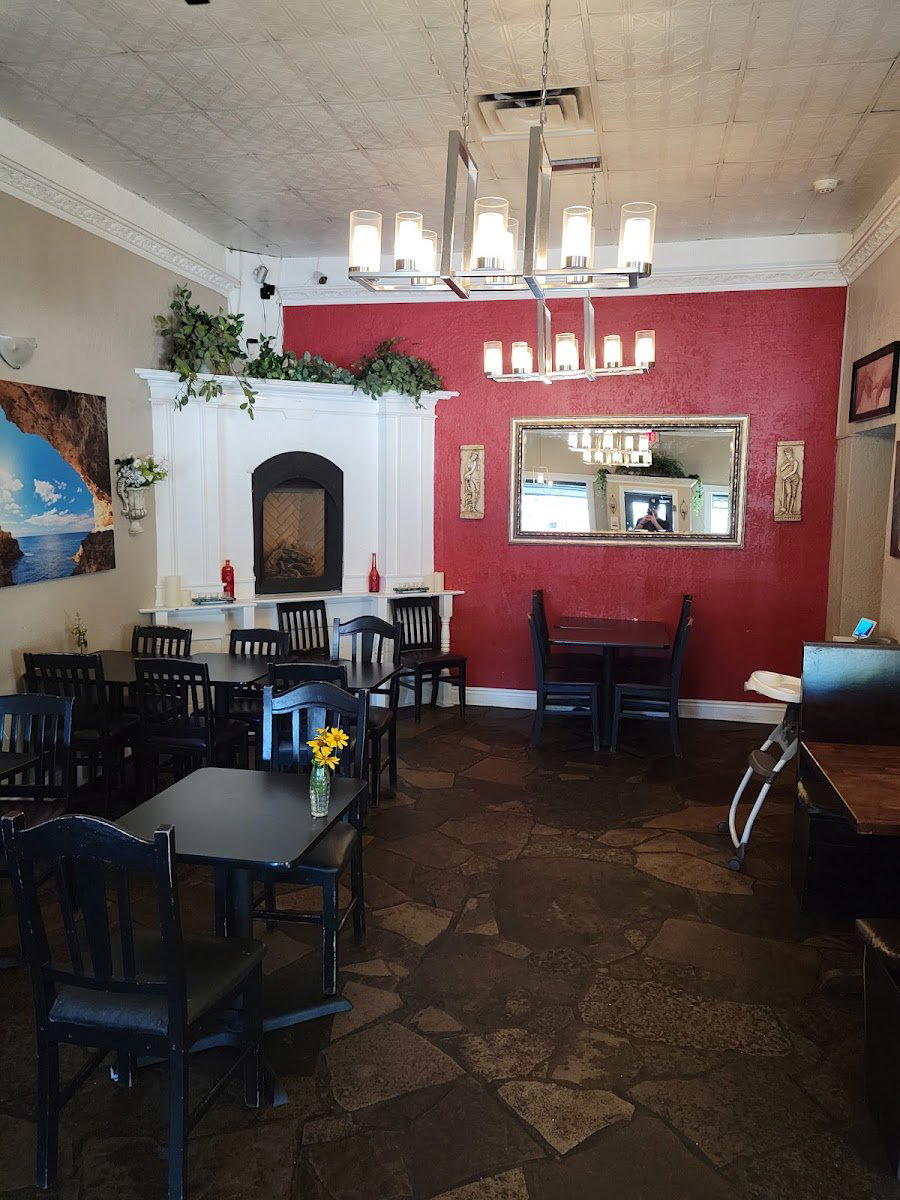
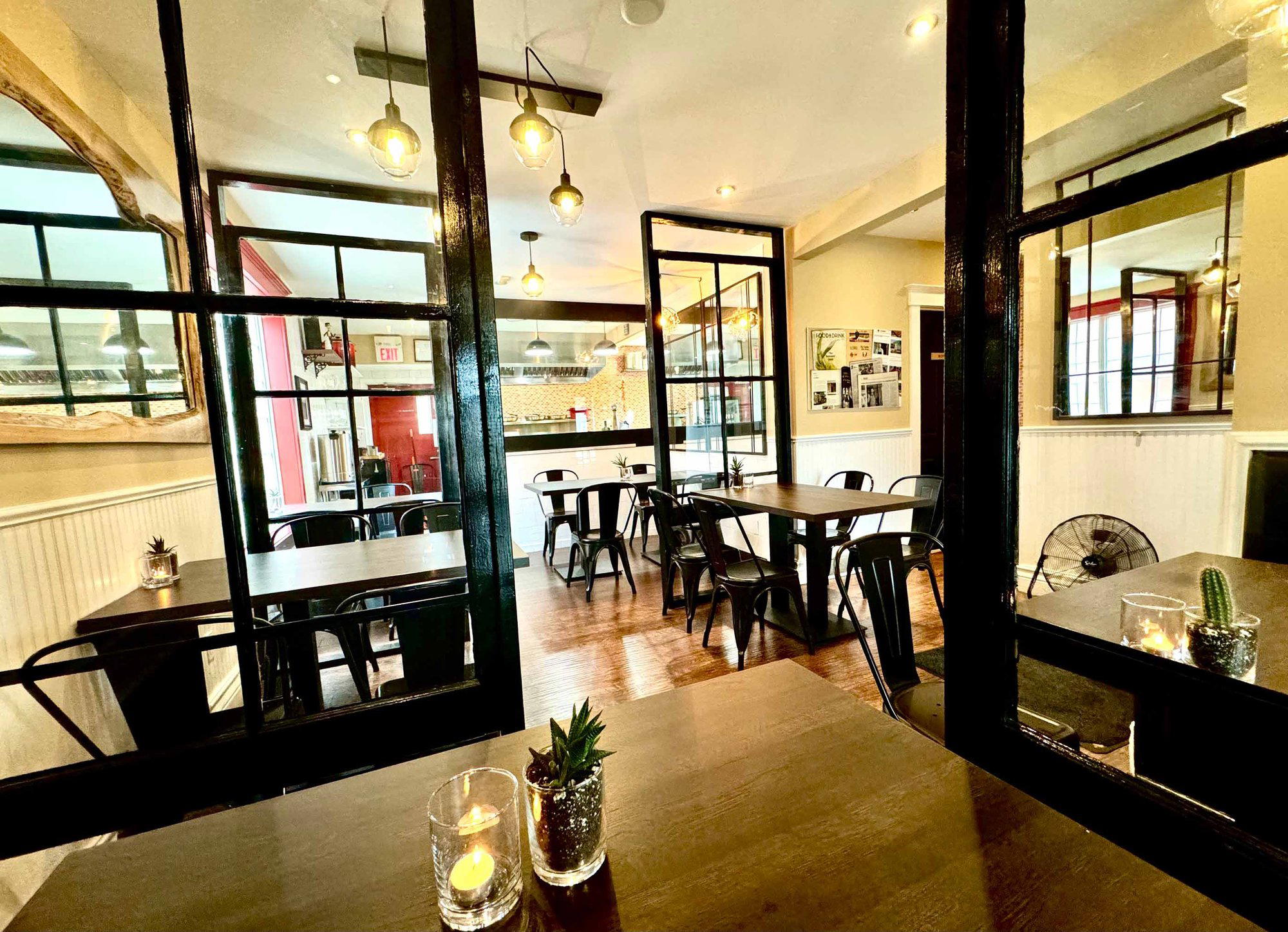
Classic diner atmosphere with a lively late-night crowd enjoying comfort food.