Philia

On Place du Mercadial in the heart of Saint-Céré, Philia puts the agricultural wealth of the Lot and its neighbouring departments at the centre of its cooking. Chef Thomas Biasutti works with organic market gardeners, Aveyron lamb, and Cantal pork to produce contemporary plates that respect classical structure without overcomplicating it. For the Quercy, this is serious bistronomy at a human scale.
Pearl is the En Primeur Club membership app — saves, bookings, and concierge access live there. Same editors, same standards.
- Address
- 3 place du Mercadial
- Phone
- +33 5 65 10 66 82
- Website
- restaurant-philia.com
- Directions
- Get directions
 Saves & bookings on Pearl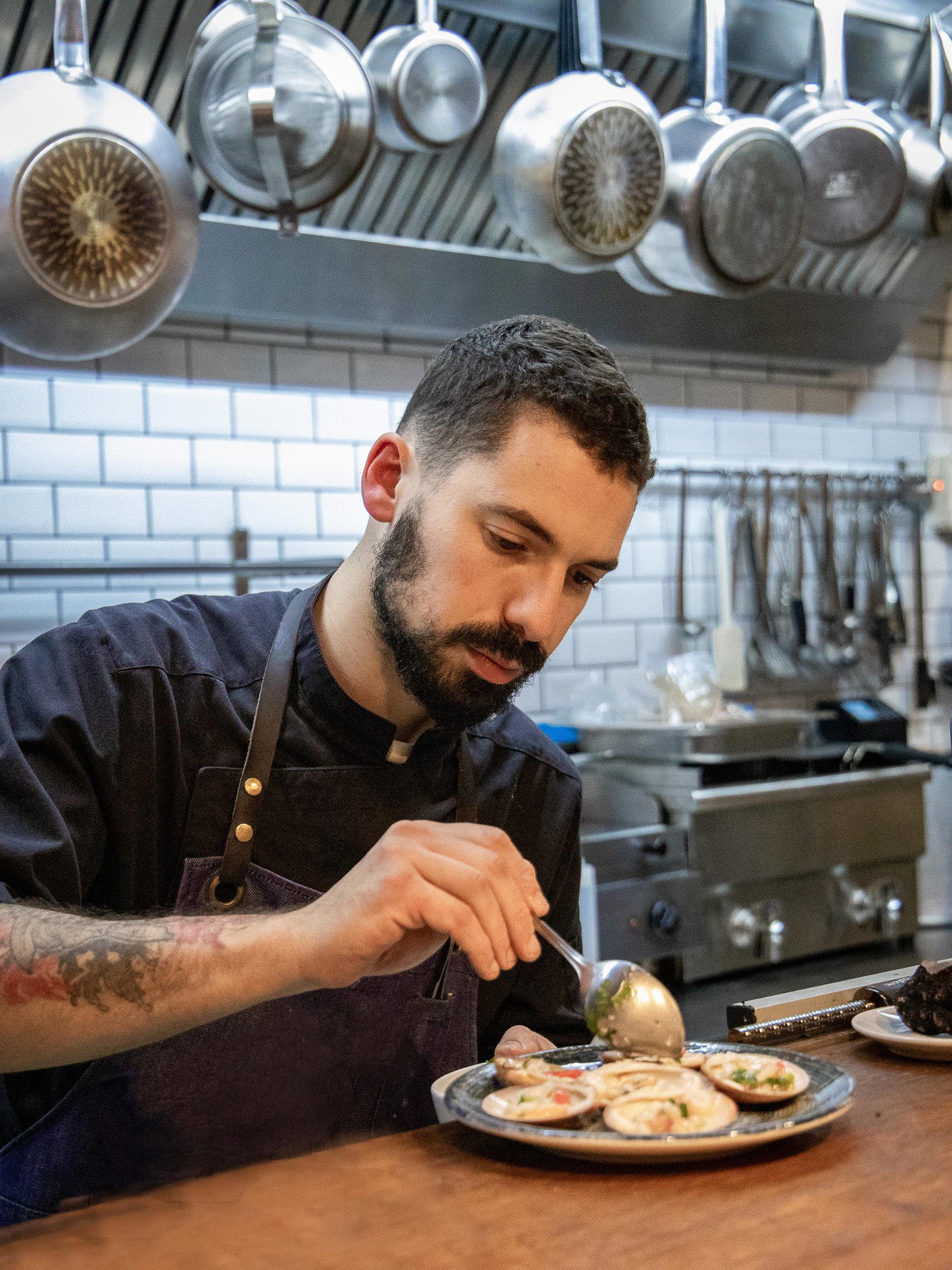
Stone Walls, Local Soil: Dining on Place du Mercadial
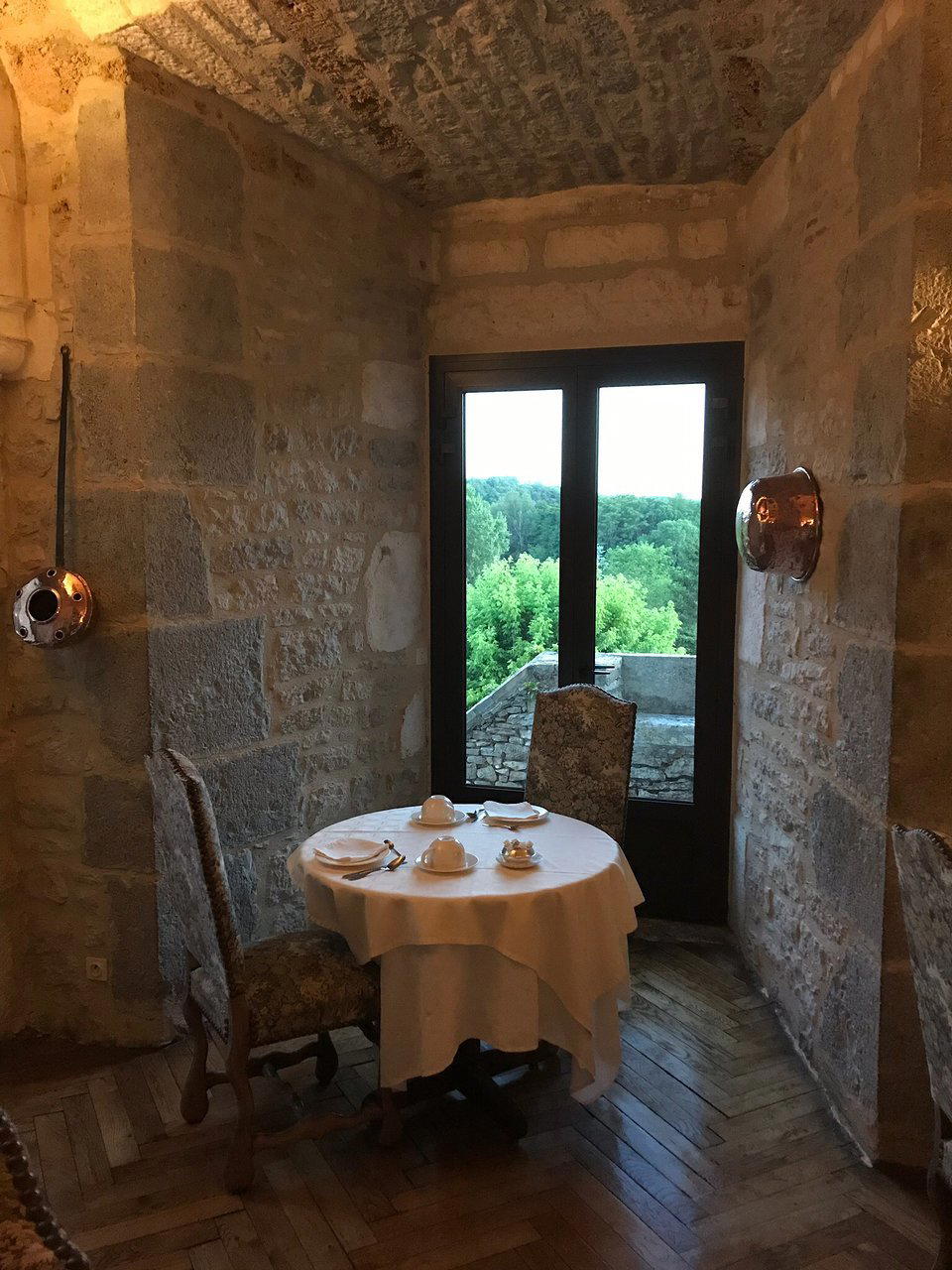
Place du Mercadial is one of those squares that seems to have been designed specifically to slow people down. The medieval arcades, the uneven stone, the absence of anything that reads as a chain or a franchise — it sets a particular register before you've touched a menu. Philia occupies a house on the square whose rough stone walls do nothing to hide their age, and the intimate dining room inside feels like a continuation of the street rather than a retreat from it. In a region where historic fabric is everywhere, what's rarer is a kitchen that matches the setting in seriousness.
Where the Food Comes From — and Why That Question Matters in the Lot
The Massif Central and the river valleys that drain into the Lot produce some of the most characterful raw materials in southern France. Aveyron lamb, raised on high-altitude pasture, carries a mineral depth that lowland equivalents rarely match. Cantal pork is threaded into the food culture of the Auvergne with the same conviction that Ibérico pig occupies Extremadura. Organic vegetable growers in the Quercy operate at a scale where the farmer and the chef still exchange phone calls rather than invoices from a distributor. These are not abstract credentials. They describe a supply chain short enough that provenance is genuinely traceable.
Philia's kitchen is built on exactly this geography. The sourcing is local in the specific, documented sense: organic vegetables from neighbouring market gardeners, free-range guinea fowl, lamb from Aveyron, pork from Cantal. In a country where the word terroir has been stretched to cover almost any marketing claim, a menu assembled from these particular producers in this particular valley carries real specificity. Compare this with the sourcing strategies at France's most-discussed destination kitchens, Mirazur in Menton draws from its own coastal gardens, Bras in Laguiole has built an identity around Aubrac's plateau plants for decades, and what connects them is that the sourcing decision is structural, not decorative. At Philia, the same principle operates at a more accessible register, but the discipline is comparable.
The Kitchen's Approach: Bistronomy Without the Noise
Chef Thomas Biasutti arrived in Saint-Céré via Carcassonne and several bistronomy restaurants in Toulouse, which places his formation squarely inside the movement that reoriented French cooking from the late 1990s onward. Bistronomy, in its more rigorous form, is not about casualness for its own sake. It is about applying serious technique to ingredients and price points that Michelin-starred kitchens historically overlooked, and doing so in rooms that don't demand a tie. The movement produced a generation of cooks fluent in classical French foundations but unburdened by the ceremonial weight that those foundations once carried.
At Philia, that training shows in the construction of the dishes rather than in any display of it. The description that emerges from the kitchen is of contemporary, well-constructed plates where jus and herbs enhance the classical base without complicating it. This is a more demanding brief than it sounds. Restraint in cooking is technically harder than addition. Knowing when a jus is doing enough work, when a herb is a counterpoint rather than a garnish, these are decisions that require a confident hand. The bistronomy kitchens of Toulouse, which provided Biasutti's formative context, have long operated in that register. It is a lineage that connects, at some remove, to the broader French tradition that runs from Troisgros through to the modern regional movement represented by restaurants like Flocons de Sel in Megève.
Saint-Céré's Dining Context
Saint-Céré is a town of roughly 3,500 people in the northern Lot, better known outside France for its July-August opera festival than for its restaurant scene. That demographic reality shapes what serious cooking here looks like: it is necessarily intimate, necessarily dependent on a local and regional clientele as much as on visitors, and necessarily unpretentious in format. The town's dining options include Les Trois Soleils de Montal, which operates at the hotel-restaurant end of the spectrum, and L'Informel, which sits in a more relaxed register. Philia occupies a distinct position: a chef-led room with clear culinary ambitions, placed in a medieval square, working with producers from the surrounding territory.
For context on what France's most celebrated kitchens look like at the opposite end of the scale, the comparison set spans Alléno Paris au Pavillon Ledoyen, Auberge de l'Ill in Illhaeusern, and AM par Alexandre Mazzia in Marseille. What Philia shares with those rooms is not scale or budget, but a specific seriousness about ingredient provenance and technical discipline. The €€€€ rooms that define France's highest-recognition tier, Assiette Champenoise in Reims, Paul Bocuse in Collonges-au-Mont-d'Or, operate in a fundamentally different register. Philia is the counter-argument: that careful sourcing and sound technique, applied in a small room in a provincial town, can produce cooking that merits serious attention without requiring a destination-dining budget.
Planning Your Visit
Philia sits at 3 place du Mercadial, directly on the central square of Saint-Céré. The town is accessible by car from Figeac (roughly 30 kilometres southwest) and from Brive-la-Gaillarde to the north. The dining room is intimate in scale, which means the room fills quickly on weekend evenings; booking ahead is advisable, particularly during the summer opera festival season when the town draws visitors from well outside the region. For those building a broader stay, the Saint-Céré hotels guide, bars guide, wineries guide, and experiences guide cover the wider territory. The full Saint-Céré restaurants guide places Philia in the context of every other serious option in the town.
How Philia Saint-Céré compares with similar nearby venues.
| Venue | Cuisine | Price | Awards |
|---|---|---|---|
| Philia | Not listed | Not listed | Bib Gourmand |
| Les Trois Soleils de Montal | Modern Cuisine | €€€ | Not listed |
| L'Informel | Traditional Cuisine | € | Not listed |
| Au Déjeuner de Sousceyrac | Classic Cuisine | €€ | Not listed |
Recognition history
Dated appearances from independent guides and award organizations, with the underlying list record or original source where available.
Michelin Bib Gourmand
Michelin
Michelin Plate
Michelin · 2026 Michelin Plate
Continue exploring
More in Saint-Céré
Restaurants in Saint-Céré
Browse all →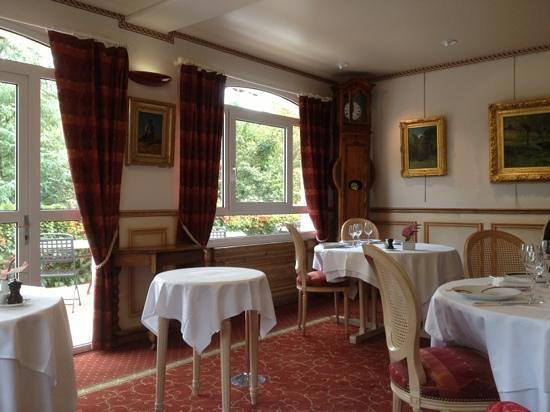
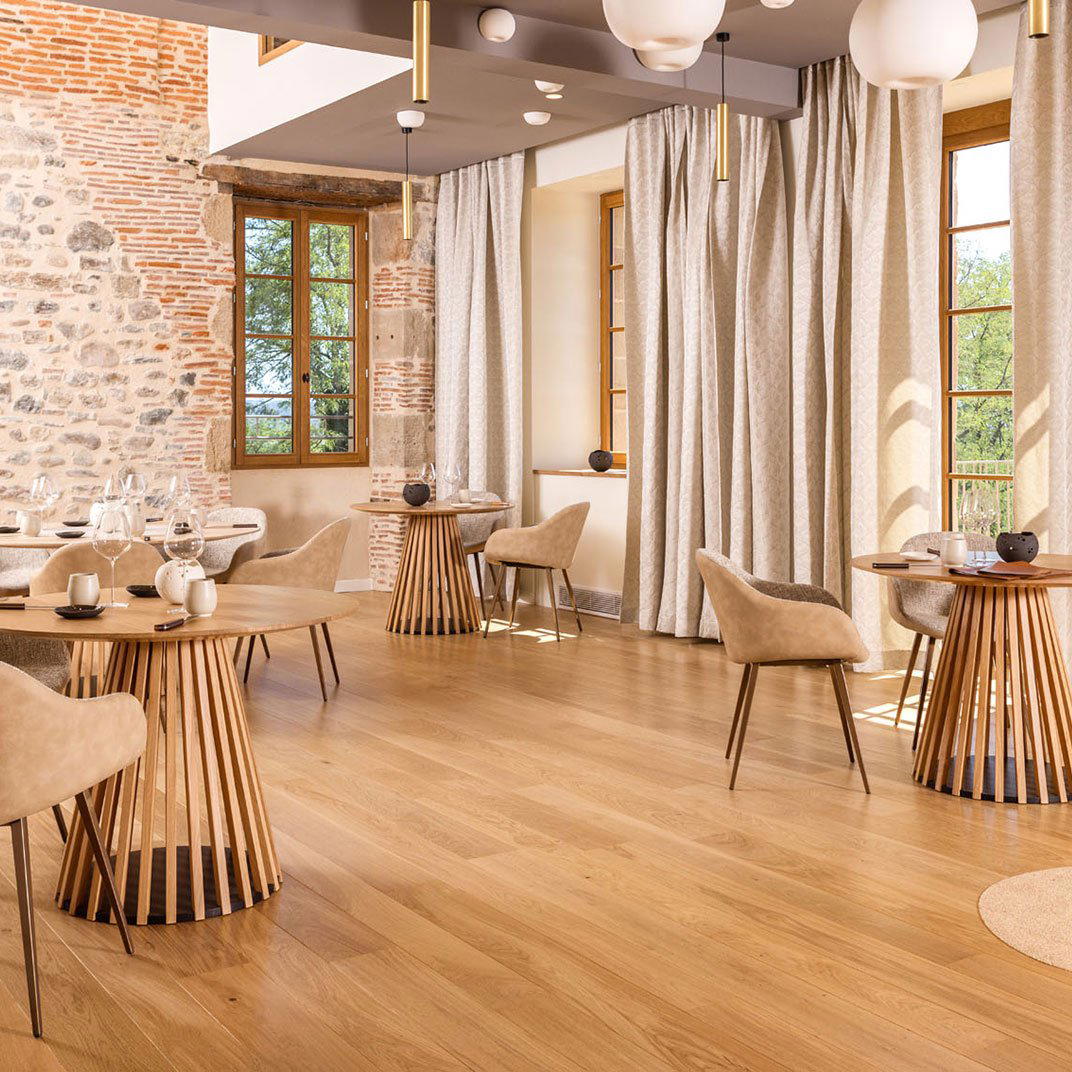
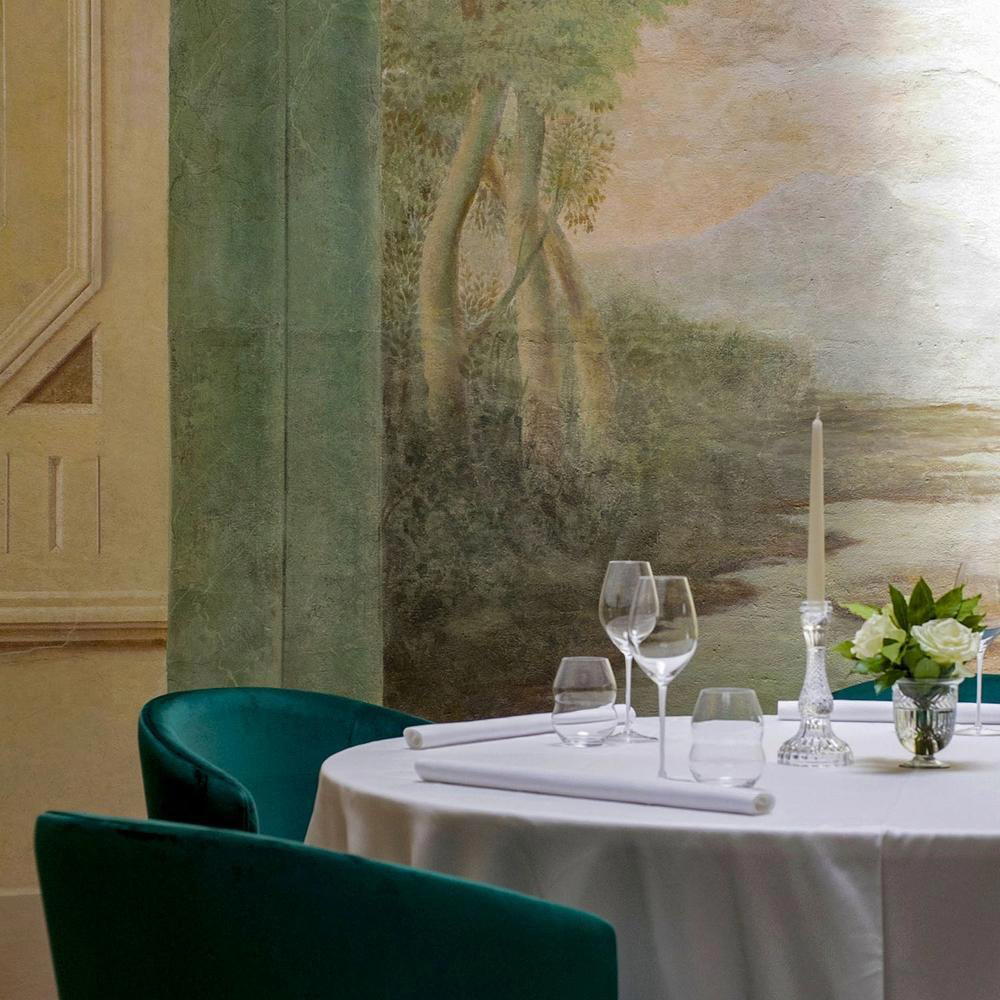
Hotels in Saint-Céré
Browse all →

At a Glance
- Cozy
- Intimate
- Rustic
- Elegant
- Date Night
- Special Occasion
- Open Kitchen
- Natural Wine
- Farm To Table
- Local Sourcing
- Street Scene
Current opening hours
- Monday
- Closed
- Tuesday
- 12–2 PM
- Wednesday
- 12–2 PM
- Thursday
- 12–2 PM, 7:30–9 PM
- Friday
- 12–2 PM, 7:30–9 PM
- Saturday
- 12–2 PM, 7:30–9 PM
- Sunday
- Closed
Hours can change for holidays and private events. Last verified .
Charming decor with rough stone walls, intimate dining area, and serene atmosphere.