
In the hill-top market town of Bellême, former capital of the Perche region, Paysages channels the surrounding bocage through wood-fired technique and acute sourcing discipline. Chef Sylvain Parisot, trained at L'Astrance and La Maison Lameloise, frames local terroir with a precision that sits well above the town's modest size. The room is watched over by Keiko Parisot, whose floor presence gives the experience quiet coherence.
Pearl is the En Primeur Club membership app — saves, bookings, and concierge access live there. Same editors, same standards.
- Address
- 2 place de l’Europe
- Phone
- +33 2 33 25 18 23
- Website
- restaurantpaysages.com
 Saves & bookings on Pearl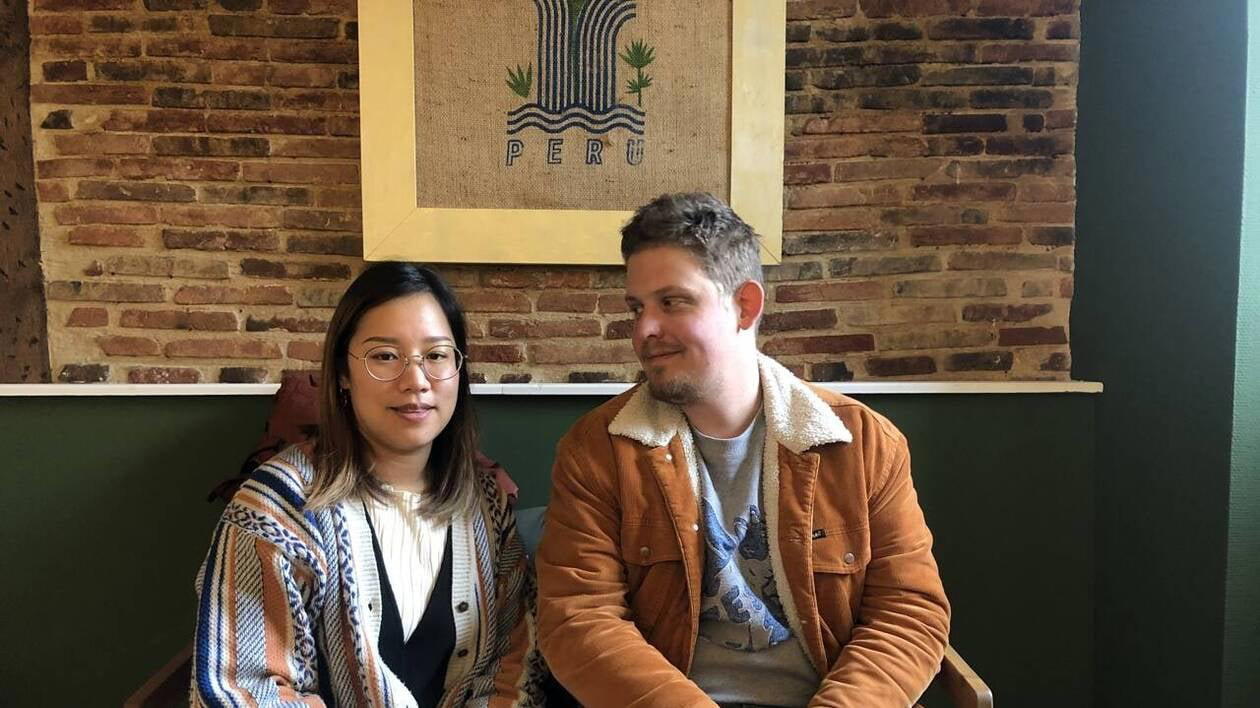
Where the Perche Speaks on the Plate
Bellême sits on a limestone ridge above the forest of the same name, its medieval streets and covered market halls carrying the posture of a place that once mattered politically and still matters gastronomically. Place de l'Europe, where Paysages occupies its address, is calm enough that arrival feels more like stepping into a village square than finding a destination restaurant. That quietness is the point. The Perche is one of those Norman-adjacent regions that French food culture has long used as a larder without fully crediting: hedgerow-bordered farmland, dairy of high calibre, rivers with fish worth cooking carefully. Paysages makes the credit explicit.
The name itself signals the editorial intent: this is cooking that looks outward at the land rather than inward at technique for its own sake. Wood-fired heat is the primary tool, and in that choice there is a statement about what cooking in this region should feel like. Open-flame and ember cooking rewards ingredients with strong intrinsic character, the kind that come from short supply chains and unhurried rearing. In regions like the Perche, where the agricultural fabric is still intact in ways that peri-urban France has largely lost, that approach lands with particular credibility.
What the Terroir Argument Looks Like on the Menu
French regional cooking has split along a visible fault line over the past decade. On one side sit the grand houses where terroir is invoked as branding, see the Alléno Paris au Pavillon Ledoyen model, where sourcing is real but the setting is emphatically Parisian. On the other sit smaller tables in places like the Perche, Laguiole, or the Hérault where provenance is not a luxury add-on but an organizing principle enforced by geography itself. Paysages belongs to the second category, in the same current that runs through Bras in Laguiole and, in a different register, Auberge du Vieux Puits in Fontjoncouse: cooking where removing the regional context would leave you with nothing to say about the food.
The dish that critics and the sourcing record cite together is a crispy-skinned mackerel, pink at the bone, accompanied by a sabayon made with vin jaune. That combination is instructive. Mackerel in this part of France travels from the Normandy and Brittany coasts, close enough that freshness is structural, not aspirational. Vin jaune is Jura, not Perche, but its oxidative, walnut-forward profile is a classic pairing with oily, full-flavoured fish, and its use here signals a cook who reads flavour across regional lines without abandoning proximity as a starting principle. The sabayon format asks for precision: vin jaune's acidity can collapse or sharpen a sauce depending on timing and temperature, and getting a sabayon right with it requires the kind of calibrated execution that training at Flocons de Sel-adjacent houses instills.
The Training Behind the Technique
Sylvain Parisot's background runs through two of France's more technically rigorous kitchens. L'Astrance, under Pascal Barbot, was among the houses that defined contemporary French intelligence in the 2000s: short menus, no à la carte, sourcing that drove the offer rather than decorated it. La Maison Lameloise in Chagny occupies a different register, a multi-generation Michelin three-star in Burgundy where classical foundations and regional loyalty have coexisted across decades. The combination is not accidental: it produces a cook who understands how to argue for a place through its ingredients and then execute that argument with formality. In that sense, Paysages sits in the lineage of French destination cooking that includes Auberge de l'Ill in Illhaeusern and Troisgros - Le Bois sans Feuilles in Ouches: high technique deployed in service of a specific territory, not as an export product.
The floor operation, managed by Keiko Parisot, matters to this reading. The restaurants that sustain this model in small towns tend to succeed because service matches the ambition of the kitchen rather than trailing behind it. Front-of-house in destination restaurants at this level is a calibration exercise: too formal and the room becomes a performance; too relaxed and the food loses its frame. Keiko's oversight, noted consistently in coverage of the restaurant, suggests the balance is held.
Bellême and the Case for Cooking Outside the City
The broader French dining conversation still centres Paris, see AM par Alexandre Mazzia in Marseille or Assiette Champenoise in Reims as the outer nodes of what gets consistent international attention. Bellême does not operate in that conversation, which is part of what makes Paysages interesting. The Perche sits roughly two hours southwest of Paris by road, close enough for a weekend or a deliberate detour on a longer Norman itinerary, but not on any standard route. The town itself rewards the side trip: the medieval fortified gate, the Saturday market, the forest walking paths that give you an immediate physical sense of the landscape the kitchen is working with. The dining is the anchor, but the context around it is what makes a day or two here coherent rather than merely efficient.
Restaurants of this type in provincial France, high-skill, terroir-anchored, run by a chef-couple without a hotel operation behind them, tend to book at a different pace than city equivalents. There is no volume to absorb last-minute demand, and the profile that comes with serious training and critical recognition fills the room without requiring a publicity apparatus. Planning a visit several weeks out, particularly for weekend services, is sensible. For international visitors making Paysages the purpose of a French trip rather than a stop within one, the comparison set is worth noting: the cooking sits in the tier that includes Mirazur in Menton and Au Crocodile in Strasbourg in terms of seriousness of purpose, even if the profile and scale differ significantly.
Planning Your Visit
Paysages is at 2 place de l'Europe in Bellême. Specific booking methods, current hours, and pricing are not published through standard channels, so contacting the restaurant directly, either by email or phone if listed locally, is the path of least friction. The Perche is leading visited between late spring and early autumn, when the agricultural cycle that feeds the kitchen is at its most expressive and the town's market life is at full pace. For those arriving from Paris, the A11 motorway toward Le Mans covers the first part of the journey before regional roads take over for the final approach through the bocage. Reservations are recommended, especially for weekend services.
At-a-Glance Comparison
Comparable venues nearby, for context on price, style, and recognition.
| Venue | Cuisine | Price | Awards | Notes |
|---|---|---|---|---|
| PaysagesThis venue — the venue you are viewing | Modern French, Wood-Fired | $$$ | Michelin Plate | |
| Sauge | Modern French Percheron | $$$ | Michelin Plate | Réveillon |
| La Suite | Traditional French Bistro | $$$ | Michelin Plate | Place Auguste Poulet Malassis |
| Blossom Bistrot | Modern French Bistro | $$$ | Michelin Plate | Vernon |
| La Table de Clément Paillard | Modern French Gastronomic | $$$ | Michelin Plate | Cathédrale Saint-Maurice |
| L'Étape Louis 13 | Traditional Norman Fine Dining | $$$ | Michelin Plate | Beaumesnil, Mesnil-en-Ouche |
Continue exploring
More in Bellême
Restaurants in Bellême
Browse all →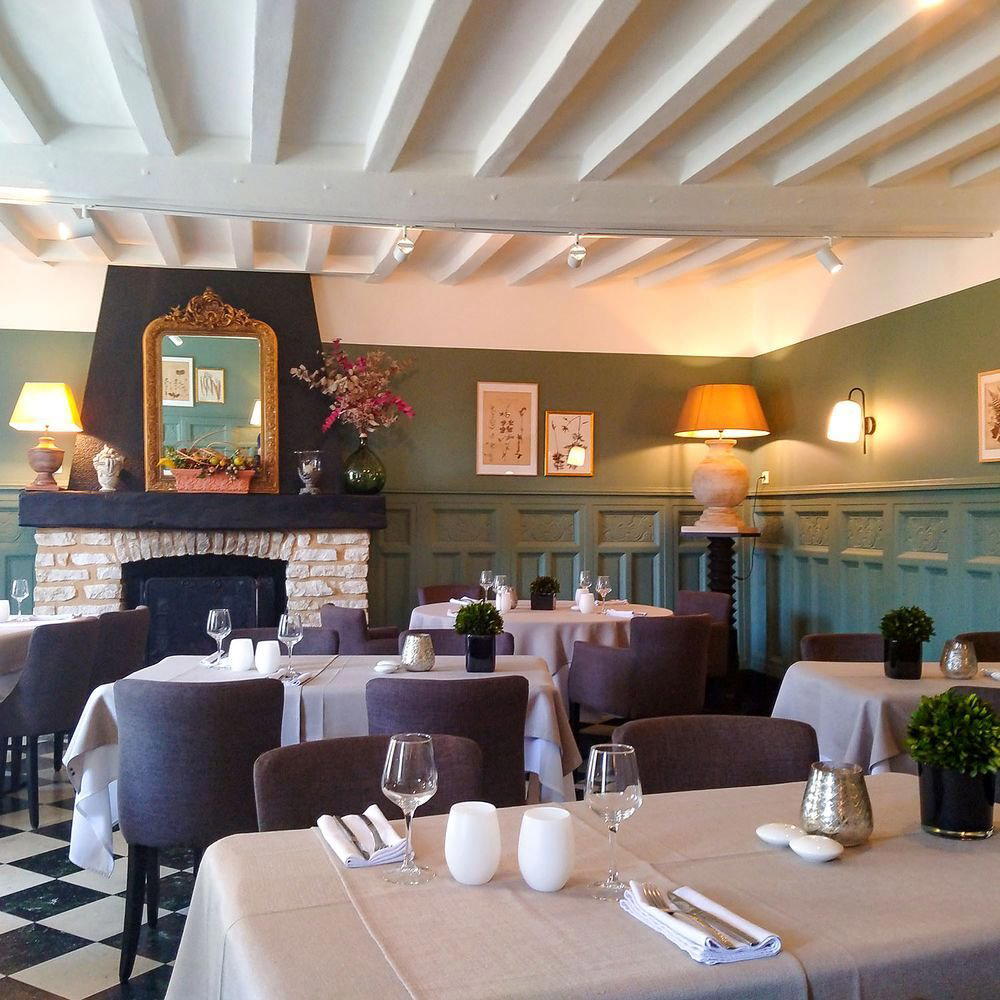
At a Glance
- Rustic
- Elegant
- Modern
- Intimate
- Date Night
- Special Occasion
- Celebration
- Open Kitchen
- Standalone
- Natural Wine
- Farm To Table
- Local Sourcing
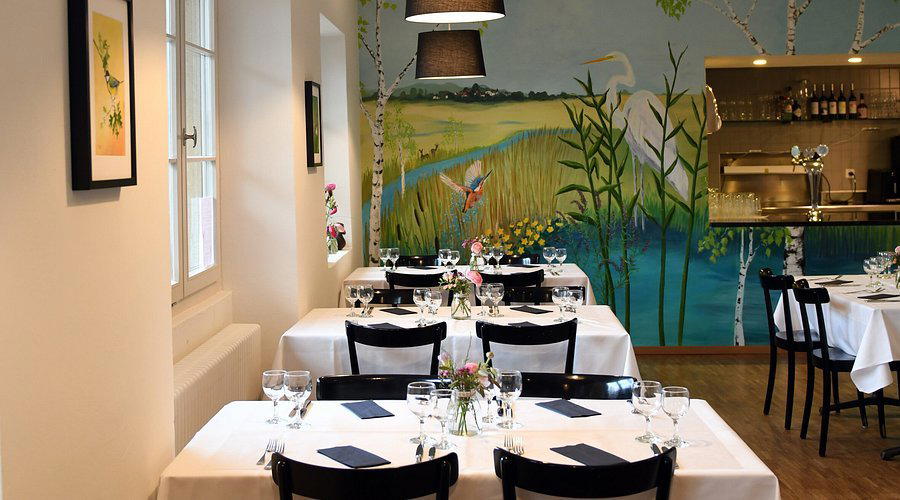
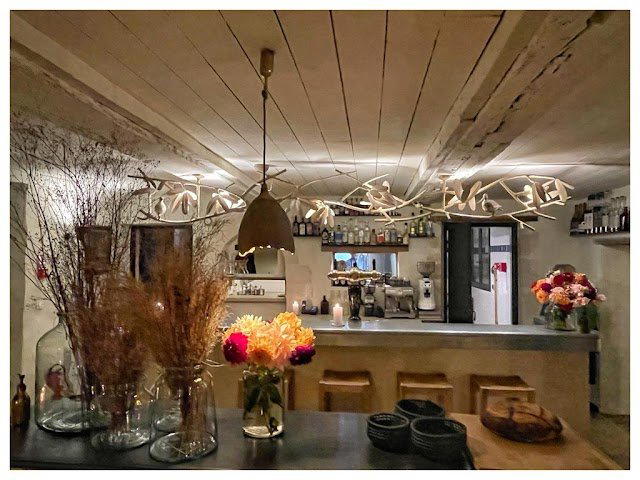
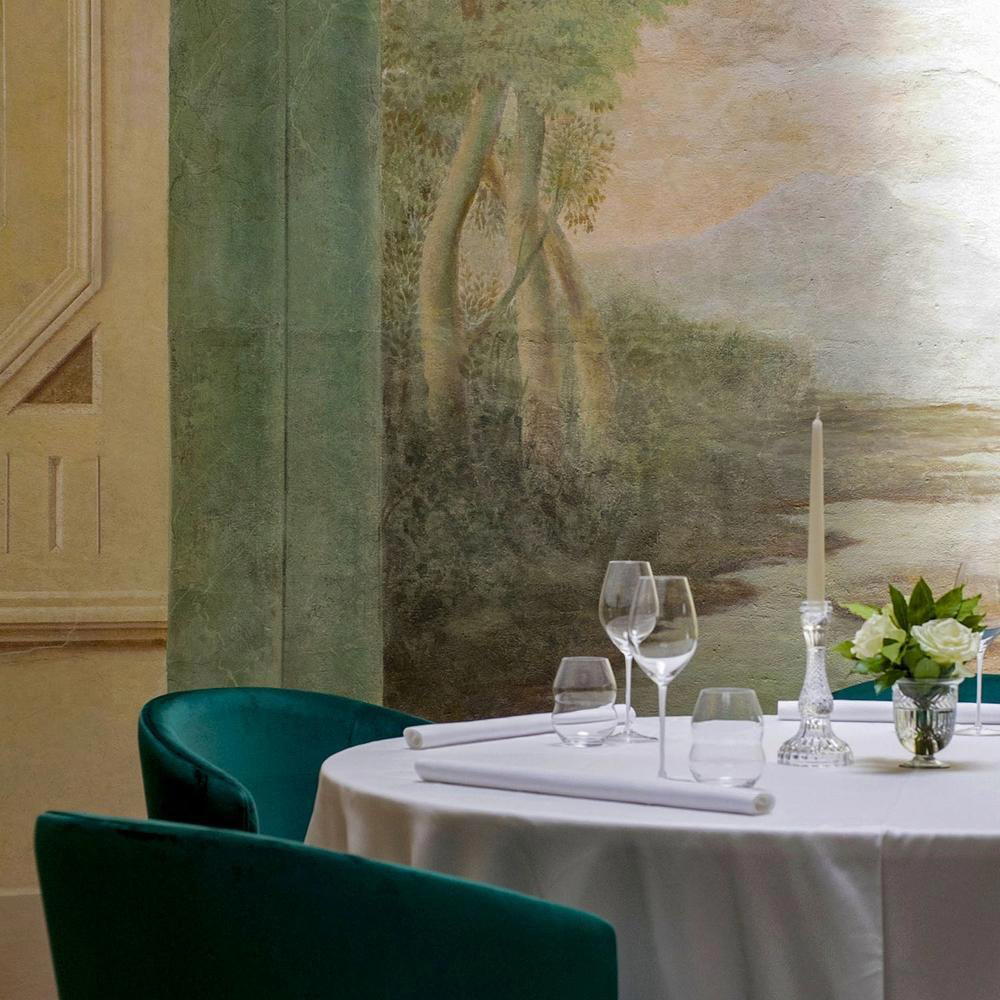
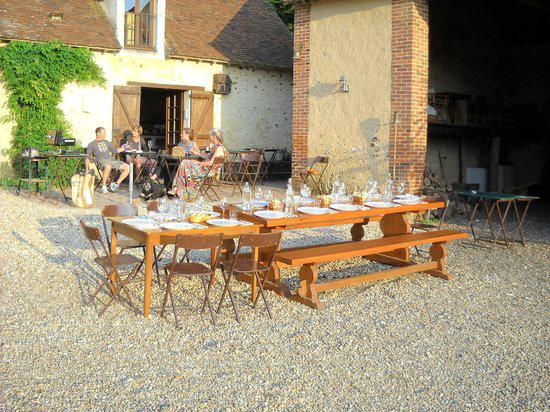
Minimalist modern décor with béton ciré and whitewashed walls, open kitchen, warm and inviting with natural light and a focus on simplicity and sharing.