Parzival

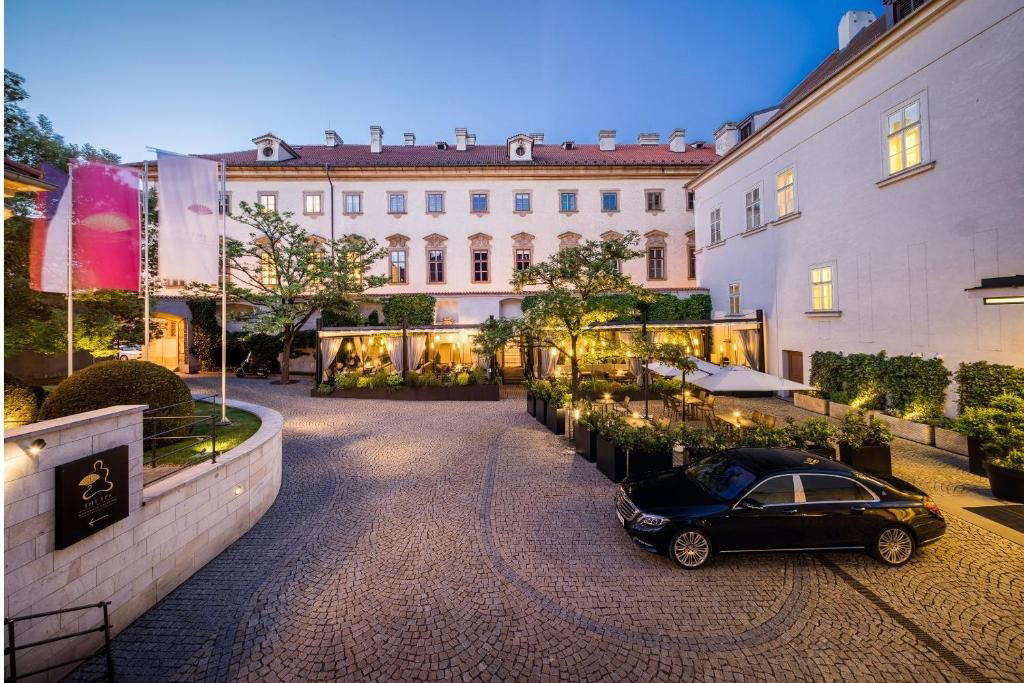
Housed within boutique hotel Bookquet in Prague's Staré Město, Parzival brings Gal Ben Moshe's Levantine-rooted cuisine to one of the city's more considered fine dining addresses. A six-course set menu moves through Israeli and Asian influences in sequence, supported by a wine list where almost every bottle is also available by the glass. The chic hotel lobby lounge sets the scene before you sit down.
Pearl is the En Primeur Club membership app — saves, bookings, and concierge access live there. Same editors, same standards.
- Address
- Karoliny Světlé 323/27, 110 00 Praha 1-Staré Město, Czechia
- Directions
- Get directions
 Saves & bookings on Pearl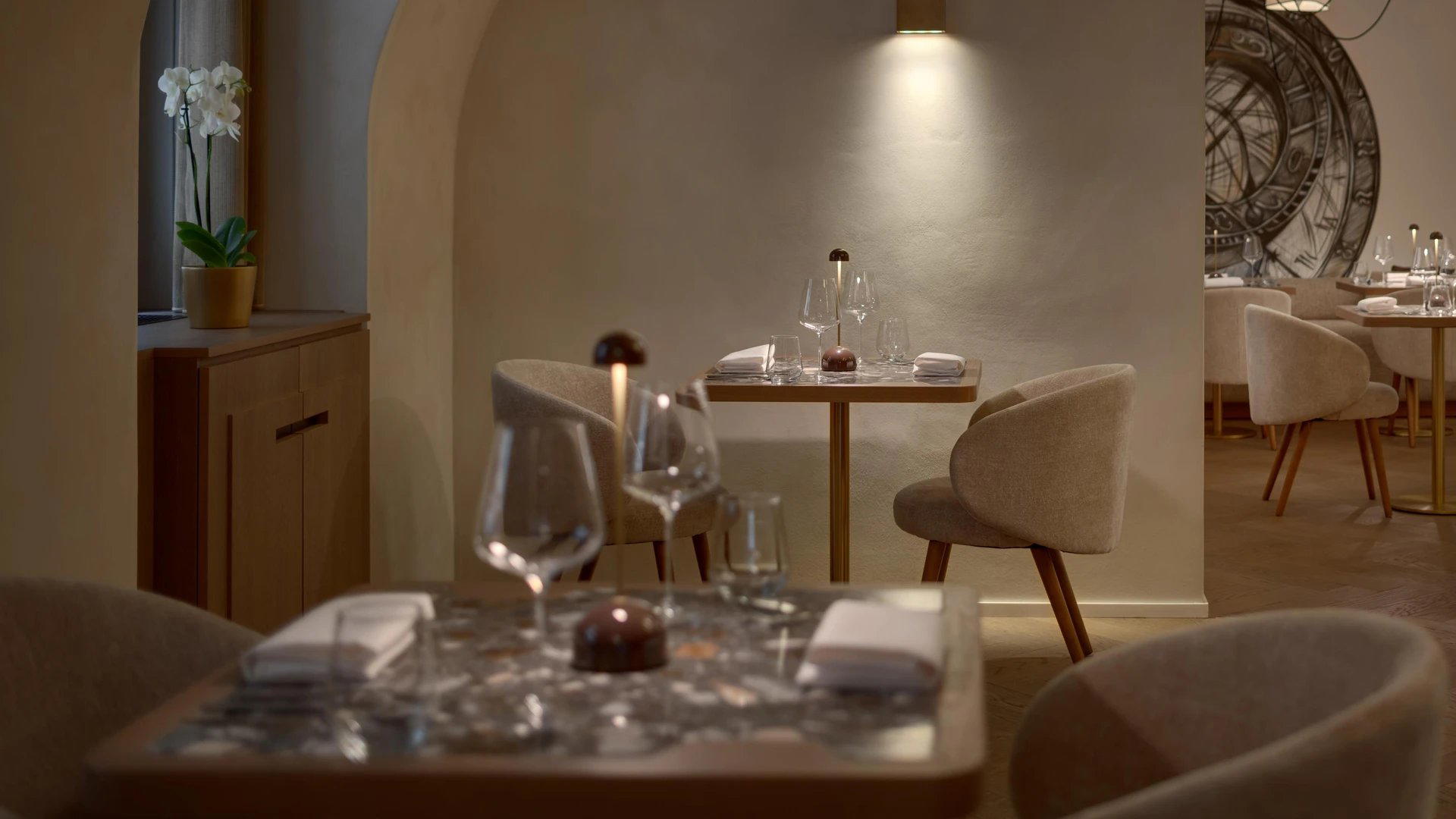
A New Kitchen in an Old City
Prague's Old Town has long been better at preserving its stone than refreshing its kitchens. The district around Karoliny Světlé draws visitors for the medieval streetscape, but serious dining destinations have historically clustered elsewhere in the city. That is shifting, incrementally, as boutique hotel culture imports its kitchen ambitions alongside its design programs. Bookquet, the hotel in which Parzival operates, belongs to that newer cohort: properties that treat the restaurant as a programmatic statement rather than an amenity.
Before the First Course
The meal at Parzival begins before anyone takes a seat. The hotel lobby lounge functions as an aperitif space, and in a six-course format that is a useful part of the sequence. Tasting menus increasingly treat the pre-dinner moment as the first movement of the meal: a chance to calibrate mood, read the room, and let the kitchen's register settle in before the sequencing begins. Prague's fine dining tier has been slow to adopt this kind of structural thinking, which makes Parzival's approach worth noting in context. The lounge sets a chic, composed tone that the dining room continues rather than contradicts.
Elsewhere in Prague's set-menu bracket, the comparison points are useful. La Degustation Bohême Bourgeoise runs a longer, historically anchored Czech tasting format at the leading price tier. Alcron approaches modern European cuisine from a classical hotel-dining tradition. Parzival's position is distinct from both: it arrives with a kitchen shaped by Levantine and Asian reference points, inside a boutique property that reads more Kreuzberg than Grand Bohemian.
The Architecture of the Menu
Six courses is a considered number. Long enough to build a coherent arc, short enough to avoid the fatigue that plagues menus running to nine or eleven. The format used at Parzival, under the direction of Gal Ben Moshe, draws on his years at Prism in Berlin, where Levantine-inflected fine dining earned sustained critical attention. That Berlin context matters for understanding the register here. Prism operated at the intersection of Middle Eastern heritage and European technique, and that vocabulary carries into the Prague kitchen.
The menu reads as a progression through Levantine foundations with visible Asian inflections. This is not fusion in the blunt sense, it is closer to what chefs trained in multi-reference kitchens tend to produce: a cuisine shaped by distinct lineages that have been absorbed rather than combined for effect. New York diners will recognise a parallel in how Atomix handles Korean fine dining, rooted in a specific heritage but in continuous dialogue with broader technique. Prague's dining scene has rarely hosted a kitchen working in this mode, which gives Parzival an uncommon position in its local comparable set.
Across six courses, the sequencing matters as much as any individual dish. A well-constructed tasting menu builds pressure through the middle courses and offers resolution in the final savoury and sweet movements. Whether Parzival's arc achieves that, how the kitchen manages the pivot between Levantine brightness and the richer registers that tend to close a menu, is the critical question for any table booking here. The wine pairing is designed to track that progression, and the structure of the list is worth examining on its own terms.
The Wine Program as Parallel Narrative
The decision to make almost all wines on the pairing menu available by the glass is more editorial than it appears. Most tasting-menu wine programs offer a binary: full pairing or order from the à la carte list. Parzival's approach allows a guest to take part of the pairing, substitute a course, or sample the list without committing to the full sequence. In practice, this makes the wine program accessible at different levels of engagement, and it signals that the team understands the list as a resource rather than a revenue mechanism.
The city's wine scene has matured considerably over the past decade, and a list built for a Levantine-inflected kitchen presents interesting pairing challenges: the cuisine's use of acid, herb, and spice pulls toward certain wine styles that Czech producers are increasingly well-positioned to supply.
Parzival in the Czech Fine Dining Map
Ben Moshe's move from Berlin to Prague fits a broader pattern in Central European fine dining, where chefs with strong international credits are choosing smaller, less saturated cities over continued competition in established markets. Prague's fine dining tier has consolidated around a handful of addresses, and new entrants with serious kitchen backgrounds tend to either reinforce existing categories or introduce something the market has not seen before.
Parzival does the latter. Czech fine dining, at its upper end, leans toward French-Czech synthesis (as at La Degustation) or modern European formalism. A Levantine-rooted set menu, housed in a boutique hotel, occupies a different register entirely. For diners who have tracked the Czech regional scene beyond Prague, through addresses like Cattaleya in Čeladná or Chapelle in Písek, Parzival's arrival in the capital represents a meaningful expansion of the category.
The comparison extends internationally. Le Bernardin demonstrates how a focused culinary identity, maintained with discipline over decades, becomes the defining credential of a restaurant rather than any single dish or decoration. Parzival is early in that process, but the lineage and format suggest a kitchen that understands what it is building toward.
Planning Your Visit
Parzival is located at Karoliny Světlé 323/27 in Prague's Staré Město, within Bookquet hotel. The address places it within walking distance of the Charles Bridge end of Old Town, manageable on foot from most central accommodation. As a hotel restaurant running a set tasting format, bookings are advisable well in advance, particularly given the boutique scale of the property. Arriving in time to use the lobby lounge for an aperitif before your table is called is the intended sequence, and it works. If you are exploring dining beyond the capital, ARRIGŌ in Děčín and ATELIER in Brno are among the stronger regional addresses currently operating.
Comparable Options
Comparable venues nearby, for context on price, style, and recognition.
| Venue | Cuisine | Price | Notes |
|---|---|---|---|
| ParzivalThis venue — the venue you are viewing | Modern Levantine Fine Dining | $$$$ | Not listed |
| Kampa Park | Modern French Fine Dining | $$$$ | Mala Strana |
| Amano | Modern Italian Contemporary | $$$ | Pelc Tyrolka |
| Aleb | Levantine / Middle Eastern kitchen & natural wine bar | $$ | Vinohrady |
| Taro | Modern Vietnamese Contemporary | $$$ | Praha 1 |
| Sansho | Asian Fusion with Czech Local Ingredients | $$$ | Pelc Tyrolka |
Recognition history
Dated appearances from independent guides and award organizations, with the underlying list record or original source where available.
Michelin Plate
Michelin
At a Glance
- Intimate
- Elegant
- Minimalist
- Cozy
- Sophisticated
- Date Night
- Special Occasion
- Hotel Restaurant
- Extensive Wine List
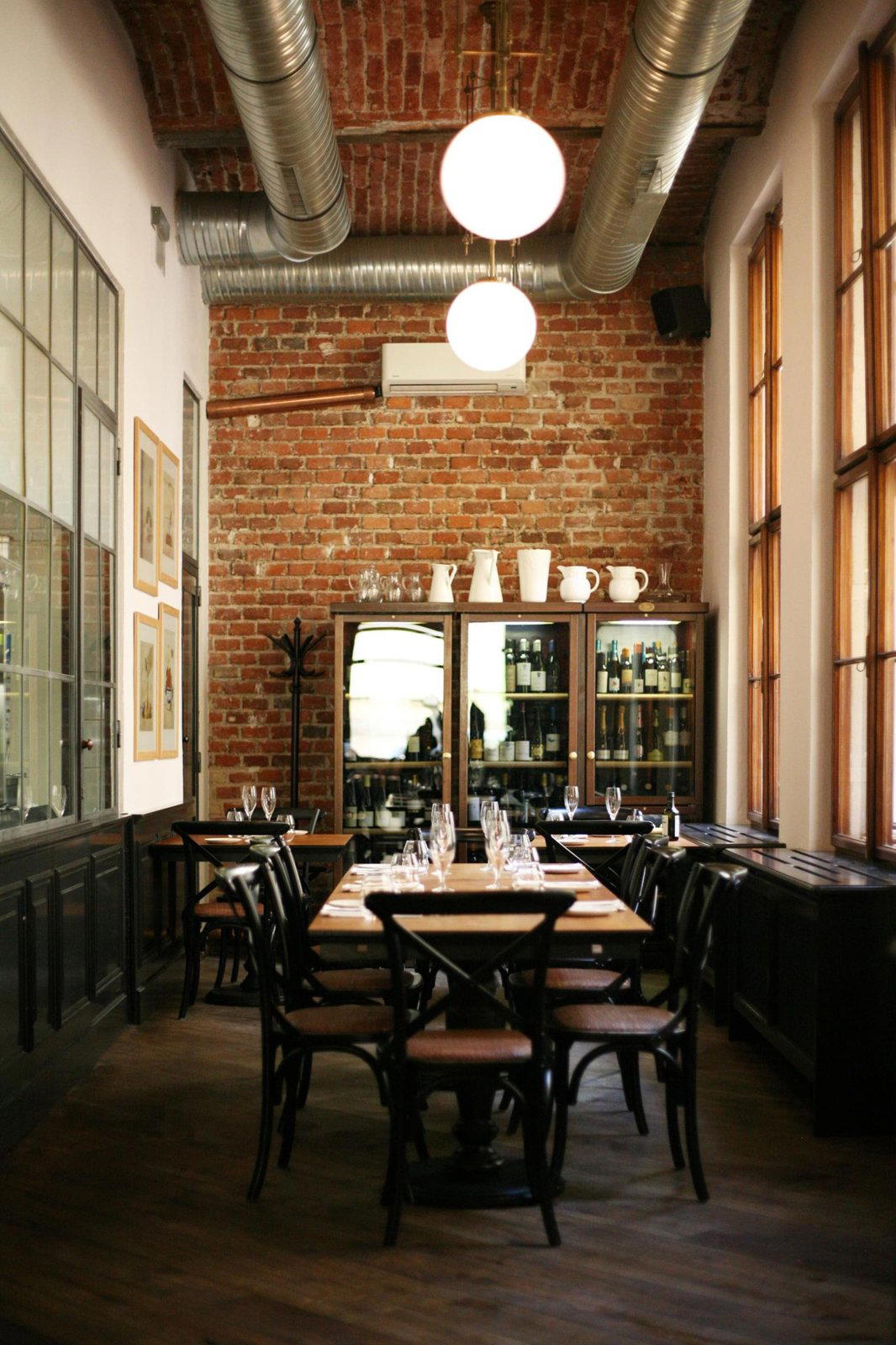
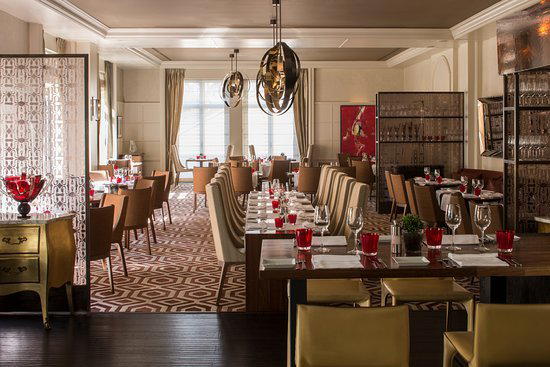
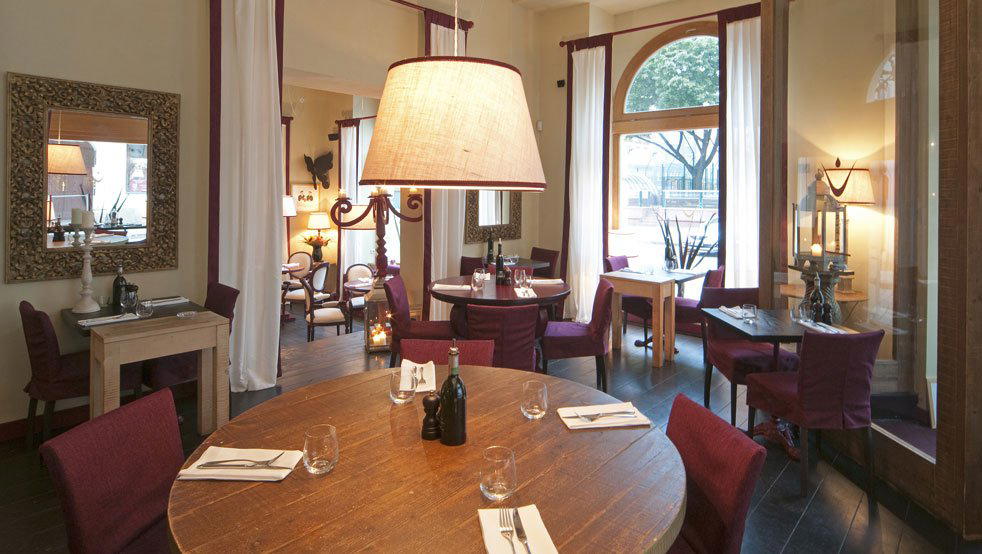
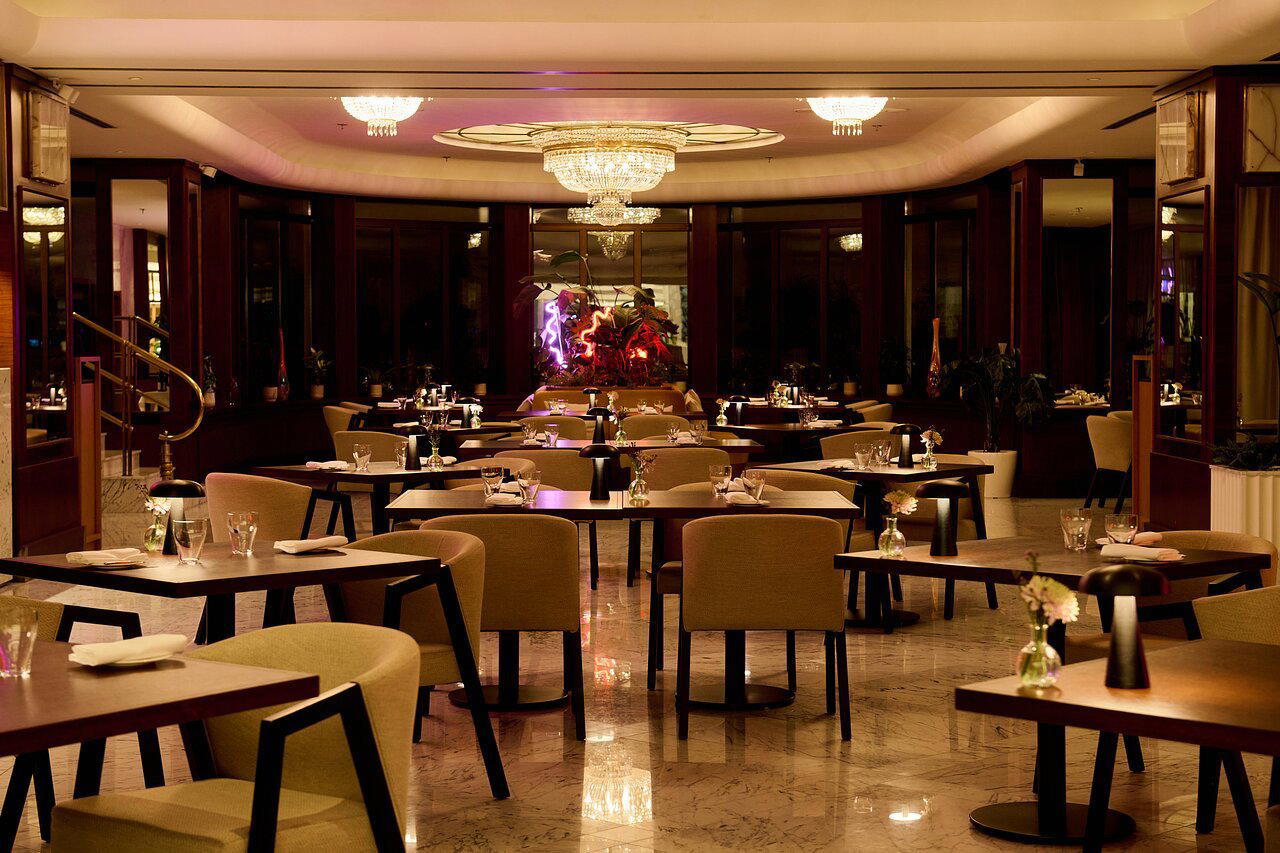
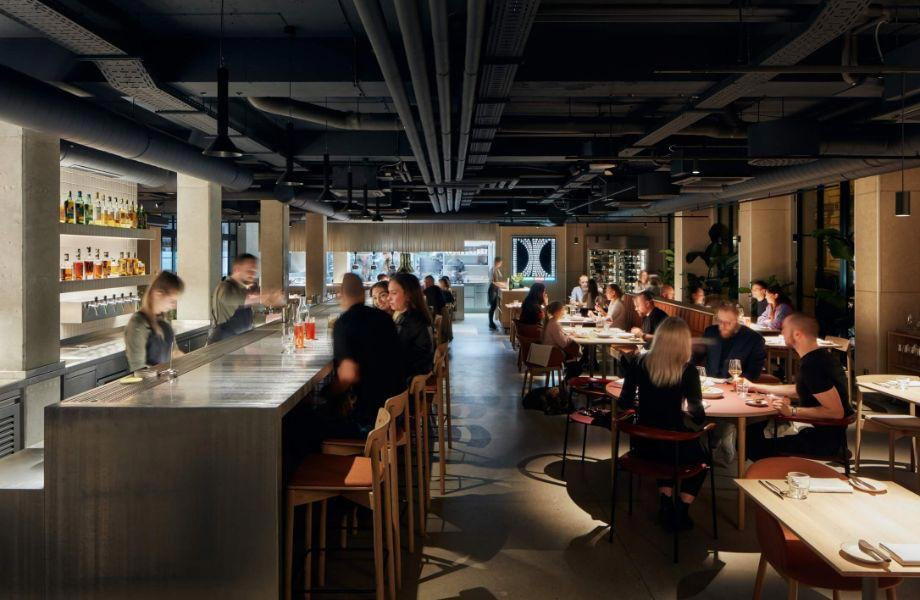
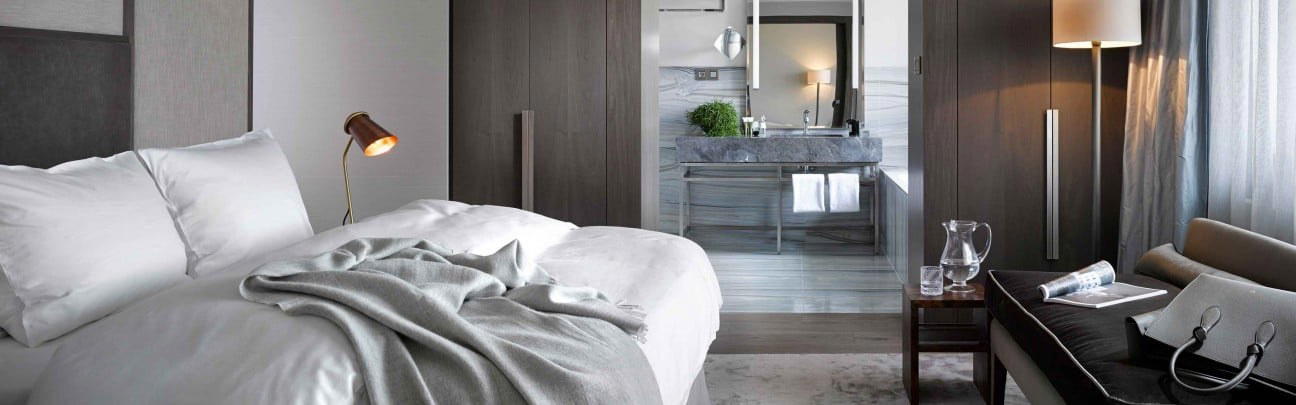
Understated dining room with warm lighting and calm, intimate atmosphere designed for conversation and connection.