Pappasito's Cantina
Our verdict
On Richmond Avenue in the Westheimer corridor, Pappasito's Cantina anchors the Tex-Mex tradition that Houston has long treated as a culinary identity, not just a category. The kitchen draws on Gulf Coast sourcing patterns that give its proteins a regional specificity rarely found in the national chain model. For visitors trying to understand how Houston eats, this address functions as a reliable coordinate.

Pearl is the En Primeur Club membership app, where members save venues, book tables and use the concierge.

The Room Before the First Bite
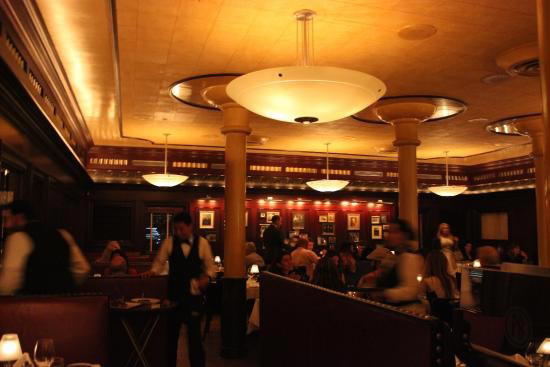
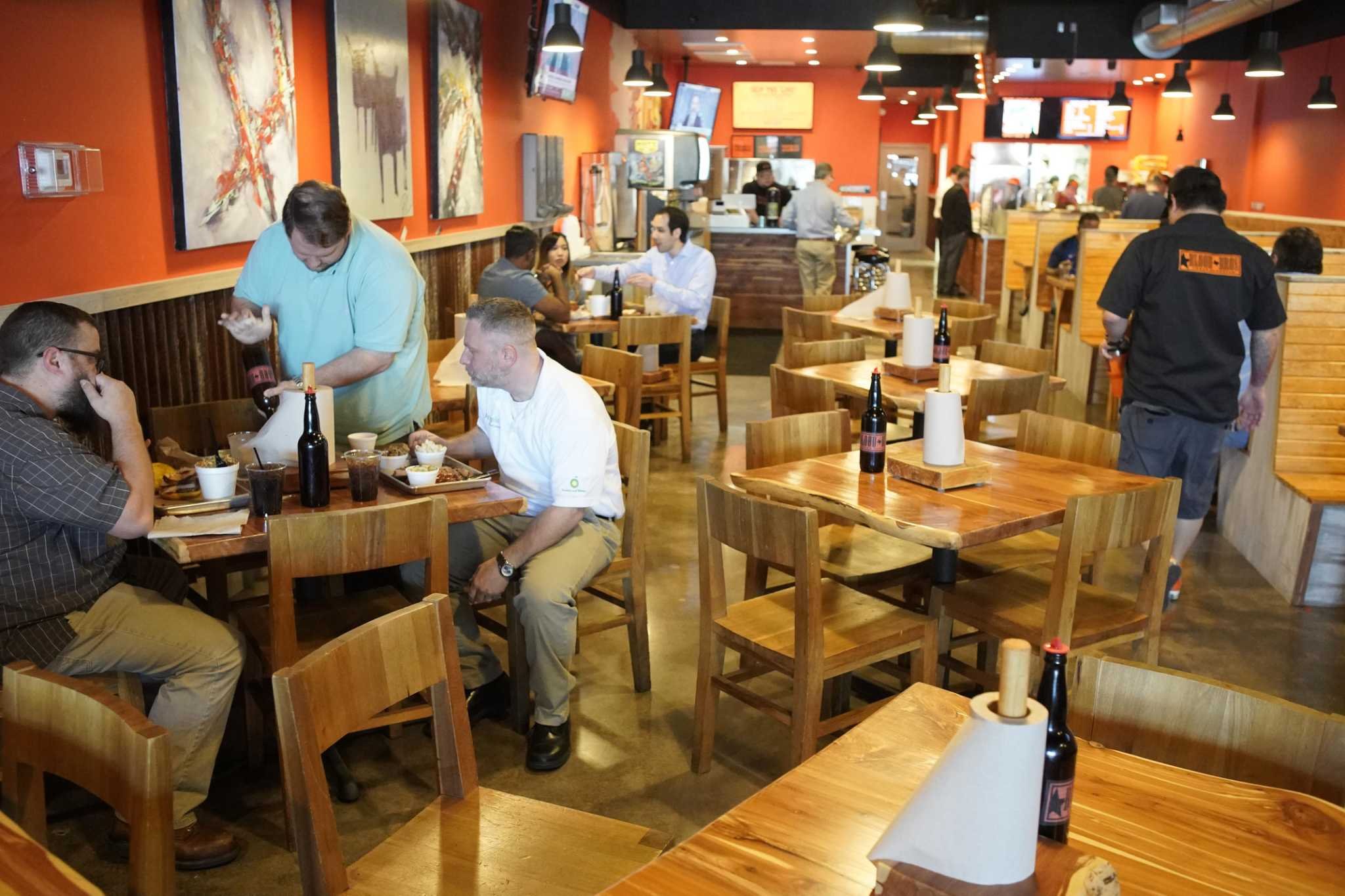
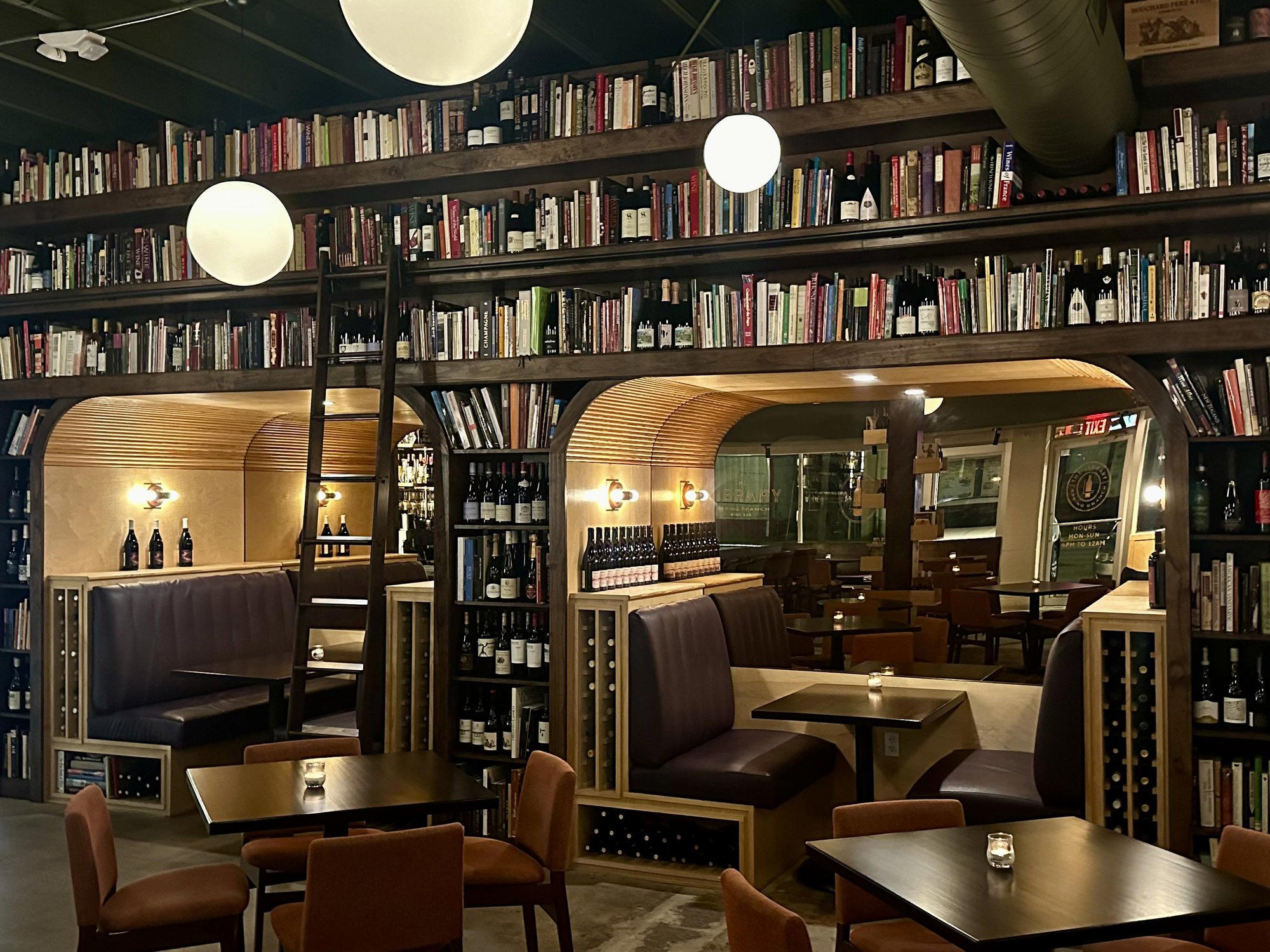
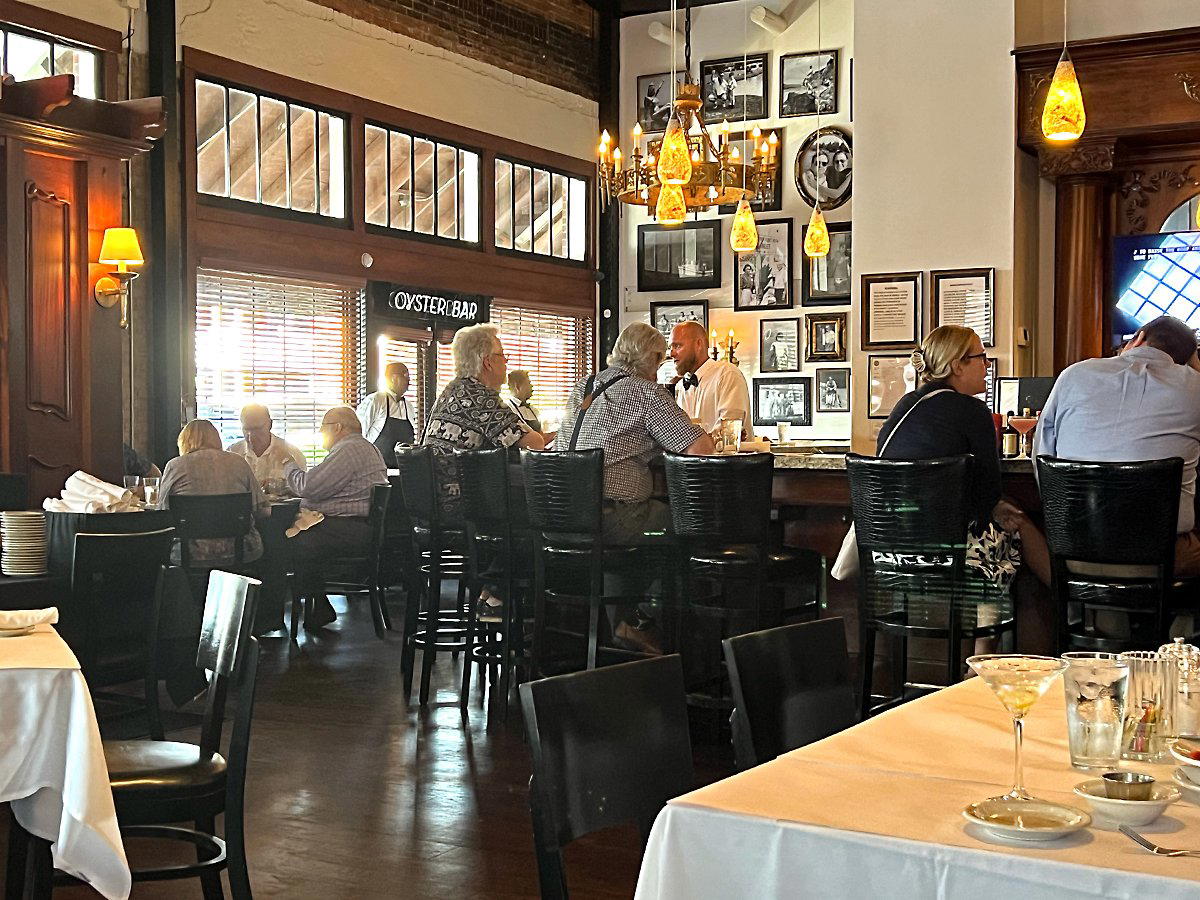
Along Richmond Avenue, where Houston's dining corridors fold together without ceremony, Pappasito's Cantina occupies a position that regulars treat less as a reservation and more as a fixed point in their weekly geography. The room is loud in the way that confident restaurants earn the right to be: a noise that comes from full tables rather than forced energy. Margarita glasses move across trays. Fajita platters arrive on cast iron with audible fanfare. The sensory signature is deliberate, built over decades of operation in a city that expects its Tex-Mex to arrive with conviction.
Tex-Mex in Houston is not a category that needs defending. It is the baseline from which the city's broader Mexican and Mexican-American dining tradition operates, and Pappasito's sits at the more established, volume-confident end of that spectrum. Understanding where a restaurant like this fits requires understanding what Houston's Tex-Mex tier actually looks like in practice.
Where the Ingredients Come From
The editorial angle on Tex-Mex sourcing is more consequential than it first appears. Houston's geographic position, within reach of Gulf Coast seafood, South Texas cattle country, and the Rio Grande Valley's agricultural output, gives its leading kitchens a sourcing advantage that restaurants in landlocked cities cannot replicate. Shrimp-forward dishes at a Houston Tex-Mex house carry a different weight of ingredient logic than the same dish prepared in Denver or Atlanta. The Gulf is close. The supply chains are shorter. The proteins arrive fresher.
At Pappasito's, this regional sourcing context matters most in the seafood and beef-forward sections of the menu. Gulf shrimp prepared with butter, garlic, and char carries direct authority when the shrimp arrives from nearby waters rather than a frozen international supply chain. Texas beef, which feeds into the fajita and grilled protein formats that define the kitchen's output, reflects the state's cattle industry rather than generic commodity sourcing. These are not small distinctions. In a dining category where ingredient provenance often goes undiscussed, the regional supply chain is part of the argument for why Houston's version of Tex-Mex can credibly claim a different standard than its national imitators.
For a sharper view of how Houston kitchens handle ingredient sourcing at the fine dining end of the spectrum, March builds its Venetian-inspired tasting menu around producer relationships and seasonal availability, while Musaafer traces its Indian regional cuisine through spice sourcing with unusual transparency. The approach differs dramatically from what Pappasito's delivers, but the underlying logic, that geography and supply chain shape the plate, connects across price tiers.
The Tex-Mex Tier in Houston Context
Houston's restaurant culture has split, in recent years, between destination-level fine dining and the legacy casual formats that built the city's eating identity. Pappasito's sits firmly in the second category, in the company it keeps and in the price register it operates at. The comparison set is not Tatemó, which runs masa-focused Mexican cuisine at a level of technique that occupies an entirely different peer group, nor is it BCN Taste & Tradition or Le Jardinier Houston, which operate in the white-tablecloth register. The comparison set is the broader category of Houston Tex-Mex houses that have operated long enough to develop a loyal following without requiring critical recognition to sustain their position.
Within that tier, Pappasito's has demonstrated staying power that most casual formats do not. This is not a venue that depends on seasonal press cycles or social media momentum. It operates on volume, consistency, and the kind of institutional memory that Houston's repeat-visitor culture rewards.
The national frame for understanding where this category sits: established American regional casual dining, at its finest, performs a function closer to Emeril's in New Orleans than to the tasting-menu tier represented by The French Laundry or Alinea in Chicago. The value proposition is different, but it is a real proposition: reliable execution of regional food, at scale, in a room that knows what it is doing.
What the Menu Actually Does
Fajitas, queso, margaritas, and grilled seafood form the structural core of what Pappasito's delivers. These are not dishes that require novelty to justify their presence. They require execution and ingredient quality, and in both areas the kitchen's long operational history functions as a credential. A restaurant that has served the same proteins and preparations for decades has had time to calibrate the details that matter: seasoning levels, char on the grill, temperature of the iron skillet on arrival.
The margarita program, which operates at significant volume in any given service, reflects Houston's relationship with the format as a serious category rather than an afterthought. In a city where Tex-Mex service culture treats the frozen versus on-the-rocks question with genuine seriousness, a kitchen that has been operating long enough to have a house style has an advantage over newer entrants still finding their footing.
Planning Your Visit
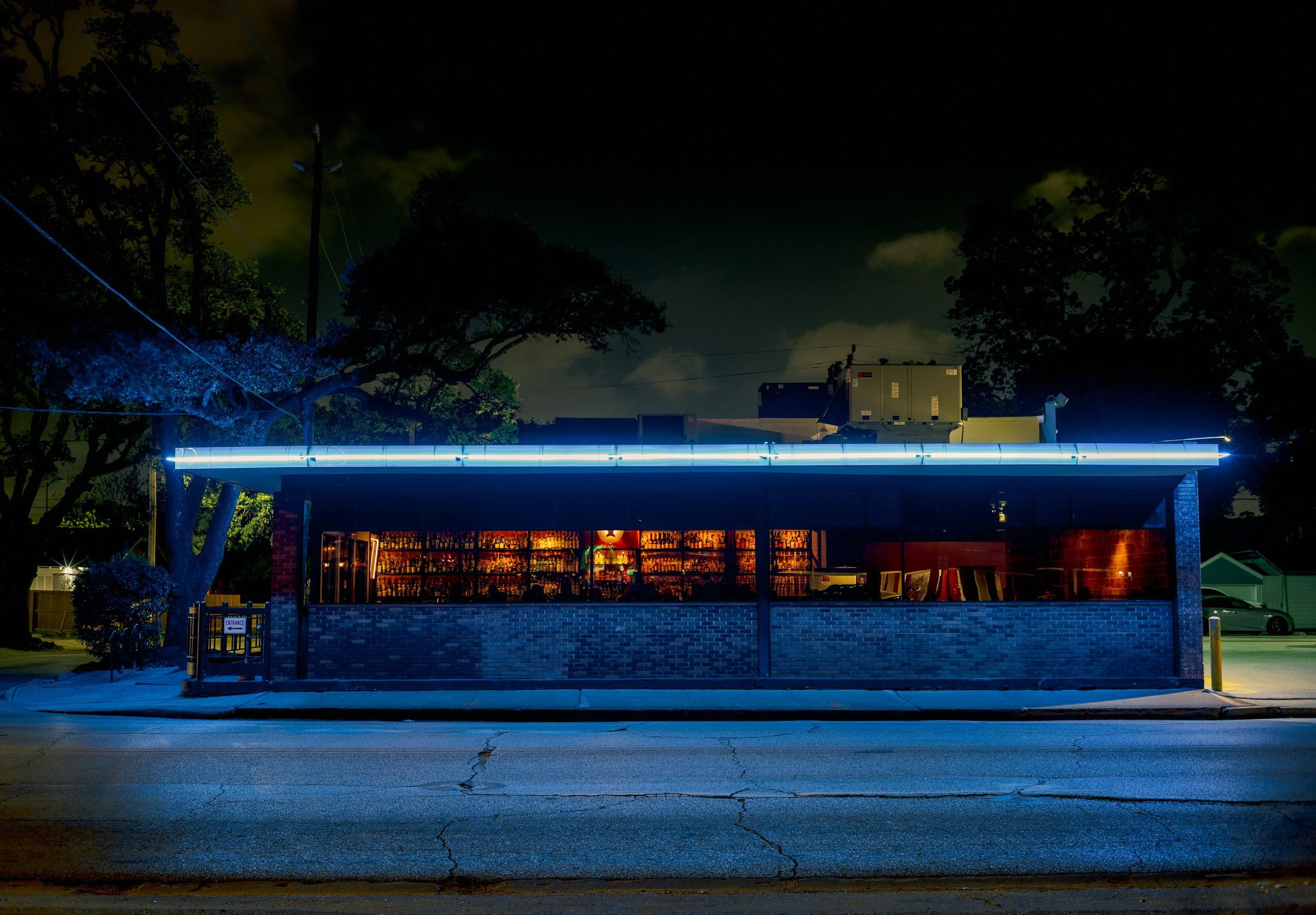
The Richmond Avenue address places Pappasito's in the Westheimer corridor, accessible from central Houston without requiring the longer drives that some of the city's outer-loop dining destinations demand. For visitors using Houston's wider dining week, the venue functions as a logical anchor for a Tex-Mex-focused evening before or after visits to higher-intensity destinations in the same corridor. See our full Houston restaurants guide for a mapped view of the corridor's full range.
Quick Comparison: Houston Casual to Fine Dining
Frequently asked questions
What's Pappasito's Cantina's location?
Pappasito's Cantina is located at 6445 Richmond Ave. Houston, TX 77057, Houston.
Is Pappasito's Cantina a good option for large groups dining out in Houston?
The Richmond Avenue location is structured for exactly that use case. High-volume room design, a menu built around shareable formats like fajitas and queso, and a margarita program that scales across a table make Pappasito's a practical anchor for group dinners in Houston's Westheimer corridor. It sits in the casual tier of the city's dining options, so budgeting and dress expectations stay relaxed without sacrificing the kitchen's regional Tex-Mex focus.
What dish is Pappasito's Cantina famous for?
Fajitas are the reference point at Pappasito's, ordered in volume across every service on Richmond Avenue. The queso and margaritas function as anchors around which most tables organize the rest of their order. Grilled Gulf seafood rounds out the core menu, giving the kitchen a regional hook that straight-inland Tex-Mex spots lack.
How hard is it to get a table at Pappasito's Cantina?
Pappasito's operates as a high-volume casual format on Richmond Ave, so waits tend to spike on weekend evenings rather than requiring advance reservations weeks out. Arriving before peak service or targeting a weekday dinner is the practical move. The room is built for throughput, not intimate sittings, so parties rarely wait as long as they might at a tighter destination spot in Houston.
What do critics highlight about Pappasito's Cantina?
The editorial case for Pappasito's centers on consistency and positioning within Houston's legacy casual tier, the segment of the city's dining culture that built its reputation before the fine-dining wave. Critics note that the Richmond Avenue location holds its ground without chasing trend cycles. The kitchen's Gulf Coast sourcing angle gives food writers a more substantive hook than standard Tex-Mex narratives usually allow.
How does Pappasito's Cantina handle allergies?
For guests with dietary restrictions, the direct approach is contacting the restaurant before visiting, as Tex-Mex kitchens typically involve shared cooking surfaces and common allergens including gluten, dairy, and shellfish across the menu's grilled seafood and cheese-heavy sections.
Does Pappasito's Cantina justify its prices?
Pappasito's sits in Houston's casual tier, which means pricing tracks below the city's destination fine-dining rooms without pretending otherwise. The value proposition is volume and reliability: fajitas, queso, and Gulf seafood at a consistent standard, in a room designed to handle large groups and regular rotation. For Houston diners benchmarking against comparable Tex-Mex formats, the Richmond Avenue location holds its position without requiring special-occasion budgeting.
Same-City Peers
Comparable venues nearby, for context on price, style, and recognition.
| Venue | Cuisine | Price | Notes |
|---|---|---|---|
| Pappasito's CantinaThis venue (the venue you are viewing) | Tex-Mex Cantina | $20–30 | Not listed |
| El Tiempo Cantina | Authentic Tex-Mex | $20–30 | Montrose |
| Valencia's Tex-Mex Garage | Tex-Mex | $20–30 | Garden Oaks |
| Ojo de Agua | Healthy Mexican Cafe | Not listed | Galleria |
| Maderas | Modern Mexican | $30–50 | Midtown |
| Alturas Mexican Cafe | Traditional Mexican from Puebla | Not listed | Greater Heights |