
Michelin Plate
Our verdict
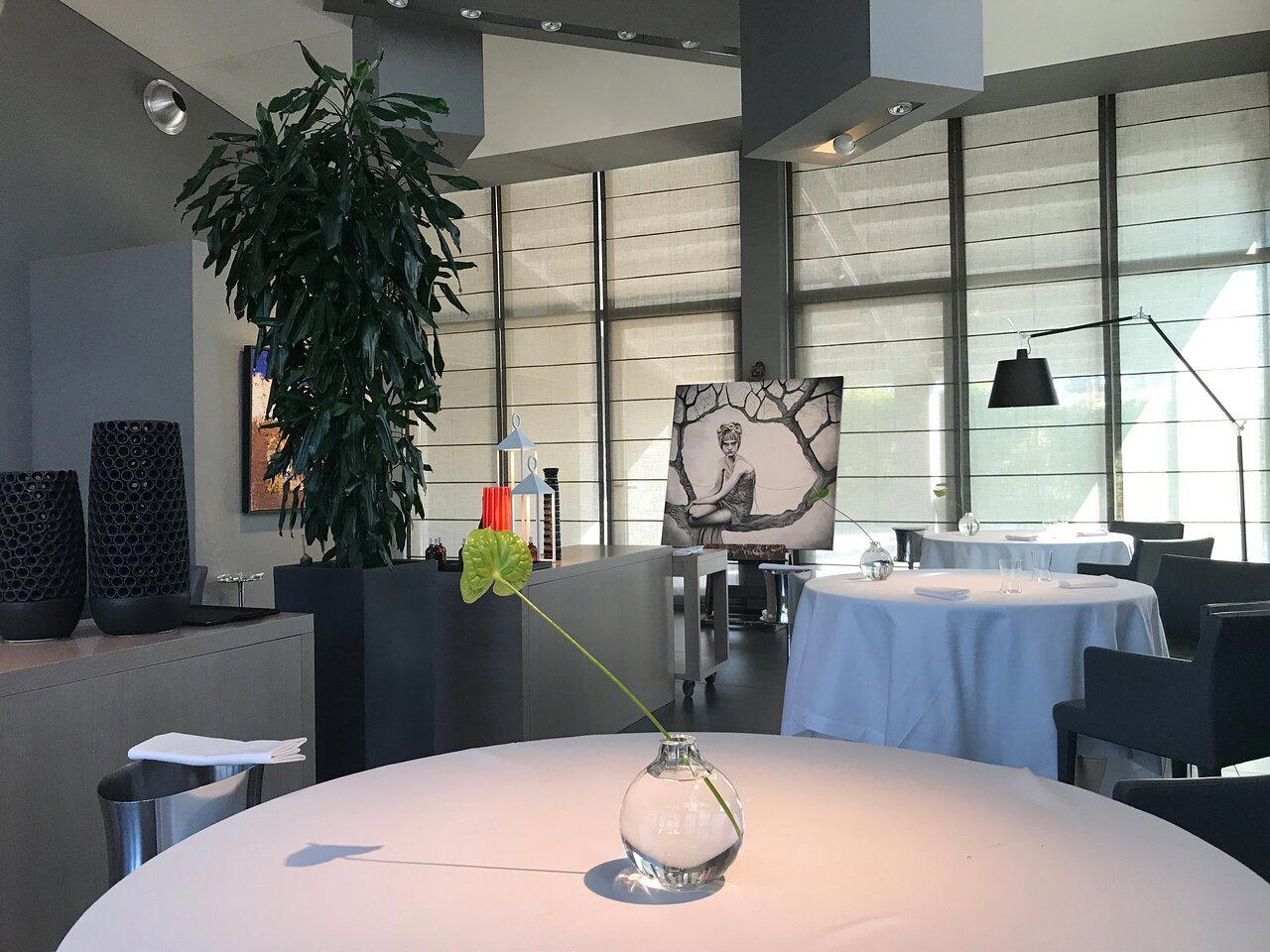
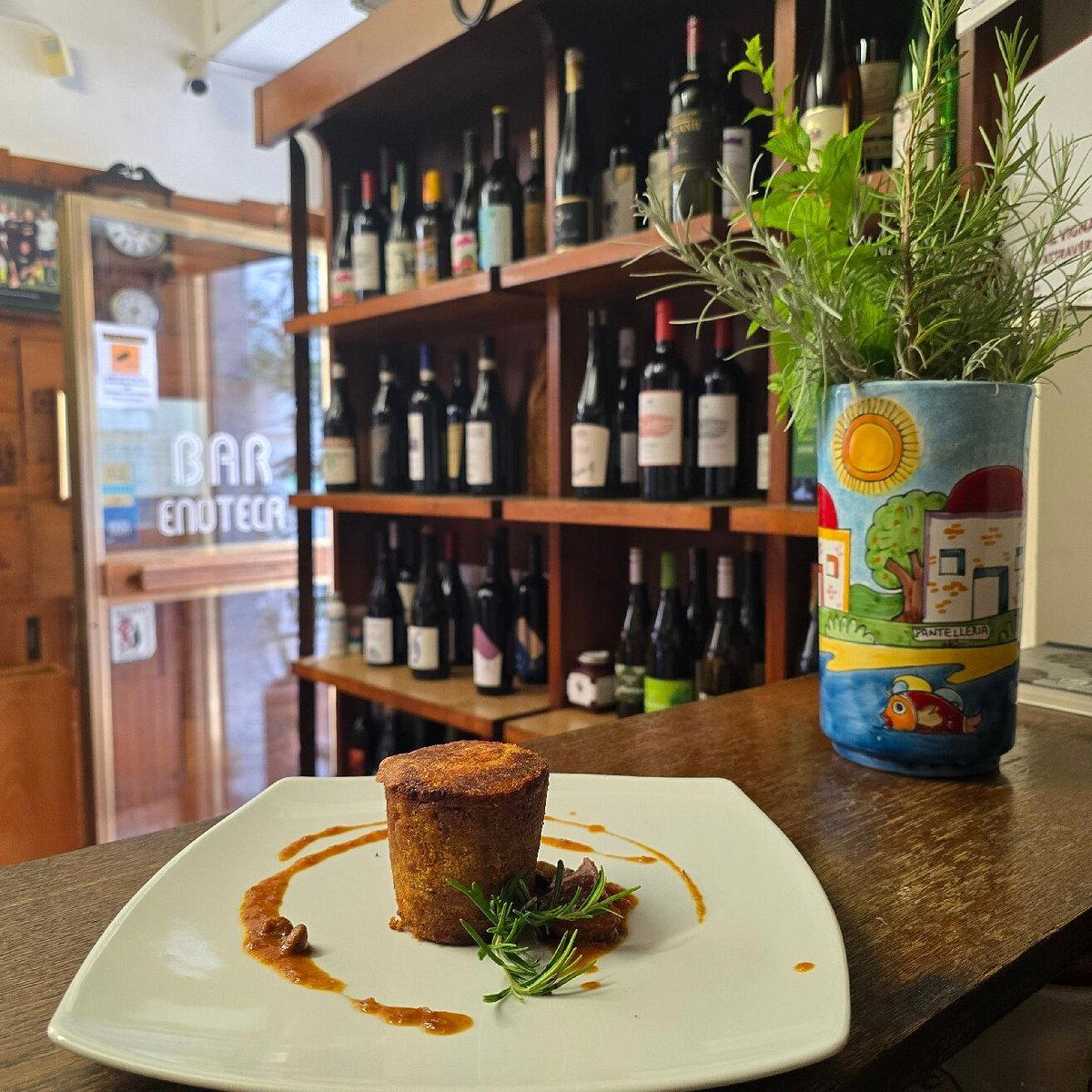
A converted historic palazzo in the heart of Noceto, Palazzo Utini sits at the edge of Italy's famed food valley and holds consecutive Michelin Plate recognition (2024–2025). The ground floor bar and bistro give way to more formal gourmet dining upstairs, with tasting menus and à la carte options supported by a well-curated wine list. Guest rooms on the upper floors complete a considered hospitality package.

Pearl is the En Primeur Club membership app — saves, bookings, and concierge access live there. Same editors, same standards.
- Address
- Via Antonio Gramsci, 6, 43015 Noceto PR, Italy
- Phone
- +39 0521 152 1001
- Hours
- Mon–Tue ClosedWed–Fri 7:30–9:30 PMSat–Sun 12:30–2 PM, 7:30–9:30 PM
- Website
- palazzoutini.com
- Directions
- Get directions
- Booking
- Book on TheFork
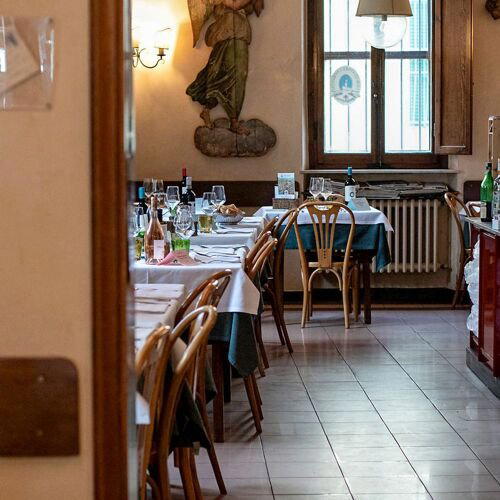
A Palazzo at the Edge of Food Valley
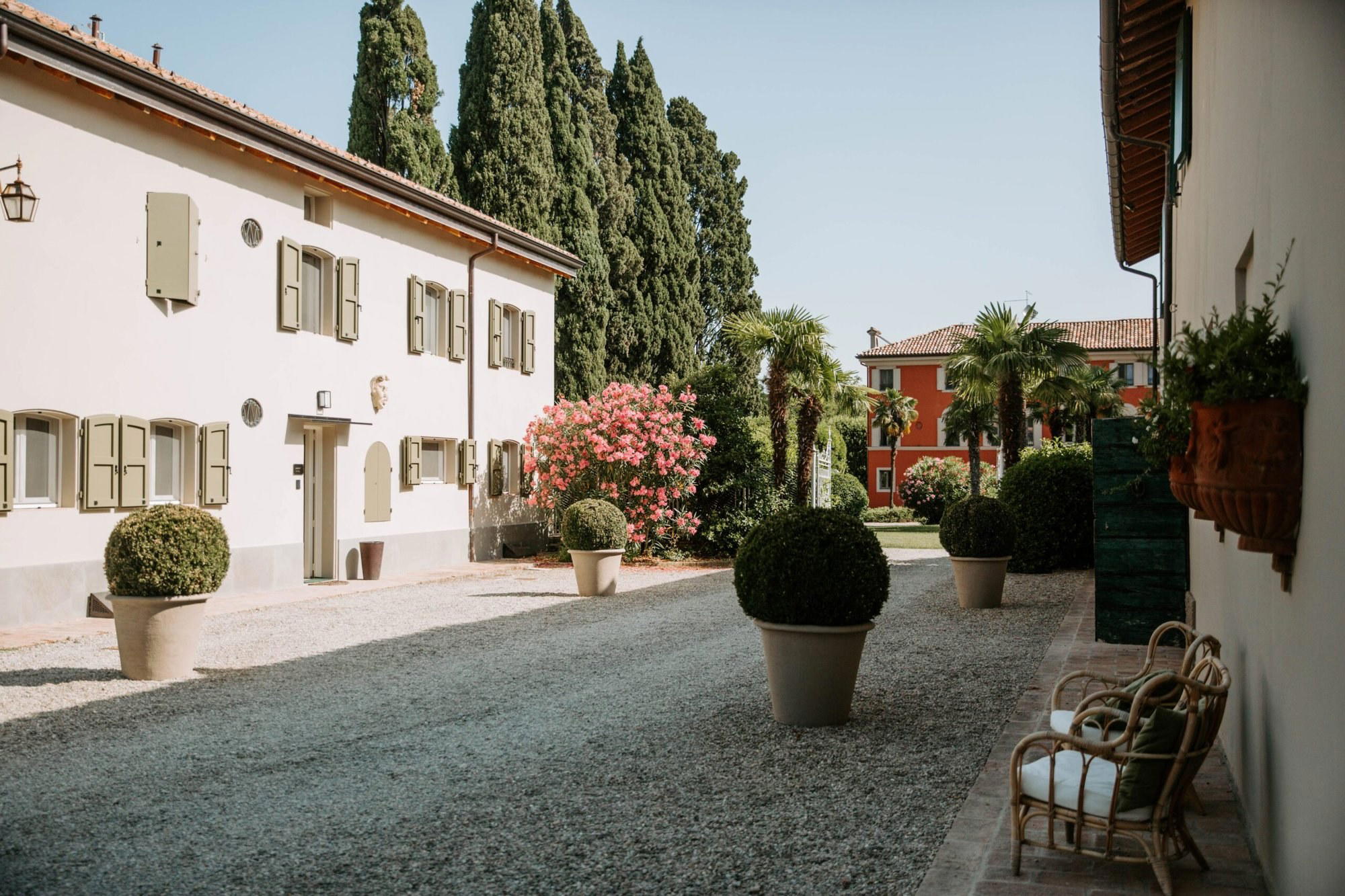
Arriving at Via Antonio Gramsci in the centre of Noceto, the building reads as civic architecture first: a stone palazzo whose proportions belong to an earlier century, its façade sitting flush against the town's main streets. The transformation inside — a bar at ground level, gourmet dining above, intimate guest rooms higher still — follows a logic common to the leading Italian heritage hospitality, where the bones of a building are allowed to anchor a contemporary programme rather than fight it. What distinguishes Palazzo Utini within that tradition is its geography. Noceto sits in the province of Parma, which positions any serious kitchen here inside what food writers have called Italy's food valley: a corridor of production that includes Parmigiano Reggiano, Prosciutto di Parma, Culatello di Zibello, and a network of small-scale producers whose output rarely travels far. That proximity is not incidental to the cooking here, it is structural.
The Ingredient Argument: Why Parma Province Matters
The Po Valley lowlands around Parma represent one of the densest concentrations of protected designation of origin (PDO) products in Europe. Parmigiano Reggiano alone requires milk from cows raised within a defined production zone that includes the province of Parma; the wheels age for a minimum of twelve months, though premium expressions run to twenty-four, thirty-six, or longer. Prosciutto di Parma's curing conditions depend on the specific air currents in the hills south of the city, a microclimate argument that the Consorzio del Prosciutto di Parma has defended in European courts. Culatello di Zibello, arguably the most protected and site-specific salume in Italy, comes from a defined strip of the Bassa Parmense flood plain, where winter fog and humidity govern curing. A kitchen in Noceto does not need to source these products from intermediaries. The supply chain is measured in kilometres, sometimes less.
That context matters when reading the Michelin Plate recognition Palazzo Utini has held across consecutive cycles (2024 and 2025). The Plate designation, introduced by Michelin to acknowledge kitchens offering high-quality cooking that falls below star level, represents an entry point into the guide's quality tier. Paired with a Creative cuisine classification, it suggests a kitchen that treats regional raw material as a starting point for considered composition rather than direct rusticity. The comparison set is instructive: Osteria Francescana in Modena, the benchmark for creative Italian cooking in the region, established that Emilia-Romagna's product wealth can support ambitious cuisine without abandoning its roots. Palazzo Utini operates at a different tier and scale, but the underlying argument, that this corridor of production rewards a creative approach, is the same.
Format and What It Signals
The vertical organisation of Palazzo Utini is worth reading carefully. A ground-floor bar and bistro creates an accessible entry point, the kind of format that pulls in both overnight guests and locals who may not commit to the upstairs dining room. Above, the gourmet programme operates with tasting menus alongside à la carte options, a structure that places it in an Italian middle tier between the commitment of a full progressive menu (as at Le Calandre in Rubano or Dal Pescatore in Runate) and the informality of a neighbourhood trattoria. Offering both formats simultaneously is a practical decision that reflects the reality of dining in smaller Italian towns: not every table wants the full sequence, but the kitchen is capable of it.
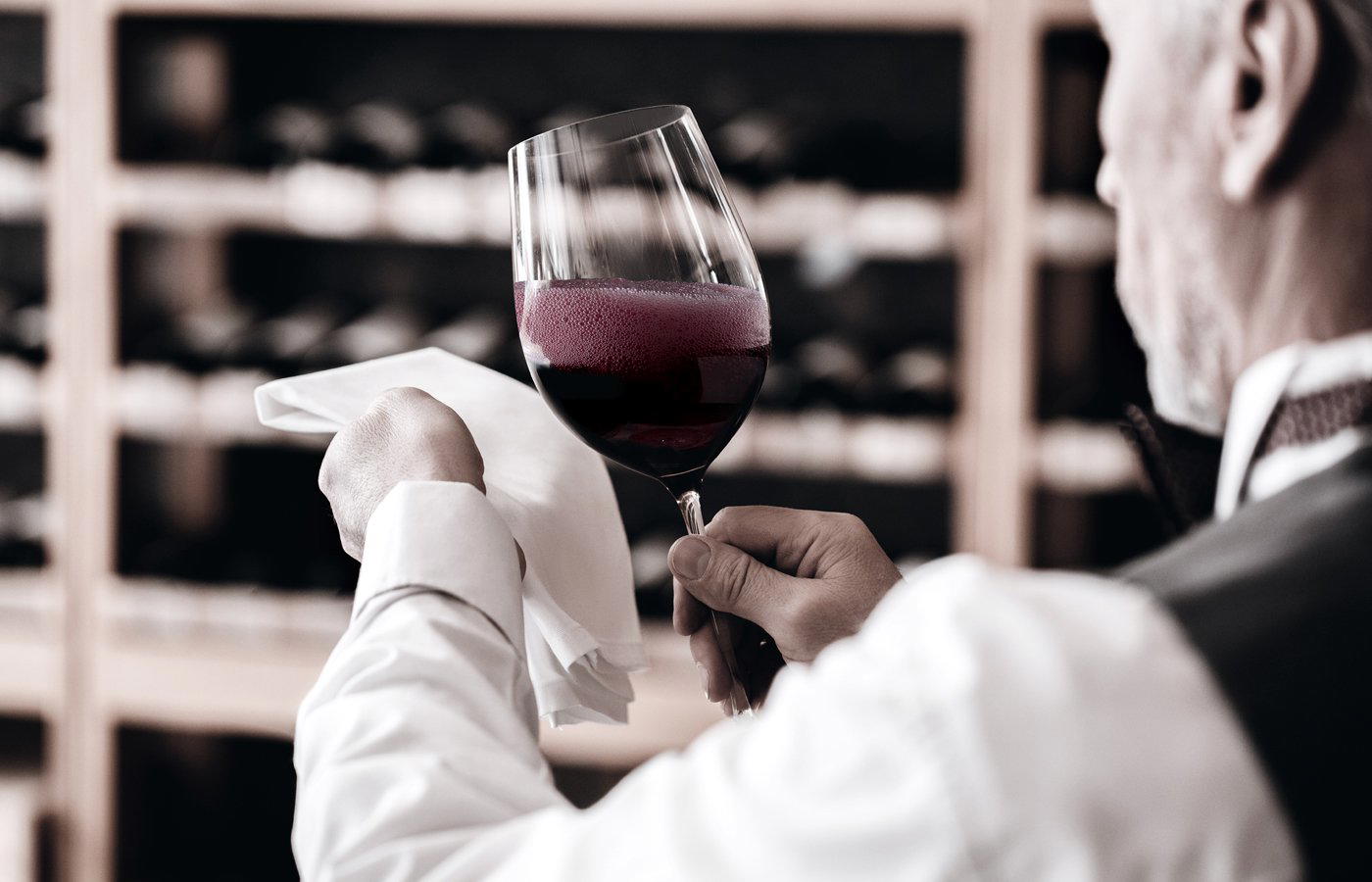
Emilia-Romagna's wine geography is broader than its Lambrusco reputation suggests. The Colli di Parma DOC covers still whites from Malvasia and Sauvignon and reds from Barbera and Bonarda; across the region, Sangiovese-based Romagna expressions and the occasional serious Gutturnio from the Colli Piacentini extend the conversation. A well-constructed list here would use the region's depth before reaching outward, though the à la carte and tasting menu dual-format also means pairing programmes can function at different price points. The €€€€ price classification places this within the premium tier for the province, though premium in Parma operates at different absolute values than in Milan or Florence, markets where similarly classified restaurants like Enrico Bartolini or Enoteca Pinchiorri in Florence carry significantly higher covers.
Guest Rooms and the Logic of Staying In Place
Decision to include intimate guest rooms on the upper floors reflects a pattern visible across Italian heritage hospitality: the relais model, where a single property offers food, wine, and accommodation under one roof as a way of anchoring guests in a place rather than using it as a transit stop. For Noceto specifically, a base with gourmet dining and overnight accommodation allows a different approach to the surrounding territory. The Bassa Parmense is not a region that rewards rushed visits; the producers, the ageing cellars, the salumifici that handle Culatello, these are all leading encountered with time. A property that removes the logistical pressure of finding a restaurant for dinner and a separate hotel makes that slower pace of travel more available. For reference on what the wider region offers after dark or for exploration, see our full Noceto hotels guide, our full Noceto bars guide, and our full Noceto wineries guide.
How It Fits the Broader Creative Italy Circuit
Italy's creative fine dining has historically clustered in certain cities and regions: Modena, Milan, the Amalfi coast, Piedmont. The Parma province has operated as more of a production region than a dining destination in that circuit, known for what its larder contains rather than for its restaurant addresses. Palazzo Utini represents a different proposition: a property that asks whether creative cooking applied to one of Europe's most ingredient-rich geographies might be a reason to visit Noceto itself. The comparison is not with Piazza Duomo in Alba or Reale in Castel di Sangro, both of which operate at higher award tiers in similarly production-focused territories, but the logic is the same. Smaller towns with serious ingredients have been building credible creative dining programmes for a decade, and the food valley corridor is a natural extension of that pattern.
For those building a northern Italy itinerary that combines serious dining across different registers, Palazzo Utini sits alongside destinations like Casa Perbellini 12 Apostoli in Verona and Uliassi in Senigallia as evidence that the country's most considered cooking is no longer confined to its three or four headline cities. See our full Noceto restaurants guide and our full Noceto experiences guide for additional context on what the town and province offer.
Planning Your Visit
Palazzo Utini is located at Via Antonio Gramsci, 6, in the centre of Noceto, a small town in the province of Parma, roughly twelve kilometres from Parma city. The ground-floor bar and bistro provide a lower-commitment entry point, while the upstairs gourmet dining room, with tasting menus and à la carte available, operates at the €€€€ price tier, which for this province means a considered spend without the metropolitan premiums of a Milan or Florence equivalent. Guest rooms on the upper floors make it a viable overnight base for exploring the broader food valley. For comparable creative dining at higher award tiers in northern Italy, Atelier Moessmer Norbert Niederkofler in Brunico or, internationally, Alléno Paris au Pavillon Ledoyen and JAN in Munich offer reference points for what the creative format can achieve at greater scale and recognition.
Frequently asked questions
Is Palazzo Utini more mid-range or high-end?
Pricing at Palazzo Utini is listed as €€€€.
Side-by-Side Snapshot
| Venue | Cuisine | Price | Awards | Notes |
|---|---|---|---|---|
| Palazzo UtiniThis venue — the venue you are viewing | Modern Emilian Fine Dining | $50–100 | Michelin Plate | Not listed |
| Atelier Moessmer Norbert Niederkofler | Italian, Creative | Not listed | Michelin 3 Star | Not listed |
| Dal Pescatore | Italian, Italian Contemporary | Not listed | Michelin 3 Star | Not listed |
| Enoteca Pinchiorri | Contemporary Italian Fine Dining | $200–300 | 3 Michelin Stars · World's 50 Best #32 | Italian - French, Italian Contemporary |
| Enrico Bartolini | Creative | Not listed | Michelin 3 Star | Not listed |
| Osteria Francescana | Avant-Garde Italian Contemporary | $300–500 | 3 Michelin Stars · World's 50 Best #1 | Progressive Italian, Creative |
Recognition history
Dated appearances from independent guides and award organizations, with the underlying list record or original source where available.
Michelin Plate
Michelin
Full recognition history (3 entries)
Michelin Plate
Michelin
Michelin Plate
Michelin


Palazzo Utini
The wine
- Wine program
- Curated wine list
- Extensive wine list
Details
- Elegant
- Intimate
- Modern
- Classic
- Sophisticated
- Date Night
- Special Occasion
- Celebration
- Historic Building
- Private Dining
- Extensive Wine List
- Local Sourcing
- Tasting Menu
- A La Carte
- Vegetarian Friendly
Current opening hours
- Monday
- Closed
- Tuesday
- Closed
- Wednesday
- 7:30–9:30 PM
- Thursday
- 7:30–9:30 PM
- Friday
- 7:30–9:30 PM
- Saturday
- 12:30–2 PM, 7:30–9:30 PM
- Sunday
- 12:30–2 PM, 7:30–9:30 PM
Hours can change for holidays and private events. Last verified .
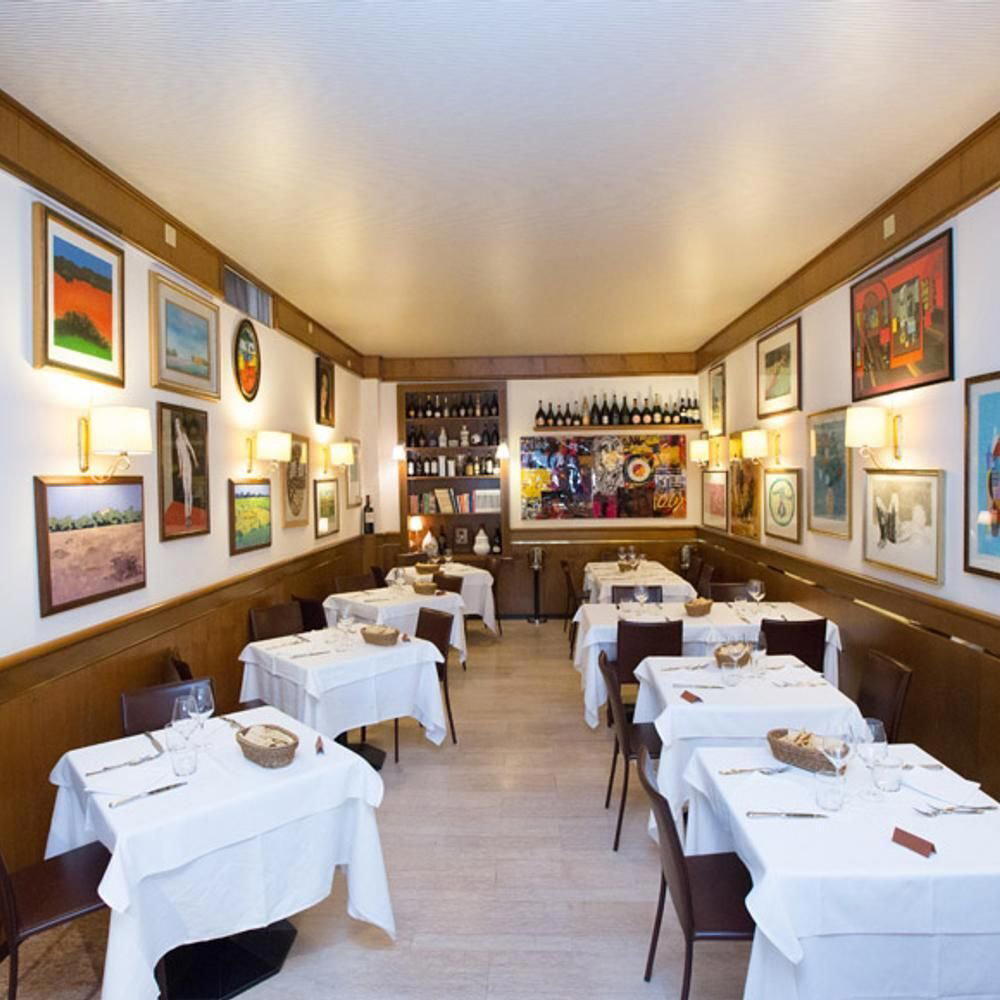
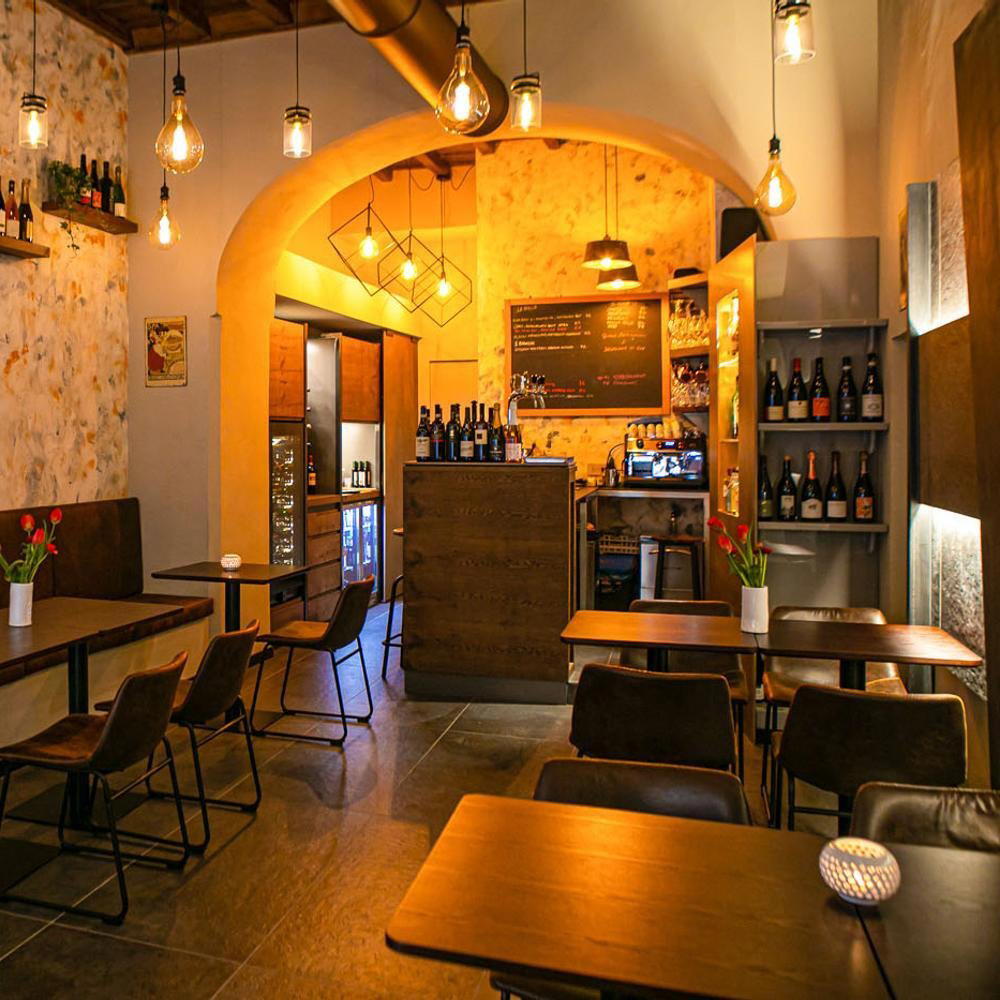
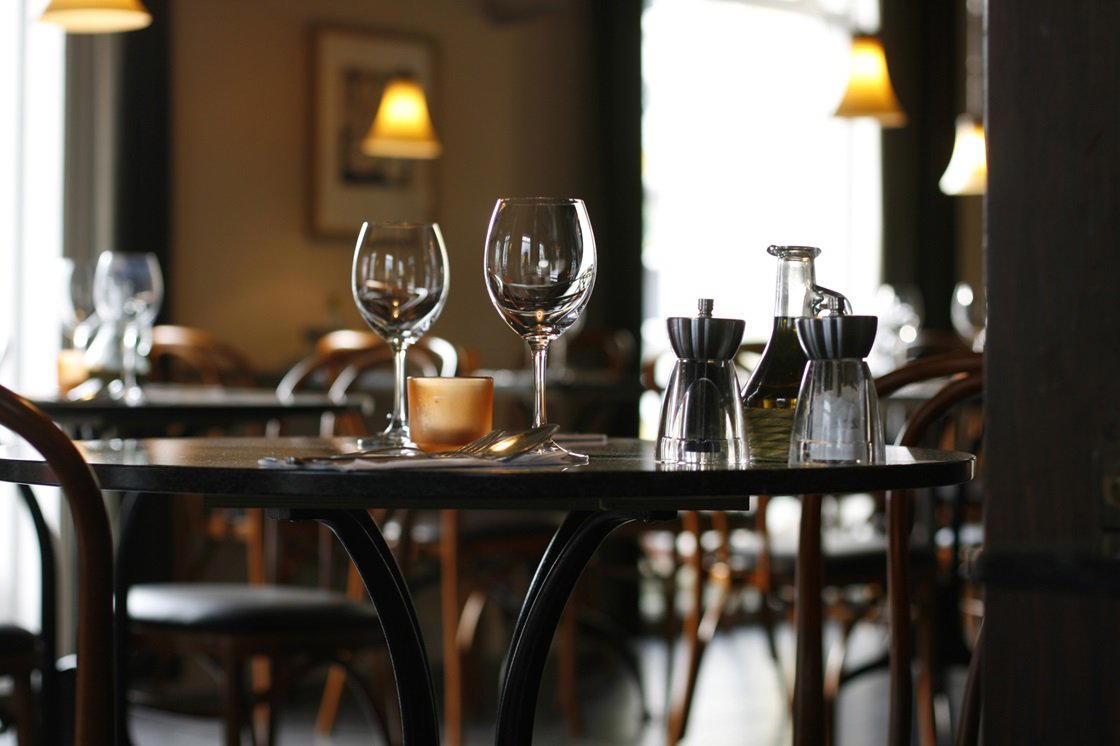
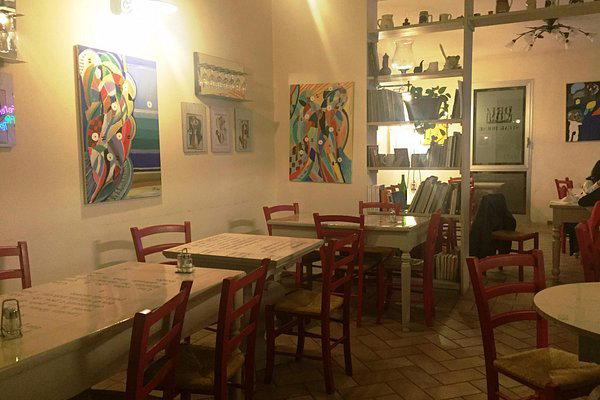
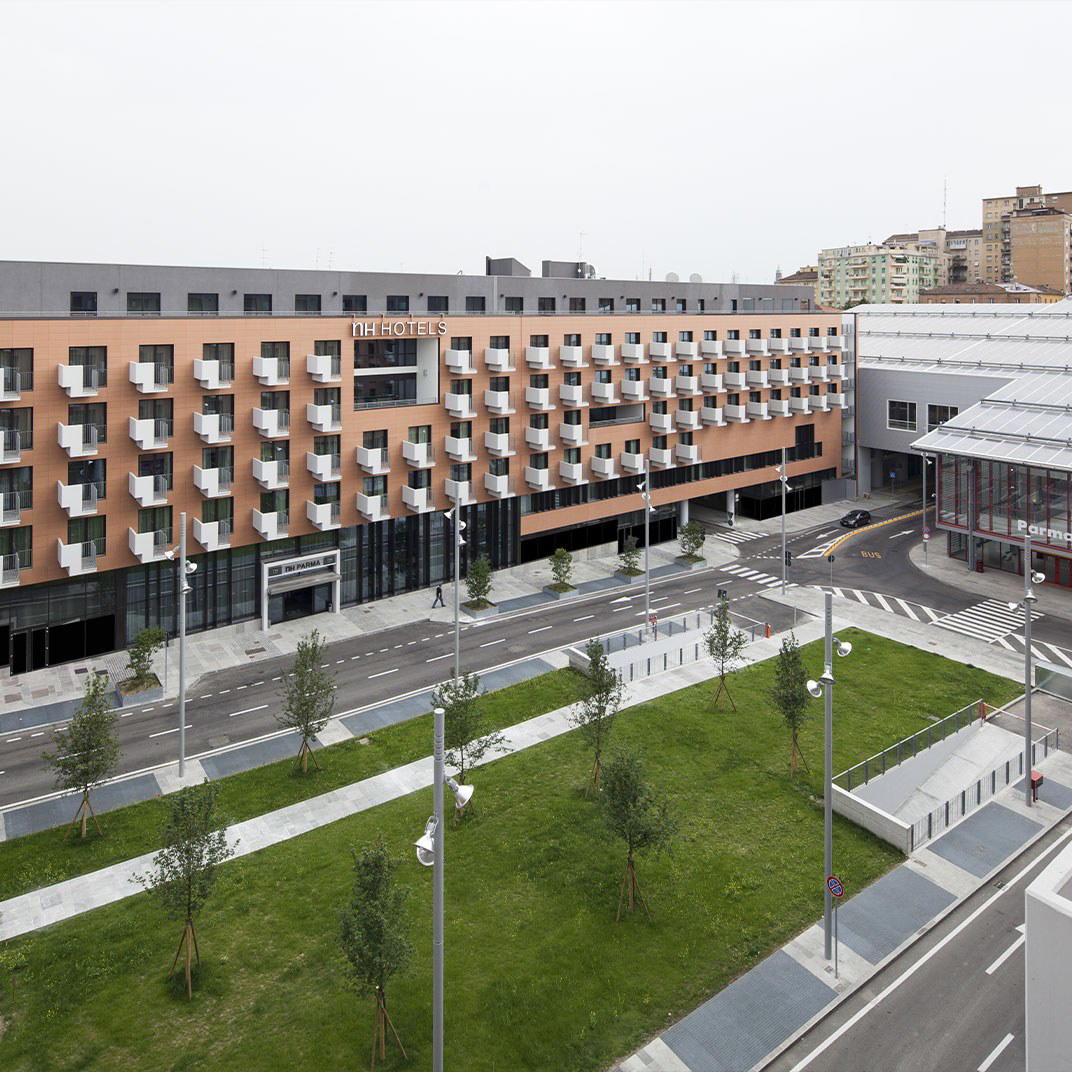
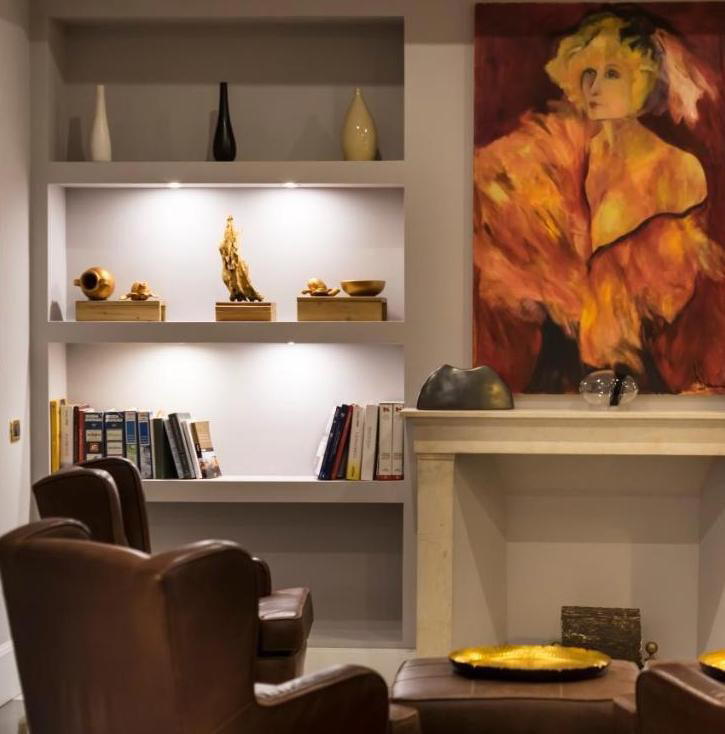
Refined and elegant with historic exterior, bold contemporary interior described as a 'spaceship', intimate minimalist bistrot, and chic modern spaces.