Osushi
Osushi brings the discipline of Japanese sushi tradition to Route 73 in Marlton, New Jersey, a suburban corridor where deliberate, course-driven dining is rarer than the format deserves. The restaurant sits among a stretch of casual options, offering a counterpoint in pacing and precision. For South Jersey diners seeking structured Japanese dining without the commute into Philadelphia, it fills a specific gap.
Pearl is the En Primeur Club membership app — saves, bookings, and concierge access live there. Same editors, same standards.
- Address
- 101 NJ-73, Marlton, NJ 08053
- Phone
- +18565744960
- Website
- osushinj.com
- Directions
- Get directions
 Saves & bookings on Pearl
The Ritual Before the Rice
Sushi at its most considered is not a quick-order proposition. The tradition behind omakase and course-driven Japanese dining places the kitchen in control of sequence, pacing, and portion, a structure that runs counter to the on-demand rhythm of most suburban American dining rooms. Osushi is a Japanese sushi restaurant in Marlton, New Jersey, at 101 NJ-73. That geographic tension is precisely what gives the restaurant its context: it represents a format of dining that asks something from the guest before a single piece of fish arrives.
Japanese sushi dining, even in its more accessible American iterations, carries embedded etiquette. The meal unfolds in a particular order for reasons rooted in flavor progression, lighter, cleaner preparations before richer, fattier cuts; vinegared rice calibrated to temperature; fish rested rather than rushed from the cold case to the plate. Whether a restaurant adheres strictly to these customs or adapts them for its audience, the underlying grammar is the same, and Marlton diners arriving at Osushi are entering a dining tradition with more structure than most of the surrounding options on this stretch of Route 73.
Marlton's Dining Range and Where Sushi Sits
The Marlton dining corridor along Route 73 holds a cross-section of independent and casual-format restaurants. Allora Italian Kitchen anchors the Italian end of the spectrum, while Estia Taverna covers Greek-Mediterranean ground. Joe's Peking Duck House represents the Asian dining contingent with a format built around a single signature preparation. Casual American options like Chicken or the Egg Marlton and dessert stops such as Daddy O's Creamery round out a market that skews toward accessible, informal dining. Within that field, a sushi-focused restaurant occupies a distinct register, one that asks for a different kind of attention from the diner.
South Jersey has traditionally pushed its most demanding dining toward Philadelphia, where concentrated restaurant density and a broader pool of Japanese-trained chefs support the kind of counter-seat omakase experiences that require both specialist skill and a dense, informed customer base. The contrast is instructive: destinations like Atomix in New York City or the seafood precision of Le Bernardin in New York City operate within metropolitan ecosystems that sustain multiple tiers of Japanese and Japanese-influenced dining simultaneously. Suburban New Jersey exists at a remove from those ecosystems, which means a restaurant like Osushi serves a population that either commutes to Philadelphia for refined dining or finds its more deliberate meals close to home.
The Pacing and the Protocol
In Japanese dining traditions exported to the American market, sushi restaurants typically land in one of three formats: fast-casual conveyor or QSR-adjacent models, mid-market à la carte operations, and the more rarefied omakase or chef's-choice counter. The middle tier, à la carte ordering with a full menu of maki rolls, nigiri, and cooked plates, is by far one common format in suburban markets, and it carries its own internal logic. The diner selects, but the kitchen still signals what to prioritize through specials, seasonal fish availability, and the sequencing advice a good server or sushi chef will offer unprompted.
That intermediary role of the sushi chef matters here. In a well-run suburban sushi room, the chef behind the counter functions as a quiet guide: reading the table, suggesting what arrived fresh that morning, steering regulars away from the farmed salmon when wild king is on the board. The ritual is less formal than Tokyo counter culture, but the underlying orientation toward the guest is the same. Diners who engage with that dynamic, who ask what's good rather than defaulting to a spicy tuna roll on autopilot, tend to eat better and understand more about why the format exists in the first place.
For comparison, the omakase format at the highest tiers of American Japanese dining, represented by places like The French Laundry in Napa in its broader commitment to kitchen-led progression, or the tasting-menu discipline seen at Alinea in Chicago and Lazy Bear in San Francisco, operates on a fundamentally different business model: fixed seats, fixed prices, no deviation. The suburban sushi format at restaurants like Osushi sits far downstream from those models, but it draws from the same source tradition, the idea that the kitchen knows more than the menu about what to eat tonight.
Planning Your Visit
Osushi is located at 101 NJ-73, Marlton, NJ 08053, within a commercial section of the Route 73 corridor that is accessible by car with ample parking in the surrounding retail area. Current hours, pricing, and booking availability should be confirmed directly with the restaurant before visiting, particularly for larger groups or weekend evenings. The surrounding neighborhood makes Osushi a reasonable anchor for a full evening that might include dessert at Daddy O's Creamery or drinks at nearby venues along the same stretch.
The Marlton context for Osushi is different from those settings, but knowing the broader range helps calibrate expectations.
Category Peers
Comparable venues nearby, for context on price, style, and recognition.
| Venue | Cuisine | Price | Notes |
|---|---|---|---|
| OsushiThis venue — the venue you are viewing | Japanese Sushi | $$ | Not listed |
| Joe's Peking Duck House | Authentic Chinese Peking Duck & Dim Sum | $$ | Marlton |
| Allora Italian Kitchen | Modern Italian | $$ | Marlton |
| Redstone American Grill | Modern American Grill & Steakhouse | $$$ | Marlton |
| Chicken or the Egg Marlton | American Breakfast & Wings | $$ | Evesham |
| Estia Taverna | Authentic Greek Taverna | $$$ | Marlton |

At a Glance
- Modern
- Cozy
- Date Night
- Casual Hangout
- Sake Program
Current opening hours
- Monday
- 11 AM–9:30 PM
- Tuesday
- 11 AM–9:30 PM
- Wednesday
- 11 AM–9:30 PM
- Thursday
- 11 AM–9:30 PM
- Friday
- 11 AM–10:30 PM
- Saturday
- 11 AM–10:30 PM
- Sunday
- 12–9:30 PM
Hours can change for holidays and private events. Last verified .
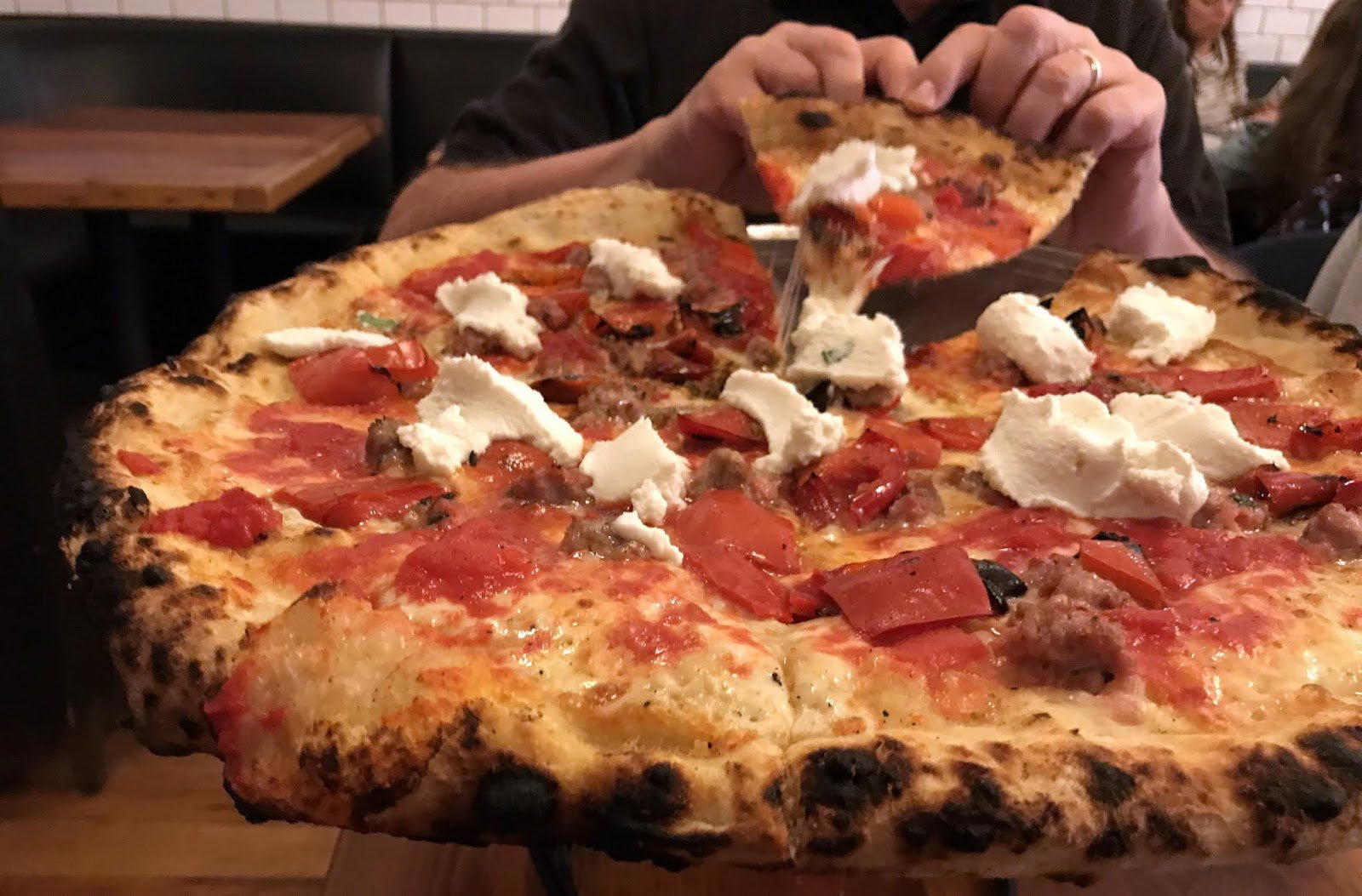
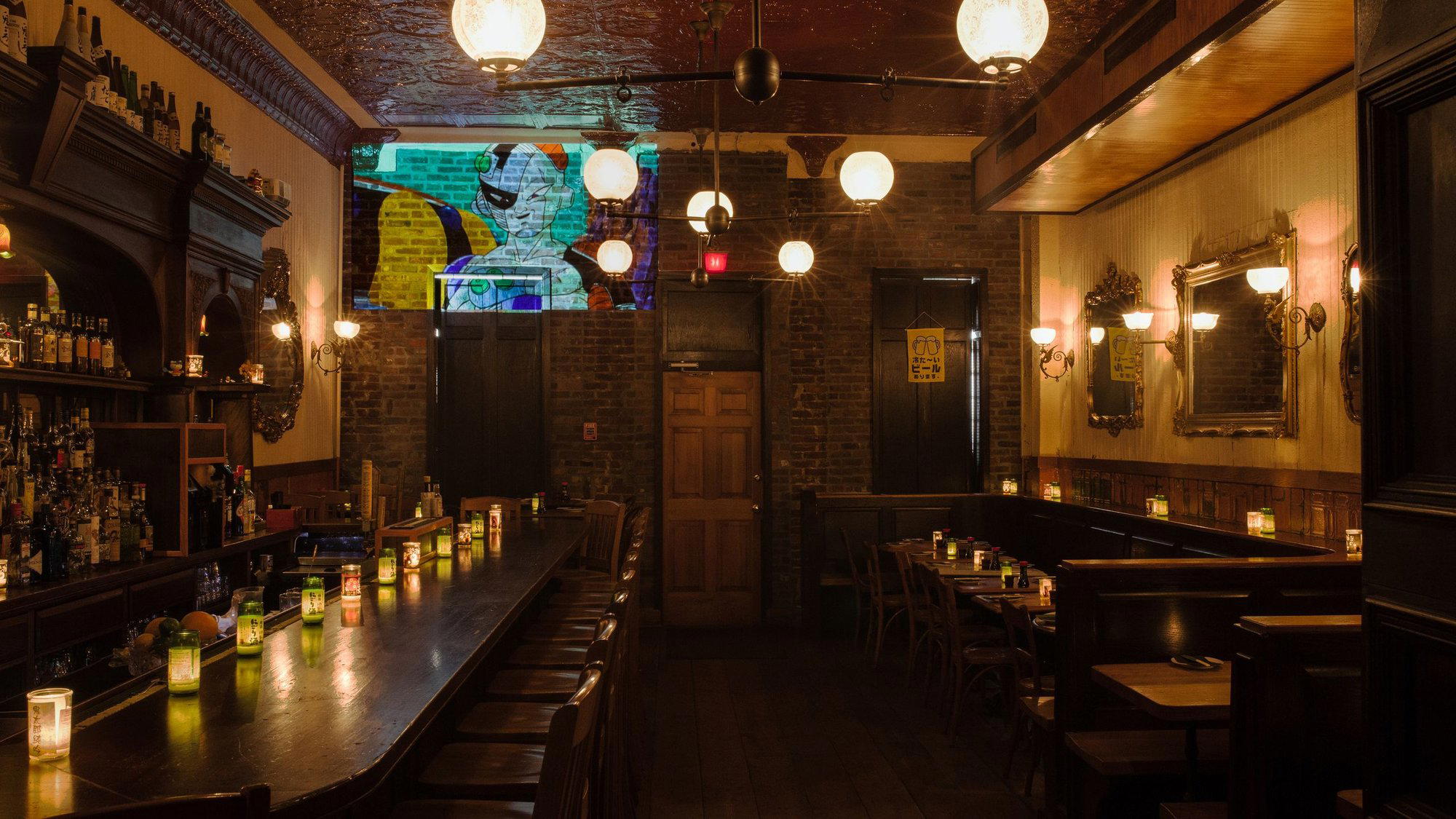
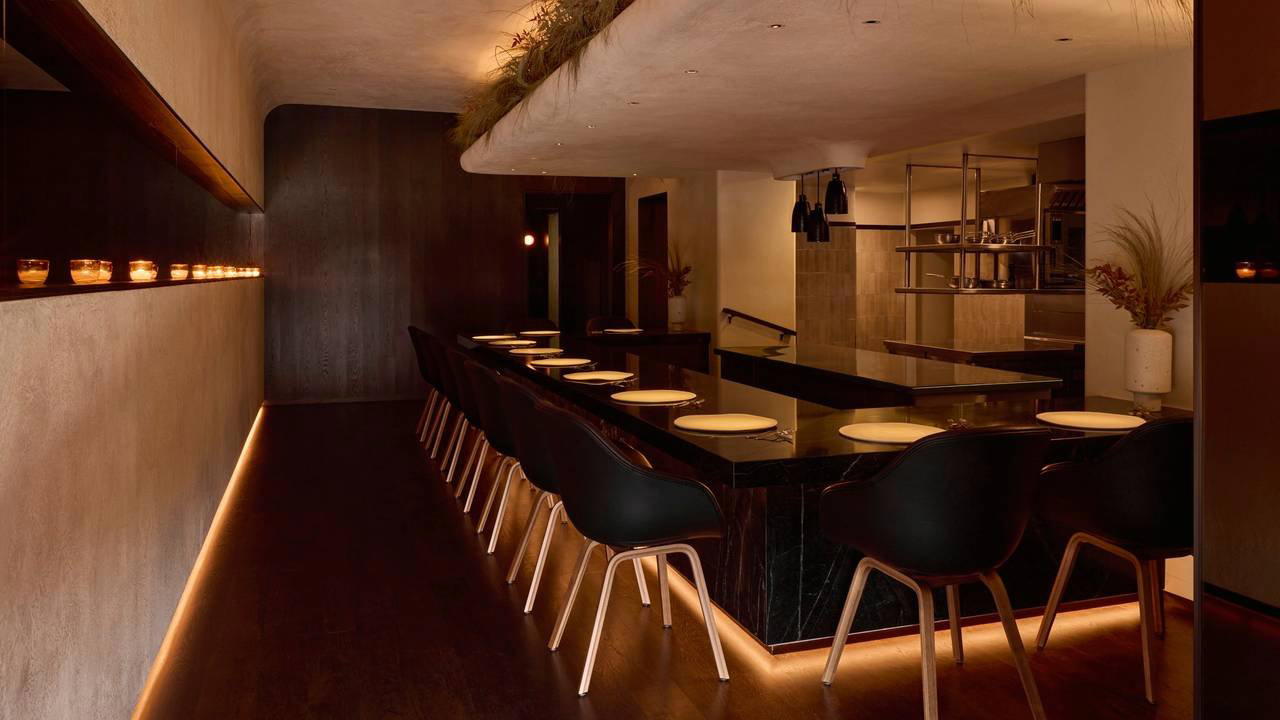
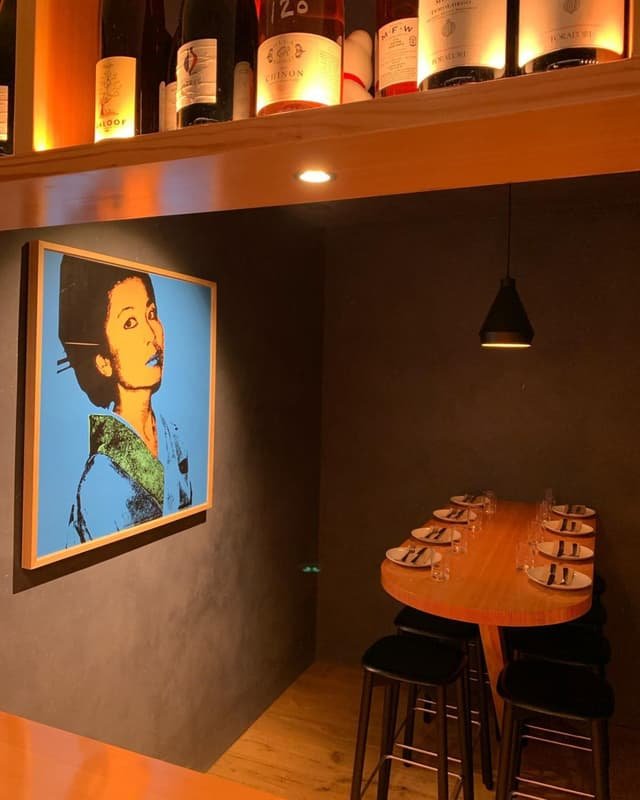
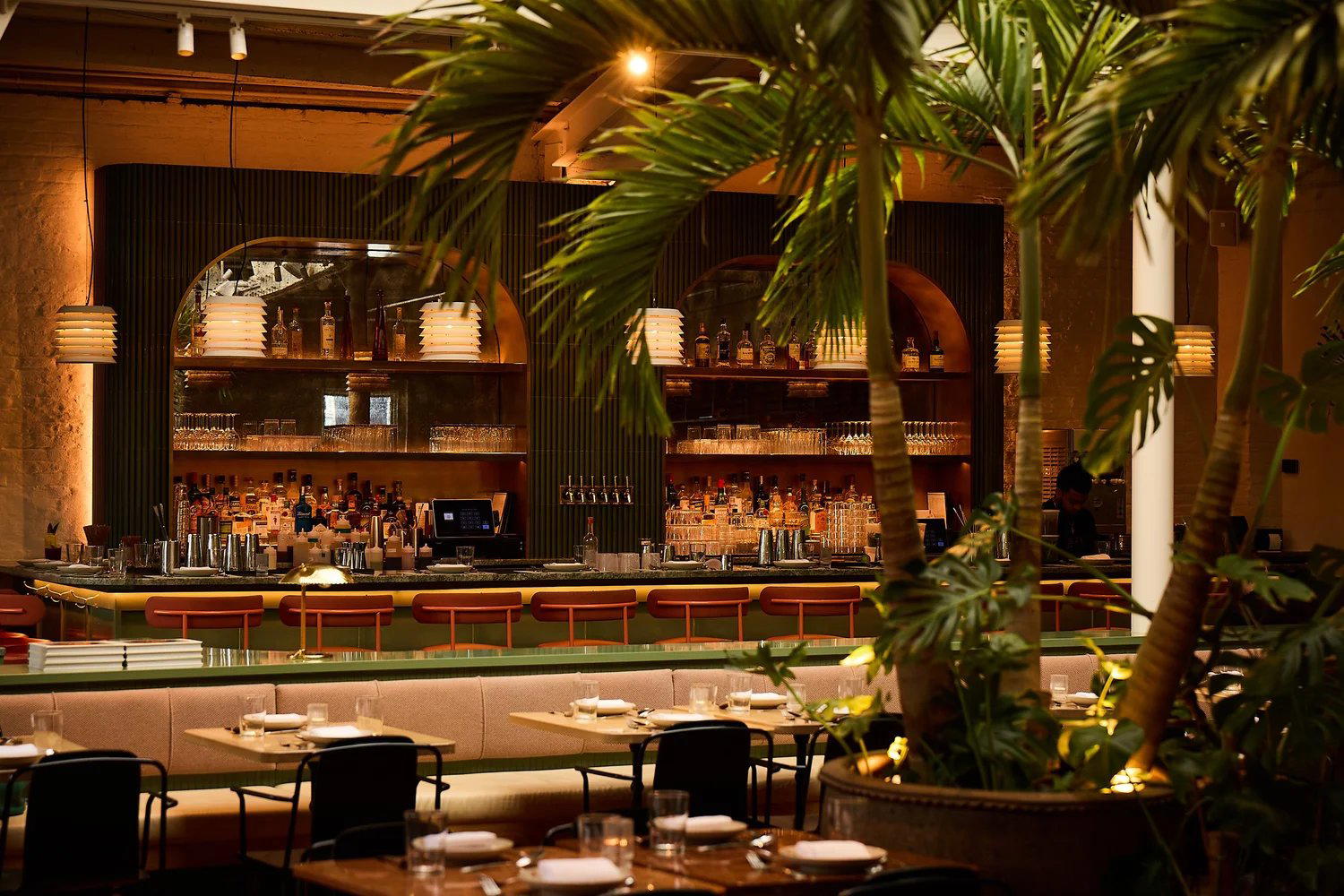
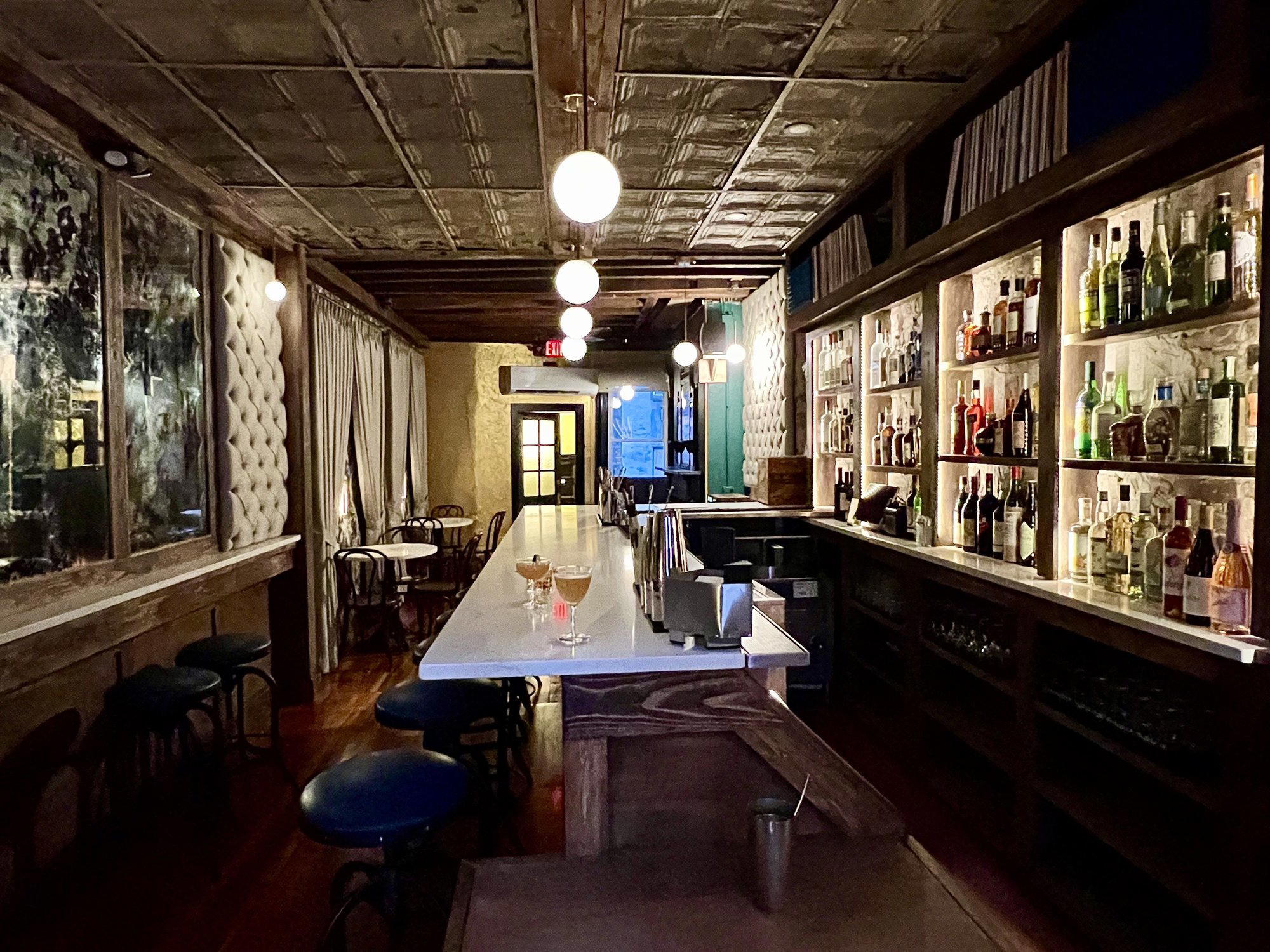
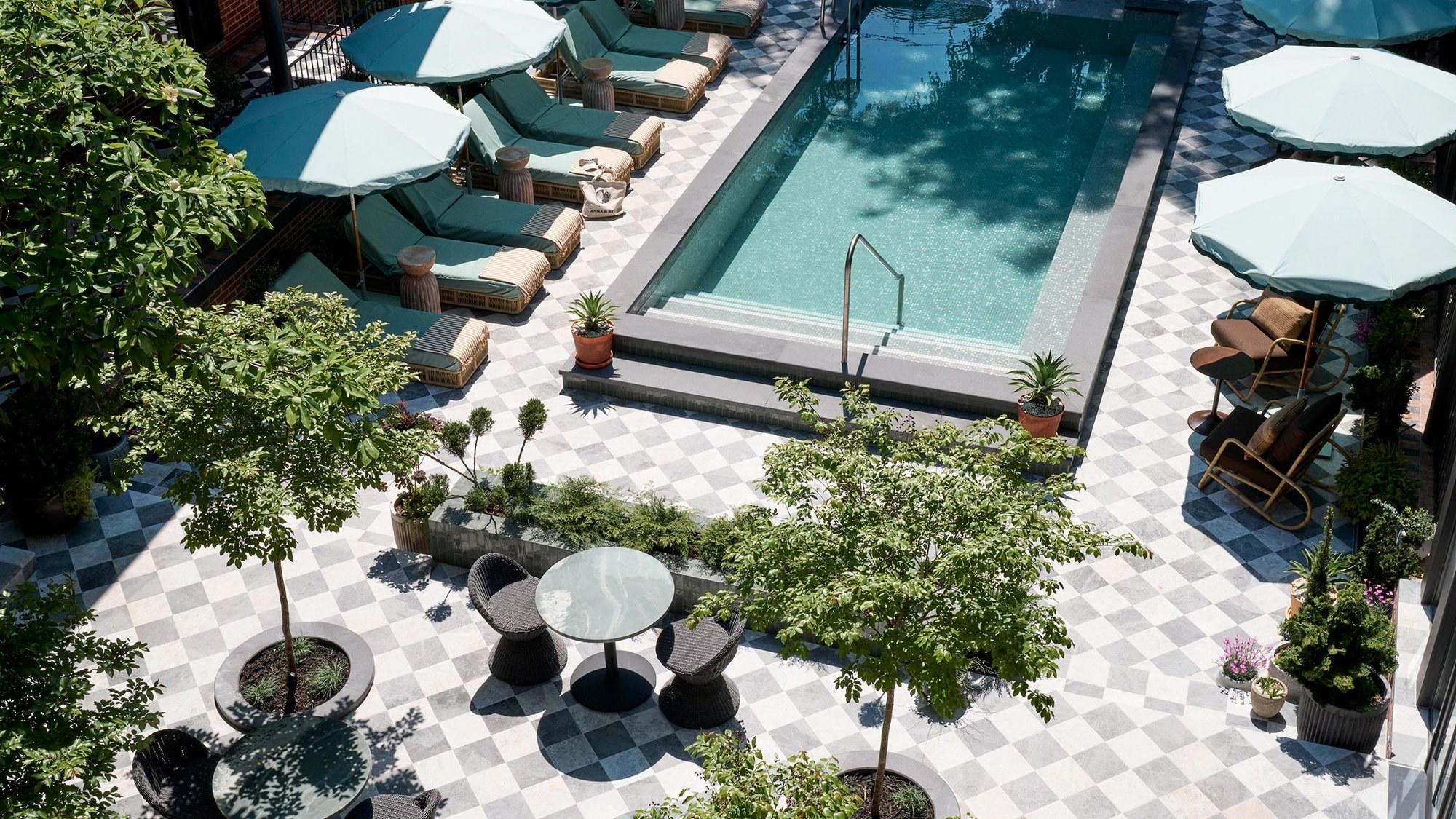
Relaxing spa-like setting with moderate noise and casual upscale vibes.