Osteria Di Mercato
Our verdict
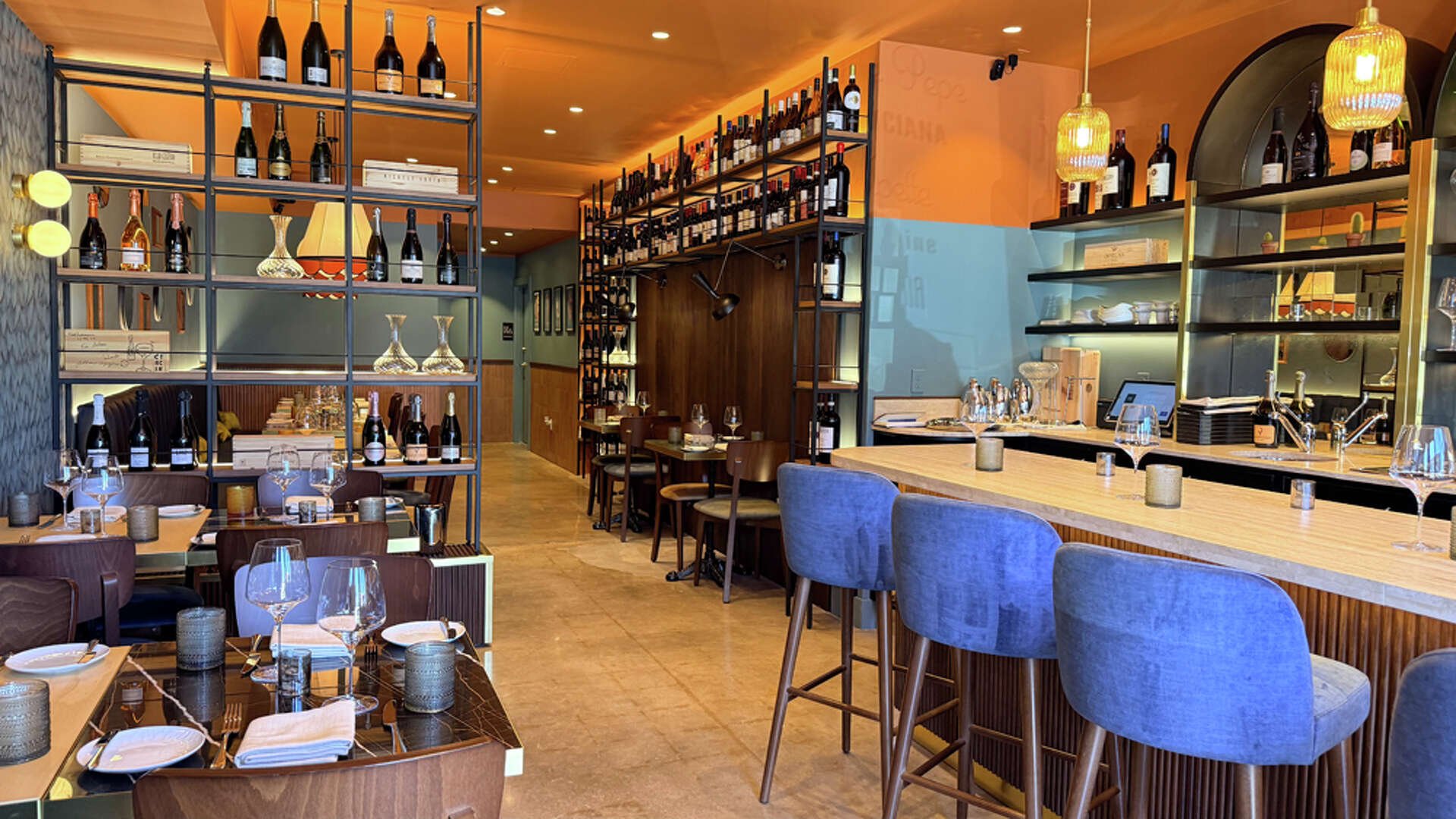
Traditional Italian in West University Place, Houston's compact residential enclave, Osteria di Mercato brings old-world trattoria sensibility to a neighbourhood better known for its proximity to Rice University than its restaurant scene. The name signals intent: a market-driven approach rooted in regional Italian tradition rather than the Americanised red-sauce interpretation that dominates casual Italian dining across Texas.

Pearl is the En Primeur Club membership app — saves, bookings, and concierge access live there. Same editors, same standards.
The menu
What to order
- Saffron arancini
- Tuna crudo
- White bolognese rigatoni
- Smoked ricotta agnolotti
- Branzino for two
- Hanger steak
- Basque-style chocolate cheesecake
- Foie gras torchon
Where Houston's Quiet Side Meets the Italian Regions
West University Place sits just inside Houston's Loop 610, a small incorporated city within a city where tree-lined streets and a residential pace make it feel insulated from the density of Midtown or Montrose. The restaurant scene here is deliberately local-facing rather than destination-driven, which means that when a serious Italian osteria appears in the neighbourhood, it occupies a different register from the trattorias competing for tourist traffic in a more high-profile zip code. Osteria di Mercato operates in that quieter register, serving traditional Italian cooking in an area where the dining set tends toward the repeat-visitor rather than the occasion diner. Neighbouring spots like Little Matt's and Rice Boulevard reflect the broader neighbourhood disposition toward reliable comfort over culinary spectacle.
The Osteria Model and What It Actually Means
The term osteria has a specific historical weight in Italy that tends to get lost in translation. In its original Roman and central Italian context, an osteria was a simple wine-and-food house, humbler than a ristorante, where wine was the anchor and food was the accompaniment. Over the past three decades, the format has evolved, particularly in northern Italy, into something more refined while holding onto the informality and regional specificity that distinguished it from full-service fine dining. The word mercato in the name gestures toward market-sourcing discipline, a tradition more closely associated with Emilian and Venetian cooking, where what arrives at the stall in the morning shapes what appears on the table at lunch.
That regional framing matters when assessing a venue like this one. Traditional Italian cooking is not a monolith. Roman cuisine leans on cured pork, pecorino, and bitter greens; Tuscan cooking is built on legumes, grilled meats, and unsalted bread; Neapolitan food is inseparable from San Marzano tomatoes and the wood-fired oven; Milanese tradition reaches toward butter, saffron, and long braises. A venue that commits to traditional Italian without specifying regional grammar is worth watching closely to see which of those traditions it actually honours. This is the central editorial question that any serious osteria operating outside Italy has to answer.
Italian in Texas: The Competitive Framing
Texas's Italian dining scene has historically defaulted to the Italian-American canon, the red-sauce comfort food that took root in mid-century American cities and proved durable. Houston is no different, though the city's international restaurant culture, fed by one of the most diverse urban populations in the United States, has created space for more regionally specific European cooking over the past decade. The strongest Italian programs in American cities tend to correlate with two things: access to imported products and a commitment to a specific regional tradition. Venues operating without that regional specificity often blur into a generic mid-market Italian category that competes primarily on price and portion.
At the national level, the contrast is clearest when you look at restaurants like Roma Antica in San Francisco, which has staked its identity explicitly on Roman tradition. That kind of regional clarity gives a kitchen a defined set of decisions to make and a legible identity for the guest. It also provides a framework against which the cooking can be evaluated, which is harder when a menu presents a pan-Italian survey course. The broader American fine-dining conversation, represented by restaurants at the level of Le Bernardin in New York City, Alinea in Chicago, or The French Laundry in Napa, operates in a different register entirely, but what those kitchens share with a well-run osteria is the same underlying discipline: specificity of intention.
The Neighbourhood Context
West University Place's restaurant culture is shaped by its proximity to Rice University and the Texas Medical Center, two institutions that generate a professional, well-travelled dining public with more interest in quality than novelty. That demographic tends to support restaurants that do one thing well over a long period rather than concepts chasing trend cycles. It is a more favourable environment for a traditional Italian restaurant than, say, a rapidly gentrifying corridor where the pressure is toward concept restaurants and Instagram-ready formats.
The neighbourhood also sits close enough to the Upper Kirby and Greenway Plaza areas to benefit from spillover traffic, though the residential character of West University Place itself tends to keep the energy local. A venue like Tiny's No. 5 illustrates the area's capacity to support neighbourhood institutions that develop loyal regulars over time rather than relying on destination traffic. An osteria format is well-suited to that dynamic. For the full picture of what the area offers, EP Club's West University Place restaurants guide maps the dining options across categories and price points.
What Traditional Italian Cooking Demands
Across the spectrum of American Italian restaurants, the ones that hold their identity most consistently are those that resist the gravitational pull toward crowd-pleasing improvisation. The discipline of traditional Italian cooking is specifically about restraint: fewer ingredients handled with precision rather than more ingredients handled with ambition. Pasta cooked to the correct texture for the specific regional style, not a single universal standard. Sauces built from the logic of a particular region's pantry, not a composite of what sells. These are not difficult principles to state, but they are genuinely difficult to execute in a market where the guest expectation has been shaped by decades of Italian-American cooking that moved away from those constraints.
For reference points in how that discipline plays out at other levels of the dining spectrum, kitchens like Blue Hill at Stone Barns in Tarrytown, Single Thread Farm in Healdsburg, or Bacchanalia in Atlanta demonstrate what commitment to a sourcing-first, restraint-oriented program looks like when executed at high resolution. Osteria di Mercato operates in a different price tier and city context, but the underlying principle of market-driven, tradition-rooted cooking is the same claim the name makes.
Planning a Visit
West University Place is most efficiently reached by car from central Houston; parking in the area is generally manageable given the residential density. For comparable dinner occasions in the broader Houston metro, the neighbourhood's local dining scene provides several alternatives across different categories. Those making a trip to the area for the first time will find that the West University Place dining circuit rewards a slow approach: this is a neighbourhood where the evening pace is unhurried and restaurants are designed to accommodate it.
Frequently asked questions
How hard is it to get a table at Osteria di Mercato?
West University Place restaurants serving a defined neighbourhood audience often fill quickly on weekends, drawing from the Rice University and Texas Medical Center professional communities nearby.
Continue exploring
More in Houston
Restaurants in Houston
All restaurants in Houston →

Bars in Houston
All bars in Houston →
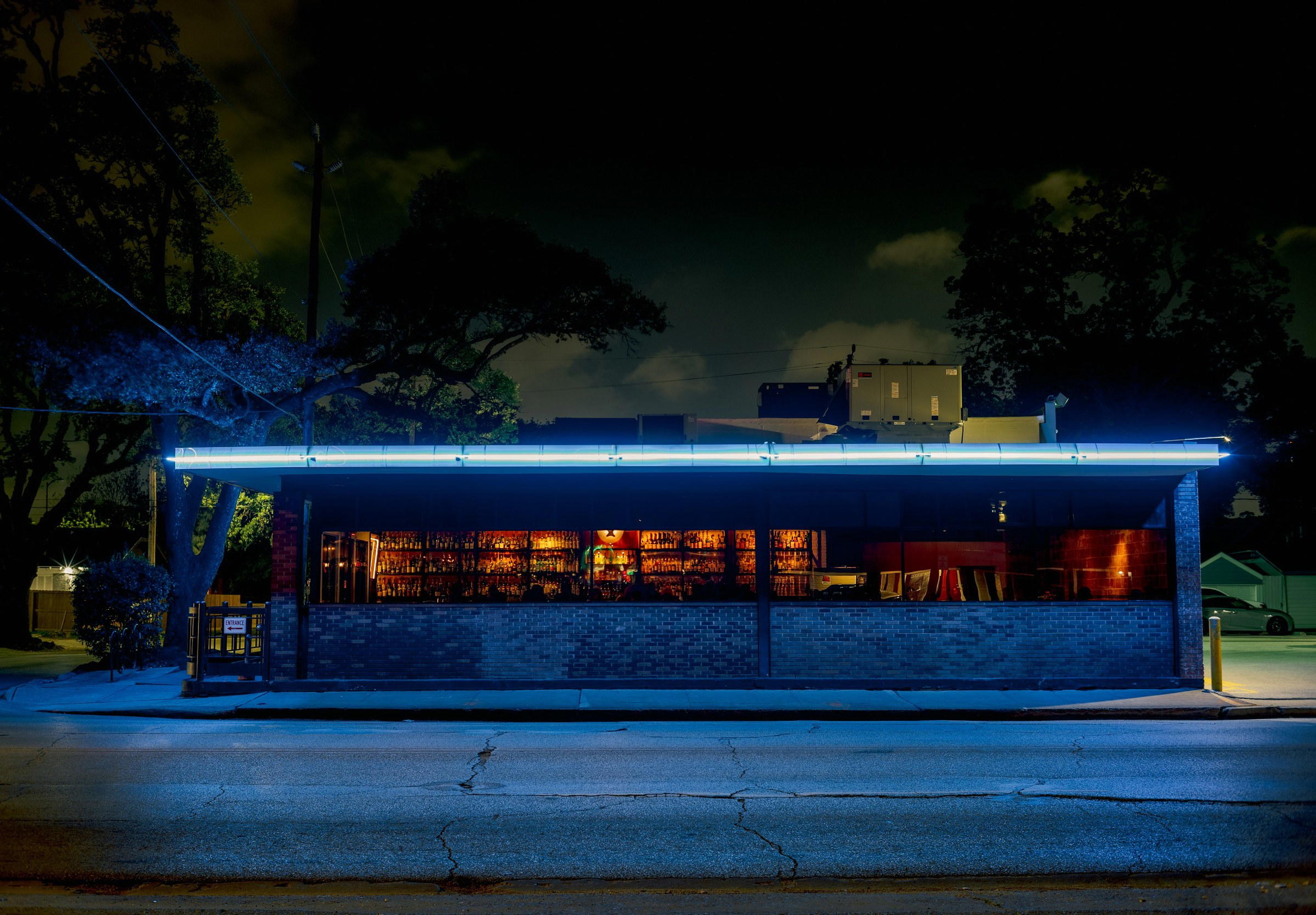





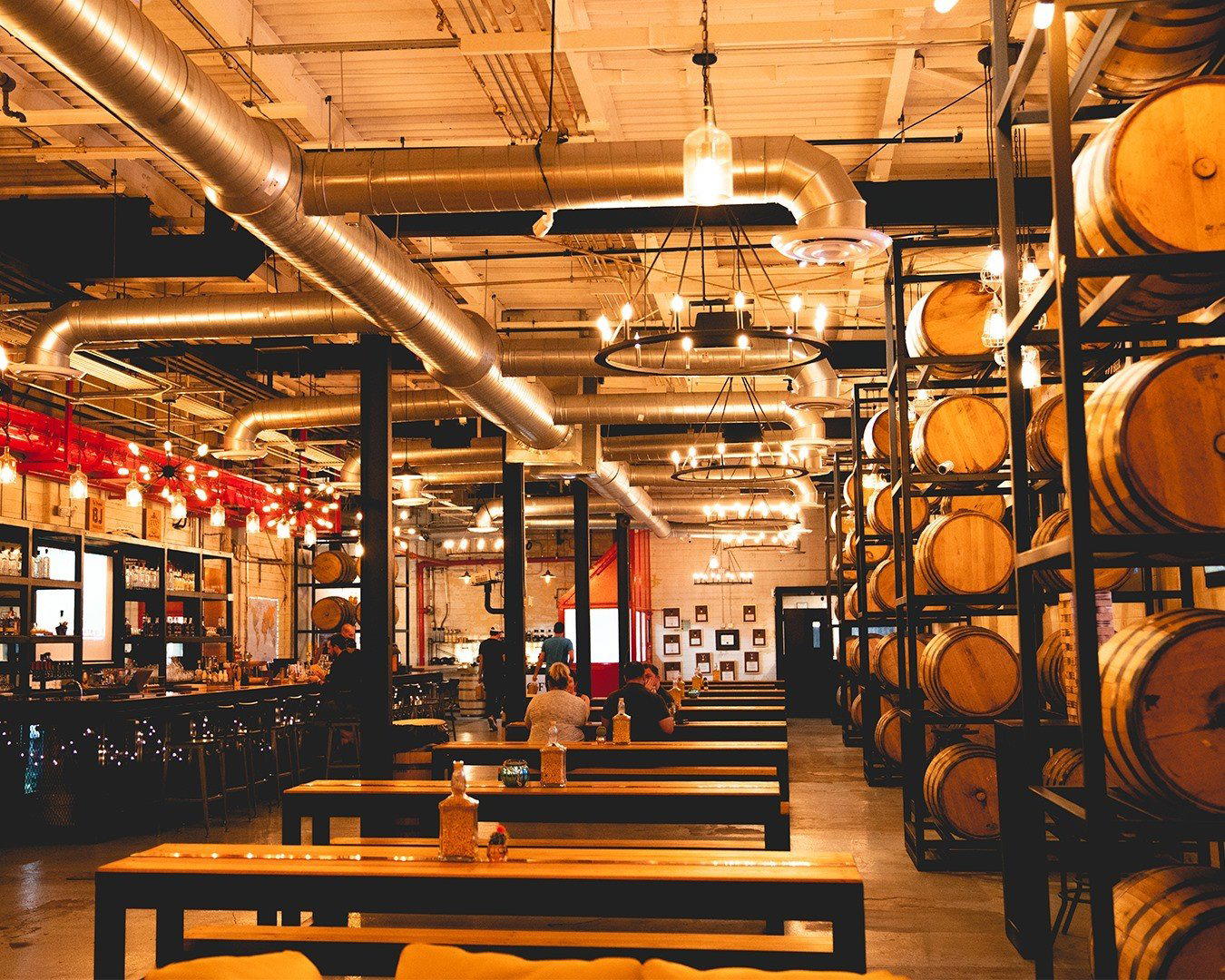
Osteria Di Mercato
The wine
- Wine program
- Deep wine list
- Extensive wine list
- Sommelier-led
Details
- Cozy
- Intimate
- Romantic
- Modern
- Sophisticated
- Date Night
- Special Occasion
- Business Dinner
- Solo
- Celebration
- Standalone
- Design Destination
- Wine Cellar
- Extensive Wine List
- Sommelier Led
- A La Carte
- Wine
Current opening hours
- Monday
- Closed
- Tuesday
- 5–11 PM
- Wednesday
- 5–11 PM
- Thursday
- 5–11 PM
- Friday
- 5–11 PM
- Saturday
- 5–11 PM
- Sunday
- Closed
Hours can change for holidays and private events. Last verified .
An intimate, thoughtfully designed Italian osteria with only about 25–30 seats, emphasizing a cozy, conversational atmosphere centered on handmade pasta, fine wines, and relaxed, unhurried dinners.