
The Best Chef One Knife
Our verdict
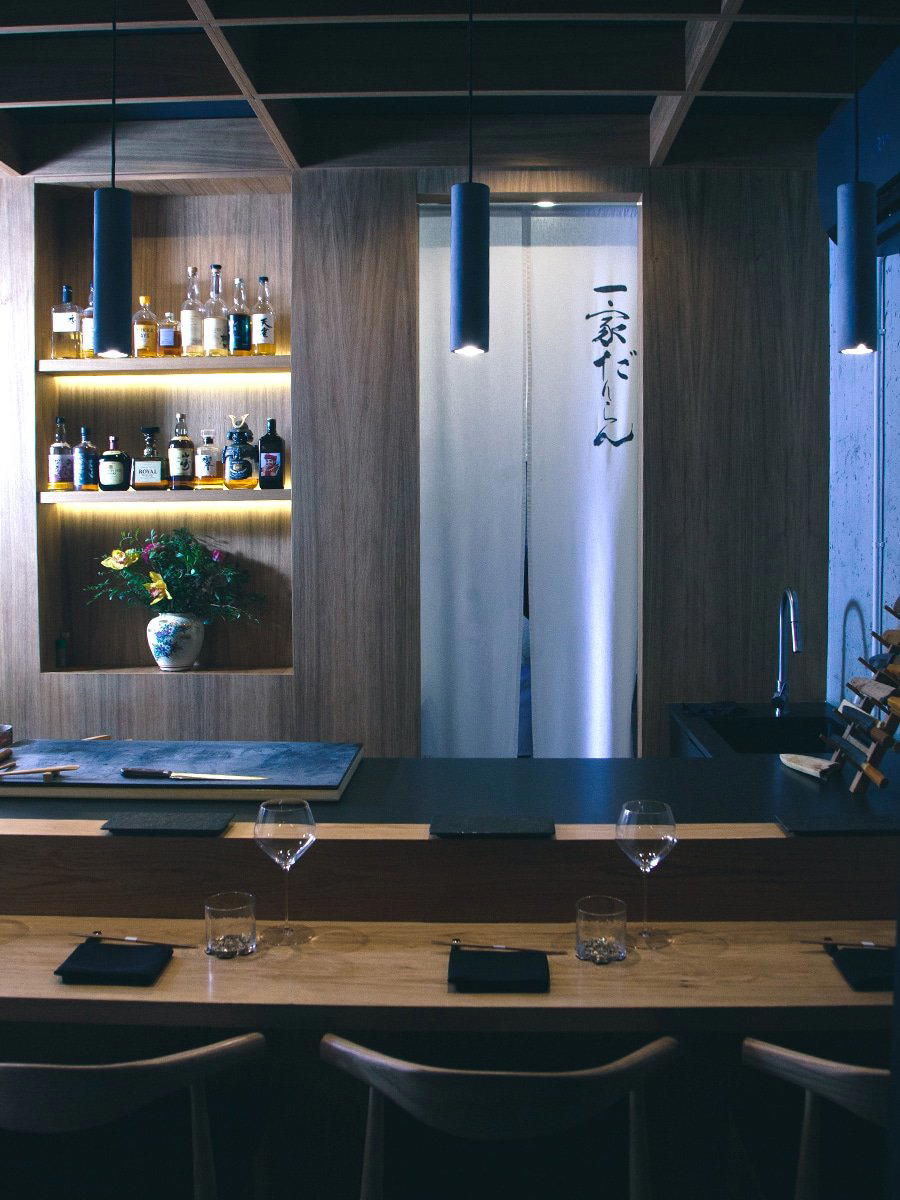
Wrocław's sushi scene sits in a city still defining its relationship with Japanese cuisine, and Noriko Sushi, on Krzywoustego in the city's northern residential belt, occupies a specific position within that developing conversation. Under chef Marcin Jasiura, the address draws regulars who treat it as a neighbourhood counter rather than a destination set-piece, with daytime and evening services carrying notably different rhythms.

Pearl is the En Primeur Club membership app, where members save venues, book tables and use the concierge.
The menu
What to order
- Fatty Tuna Nigiri
- Turbot Nigiri
- Engawa Temaki
Japanese Precision in Wrocław's Northern Quarter
Wrocław has spent the past decade building a restaurant culture that punches well above what Poland's third-largest city might be expected to sustain. The city's dining scene now includes addresses competing with Warsaw and Kraków across most major categories, modern Polish at BABA, grill-focused European at CAMPO Modern Grill, and tasting-menu formats at dinette and Acquario. Japanese cuisine has arrived later to that conversation, and sushi specifically remains a category where the city is still sorting out which addresses belong in the serious tier and which remain closer to Pan-Asian generalism. Noriko Sushi sits on Bolesława Krzywoustego, a residential corridor in Wrocław's northern districts, removed from the Old Town cluster where most dining energy concentrates. That geography shapes the room before a single plate lands on the table.
Arriving from the city centre, the address feels intentionally local. The northern residential belt operates on different rhythms from the tourist-adjacent streets around the Rynek, and a sushi counter here serves a community of returning guests rather than a rotating audience of first-timers. That distinction matters: neighbourhood sushi operations in European cities have a different relationship with their regulars than central-city equivalents, and the trust built over multiple visits tends to produce a more direct, less performative service register.
How Daytime and Evening Service Divide at Noriko
The lunch-versus-dinner split is where Noriko Sushi's character comes into clearest focus. Across European sushi in the mid-tier, lunch service typically functions as a tighter, faster format: smaller selections, set combinations, and pricing that reflects the daytime appetite for value-forward decisions. Dinner shifts the dynamic toward more deliberate pacing, larger formats, and guests who have chosen the address as a destination rather than a convenient option. The Krzywoustego location, embedded in residential Wrocław, likely amplifies this pattern. Lunchtime here draws from a catchment of local office workers and nearby residents treating the counter as a reliable weekday anchor. Evening guests tend to arrive with more time, and the interaction with the kitchen reflects that.
Chef Marcin Jasiura's name is the primary credential attached to Noriko Sushi, and within Poland's developing sushi tier that association matters as a signal of professional seriousness rather than casual assembly-line production. The broader Polish fine-dining scene has spent recent years demonstrating that Warsaw and Kraków can support technically demanding kitchens, addresses like Bottiglieria 1881 in Kraków and Arco by Paco Pérez in Gdańsk have established that the country's dining infrastructure can sustain high-craft formats. Wrocław's contribution to that trajectory has been building a scene where specialist addresses outside the obvious categories, not just Polish tasting menus, but Korean at Korill180, regional at IDA, and Japanese here, can find footing with a sufficiently engaged local audience.
Wrocław's Sushi Context: A Scene Still Sorting Itself Out
For international visitors accustomed to the sushi markets in Tokyo, New York, or even London, arriving at a sushi address in Wrocław requires calibrating expectations differently. The reference points are not the same. Wrocław is operating at an earlier stage of that arc. The interesting question is not whether the city can replicate Tokyo or New York benchmarks, it cannot yet, and that comparison is not useful, but whether specific addresses are moving the local standard in a credible direction.
Noriko Sushi's position on Krzywoustego, away from the tourist centre, suggests an operation oriented toward that local standard rather than toward visiting guests seeking a safe international reference point. That is, on balance, the more interesting orientation. Addresses like Gustaw have demonstrated that Wrocław dining can develop genuine local identity rather than importing formats wholesale, and Japanese cuisine in the city is working through a similar process of adaptation and localization.
Across Poland more broadly, the cities where specialist cuisine has developed most convincingly are those where a handful of serious practitioners pushed the standard upward over several years, often with limited institutional support. Muga in Poznań, hub.praga in Warsaw, and Giewont in Kościelisko each illustrate different ways that dedicated operations outside the major dining capitals can build credibility within narrower specialist categories. Sushi in Wrocław is in a comparable position: the category needs a small number of addresses that take the technical and sourcing requirements seriously enough to shift local expectations upward.
Planning a Visit to Noriko Sushi
The Krzywoustego address is in Wrocław's northern residential districts, which means arriving by tram or car is more practical than a walk from the Old Town or the central hotel zone. Visitors staying in central Wrocław should factor in travel time; the address is not within easy walking distance of the main tourist accommodation cluster, and consulting our full Wrocław hotels guide before booking a base will help determine whether the journey makes logistical sense within a wider itinerary. For evening visits, the surrounding neighbourhood has limited competing hospitality, which means pre- or post-dinner options require separate planning; our Wrocław bars guide covers the city's cocktail and wine bar options, most of which are concentrated closer to the centre.
Guests planning a visit, particularly for dinner or weekend service when tables at a residential neighbourhood address tend to fill through regulars rather than walk-in traffic, should verify current reservation policy directly before arriving. The practical gap between a confirmed table and an optimistic walk-in is larger at smaller neighbourhood operations than at high-visibility central addresses.
For readers building a wider Wrocław itinerary, our full Wrocław restaurants guide maps the city's dining scene across categories and price points. Those extending their travels across Poland will find useful comparisons in the 1911 Restaurant in Sopot and in the established fine-dining addresses already mentioned. Our Wrocław experiences guide and wineries guide round out the city picture for visitors planning more than a single-meal trip.
On the question of value, Noriko Sushi occupies a segment of Wrocław dining where the price conversation is shaped more by local market conditions than by international reference points. Japanese ingredients at serious quality carry real procurement costs regardless of geography, and the cost-of-living differential that makes Poland competitive in some hospitality categories narrows when protein sourcing crosses borders. Comparing the price register here to a comparable address in, say, central Kraków or Warsaw is more instructive than comparing it to London or New York equivalents.
Frequently asked questions
How do I find Noriko Sushi?
Noriko Sushi is located at Bolesława Krzywoustego 308a/8, 51-312 Wrocław, Poland, Wrocław.
What kind of recognition has Noriko Sushi received?
Noriko Sushi has received recognition including: Chef: Marcin Jasiura.
What's the must-try dish at Noriko Sushi?
The place to start is by asking Chef Marcin Jasiura directly at the counter, at a venue of this scale in Wrocław's northern residential quarter, the kitchen tends to shape the order around what's freshest rather than a fixed signature.
Is there a head chef associated with Noriko Sushi?
The chef associated with Noriko Sushi is Marcin Jasiura.
Do they take walk-ins at Noriko Sushi?
No booking policy is publicly documented for the Krzywoustego 308a address. Given the residential location away from Wrocław's Old Town foot traffic, the practical approach is to contact the venue in advance rather than arrive speculatively, sushi counters at this format typically run on limited covers.
Recognition Snapshot
Comparable venues nearby, for context on price, style, and recognition.
| Venue | Cuisine | Price | Awards | Notes |
|---|---|---|---|---|
| Noriko SushiThis venue (the venue you are viewing) | Traditional Japanese Omakase | $100–150 | The Best Chef One Knife | Not listed |
| Ato Ramen | Modern Vegan Ramen | $10–20 | Not listed | Stare Miasto |
| Manami | Modern Japanese Sushi & Omakase | $30–50 | Not listed | Four Domes area |
| dinette | Modern European Bistro | $20–30 | Michelin Plate | Old Town |
| Mercado Tapas Bistro | Modern Spanish Tapas | $20–30 | Michelin Plate | Nadodrze |
| Gustaw | Modern Polish-European Fusion | Not listed | Michelin Plate | Stare Miasto |
Recognition history
Dated appearances from independent guides and award organizations, with the underlying list record or original source where available.
The Best Chef One Knife
The Best Chef
Continue exploring
More in Wrocław
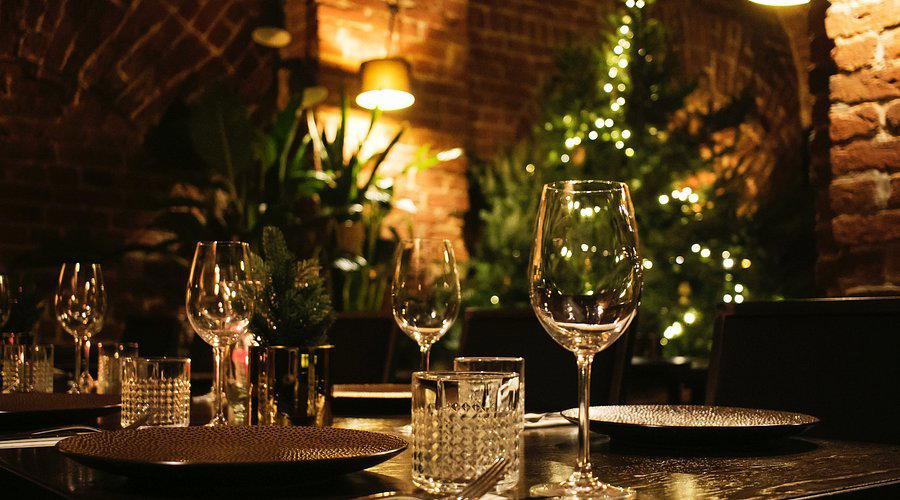
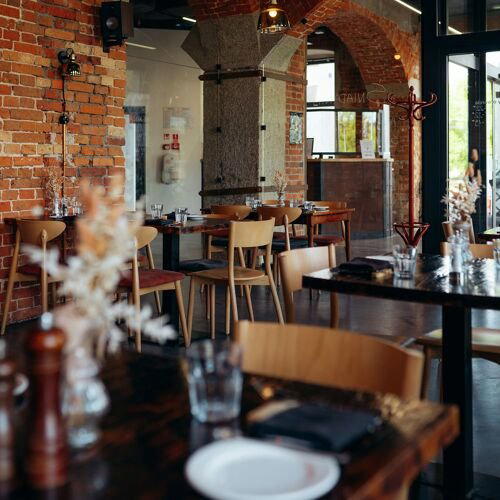
Restaurants in Wrocław
All restaurants in Wrocław →
Hotels in Wrocław
All hotels in Wrocław →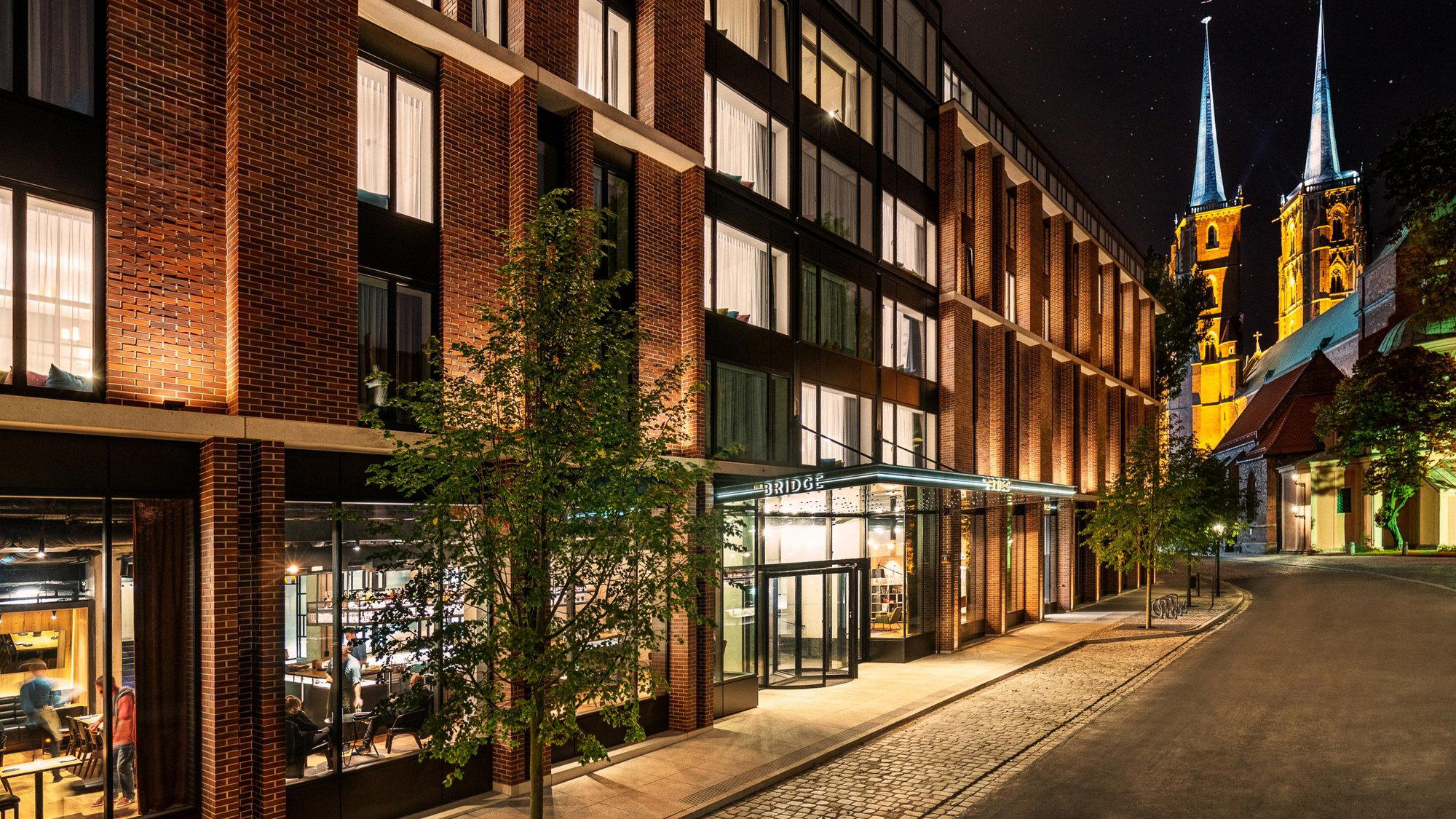
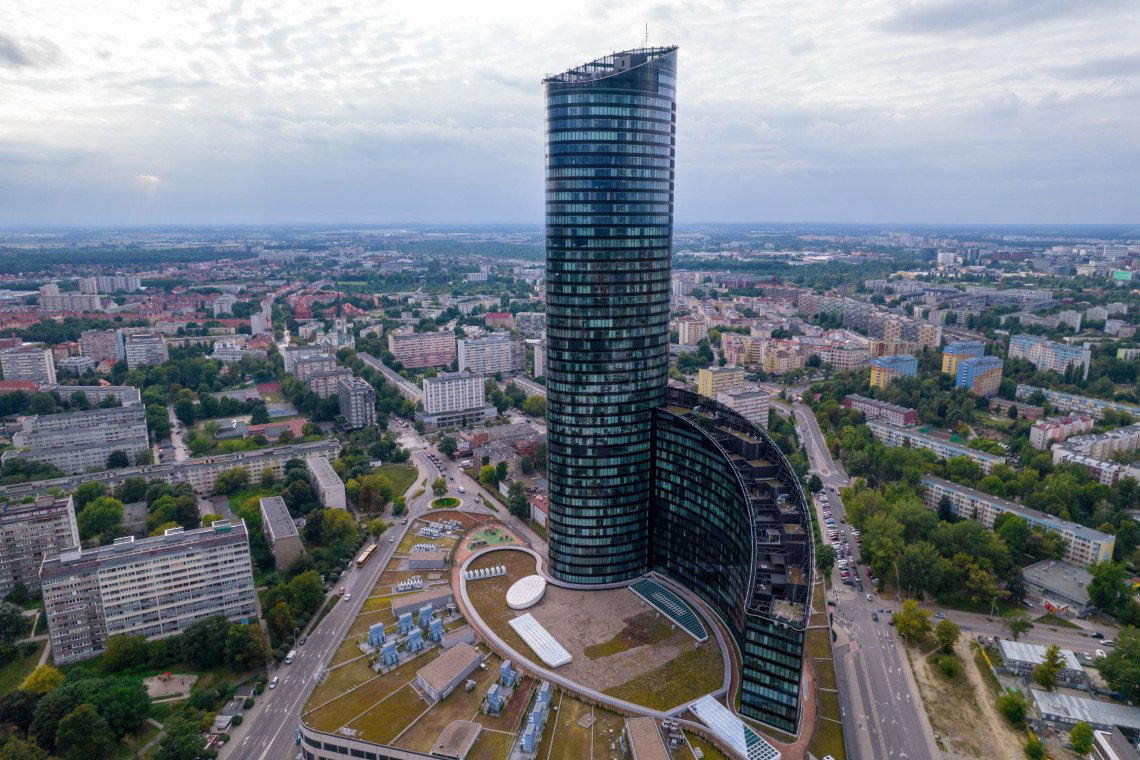
Wineries in Wrocław
Browse all →
Details
- Intimate
- Cozy
- Trendy
- Romantic
- Elegant
- Date Night
- Special Occasion
- Solo
- Chefs Counter
- Sake Program
- Omakase
- Counter Dining
- Sake Program
Current opening hours
- Monday
- 12–9 PM
- Tuesday
- 12–9 PM
- Wednesday
- 12–9 PM
- Thursday
- 12–9 PM
- Friday
- 1–11 PM
- Saturday
- 1–11 PM
- Sunday
- 12–9 PM
Hours can change for holidays and private events. Hours as of .
Warm, welcoming, and cozy atmosphere with an intimate counter setting that encourages interaction and feels like dining with friends.