Nest- und Bietschhorn

Historic Alpine elegance defines Nest- und Bietschhorn in Blatten im Lötschental, where seasonal Valais cuisine, a terrace scented with herbs, and a sommelier-led focus on local wines elevate fine dining at 1,490 meters.
Pearl is the En Primeur Club membership app — saves, bookings, and concierge access live there. Same editors, same standards.
- Address
- Talstrasse 16, 3919 Blatten
- Phone
- +41 27 939 11 06
- Website
- nest-bietschhorn.ch
- Directions
- Get directions
 Saves & bookings on Pearl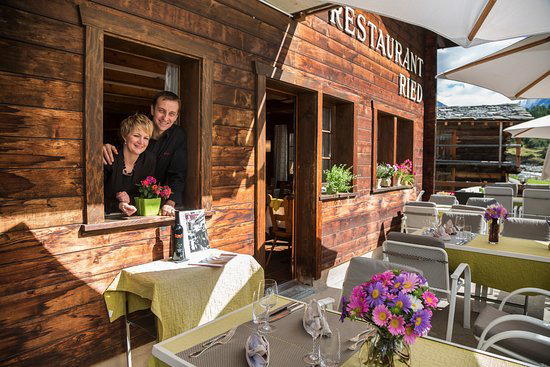
Where the Valley Feeds the Kitchen
The Lötschental is one of the few major Alpine valleys in Switzerland that remained effectively cut off from the outside world until the twentieth century. No through road, no railway, no tourist infrastructure of consequence until relatively recently. That isolation shaped its agriculture, its dialect, and its food culture into something noticeably distinct from the more accessible valleys of the Valais. Arriving in Blatten, the highest and most remote of the valley's villages, that sense of separateness still holds. The mountains here are not a backdrop; they are the reason the village exists at all, and they set the parameters for everything grown, grazed, or fermented nearby.
It is in this context that Nest- und Bietschhorn earns its Michelin Bib Gourmand (2024), an award the Guide gives to restaurants delivering serious cooking at moderate prices. In Switzerland, where the cost of a restaurant meal climbs quickly even before wine, a Bib Gourmand in the €€ price tier carries specific meaning: it signals a kitchen working with discipline and local knowledge, not cutting corners to fill seats cheaply. For a village of Blatten's scale and remoteness, the recognition is striking. See our full Blatten im Lötschental restaurants guide for broader context on what the valley's dining scene looks like.
The Source Logic of a Mountain Kitchen
Traditional Alpine cuisine in Switzerland derives its character less from technique than from the logic of what can actually be produced at altitude. Short growing seasons, long winters, and the dominance of livestock farming all push the kitchen toward preserved, aged, and slow-cooked preparations. Dried beef, rye bread, mountain cheese, and lamb — the Lötschental has historically been known for its black-nosed Valais sheep — form the base vocabulary. A kitchen operating honestly within this tradition is not working from a romanticised menu concept; it is responding to a supply chain that has looked roughly the same for centuries.
At Nest- und Bietschhorn, the classification as Traditional Cuisine positions it within that longer history rather than against the wave of modernist Swiss cooking currently occupying the high end of the market. That high end is represented elsewhere: [Schloss Schauenstein in Fürstenau](Schloss Schauenstein in Fürstenau), Memories in Bad Ragaz, focus ATELIER in Vitznau, and IGNIV Zürich by Andreas Caminada in Zurich all operate at the €€€€ tier and signal their ambitions through international-facing creative programs.
The sourcing logic of a remote Alpine valley rewards cooks who know the producers, understand the seasonal windows, and do not over-engineer what arrives from the surrounding landscape. Proximity to source is not a marketing message in Blatten; it is a structural condition. The farms are nearby because there is nowhere else for them to be.
Placing Nest- und Bietschhorn in the Swiss Michelin Tier
Switzerland's Michelin landscape is heavily weighted toward high-investment fine dining. Hotel de Ville Crissier in Crissier, Cheval Blanc by Peter Knogl in Basel, L'Atelier Robuchon in Geneva, and Einstein Gourmet in Sankt Gallen represent the starred category, where covers are limited, tasting menus long, and prices commensurate with the country's cost structure. The Bib Gourmand category operates on different criteria entirely, and in remote regions it often surfaces places that a travelling critic would not reach without deliberate effort.
The Bib Gourmand's particular value in a place like the Lötschental is that it applies the same evaluative rigour to traditional cooking that Michelin applies to its starred restaurants. The question is not whether the food is technically complex, but whether it is good, consistent, and appropriately priced.
For comparison within the traditional-cuisine register more broadly, Auberge Grand'Maison in Mûr-de-Bretagne and Auga in Gijón both work within regional and traditional frameworks with Michelin recognition, though in very different geographic contexts. The pattern across all three is the same: cooking that derives its credibility from knowing where it is and what grows or grazes nearby.
Getting There and Planning Your Visit
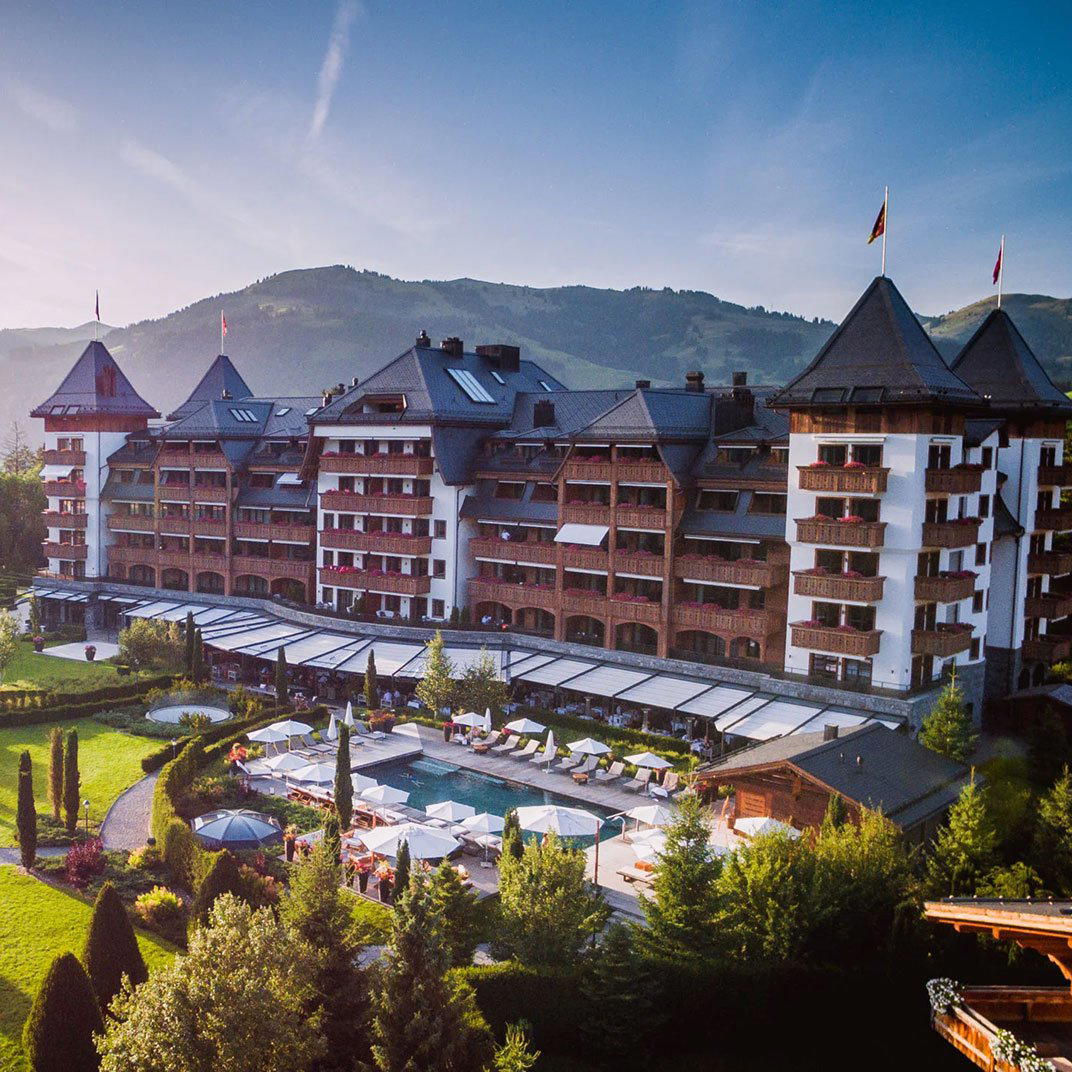
Blatten im Lötschental sits at the top of a valley accessible by road from Gampel in the lower Valais, via the village of Steg and then north along the valley floor. The journey from Brig or Visp, the nearest rail hubs, involves a combination of train and postbus or private car; the valley is served by the Lötschentalbahn as far as Goppenstein, with road access continuing to Blatten beyond. Planning the trip around a meal at Nest- und Bietschhorn is reasonable given the distance from any major Swiss city; combining it with a night in the valley makes more logistical sense than a day trip from Zurich or Bern. See our full Blatten im Lötschental hotels guide for accommodation options in and around the valley, and our Blatten im Lötschental experiences guide for what the surrounding area offers beyond the table.
The restaurant is located at Talstrasse 16 in Blatten. Winter access to the upper valley can be affected by conditions, and the kitchen's schedule likely reflects the rhythm of the valley's tourism seasons. Given the small scale of Blatten, tables may be limited, and advance planning is worth the effort.
Those building a wider picture of the valley's food and drink offering should consult our Blatten im Lötschental bars guide and our Blatten im Lötschental wineries guide. For higher-end Swiss Alpine dining at the €€€€ tier, 7132 Silver in Vals, Colonnade in Lucerne, and Da Vittorio - St. Moritz in St. Moritz all sit in a different competitive tier but illustrate the range of how Swiss mountain settings are being interpreted at the top of the market.
How Nest- und Bietschhorn Blatten im Lötschental compares with similar nearby venues.
| Venue | Cuisine | Price | Awards |
|---|---|---|---|
| Nest- und Bietschhorn | Traditional Cuisine | €€ | Bib Gourmand |
| Gasthaus Bären | Traditional Cuisine | €€ | Not listed |
| Le Bistrot des Ours | Traditional Cuisine | €€€ | Not listed |
| La Baratte | Traditional Cuisine | € | Not listed |
| Panorama | Traditional Cuisine | €€ | Not listed |
| Panorama - Bistro | Traditional Cuisine | €€ | Not listed |
Recognition history
Dated appearances from independent guides and award organizations, with the underlying list record or original source where available.
Michelin Bib Gourmand
Michelin
Continue exploring
More in Blatten im Lötschental
Restaurants in Blatten im Lötschental
Browse all →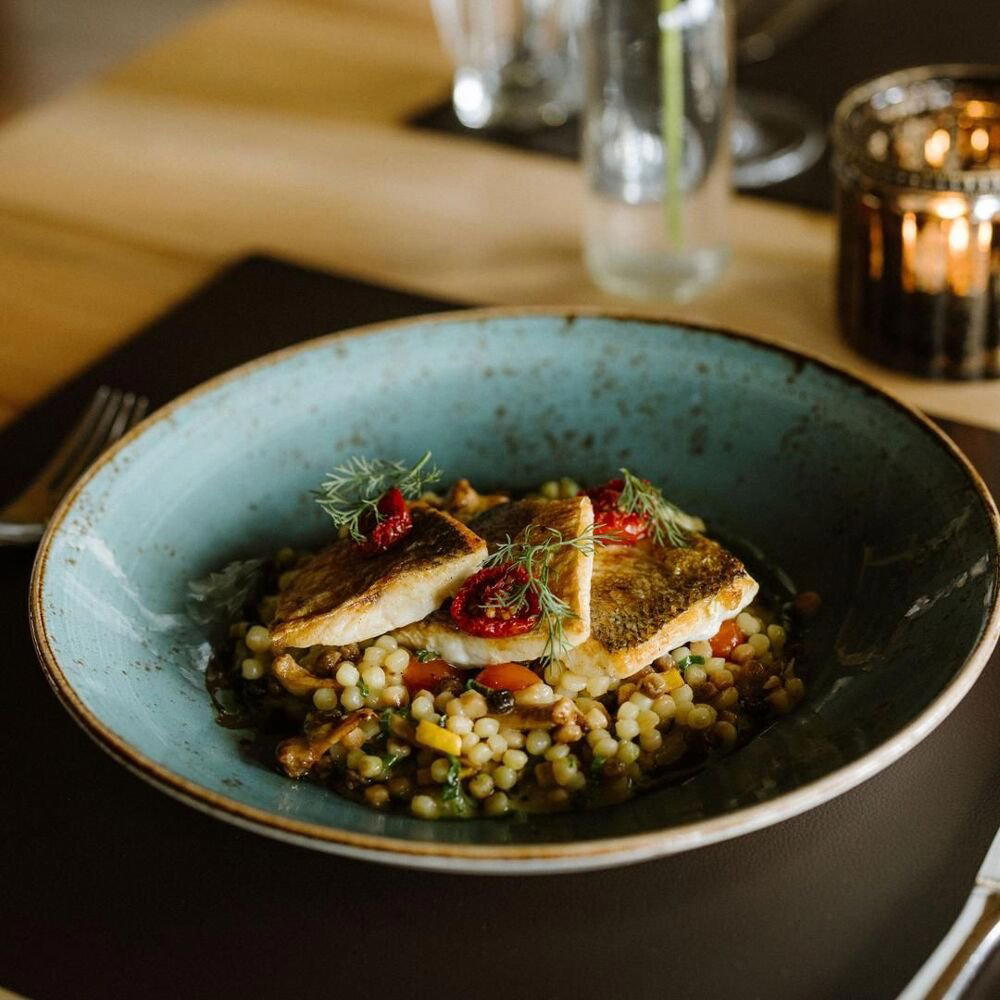
Bars in Blatten im Lötschental
Browse all →
Hotels in Blatten im Lötschental
Browse all →


At a Glance
- Rustic
- Cozy
- Elegant
- Scenic
- Special Occasion
- Date Night
- Terrace
- Hotel Restaurant
- Extensive Wine List
- Local Sourcing
- Mountain
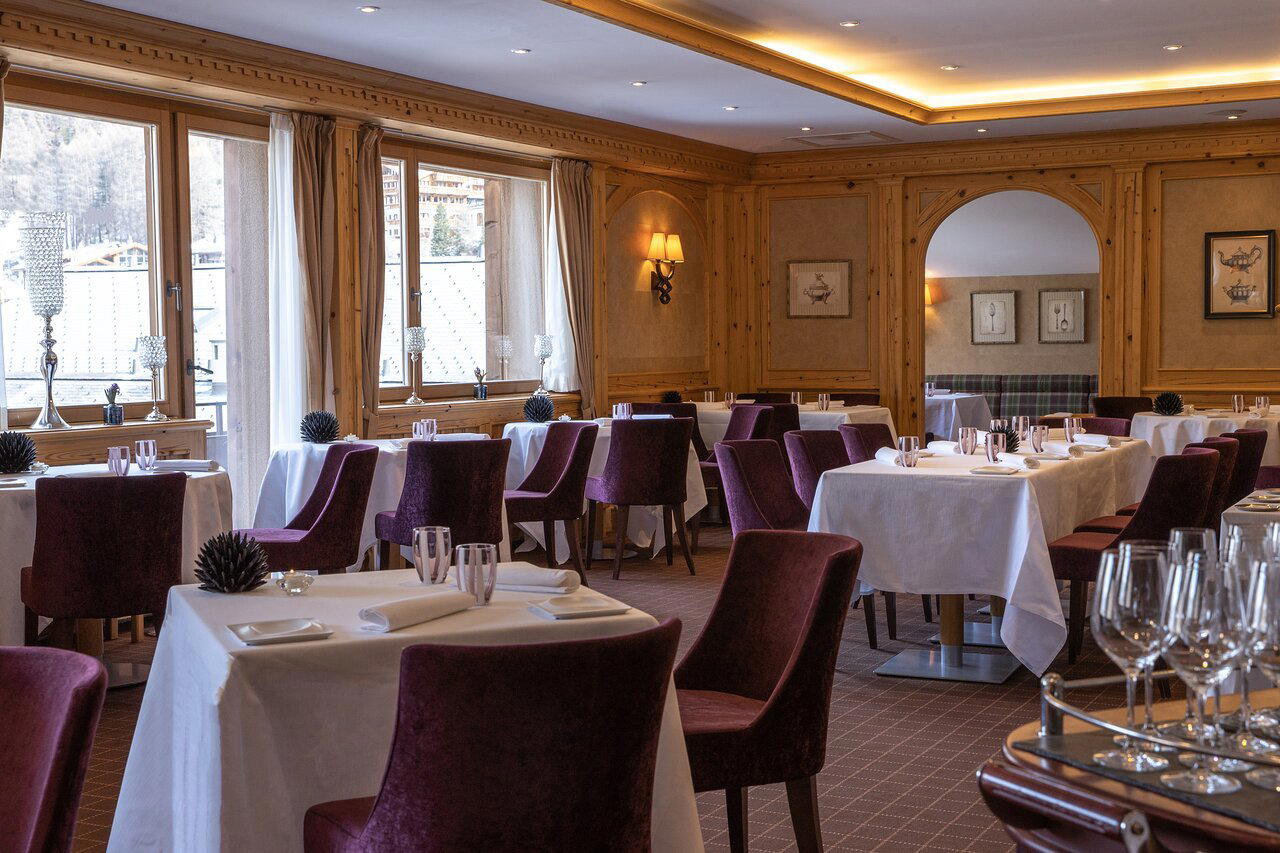
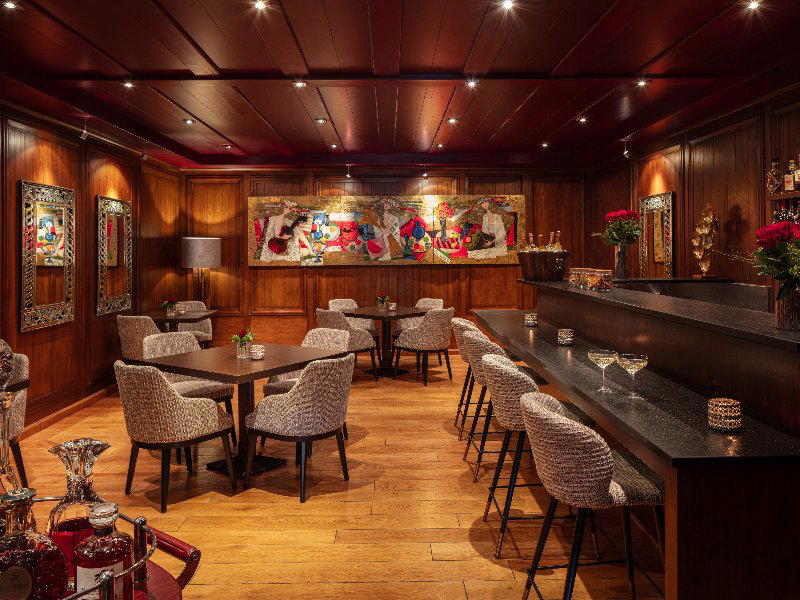
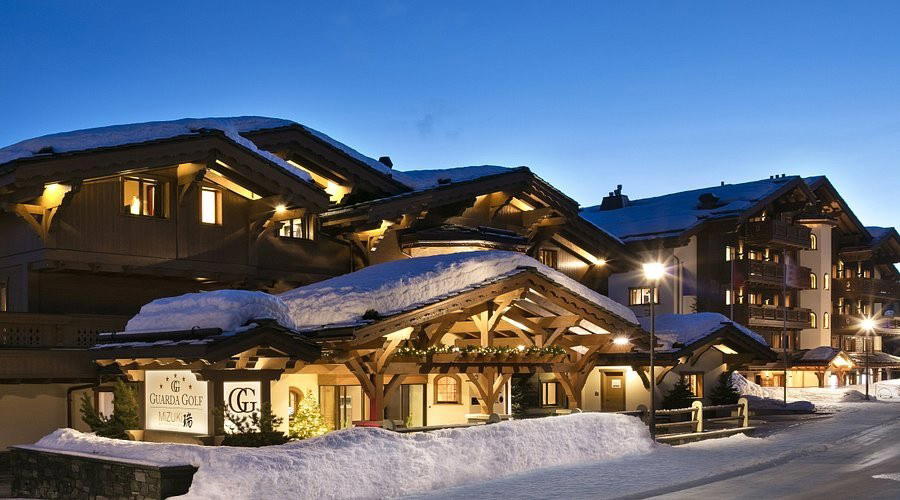
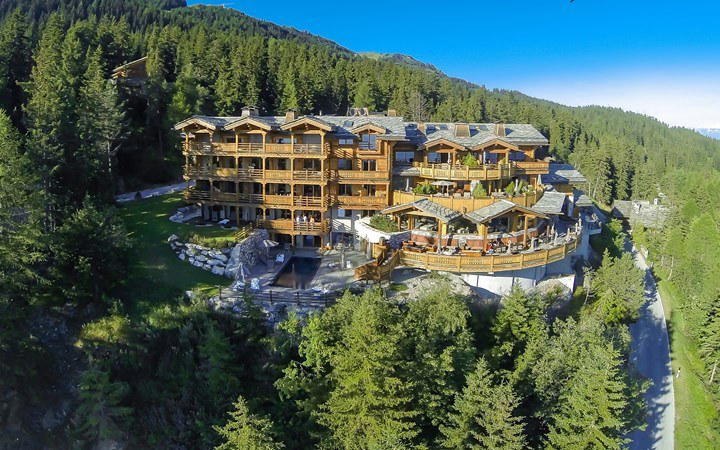
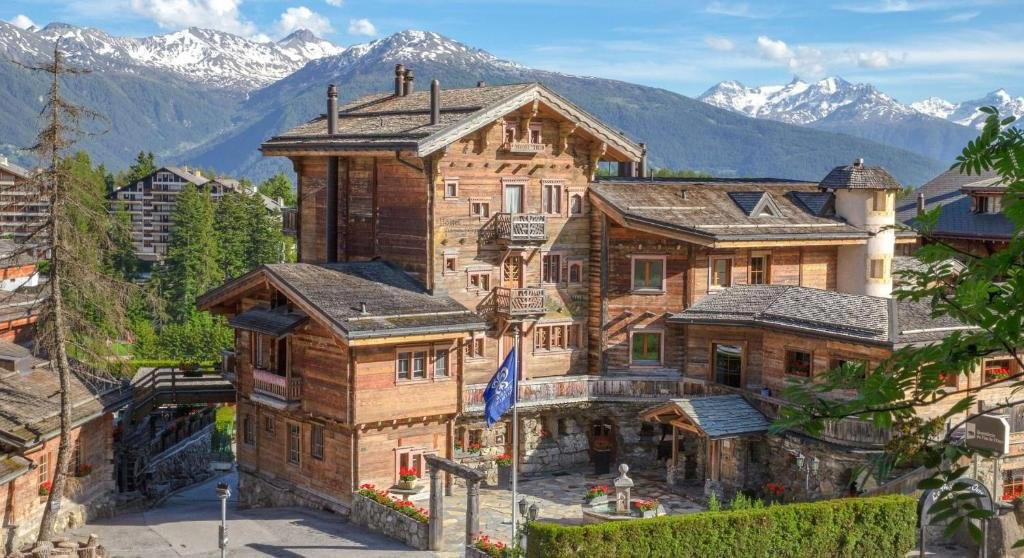
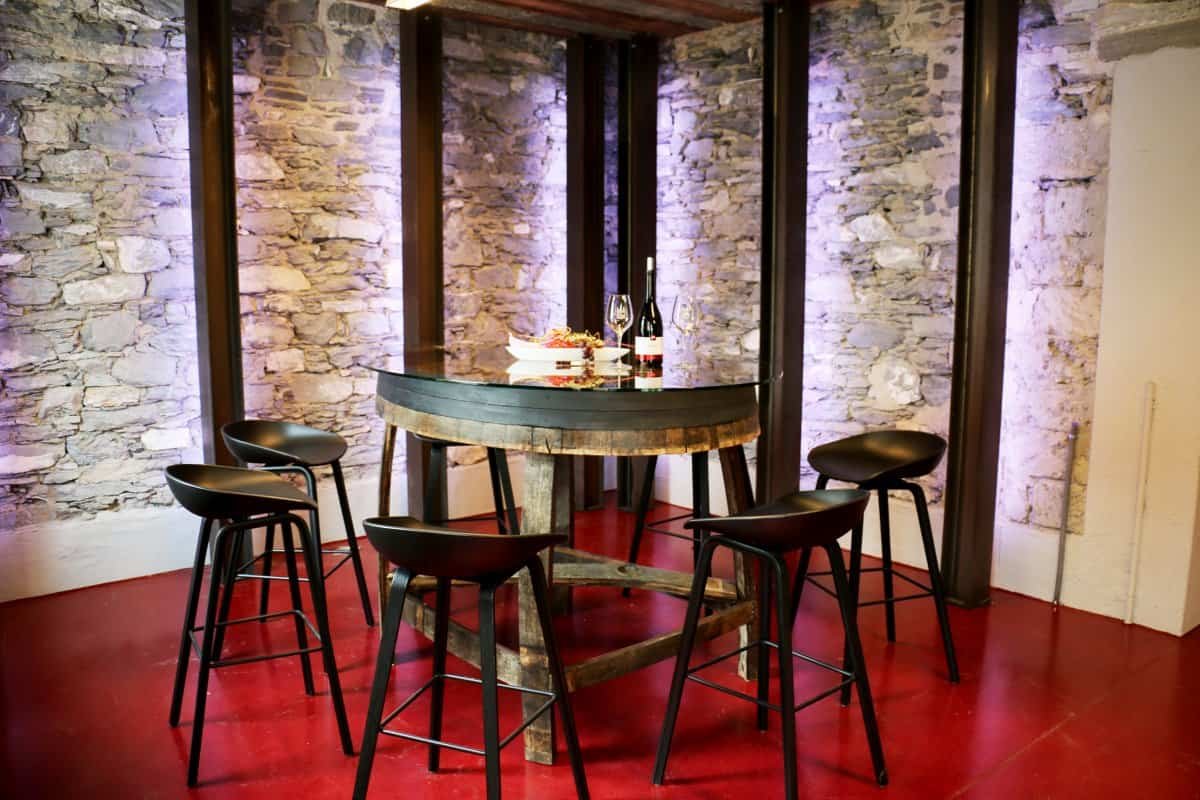
Modern-rustic with cozy open fire in winter, sunny terrace, and warm hospitality.
Know Before You Go
- Getting there
- Talstrasse 16, 3919 Blatten