Napulé


Gambero Rosso 2 Spicchi
Our verdict
Certified by the Associazione Verace Pizza Napoletana and founded by World Champion Pizzaiolo Raffaele Tromiro, Napulé brings dough rested for a minimum of 48 hours and ingredients sourced directly from Naples to a quiet address on the eastern shore of Lake Zurich. In a country where Italian dining often skews toward alpine-inflected fusion, this is a deliberate exercise in Neapolitan orthodoxy.

Pearl is the En Primeur Club membership app, where members save venues, book tables and use the concierge.
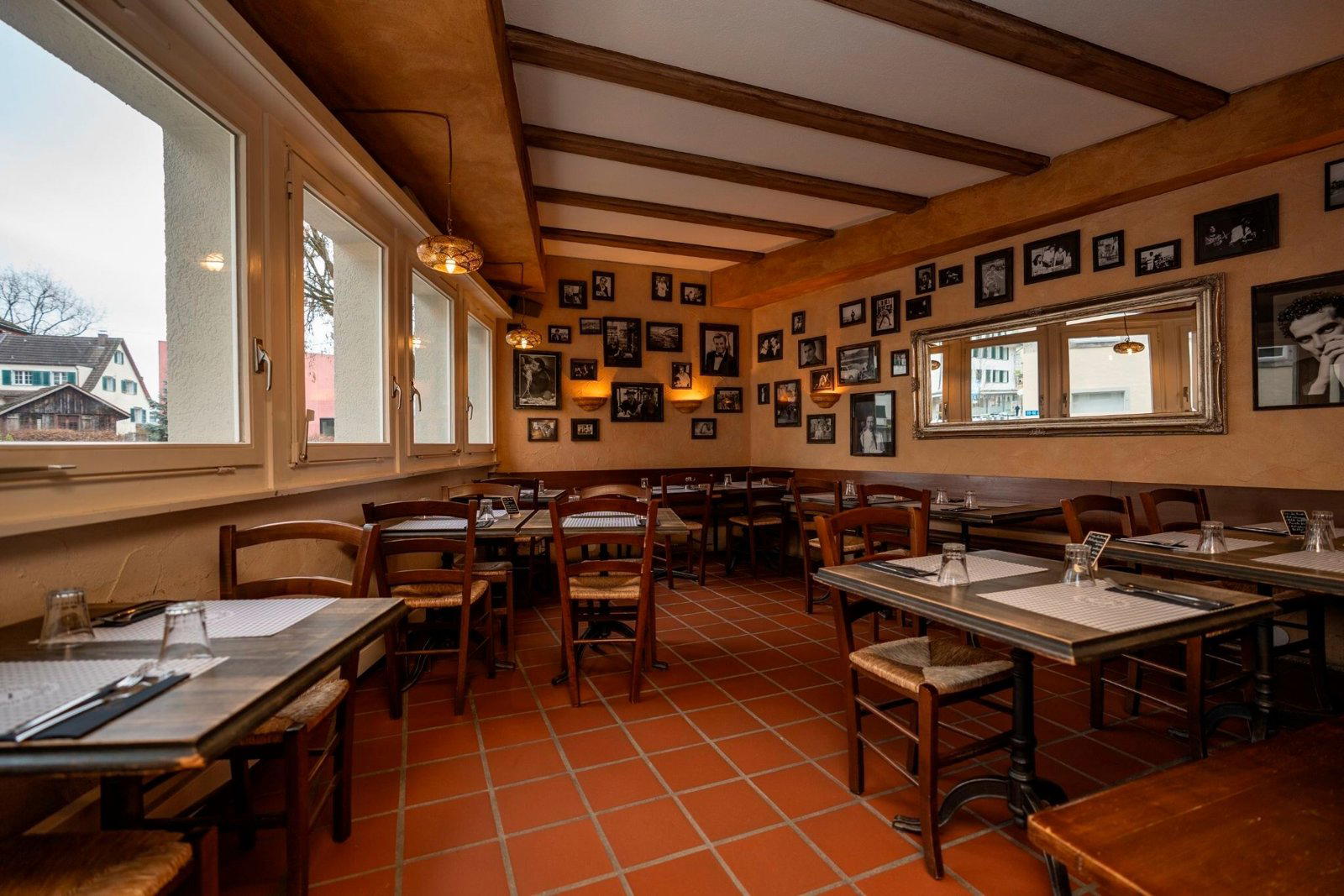
Neapolitan Orthodoxy on the Lake Zurich Shore
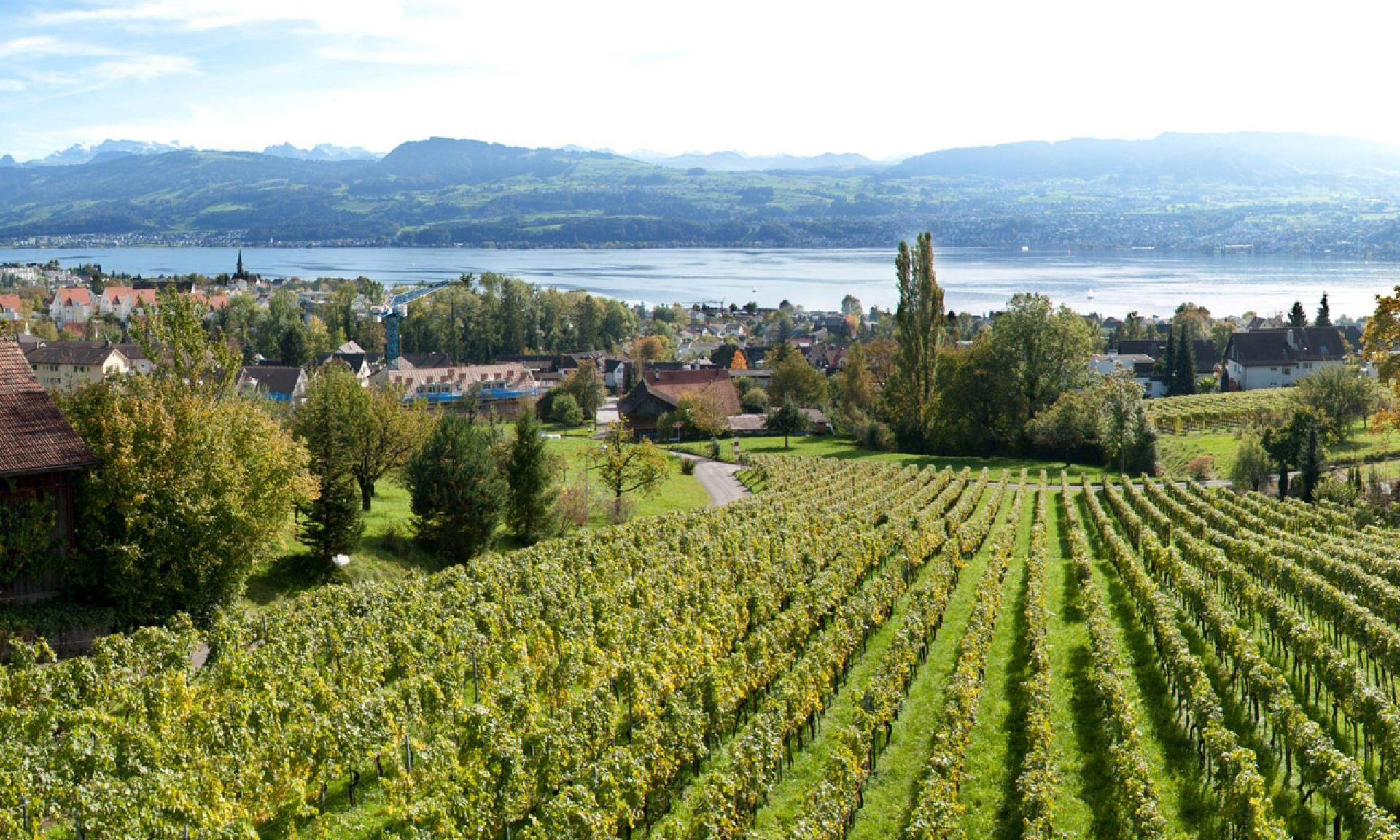
The village of Meilen sits on the eastern bank of Lake Zurich, far enough from the city centre to feel unhurried but close enough to draw a steady, informed crowd from Zurich's right shore communities. The dining offer along this stretch is largely neighbourhood-focused: local Italian trattorias, a few Swiss brasseries, and a handful of more serious kitchens. Into this setting, Napulé arrives with a specific and verifiable claim: Neapolitan pizza made to the standards of the Associazione Verace Pizza Napoletana, the Naples-based certification body whose protocols govern everything from flour type and fermentation time to oven temperature and technique. That certification is not decorative. It places Napulé within a defined, auditable tradition rather than a broadly Italian one, and it shapes every operational decision the kitchen makes.
Where the Ingredients Come From, and Why That Matters
The sourcing story at Napulé is the editorial centre of the operation. In Switzerland, the instinct among Italian-oriented restaurants is often to substitute: local mozzarella for fior di latte, Swiss tomatoes in season, domestic flour where Naples-milled alternatives are inconvenient to import. Napulé holds a different position. High-quality ingredients are sourced from Naples and Italy specifically, which in Neapolitan pizza terms means the supply chain is connected to a regional food system, San Marzano tomatoes from volcanic Campanian soil, buffalo mozzarella from herds in the region around Caserta and Salerno, flour varieties suited to the long fermentation the dough requires.
That fermentation is a minimum of 48 hours. The figure matters because it separates this dough from the majority of pizza operations, even nominally Italian ones. A 48-hour cold ferment develops organic acids that produce both flavour complexity and a lighter, more digestible crust. The cornicione, the raised, blistered rim that characterises a properly made Neapolitan base, requires that fermentation time to achieve the airy, slightly charred result that distinguishes the style. Shortcuts compress that window, and the difference is legible in the finished product. For a reader thinking about sourcing and process, Napulé's 48-hour minimum is the single most reliable proxy for the level of commitment behind the plate.
This kind of supply-chain discipline is common among the AVPN-certified operations but relatively rare in Switzerland specifically, where import logistics and cost pressures create real incentives to localise. That Napulé maintains it across multiple Swiss locations, the chain operates in several Swiss cities in addition to Meilen, suggests the sourcing model is structural rather than situational.
The Certification Context
The Associazione Verace Pizza Napoletana was established in Naples in 1984 with the purpose of protecting and promoting traditional Neapolitan pizza production methods. Certification requires adherence to a detailed specification: the dough must use specific flour types (typically tipo 00), fresh yeast, salt, and water; it must be hand-stretched rather than rolled; and it must be cooked in a wood-fired oven at around 485°C for 60 to 90 seconds. The result is a pizza that is soft and pliable at the centre, with a charred, puffy cornicione, deliberately different from the crispier Roman style or the thicker Sicilian variants.
Napulé's founder, Raffaele Tromiro, holds the title of World Champion Pizzaiolo, a competitive credential that aligns with the AVPN certification in signalling technical mastery within a defined tradition. In Switzerland, where Italian restaurants span a wide range from highly refined to purely casual, that combination of institutional certification and competitive achievement places Napulé in a specific tier: not a neighbourhood pizza counter making broadly acceptable versions of an Italian staple, but an operation whose quality signals are both verifiable and traceable.
For context on where the Swiss fine dining scene sits more broadly, venues like Schloss Schauenstein in Fürstenau, Memories in Bad Ragaz, and focus ATELIER in Vitznau represent the Michelin-star tier of Swiss gastronomy. IGNIV Zürich by Andreas Caminada in Zurich and Hotel de Ville Crissier in Crissier operate at the highest end of the country's contemporary restaurant culture. Napulé occupies a different category entirely, not a tasting-menu destination, but a specialist in a single, specific, rigorously defined form, operating with the same sourcing seriousness that the country's leading kitchens bring to their own supply chains.
The Meilen Setting and How to Plan a Visit
Kirchgasse 59 in Meilen is a central village address, accessible by S-Bahn from Zurich's main station on the S6 line, with Meilen station a short walk from the restaurant. The eastern shore of Lake Zurich, the so-called Goldküste, or Gold Coast, is a prosperous residential corridor, and the crowd at Napulé reflects it: families, couples from neighbouring communities, visitors passing through on a lake circuit. The atmosphere is casual without being careless, in keeping with the democratic register that Neapolitan pizza tradition carries even at its most technically serious. Booking ahead is advisable for weekend evenings, when the combination of limited village seating and a locally loyal clientele reduces walk-in availability.
For visitors building a broader Meilen or lake-shore itinerary, the Our full Meilen restaurants guide, Our full Meilen hotels guide, and Our full Meilen bars guide offer mapped context for the area. The Our full Meilen wineries guide and Our full Meilen experiences guide are worth consulting if the visit extends into the afternoon or evening. Those planning a broader Swiss dining trip will find useful reference points at Cheval Blanc by Peter Knogl in Basel, Einstein Gourmet in Sankt Gallen, 7132 Silver in Vals, Colonnade in Lucerne, Da Vittorio - St. Moritz in St. Moritz, and L'Atelier Robuchon in Geneva. For international comparisons in the pizza and Italian tradition, Le Bernardin in New York City and Atomix in New York City represent the broader global fine dining conversation in which sourcing-led Italian cooking now participates.
Frequently asked questions
Is Napulé okay with children?
A neighbourhood pizzeria in the village of Meilen rather than a formal dining room, Napulé suits families well. The format, pizza as the centrepiece, a relaxed lakeside village setting, is low-threshold for younger guests.
What's the vibe at Napulé?
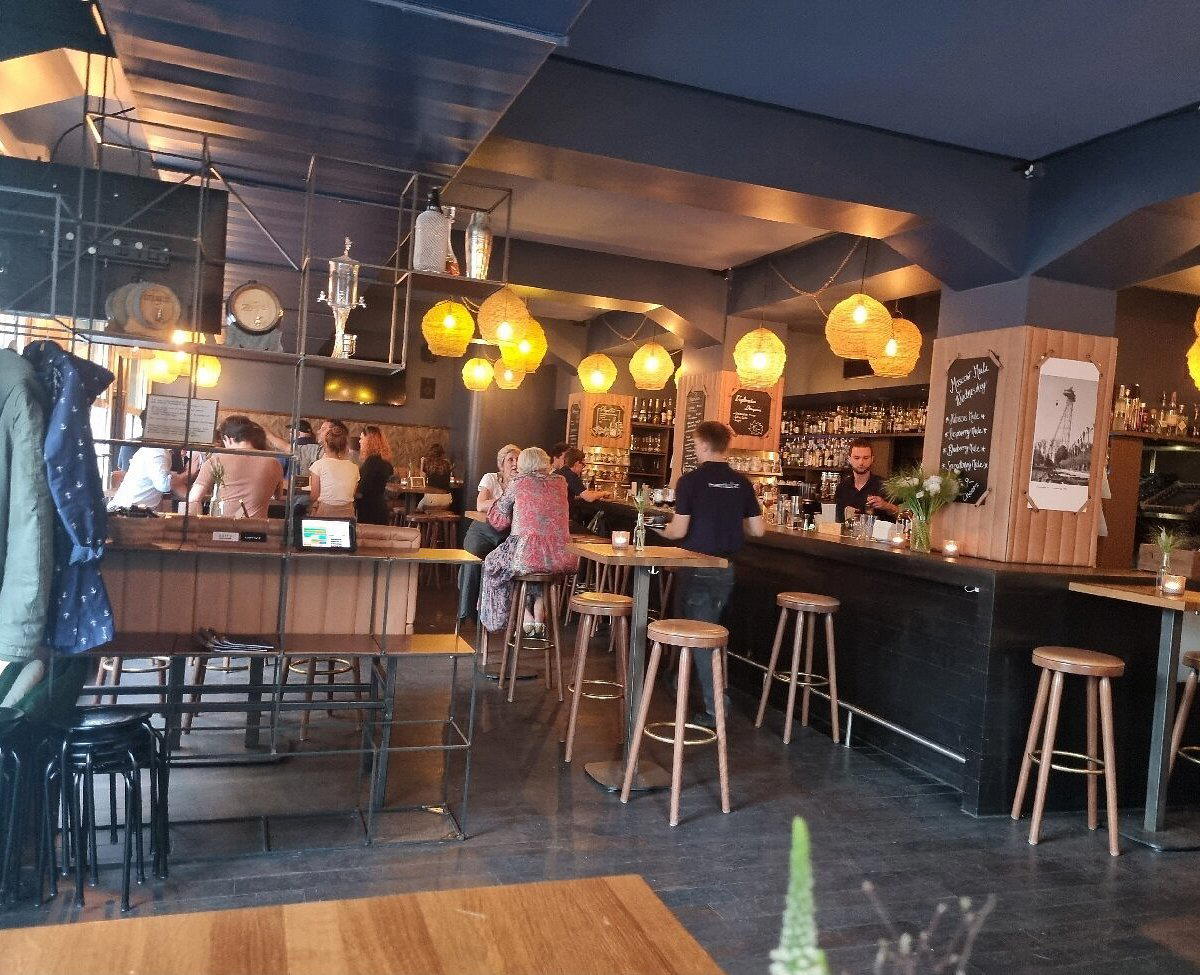
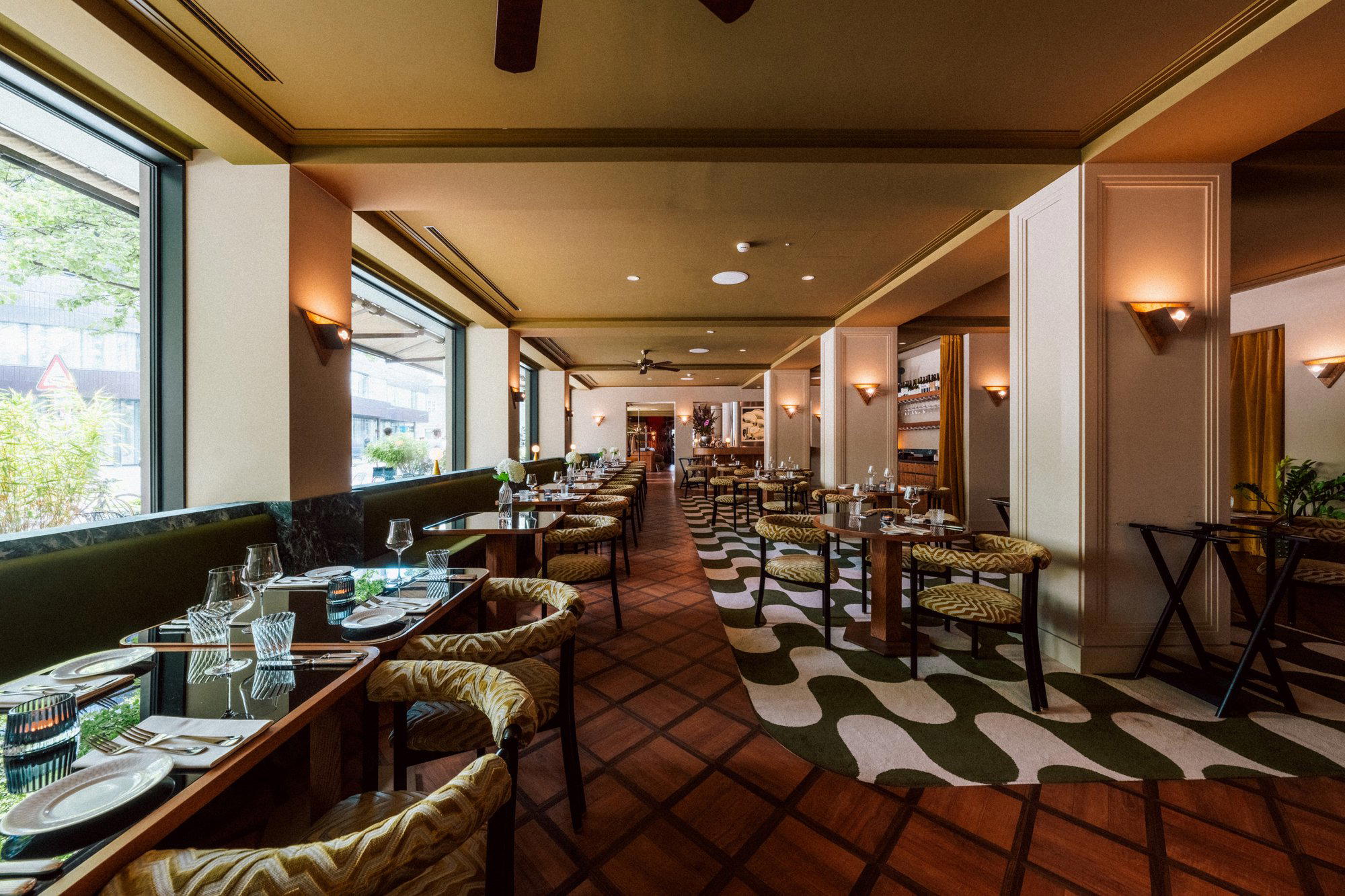
Napulé occupies a central village address on Kirchgasse in Meilen, a short walk from the S-Bahn stop, and runs at the pace of the eastern Lake Zurich shore: unhurried without being sleepy. The register is casual pizzeria, grounded in the Neapolitan tradition Raffaele Tromiro competed at world level to represent.
Is Napulé Michelin-listed?
Napulé has received recognition including: Founded in 2015 by World Champion Pizzaiolo Raffaele Tromiro, Napulé brings authentic Neapolitan pizza, certified by the Associazione Verace Pizza Napoletana, to Switzerland. The chain is known for its high-quality ingredients sourced from ….
What's the must-try dish at Napulé?
The pizza is the point. Order a classic Neapolitan style to understand what the certification actually means on the plate.
At-a-Glance Comparison
| Venue | Cuisine | Price | Awards | Notes |
|---|---|---|---|---|
| NapuléThis venue (the venue you are viewing) | Authentic Neapolitan Pizza | $30–50 | Gambero Rosso 2 Spicchi | Not listed |
| Schloss Schauenstein | Creative Swiss Country Fine Dining | $300–500 | 3 Michelin Stars · World's 50 Best #52 | Modern European, Creative |
| Memories | Modern Swiss Alpine Cuisine | $300–500 | 3 Michelin Stars · La Liste Top Restaurants | Modern Swiss |
| focus ATELIER | Modern French Fine Dining | $200–300 | 2 Michelin Stars · La Liste Top Restaurants | Modern Swiss, Creative |
| IGNIV Zürich by Andreas Caminada | Modern Swiss Fusion Sharing | $150–200 | 2 Michelin Stars · La Liste Top Restaurants | Sharing |
| La Table du Lausanne Palace | Contemporary French Fine Dining | $200–300 | 2 Michelin Stars · La Liste Top Restaurants | Modern French |
Recognition history
Dated appearances from independent guides and award organizations, with the underlying list record or original source where available.
Gambero Rosso 2 Spicchi
Gambero Rosso
50 Top Pizza 50 Top World Artisan Pizza Chains #28
50 Top Pizza
Continue exploring
More in Meilen
Restaurants in Meilen
All restaurants in Meilen →
Bars in Meilen
Browse all →

Details
- Lively
- Cozy
- Trendy
- Casual Hangout
- Family
- Date Night
- Open Kitchen
- Waterfront
- A La Carte
- Vegetarian Friendly
Current opening hours
- Monday
- 11:30 AM–2 PM, 6–10 PM
- Tuesday
- 11:30 AM–2 PM, 6–10 PM
- Wednesday
- 11:30 AM–2 PM, 6–10 PM
- Thursday
- 11:30 AM–2 PM, 6–10 PM
- Friday
- 11:30 AM–2 PM, 6–10 PM
- Saturday
- 11:30 AM–2 PM, 6–10 PM
- Sunday
- 11:30 AM–2 PM, 6–10 PM
Hours can change for holidays and private events. Last verified .
Authentic Italian atmosphere with a lively, welcoming vibe and pizza oven centerpiece.