
Most sits in Wrocław’s more formal modern-cuisine tier, using a tasting-menu format to put ingredient combinations ahead of à la carte choice. Its Michelin Plate recognition in 2025 matters because the city’s ambitious dining scene is still compact, and the restaurant’s riverside setting behind Między Mostami gives it a quieter, more deliberate register than many central tables.
Pearl is the En Primeur Club membership app — saves, bookings, and concierge access live there. Same editors, same standards.
- Address
- Księcia Witolda 1/1, 50-202 Wrocław, Poland
- Phone
- +48 733 694 444
- Website
- miedzy-mostami.pl
- Directions
- Get directions
 Saves & bookings on Pearl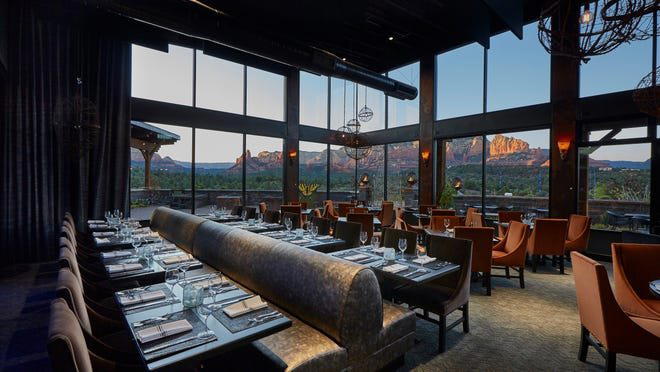
Approaching Wrocław, the city feels less like a fixed postcard than a place negotiating with water, movement, and layered urban texture. That setting matters for Most, a smaller and more formal room where the meal is built around tasting-menu progression rather than broad choice. The question is how a contemporary Wrocław kitchen can make restraint, surprise, and carefully handled ingredients feel expressive without leaning on easy explanation.
Most answers with control. Located to the rear of a riverside restaurant, it is the team’s smaller, more formal offering, and its Michelin recognition places it among the Wrocław tables that international inspectors treat as serious. In a city with many ways to eat, Most takes the occasion-dinner lane: concise, ingredient-led, and built around sequence, contrast, and the gradual reveal of each course.
Ingredient-led modern cooking, without the obvious routine
Ambitious contemporary cooking is often strongest when it avoids announcing itself too loudly. Rather than explaining every reference in advance, it can use texture, acidity, temperature, aroma, sauce work, and careful pacing to make a dish coherent at the table. Most fits that approach because the menu gives little away: one-word descriptions set the frame, and the cooking explains each course as it arrives.
Minimal menu language can feel coy without discipline. Here, Michelin notes carefully chosen ingredient combinations, including slow-cooked leek with kaffir lime, coconut milk, and lemongrass. The example shows range: a humble allium pushed into a more aromatic, precise register. This is not novelty for its own sake, but technique and balance stretching a familiar ingredient into a sharper sauce, cleaner aroma, and lighter finish.
That is where Wrocław’s dining identity gets interesting. The city offers many moods, from relaxed meals to more deliberate restaurants, and its ambitious dining rooms are not simply chasing luxury codes. A meal can feel tied to Wrocław’s contemporary urban rhythm rather than sealed off from it. For the wider spread, Our full Wrocław restaurants guide is the starting point, especially for comparing formal tasting menus with looser modern tables.
Within Wrocław, the relevant comparisons are format and intent. La Maddalena works in a modern register, while BABA and other Wrocław dining rooms map the city’s appetite for contemporary cooking without always requiring a full ceremonial evening. Other unnamed restaurants sit elsewhere in that urban conversation. Most’s lane is narrower: a formal meal where the kitchen controls sequence, tempo, and contrast.
The tasting-menu format makes the sourcing question visible
A tasting menu is often misread as a luxury signal. In stronger hands, it is a sourcing tool, letting a kitchen build around what it wants to show rather than the compromises of a broad à la carte list. When a course is reduced to one word, the ingredient carries more weight: diners attend to temperature, acidity, sauce work, and cooking instead of a long component list.
That is why the wine pairing matters. Michelin highlights a passionately curated pairing with rarities, suggesting a programme doing more than relying on obvious matches. In ambitious restaurants, wine lists can reveal whether a kitchen sees the meal as a complete experience rather than a set of plates. A serious pairing gives Most another layer of intent, while the food stays anchored by ingredient choice rather than imported luxury signifiers.
The Michelin recognition should be read accurately. It signals that inspectors found cooking worth noting in the Michelin system, which matters for travellers using awards as one filter among many. For those planning a formal dinner in Wrocław, Most becomes a credible candidate rather than a speculative booking based only on mood photography or social-media plating.
Poland’s ambitious restaurant scene is broad enough to include many different interpretations, from highly structured tasting menus to more relaxed contemporary rooms. Most belongs to the more controlled, formal category. Its appeal is not simply that it is polished, but that its restraint, short menu language, and carefully built combinations create tension between what is promised and what arrives.
Where it fits in a Wrocław itinerary
Most is an evening anchor, not a quick stop between museums. Its smaller, more formal character and tasting-menu rhythm push it toward planned meals rather than spontaneous grazing. The value question is not whether it competes with casual Wrocław restaurants; it competes with formal modern rooms where diners commit to a sequence.
For travellers, the strongest use case is a Wrocław stay of more than one night. A first evening can cover the city centre, drinks, or a relaxed modern table; the structured dinner belongs on the night when timing and appetite are protected. The Wrocław setting suits visitors building a food-focused trip, while hotel planning is better handled through Our full Wrocław hotels guide. For the rest of the trip, Our full Wrocław bars guide, Our full Wrocław wineries guide, and Our full Wrocław experiences guide separate a serious dinner from the city’s drinking and cultural rhythm.
The wider European comparison is less about copying any one place than shared technique. Modern dining rooms across the continent show how ingredient precision, sauce craft, and menu compression travel across borders. Most’s interest lies in hearing that language from Wrocław, with the riverside setting, carefully handled ingredients, and Michelin visibility shaping the accent.
The editorial case is clear: choose Most not simply to eat in Wrocław, but to understand where the city’s formal modern cooking is heading. Its value lies in the controlled tasting-menu format, ingredient focus, and international accents used to sharpen rather than obscure the base product. In a compact dining scene, it is one of the city’s more serious signals of intent.
A Quick Peer Check
Comparable venues by cuisine and price in the same metro.
| Venue | Cuisine | Price |
|---|---|---|
| MostThis venue — the venue you are viewing | Modern Cuisine | €€€ |
| La Maddalena | Modern Cuisine | €€ |
| Wierzbowa 15 | Modern Cuisine | €€€ |
| Muga | Modern Cuisine | €€€€ |
| BABA | Modern Cuisine | €€ |
| Młoda Polska | Modern Cuisine | €€ |
Recognition history
Dated appearances from independent guides and award organizations, with the underlying list record or original source where available.
Michelin 1 Star
Michelin
Michelin Plate
Michelin
Continue exploring
More in Wrocław
Restaurants in Wrocław
Browse all →
Bars in Wrocław
Browse all →
Hotels in Wrocław
Browse all →
Wineries in Wrocław
Browse all →
At a Glance
- Elegant
- Sophisticated
- Intimate
- Special Occasion
- Date Night
- Sommelier Led
- Waterfront
Current opening hours
- Monday
- 5–10 PM
- Tuesday
- 5–10 PM
- Wednesday
- 5–10 PM
- Thursday
- 5–10 PM
- Friday
- 5–11 PM
- Saturday
- 2–11 PM
- Sunday
- Closed
Hours can change for holidays and private events. Last verified .
Formal fine dining atmosphere with nice ambiance noted in reviews.
Know Before You Go
- Reservations
- Essential
- Dress code
- Smart casual
- Getting there
- Księcia Witolda 1/1, 50-202 Wrocław, Poland