
Tabelog 100 #57
Our verdict
Fukuoka’s cocktail scene has a quieter register than Tokyo’s hotel-bar circuit, and MOMOTA Bar belongs to that smaller, counter-led category where pacing and service discipline matter. Its Tabelog 100 Bar 2022 selection, 20-seat scale, counter seating, and cocktail focus place it in the city’s serious drinking tier rather than the casual late-night bracket.

Pearl is the En Primeur Club membership app, where members save venues, book tables and use the concierge.
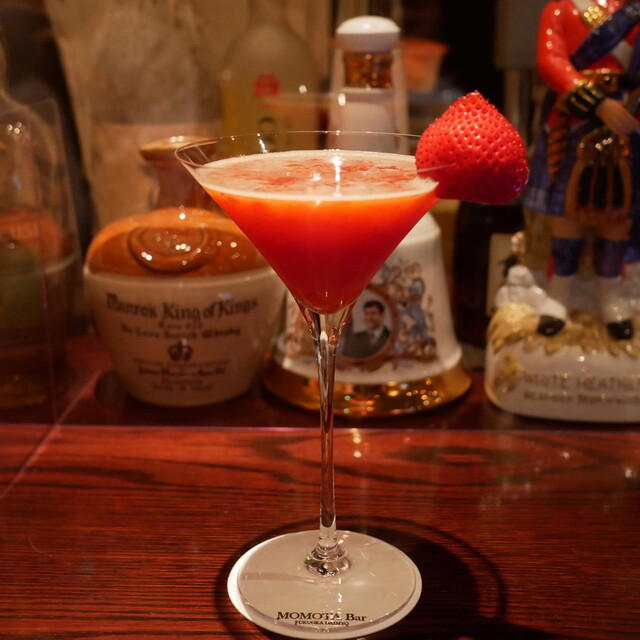
The menu
What to order
- Gin & tonic with Japanese botanicals
- House Scotch highballs
- Consommé soup welcome snack
The approach to a serious Japanese bar is often defined by subtraction: fewer visual cues, fewer distractions from the exchange across the bar, and fewer competing signals once the drink is in front of you. In Fukuoka, that format matters. The city’s dining rhythm can move from casual counters and restaurant tables into compact drinking rooms where the bar team controls tempo as much as the glass. MOMOTA Bar sits in that register, with a bar identity that places the experience closer to craft service than open-ended nightlife.
Fukuoka does not perform bar culture with the same international noise as Tokyo or Osaka, which is part of its appeal. The city’s serious bars tend to reward drinkers who understand pacing: one or two rounds, conversation kept close, decisions shaped by the bartender’s read of the room. MOMOTA Bar’s recognition in the Tabelog Hyakumeiten bar selection for 2022 gives it a clear public signal in that context. The award does not make the evening formal by default; it does mark the room as part of a national conversation around Japanese bar technique, where consistency, dilution, glassware, and service choreography carry weight.
Fukuoka's small-room drinking culture, seen through the counter
Fukuoka works well for travellers because the city compresses several versions of a night out into a manageable evening. A diner can move from casual local meals to more polished restaurant cooking, from quick counters to longer dinners, and then into a quieter bar setting once the meal is done. Against that spread, a bar counter changes the evening’s grammar. The table becomes less important than the handoff between bartender and guest, and the room’s compactness is a feature rather than a limitation.
The relevant comparison is not only with other bars. Fukuoka’s premium dining range includes Mashiko at a higher dinner spend, Daikoro Youha / Tonkatsu Youha with a different lunch-and-dinner rhythm, and restaurants such as Yorgo or Akasaka Komikan in a similar evening bracket. MOMOTA Bar competes for a different moment: after dinner, before the night becomes loose, or as a focused stop for guests who prefer a staffed counter to a louder drinks room. LAS VEGAS, at a lower spend bracket, occupies another part of the city’s drinking economy. The distinction is useful for planning: this is not the slot for a large group looking for volume, but for drinkers who value controlled service and a room built around the bar.
A bar where the team's timing is the main format
The team dynamic in a Japanese bar room is rarely theatrical in the Western sense. It is measured through quiet sequencing: greeting, seating, first order, water, glass clearing, and the subtle decision of when to interrupt. In a smaller bar environment, those choices are visible. The relationship between production and service becomes part of the experience, so the bartender’s work and the room’s read of the guest feel like one continuous performance. That is the real format here, not a chef biography or a long origin story.
Publicly stated identity is simple: MOMOTA Bar is listed as a bar. That wording may sound plain, but in Japan’s bar culture it can separate a room from venues where drinks are secondary to food or ambience. The absence of a published signature drink is also useful information. Readers should not arrive chasing a famous order; the stronger play is to treat the bar as a conversation-led stop and let the team steer the visit. The Tabelog score of 3.75 adds another public measure, especially in a category where small differences in guest experience can matter more than scale.
For a city itinerary, the bar sits naturally after a Fukuoka dinner rather than as a standalone destination divorced from the city’s dining rhythm. The broader guide rails are useful here: Our full Fukuoka restaurants guide maps the dinner options, while Our full Fukuoka bars guide places the city’s drinking rooms into a wider sequence. Travellers building a fuller stay can also cross-check Our full Fukuoka hotels guide, Our full Fukuoka wineries guide, and Our full Fukuoka experiences guide rather than treating the bar as an isolated pin.
How to use it in a Fukuoka night
The smartest use of MOMOTA Bar is as a calibrated second act. Fukuoka’s food culture can be generous and informal, but a disciplined bar asks for a slower cadence after dinner. Solo drinkers are a natural fit because bar service gives structure without demanding a full table experience. Dates work for the same reason: the setting supports conversation, while the bar team sets pace. Friends can make sense here, but only if the group reads the room and keeps the energy in proportion.
For readers comparing Japan drinking formats beyond Fukuoka, the contrast is instructive. Some Japanese drinking experiences are built around selection and food pairing, while other casual specialists speak to everyday food culture in a different way. Within Japan, the spread is broader still, from polished restaurant rooms to informal counters, cafe-like spaces, and specialist shops built around a single product or mood. Those comparisons underline the point: Japan’s hospitality culture is not a single aesthetic. In Fukuoka, MOMOTA Bar represents the focused bar version, where the night is shaped less by spectacle than by the team’s control of pace.
Frequently asked questions
Where is MOMOTA Bar in Fukuoka?
Fukuoka.
Is MOMOTA Bar expensive?
Pricing at MOMOTA Bar is listed as JPY 6,000 - JPY 7,999 View spending breakdown.
What are the opening hours for MOMOTA Bar?
Opening hours are not provided in the available venue data. Check the venue's official channels for the latest details.
What's the signature at MOMOTA Bar?
Those details are not published. MOMOTA Bar is a bar in Fukuoka, recognised in the Tabelog Hyakumeiten bar selection for 2022. Check the venue's official channels for the latest details.
Can MOMOTA Bar handle vegetarian requests?
With bar service as the stated focus in Fukuoka, a direct request at booking or on arrival is the sensible approach.
Compact Comparison
Comparable venues at a glance for context.
| Venue | Cuisine | Price | Awards | Notes |
|---|---|---|---|---|
| MOMOTA BarThis venue (the venue you are viewing) | Cocktail & Whisky Bar | $30–50 | Tabelog 100 #57 | Not listed |
| Mashiko | High-end Yakitori Counter | $50–100 | Tabelog 100 #16 | JPY 10,000 - JPY 14,999 |
| Daikoro Youha / Tonkatsu Youha | Tonkatsu & Japanese Izakaya | $30–50 | Tabelog 100 #82 | JPY 8,000 - JPY 9,999 JPY 2,000 - JPY 2,999 |
| Yorgo | Seasonal Japanese‑French natural‑wine bistro | $50–100 | Tabelog 100 #27 | JPY 6,000 - JPY 7,999 |
| LAS VEGAS | Japanese Izakaya | Not listed | Tabelog 100 #63 | JPY 2,000 - JPY 2,999 |
| Akasaka Komikan | Traditional Japanese Izakaya | $30–50 | Tabelog 100 #40 | JPY 6,000 - JPY 7,999 |
Recognition history
Dated appearances from independent guides and award organizations, with the underlying list record or original source where available.
Tabelog 100 #57 · No. 57
Tabelog · Tabelog 100 - Bar - 2022
Continue exploring
More in Fukuoka
Restaurants in Fukuoka
All restaurants in Fukuoka →
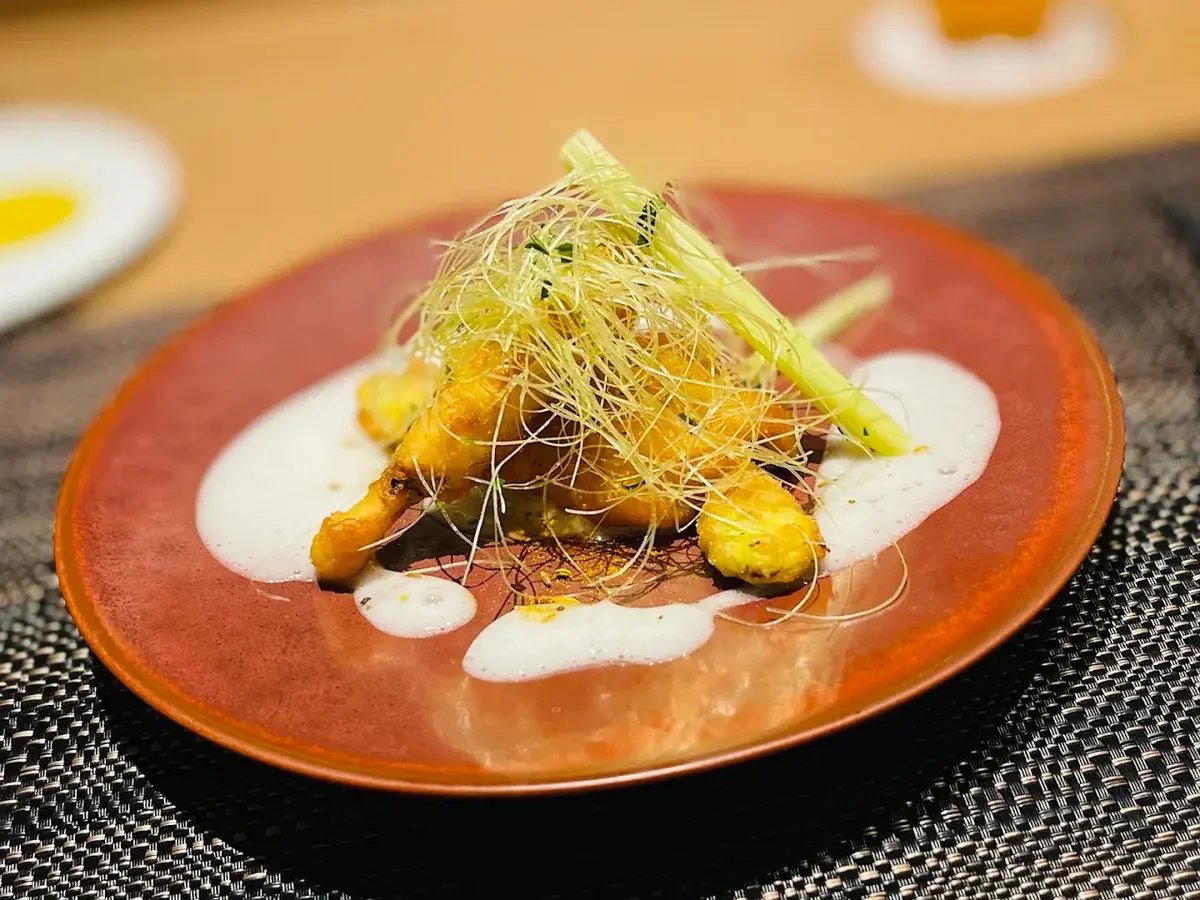
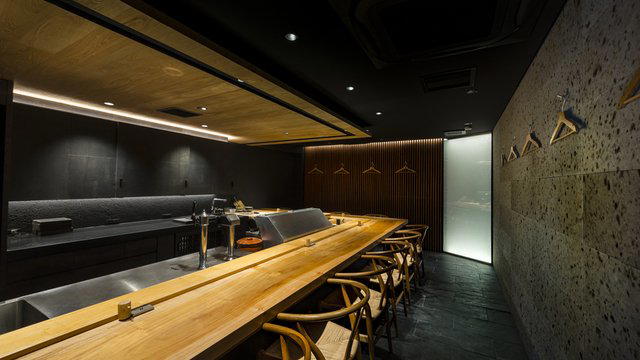
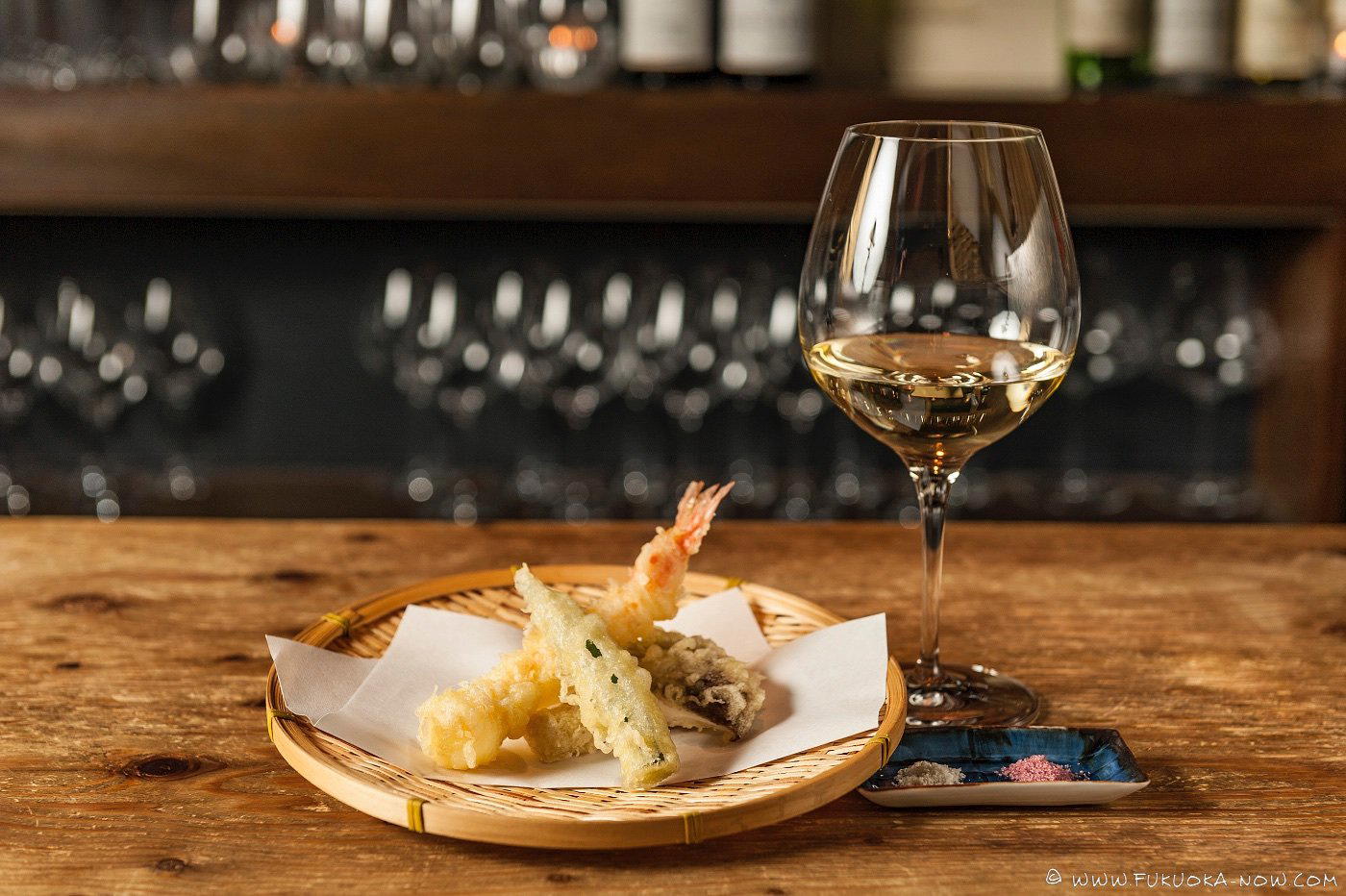
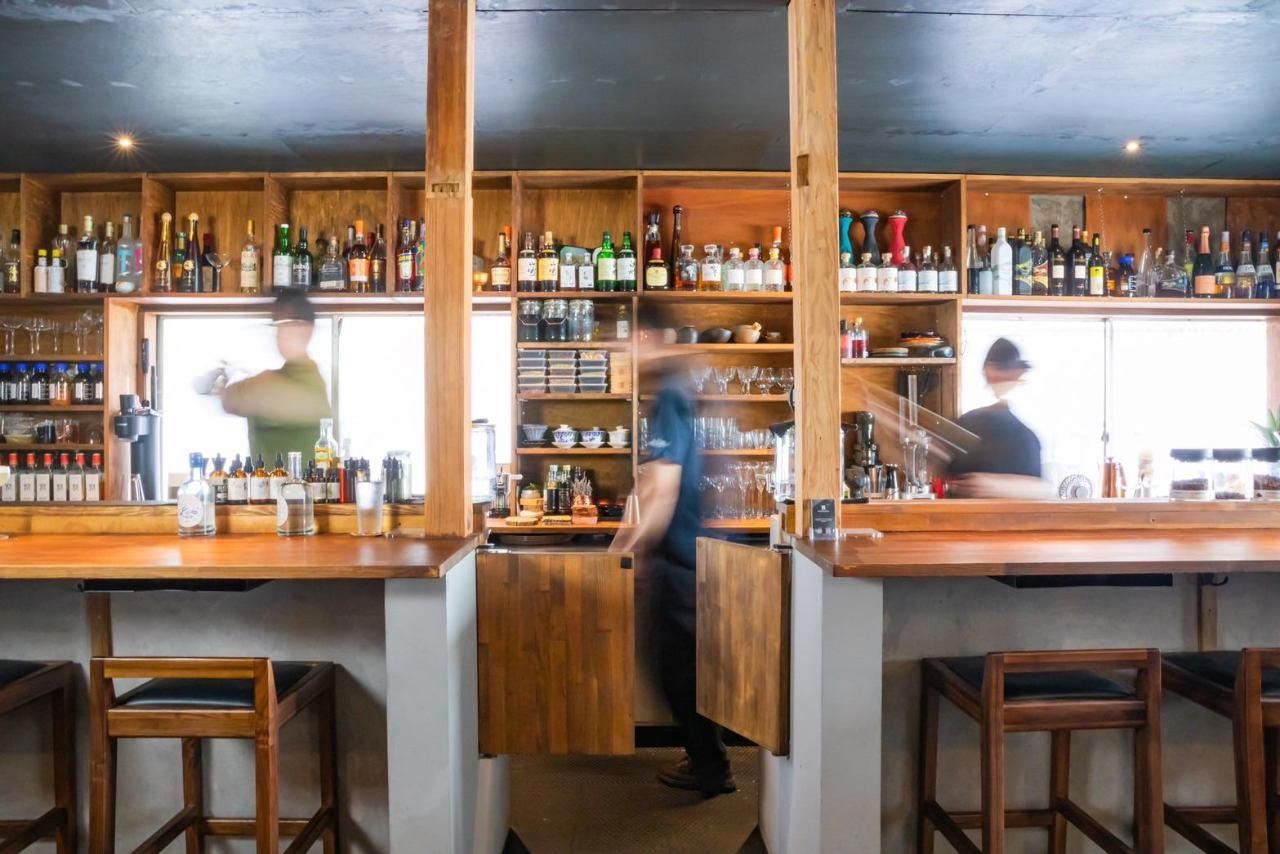
Details
- Cozy
- Intimate
- Classic
- Sophisticated
- Date Night
- Solo
- After Work
- Late Night
- Casual Hangout
- Celebration
- Standalone
- Design Destination
- Craft Cocktails
- A La Carte
- Counter Dining
- Small Plates
- Cocktails
- Whisky
- Gin
Current opening hours
- Monday
- Closed
- Tuesday
- 6 PM–1 AM
- Wednesday
- 6 PM–1 AM
- Thursday
- 6 PM–1 AM
- Friday
- 6 PM–1 AM
- Saturday
- 6 PM–1 AM
- Sunday
- 6 PM–1 AM
Hours can change for holidays and private events. Hours as of .
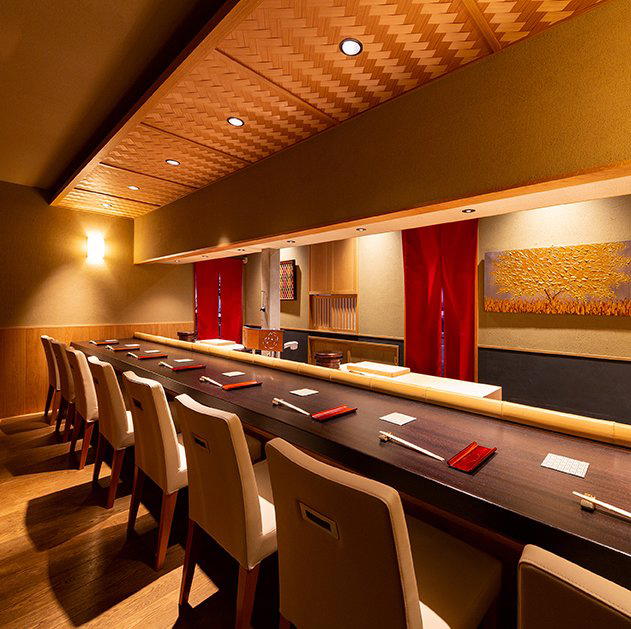
A small, 20-seat, non-smoking bar on the 5th floor with a relaxing, quietly sophisticated atmosphere focused on counter seating, well-suited to dates or solo guests lingering over carefully made cocktails.