Mareida

Great Portland Street address in Fitzrovia hosting a dining format tied to seasonal British sourcing. The operation follows ingredient-led menu design, with provenance and supplier relationships informing the rotation. Recognition points to technical execution and alignment with London's ingredient-transparency movement.
Pearl is the En Primeur Club membership app — saves, bookings, and concierge access live there. Same editors, same standards.
- Address
- 160 Great Portland Street, London, Greater London, W1W 5QA, GBR
- Phone
- +44 7453 641101
- Website
- guide.michelin.com
 Saves & bookings on Pearl
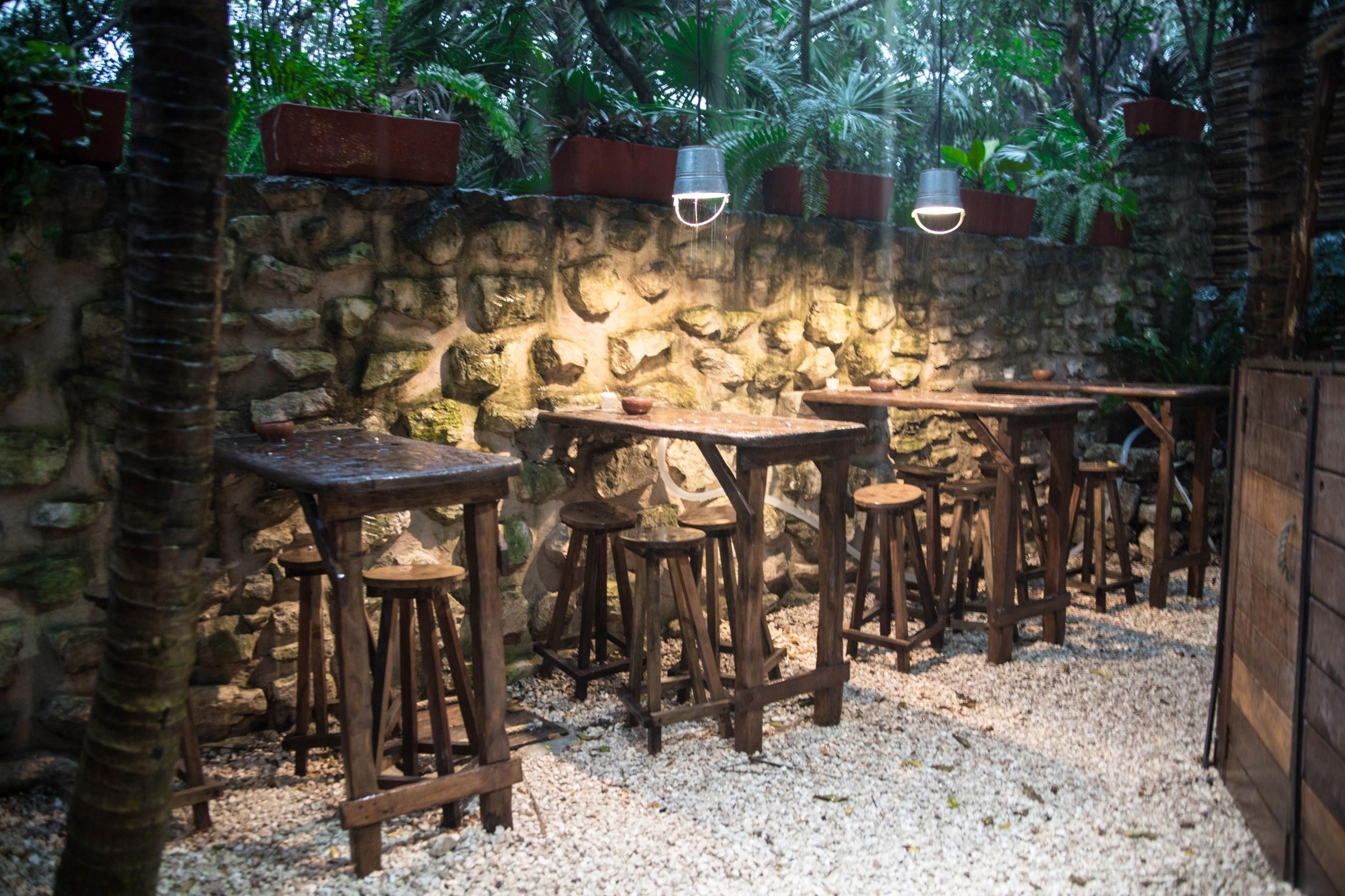
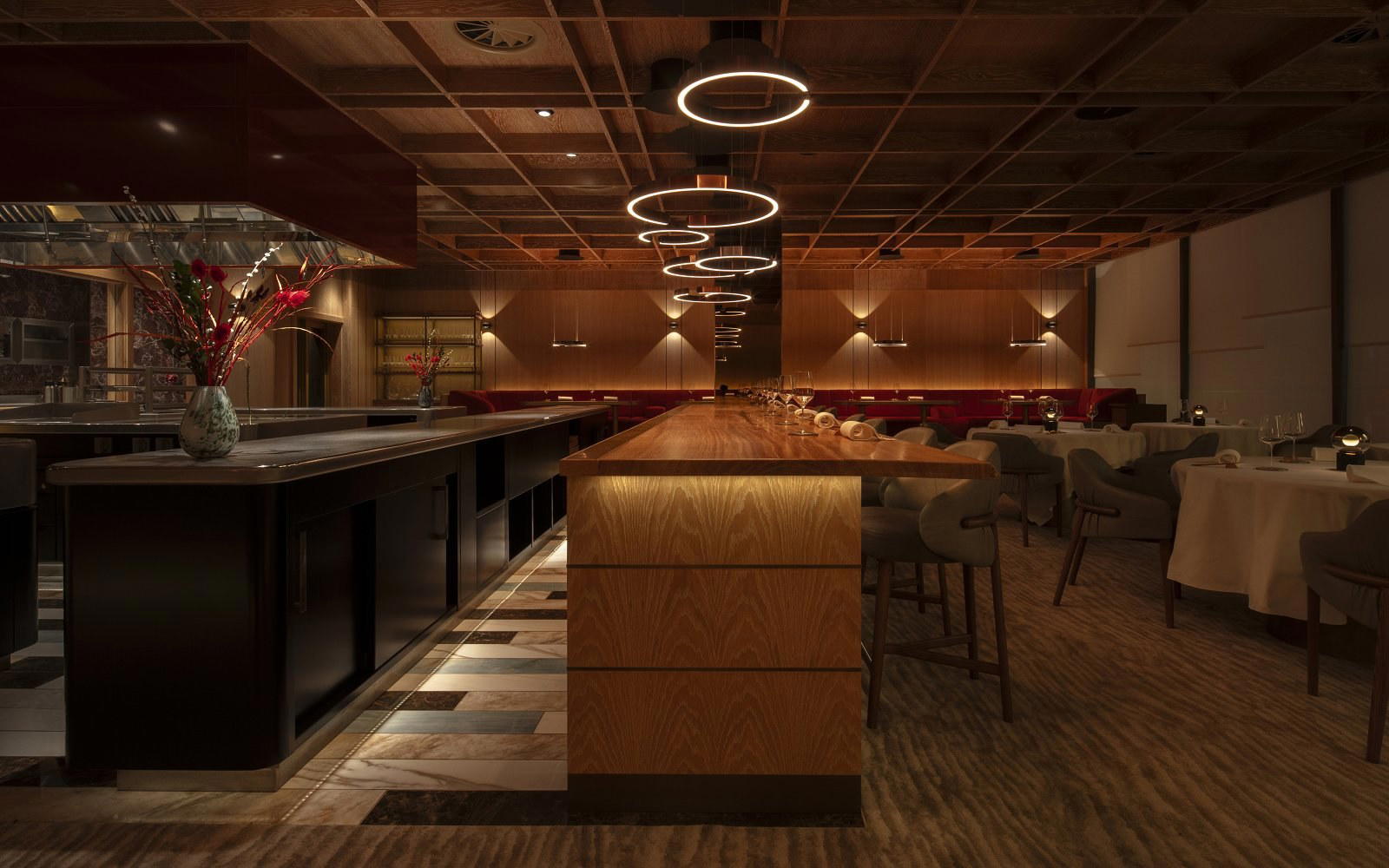
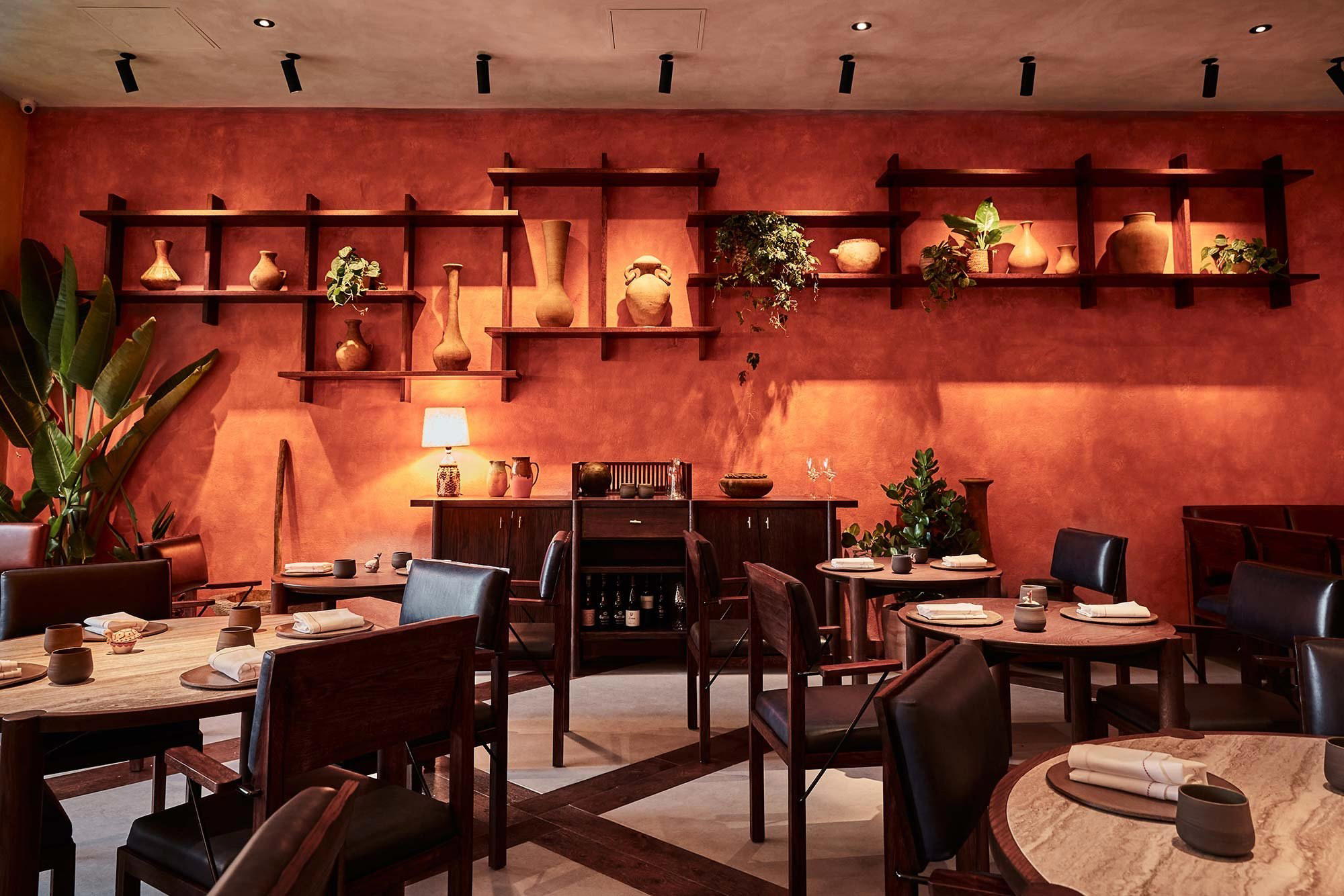
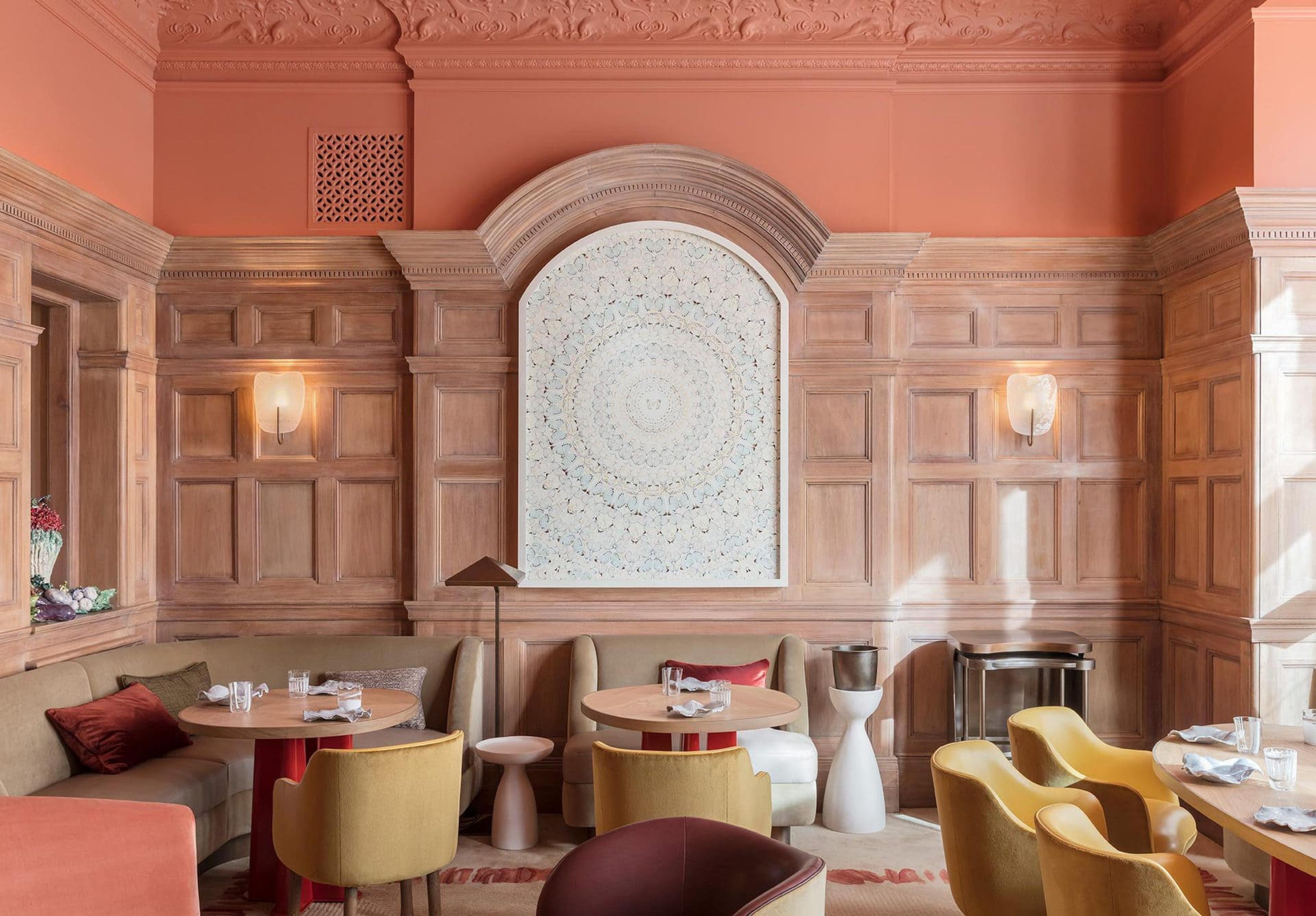
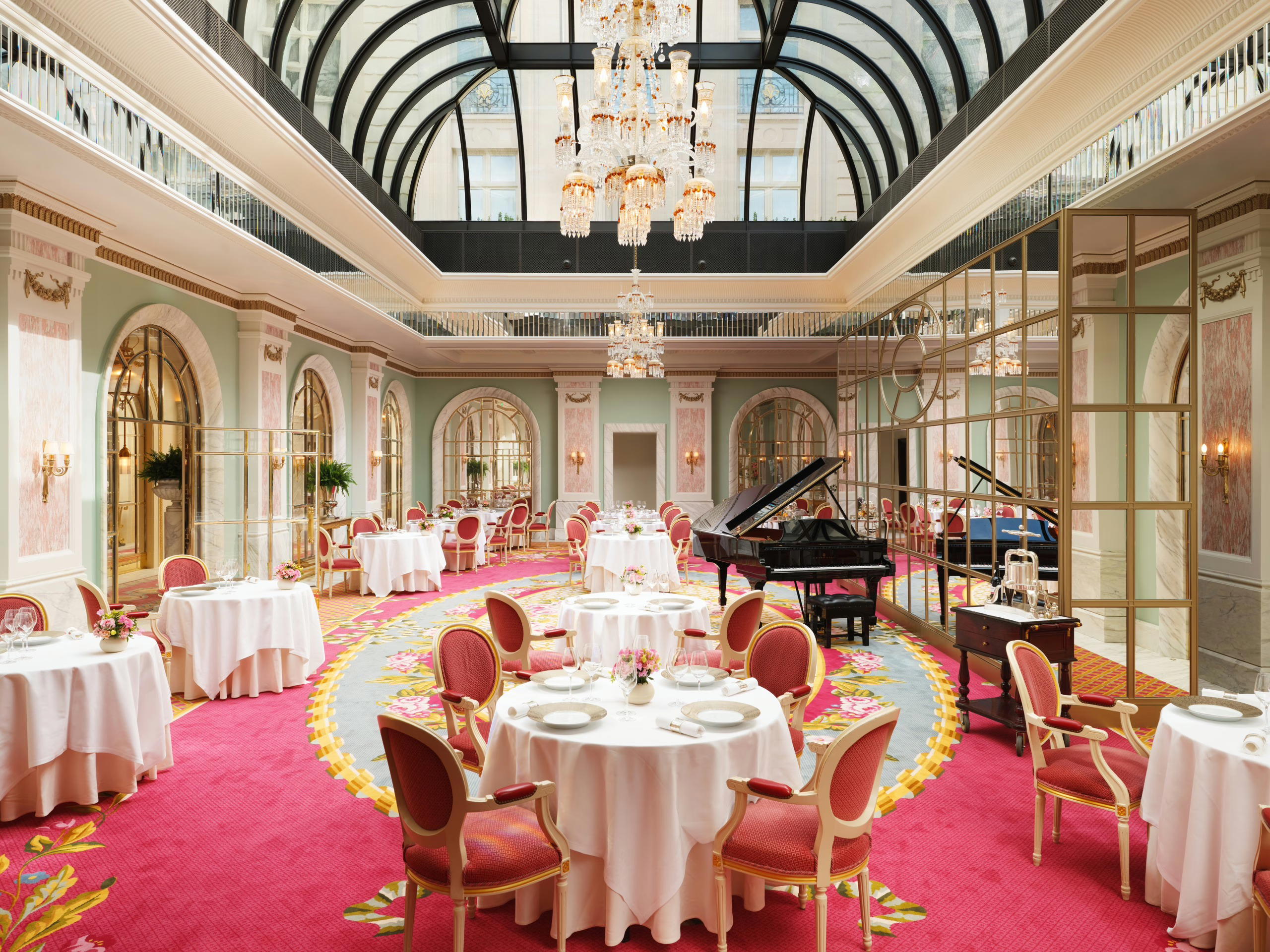
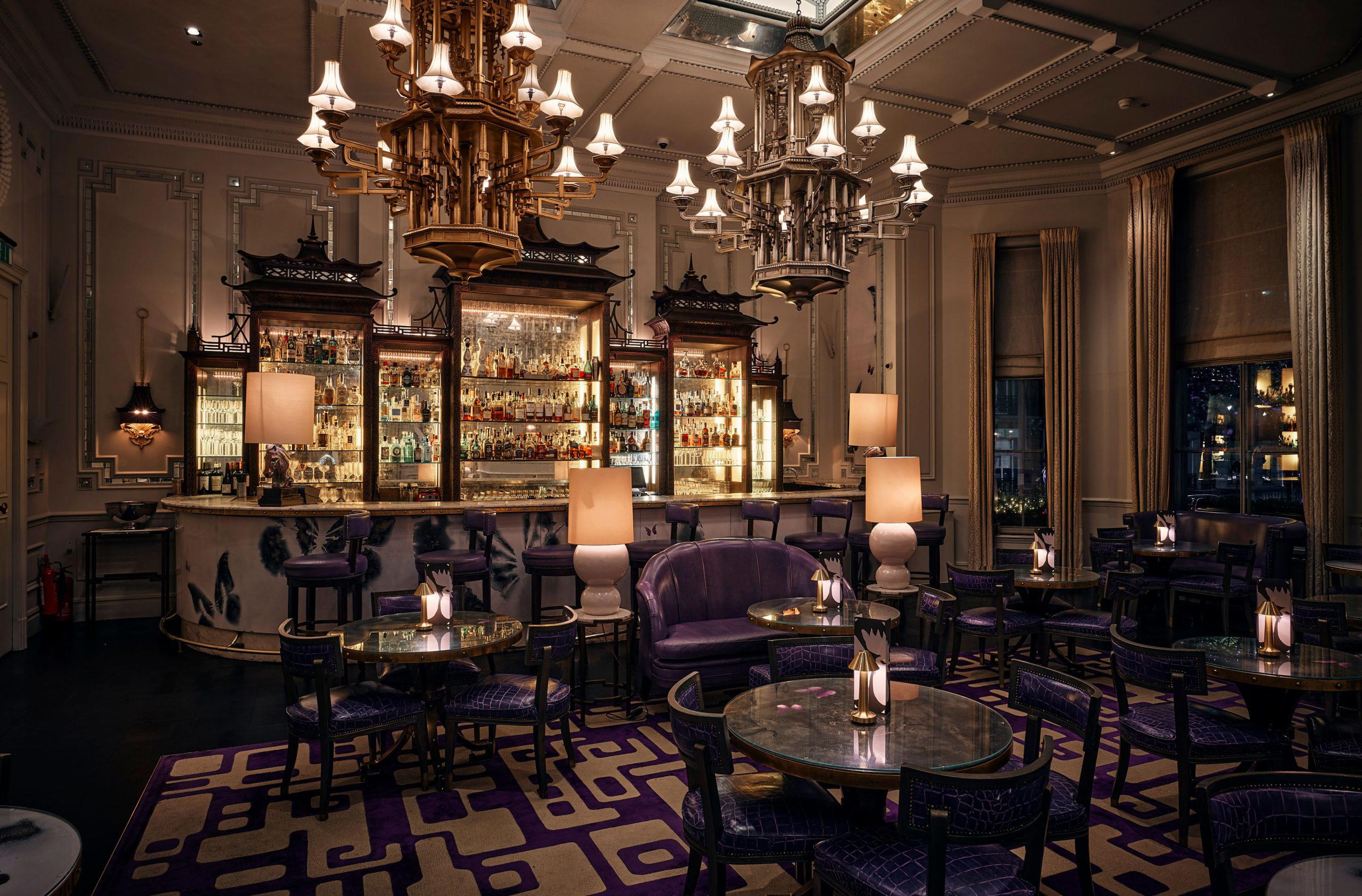
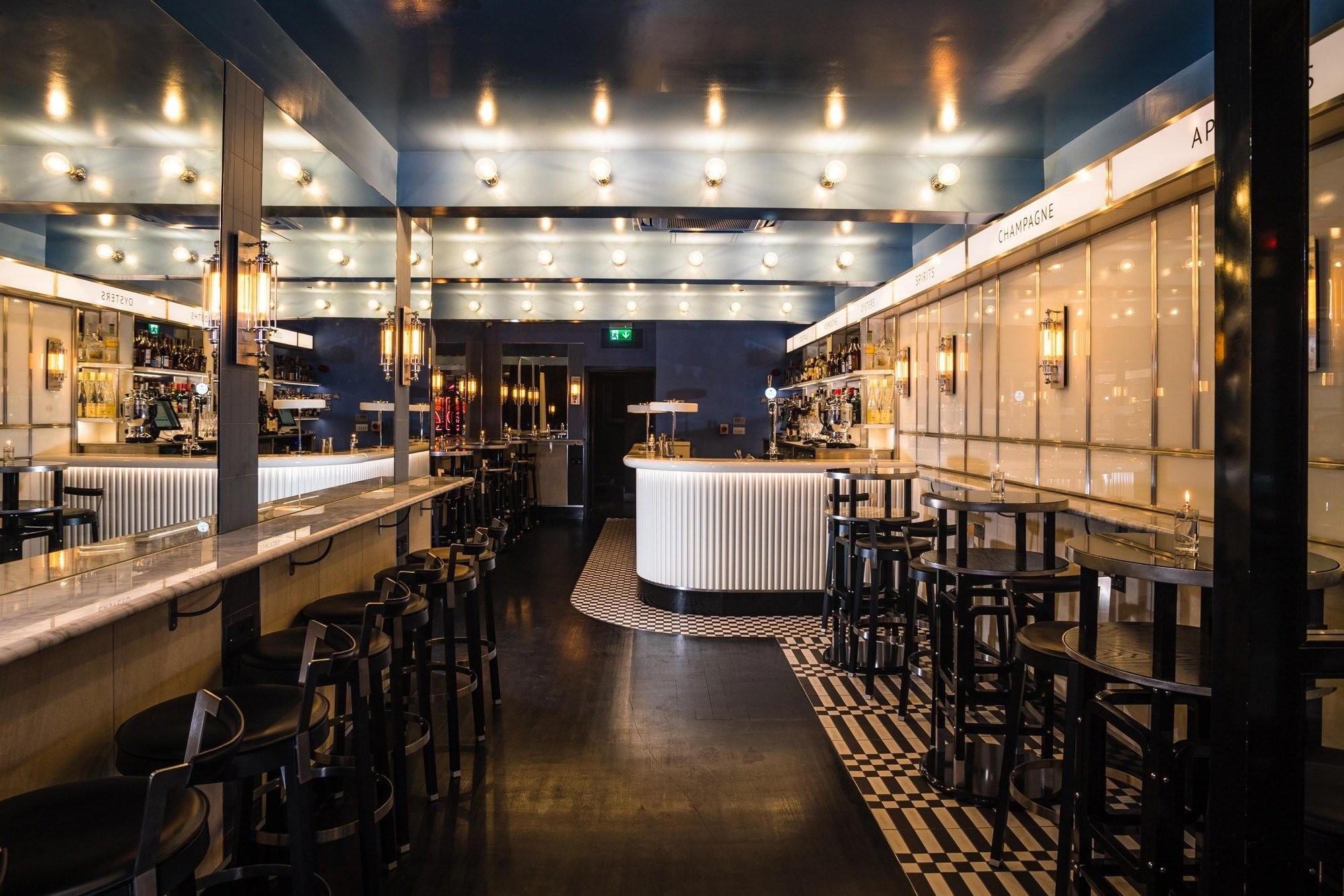
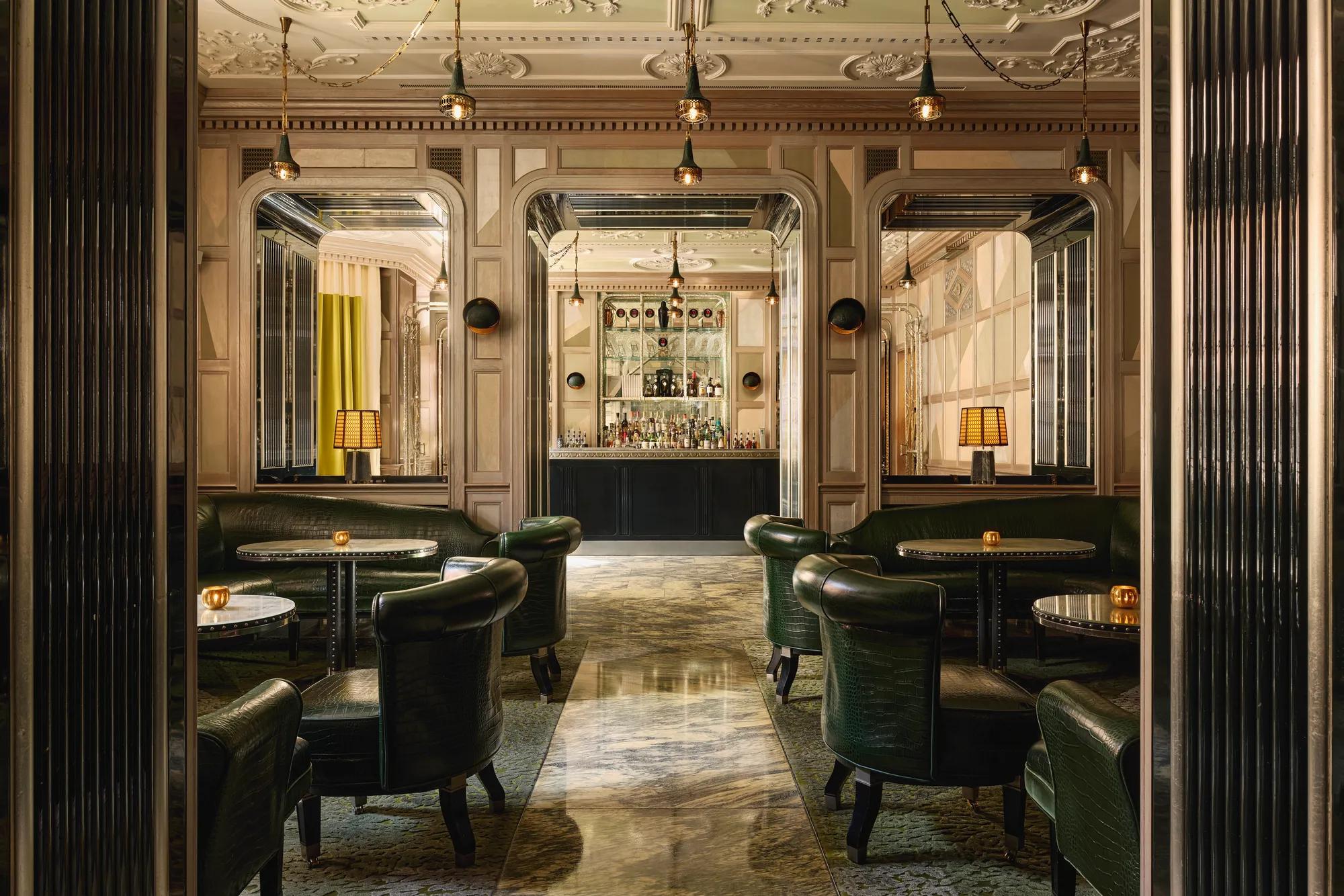
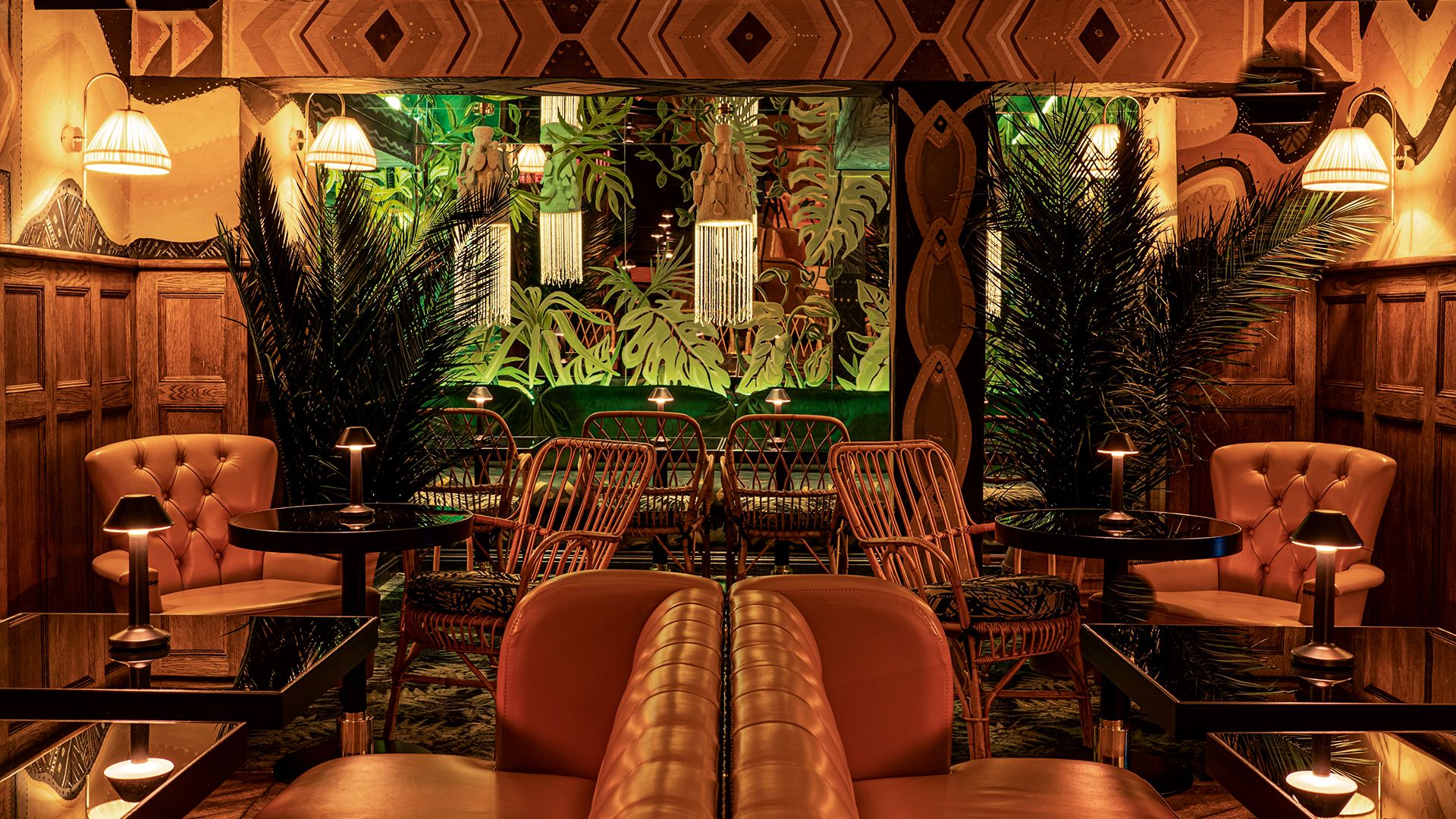
The entrance at 160 Great Portland Street sits on the Fitzrovia edge where the neighbourhood's culinary density begins to thin, a stretch that has historically seen more offices than destination dining. Mareida occupies this address with a format built around seasonal British ingredient sourcing, a decision that places it inside London's ingredient-transparency tier rather than the high-concept or international-import categories that dominate nearby postcodes. The dining room reads as pared-back and functional, with limited decorative intervention and a focus on table service mechanics. This is deliberate positioning: the room does not compete for attention with the plate.
London's ingredient-led dining category has grown sharply since 2020, driven by rising consumer literacy around provenance and a post-lockdown surge in farm-to-table storytelling. Mareida follows that model, sourcing from named British farms and coastal suppliers, with menu descriptions that reference origin geography and harvest timing. The kitchen works within tight seasonal windows, which means menu stability is low, a format that rewards repeat visits but can frustrate diners expecting signature anchors. This approach aligns Mareida with operations like 10 Greek Street (Modern European) and 104 (Modern Cuisine), where ingredient calendar dictates composition and the chef role skews toward curation rather than invention.
Ingredient Provenance and Menu Structure
The menu at Mareida rotates weekly, sometimes more frequently if supply dictates. Proteins come from named British farms, typically smaller operations in Devon, Cornwall, and the Scottish Highlands, while vegetables and greens are sourced from market gardens in the Home Counties. Fish arrives daily from day-boat fleets operating out of Cornwall and the North Sea, a logistics choice that limits menu predictability but ensures freshness. This supply-chain discipline is common across London's ingredient-focused mid-tier, but execution quality separates contenders. Mareida's kitchen applies modern British technique: sous-vide for protein consistency, low-temperature roasting for vegetables, and minimalist plating that foregrounds ingredient colour and texture. The result is technically sound cooking that avoids stylistic flourishes, a format that appeals to diners who value ingredient integrity over compositional complexity.
Comparison with peers in the same sourcing tier is instructive. 101 Pimlico Road operates a similar model but with higher price thresholds and deeper wine programming, while 081 Pizzeria Peckham applies the ingredient-transparency ethos to a casual, high-volume format. Mareida sits between these poles: more formal than the latter, more accessible than the former. The Great Portland Street location lacks the residential foot traffic of Pimlico or the cultural density of Peckham, which means Mareida relies on destination bookings rather than walk-ins, a dynamic that shapes service pacing and table turnover expectations.
Wine programming leans natural and low-intervention, with a list that favours small European producers and English sparkling. This aligns with the ingredient-transparency narrative but limits selection depth for diners seeking classic-region benchmarks. Cocktails are minimal, with a short selection of aperitifs and digestifs. The beverage program is functional rather than destination-worthy, a common trade-off in ingredient-led formats where budget and cellar space prioritize kitchen supply chains over bar inventory.
Service Format and Dining Logistics
Service at Mareida follows a structured, table-service model with ingredient provenance delivered verbally at each course. This format has become standard in London's ingredient-transparency tier, where supplier name-drops function as trust signals. The approach works when executed with restraint, servers who provide context without over-narrating, but can feel performative if delivery veers into scripted territory. Mareida's team skews toward the former, offering enough detail to contextualize the plate without turning service into a TED talk. Pacing is moderate, with courses arriving at intervals that allow conversation but prevent table camping. This is a lunch-and-dinner operation, not a lingering-supper format; expect a two-hour window for multi-course service.
The Great Portland Street address is accessible via Tube (Great Portland Street and Regent's Park stations both within five minutes on foot) and sits equidistant from the busier dining corridors of Marylebone and Soho. The surrounding area is quiet after business hours, which means Mareida functions as an isolated destination rather than a pre- or post-theatre option. This geographic isolation limits spontaneous traffic but ensures a dining room filled with committed bookings rather than walk-in browsers. For visitors exploring our full London restaurants guide, Mareida fits into the ingredient-transparency category alongside operations like 116 at The Athenaeum, though the latter carries hotel dining expectations and a different service cadence.
Families with younger children may find the format challenging, table service is deliberate, courses are spaced, and the room lacks the casual flexibility of louder, faster-paced venues. Couples and small groups of two to four align better with the service rhythm and table configuration. Solo diners are accommodated but not actively encouraged by the room layout, which favours banquettes and two-tops over bar or counter seating.
The verdict: Mareida delivers technically competent, ingredient-forward British cooking in a location that rewards intentional visits rather than accidental discovery. The format will satisfy diners who value provenance and seasonal discipline over menu consistency or culinary theatrics. If your London itinerary prioritizes ingredient transparency and you're comfortable with a quieter neighbourhood setting, Mareida merits a booking. If you need central location density or a wine program with serious depth, consider 10 Greek Street (Modern European) or 104 (Modern Cuisine) instead. For wider London context, consult our full London hotels guide, our full London bars guide, and our full London experiences guide.
- Beef tongue with walnut sauce
- Daily catch with pebre
- Dulce de leche flan
- Kingfish crudo with pomegranate and plum
- Marraqueta roll with mushroom butter and Ulmo honey
- Lobster empanadas
Comparable Spots, Quickly
Comparable venues by cuisine and price in the same metro.
| Venue | Cuisine | Price | Awards |
|---|---|---|---|
| Mareida | Adding to London’s status as a... | This venue | |
| Clipstone | Modern European | Modern European | |
| The Lucky Pig | |||
| Portland | Modern British, Modern Cuisine | £££ | Modern British, Modern Cuisine, £££ |
| Drunch Oxford Circus | |||
| Kave |
Recognition history
Dated appearances from independent guides and award organizations, with the underlying list record or original source where available.
Michelin Plate
Michelin · 2026 Michelin Plate
At a Glance
- Elegant
- Modern
- Intimate
- Sophisticated
- Low Profile Address
- Date Night
- Special Occasion
- Business Dinner
- Group Dining
- After Work
- Open Kitchen
- Design Destination
- Standalone
- Extensive Wine List
- Craft Cocktails
- Natural Wine
- Local Sourcing
- Sustainable Seafood
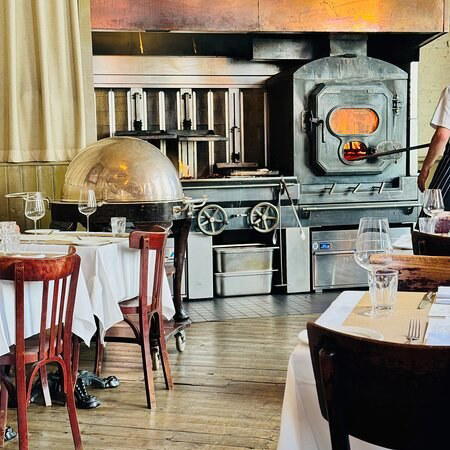
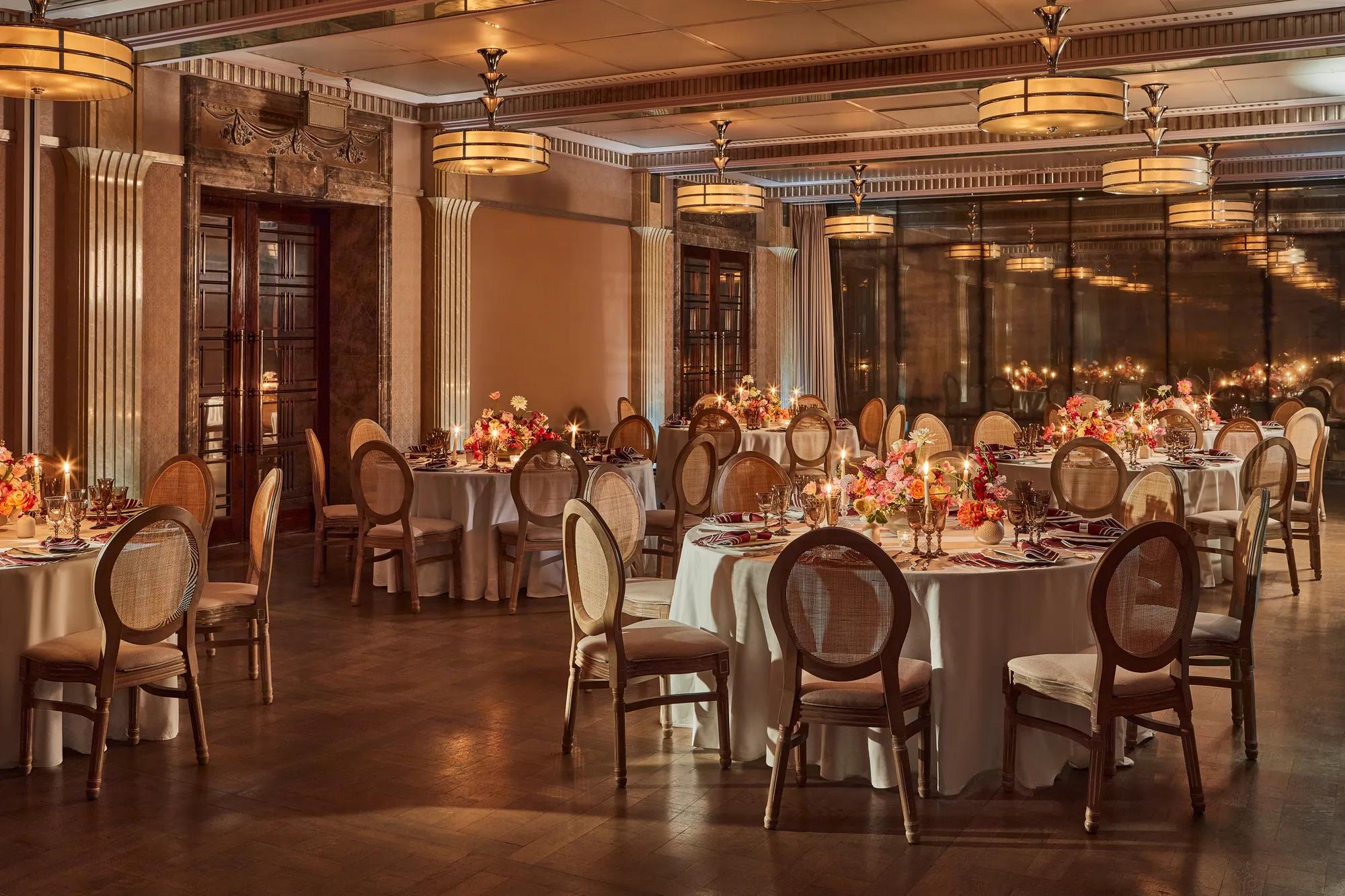
A slick, sultry dining room finished with Chilean rocks and marble, low warm lighting, and a large open kitchen that brings an animated, special-occasion feel, especially at dinner.