Maiko Sushi
Our verdict
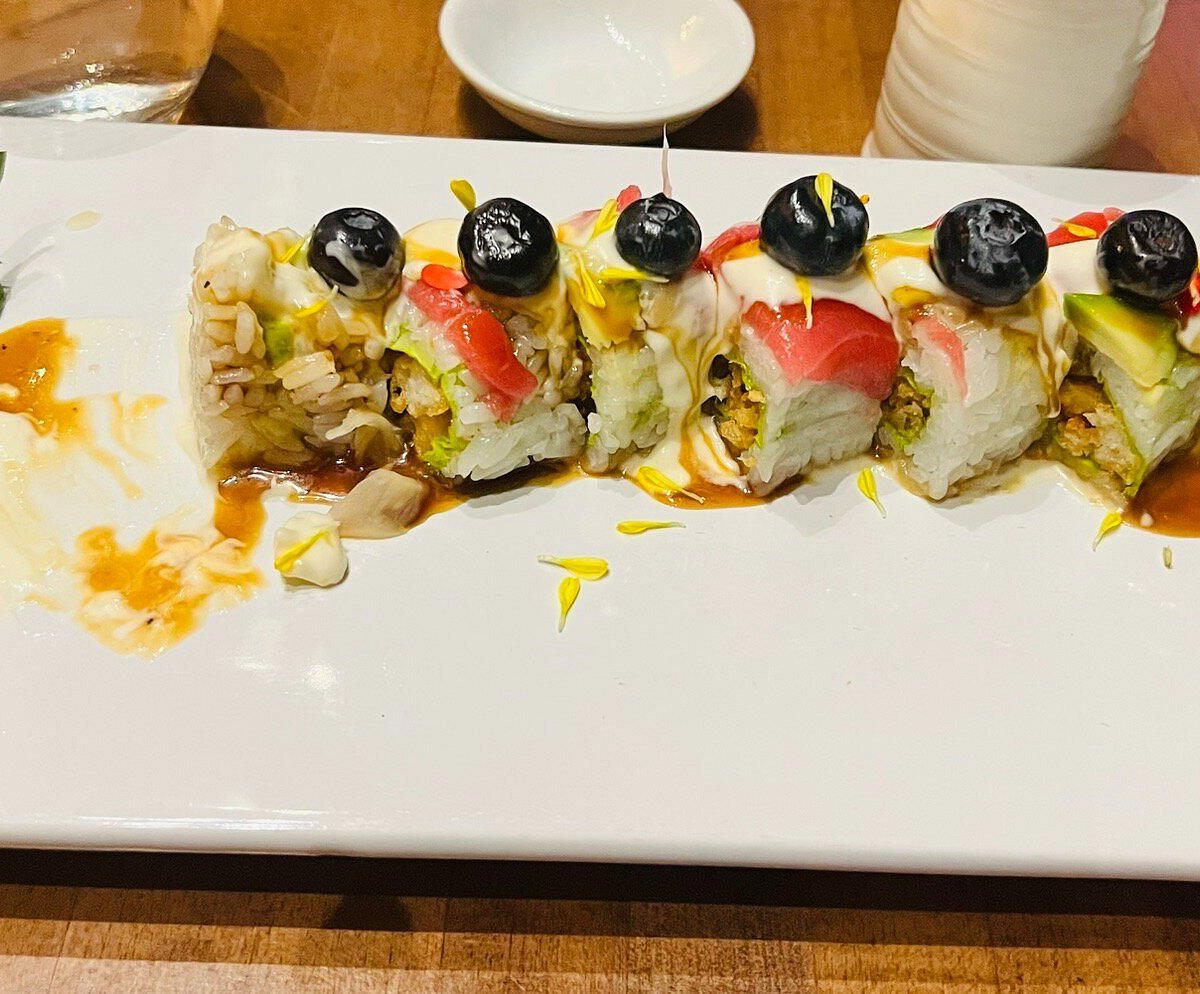
Maiko Sushi operates on Sources Boulevard in Dollard-Des Ormeaux, a west-island suburb of Montreal where Japanese restaurants must earn loyalty from a community that takes its sushi seriously. The format sits in the accessible neighbourhood tier, positioned well below the omakase counters of downtown Montreal but serving a regular clientele that returns for consistency rather than occasion dining.

Pearl is the En Primeur Club membership app — saves, bookings, and concierge access live there. Same editors, same standards.
Sushi in the West Island: What the Suburban Format Tells You
Montreal's west island suburbs have developed a sushi culture that diverges sharply from the downtown omakase tier. In Dollard-Des Ormeaux, where the dining population skews toward families and repeat locals rather than expense-account visitors, Japanese restaurants compete primarily on consistency, value-to-quality ratio, and the kind of reliability that earns a regular table rather than a one-time reservation. Maiko Sushi, situated on Sources Boulevard, occupies that neighbourhood tier — a format common across North American suburban corridors where the metric is not provenance narrative or single-origin rice but whether the fish arrives fresh and the rolls are executed without shortcuts. For context on how the Montreal region's more formal end operates, our full Dollard Des Ormeaux restaurants guide maps the broader dining scene across the west island.
The Sourcing Question at the Neighbourhood Level
Ingredient sourcing at neighbourhood sushi restaurants in Quebec operates under constraints that fine-dining counters rarely face. The province's geography means that truly local seafood is limited: Atlantic salmon and some freshwater species are available domestically, but the tuna, hamachi, and shellfish that anchor most Japanese menus in Montreal arrive through distribution chains originating in Japan, Norway, Chile, and the Atlantic seaboard. What separates a credible neighbourhood sushi operation from a cut-rate one is how it manages those supply chains — specifically, whether it sources through a dedicated Japanese food importer or defaults to the broadline distributors that supply everything from pizzerias to cafeterias. The distinction matters on the plate: fish sourced through specialist Japanese importers tends to arrive in better condition, cut to appropriate thickness, and with the fat content and texture that makes the difference between a roll that holds together and one that doesn't. Maiko Sushi's position on Sources Boulevard places it in a corridor with considerable competition, which creates market pressure to maintain sourcing standards that would justify return visits.
For comparison, the highest-sourcing-integrity sushi format in Canada currently sits at counters like Sushi Masaki Saito in Toronto, where whole fish are flown from Toyosu Market and aged in-house. That tier, priced accordingly, operates as a different category entirely from suburban neighbourhood sushi. The more instructive comparison for west-island dining is how AnnaLena in Vancouver has approached ingredient relationships at a mid-market level, building supplier transparency into its editorial identity without requiring the full omakase price point. Quebec's suburban sushi scene has not broadly adopted that transparency model, but the underlying sourcing infrastructure to support it exists.
Where Dollard-Des Ormeaux Sits in Montreal's Japanese Dining Tier
Montreal's Japanese restaurant ecosystem operates across several distinct tiers. At the leading, a small number of omakase and kaiseki-influenced counters compete with destinations like Tanière³ in Quebec City for the kind of occasion-dining audience that plans months in advance. Below that, a mid-market tier of larger sushi restaurants with full menus, sake lists, and private rooms serves the corporate and celebration segment. The third tier, which includes the suburban neighbourhood format, trades scale for proximity and regularity. Dollard-Des Ormeaux, with its dense residential population and established restaurant strip on Sources Boulevard, supports several Japanese options within a short radius, which means any individual operator in that corridor earns its share of the market through repetition and word-of-mouth rather than destination traffic. That is a different competitive dynamic than the one facing, say, Alo in Toronto or Jérôme Ferrer's Europea in Montreal, where the audience self-selects for special occasions and price is a secondary concern.
Format, Atmosphere, and What to Expect on Arrival
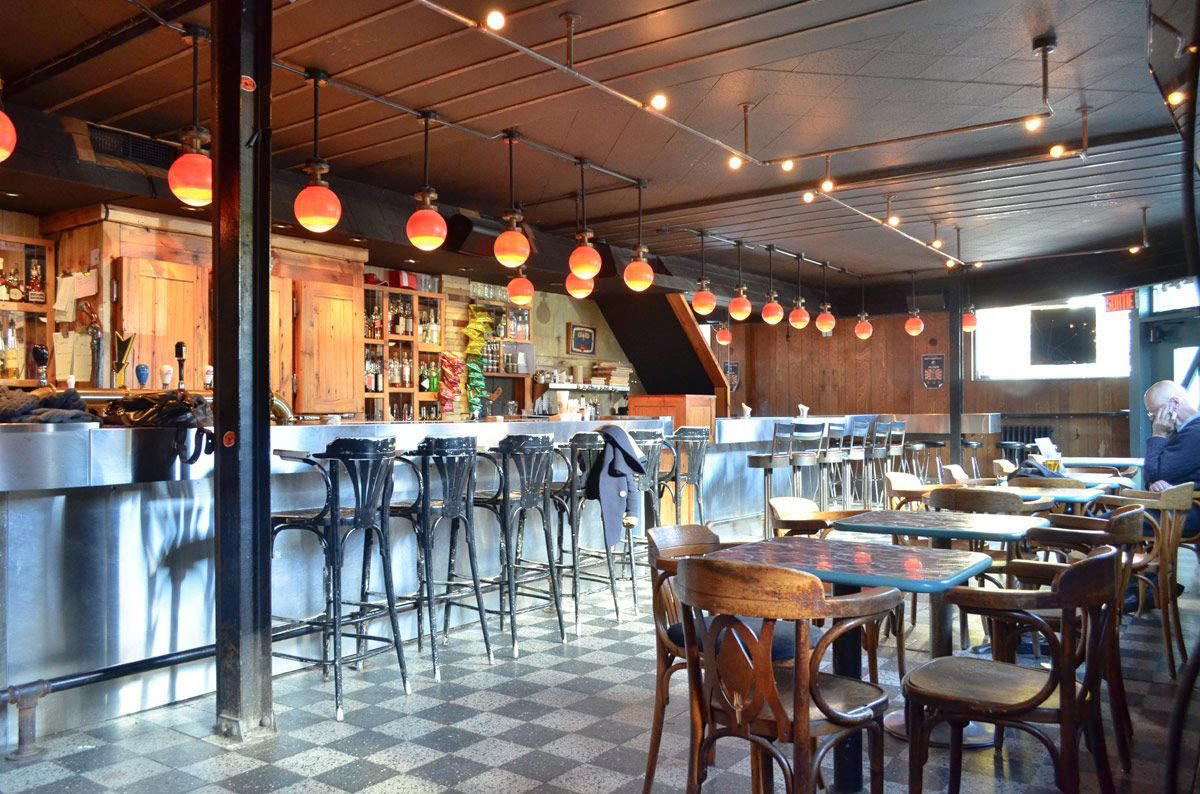
Suburban sushi restaurants along commercial strips in Quebec's west island tend toward a consistent physical format: mid-century Japanese decorative references, a combination of booth and table seating, and lighting calibrated for casual dining rather than the spare, counter-focused atmosphere of an omakase room. The approach to the Sources Boulevard strip is functional rather than designed, parking-lot-facing storefronts, signage readable from the road, the visual language of neighbourhood commerce rather than destination hospitality. Inside, the format likely follows the genre conventions: a sushi bar visible from the dining room, a menu that spans rolls, sashimi platters, and cooked Japanese-inflected dishes, and a pace determined by table turns rather than the course-by-course rhythm of tasting formats. That is not a criticism; it is the format that serves a community's regular dining needs, and it operates by different rules than occasion dining.
Practically, Sources Boulevard restaurants in this category typically operate with walk-in availability during off-peak hours and benefit from advance calls during weekend dinner service, when the west-island dining population concentrates.
How Neighbourhood Sushi Fits Into a Broader Canadian Dining Picture
The suburban sushi format is among the most widely distributed restaurant categories in Canadian cities, from Etobicoke to Burlington to Calgary's suburban corridors. Its ubiquity reflects Japanese cuisine's successful integration into Canadian everyday dining over the past three decades, a shift that moved sushi from novelty to staple. What that integration produced, at the neighbourhood level, is a category where execution quality varies considerably and where the sourcing decisions made by individual operators, which importer, which fish, how frequently, determine whether a restaurant is worth a regular visit or a one-time stop. The more ambitious end of Canadian dining, from Eigensinn Farm in Singhampton to Restaurant Pearl Morissette in Lincoln, has spent the past decade making sourcing transparency a central editorial proposition. That standard has filtered unevenly into the sushi tier, but it has raised baseline expectations among diners who now read menus differently than they did fifteen years ago. Internationally, the sourcing conversation in Japanese cuisine at the high end is anchored by counters like Le Bernardin in New York City and Atomix, both of which have made ingredient provenance a published part of their identity. The west island's neighbourhood tier operates far from that conversation, but the underlying question, where does the fish come from, and how does it travel, applies at every price point.
Planning Your Visit
Maiko Sushi is located at 3339 Sources Boulevard D, Dollard-Des Ormeaux, Quebec H9B 3L7. The Sources Boulevard corridor is accessible by car with on-site or street parking typical of suburban commercial strips; transit connections exist but the area is predominantly car-oriented. For visitors exploring the broader west-island dining scene, our Dollard Des Ormeaux guide provides neighbourhood context across categories. Those planning a wider Quebec dining itinerary might also consider Aux Anciens Canadiens in Quebec City or Narval in Rimouski for a fuller picture of the province's restaurant range. Given limited publicly available data on hours and booking, contacting the restaurant directly before visiting is the most reliable approach.
Frequently asked questions
Is Maiko Sushi okay with children?
Suburban sushi restaurants along the Sources Boulevard corridor in Dollard-Des Ormeaux generally draw family groups, and the format at neighbourhood-tier spots tends to accommodate younger diners without difficulty. The address at 3339 Sources Blvd D is accessible by car with on-site parking, which is practical for families. There is no dress code or counter-only seating model that would make a family visit awkward.
Is Maiko Sushi formal or casual?
Maiko Sushi operates in the neighbourhood-casual tier that defines the Dollard-Des Ormeaux dining corridor — not the omakase counter format of downtown Montreal. Expect a relaxed dining room rather than a chef's counter requiring reservation months in advance. Dress accordingly: the Sources Boulevard strip is not the place for the city's more choreographed Japanese dining experiences.
How does Maiko Sushi compare to downtown Montreal Japanese restaurants?
Maiko Sushi operates in Dollard-Des Ormeaux, placing it firmly in the suburban west island tier rather than the downtown or Mile End Japanese dining category where Montreal's higher-end Japanese counters are concentrated. The Sources Boulevard location is designed for neighbourhood frequency rather than destination dining, which means the format, pricing expectations, and menu scope differ substantially from the city's omakase or kaiseki-influenced rooms. No Michelin or 50 Best recognition is documented for Maiko Sushi.
What should I order at Maiko Sushi?
For neighbourhood sushi restaurants in Quebec's west island, rolls, nigiri platters, and cooked Japanese-influenced dishes are the standard anchors of the menu. Check with staff on arrival for current availability.
Where is Maiko Sushi in Dollard Des Ormeaux?
Maiko Sushi is located at 3339 Sources Blvd D, Dollard-Des Ormeaux, Quebec H9B 3L7, Canada, Dollard Des Ormeaux.
Do they take walk-ins at Maiko Sushi?
Neighbourhood-tier sushi restaurants in Dollard-Des Ormeaux typically accept walk-in traffic, particularly on weekdays, though weekend evenings on the busy Sources Boulevard strip can see higher demand. Calling ahead is advisable if you are visiting with a group.
What has Maiko Sushi built its reputation on?
Maiko Sushi sits within the west island Montreal neighbourhood sushi category, a format built on accessibility and consistency rather than chef-driven tasting menus. In Dollard-Des Ormeaux, a community with a diverse population and established appetite for Japanese food, longevity on a commercial strip like Sources Boulevard is itself a signal of sustained local trust.
In Context: Similar Options
Comparable venues nearby, for context on price, style, and recognition.
| Venue | Cuisine | Price | Notes |
|---|---|---|---|
| Maiko SushiThis venue — the venue you are viewing | Japanese Fusion Sushi | $30–50 | Not listed |
| Restaurant Sho-dan | Authentic Japanese Sushi with Fusion | Not listed | Golden Square Mile |
| Saiko | Japanese Sushi Izakaya | Not listed | Laval |
| Emi Sushi | Japanese Sushi | $20–30 | Terrebonne/Lachenaie |
| Takumi Sushi | Japanese Sushi & Fusion | $20–30 | La Fontaine Park |
| Umamia | Modern Japanese Sushi | Not listed | Griffintown |
Continue exploring
More in Dollard Des Ormeaux
Restaurants in Dollard Des Ormeaux
All restaurants in Dollard Des Ormeaux →
Bars in Dollard Des Ormeaux
Browse all →
Details
- Elegant
- Sophisticated
- Date Night
- Group Dining
- Special Occasion
- Private Dining
- Sake Program
- A La Carte
- Omakase
- Vegetarian Friendly
- Vegan Options
- Gluten Free Options
Current opening hours
- Monday
- Closed
- Tuesday
- Closed
- Wednesday
- 5–10 PM
- Thursday
- 11:30 AM–2:30 PM, 5–10 PM
- Friday
- 11:30 AM–2:30 PM, 5–11 PM
- Saturday
- 5–11 PM
- Sunday
- 5–10 PM
Hours can change for holidays and private events. Last verified .
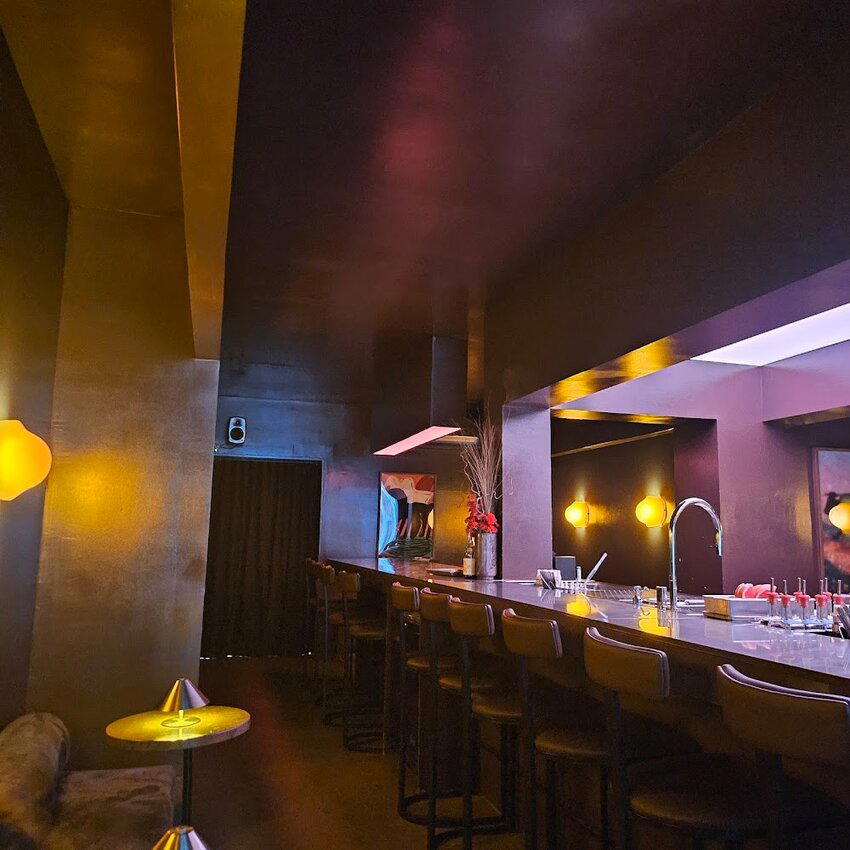
Elegant atmosphere with personal art touches in a spacious dining room suitable for intimate dinners and lively gatherings.