Madama Vigna

Michelin Plate
Our verdict
A Michelin Plate-recognised trattoria on Baldichieri d'Asti's main road, Madama Vigna serves the Piedmontese canon with conviction: agnolotti with fondue, slow-cooked local beef, Villanova chicken, and bunet to finish. The wine list leans into the region's own labels. At the single-euro price tier, it sits among the most accessible expressions of serious Astigiano cooking.

Pearl is the En Primeur Club membership app — saves, bookings, and concierge access live there. Same editors, same standards.
- Address
- Via Nazionale, 41, 14011 Baldichieri d'Asti AT, Italy
- Phone
- +39 0141 66471
- Website
- madamavigna.it
- Directions
- Get directions
The menu
What to order
- Agnolotti with fondue
- Veal with tuna sauce
- Bunet
Where the Astigiano Table Begins
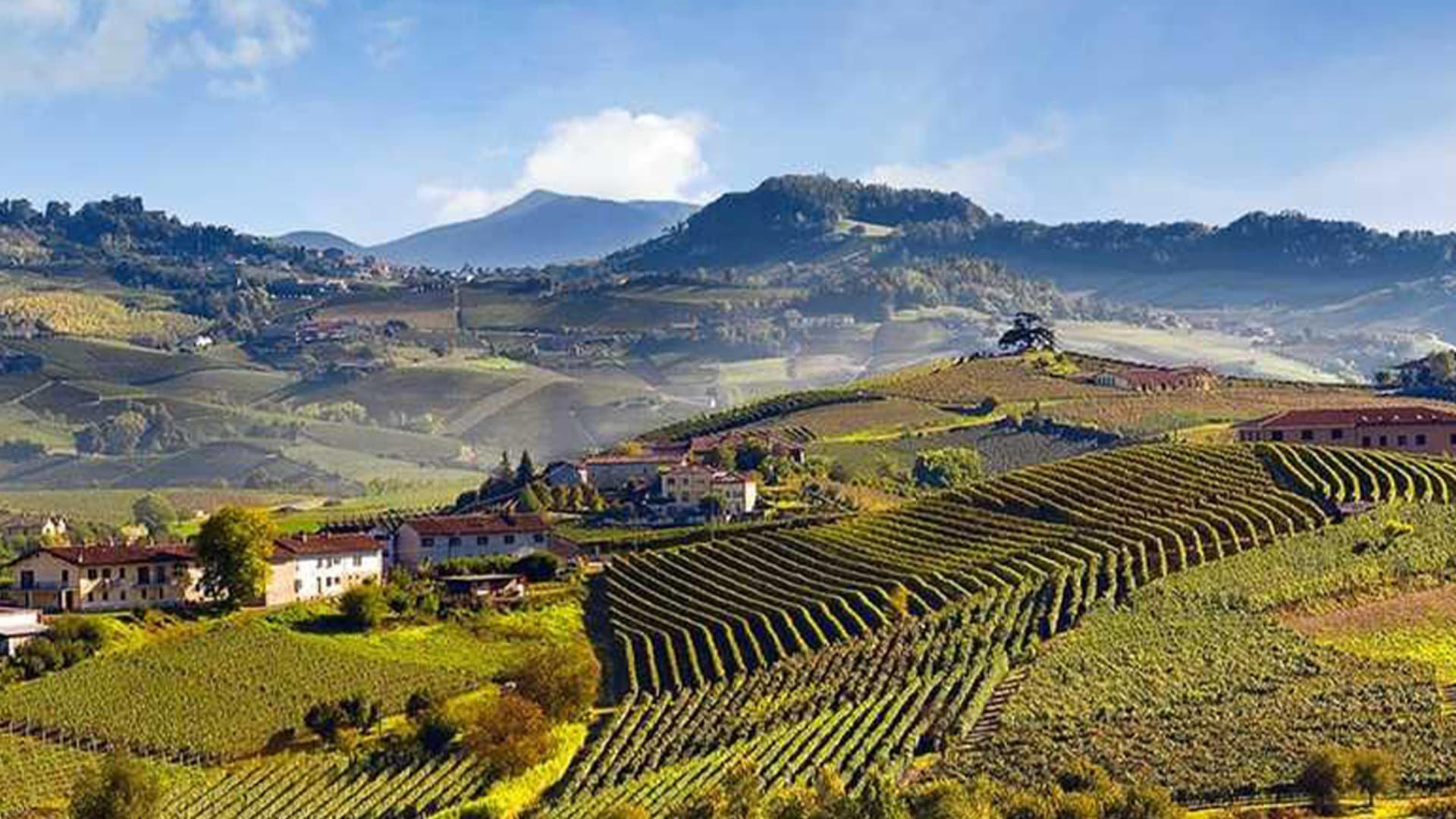
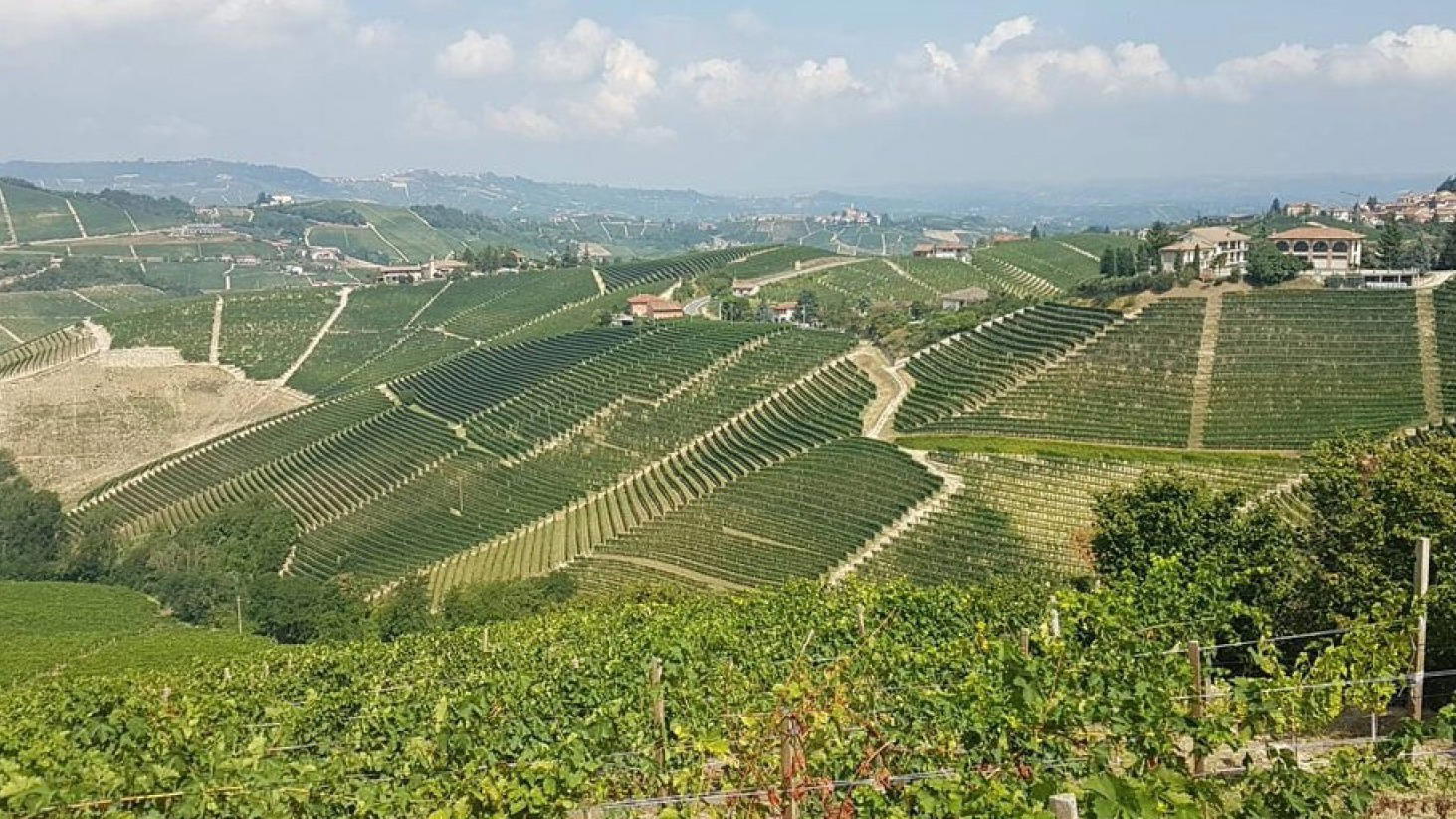
Piedmont's culinary identity is among the most geographically specific in Italy. The Asti province, running south from the Po plain into the Monferrato hills, has its own vocabulary of ingredients and dishes that diverges from the Langhe cooking that tends to attract international attention. Baldichieri d'Asti, a small comune on the provincial fringe, sits in exactly this productive middle ground: close enough to the regional capital to draw on its supply networks, rooted enough in local agricultural practice to keep its tables supplied with beef from Piedmontese cattle, poultry from the Villanova area, and the local grain traditions that make agnolotti the pasta of record in this corner of northern Italy. Madama Vigna, on Via Nazionale, occupies this tradition without self-consciousness.
Trattorie of this type — low price point, Michelin Plate recognition, a menu built from a short list of regional references — are the structural backbone of Italian provincial dining. They are not trying to compete with the three-star creative laboratories at Osteria Francescana in Modena or Enrico Bartolini in Milan. Their competition is with each other and with the weight of local expectation. In that context, holding a Michelin Plate in consecutive years (2024 and 2025) signals that the kitchen is doing something right by the standards that matter most here: ingredient quality, execution of the canon, and consistency.
The Source Logic Behind the Menu
The Michelin Plate designation, which the guide awards to restaurants producing simply good food rather than to those requiring the interpretive frameworks of starred kitchens, is a useful calibration tool. At Madama Vigna, the menu reads as a sourcing manifesto as much as a recipe list. Agnolotti, specifically the small, hand-pinched stuffed pasta typical to the Asti and Langhe areas, arrive here with a fondue, a pairing that draws on the Val d'Aosta and piedmontese alpine cheese traditions that permeate the region's richer dishes. The choice of fondue over a simpler meat broth or butter service says something about the kitchen's preference for depth over austerity.
Piedmontese beef is the region's most scrutinised protein. The breed, also known as Razza Piemontese, is prized for its double-muscled genetics, which produce lean cuts with a finer-grained texture than standard commercial beef. When a restaurant at the single-euro price tier is cooking with this ingredient, it is making a deliberate sourcing choice over cheaper alternatives. Villanova chicken adds a further layer of local specificity: poultry from the Villanova area of the Asti province has a distinct reputation tied to slower rearing and traditional feed, sitting in the same category of Piedmontese agricultural pride as the Fassona cattle.
Bunet, the mandatory dessert note in the menu description, is a bittersweet chocolate and amaretto pudding with roots in the medieval court cooking of Piedmont. Its presence here is not decorative nostalgia. It is a signal that the kitchen observes the full regional sequence, not just the crowd-pleasing middle courses. For anyone serious about understanding the Astigiano table, dishes like bunet are where the region's culinary logic becomes legible.
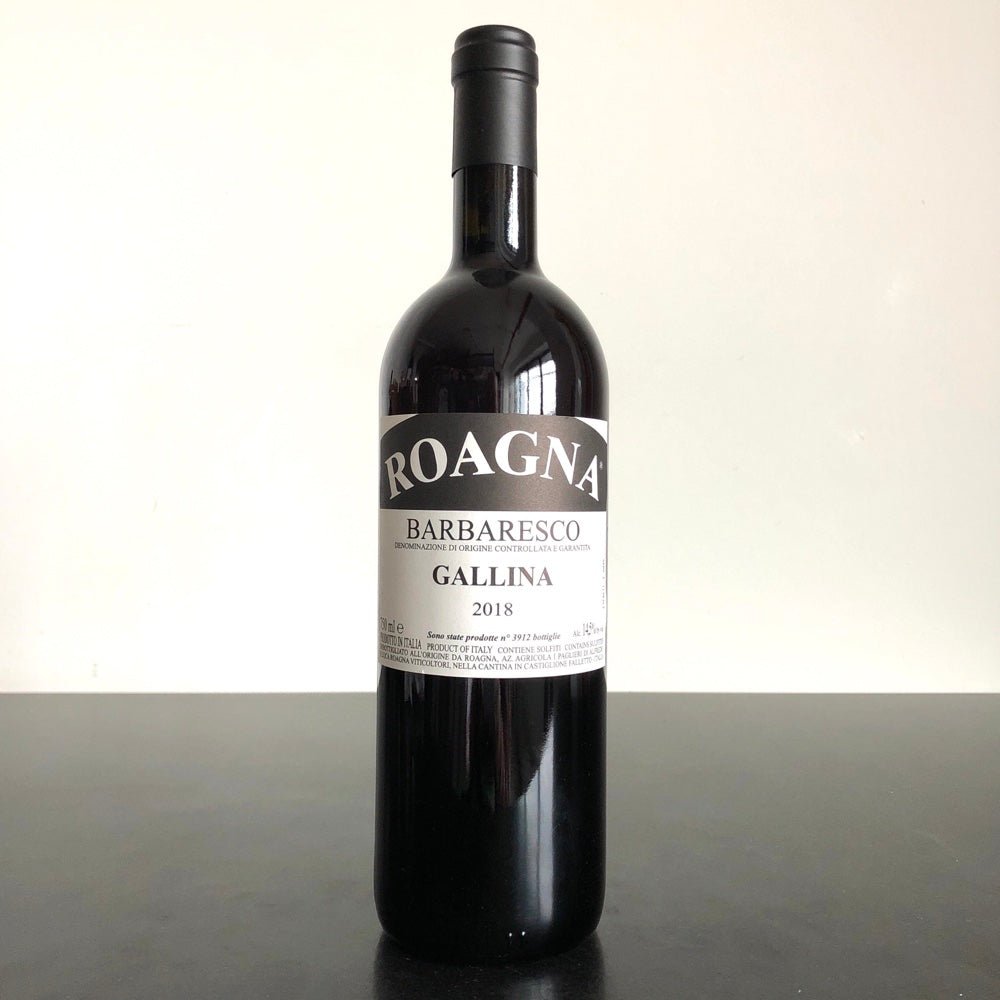
The wine list reinforces this sourcing philosophy. A focus on local labels in a restaurant in this part of the Asti province means Barbera d'Asti, Grignolino, Freisa, and possibly Moscato d'Asti for dessert service. These are not the Barolo and Barbaresco names that dominate international wine discussion (those belong to the Langhe, to the west), but they are the wines that Piedmontese locals actually drink with this food. That alignment between plate and glass, sourced from the same agricultural territory, is harder to achieve than it looks at a price point where margins are narrow.
Piedmontese Cooking in the Wider Italian Context
To understand where Madama Vigna sits, it helps to map the range of Italian regional fine dining. At the upper end of the spectrum, Italian kitchens like Piazza Duomo in Alba, Le Calandre in Rubano, or Uliassi in Senigallia operate at €€€€ price tiers with creative or contemporary frameworks that use regional ingredients as raw material for something more constructed. Closer to home in Piedmont itself, Antica Corona Reale in Cervere and Locanda Sant'Uffizio Enrico Bartolini in Cioccaro represent the more polished, destination-dining tier of regional tradition. Madama Vigna operates at neither of these registers. Its single-euro price tier places it in the category of daily-use regional cooking done well, where the measure of quality is fidelity to source and competence of execution rather than conceptual ambition.
This is the tier that Italy does better than almost any other food culture, and the one that is most difficult to explain to visitors conditioned by tasting menu expectations.
Planning a Visit
Baldichieri d'Asti is a small town in the Asti province, reachable by car from the city of Asti in a short drive south along the Via Nazionale corridor. The restaurant's address on Via Nazionale 41 puts it on the main road through town, which is typical for this class of Piedmontese trattoria: accessible, unfussy, without the deliberate remoteness that destination restaurants cultivate. For visitors building an itinerary around the Astigiano and Monferrato area, Madama Vigna functions as a ground-level reference point before or after more elaborate meals at higher price tiers. Given the price range and the regional focus, it is also the kind of place where lingering over the wine list, local labels, priced accordingly, makes more sense than rushing through a fixed format. No specific booking method or hours are confirmed in available data, so contacting the restaurant directly before visiting is advisable. For further context on eating and drinking in the area, see our full Baldichieri d'Asti restaurants guide, our bars guide, our wineries guide, our hotels guide, and our experiences guide for the area.
Frequently asked questions
What's the pricing like at Madama Vigna?
Pricing at Madama Vigna is listed as €.
Comparison Snapshot
| Venue | Cuisine | Price | Awards | Notes |
|---|---|---|---|---|
| Madama VignaThis venue — the venue you are viewing | Traditional Piedmontese Trattoria | $30–50 | Michelin Plate | Not listed |
| Atelier Moessmer Norbert Niederkofler | Italian, Creative | Not listed | Michelin 3 Star | Not listed |
| Dal Pescatore | Italian, Italian Contemporary | Not listed | Michelin 3 Star | Not listed |
| Enoteca Pinchiorri | Contemporary Italian Fine Dining | $200–300 | 3 Michelin Stars · World's 50 Best #32 | Italian - French, Italian Contemporary |
| Enrico Bartolini | Creative | Not listed | Michelin 3 Star | Not listed |
| Osteria Francescana | Avant-Garde Italian Contemporary | $300–500 | 3 Michelin Stars · World's 50 Best #1 | Progressive Italian, Creative |
Recognition history
Dated appearances from independent guides and award organizations, with the underlying list record or original source where available.
Michelin Plate
Michelin
Full recognition history (3 entries)
Michelin Plate
Michelin
Michelin Plate
Michelin
Continue exploring
More in Baldichieri d'Asti
Restaurants in Baldichieri d'Asti
Browse all →
Bars in Baldichieri d'Asti
Browse all →
Hotels in Baldichieri d'Asti
Browse all →

Madama Vigna
The wine
- Wine program
- Curated wine list
- Extensive wine list
Details
- Cozy
- Rustic
- Elegant
- Intimate
- Date Night
- Family
- Group Dining
- Hotel Restaurant
- Extensive Wine List
- Local Sourcing
- A La Carte
- Local Wines
- Vegetarian Friendly
- Gluten Free Options
- Vegan Options
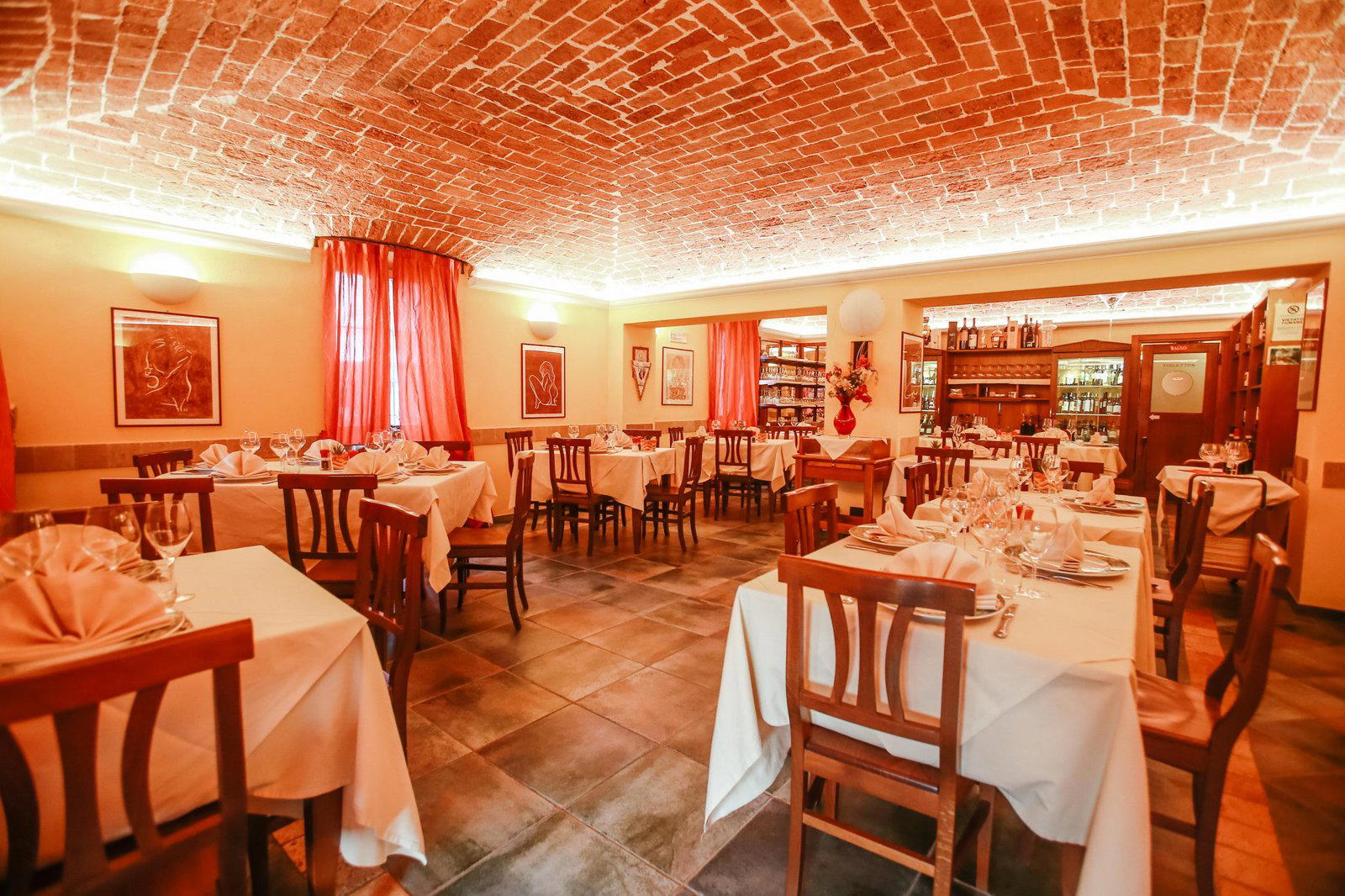
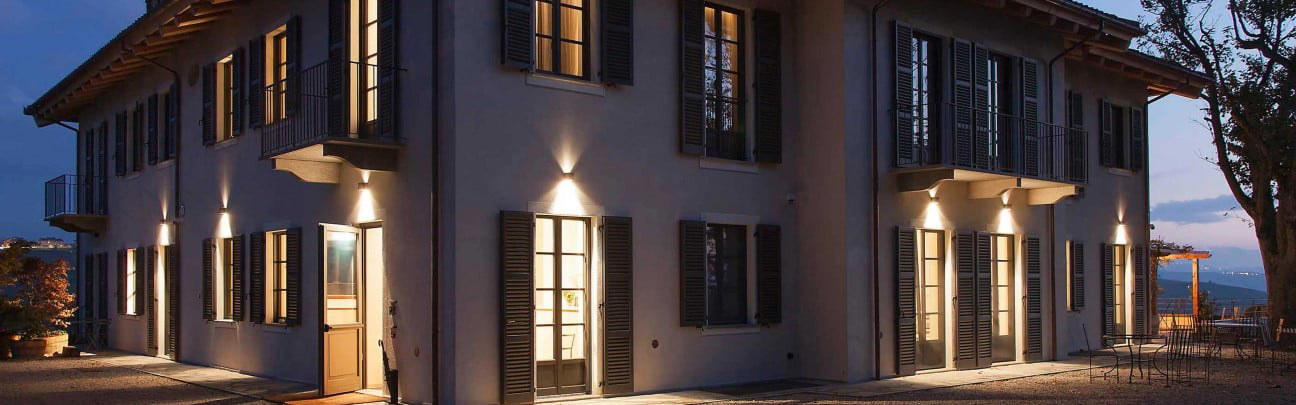
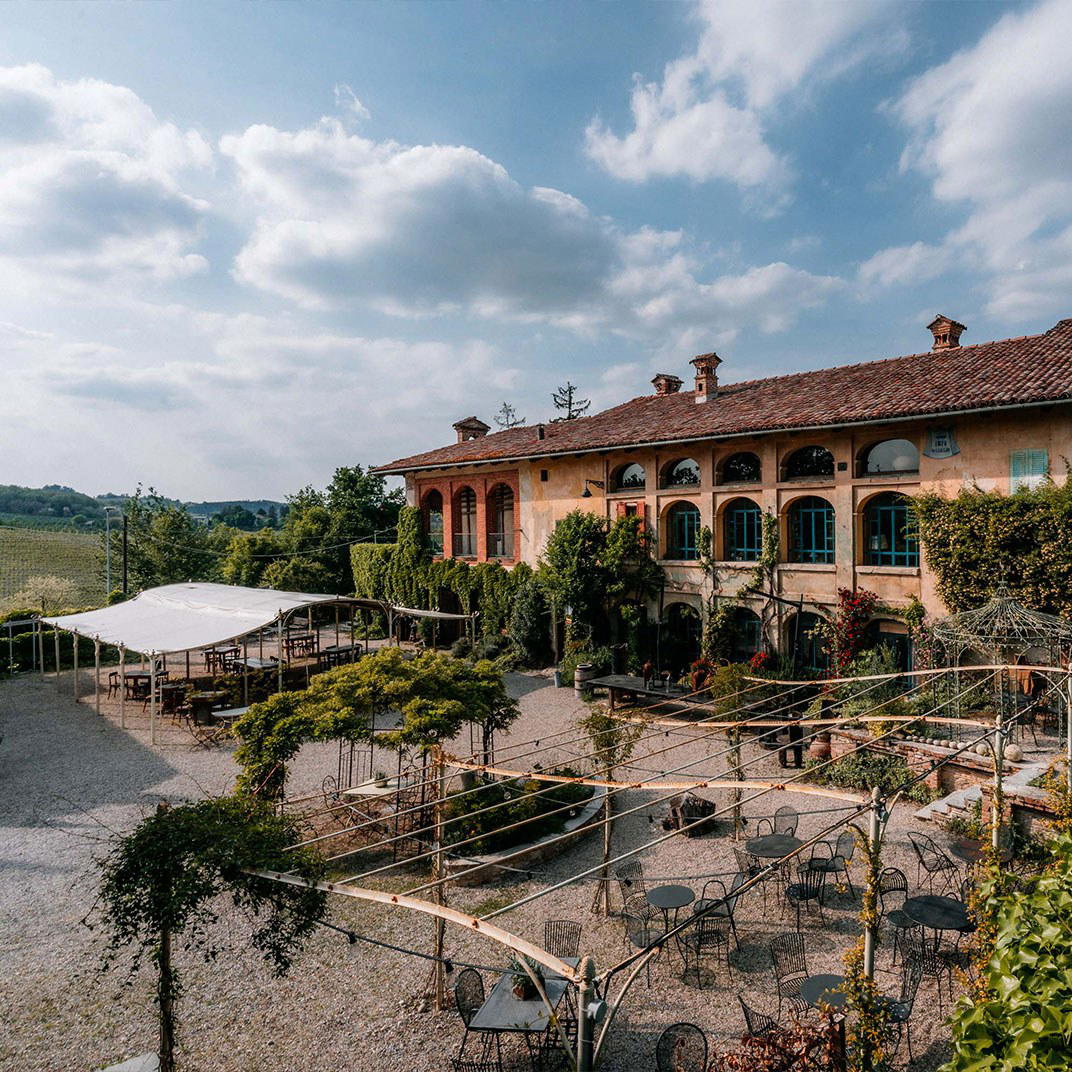
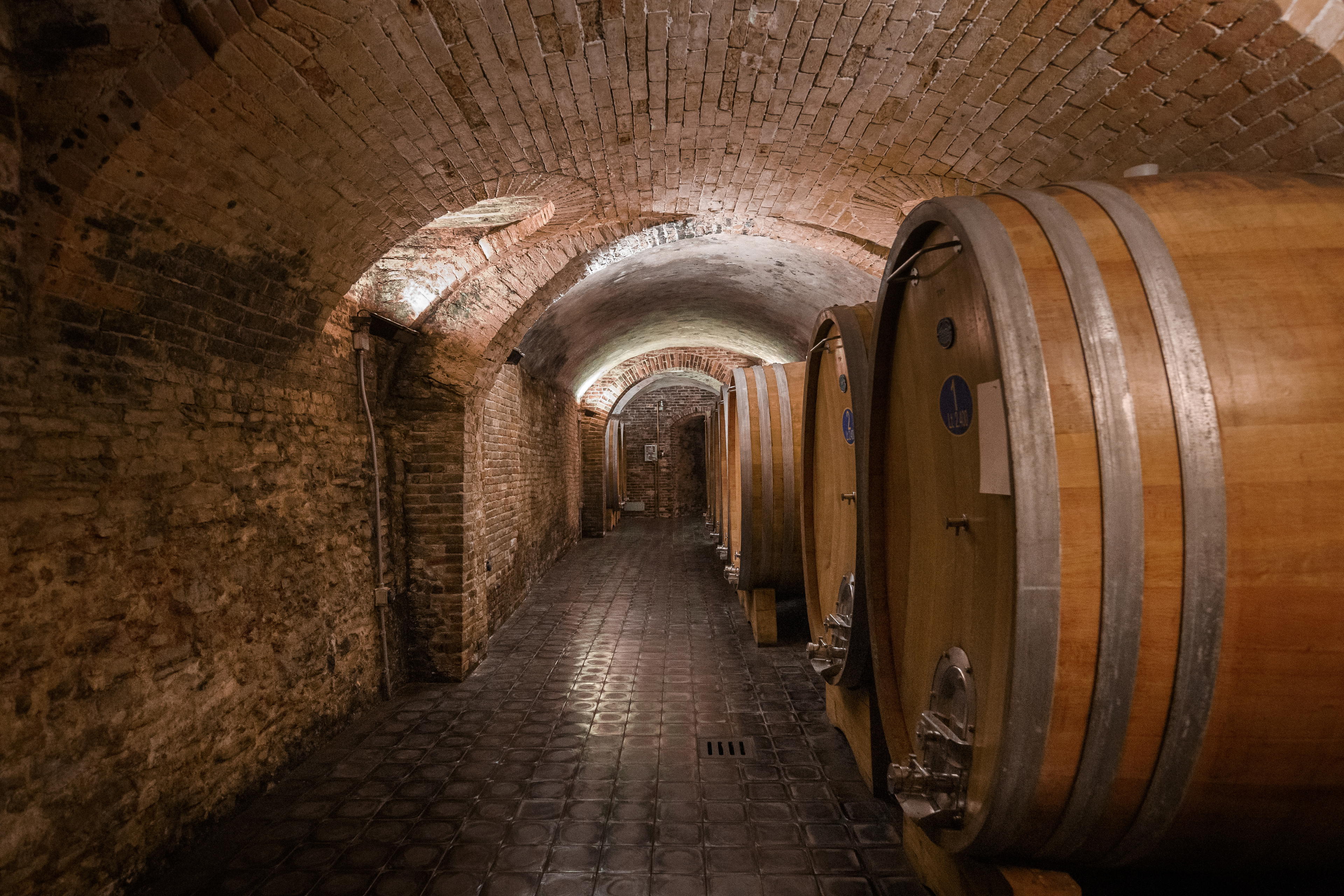
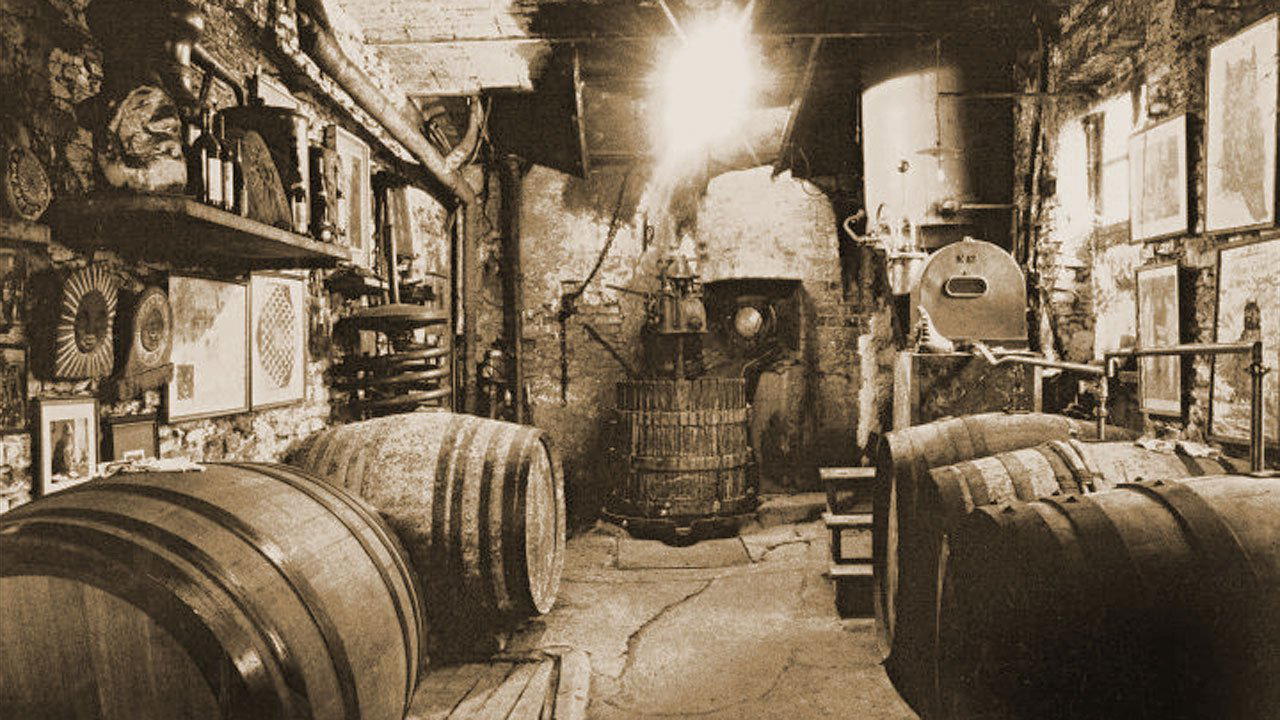
Cozy and elegant atmosphere with warm dining rooms, vaulted brick interiors, and a relaxed, hospitable vibe immersed in the Asti countryside.