Lupo

A Roman trattoria operating out of a Prestwich industrial estate, Lupo has built a loyal following over more than a decade on the strength of ingredients flown in directly from Italy and produce grown on the owner's allotment. The limited covers and genuinely personal hospitality from Nico Pasquali make advance booking advisable. An antidote to the Anglo-Italian high street.
Pearl is the En Primeur Club membership app — saves, bookings, and concierge access live there. Same editors, same standards.
- Address
- Mountheath Trading Estate, Unit 65 Ardent Way, Prestwich, Manchester M25 9WE, United Kingdom
- Phone
- 07729 985488
- Website
- lupocaffe.co.uk
- Directions
- Get directions
 Saves & bookings on Pearl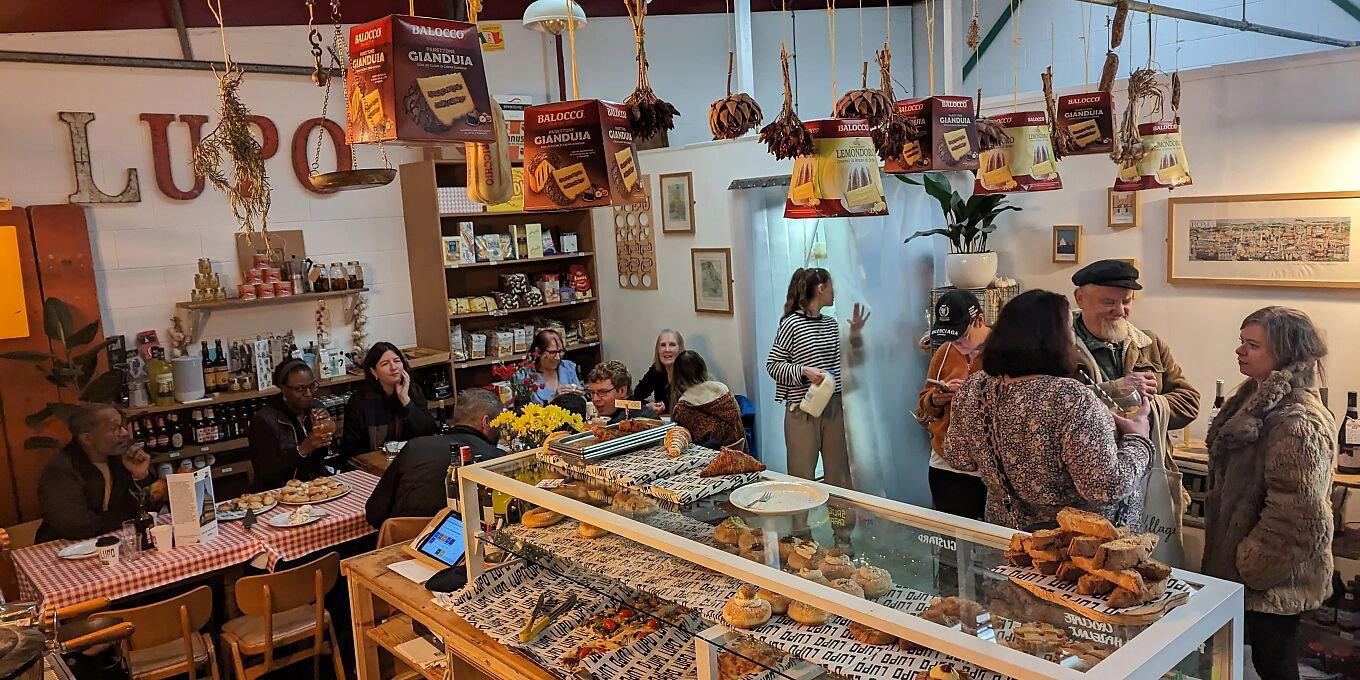
An Industrial Estate, a Roman Kitchen, and a Queue Worth Joining
There is a particular category of restaurant that exists in almost every city: the place that asks something of you before it gives anything back. Lupo, operating out of Unit 65 on the Mountheath Trading Estate in Prestwich, asks you to drive past loading bays and warehouse shutters, to follow a postcode that looks like a mistake, and to arrive slightly uncertain you have the right address. What you find on the other side of that mild confusion is a trattoria that has been serving Roman cooking for over a decade — with a consistency and ingredient discipline that most city-centre restaurants with far easier addresses have never managed.
That tension between setting and substance is worth dwelling on. The UK's Italian restaurant scene has long been stratified: at one end, the high-street chains with their glitzy interiors and standardised Anglo-Italian menus; at the other, a smaller tier of operators committed to regional specificity and sourcing rigour. Lupo sits firmly in the second group. The trading estate address is not an affectation — it is simply where the space was, and the regulars followed. They have been doing so for more than ten years.
Where the Food Comes From
The sourcing argument at Lupo is not decorative. Nico Pasquali flies ingredients in directly from Italy and supplements them with produce from his own allotment, a combination that positions the kitchen at a considerable distance from the standard British-Italian supply chain. In the context of the UK's Italian restaurant tier, this matters. The difference between a rigatoni all'amatriciana built around guanciale sourced from Italy and one assembled from domestic substitutes is not subtle: the fat content, cure, and flavour profile of properly aged guanciale is difficult to replicate locally, and the dish reads differently on the plate.
The allotment element adds a further layer of specificity. Produce grown to the kitchen's own standards, harvested at the right moment, arriving without cold-chain compromise, is a logistical commitment that sits well outside what most neighbourhood restaurants attempt. It also means the menu has a seasonal rhythm determined by what is actually ready, rather than by what the supplier has available. The specials board reflects this directly: orecchiette with Italian fennel sausages and romanesco broccoli is a dish that requires both ingredients to be at a precise stage of development, and the version here draws on both the Italian supply line and whatever the allotment is producing at that point in the season.
For broader context on ingredient-led cooking in the UK, the approach at places like Moor Hall in Aughton or L'Enclume in Cartmel shows what sourcing obsession can produce at the fine-dining end. Lupo operates with none of the ceremony or price point of that tier, but the underlying logic, know exactly where the ingredient comes from and let it lead, is the same.
The Menu as Roman Argument
The cooking at Lupo is built around the Roman and broader central Italian repertoire rather than the generalised Italian-British canon. Rigatoni with guanciale, chilli and pecorino is the kind of dish that appears on menus across the country, but rarely with the correct cut of cured pork and rarely balanced with this degree of precision. Arancini and suppli, deep-fried pizza balls from the Roman street-food tradition, appear alongside Roman Jewish artichokes, a dish with a specific historical and culinary context that most British Italian restaurants have never attempted. The whole baked sea bass with cherry tomatoes and olives represents the simpler, product-led end of the repertoire: a dish that works only when the fish is worth eating on its own terms.
The specials list extends the range further and operates as a direct reflection of what the allotment and the Italian supply line are producing. This is not a menu built around safety, it is built around the conviction that the right ingredients, cooked with attention to technique, do not need improvement.
To drink, Pasquali keeps a focused selection of artisan Italian wines alongside cocktails and Italian beers. The coffee has earned consistent praise from regulars. None of this is elaborate, and that is the point: the drinks list supports the food without overreaching.
The Room and How It Works
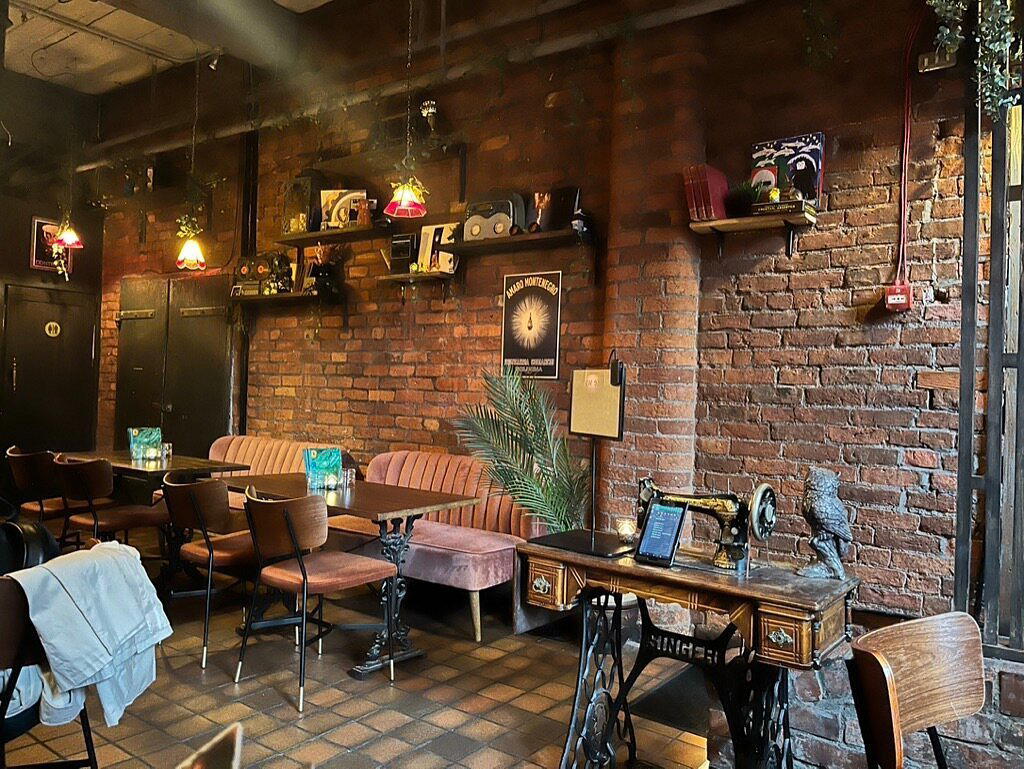
A wooden extension has doubled the number of covers, but the space remains limited. The atmosphere is friendly, unfussy, and deliberately unpretentious, the kind of trattoria environment that Rome does almost automatically but that is genuinely difficult to construct in a Greater Manchester industrial estate. The key element, remarked on consistently by the people who come back, is that Pasquali runs the room himself and takes the time to talk to guests. In a dining environment where personal service has largely been replaced by scripted hospitality, this reads as a meaningful differentiator rather than a novelty.
Practically: the limited covers mean booking ahead is sensible. Walk-ins are possible but unreliable, particularly at weekends or when the specials board is drawing regulars back. The price point is described as reasonable, which places it within reach of the Prestwich neighbourhood audience rather than the destination-dining circuit. For context on the broader Prestwich dining scene, see our full Prestwich restaurants guide, and The Pearl for a contrasting style of cooking in the same area.
Lupo is not competing with the kind of formal destination restaurants that draw visitors from outside the region, the The Ledbury in London, Waterside Inn in Bray, or Le Manoir aux Quat' Saisons occupy a different register entirely. But the comparison that matters here is not with Michelin-starred rooms: it is with the dozens of Italian restaurants in Greater Manchester serving the same Anglo-Italian repertoire from the same wholesale suppliers.
If you are in the area, our Prestwich hotels guide, bars guide, and experiences guide cover the wider neighbourhood. For wine-focused travel in the UK, our Prestwich wineries guide has current listings.
How Lupo Prestwich compares with similar nearby venues.
| Venue | Cuisine | Price |
|---|---|---|
| The Spärrows | Modern Cuisine | ££ |
| Skof | Creative | ££££ |
Recognition history
Dated appearances from independent guides and award organizations, with the underlying list record or original source where available.
The Good Food Guide Good Food Guide Best Local Restaurant
The Good Food Guide
The Good Food Guide Good Food Guide Best Local Restaurant North West Winner
The Good Food Guide
The Good Food Guide GFG Very Good
The Good Food Guide
Continue exploring
More in Prestwich
Restaurants in Prestwich
Browse all →
Bars in Prestwich
Browse all →
At a Glance
- Cozy
- Rustic
- Casual Hangout
- Family
- Craft Cocktails
- Local Sourcing
Current opening hours
- Monday
- Closed
- Tuesday
- Closed
- Wednesday
- 10 AM–8 PM
- Thursday
- 10 AM–8 PM
- Friday
- 10 AM–9 PM
- Saturday
- 10 AM–9 PM
- Sunday
- 10 AM–8 PM
Hours can change for holidays and private events. Last verified .
Friendly, unfussy, unpretentious, and homely with rustic charm and relaxed atmosphere.
Know Before You Go
- Getting there
- Mountheath Trading Estate, Unit 65 Ardent Way, Prestwich, Manchester M25 9WE, United Kingdom