Google: 4.6 · 566 reviews
Little Saint


Little Saint occupies a particular position in Healdsburg's dining scene: a plant-based restaurant serious enough to earn back-to-back rankings on Opinionated About Dining's Casual North America list (#476 in 2025, #510 in 2024), with a wine program of 4,400 bottles weighted toward France, California, and Burgundy. Open Thursday through Monday for lunch and dinner, it serves farm-to-table vegan food at accessible price points alongside a wine list that punches well above them.
 Discover on Pearl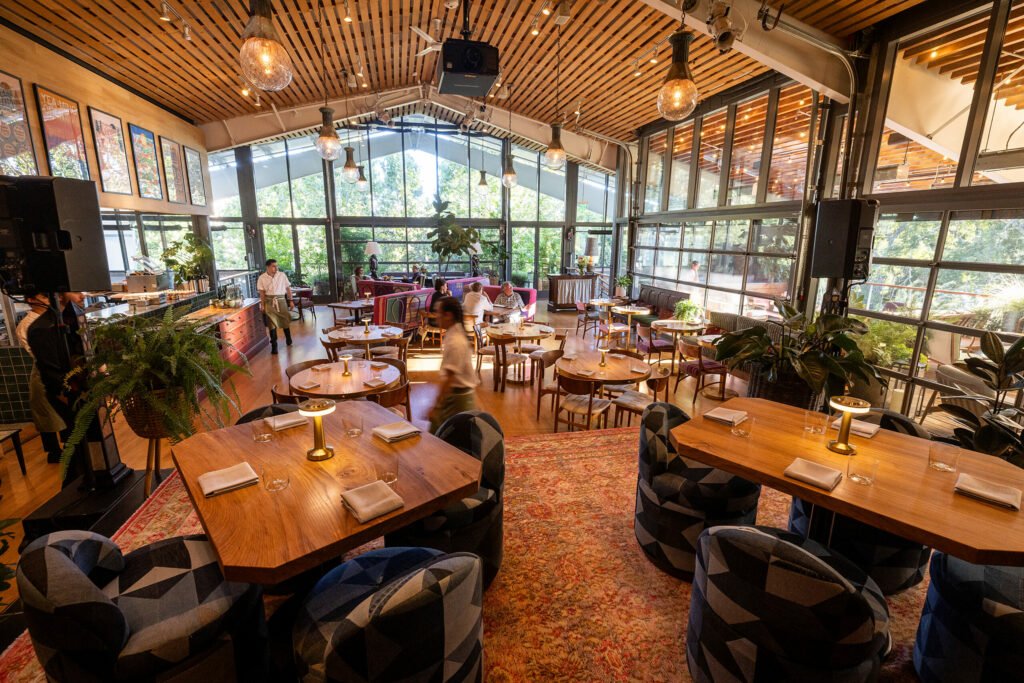
Where Healdsburg's Farm Logic Reaches Its Furthest Point
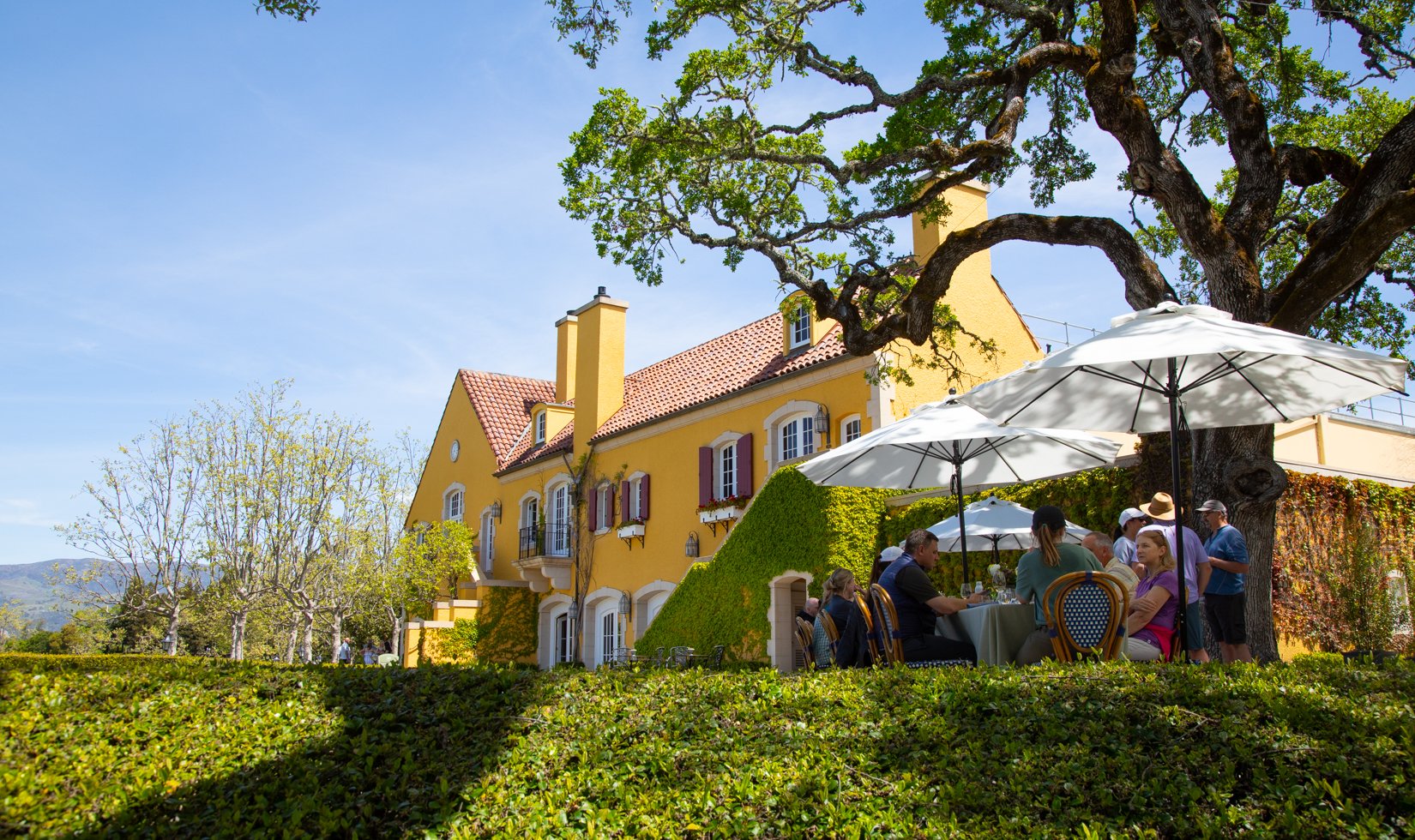
Walking into Little Saint on a Saturday morning, you encounter something that takes a moment to place: a restaurant that feels simultaneously like a wine-country all-day café and a serious dining room with genuine culinary ambition. The space on North Street sits a short walk from Healdsburg's central plaza, in a town where the competition includes Single Thread Farm and its $$$$ tasting counter, and Barndiva at the $$$-tier of New American cooking. Little Saint operates at a different register: plant-based, farm-to-table, and priced at the $ tier for a typical two-course meal. That combination, accessible food cost alongside a wine program with 4,400 bottles and France and Burgundy as its primary strengths, is unusual enough to earn sustained industry attention.
The Plant-Based Progression: Pacing and Point of View
The editorial angle that matters most at Little Saint is not that the food is vegan — that framing undersells what is actually happening. Among the generation of plant-based restaurants that emerged in the 2010s across American cities, most fell into one of two camps: health-focused cafés that deprioritized pleasure, or fine-dining operations that compensated with technical excess. Little Saint operates in a narrower space, where the farm-to-table sourcing produces food with enough seasonal variation and textural range to support a genuine multi-course progression.
The kitchen is led by Chef Baruch Ellsworth, whose role within the broader operation reflects a program built around agricultural relationships rather than a single culinary personality. That matters for understanding how the menu moves: dishes respond to what is available from the farm network rather than anchoring to fixed showpieces. For a plant-based format, this is the correct structural choice. Proteins in conventional kitchens provide a reliable narrative spine across a progression — a tartare, a roast, a braise. When that spine is absent, the menu needs to build pace and surprise through other means: temperature contrast, fermentation, textural counterpoint, the sharp pivot from something acidic and raw to something slow-cooked and round. Whether the current menu executes that arc fully is a question leading answered on a given Thursday or Friday evening, when the seasonal sourcing is at its most expressive.
For comparison, the direction that serious plant-based restaurants at higher price points have pursued nationally , from tasting-menu formats in San Francisco like Lazy Bear to the produce-forward technical programs at places like Atomix in New York , involves long, structured progressions where each course functions as a distinct argument. Little Saint's lunch-and-dinner format and its $ cuisine pricing suggest a less rigid structure, something closer to a composed à la carte experience with strong seasonal logic than a locked tasting menu. That looseness is an asset for a wine-country all-day room that needs to serve both the midday visitor and the serious dinner table.
A Wine List Built for This Kind of Food
The wine program deserves separate attention. Wine director Laurel Livezey oversees a cellar of 4,400 bottles across 925 selections, with France and California as the primary strengths and Burgundy called out explicitly as a focus. The pricing sits at $$, meaning the list has range: bottles under $50 exist alongside a $100-and-above tier, with a $30 corkage fee for guests who bring their own. For a restaurant where cuisine pricing is at the $ level, a wine list of this depth signals that the beverage program is a genuine draw in its own right, not an afterthought.
The France and Burgundy emphasis is a coherent choice for plant-based food. High-acid, lower-alcohol French styles , white Burgundy, Loire Chenin, northern Rhône whites , work against vegetable-forward preparations in ways that big California Cabernet rarely does. That the list also has meaningful California depth reflects the location: this is Sonoma County wine country, and a room that ignored domestic producers would be missing the point of its geography. The sommelier team includes Nathan Sneller, Stephanie Berrios, and Kiana Enos Vanthong, which is a large enough floor team to suggest genuine tableside guidance rather than perfunctory pours.
Healdsburg visitors who want to explore the wine dimension more broadly can cross-reference our full Healdsburg wineries guide.
Little Saint in Healdsburg's Dining Ecosystem
Healdsburg has consolidated into one of California's more serious small-town restaurant destinations over the past decade. The upper tier is anchored by Single Thread and its omakase-adjacent Japanese-California format, with Dry Creek Kitchen and Barndiva filling the $$$ tier with American and Californian approaches. More casual options like Bravas Bar de Tapas and Bistro Lagniappe fill out the accessible end of the market.
Little Saint sits across this spread in an interesting way. Its cuisine pricing is at the accessible end, but its wine list and its back-to-back presence on Opinionated About Dining's Casual North America ranking , #510 in 2024, moving to #476 in 2025 , position it closer to the serious end of the restaurant ecosystem. For a plant-based restaurant in a town where Cabernet and red meat drive most of the dining culture, that level of sustained industry recognition is the data point worth noting. Among plant-based restaurants operating at a comparable price tier nationally, from Planta Queen in Toronto to plant-forward programs at higher price points like Providence in Los Angeles, Little Saint's combination of farm sourcing, wine depth, and OAD recognition places it in a small peer set.
Planning Your Visit
Little Saint operates Thursday through Monday, from 8 am to 9 pm each of those days. It is closed Tuesday and Wednesday. The general manager is Natalia Faustino, and the ownership is Laurie Ubben and Jeff Ubben. The restaurant is located at 25 North Street, Healdsburg , a short walk from the town plaza and close to most of the town's hotel accommodation. For hotel options in the area, the full Healdsburg hotels guide covers the relevant choices across price tiers. Bar and experience options in town are mapped in the Healdsburg bars guide and the experiences guide. A broader view of where Little Saint fits among Healdsburg's restaurants is in the full Healdsburg restaurants guide.
The Tuesday-Wednesday closure is worth flagging for anyone building a Sonoma itinerary around a specific dinner. Thursday and Friday evenings are the natural entry points for a weekend wine-country trip, and the 8 am opening on those days means the space also functions as a morning stop before winery visits. The Google rating of 4.5 across 498 reviews suggests consistent execution across the day's formats, not just at dinner.
Peers Worth Knowing
A compact peer snapshot based on similar venues we track.
| Venue | Cuisine | Price | Notes |
|---|---|---|---|
| Little Saint | Plant Based Cuisine | This venue | |
| Single Thread Farm | Progressive - Japanese | $$$$ | Progressive - Japanese, $$$$ |
| Barndiva | New American, Californian | $$$ | New American, Californian, $$$ |
| Bravas Bar de Tapas | United States | United States | |
| Dry Creek Kitchen | American | $$$ | American, $$$ |
| The Matheson | Contemporary | $$$$ | Contemporary, $$$$ |
Continue exploring
More in Healdsburg
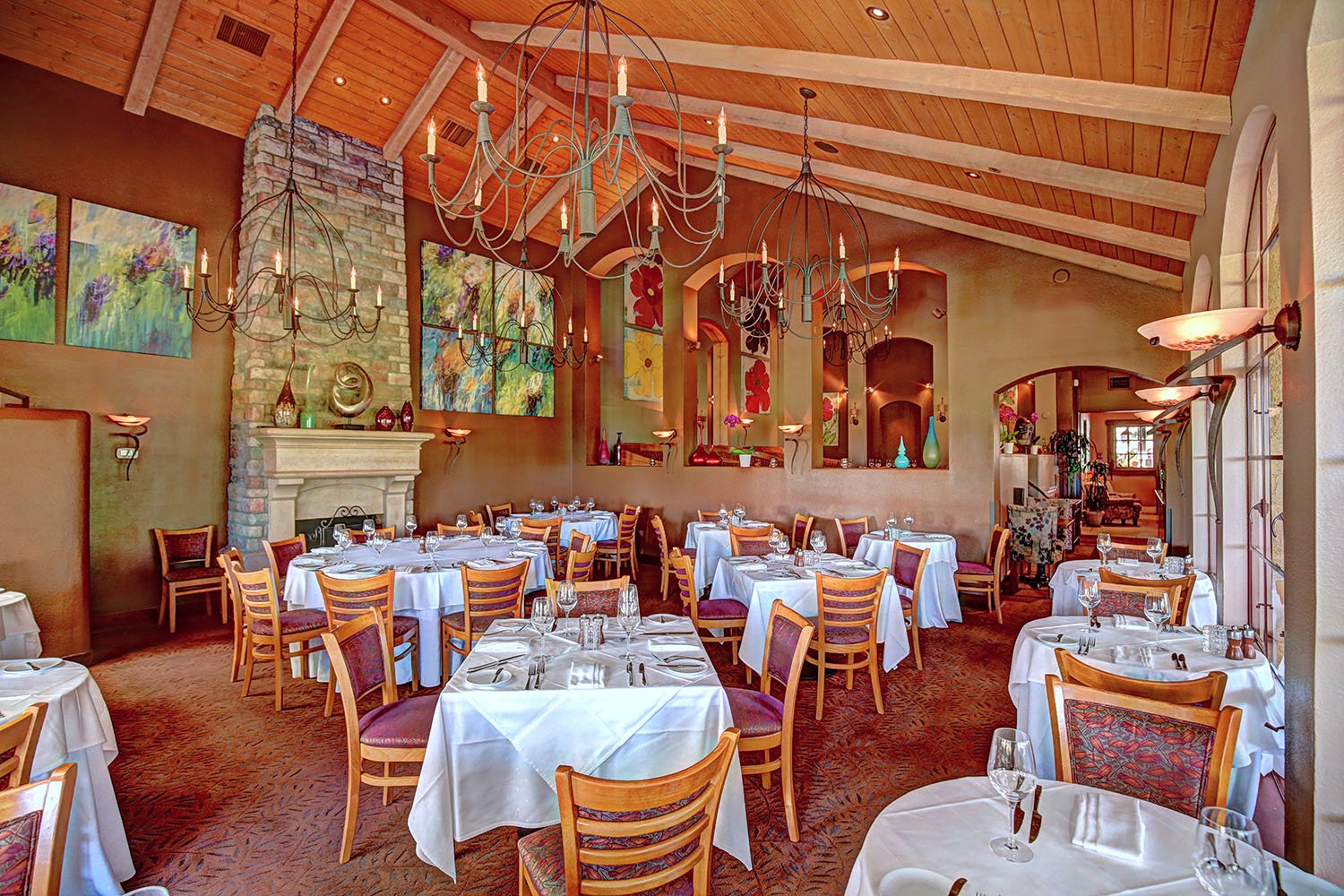
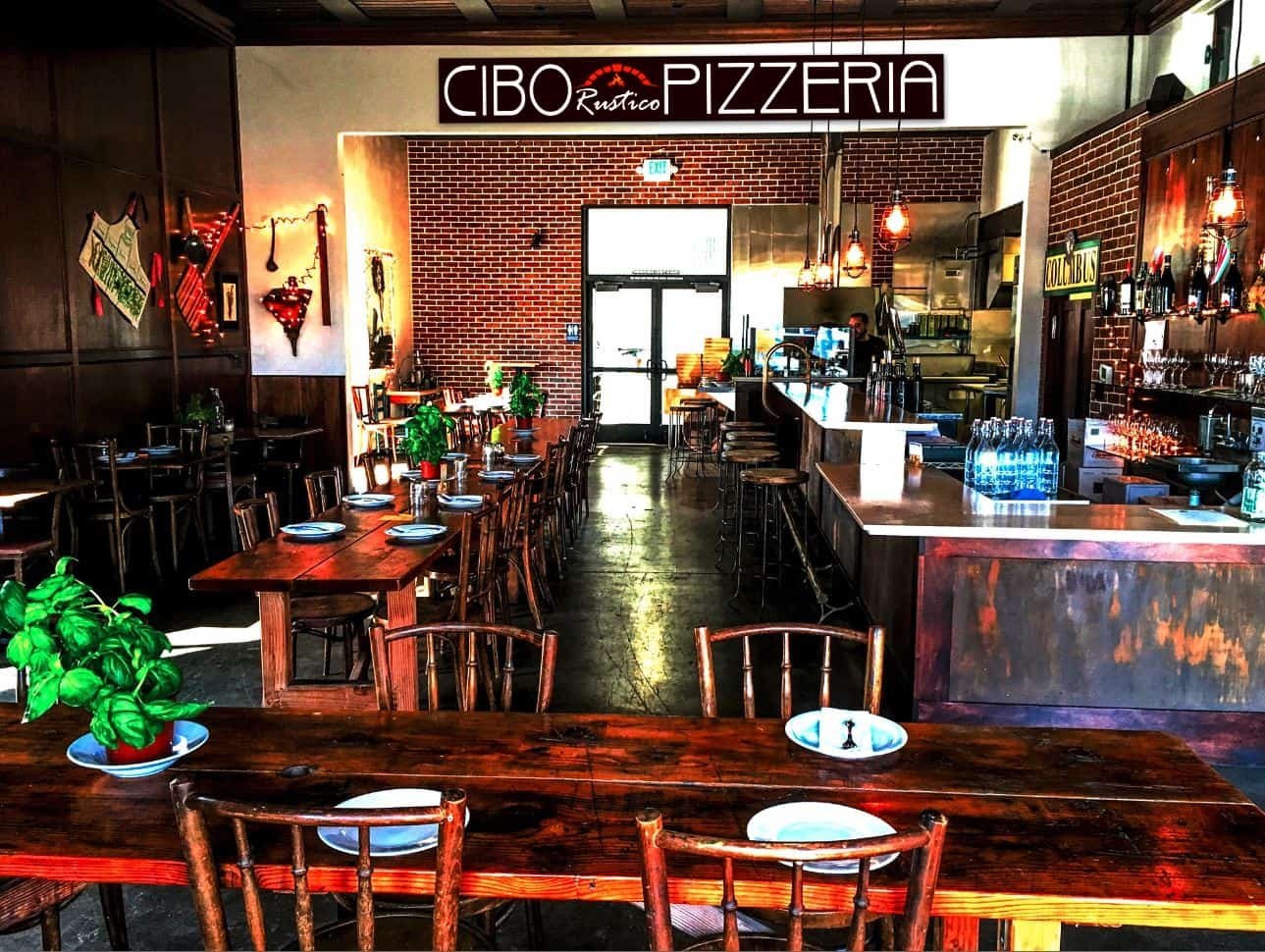
Restaurants in Healdsburg
Browse all →
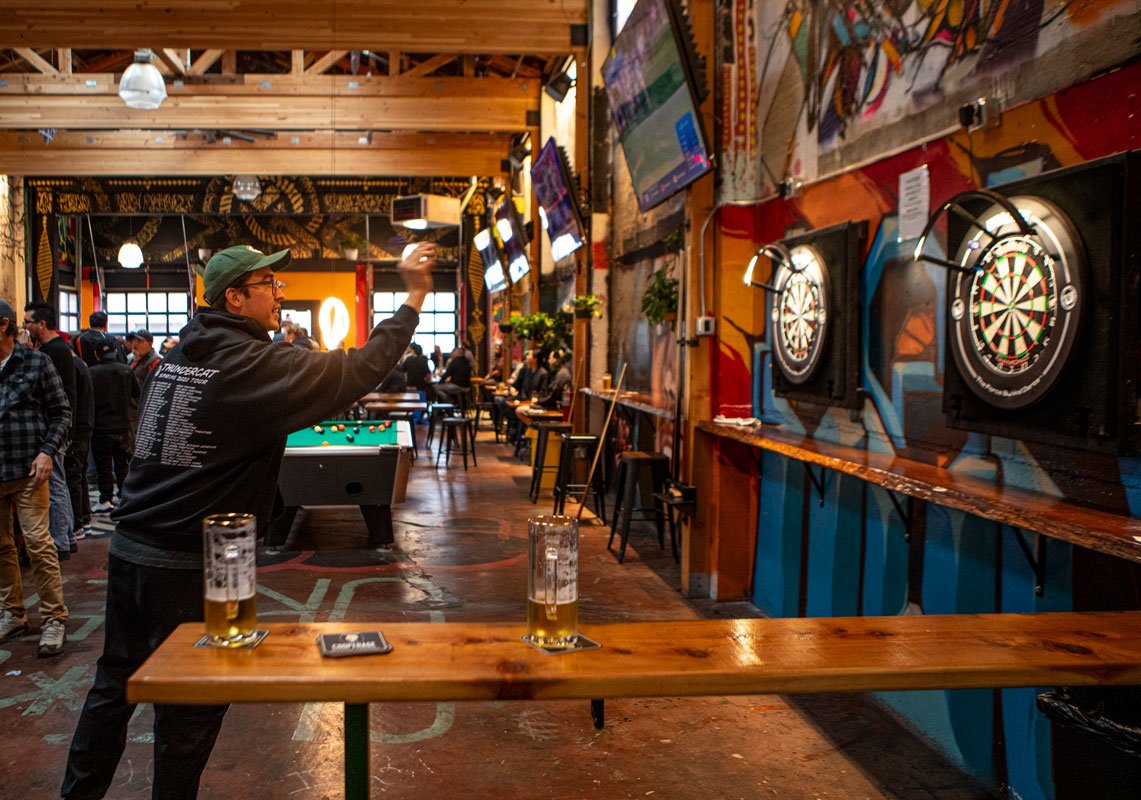
Bars in Healdsburg
Browse all →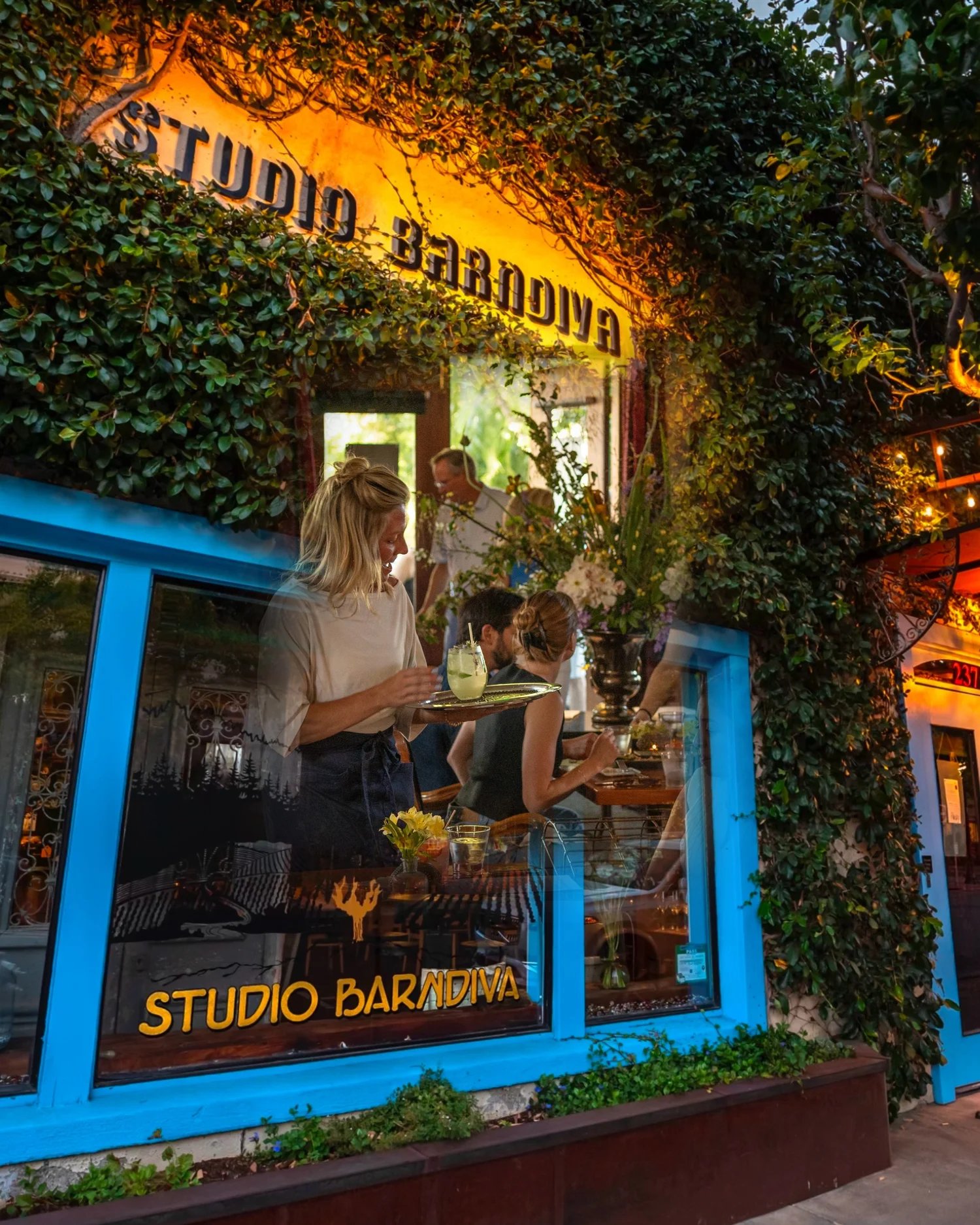
Hotels in Healdsburg
Browse all →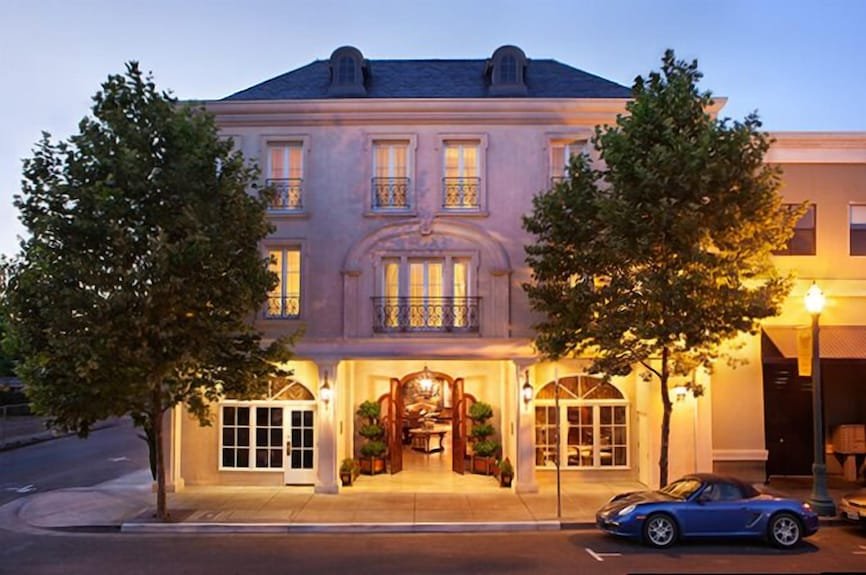
At a Glance
- Trendy
- Cozy
- Elegant
- Rustic
- Intimate
- Date Night
- Casual Hangout
- Special Occasion
- Brunch
- Live Music
- Open Kitchen
- Extensive Wine List
- Craft Cocktails
- Farm To Table
- Local Sourcing
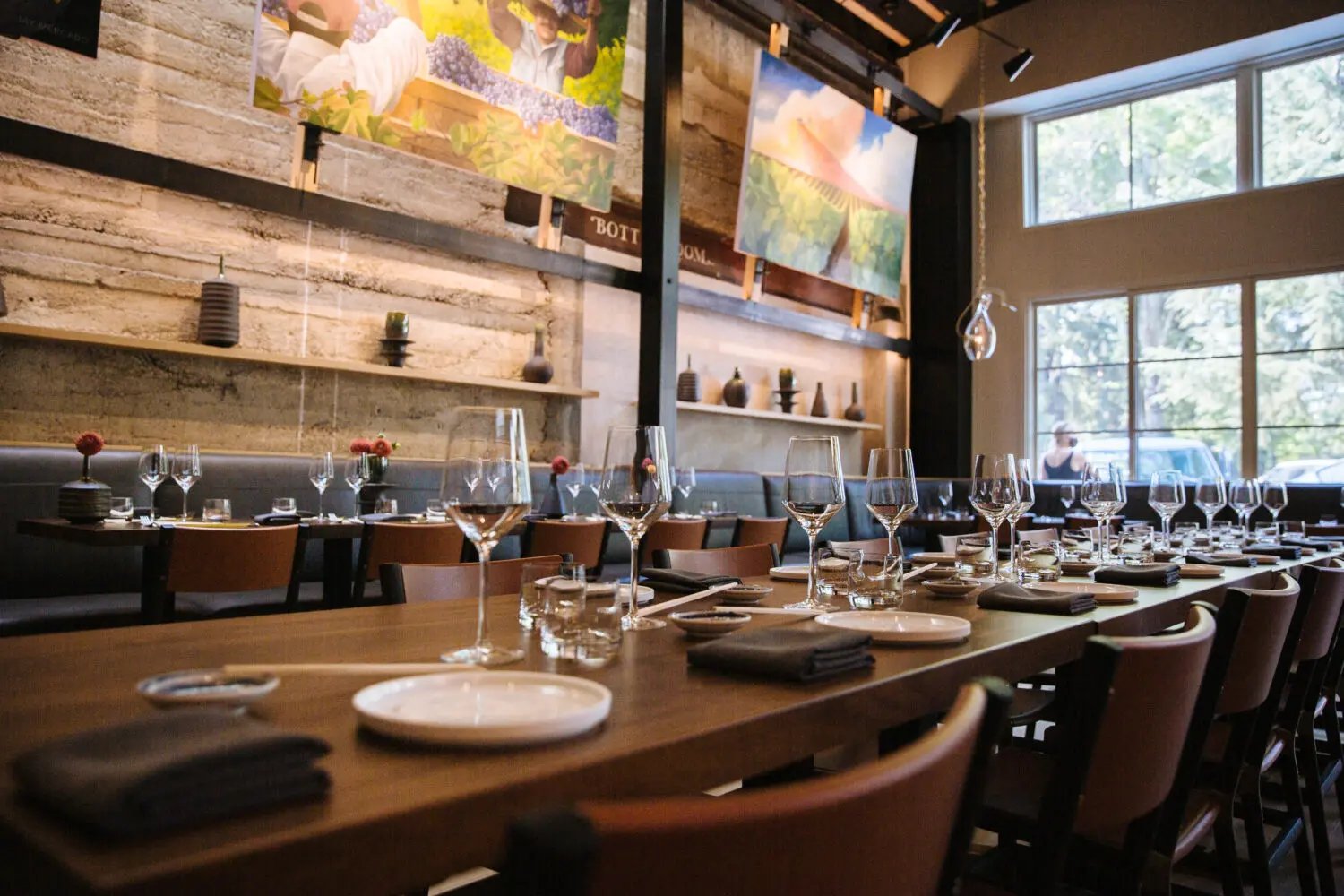
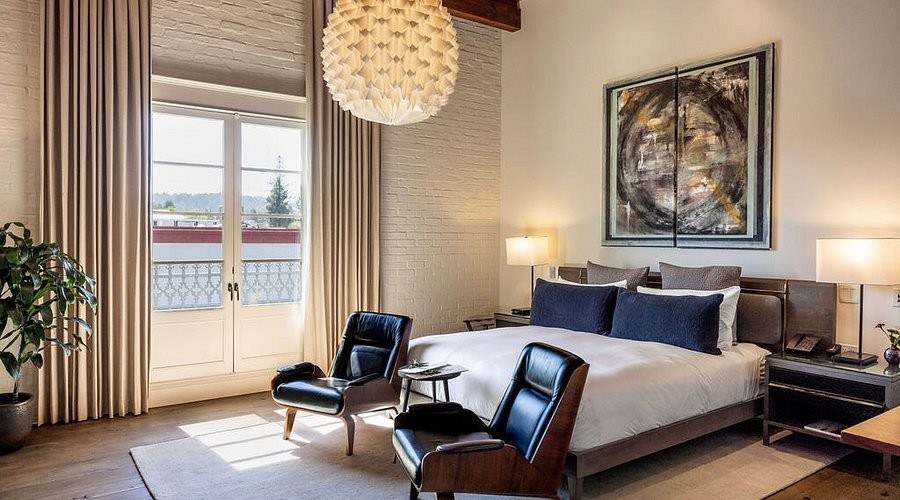
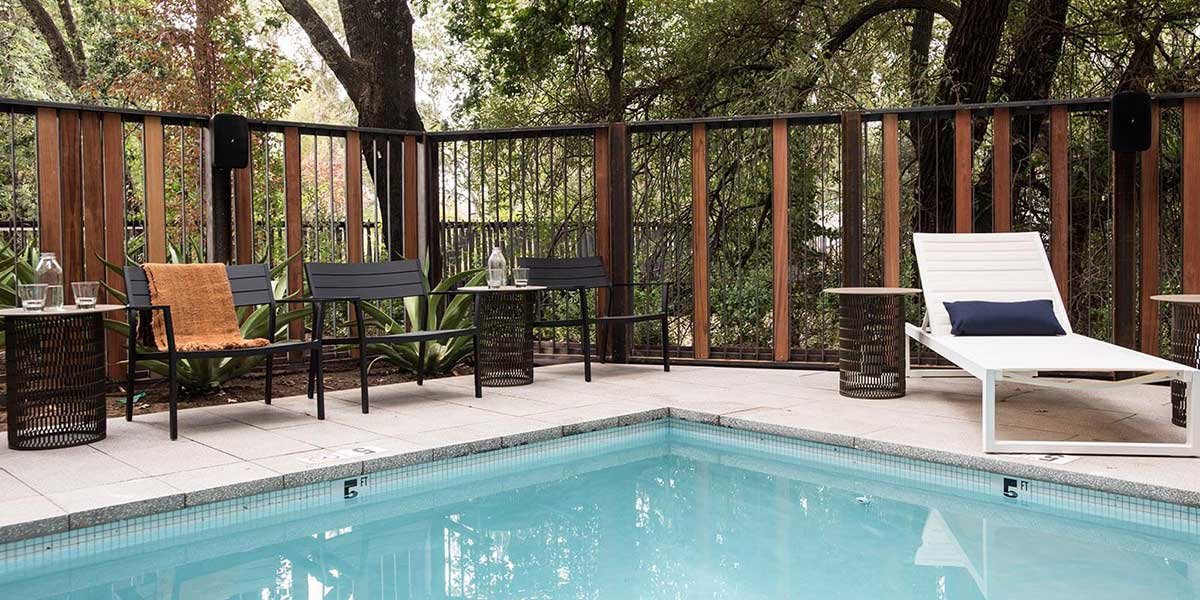
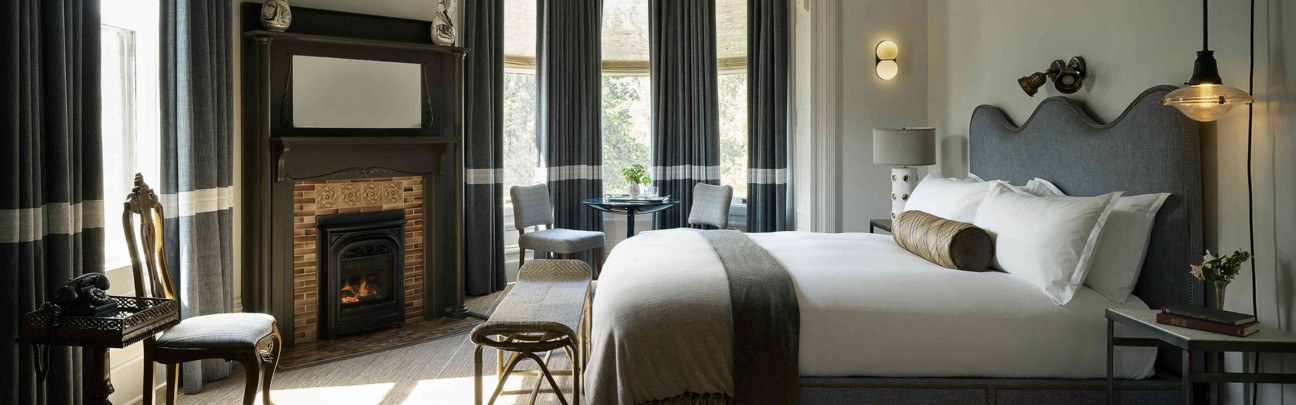
Trendy yet comfortable with mismatched vintage furnishings, welcoming gathering spaces that feel bustling yet quiet, chic and sublime interior.