Les Marchands Restaurant & Wine Shop
Our verdict
At 131 Anacapa Street, Les Marchands operates as both restaurant and wine shop, placing it in a small category of Santa Barbara venues where serious bottle selection and a full kitchen share the same floor. The dual format draws a crowd that comes as much to browse as to eat, making it a useful anchor point for understanding how the city's wine-country adjacency shapes its dining culture.
- Address
- 131 Anacapa St B, Santa Barbara, CA 93101
- Phone
- (805) 284-0380
- Directions
- Get directions
Where the Wine Shop Ends and the Restaurant Begins
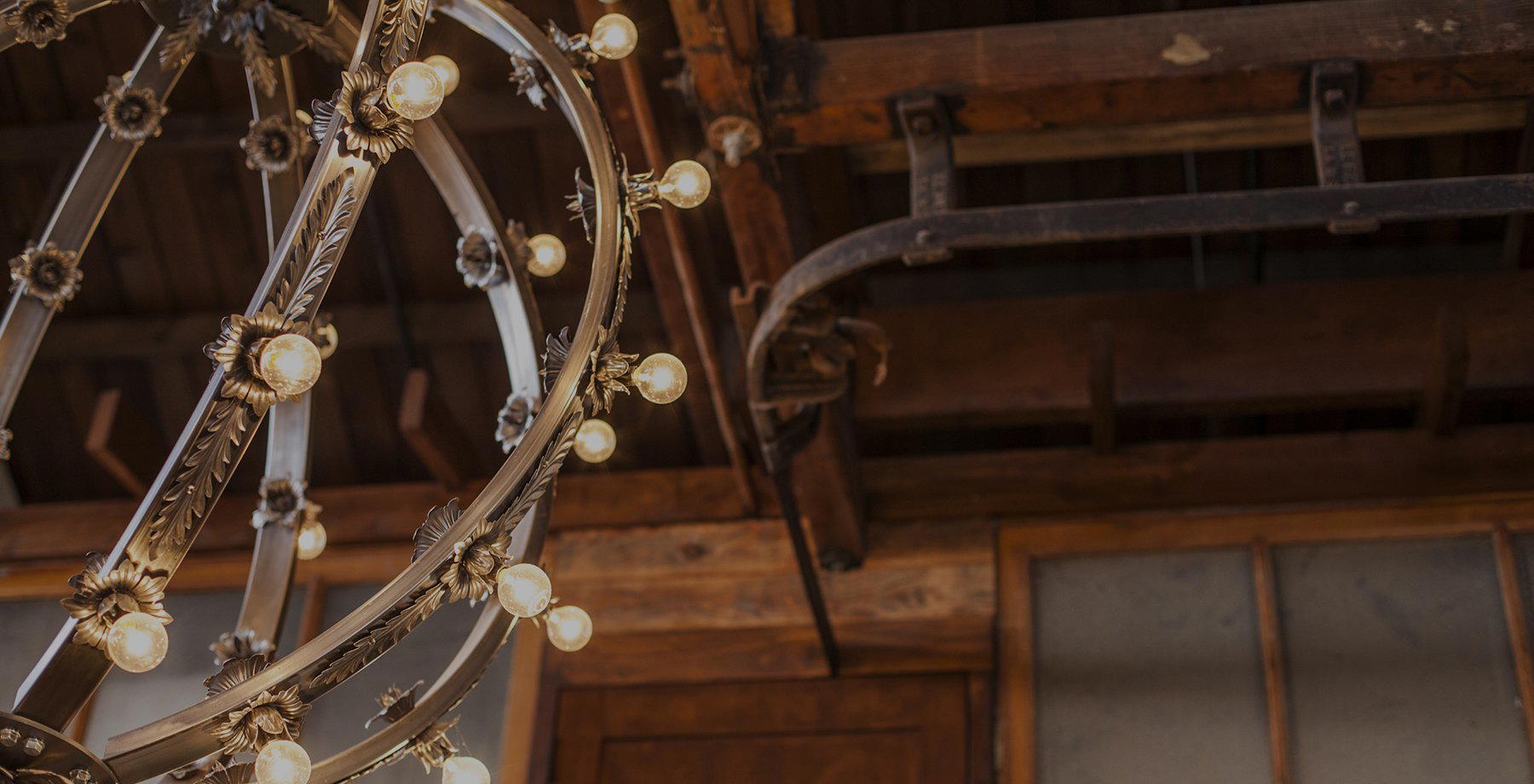
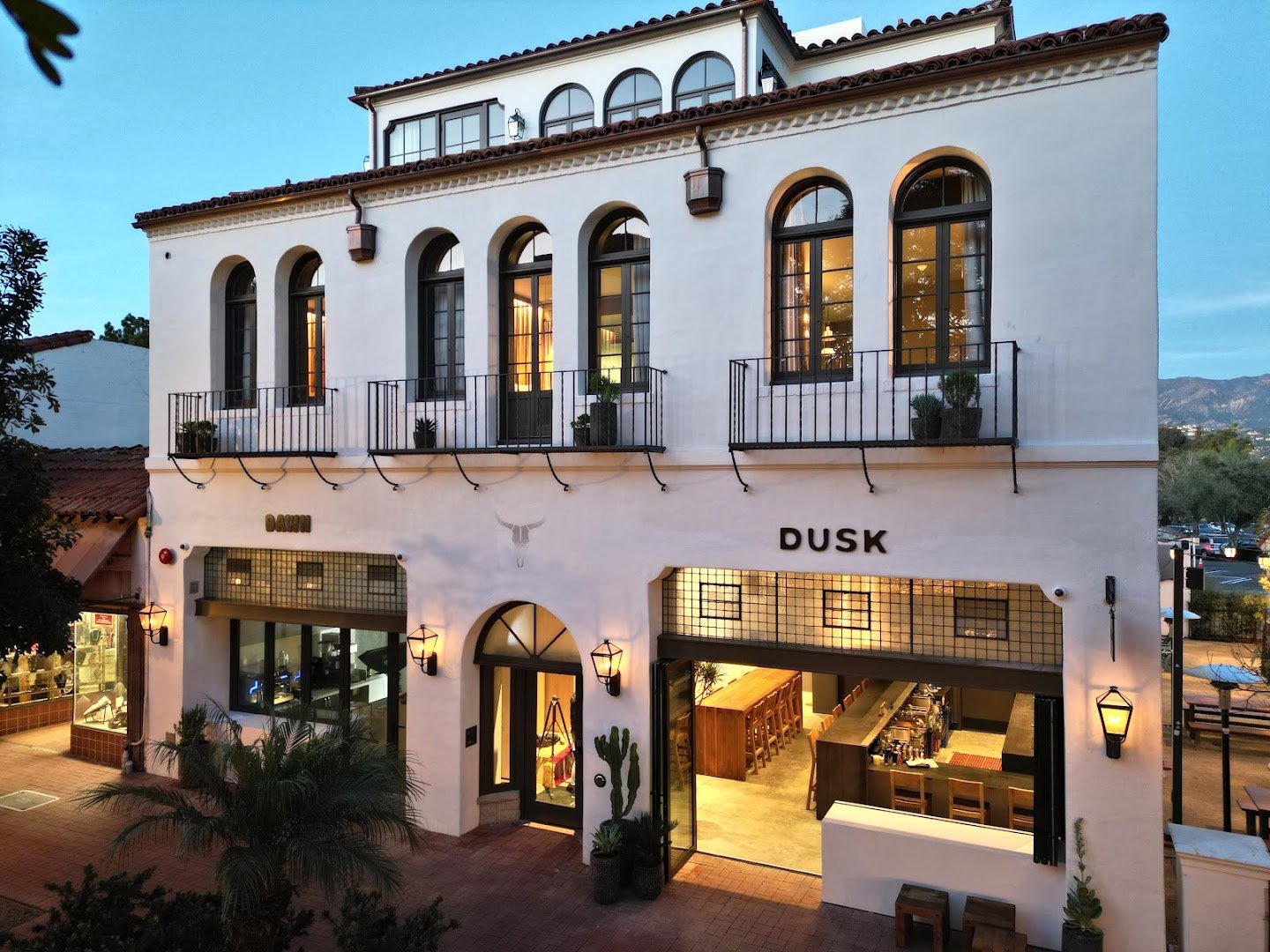
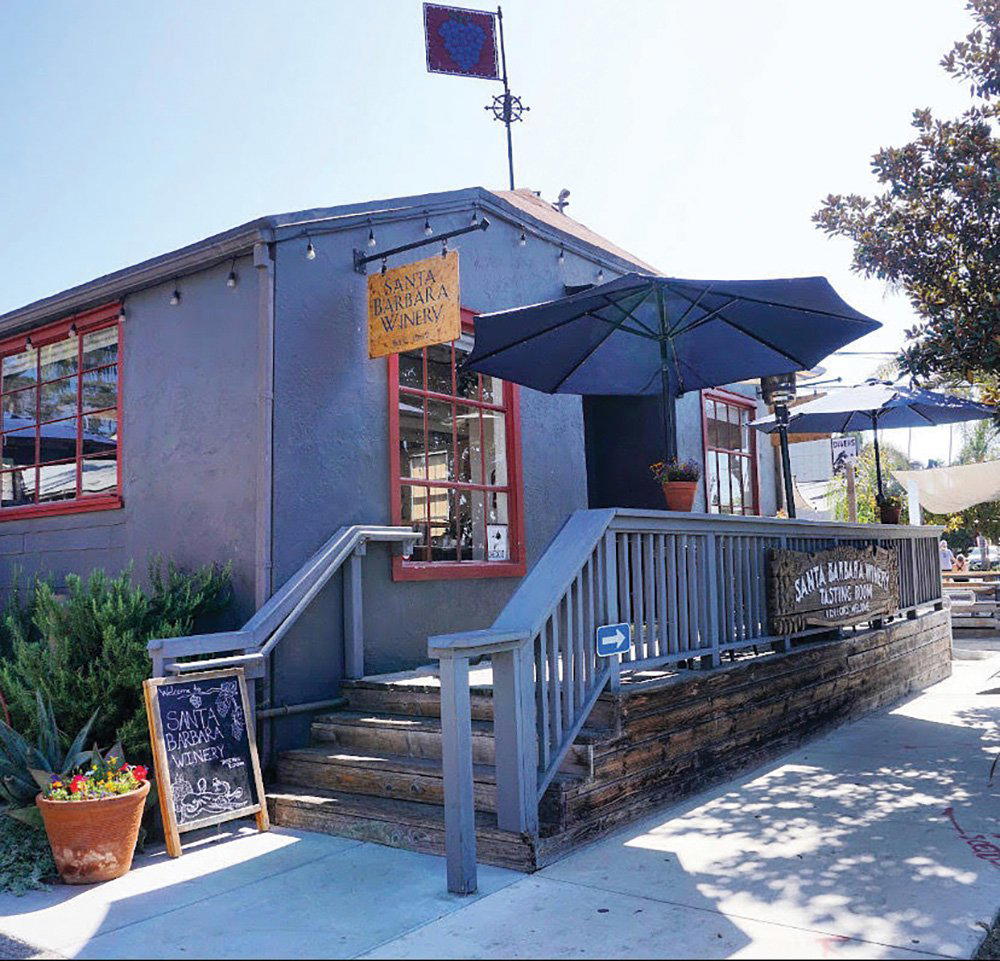
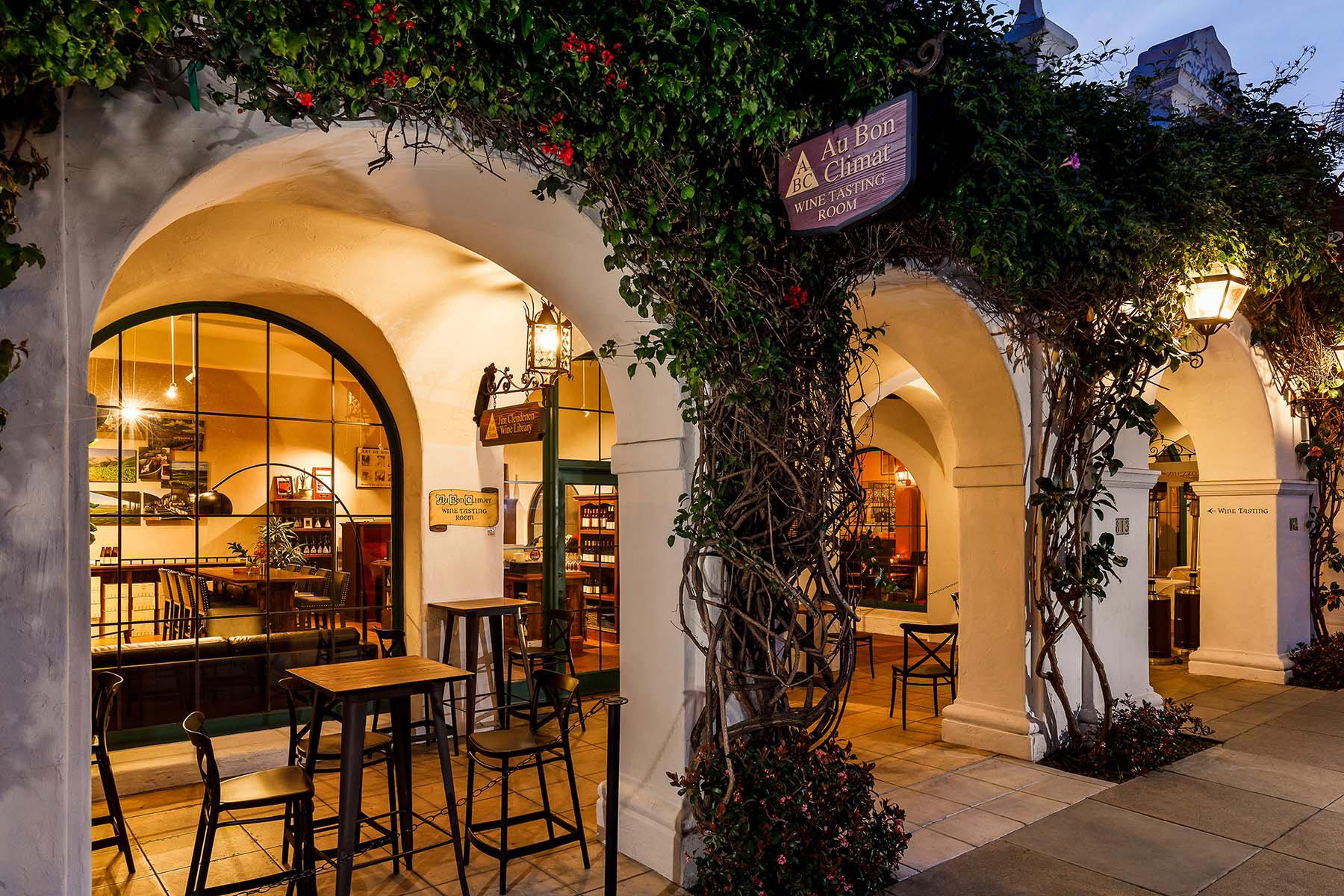
On Anacapa Street, a block from the tourist pull of State Street but far enough to feel like a local decision, Les Marchands occupies a space that refuses to resolve itself into a single category. Walk in and the bottles arrive before the tables do. Wooden shelving, cork-and-label textures, and the low hum of a wine cooler register before you've been seated. It's a format that has found traction in a handful of American cities over the past decade: the restaurant-wine shop hybrid, where the retail floor is not a gift shop afterthought but the organizing premise of the whole operation. In Santa Barbara, with the Santa Ynez Valley, Sta. Rita Hills, and Los Olivos wine country within an hour's drive, that premise lands with particular force.
Santa Barbara's dining culture sits at an interesting junction. The city is close enough to Los Angeles to attract sophisticated diners, deeply embedded in Central Coast wine country, and small enough that a single venue can carry outsized influence on a neighborhood's character. The Arts District stretch of Anacapa has developed into one of the more considered blocks for food and wine in the city, and Les Marchands is part of that pattern rather than an exception to it.
The Dual-Format Model and What It Changes
The restaurant-wine shop format does something specific to how people order and linger. When bottles on shelves are priced at retail rather than the standard restaurant markup, the calculus around what to drink changes. Diners who might default to a short list of familiar producers find themselves walking the floor, reading labels, and making choices that a conventional wine list would never prompt. It's a model that venues like this share with a small cohort of American operations that have built credibility on collapsing the distance between the retail wine experience and the restaurant table.
That approach positions Les Marchands differently from the higher-ticket end of Santa Barbara dining. Barbareño works the Californian produce-forward angle; Silvers Omakase operates at the city's most formal and expensive register. Les Marchands carves out a space where the wine is the primary editorial voice and the kitchen's role is to provide food serious enough to deserve the bottles being opened around it. It's a different ambition, and the format is honest about that hierarchy.
For comparison, the restaurant-wine shop hybrid has worked at a national level in formats ranging from casual to quite refined. Places like Lazy Bear in San Francisco and Smyth in Chicago demonstrate how wine programming can anchor a restaurant's identity even at the tasting-menu tier. Les Marchands operates at a more accessible register, but the underlying logic — that wine selection is editorial, not logistical — connects it to that broader shift in how serious American restaurants think about the cellar.
Santa Barbara's Wine-Adjacent Dining Culture
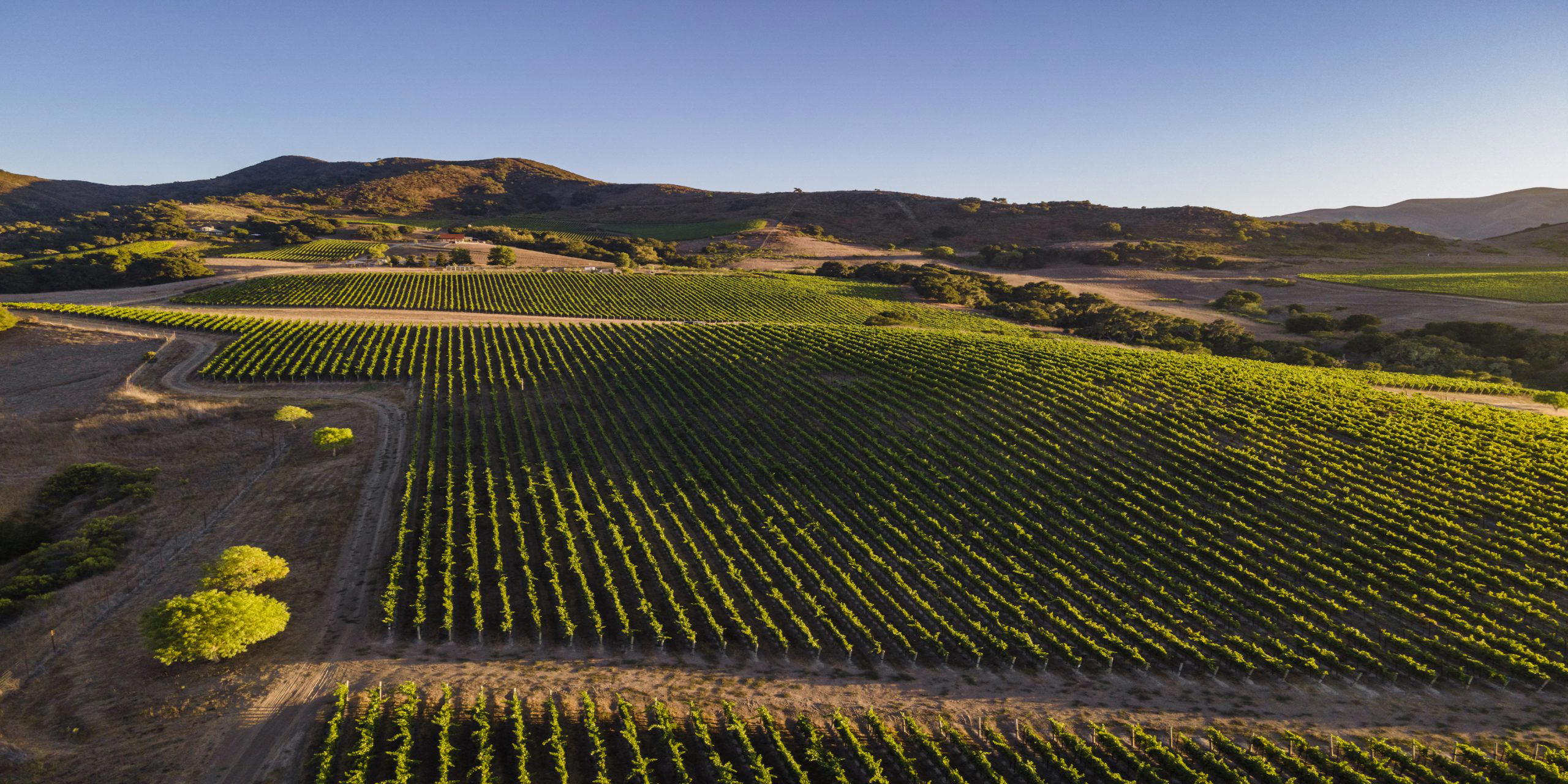
To understand why Les Marchands works here, it helps to understand what Santa Barbara's relationship to wine actually is. The city is not a wine region itself, but it functions as the commercial and social hub for a cluster of appellations that have, over the past three decades, built reputations serious enough to draw comparisons to coastal Burgundy for their Pinot Noir and Chardonnay. The Sta. Rita Hills appellation in particular has attracted producers whose restraint-led approach aligns with the kind of European-inflected wine culture that supports a shop-within-a-restaurant format.
Diners arriving from wine country often want to continue the conversation at the table rather than restart it from a generic list. A venue that stocks regional producers alongside broader selections, and allows bottles to be opened for a corkage fee or purchased at retail, meets that expectation in a way that conventional restaurants cannot. It also gives the space a function that extends beyond the meal: people come in to shop, stay for a glass at the bar, and sometimes stay longer. That rhythm is visible in how the room fills and turns over at different hours.
The broader Santa Barbara restaurant scene reflects this wine-country adjacency across several price points. Barbareño and Arnoldi's Cafe each sit in the city's dining fabric from different angles, and our full Santa Barbara restaurants guide maps the wider picture. But the wine shop dimension at Les Marchands is specific to this format and worth treating as its own category rather than a variation on the standard restaurant model.
Atmosphere and Sensory Register
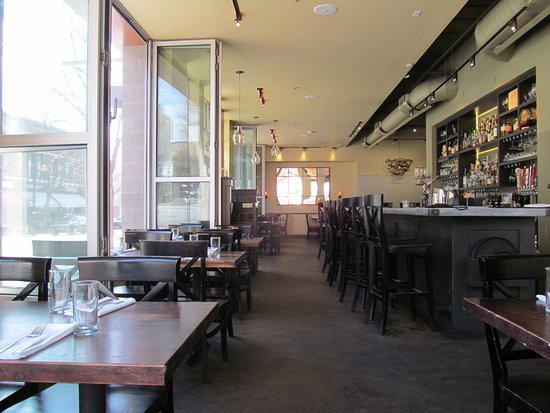
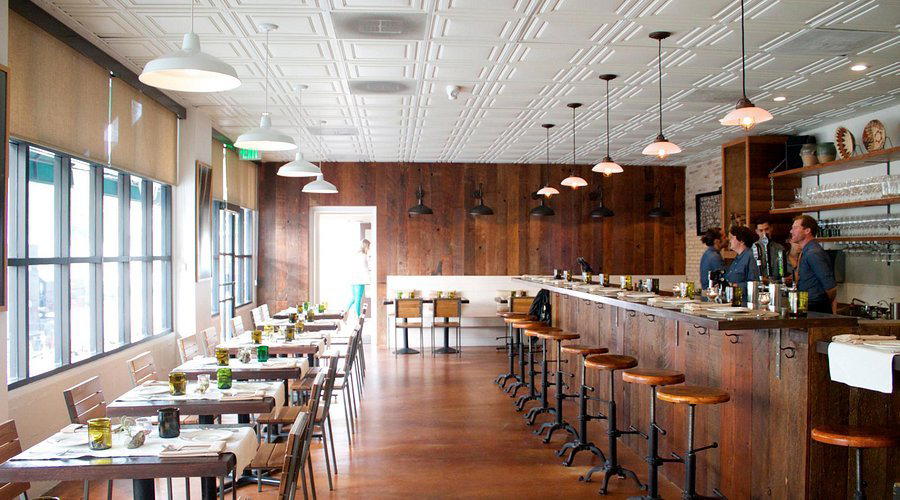
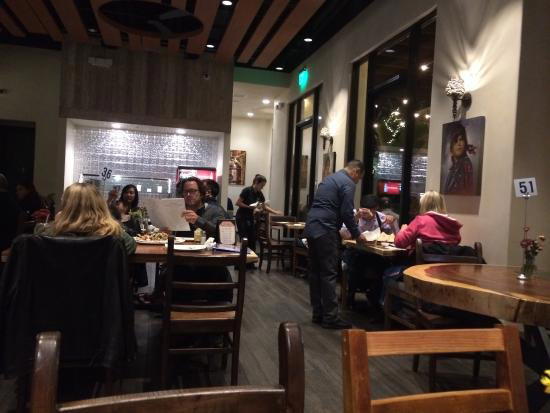
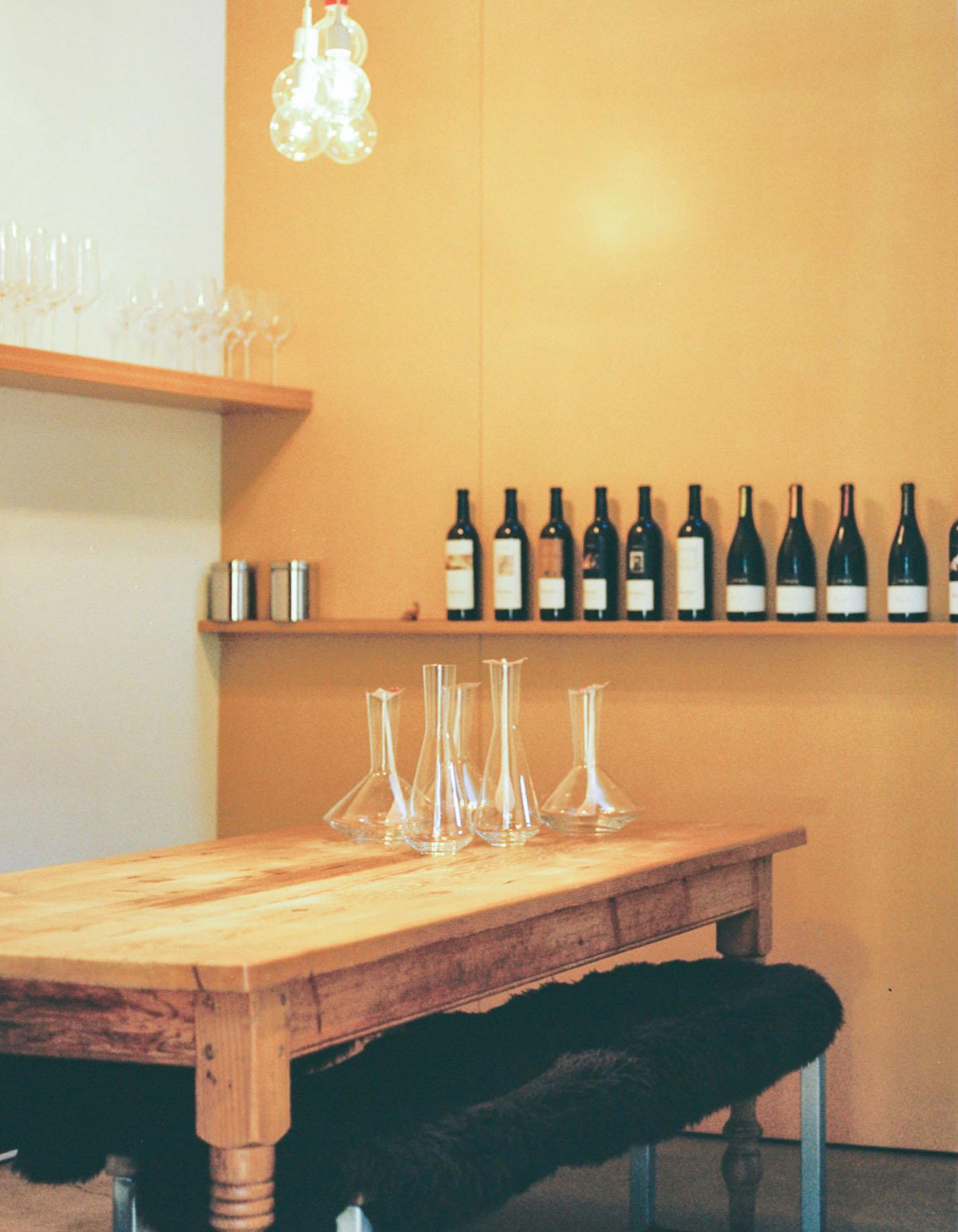
The physical experience of being in a space like this is distinct from a conventional restaurant. The visual field is busier: label design, bottle neck foil, handwritten shelf talkers, and the geography of a cellar compressed into a retail floor. Sound behaves differently too, with the acoustic softening that comes from shelving and irregular surfaces rather than the hard geometry of a dining room designed for turnover. It reads as a slower space, one where the expectation is that you might be there for a while.
That sensory register shapes behavior. Guests tend to arrive with more of a browsing mindset, which in practice means they're more likely to take recommendations, try something they wouldn't have ordered from a printed list, and stay past the point where the food is finished. For the wine-curious but not wine-expert diner, it can be a more comfortable entry point than a formal list with a sommelier standing at attention. The format democratizes the selection process without dumbing it down.
This kind of atmosphere is harder to achieve at either end of the price spectrum. At the level of The French Laundry in Napa or Le Bernardin in New York City, the formality of the room and the depth of the cellar program are features in themselves. At the more casual end, where Backyard Bowls or Arigato Sushi operate, wine is beside the point. The hybrid format occupies a middle register that a surprising number of cities still don't have a good answer for.
Planning Your Visit
Les Marchands is at 131 Anacapa Street, Suite B, in Santa Barbara's Arts District. The suite designation signals a ground-floor entrance set slightly back from the street, which is worth knowing if you're approaching on foot for the first time. Given the dual retail and restaurant function, the space draws traffic at hours that don't map neatly onto conventional restaurant timing, so arriving with some flexibility is advisable. Walk-in availability at the bar tends to be more reliable than at dining tables, particularly on weekends when the room fills with both local wine buyers and visitors from wine country. For those planning a more structured meal, checking directly on availability before arrival is the practical approach.
The Anacapa Street address places it within walking distance of the broader downtown dining corridor, making it a reasonable anchor for an evening that might start with a bottle purchase, move into dinner, and end with something from the shelf you didn't know you were looking for. Other nearby options in the upper mid-range include Barbareño for produce-driven Californian cooking and Silvers Omakase for the city's most focused Japanese counter experience.
For those building a longer California itinerary around serious wine and food, Les Marchands fits logically into a route that might include Single Thread Farm in Healdsburg or Addison in San Diego, each of which approaches the wine-and-food relationship from a different angle but with comparable seriousness. Closer to the national conversation, Providence in Los Angeles and Blue Hill at Stone Barns in Tarrytown represent how far the wine-forward, ingredient-led model has traveled in American fine dining. Les Marchands is not playing at that level, but it is engaged with the same underlying questions about how bottles and plates should relate to each other.
Frequently asked questions
Where is Les Marchands Restaurant & Wine Shop located?
Les Marchands Restaurant & Wine Shop is located at 131 Anacapa St B, Santa Barbara, CA 93101, Santa Barbara.
Can you buy bottles at retail prices to drink with your meal at Les Marchands in Santa Barbara?
That retail-pricing model is the defining structural feature of Les Marchands: bottles on the shop floor are priced for take-home purchase, and diners can select from that same inventory to drink at the table, typically with a corkage fee added rather than a full restaurant markup. For a city positioned on the doorstep of Santa Ynez Valley and Sta. Rita Hills producers, this arrangement gives the wine list a depth and price accessibility that a conventional restaurant margin structure would make difficult to sustain. It's the primary reason the Anacapa Street address draws serious wine drinkers rather than casual drop-ins.
What dish is Les Marchands Restaurant & Wine Shop famous for?
Les Marchands is known more for its format than a single signature dish: the kitchen is built to complement an encyclopedic wine selection, so the menu tilts toward wine-friendly plates rather than any one centerpiece item. Because the wine shop and restaurant share the same floor at 131 Anacapa Street, the food program shifts with what's pouring well rather than anchoring to a fixed hero dish.
Do they take walk-ins at Les Marchands Restaurant & Wine Shop?
Les Marchands operates in a dual-format space in Santa Barbara's Arts District, and the wine shop side of the business is walk-in by nature. For the restaurant portion, walk-in availability depends on the night and season, given Santa Barbara's consistent draw as a wine-country gateway. Contacting the venue at 131 Anacapa Street, Suite B ahead of a weekend visit is the safer approach.
Same-City Peers
Comparable options at a glance, pulled from our tracked venues.
| Venue | Cuisine | Price | Awards | Notes |
|---|---|---|---|---|
| Les Marchands Restaurant & Wine ShopThis venue — the venue you are viewing | Wine Bar Small Plates | Not listed | Not listed | Not listed |
| Bettina | Neapolitan-Style Pizza | $30–50 | Michelin Bib Gourmand · Diners, Drive-Ins and Dives Featured Restaurant | Pizzeria, Pizza |
| Silvers Omakase | Modern Japanese Omakase | $200–300 | 1 Michelin Star | Sushi |
| Blackbird | Hyper-local New American | $50–100 | Michelin Plate · Wine Spectator Award of Excellence | New American, Mediterranean Cuisine |
| The Lark | Contemporary California with Mediterranean influences | $50–100 | Michelin Plate | Californian |
| The Stonehouse | Contemporary American Coastal Californian | $100–150 | Michelin Plate · Star Wine List | Californian Coastal |
Continue exploring
More in Santa Barbara
Restaurants in Santa Barbara
Browse all →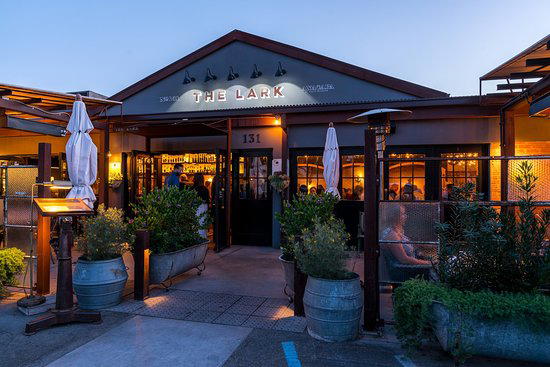
Bars in Santa Barbara
Browse all →
Hotels in Santa Barbara
Browse all →
Details
- Elegant
- Cozy
- Sophisticated
- Rustic
- Date Night
- Casual Hangout
- Wine Cellar
- Extensive Wine List
- Local Sourcing
- Small Plates
- A La Carte