
For travellers moving through central Brittany, it represents a dependable, ingredient-led stop well above the local average.
Pearl is the En Primeur Club membership app — saves, bookings, and concierge access live there. Same editors, same standards.
- Address
- 6 Rue du Lac, 56580 Rohan, France
- Phone
- +33 2 97 38 91 86
- Website
- leaudoust.fr
- Directions
- Get directions
 Saves & bookings on Pearl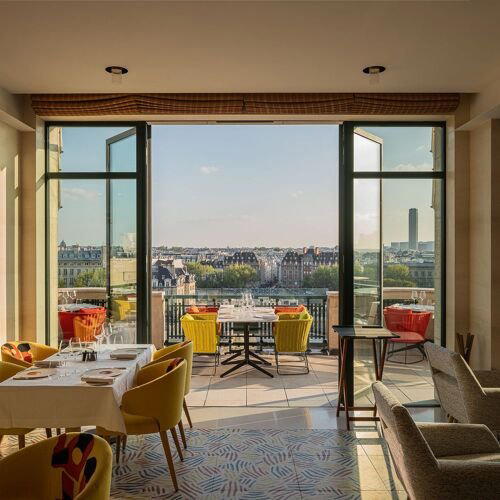
Where Brittany's Interior Table Finds Its Voice
The canal town of Rohan sits at a remove from Brittany's better-known coastal circuit, no oyster shacks or crêperies facing the Atlantic, no tourist infrastructure built around summer tides. What it has instead is the Nantes-Brest Canal, flat agricultural land stretching south toward Morbihan, and a food culture rooted in what grows, grazes, and swims in the immediate interior. L'Eau d'Oust, at 6 Rue du Lac in Rohan, occupies this context with the kind of low-key confidence that is characteristic of the leading provincial French tables: no performance, no signposting, just food that reflects where it comes from.
The restaurant's name references the Oust river directly, a signal, before you've touched a menu, that geography matters here. In a part of France where traditional cuisine means drawing on the bocage farms, inland waterways, and small-scale producers of central Brittany rather than the prestige ingredients of the Atlantic coast, that rootedness is the editorial point. The kitchens of Rohan are not competing with the three-starred creative laboratories of Mirazur in Menton or Alléno Paris au Pavillon Ledoyen. They are doing something categorically different: cooking at a scale and a price point, €€, that makes regional French gastronomy accessible without stripping it of seriousness.
The Ingredient Logic of Inland Brittany
Brittany's culinary reputation tends to get flattened into a few familiar categories: buckwheat galettes, salted butter, Cancale oysters, Breton lobster. That coastal shorthand obscures the inland agricultural reality, which is considerably more varied. Central Morbihan produces lamb from the moorland around Landes de Lanvaux, pork and charcuterie from a pig-farming tradition that dates back centuries, freshwater fish from the canal network, and vegetables from the bocage smallholdings that dot the countryside between Pontivy and Josselin. A traditional cuisine kitchen in this geography has a different sourcing logic than one in Rennes or on the Côte de Granit Rose, it leans toward the terrestrial and the lacustrine rather than the maritime.
This matters for understanding what L'Eau d'Oust is offering. The €€ price bracket in a town of Rohan's scale is not a compromise, it reflects the ingredient reality of the region, where quality does not require the premium associated with coastal or Parisian supply chains. Restaurants like Auberge Grand'Maison in nearby Mûr-de-Bretagne occupy a similar position in this inland Breton tier: traditional formats, regional sourcing, and a Michelin signal that validates the quality without placing them in the starred bracket. L'Eau d'Oust is recognised with a Michelin Plate for both 2024 and 2025, a meaningful credential in a region where the guide's presence is thinner than in Rennes or the Loire Valley.
What Michelin Plate Recognition Means in This Context
The Michelin Plate sits below the starred hierarchy but above the guide's simple inclusion. It signals that inspectors found food of genuine quality, prepared with care, worth directing a traveller toward. In a market town like Rohan, population under 1,800, positioned on a canal rather than a major transit route, sustaining that recognition across consecutive years (2024 and 2025) suggests a kitchen that is not coasting on local captive demand.
For comparison, the starred tier in France demands a different apparatus entirely. Tables like Flocons de Sel in Megève, Bras in Laguiole, or Troisgros in Ouches operate with extended teams, multi-course tasting formats, and price structures that reflect those overheads. The Plate tier, exemplified also by places like Auberge du Vieux Puits in Fontjoncouse and Au Crocodile in Strasbourg at different price points, is where the guide does some of its most useful editorial work: identifying cooking that is genuinely worth a detour without requiring the full ceremonial investment of a starred dinner.
Eating at L'Eau d'Oust: What to Expect
The traditional cuisine designation is a useful frame. In French restaurant categorisation, it places a kitchen in the register of regional French cooking without the modernist or creative overlay that has come to define the country's three-starred tables. Think preparation methods and flavour structures that have long antecedents in Breton and broader western French cooking: braises, butter sauces, treatments of pork and freshwater protein that connect to the surrounding agricultural economy. This is not retro cooking for the sake of nostalgia, it is a continued practice of the food logic that makes geographic sense in central Morbihan.
Order according to that logic. In a traditional cuisine kitchen working with inland Breton produce, the dishes that reflect one direct sourcing relationship will generally show the kitchen at its most confident. The region's livestock and freshwater supply chains are shorter and more consistent than luxury imports, and the cooking that engages them directly tends to carry more authority than anything that reaches for outside prestige. Trust the menu's more grounded options over any gesture toward the cosmopolitan.
Planning Your Visit
Rohan sits on the D764 in central Morbihan, roughly equidistant between Pontivy to the northeast and Josselin to the southeast, both worthwhile stops for travellers moving through the interior of Brittany by road or along the canal. The town's modest scale means the restaurant functions as a genuine local institution rather than a destination-dining exercise; arriving without a booking in peak season carries risk given the restaurant's consistent review performance. The €€ price point, about $35 per person, makes it accessible for a longer, unhurried lunch rather than a quick stopover meal, and the format suits the pace of canal-town Brittany. For travellers building an itinerary around the region, see our full Rohan restaurants guide, and extend your planning with Rohan hotels, bars, wineries, and experiences coverage. Those crossing from Spain through Brittany may also find the traditional format at Auga in Gijón a useful comparison point for how Atlantic-adjacent traditional kitchens operate at a similar price tier. Further afield in the French reference set, Auberge de l'Ill in Illhaeusern, Assiette Champenoise in Reims, AM par Alexandre Mazzia in Marseille, and Paul Bocuse in Collonges-au-Mont-d'Or map the full range of what France's regional table can produce, from village Plate to institutional starred dining.
In Context: Similar Options
Comparable venues nearby, for context on price, style, and recognition.
| Venue | Cuisine | Price | Awards | Notes |
|---|---|---|---|---|
| L'Eau d'OustThis venue — the venue you are viewing | Traditional French Gastronomic | $$$ | Michelin Plate | Not listed |
| Chai l'amère Kolette | Modern French Gastronomy | $$$ | Michelin Plate | Parc d'Activités de Kernours |
| Le Saint Paul | Modern French Gastronomic | $$$ | Michelin Plate | Préfailles |
| La Cigale Égarée | Seasonal French Market Bistro | $$$ | Michelin Plate | Villeneuve-Braouic |
| Ar Maen Hir | Modern French Bistro | $$$ | Michelin Plate | Locronan |
| Didier Méril | Modern French Fine Dining | $$$ | Michelin Plate | historic center |
Recognition history
Dated appearances from independent guides and award organizations, with the underlying list record or original source where available.
Michelin Plate
Michelin
Michelin Plate
Michelin
At a Glance
- Elegant
- Cozy
- Scenic
- Lively
- Date Night
- Family
- Special Occasion
- Terrace
- Waterfront
- Local Sourcing
- Waterfront
Current opening hours
- Monday
- 12:15–1:30 PM
- Tuesday
- 12–1:30 PM
- Wednesday
- Closed
- Thursday
- 12:15–1:30 PM, 5–8:15 PM
- Friday
- 12:15–1:30 PM, 7:15–8:15 PM
- Saturday
- 12:15–1:30 PM, 7:15–8:30 PM
- Sunday
- 12:15–1:30 PM
Hours can change for holidays and private events. Last verified .
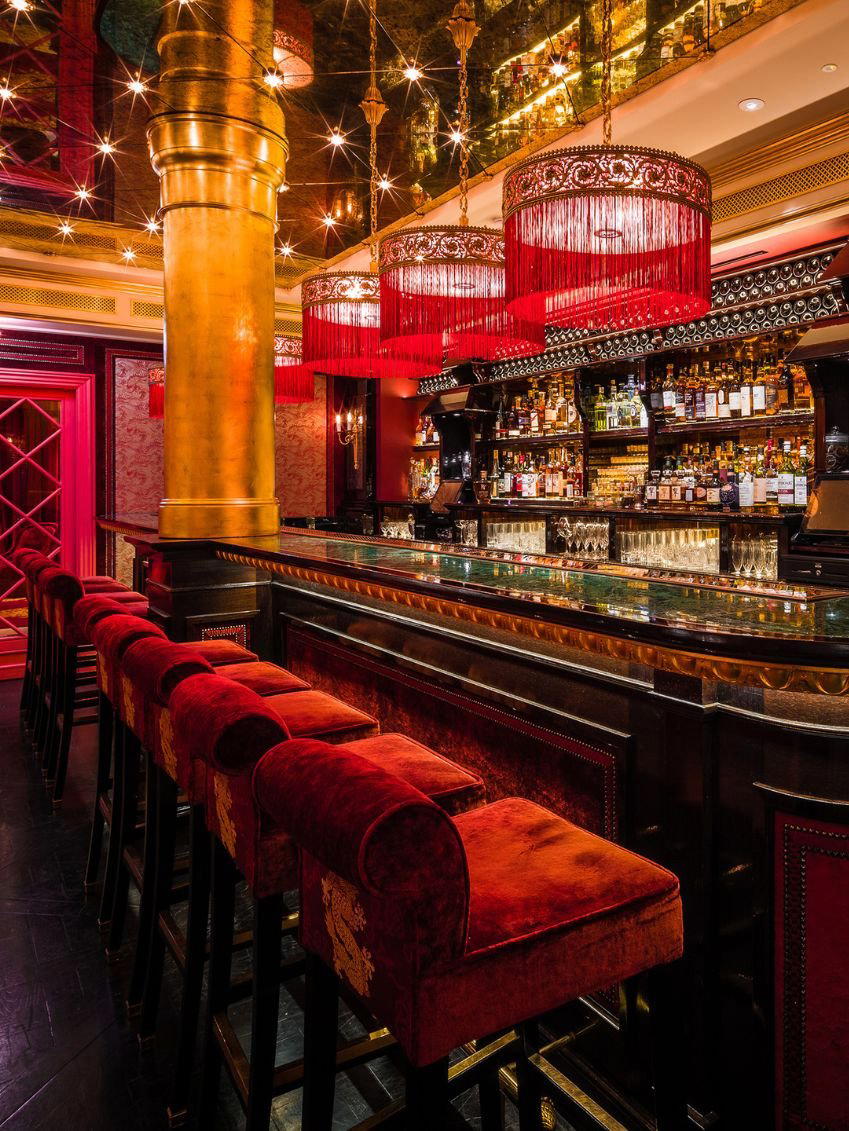
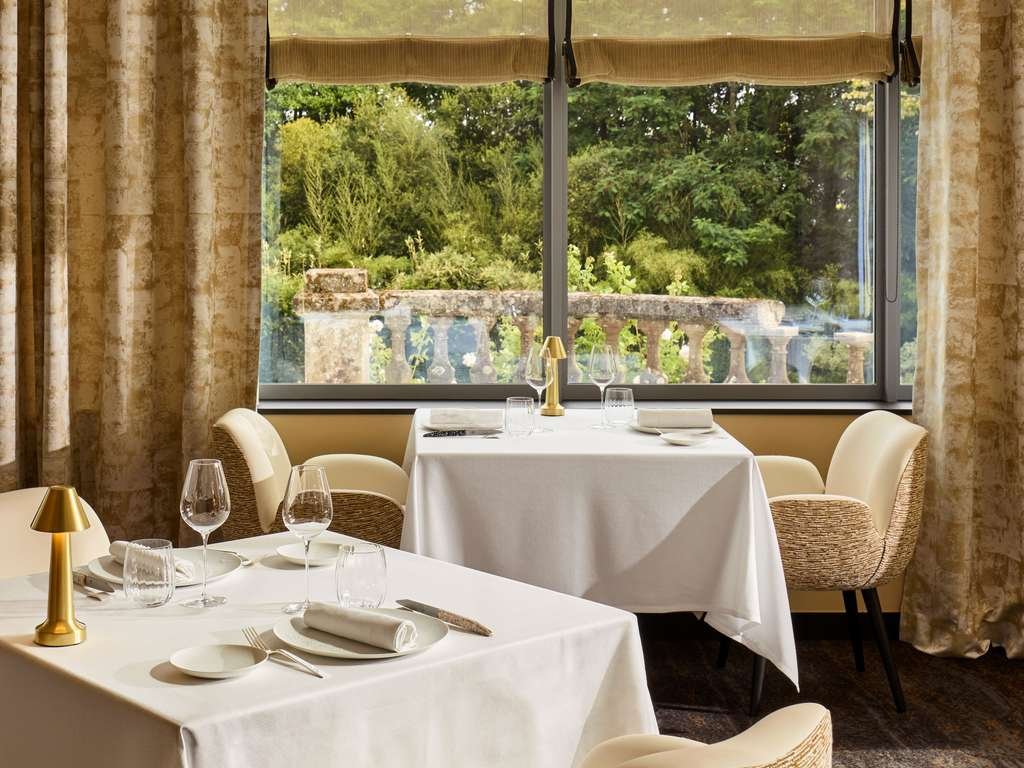
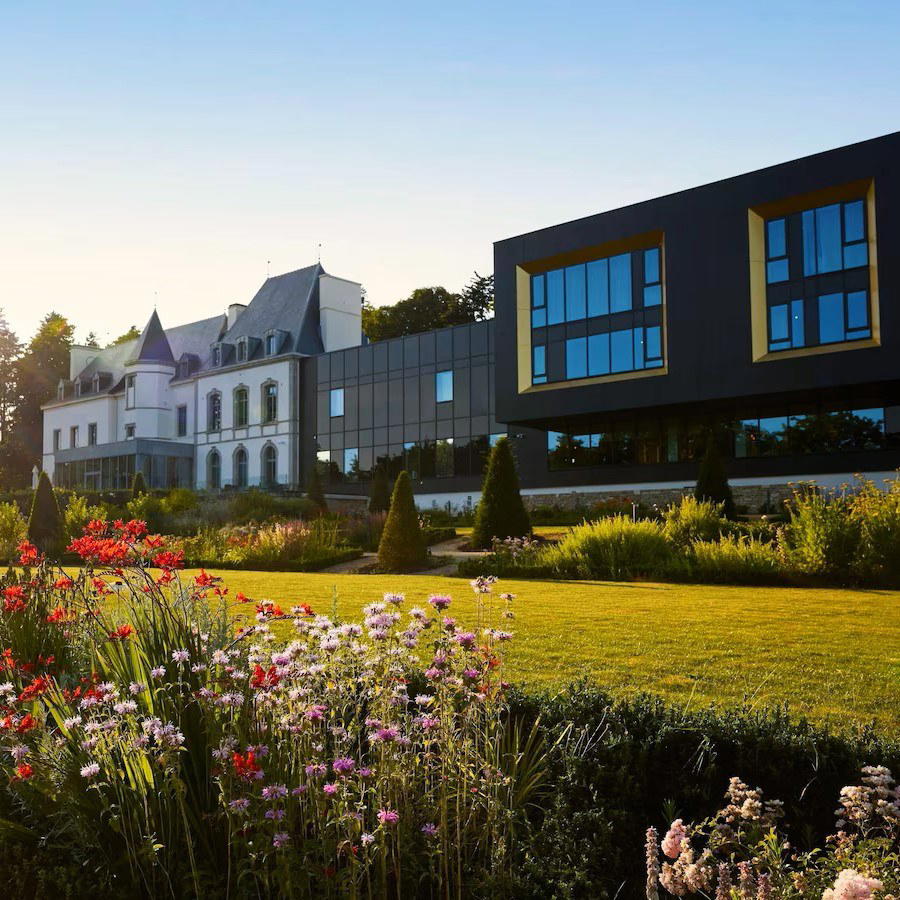
Contemporary dining room with exposed beams, welcoming and convivial atmosphere, pleasant terrace by the water.