Le Moulin de la Gorce

A Renaissance mill turned fine-dining institution in rural Haute-Vienne, Le Moulin de la Gorce has sustained three generations of classical French cooking on a lakeside property outside La Roche-l'Abeille. Founded in the 1970s by pastry chef Jean Bertranet, the house built its reputation on technique and restraint, and continues under family and team stewardship. Rated 4.7 across 234 Google reviews, it sits at the €€€€ tier for the region.
Pearl is the En Primeur Club membership app — saves, bookings, and concierge access live there. Same editors, same standards.
- Address
- 1 Route des Aurières, 87800 La Roche-l'Abeille, France
- Phone
- +33 5 55 00 70 66
- Website
- moulindelagorce.com

A Mill, a Lake, and the Weight of French Tradition
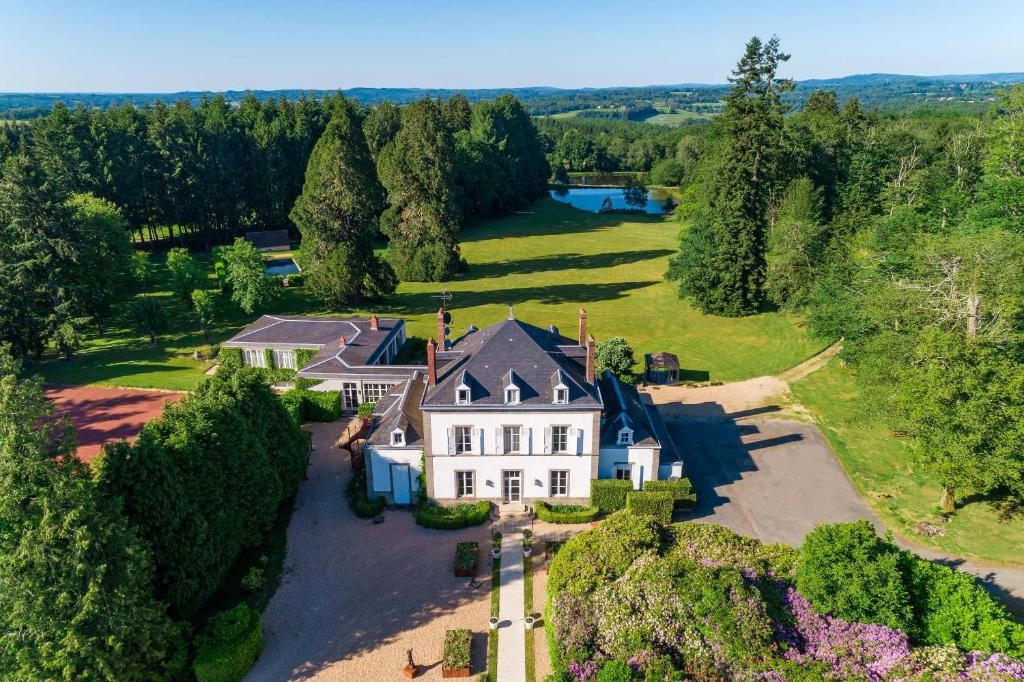
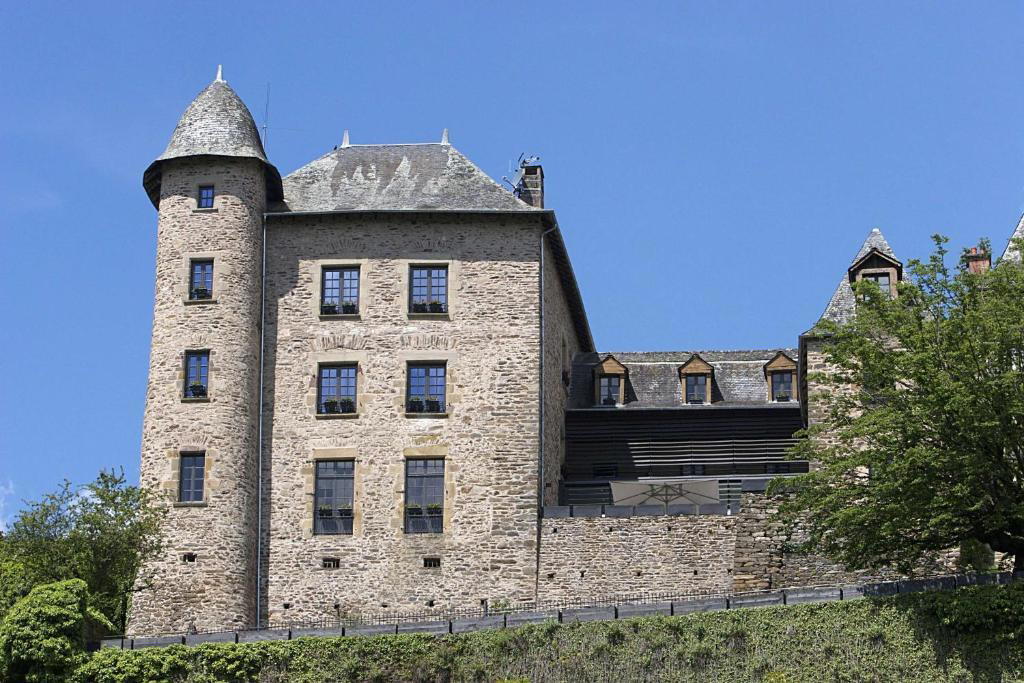
Approaching Le Moulin de la Gorce along the back roads of Haute-Vienne, the scene shifts gradually from open agricultural land to dense riverside greenery. The mill itself appears almost as an interruption to the landscape: a Renaissance stone structure beside a still lake, with the kind of quiet that provincial France does better than anywhere else in Europe. Before a single plate arrives, the setting has already made an argument for why this kind of address persists when so much of rural fine dining has contracted or closed.
The property occupies a specific niche in French hospitality: the family-held, rurally anchored maison gastronomique, a format that defines a certain stretch of the country's restaurant tradition and that has produced some of its most durable institutions. Auberge de l'Ill in Illhaeusern and Auberge du Vieux Puits in Fontjoncouse occupy the same structural category: properties where continuity across generations is itself a statement of culinary conviction.
Where the Food Comes From, and Why That Matters Here
Haute-Vienne sits in the Nouvelle-Aquitaine administrative region, but its culinary identity is older and more specific than any bureaucratic boundary. This is Limousin country: cattle raised slowly on open pasture, foie gras production running through the surrounding Périgord, river fish pulled from cold, clean waterways, and mushrooms foraged from the nearby forests. For a kitchen rooted in classical French technique, this is productive ground. The discipline at the table here has always been about doing less with ingredients that need less done to them.
The French classics tradition, as practiced at addresses like Le Moulin de la Gorce, places sourcing at the center of its logic. Where creative contemporary kitchens at venues like Mirazur in Menton or AM par Alexandre Mazzia in Marseille have built reputations on transformation and reinvention, the classical register depends on the ingredient arriving correctly and the technique serving it rather than overwriting it. In a region where the raw materials are this good, that approach is not conservatism. It is precision.
The founding of the restaurant in the 1970s by Jean Bertranet, who had worked at the Élysée Palace under President Vincent Auriol, established the house on a foundation of disciplined pastry and haute cuisine training. That lineage positioned the kitchen within the serious tier of provincial French dining at a time when that tier was actively competing with Parisian fine dining for critical attention. The nearly quarter-century of continued family stewardship under Pierre Bertranet extended that positioning, and the current family-and-team structure represents a third chapter rather than a reinvention.
Classical Cooking in Its Regional Context
France's classical cuisine tradition has bifurcated over the past two decades. In Paris, the €€€€ tier now includes both rigidly traditional houses and creative addresses that use classical technique as a launching point: Alléno Paris au Pavillon Ledoyen and Maison Rostang in Paris sit at different ends of that spectrum. Outside the capital, the picture is more varied: addresses like Troisgros - Le Bois sans Feuilles in Ouches and Flocons de Sel in Megève have evolved with clear creative intent, while others have held a more deliberate course toward the traditions that shaped them.
Le Moulin de la Gorce belongs to the latter group. Its described approach, reinterpreting French classics while respecting ingredients, is not a hedge between two positions. In the vocabulary of classical French kitchens, respecting the ingredient is the position. It means shorter preparation windows, fewer interference points, and sourcing relationships that carry real weight in the kitchen's decision-making. In Limousin, with the produce available within a short radius of La Roche-l'Abeille, that is a defensible and specific way to cook.
For context on how classical houses of this generation compare nationally, Paul Bocuse - L'Auberge du Pont de Collonges and Bras in Laguiole represent different expressions of the same commitment to place and generational continuity. The comparison matters because it maps the competitive and philosophical comparable set that Le Moulin de la Gorce occupies, one where regional identity and multi-decade standing carry more weight than annual trend cycles.
Planning Your Visit
Le Moulin de la Gorce sits at 1 Route des Aurières in La Roche-l'Abeille, Haute-Vienne, in a part of rural France not served by high-speed rail to any nearby hub. Limoges, the nearest city of scale, is accessible by TGV from Paris Austerlitz in roughly three hours. From Limoges, La Roche-l'Abeille is a drive of approximately 30 kilometres, making a car necessary for any visit. The property's combination of hotel accommodation and restaurant means an overnight stay is the format that makes most logistical sense, particularly given the €€€€ pricing and the kind of meal that benefits from arriving without a return journey deadline.
a score that reflects consistent delivery over time rather than a single seasonal peak. For a property in this tier and this setting, that figure signals a kitchen and team operating with the stability expected of a house with its history.
To explore more of what the area offers beyond this address, see For comparable classical houses elsewhere in France, the profiles at Assiette Champenoise in Reims, Au Crocodile in Strasbourg, and KOMU in Munich offer useful comparative framing.
At-a-Glance Comparison
Comparable venues nearby, for context on price, style, and recognition.
| Venue | Cuisine | Price | Awards | Notes |
|---|---|---|---|---|
| Le Moulin de la GorceThis venue — the venue you are viewing | Classic French Fine Dining | $$$$ | Michelin 1 Star | |
| La Table du Moulin | Dining | , | Michelin Plate | La Roche-l'Abeille |
| Le Moulin de l'Abbaye | Modern French Fine Dining | $$$$ | Michelin 1 Star | Brantôme en Périgord |
| Le Pont de l'Ouysse | French Rustico-Chic Fine Dining | $$$$ | Michelin 1 Star | Lacave |
| Château de Pray | Modern French Fine Dining | $$$$ | Michelin 1 Star | Chargé |
| Ezia | Modern French with Loire Terroir | $$$$ | Michelin 1 Star | Montlivault |
Continue exploring
More in La Roche-l'Abeille
Restaurants in La Roche-l'Abeille
Browse all →Hotels in La Roche-l'Abeille
Browse all →At a Glance
- Romantic
- Rustic
- Elegant
- Scenic
- Cozy
- Intimate
- Quiet
- Date Night
- Special Occasion
- Terrace
- Private Dining
- Historic Building
- Extensive Wine List
- Garden
- Waterfront
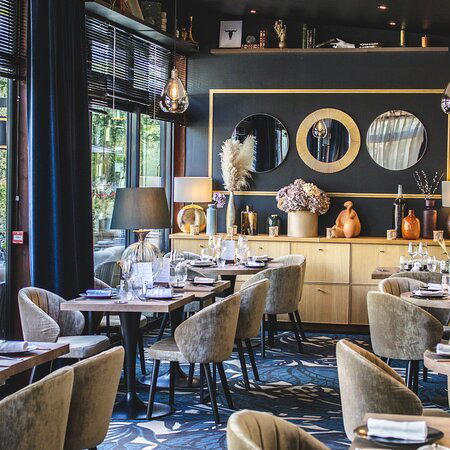
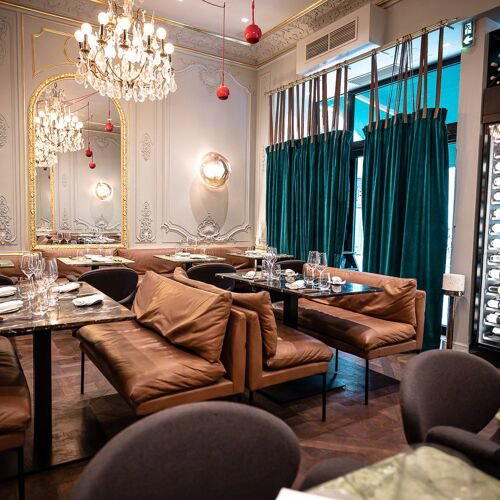
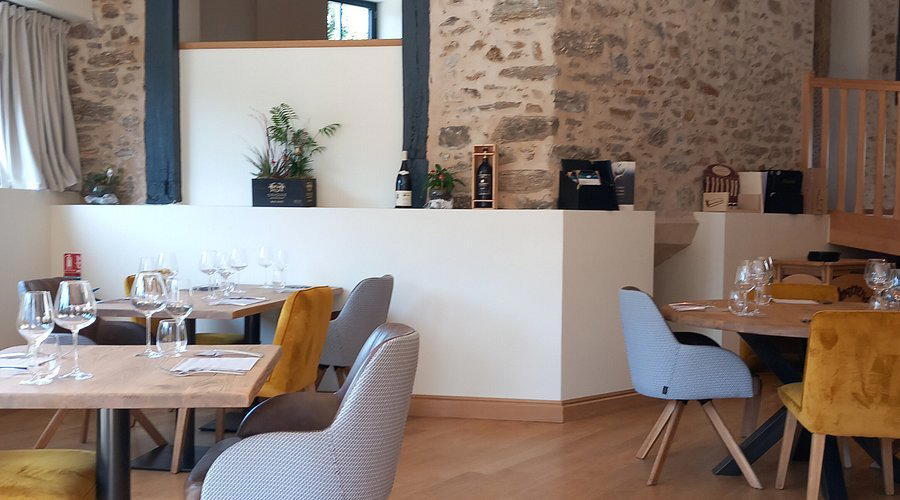
Bucolic and peaceful with a charming, elegant atmosphere featuring natural light, water views, and a sense of tranquility.