
A century-old La Croix-Rousse café with a clandestine upstairs dining room where Mexican chef Jorge Lara runs a short, plant-forward menu built on flame cooking and fermentation. Organic vegetables from Courzieu, biodynamic wines from independent producers, and a format designed for slow, deliberate eating place it in a different register from Lyon's more formal creative tables.
Pearl is the En Primeur Club membership app — saves, bookings, and concierge access live there. Same editors, same standards.
- Address
- 9 rue Justin-Godart
- Phone
- +33 4 51 24 34 31
- Website
- lelimonadierlyon.fr
- Directions
- Get directions
 Saves & bookings on Pearl
The Café That Keeps a Secret Upstairs
La Croix-Rousse has always operated on two tempos. The hillside quartier that once housed Lyon's silk-weaving canuts still runs at a pace distinct from the Presqu'île below: morning markets, neighbourhood cafés, a residual working-class directness that resists the gloss of tourist-facing dining. Le Limonadier, at 9 rue Justin-Godart, fits that tempo from the street. The ground floor is what a century-old café should look like, a place for an aperitif, a carafe, a few shared plates, unhurried conversation. Upstairs, the restaurant serves an organic French bistronomie menu.
That gap between exterior and interior is part of why regulars return. The upstairs dining room functions as a separate proposition: a short, plant-forward menu built around flame cooking and fermentation, sourced from named organic producers, and accompanied by a wine list that draws from independent and biodynamic winemakers. In a city where serious eating tends to announce itself at the door, Le Limonadier asks for a little patience before it reveals what it is.
What the Regulars Already Know
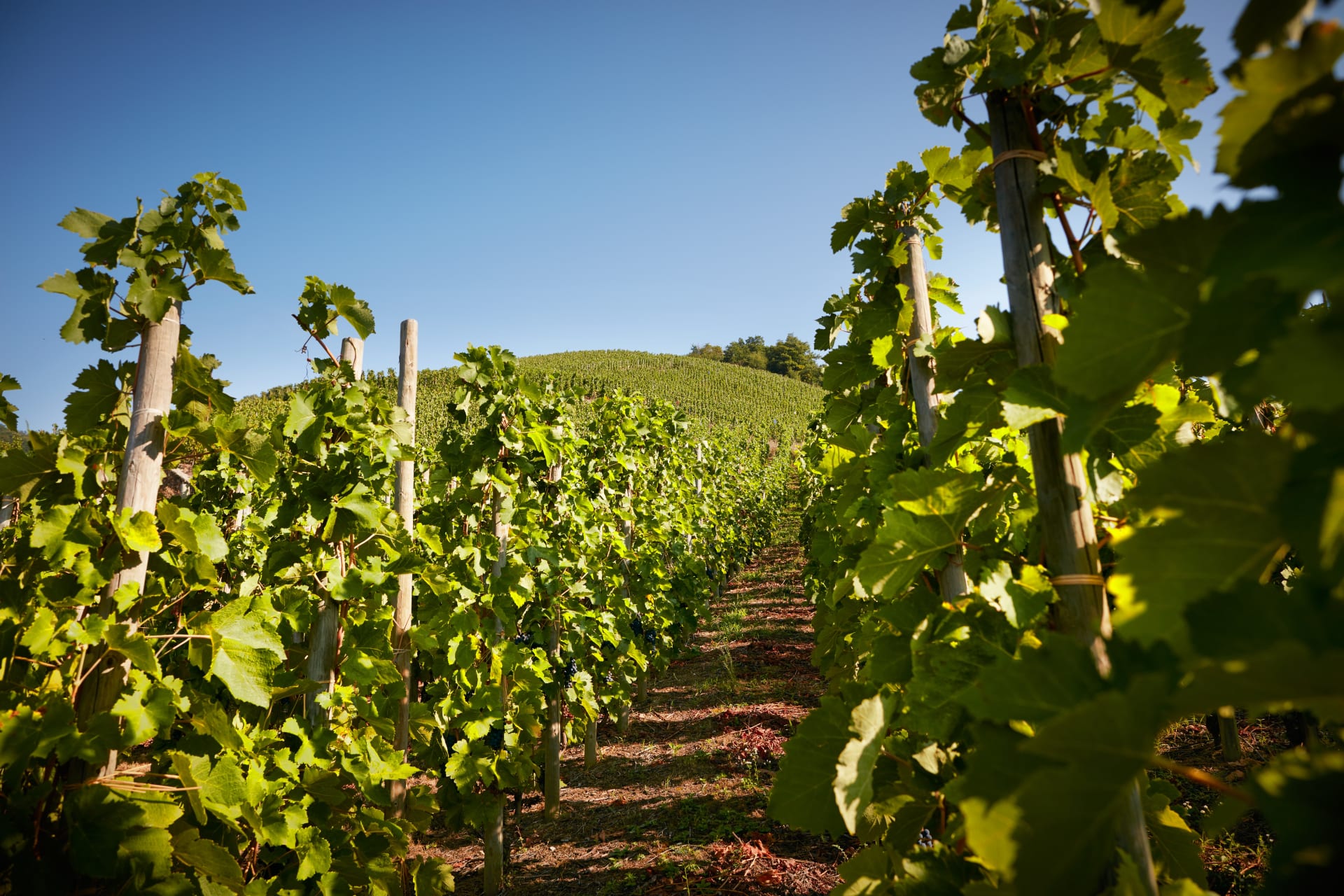
The format here rewards familiarity. The menu is deliberately short, which means every visit asks you to trust the kitchen's current thinking rather than retreat to a reliable order. That brevity is a discipline, not a limitation: it signals that the sourcing drives the selection, not the reverse. Organic vegetables arrive from Courzieu, a rural commune in the Monts du Lyonnais roughly an hour's drive west of the city, and the proximity of that supply chain is legible on the plate in the way that seasonal produce from a named farm always is, less uniform, more present.
Fermentation runs through the kitchen as a structuring technique rather than a trend. Preserved jars line the space, visible to anyone seated upstairs, and the approach to fermented foods connects the cooking to a longer tradition of preservation that Lyon's own culinary history carries in abundance. Where Lyon's canonical restaurants, from La Mère Brazier onward, built their identity around product and classical technique, Le Limonadier applies a different kind of rigor: fermentation, fire, and restraint in seasoning that asks the ingredient to carry weight.
The chef behind the upstairs menu is Jorge Lara, previously part of the kitchen at Têtedoie on the Fourvière hillside. His background in Mexican culinary tradition, where fermentation, chilli heat, and char are foundational rather than decorative, maps onto the plant-forward approach with a logic that becomes clearer dish by dish. The combinations are described by observers as precise and stimulating, not a phrase that fits every kitchen working in this register, and worth taking seriously here.
Where It Sits in the Lyon Creative Tier
Lyon's creative dining scene has stratified over the past decade. At one end sit the multi-course tasting format restaurants with Michelin recognition: Le Neuvième Art, Takao Takano, Au 14 Février. At the other, a generation of lower-profile addresses working with natural wine, seasonal sourcing, and abbreviated menus that prioritise ingredient provenance over architectural plating. The restaurant occupies the second tier but operates at the more considered end of it. The Têtedoie lineage carries weight in Lyon, it is a serious kitchen, and the sourcing specificity (named farm, named winemakers, certified organic) places the operation closer to addresses like Burgundy by Matthieu in terms of ingredient philosophy, even if the register is quite different.
The plant-forward, fermentation-led approach that defines the restaurant's upstairs kitchen connects to a broader shift in dining across France and beyond. Restaurants operating at the level of Mirazur in Menton and Bras in Laguiole have long treated the vegetable garden as the centre of gravity for creative cooking. The restaurant applies that orientation at a neighbourhood scale, without the ceremony of a destination dining format.
The Wine List as Editorial Position
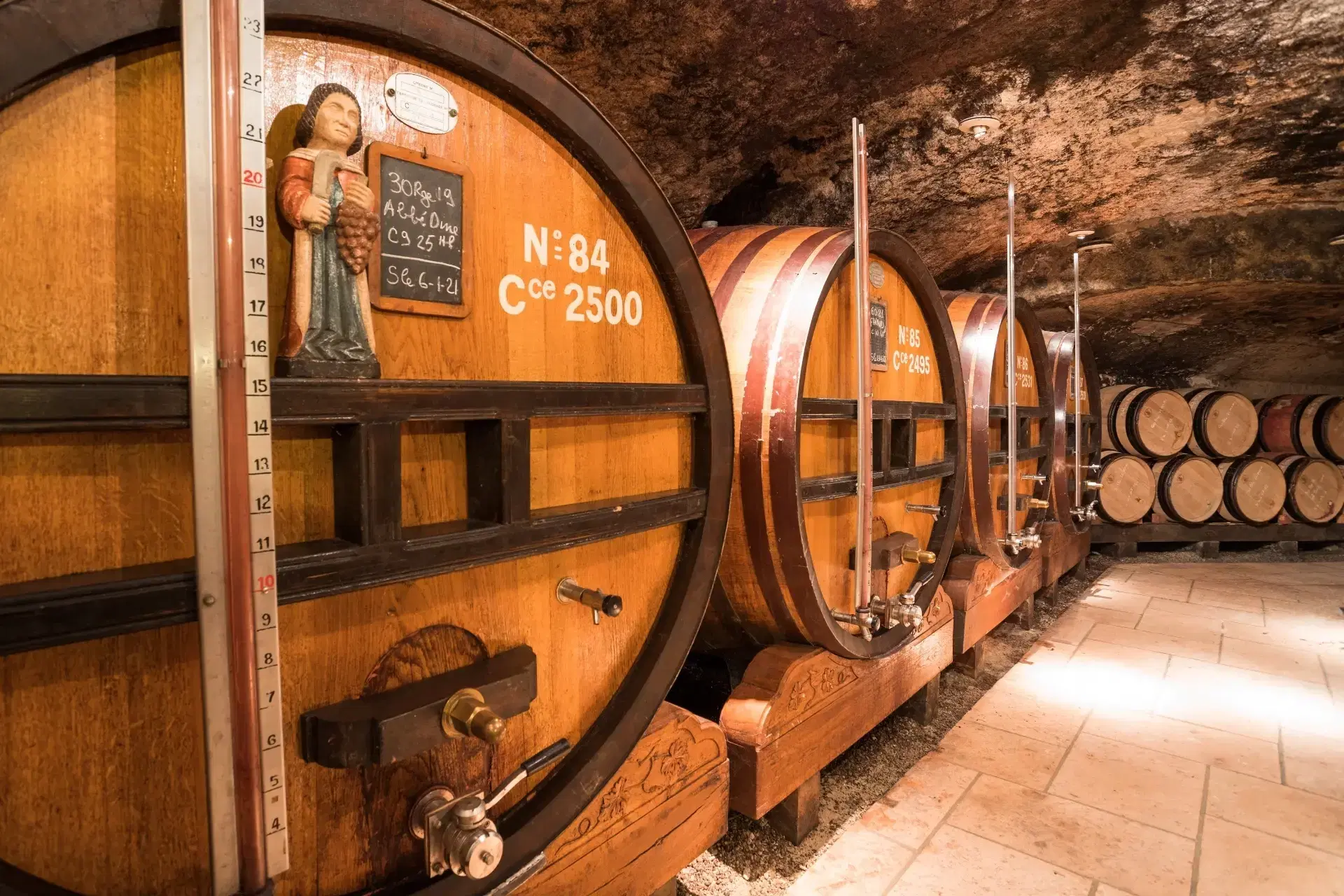
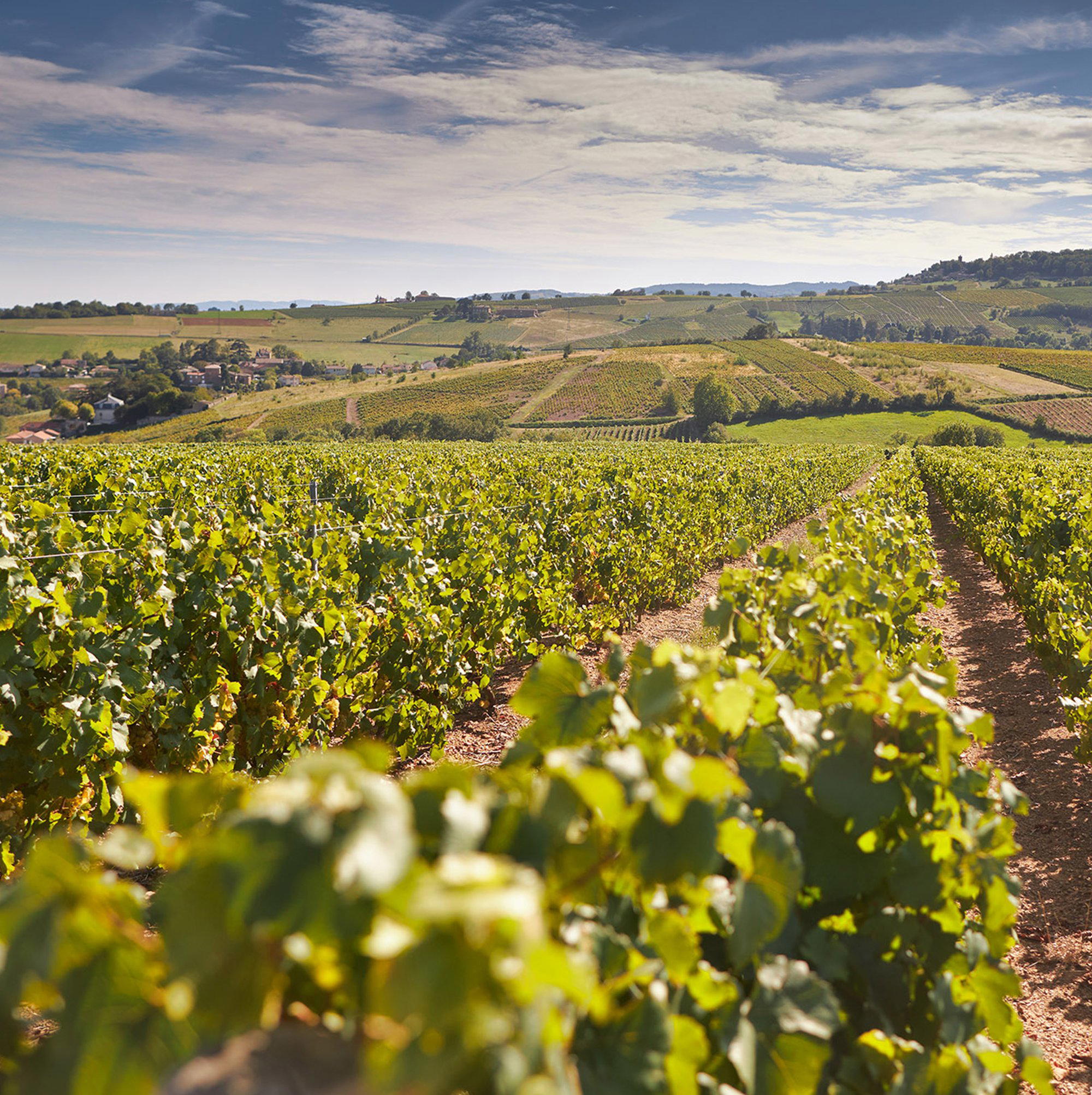
The wine selection at the restaurant is not incidental. Independent winemakers, biodynamic picks, a deliberate avoidance of the mainstream négociant channel: these are choices that position the list as a coherent argument rather than a courtesy. In Lyon, a city where Beaujolais and northern Rhône producers sit within easy sourcing distance, a biodynamic-leaning list has both geographical and philosophical logic. It also tells you something about the clientele the kitchen is addressing, people for whom the provenance of the wine matters as much as the label, and who will read a list with the same attention they bring to a menu.
For those building a broader picture of French serious drinking and eating, the EP Club also covers Flocons de Sel in Megève, Troisgros in Ouches, Alléno Paris at Pavillon Ledoyen, and Auberge de l'Ill in Illhaeusern. For North American context at the serious end of the market, see Le Bernardin in New York and Emeril's in New Orleans.
Planning Your Visit
The restaurant is on rue Justin-Godart in La Croix-Rousse, reachable on foot from the métro Croix-Rousse stop (line C) in a few minutes. The dual-format nature of the address matters for planning: the ground-floor café operates as a walk-in space for drinks and shared plates, while the upstairs creative menu warrants advance booking, particularly on weekends when the quartier draws beyond its residential base. Booking is recommended, especially on weekends.
Compact Comparison
Comparable venues nearby, for context on price, style, and recognition.
| Venue | Price | Notes |
|---|---|---|
| Le LimonadierThis venue — the venue you are viewing | $$ | Not listed |
| Bistro B | $$ | Quartier Saxe Roosevelt, Modern French Bistro |
| Le Mercière | $$ | Quartier Bellecour Cordeliers, Traditional Lyonnais Bouchon |
| Rousille | $$ | Quartier Brotteaux, Modern French Bistronomy |
| Chez Georges (Lyon Bouchon) | $$ | Quartier Bas des Pentes Presqu'île, Traditional Lyonnaise Bouchon |
| Brasserie Roseaux | $$$ | Quartier Saxe Roosevelt, Classic French Brasserie |
Recognition history
Dated appearances from independent guides and award organizations, with the underlying list record or original source where available.
Michelin Plate
Michelin
Continue exploring
More in Lyon
Restaurants in Lyon
Browse all →
Bars in Lyon
Browse all →
Hotels in Lyon
Browse all →

At a Glance
- Cozy
- Bohemian
- Intimate
- Date Night
- Group Dining
- Casual Hangout
- Special Occasion
- Terrace
- Historic Building
- Standalone
- Extensive Wine List
- Natural Wine
- Beer Program
- Craft Cocktails
- Farm To Table
- Organic
- Natural Wine
- Local Sourcing
- Zero Waste
Current opening hours
- Monday
- Closed
- Tuesday
- 5:30–11 PM
- Wednesday
- 5:30–11 PM
- Thursday
- 5:30–11 PM
- Friday
- 5:30–11 PM
- Saturday
- 5:30–11 PM
- Sunday
- Closed
Hours can change for holidays and private events. Last verified .
Warm, authentic, and eclectic with mismatched vintage furniture creating a cosy, home-like atmosphere; ground floor bar is relaxed and casual while upstairs dining room is more refined.