
Le Bistrot de la Gare brings Champdieu’s rural Loire-side dining culture into focus: an old station setting recast as a gourmand stop, with the appeal resting on place rather than spectacle. The draw is less about chef mythology than about how a small village restaurant can turn regional sourcing, road-trip timing, and countryside restraint into a serious meal.
Pearl is the En Primeur Club membership app — saves, bookings, and concierge access live there. Same editors, same standards.
- Address
- 18 chemin de la Vallon, Champdieu, Auvergne-Rhône-Alpes, 42600, FRA
- Phone
- +33 4 77 97 19 78
- Website
- guide.michelin.com
 Saves & bookings on Pearl
Approaching a former railway address in Champdieu changes the tempo before the meal. The setting has the plain usefulness of rural transport architecture: built for arrivals, departures, and short pauses, now repurposed for a longer table. In Auvergne-Rhône-Alpes, that matters. Restaurants outside the large-city circuit rarely win attention through theatrical rooms or celebrity chefs; they earn it through what reaches the kitchen, nearby farms and markets, and the ability to turn a stop between towns into a reason to slow down.
Le Bistrot de la Gare sits in that tradition. Its recognition as a transformed “étape gourmande” places it in a French category easily misunderstood abroad. This is neither the grand tasting-menu model of Paris, Lyon, or the Alps, nor the rustic cliché of countryside dining. It is the middle ground: a bistro shaped by locality, where sourcing matters more than decoration, and the strongest argument for the table is the region around it.
A village bistro built around the logic of local produce
Ingredient sourcing is the right lens for Champdieu because the village does not behave like a destination dining capital. The surrounding Loire and Forez country gives restaurants a practical pantry: cheeses from upland farms, charcuterie traditions, freshwater and river-adjacent produce, orchard fruit, seasonal mushrooms, and vegetables that follow the agricultural calendar rather than a luxury-hotel menu cycle. Here, a bistro succeeds when it treats those inputs with discipline and avoids disguising them as metropolitan cuisine.
The stronger rural tables in France often work by compression: reducing the distance between producer, kitchen, and diner, then letting the menu show the season without announcing a philosophy. That gives an old station converted into a food stop significance beyond its address. The building’s past suits the role: a halt on a route, a purposeful pause, a place where the meal belongs to the geography rather than a branded concept.
Comparable countryside addresses in the wider region point to the same split. Apicius, listed in the modern-cuisine tier at €€, and Le Clos Perché, also noted for creative cooking at €€, show how smaller French towns now support restaurants that are neither village cafés nor urban fine-dining replicas. La Source, at €€€, moves into a higher spend bracket, where refinement and expectation rise together. Against that spread, Le Bistrot de la Gare reads as a grounded Champdieu proposition: less competitive luxury than a test of whether the kitchen can make its surroundings legible on the plate.
Why the old-station setting matters in Champdieu
French railway-adjacent dining has its own cultural memory. In larger cities, the station brasserie became a democratic room for travellers, workers, and late arrivals. In smaller communes, the station often had a sharper civic role: connecting agricultural hinterland to market towns and making the village visible beyond itself. Recasting it as a bistro creates useful tension, keeping the informality of a stopover while asking diners to treat the halt as intentional.
That matters for visitors planning around Champdieu rather than merely passing through Montbrison or the wider Loire department. Village scale changes expectations. Service, menu breadth, and pacing should be read through a small-commune restaurant, not the machinery of a large urban dining room. The reward is specificity: a meal that can reflect local produce and season without the performative language that often follows rural restaurants once travel media repackages them.
For planning, Champdieu works better as part of a compact regional circuit than as a single-stop dining destination. Readers comparing where to eat can start with Our full Champdieu restaurants guide, then use Our full Champdieu hotels guide, Our full Champdieu bars guide, Our full Champdieu wineries guide, and Our full Champdieu experiences guide to build the rest of the day. The point is not to overload a small village itinerary, but to connect the meal to the surrounding hospitality and wine context.
How to read it against France's broader bistro map
The useful comparison is not with destination restaurants built around trophy reservations, but with the French bistro as a flexible format: modest enough to stay close to daily life, serious enough to express a region when the kitchen pays attention. In Paris, that format often becomes a debate about nostalgia and pricing. In ski towns, it can lean toward polish and spend. In rural Auvergne-Rhône-Alpes, it works when the table keeps faith with produce, season, and proportion.
That map helps separate substance from surface. A restaurant in an old station could become a theme; the better reading is functional. The setting gives the meal identity without spectacle. Publicly, the food proposition belongs to the “gourmand stop” tradition, a French idea that values the quality of the pause as much as the occasion’s formality. For travellers, Le Bistrot de la Gare is a strong candidate when the day calls for a regional table rather than a ceremony.
Readers building a wider France file can compare the category against different rooms, from 114, Faubourg in Paris and 1920 in Megève to village and resort addresses such as 1217 in Bagnols, 16âme in Le Monêtier-les-Bains, and 14 Avenue in La Baule. For a sharper sense of how format shifts by city, see 1387 in Strasbourg, 1860 Le Palais in Marseille, 1899 in Tourgeville, 2'Moiselles in Metz.... Et la Fourmi in Nantes, and [S] Corner in Courchevel. The point is comparison by function, not hierarchy: countryside bistro, hotel dining room, resort table, and urban restaurant answer different travel needs.
Two non-French references underline the contrast. Jōdo Saké Bar in Los Angeles and Onigiri Time in Pasadena show how focused formats can define a meal through drink culture or a single Japanese staple. Champdieu’s old-station bistro works from the opposite direction: not narrow specialization, but a local table that makes sense because of where it is.
Comparable Spots, Quickly
Comparable venues by cuisine and price in the same metro.
| Venue | Cuisine | Price | Awards |
|---|---|---|---|
| Le Bistrot de la Gare | Transformée en étape gourmande, cette ancienne... | This venue | |
| Apicius | Modern Cuisine | €€ | Modern Cuisine, €€ |
| Chalet de la Boule d'Or | |||
| Au Pont de Raffiny | |||
| Le Clos Perché | Creative | €€ | Creative, €€ |
| La Source | Modern Cuisine | €€€ | Modern Cuisine, €€€ |
Recognition history
Dated appearances from independent guides and award organizations, with the underlying list record or original source where available.
Michelin Plate
Michelin · 2026 Michelin Plate
Continue exploring
More in Champdieu
Restaurants in Champdieu
Browse all →
Hotels in Champdieu
Browse all →
At a Glance
- Cozy
- Rustic
- Classic
- Low Profile Address
- Intimate
- Date Night
- Group Dining
- Casual Hangout
- Special Occasion
- Historic Building
- Standalone
- Beer Program
- Extensive Wine List
- Local Sourcing
- Street Scene
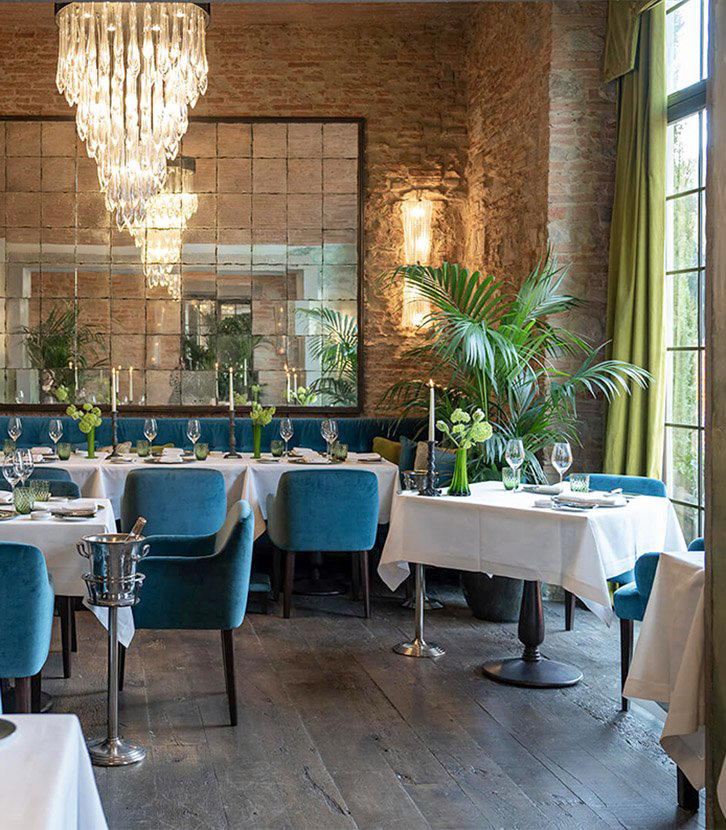
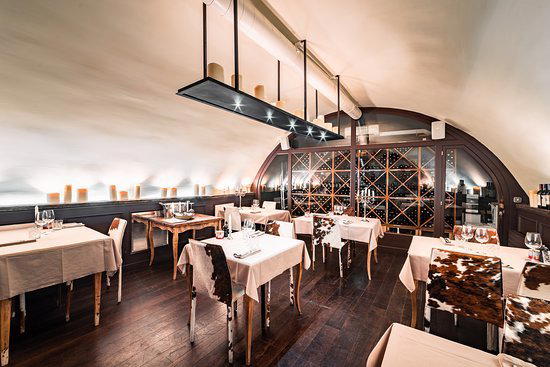
Warm, attentive, and welcoming, with a renovated heritage setting that feels intimate and characterful.