
Michelin Plate
Our verdict
Le Bistrot holds a Michelin Plate (2025), placing it among a small tier of recognised tables in the Doubs countryside around Bonnétage. The address on chemin de l'étang du moulin situates it within a rural corner of Franche-Comté where proximity to local producers shapes the cooking as much as any kitchen technique. For travellers already making the journey to this part of eastern France, it earns consideration alongside the area's other recognised dining addresses.

Pearl is the En Primeur Club membership app, where members save venues, book tables and use the concierge.
The menu
What to order
- Fillet of trout
- Morteau sausage
- Foie gras
A Franche-Comté Table With Something to Prove
The Doubs département does not announce itself. Roads narrow through spruce forest, farms sit close to the treeline, and the villages that dot the plateau between Pontarlier and Montbéliard tend to be working places rather than tourist ones. Bonnétage belongs to that category: a small community in the Jura highlands where the rhythm of life still follows the agricultural calendar rather than the restaurant reservation book. Arriving at Le Bistrot on chemin de l'étang du moulin, beside the mill pond that gives the lane its name, you are not in the France of grand-boulevard dining rooms. You are in the France that those dining rooms sometimes claim to be drawing from.
That distinction matters when you are trying to understand what a Michelin Plate in a village of a few hundred people actually represents. The Michelin Plate, awarded to Le Bistrot in 2025, signals cooking of consistent quality without yet reaching star territory. It is the guide's way of acknowledging that good cooking is not the exclusive property of urban fine dining. Across rural France, Plate-recognised addresses often do something that three-star operations in Paris cannot replicate: they operate within genuine proximity to their ingredients. In the Franche-Comté highlands, where Comté cheese, freshwater fish, cured meats and foraged produce define a distinct regional pantry, that proximity carries real weight.
The Franche-Comté Pantry and Why It Drives the Cooking Here
The culinary identity of this corner of eastern France is shaped by altitude, climate, and a long tradition of preservation. The Jura plateau sits above 800 metres in places, producing milk from Montbéliarde cattle whose seasonal grazing gives Comté its famously complex affinage. Freshwater sources are everywhere: the mill pond itself is part of a hydrological network that historically fed carp, trout and other species into local cooking. Smoking and curing traditions run deep, partly because winter at this elevation once demanded it.
For a bistrot operating at this address, ingredient sourcing is not a marketing strategy. The supply chain is short by geography. That physical reality distinguishes Bonnétage-area kitchens from restaurants in larger cities that have to rebuild local connections from scratch. Where a Paris kitchen must source Comté through a distributor and freshwater fish through a specialist importer, a table in the Doubs can, in principle, work within a supply radius measured in tens of kilometres. Whether Le Bistrot pursues that potential with rigour is a question the kitchen's actual menu would answer, but the conditions favour it.
This same logic applies across the tier of Michelin-recognised rural tables in France. Bras in Laguiole built its reputation substantially on the Aubrac plateau's own produce. Flocons de Sel in Megève works within Alpine supply chains that shape its menu as directly as any chef's philosophy. The argument in each case is similar: terrain precedes technique. Le Bistrot is a Plate-level address, not a multi-starred destination, but it operates within the same geographic logic.
Where Le Bistrot Sits in France's Broader Dining Conversation
French fine dining tends to be discussed through its most visible addresses: the three-star rooms in Paris like Alléno Paris au Pavillon Ledoyen, or celebrated regional institutions such as Troisgros in Ouches, Auberge de l'Ill in Illhaeusern, or Paul Bocuse in Collonges-au-Mont-d'Or. Those addresses set the public image of French gastronomy. But France's Michelin map tells a different story when you zoom out: the majority of recognised addresses are not in Paris or Lyon. They are in market towns, farming villages, and Alpine valleys where cooking operates under entirely different conditions of scale, supply, and clientele.
Le Bistrot sits in that large, largely unheralded middle tier. It is the constellation of small, regionally grounded tables that keep French provincial cooking alive and, in the Michelin guide's periodic assessment, worthy of acknowledgement. The Plate recognition in 2025 places Le Bistrot in that constellation. For diners passing through eastern France rather than making a specific pilgrimage, that is a meaningful signal.
Nearby, L'Étang du Moulin, a modern cuisine address in Bonnétage, represents the higher end of the local dining scene and operates as a point of comparison for anyone assessing the area's overall hospitality offer.
Planning a Visit
Le Bistrot is located at 5 chemin de l'étang du moulin in Bonnétage, in the Doubs department of Bourgogne-Franche-Comté. The address is rural and not walkable from any significant transport hub; arriving by car is the practical approach for most visitors. Bonnétage sits roughly between Maîche and Le Russey, in a part of the Jura highlands that rewards those who treat the drive as part of the experience rather than an obstacle to it.
For a fuller picture of what the area offers, see our full Bonnétage restaurants guide, along with resources on hotels, bars, wineries, and experiences in the Bonnétage area.
Frequently asked questions
Is Le Bistrot child-friendly?
The venue's address, a rural lane off the étang du moulin in Bonnétage, suggests a relaxed setting rather than a formal room, which typically works in favour of families. Calling ahead to confirm is the practical step before arriving with young children.
Does Le Bistrot have a Michelin star or similar recognition?
Le Bistrot has received recognition including: Michelin Plate (2025).
What's the signature dish at Le Bistrot?
No specific dishes are publicly documented for Le Bistrot. Given the Franche-Comté context, the cooking almost certainly draws on the region's foundational ingredients: Comté, Morbier, smoked meats, and freshwater fish from the Doubs valley. The 2025 Michelin Plate recognition indicates the kitchen is executing at a level the guide considered worth flagging, but precise menu details require checking directly with the restaurant.
Side-by-Side Snapshot
Comparable venues nearby, for context on price, style, and recognition.
| Venue | Cuisine | Price | Awards | Notes |
|---|---|---|---|---|
| Le BistrotThis venue (the venue you are viewing) | Traditional French Bistro | $30–50 | Michelin Plate | Not listed |
| L'Étang du Moulin | Michelin-Starred French Regional Gastronomy | $100–150 | 1 Michelin Star | Bonnétage, Haut-Doubs |
| Le France | Creative French Fine Dining | $50–100 | Michelin Plate | Villers-le-Lac |
| Le Sauvage | Modern French Fine Dining | Not listed | Michelin Plate | Historic District |
| Prélude | Modern French Gastronomic | $50–100 | Michelin Plate | Saint-Vit |
| Taillard | Creative French Terroir Gastronomy | $50–100 | Michelin Plate | Goumois |
Recognition history
Dated appearances from independent guides and award organizations, with the underlying list record or original source where available.
Michelin Plate
Michelin
Full recognition history (2 entries)
Michelin Plate
Michelin
Continue exploring
More in Bonnétage
Restaurants in Bonnétage
All restaurants in Bonnétage →
Bars in Bonnétage
Browse all →
Hotels in Bonnétage
Browse all →

Details
- Cozy
- Classic
- Intimate
- Date Night
- Casual Hangout
- Hotel Restaurant
- Extensive Wine List
- Local Sourcing
- A La Carte
- Wine
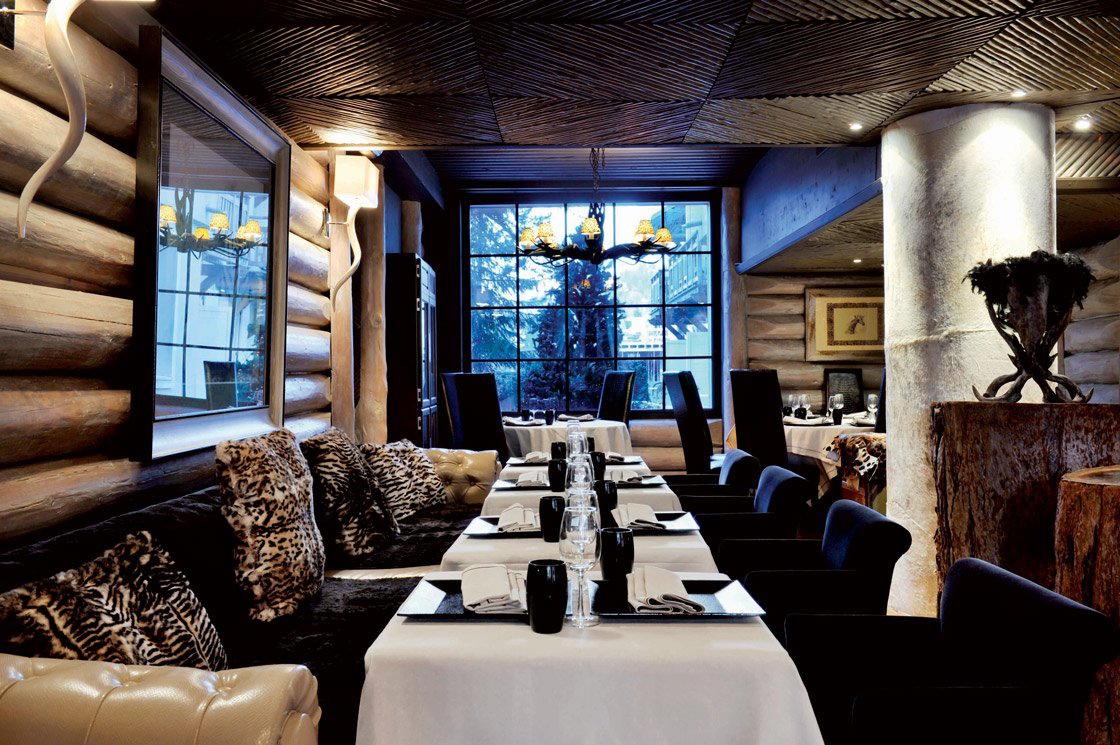
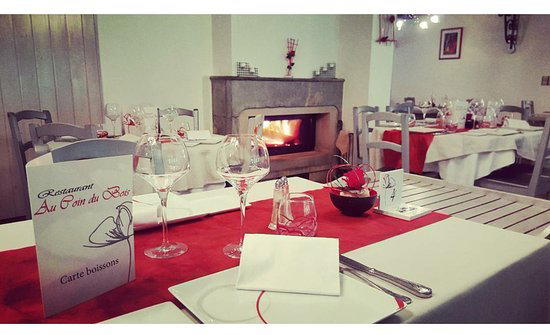
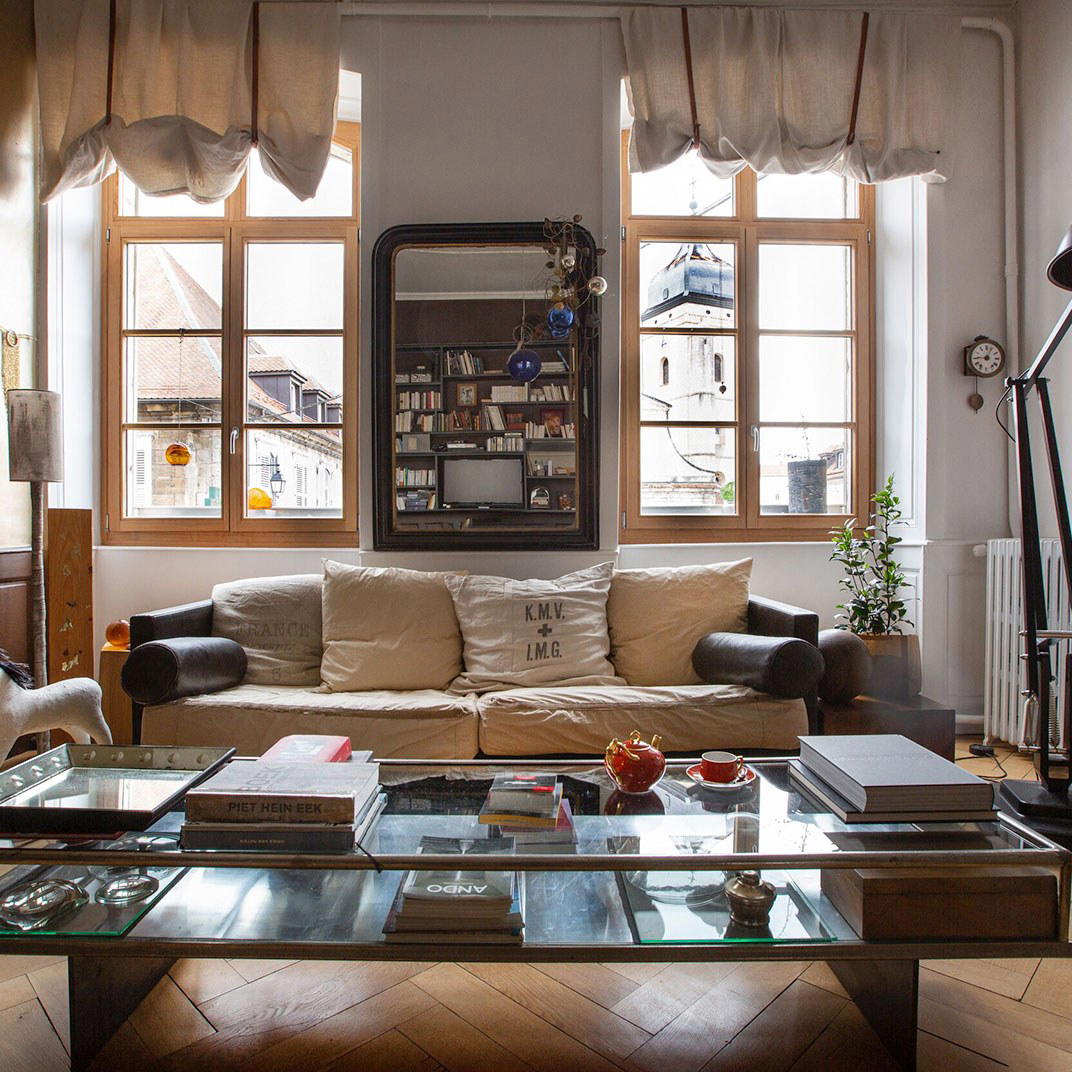
Pleasant and convivial with a warm, simple atmosphere; some guests note cozy lighting in the main restaurant but simpler bistro setting.