Le Bandama
Our verdict
Le Bandama sits in Yamoussoukro, the political capital of Ivory Coast, where the dining scene reflects the country's deep agricultural roots and the particular rhythms of a city built more for governance than gastronomy. In a country whose cocoa, cashew, and plantain harvests shape West African food culture at a continental scale, what reaches the table here carries genuine provenance.

Pearl is the En Primeur Club membership app, where members save venues, book tables and use the concierge.
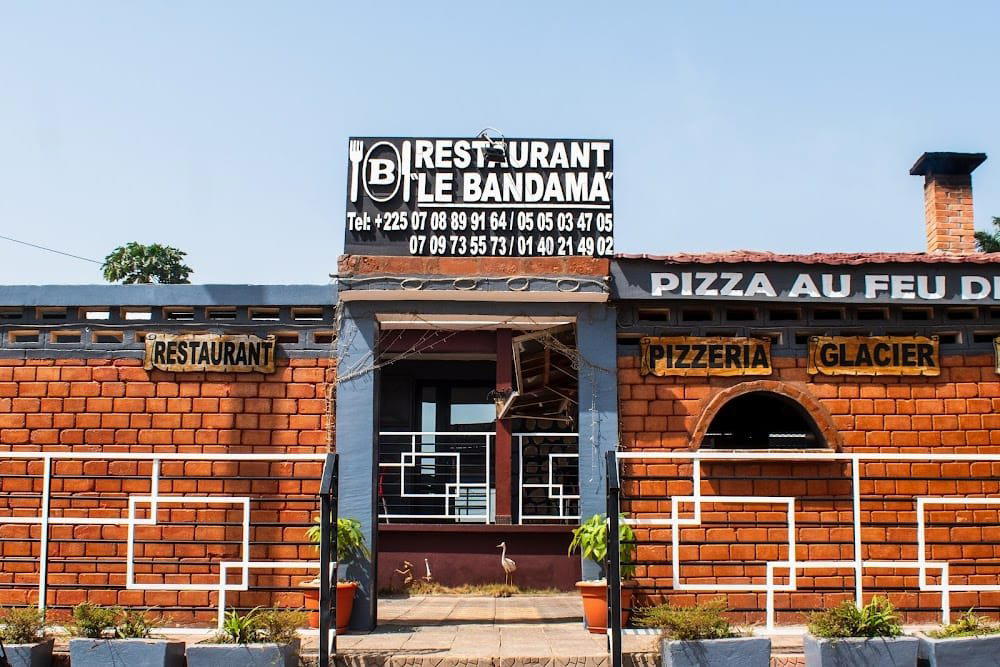
Yamoussoukro arrives quietly. The broad avenues that distinguish Ivory Coast's administrative capital from the commercial energy of Abidjan give the city a particular stillness, and the restaurants that populate it tend to reflect that register: less performative than their coastal counterparts, more grounded in the agricultural realities that define Ivorian daily life. Le Bandama occupies this context, taking its name from the river that runs through the country's interior and, by extension, invoking the produce and traditions that river basin has sustained for generations. See our full Yamoussoukro restaurants guide for broader orientation across the city's dining options.
The Setting and What It Signals
Inland Ivorian dining operates under different conditions than the seafood-forward kitchens of Abidjan's Plateau district or the international dining rooms that serve that city's expatriate and business communities. In Yamoussoukro, sourcing is shaped by the Centre region's agricultural output: plantains, yam, cassava, palm oil, fresh-water fish from the Bandama and its tributaries, and the smoked proteins that travel well across the country's road network. A restaurant named for that river is positioning itself, whether consciously or not, within a tradition that prizes what the land and water immediately around it can provide.
That sourcing logic matters because Ivory Coast is one of West Africa's most agriculturally consequential countries. It produces roughly 40 percent of the world's cocoa supply, and its cashew output consistently ranks among the highest on the continent. That agricultural density doesn't always translate directly into fine dining traditions in the Western sense, but it does mean the raw material available to any serious kitchen is genuinely substantive. What arrives at a table in Yamoussoukro, when handled with care, carries a traceable geography in a way that restaurants in more import-dependent cities cannot claim as readily. For comparison, consider how sourcing provenance defines the editorial identity of restaurants like Arpège in Paris or Atelier Moessmer Norbert Niederkofler in Brunico, where regional ingredient identity is the central argument of the menu.
Yamoussoukro's Place in the Ivorian Dining Picture
The country's restaurant culture is concentrated in Abidjan, where French colonial influence produced a layer of European-format dining that still operates alongside Ivorian staple restaurants and Lebanese-run establishments that have been part of the city's food fabric for decades. Venues like La Taverne Romaine in Abidjan represent that Abidjan-centred, internationally inflected tier. Yamoussoukro, by contrast, is a city of around 300,000 people whose dining options reflect a more locally oriented clientele: civil servants, visiting delegations, students at Félix Houphouët-Boigny University, and travellers passing through on the Abidjan-Ouagadougou corridor.
That audience shapes what kitchens here actually do. The reference points are different from those of a coastal city with access to Atlantic seafood and a large expatriate population. Interior Ivorian cooking leans on starchy bases such as foutou banana and attiéké, on peanut-based sauces, on grilled tilapia from local freshwater sources, and on the preserved and fermented ingredients that give the cuisine its depth without requiring refrigeration chains that don't always exist in West African interior cities. These are not constraints to apologize for; they are the conditions that shaped a distinct culinary vocabulary, and a restaurant that works within them honestly has something specific to offer.
Ingredient Sourcing as the Central Argument
The most instructive frame for understanding what Le Bandama represents is the sourcing geography of the Centre region. The Bandama River system drains a significant portion of Ivory Coast's interior, running from the north through cocoa and coffee country before reaching the coast. That watershed is also freshwater-fish territory, and grilled or smoked river fish remain one of the most direct expressions of place available to an inland Ivorian kitchen. Across West Africa, the treatment of freshwater fish, from the tilapia preparations common throughout the region to the smoked capitaine found in inland markets, varies significantly by local tradition and available technique. A kitchen with genuine access to that supply chain and the skill to handle it is working with ingredients that don't require the kind of global logistics that define, say, the sourcing programs at Le Bernardin in New York City or Aponiente in El Puerto de Santa María. The argument here is proximity and rootedness, not rarity or technical transformation.
Palm oil, another foundational ingredient in this culinary tradition, operates similarly. Ivory Coast's palm oil production is substantial, and the difference between industrially processed palm oil and fresh-pressed local oil is significant at the table: color, aroma, and the way it carries other flavors in a sauce are all affected by processing method and freshness. Kitchens that source locally and seasonally within this context are making a meaningful choice, even if that choice is rarely articulated in the language that fine-dining audiences in Europe or North America would recognize.
How This Fits the Broader Premium Dining Conversation
Across the global restaurant scene, ingredient provenance has moved from a marketing footnote to a central editorial argument. Restaurants from Azurmendi in Larrabetzu to Lazy Bear in San Francisco have built significant reputations on sourcing transparency and regional specificity. The same logic applies in West Africa, even where Michelin doesn't operate and the 50 Best lists don't reach. What matters in evaluating a kitchen in Yamoussoukro is whether it is doing something honest and skilled with what the region actually produces, not whether it maps onto a global fine-dining template designed for different contexts. Establishments like Atelier Crenn in San Francisco or Arzak in San Sebastián are useful reference points not because they resemble Ivorian cooking but because they demonstrate what it looks like when a kitchen commits seriously to its own regional ingredient logic.
Planning a Visit
Yamoussoukro is accessible by road from Abidjan in approximately three hours, and the city also has an international airport with limited scheduled service. For travelers visiting specifically for the Basilica of Our Lady of Peace or for official business at Yamoussoukro's government institutions, the city's restaurant options function as context rather than destination in their own right.
Frequently asked questions
Is Le Bandama okay with children?
Yamoussoukro's restaurant culture skews toward local regulars and family groups rather than the more formal dining conventions found in Abidjan's international-tier venues. Pricing across the city tends to stay accessible, which generally makes for a lower-pressure environment for families.
What's the vibe at Le Bandama?
Yamoussoukro functions as Ivory Coast's administrative capital rather than its social or gastronomic centre, and restaurants here reflect that: locally oriented, unhurried, and geared toward regulars rather than visiting diners seeking a destination experience. Le Bandama follows that pattern. This is not the place for tableside ceremony or curated tasting formats; it operates on the rhythm of a city that moves at its own pace.
Is Le Bandama worth a dedicated trip from Abidjan for the food alone?
Yamoussoukro sits roughly three hours from Abidjan by road, and the city does not currently function as a standalone culinary destination in the way that Abidjan's Plateau district does. Le Bandama is best approached as part of a broader visit to the city, one that might include the Basilica of Our Lady of Peace, rather than as the sole reason to make the drive. Diners travelling specifically for food will find the concentration of options, and the range of documented venues, considerably greater in Abidjan.
What dish is Le Bandama famous for?
The restaurant's name references the Bandama River, the major waterway draining the Centre region of Ivory Coast, which points toward freshwater fish preparations as a plausible house strength, tilapia and catfish are common across inland Ivorian kitchens. Treat that as geographic context rather than a confirmed menu claim until sourced directly from the venue.
Where is Le Bandama located?
Le Bandama is located at Yamoussoukro, Yamoussoukro.
Quick Comparison
| Venue | Cuisine | Price |
|---|---|---|
| Le BandamaThis venue (the venue you are viewing) | Not listed | Not listed |
| La Taverne Romaine | Italian Trattoria | $30–50 |
Details
- Casual Hangout
- A La Carte