L’abeille à Côté


A compact French-Japanese restaurant on Greenwich Street in Tribeca, L'abeille à Côté trades the formality of its sister restaurant next door for izakaya-style looseness and a short, carefully considered menu. Handsome wood, marble, and a small dining room create genuine intimacy. Yakitori skewers, a substantial strip loin, and an oversized fried mahi mahi sandwich signal a kitchen that takes casual food as seriously as the fine-dining counterpart beside it.
Pearl is the En Primeur Club membership app — saves, bookings, and concierge access live there. Same editors, same standards.
- Address
- 412 Greenwich St Unit A, New York, NY 10013
- Phone
- (212) 542-3897
- Website
- labeilleacote.nyc
- Directions
- Get directions
 Saves & bookings on Pearl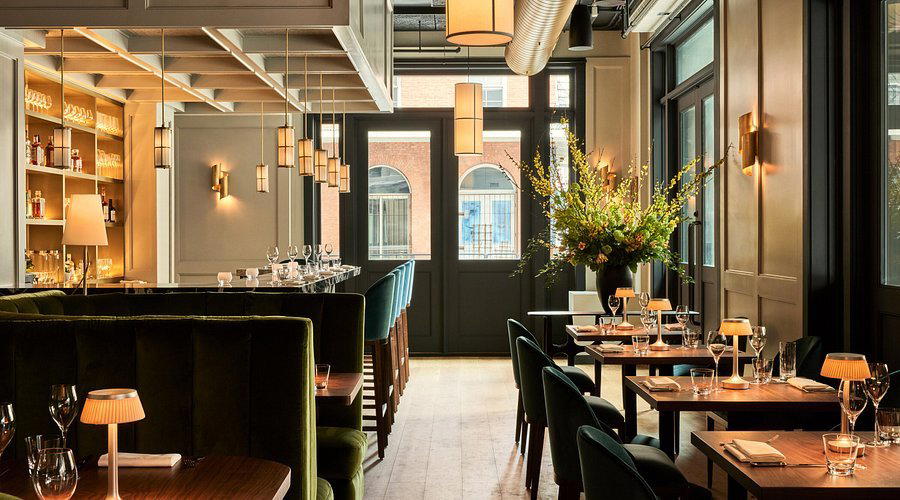
Small Rooms, Shorter Menus: The Case for Restraint in Tribeca
New York's French dining scene has historically sorted itself into two registers: the grand room (think Daniel or Le Coucou, where ceremony and square footage work in tandem) and the neighbourhood bistro, where a chalkboard menu and tight tables do the work that chandeliers cannot. What has become rarer in both registers is genuine smallness — a dining room where the menu is deliberately brief and the physical space enforces a kind of editorial discipline on what the kitchen attempts. L'abeille à Côté, on Greenwich Street in Tribeca, occupies that scarcer category.
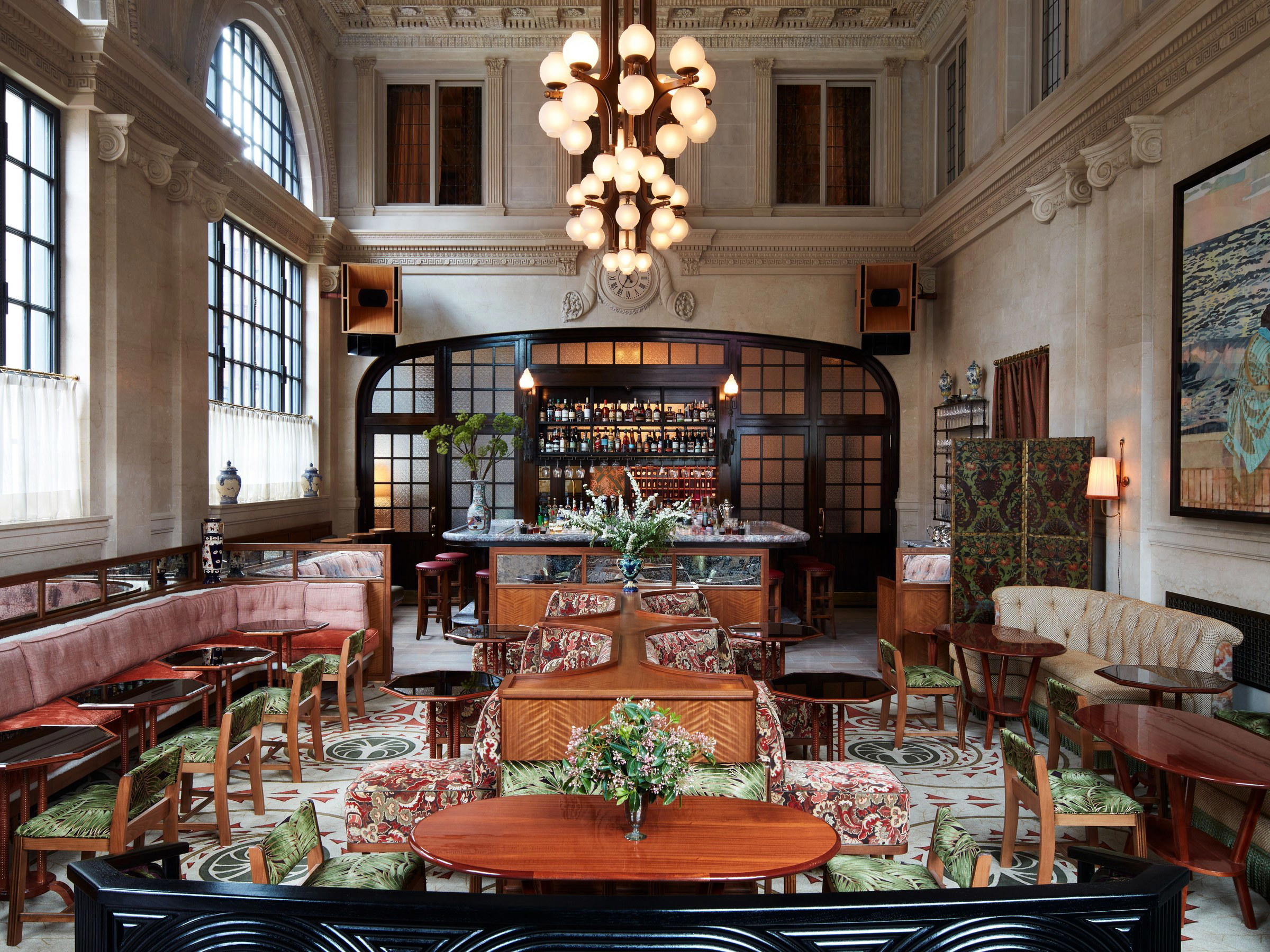
The room itself announces its intentions before the menu arrives. Wood floors and tables, marble finishes, and a format that privileges proximity over spectacle place it in a lineage of European small-plate spaces that have always been more interested in the quality of what lands on the table than in the architecture of the experience surrounding it. This is not a venue built for Instagram geometry or tasting-menu theatre. It is built for dinner.
The French-Japanese Intersection as an Ethical Proposition
The French-Japanese cooking style that defines L'abeille à Côté has genuine structural logic when considered through the lens of ingredient stewardship. Both culinary traditions, at their most considered, share a disposition toward using whole ingredients carefully rather than reaching for more. Japanese izakaya cooking, which informs the menu's casualness and format, has always been a tradition of making serious food without requiring serious volume — yakitori, for instance, is a discipline built around using every part of the bird with precision and restraint, not abundance.
That orientation shows in what the kitchen produces here. Yakitori skewers with black garlic, a strip loin with barbecue sauce, a fried fish sandwich featuring mahi mahi reported as arriving in an outlandishly generous portion but carefully executed, these are dishes that signal a kitchen working with high-quality ingredients and treating them with enough respect to let the ingredient carry the dish rather than obscuring it with technique. The barbecue sauce on the strip loin, for instance, is a confident choice: it suggests the kitchen is comfortable enough with its sourcing to put a blunt American condiment beside a premium cut and trust the result.
For context, the French restaurants operating at higher formality in New York, from Café Boulud to Benoit to Chez Fifi, tend to build menus around range and seasonal rotation as signals of quality. L'abeille à Côté argues differently: that a shorter menu, held to fewer dishes and higher standards per dish, is its own form of quality signal. The izakaya model, which has proved durable across decades of Japanese dining culture, supports that argument empirically.
Where It Sits in the Tribeca and New York French Dining Picture
Tribeca's dining character has long been defined by a gap between its residential density and the relative scarcity of serious neighbourhood restaurants that aren't primarily destination venues. L'abeille à Côté, alongside its sister restaurant l'abeille next door, addresses that gap in two registers simultaneously. L'abeille offers the more elaborate, involved experience for guests who want a full tasting-format evening. L'abeille à Côté serves as the accessible counterpart, same sourcing rigour, lower barrier to entry, no requirement for the kind of advance planning that the city's more formal French rooms demand.
The $$$$ price designation places it at the premium end of New York dining across categories, but the izakaya-style format means that premium reads differently here than it does at, say, Per Se or the broader cohort of multi-course French rooms where price and ceremony are inseparable. At L'abeille à Côté, the price is in the ingredient quality rather than the service architecture. That is a meaningful distinction in a city where diners often pay as much for the production as for what arrives on the plate.
For comparison, restaurants like Lazy Bear in San Francisco, Alinea in Chicago, Single Thread Farm in Healdsburg, and The French Laundry in Napa operate at the formal, multi-course end of the American fine-dining spectrum, where the experience is highly structured and the cost reflects that structure comprehensively. Providence in Los Angeles and Emeril's in New Orleans similarly anchor themselves to occasion dining. L'abeille à Côté sits apart from all of them: premium in its sourcing, casual in its format, and short in its menu by choice rather than constraint.
On the international French scene, properties like Hotel de Ville Crissier in Crissier and L'Effervescence in Tokyo represent the more ceremonial end of what French and French-adjacent cooking can become. L'abeille à Côté represents a deliberate counter-argument to that tradition, one with a French-Japanese hybrid identity and an izakaya-derived informality that does not require the reader to dress for it.
Reading the Menu as a Sourcing Document
A short menu at a premium price point is, in effect, a public statement about sourcing confidence. When a kitchen offers fewer dishes, it has less room to hide behind volume or variety, and every item on the list has to carry more weight. The mahi mahi fried fish sandwich, singled out for both its size and its execution, is instructive here. Mahi mahi is not the most common fish in high-end New York kitchens, which tend toward more prestige-coded seafood. Choosing it and serving it well suggests a kitchen that selects by quality and preparation potential rather than by name recognition.
The black garlic on the yakitori skewers points in a similar direction. Black garlic's fermentation process concentrates umami and reduces waste from the fresh garlic that would otherwise be surplus, it is simultaneously a flavour decision and a low-waste one. In the context of a French-Japanese menu where both culinary traditions have deep roots in waste-minimising technique, that choice reads as considered rather than incidental.
Planning Your Visit
L'abeille à Côté is located at 412 Greenwich Street, Unit A, in Tribeca. For guests weighing a choice between the two adjacent restaurants, the distinction is format: l'abeille next door offers a more elaborate and involved experience, while L'abeille à Côté suits an evening where quality and ease matter more than structure and occasion. Reservations are advisable given the room size. Price range is $$$$.
For broader planning, see our full New York City restaurants guide, our full New York City hotels guide, our full New York City bars guide, our full New York City wineries guide, and our full New York City experiences guide.
How L'abeille à Côté New York City compares with similar nearby venues.
| Venue | Cuisine | Price |
|---|---|---|
| L’abeille à Côté | French | $$$$ |
| Le Coucou | French | $$$$ |
| Le Gigot | French | $$$ |
| Pastis | French | $$$ |
| Le Jardinier New York | French | $$$$ |
| Benoit | French | $$$ |
Recognition history
Dated appearances from independent guides and award organizations, with the underlying list record or original source where available.
Opinionated About Dining Casual in North America Recommended
Opinionated About Dining
Michelin Plate
Michelin
Continue exploring
More in New York City
Restaurants in New York City
Browse all →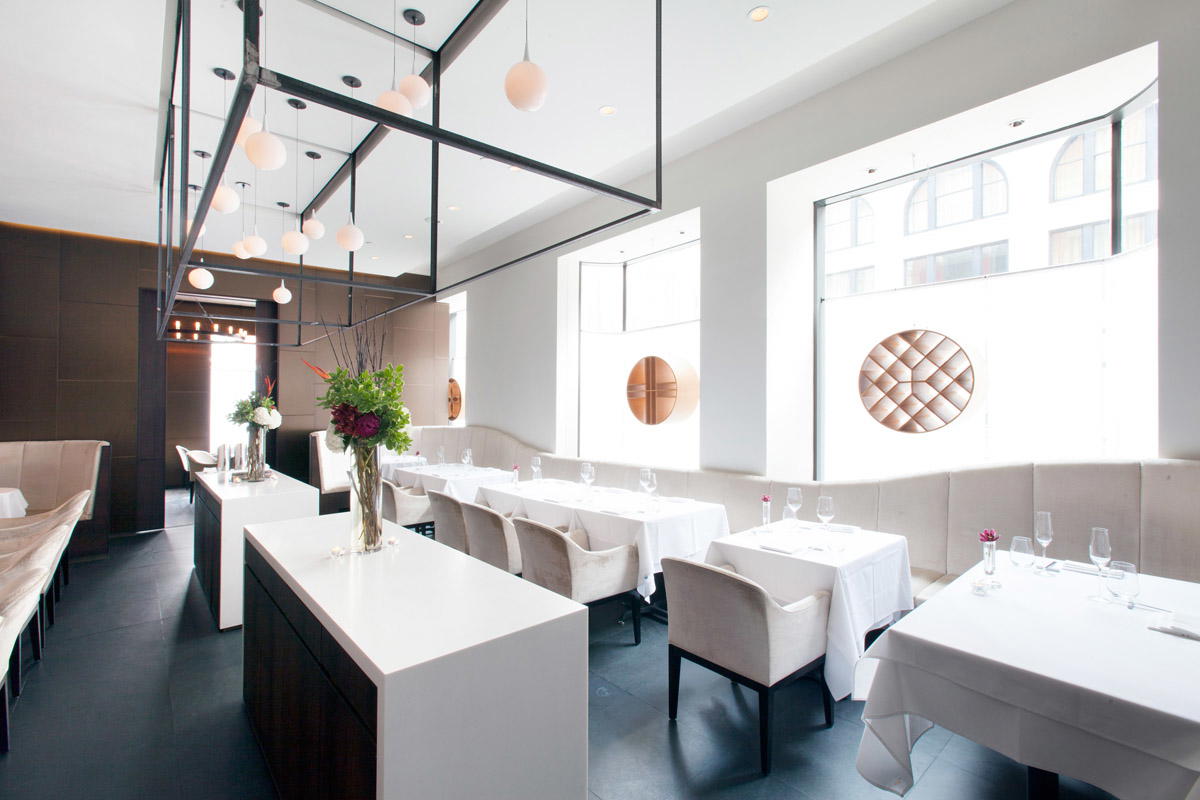
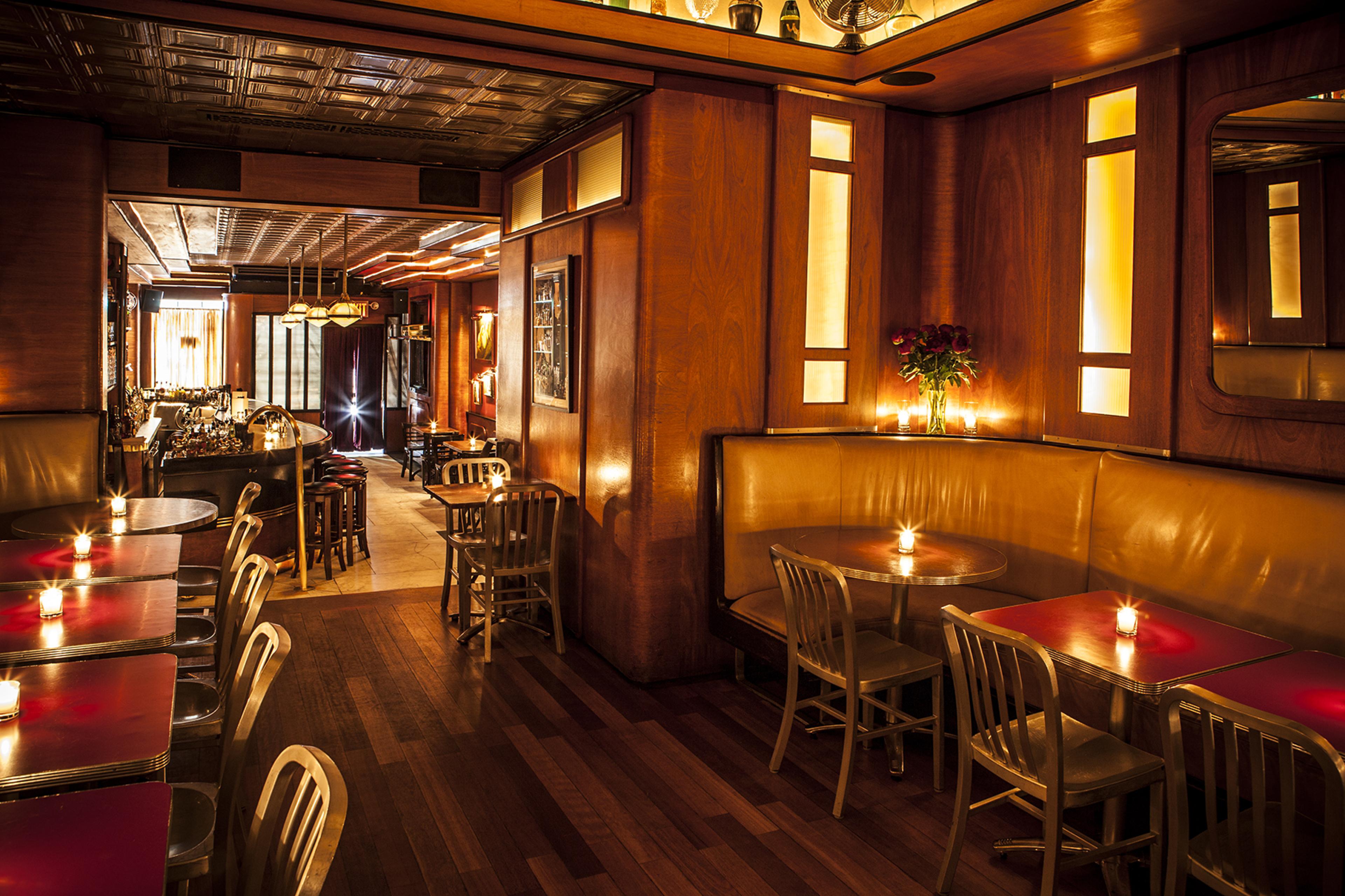
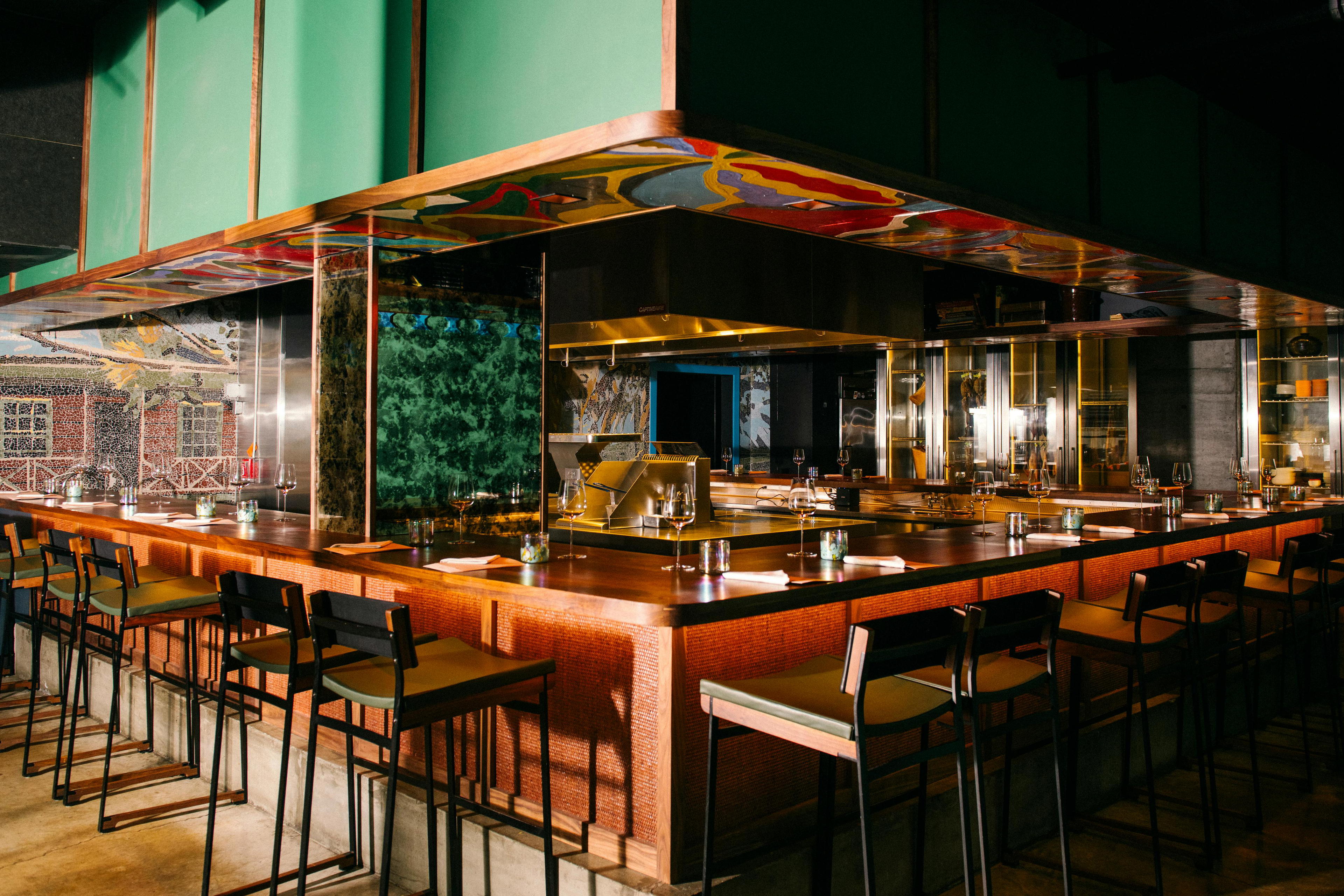
Bars in New York City
Browse all →
Hotels in New York City
Browse all →





At a Glance
- Intimate
- Elegant
- Sophisticated
- Date Night
- Special Occasion
- Open Kitchen
- Extensive Wine List
Current opening hours
- Monday
- Closed
- Tuesday
- 5:30–10 PM
- Wednesday
- 5:30–10 PM
- Thursday
- 5:30–10 PM
- Friday
- 5–11 PM
- Saturday
- 5–11 PM
- Sunday
- Closed
Hours can change for holidays and private events. Last verified .
Intimate and quiet with handsome wood floors, marble finishes, green velvet booths, brass accents, and a warm, sophisticated atmosphere.
Know Before You Go
- Getting there
- 412 Greenwich St Unit A, New York, NY 10013