La Trattoria Da Vincenzo
On West Parade, within walking distance of Lincoln Cathedral, La Trattoria Da Vincenzo occupies the kind of address that Italian restaurants in provincial English cities have long favoured: close to footfall, close to history. The kitchen works in a tradition where sourcing decisions speak louder than menu descriptions, and where the neighbourhood context shapes what ends up on the plate.
Pearl is the En Primeur Club membership app — saves, bookings, and concierge access live there. Same editors, same standards.
- Address
- 14 W Parade, Lincoln LN1 1JT, United Kingdom
- Phone
- +441522519050
- Website
- la-trattoria.co.uk
- Directions
- Get directions
 Saves & bookings on Pearl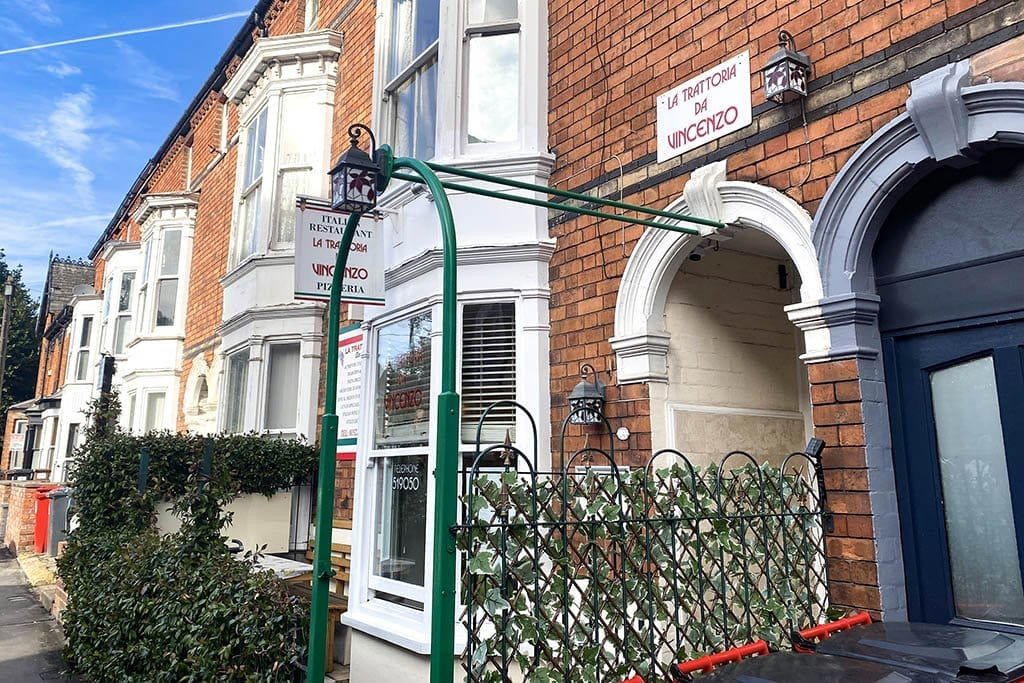
West Parade and What It Signals
Lincoln's dining scene has been quietly recalibrating over the past decade. The city's historic centre, anchored by the cathedral and the steep climb of Steep Hill, draws a mix of residents, university visitors, and tourists who come expecting something more than chain-restaurant defaults. Along West Parade, the address that La Trattoria Da Vincenzo occupies at number 14, there is a different register: more local in orientation, less dependent on passing tourist trade. Italian restaurants in this bracket, in cities of Lincoln's scale, tend to succeed or fail on a single variable: whether the kitchen sources with discipline or cuts corners behind a menu that reads better than it delivers.
That sourcing question matters more in Italian cooking than in almost any other European tradition. The cuisine's logic is built around ingredient fidelity rather than transformation. A ragù reveals the quality of the meat before the technique. A pasta dough tells you about the flour and the eggs. Dishes that appear simple on the menu leave nowhere to hide if the raw material is mediocre. This is why the better Italian restaurants in British provincial cities have often punched above their weight when the kitchen commits to that discipline, and why the weaker ones tend to drift toward a kind of generic comfort food that satisfies briefly and persuades nobody to return.
The Italian Trattoria Tradition in a British Context
The word trattoria carries specific expectations in Italy that translate imperfectly to Britain. In Italian cities, a trattoria sits between a casual osteria and a more formal ristorante: it implies a focused menu, seasonal rotation, and cooking that prioritises depth over showmanship. That format has historically served British diners well when operators commit to it honestly. The risk, particularly outside London, is that the trattoria name becomes decorative rather than functional, a style signal without the substance to back it.
Lincoln sits in Lincolnshire, a county whose agricultural output is substantial. The county produces significant volumes of vegetables, grain, and livestock, and its proximity to the North Sea means access to fish that does not always make it onto menus in the city. For an Italian kitchen in this location, that supply chain represents a genuine opportunity. Italian-British crossovers have worked most convincingly when the kitchen treats local produce as an equivalent to regional Italian sourcing rather than a compromise. The logic is direct: a Lincolnshire free-range egg in a pasta dough is not a deviation from Italian tradition, it is an application of Italian logic to local material.
Across Britain's provincial Italian restaurant tier, the gap between operators who take this approach and those who do not is increasingly visible. Restaurants in smaller cities that have committed to sourcing, seasonal menus, and handmade pasta have built genuine reputations and repeat clienteles. Those that have not tend to blur into a category that diners eventually stop returning to. La Trattoria Da Vincenzo, given its address and format name, sits within a tradition where that commitment is the central question.
How Lincoln's Dining Scene Compares
Lincoln is not a city with a deep bench of high-end dining. The comparison set locally includes Restaurant Pearl Morissette (Contemporary), which operates at the upper end of the city's offer, and more casual options including BISTRO LOCALE, Canyon Joe's Barbecue, Casa Bovina, and Fattoush Restaurant. Against that field, a committed Italian kitchen with a genuine sourcing approach occupies a distinct position. It does not need to compete with the fine dining tier, and it does not need to pitch against casual chains. It occupies the middle ground that diners in cities of this scale actively seek: somewhere with more craft than a neighbourhood bistro and less formality than a tasting-menu destination.
That middle ground has been the productive zone for Italian cooking in British provincial cities throughout the past twenty years. The category has attracted some of the more interesting operators precisely because the format rewards cooking skill and ingredient knowledge over capital expenditure on interiors. For a fuller picture of where Lincoln's restaurant offer currently sits, the EP Club Lincoln restaurants guide maps the city's options across categories and price points.
For those who want to understand what a fully committed Italian sourcing approach looks like at the upper end of the British spectrum, the reference points are further afield. Kitchens like CORE by Clare Smyth in London, Le Manoir aux Quat'Saisons in Oxford, and Moor Hall in Aughton have built their reputations in part through supplier relationships that feed directly into the cooking. At a different scale, L'Enclume in Cartmel has made local provenance the structural foundation of its entire identity. The principle scales down: it applies as much in a West Parade trattoria as it does in a three-Michelin-star kitchen.
Other notable British restaurants that illuminate the sourcing conversation include Waterside Inn in Bray, Gidleigh Park in Chagford, Hand and Flowers in Marlow, hide and fox in Saltwood, Midsummer House in Cambridge, and Opheem in Birmingham. Internationally, kitchens like Le Bernardin in New York City and Atomix in New York City demonstrate how ingredient provenance can function as a structural argument rather than a decorative detail.
Planning a Visit
La Trattoria Da Vincenzo is located at 14 West Parade, Lincoln LN1 1JT, close enough to the city centre to reach comfortably on foot from Lincoln Central railway station in around ten minutes. West Parade sits within the lower city, below the cathedral quarter, which makes it accessible without the climb that some of Lincoln's more refined dining addresses require. Visitors arriving by car will find the surrounding streets navigable, though Lincoln's central parking is easier to manage outside peak weekend periods.
How La Trattoria Da Vincenzo Lincoln compares with similar nearby venues.
| Venue | Cuisine | Price |
|---|---|---|
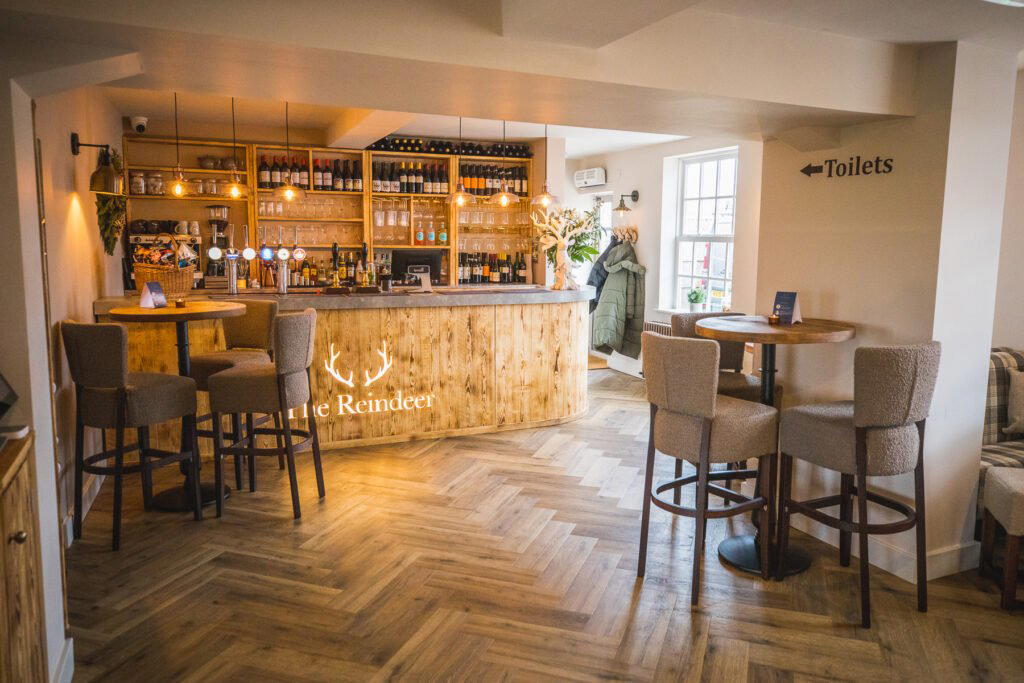
| The Reindeer | Traditional British | ££ |
Continue exploring
More in Lincoln
Restaurants in Lincoln
Browse all →
At a Glance
- Cozy
- Intimate
- Rustic
- Classic
- Date Night
- Family
- Special Occasion
- Historic Building
- Local Sourcing
Current opening hours
- Monday
- 12–2 PM, 6–9 PM
- Tuesday
- 12–2 PM, 6–9 PM
- Wednesday
- 12–2 PM, 6–9 PM
- Thursday
- 12–2 PM, 6–9 PM
- Friday
- 12–2 PM, 5:30–9:30 PM
- Saturday
- 12–2 PM, 5:30–9:30 PM
- Sunday
- Closed
Hours can change for holidays and private events. Last verified .
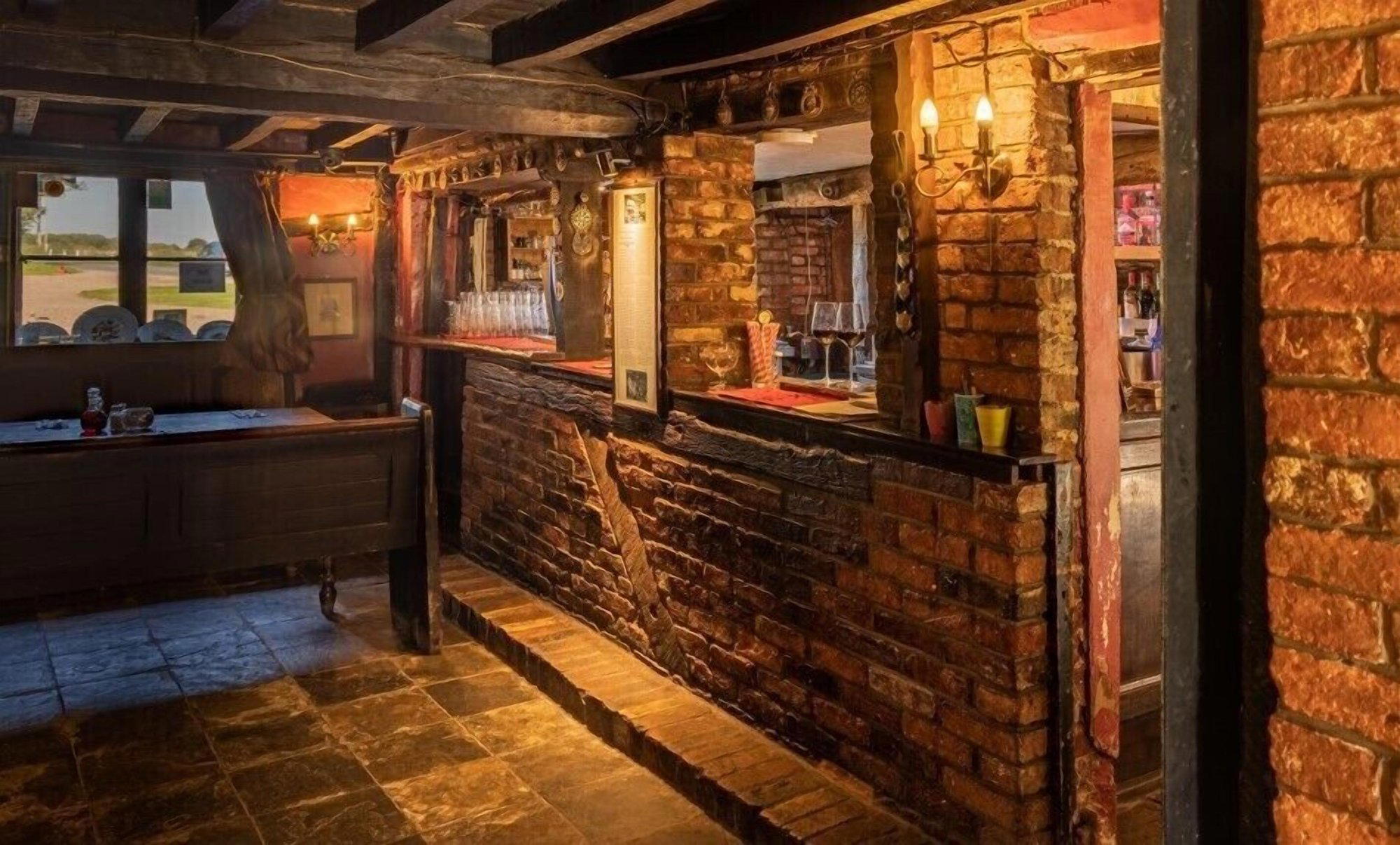
Cozy and intimate atmosphere in a converted terraced house with real fire, feeling like dining in an Italian home, lively yet relaxed.
Know Before You Go
- Getting there
- 14 W Parade, Lincoln LN1 1JT, United Kingdom