
La Terrasse in Goult puts the Luberon's seasonal produce at the centre of its menu, with an option to go fully vegetable-forward on request. Endorsed by the We're Smart community for its natural flavours and commitment to regional ingredients, it draws enough visitors that booking ahead is advisable, particularly through the summer months.
Pearl is the En Primeur Club membership app — saves, bookings, and concierge access live there. Same editors, same standards.
- Address
- 200 Rue de la République, 84220 Goult, France
- Phone
- +33 4 90 72 20 20
- Website
- laterrassegoult.com
- Directions
- Get directions
 Saves & bookings on Pearl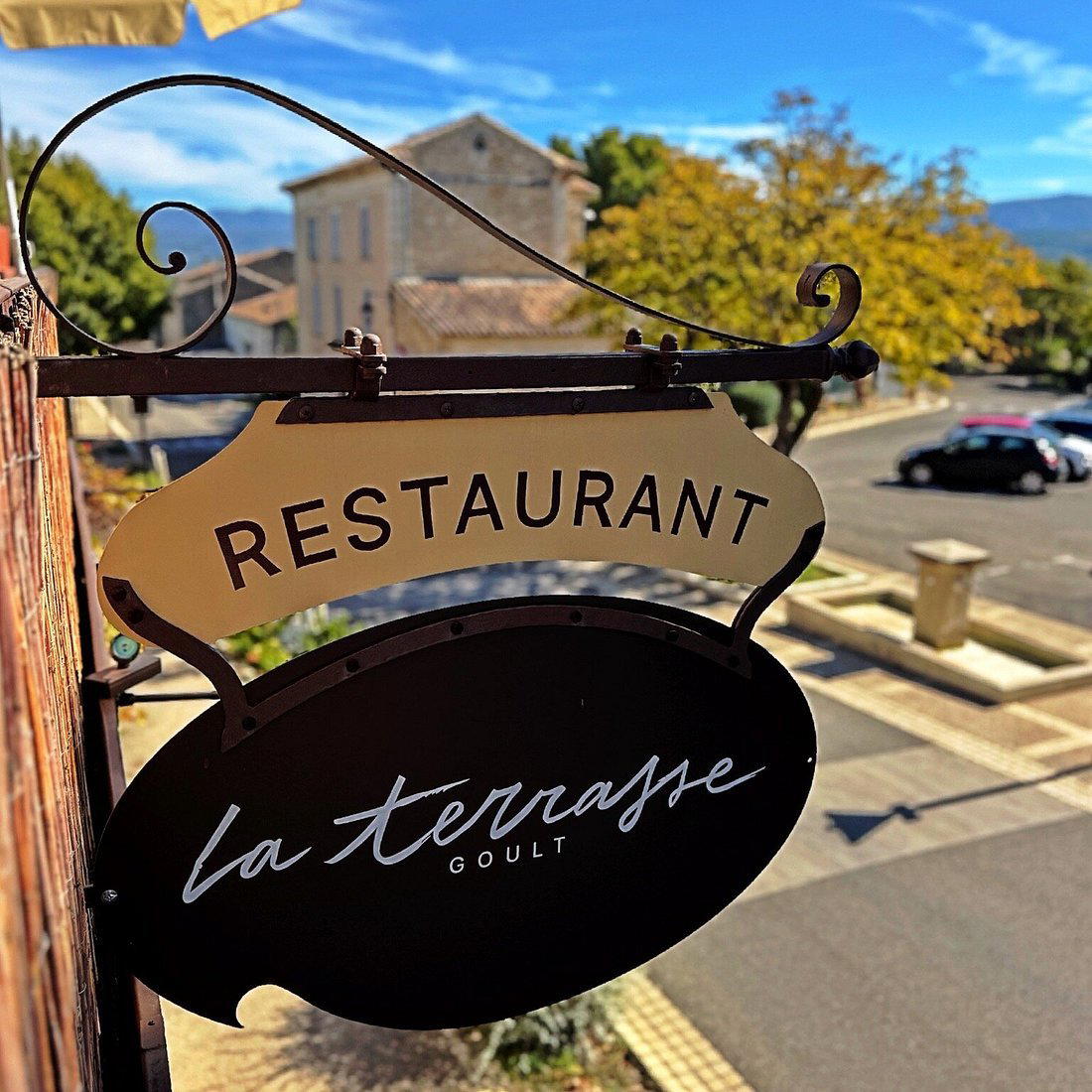
Where the Luberon Comes to the Table
Arrive in Goult on a warm afternoon and the village operates at a pace that the rest of Provence seems to have forgotten. Stone walls absorb the heat, the lanes narrow between shuttered facades, and by the time you reach the terrace at 200 Rue de la République, the idea of eating anything other than what grew nearby feels faintly absurd. That instinct is exactly what La Terrasse is built around. The kitchen draws its identity from the Luberon's seasonal rhythm, and the produce on the plate reads as a direct argument for why regional sourcing matters more than technique as a statement of intent.
France's broader restaurant culture has spent decades sorting itself into recognisable tiers. At one end sit the grand institutions, three-star rooms like Alléno Paris au Pavillon Ledoyen or Mirazur in Menton, where sourcing stories are communicated through elaborate tasting menus and editorial fanfare. At the other end sits a quieter category: small, place-rooted restaurants in villages that function less as destinations in their own right and more as distillations of the land around them. La Terrasse belongs to the latter. It has no stated price tier in the formal sense, no published tasting menu architecture, but its recognition by the We're Smart community, a network that evaluates restaurants specifically on their relationship to vegetables and plant-forward cooking, places it in a distinct peer group that prizes sourcing transparency over spectacle.
The Luberon on the Plate
The We're Smart endorsement is one useful frame for understanding what the kitchen is doing. The community's approval is not awarded to restaurants that happen to serve salads; it goes to operations that treat vegetables as the primary structural element of a meal, with flavour and colour considered from the ground up rather than applied at the pass. At La Terrasse, the menu runs on seasonal produce from the Luberon, and the kitchen will construct a fully vegetable-forward menu on request. That flexibility is significant. It signals that the plant-forward approach is not a concession to dietary preference but the kitchen's natural orientation.
France has its own tradition of vegetable-centric cooking that predates the contemporary conversation about sustainability. Michel Bras's wildflower-and-herb cooking at Bras in Laguiole spent decades making the case that the Aubrac plateau could be read entirely through its plants. The Provençal tradition, with its emphasis on ratatouille, tapenade, anchoïade, and the tomatoes and courgettes that ripen in this specific light and heat, has always leaned toward the vegetable garden as its primary larder. The restaurant operates within that inheritance. The flavours described by the We're Smart community, natural colours, intensity drawn from seasonal timing rather than reduction, point to a kitchen that lets the produce carry the weight rather than bolstering it with technique-heavy intervention.
That matters most in summer, when the Luberon's market produce reaches its peak. Cherry tomatoes that have no refrigeration history, aubergines picked before they turn bitter, courgette flowers that last half a day after cutting, these are ingredients that reward proximity. A restaurant in Goult has a structural advantage over a restaurant in Paris or Lyon in accessing this material at its correct moment. Compared with the sourcing logistics behind something like Flocons de Sel in Megève or Auberge de l'Ill in Illhaeusern, where kitchen teams build supply chains to compensate for their regional distance from certain produce, the Luberon kitchen's advantage is almost unfair in July and August.
The Terrace and What It Communicates
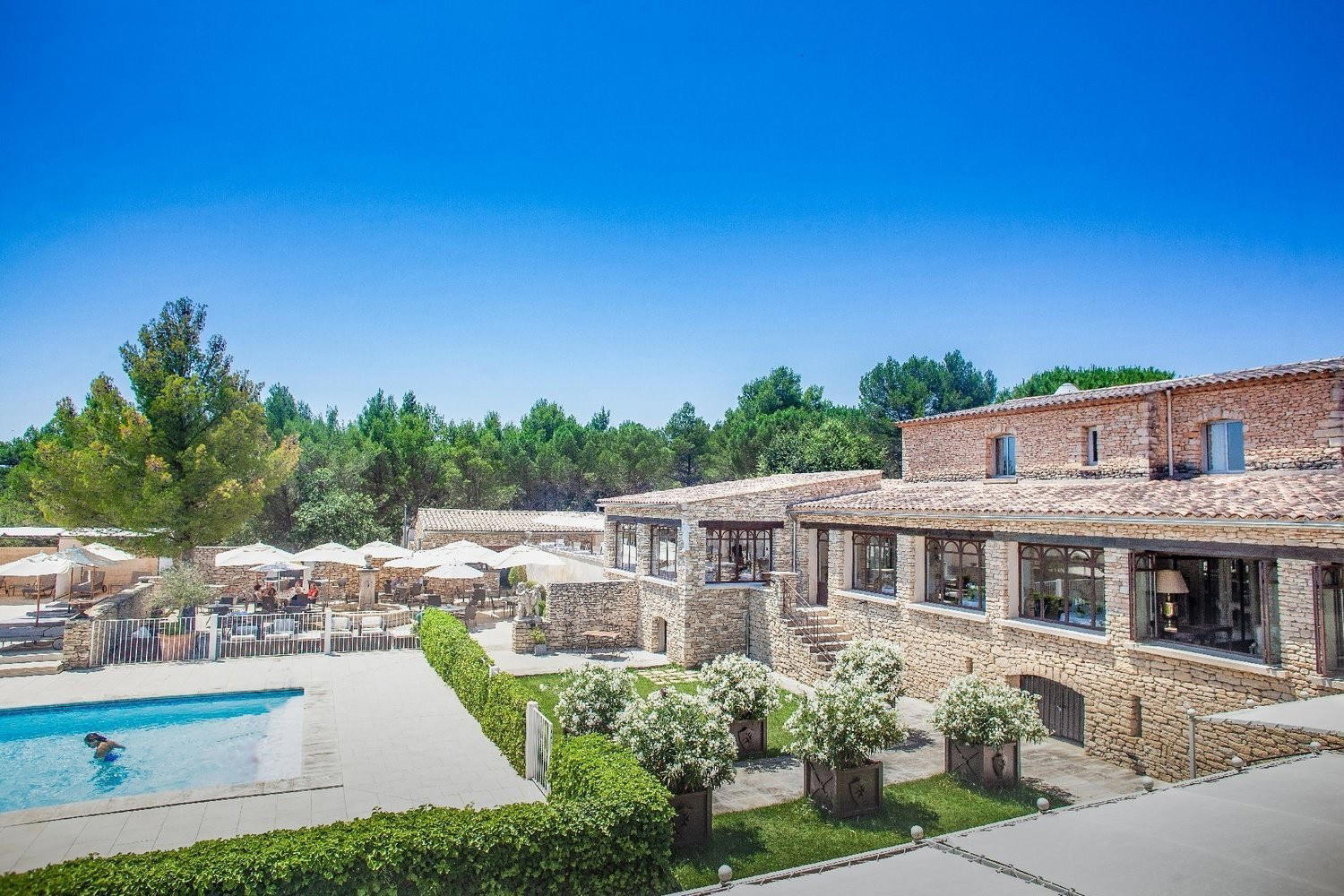
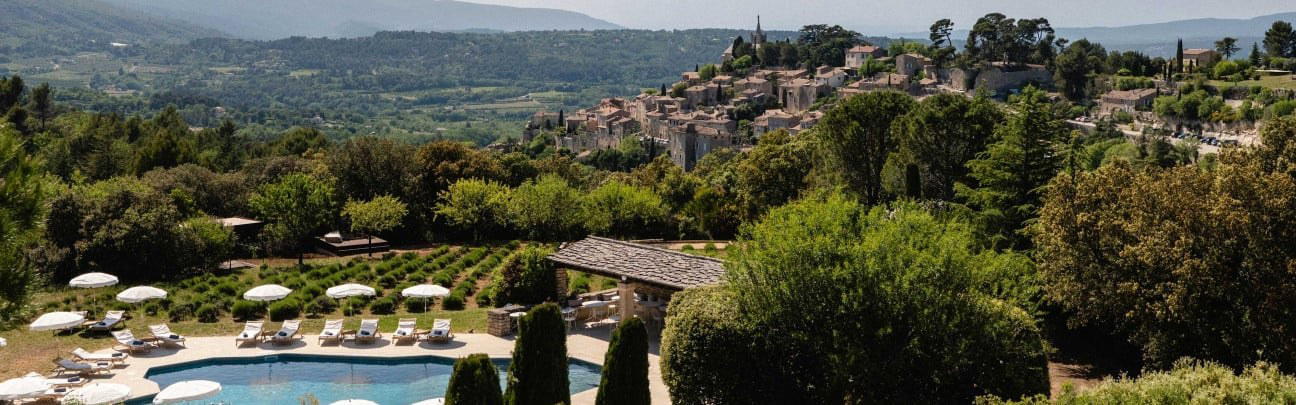
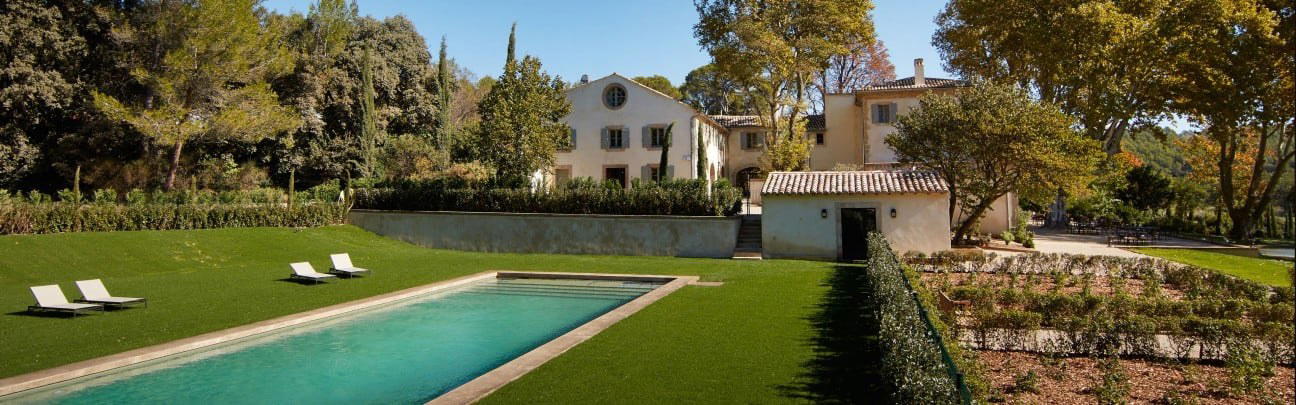
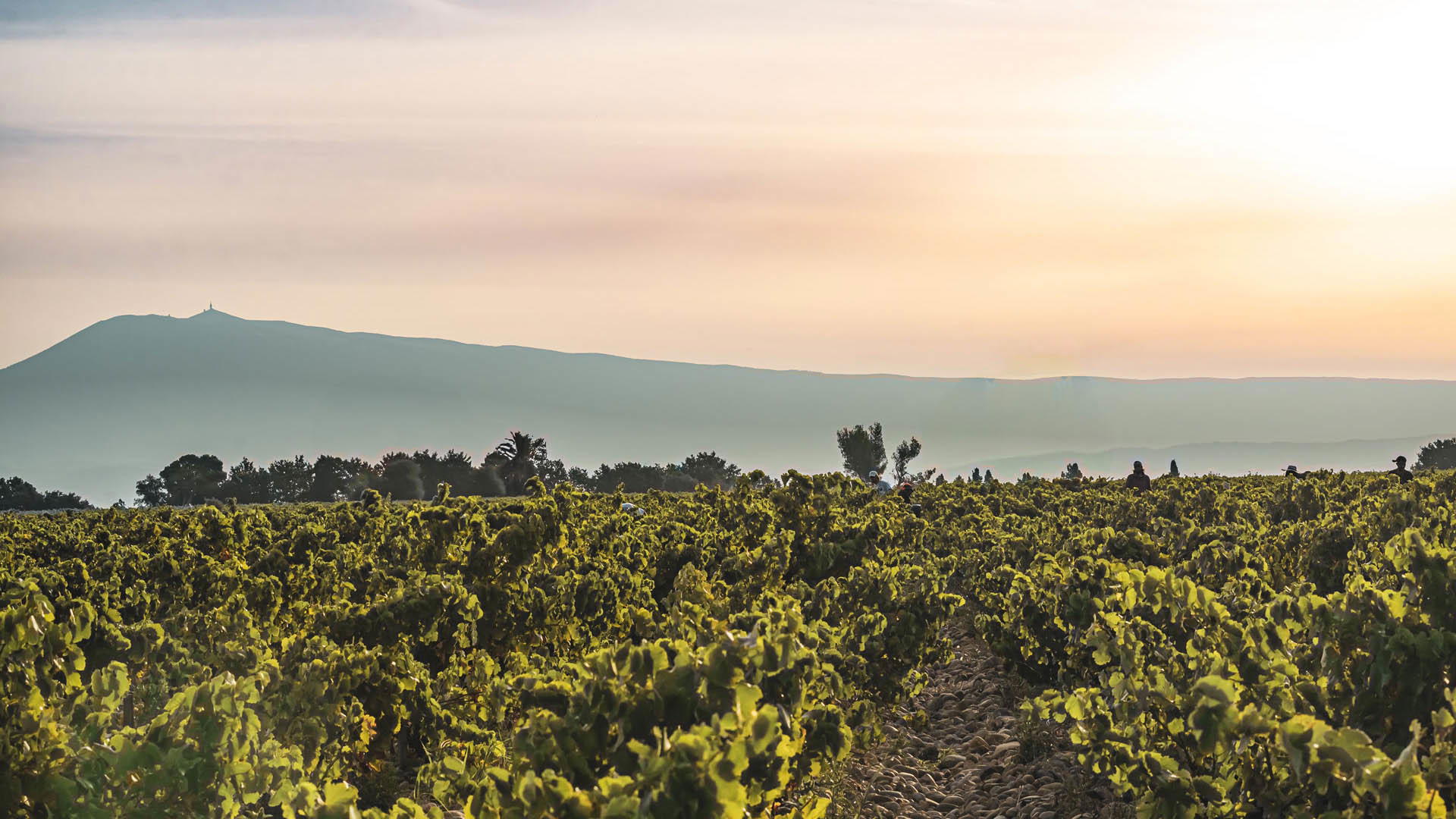
The physical setting performs its own argument. A terrace in a Luberon village is not decoration; it is the correct format for this food in this light. Eating outside in Goult at noon or early evening means eating in the same air as the lavender fields a few kilometres out, with the limestone plateau visible on the horizon. The sensory environment reinforces what is on the plate. This is not a theatrical device but a direct alignment between format and content that a dining room would interrupt.
The terrace model also places the restaurant within a local dining culture that operates differently from the formal restaurant circuits of Aix-en-Provence or Avignon. In the villages of the Luberon, including Goult's near neighbours, the restaurant experience is compressed: shorter menus, more direct hospitality, a booking culture that is informal but not optional. The restaurant fits that pattern. For a broader map of what is available in the village, the full Goult restaurants guide provides context, including La Bartavelle, which represents the Provençal bistro tradition, and Le Carillon, which takes a more contemporary approach to the same regional material.
Planning a Visit
Reservations are recommended and become near-essential during high season, roughly June through August, when the Luberon villages fill with visitors from across Europe and the restaurant's terrace operates at capacity most evenings. The address is 200 Rue de la République, Goult. Phone and online booking details are not currently listed in public directories, so arriving in advance to enquire in person or checking local accommodation for contact information is the practical approach. For visitors planning wider itineraries, the Goult hotels guide, bars guide, wineries guide, and experiences guide cover the surrounding options. For those with broader travel in the south of France, AM par Alexandre Mazzia in Marseille represents a different register of southern French cooking, at the creative end of the spectrum.
Comparable Venues
Comparable venues nearby, for context on price, style, and recognition.
| Venue | Cuisine | Price | Awards | Notes |
|---|---|---|---|---|
| La TerrasseThis venue — the venue you are viewing | French Bistro | $$ | Not listed | Not listed |
| La Bartavelle | Traditional Provençal French | $$$ | Michelin Plate | Goult village center |
| Le Carillon | Provençal French Bistro | $$$ | Michelin Plate | Goult |
| Relais des Saveurs | Provencal French Seafood | $$ | Not listed | Cavaillon |
| O'Papilles | Traditional French Bistro with Local Produce | $$ | Not listed | historic center |
| L'Intramuros | Southern French Bistro with Rum Focus | $$ | Not listed | Apt |
Recognition history
Dated appearances from independent guides and award organizations, with the underlying list record or original source where available.
We're Smart World 2 Radishes
We're Smart World
Continue exploring
More in Goult
Restaurants in Goult
Browse all →
Bars in Goult
Browse all →
Hotels in Goult
Browse all →
At a Glance
- Rustic
- Cozy
- Elegant
- Date Night
- Casual Hangout
- Terrace
- Extensive Wine List
- Local Sourcing
- Street Scene
Current opening hours
- Monday
- 12–1:30 PM, 7–9:30 PM
- Tuesday
- 12–1:30 PM, 7–9:30 PM
- Wednesday
- 12–1:30 PM, 7–9:30 PM
- Thursday
- Closed
- Friday
- Closed
- Saturday
- 12–1:30 PM, 7–9:30 PM
- Sunday
- 12–1:30 PM, 7–9:30 PM
Hours can change for holidays and private events. Last verified .
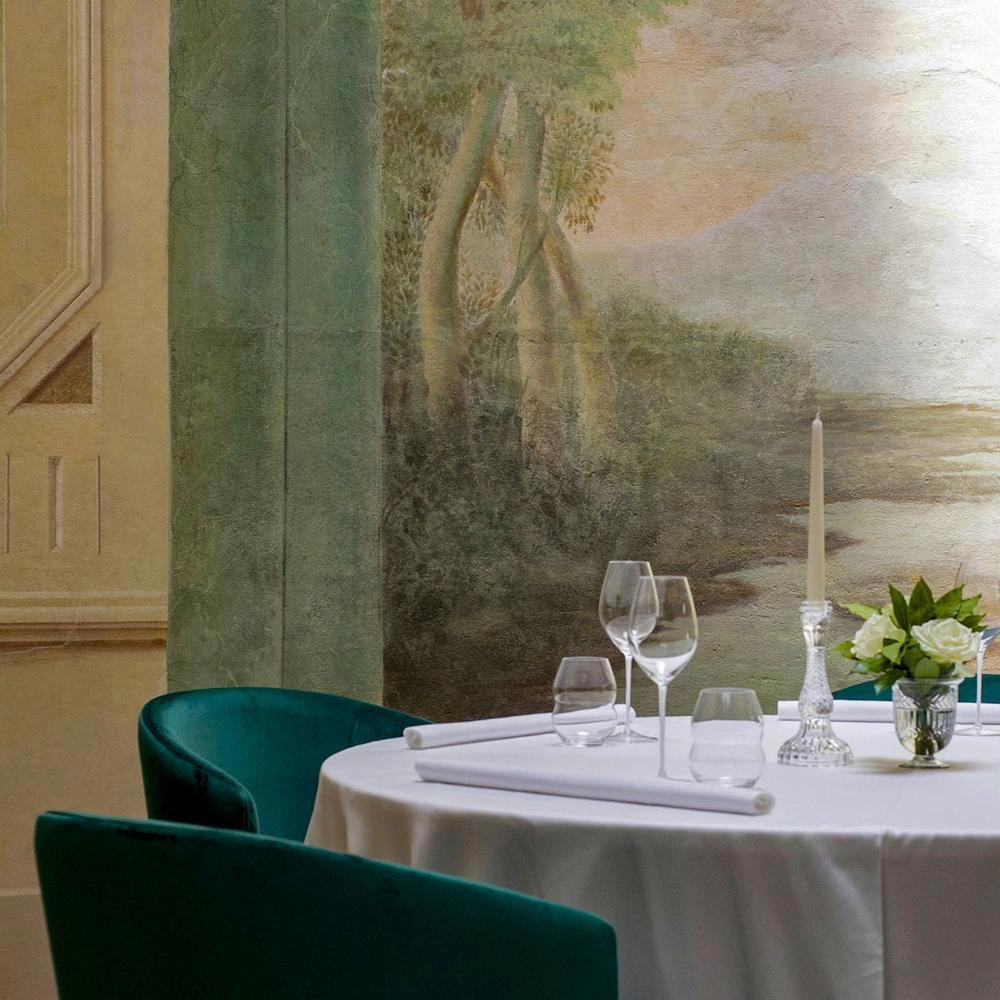
Peaceful and elegant setting with warm lighting on a terrace overlooking the village street, creating a relaxing Provençal atmosphere.