
La Table de la Bastide occupies the dining room of La Bastide de Gordes, a historic property perched above the Luberon valley. Holding a Michelin Plate recognition in 2025, the kitchen works within the modern cuisine register at the higher end of Gordes dining. The surrounding Vaucluse terroir, rich in seasonal produce, herbs, and regional olive oil, shapes the menu's ingredient logic throughout the year.
Pearl is the En Primeur Club membership app — saves, bookings, and concierge access live there. Same editors, same standards.
- Address
- La Bastide de Gordes, 61 rue de la Combe, Gordes, 84220, France
- Phone
- +33 4 90 72 12 12
- Website
- airelles.com
- Directions
- Get directions
 Saves & bookings on Pearl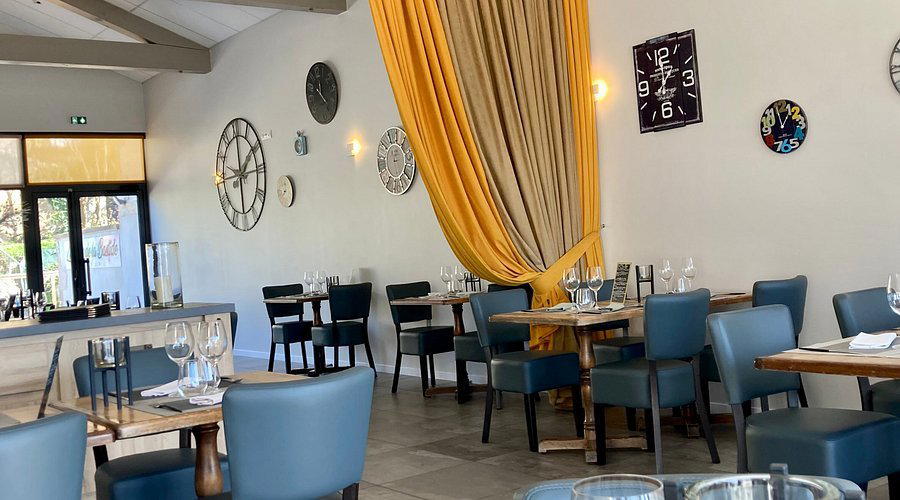
Stone Walls and Seasonal Plates: Dining at La Bastide de Gordes
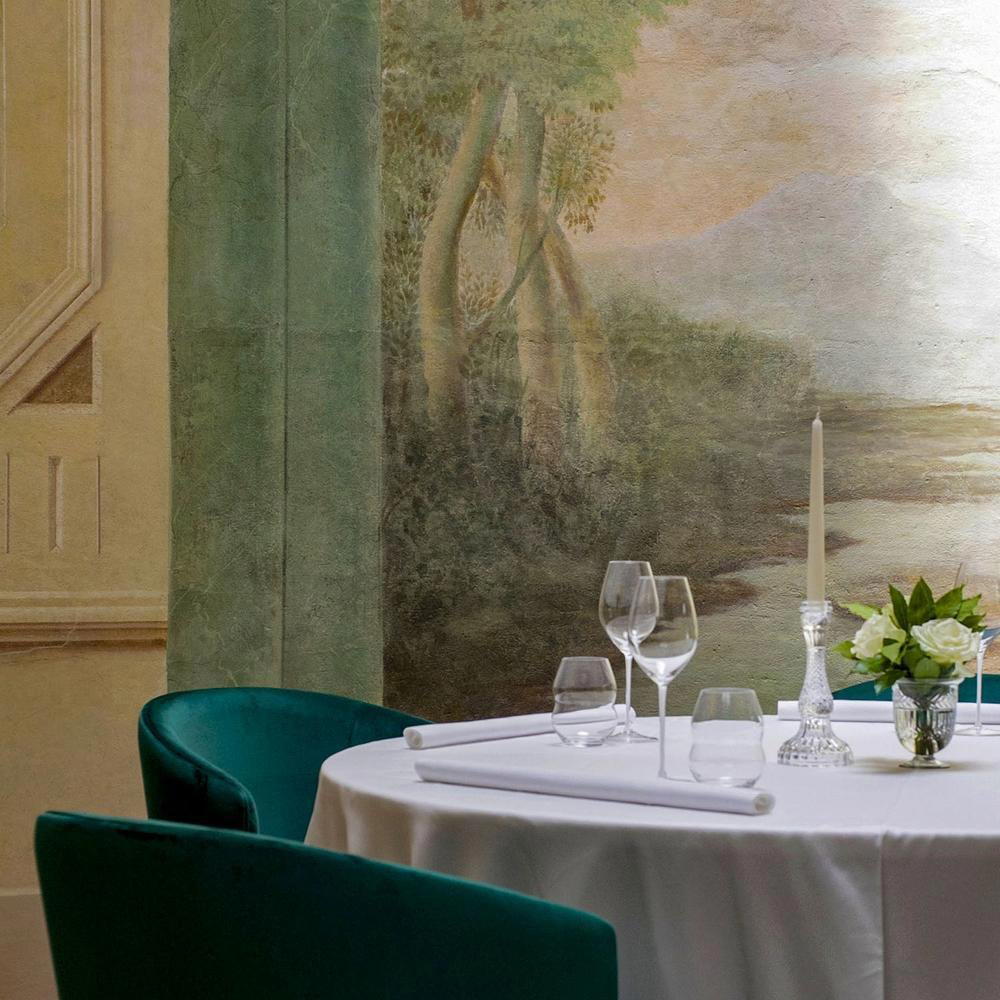
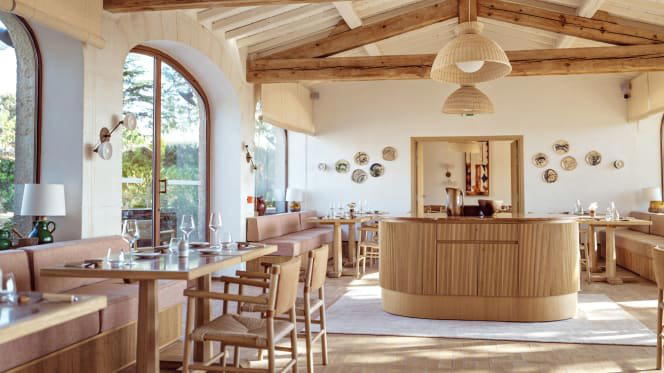
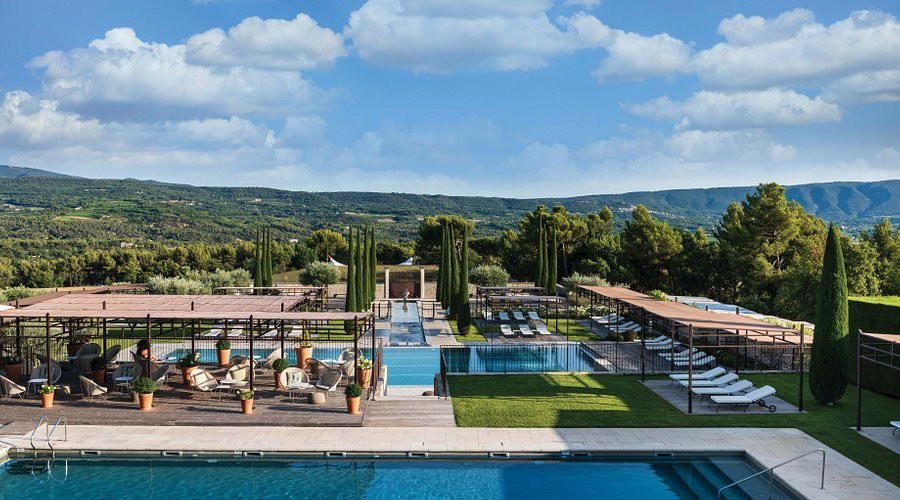
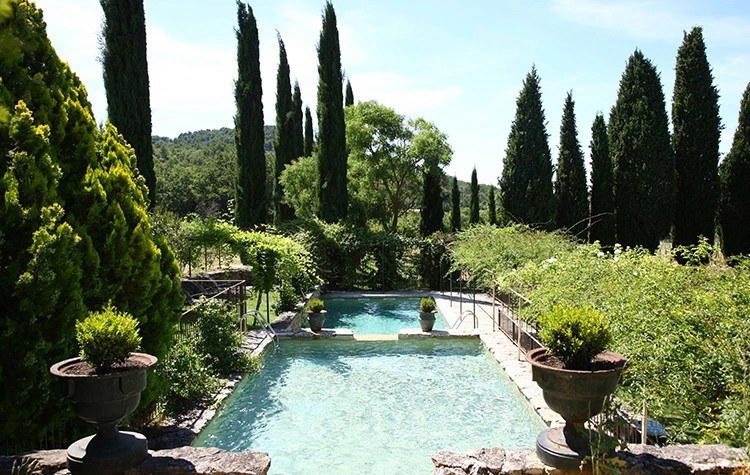
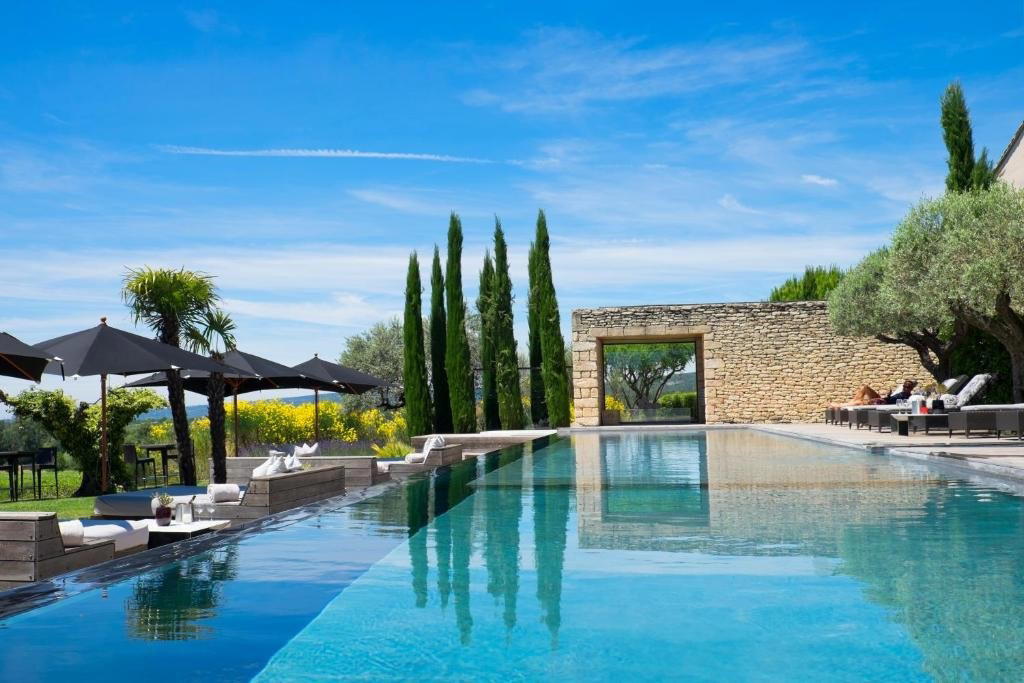
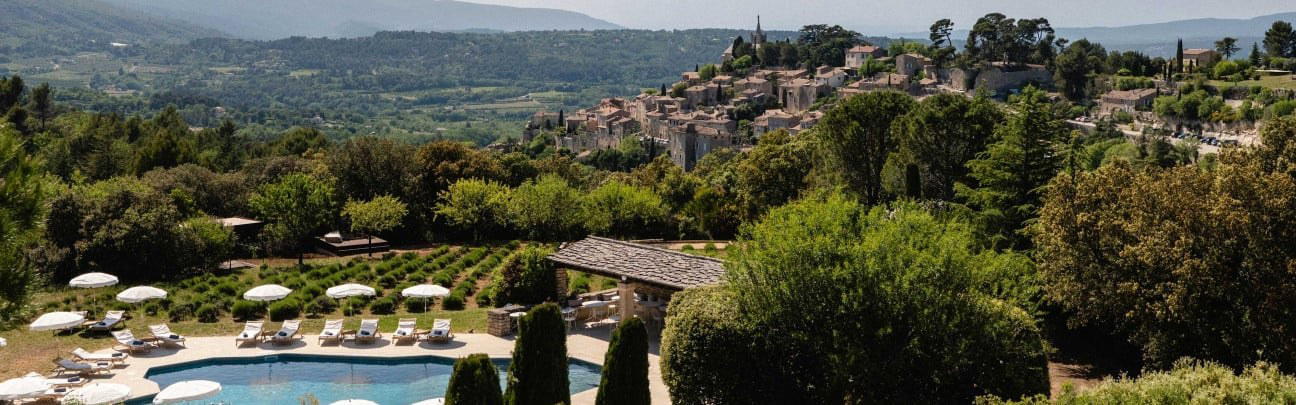
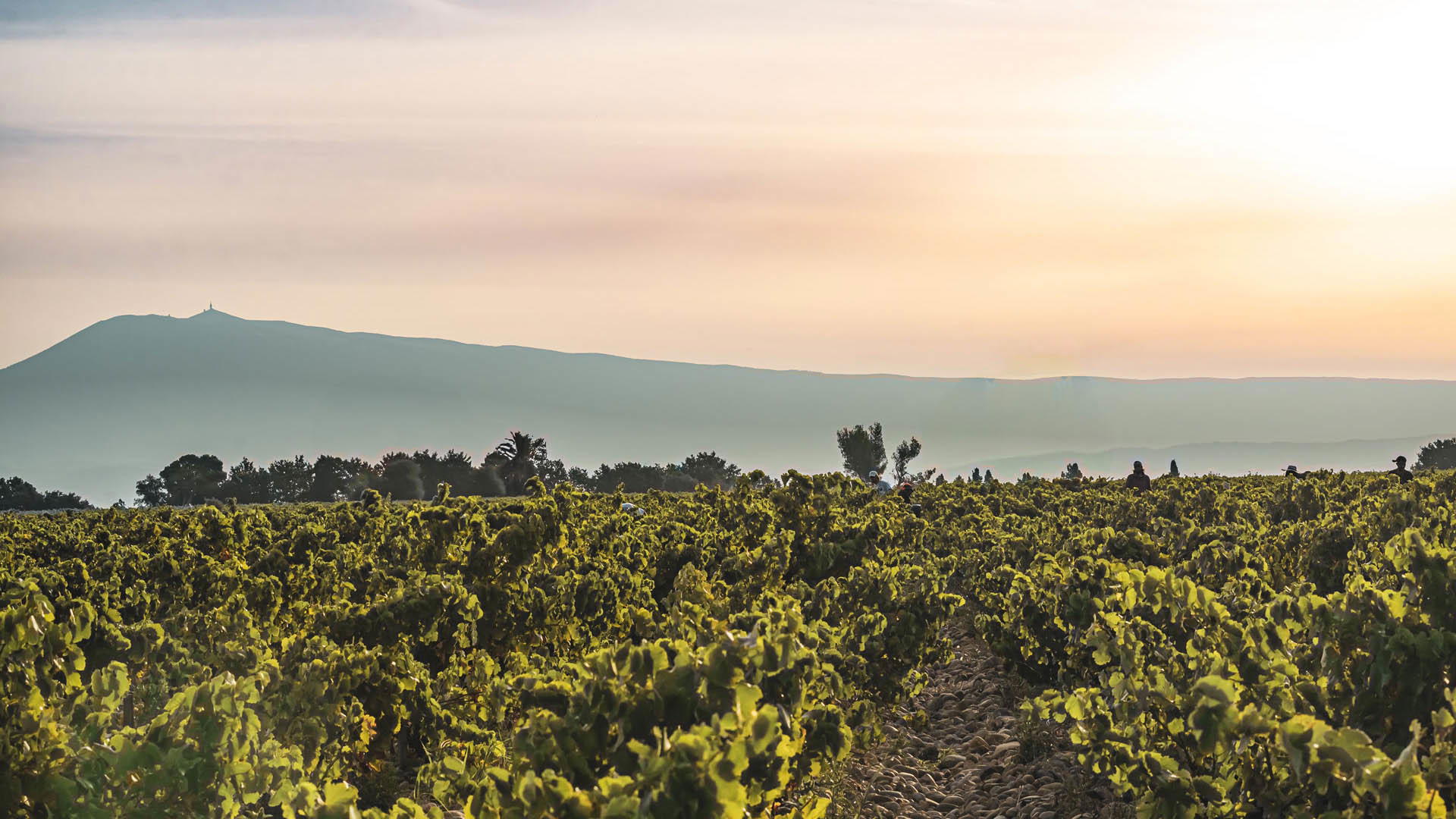
Gordes sits at roughly 375 metres above the Luberon plain, and the approach to La Bastide de Gordes makes that elevation impossible to ignore. The village itself is classified among France's most preserved medieval settlements, and the property occupies a position where the building and the landscape are in open conversation. You arrive through stone and light. Inside, the dining room carries that same weight of material, the kind of architecture that resists over-decoration because the bones already do the work. La Table de la Bastide operates within that physical context, and the room's atmosphere is largely determined by it.
This is the higher end of Gordes dining. At the €€€€ price range, La Table de la Bastide shares its tier with properties whose kitchens position themselves as destinations, not merely hotel amenities. The record does not list a Michelin star, and the kitchen sits in the recognised tier of French restaurant quality without a star. For comparable dining in Gordes itself, Les Bories occupies a similar premium position, while Le Mas - Alexis Osmont takes a more explicitly farm-to-table approach anchored in direct producer relationships.
Vaucluse as Larder: What the Region Puts on the Plate
The ingredient story in this part of Provence is one of the more coherent in France. The Vaucluse département sits at the centre of a production network that includes Luberon truffles from November through February, Cavaillon melons that carry AOC status and a reputation stretching back to the 17th century, lavender honey from the high plateau, and Alpilles olive oil from groves less than 40 kilometres to the southwest. The growing season is long, the soil varied by altitude, and the proximity to both Mediterranean coast and alpine foothills means that a kitchen drawing on local sourcing has access to a range of produce that few French regions can match with the same density.
Modern cuisine as a format, at its most rigorous, treats this kind of regional abundance as structural rather than decorative. The Provence tradition has always depended on ingredient quality over technique complexity, a different orientation from the classical French school, where elaborate sauce-making and long preparation obscure or transform the base product. In the Luberon context, the sourcing logic is often the clearest editorial statement a kitchen can make. France's most celebrated ingredient-led kitchens, including Mirazur in Menton and Bras in Laguiole, have built international recognition partly on the coherence between their physical location and what arrives on the plate. The principle scales down as well as up.
At La Table de la Bastide, the modern cuisine register suggests a kitchen that works with those Provençal ingredients through contemporary technique rather than through the heavy canon of classical French cooking. That means the seasonal calendar will inflect the menu materially: summer brings the courgette flowers, tomatoes, and herbs that define Provençal late-season cooking; autumn shifts toward mushrooms, game, and the truffle preparations that distinguish Luberon tables from their coastal counterparts. Diners visiting outside the main summer season often find that the autumn menu offers distinctly regional character.
Where La Table de la Bastide Fits in the French Modern Cuisine Conversation
France's modern cuisine tier covers an enormous range, from three-starred houses like Alléno Paris au Pavillon Ledoyen and Assiette Champenoise in Reims, to mountainside addresses like Flocons de Sel in Megève, to the institution-scale legacy of Paul Bocuse in Collonges-au-Mont-d'Or. Internationally, the format extends through addresses like Frantzén in Stockholm and FZN by Björn Frantzén in Dubai. Within that full spectrum, a Michelin Plate recognition positions the restaurant well below the starred tier but above the general field of unlisted hotel restaurants.
The comparison that matters most for a reader deciding where to eat in Gordes is less about the global modern cuisine conversation and more about what this kitchen offers against local alternatives. The property context distinguishes it from standalone restaurants: dining at La Bastide de Gordes is also dining inside one of the Luberon's most architecturally coherent hotel properties, which changes the rhythm of an evening. Regional counterparts like Auberge de l'Ill in Illhaeusern and Troisgros in Ouches demonstrate that the French hotel-restaurant model, when the kitchen commitment is genuine, can produce some of the country's most compelling dining experiences. The restaurant operates at a different scale and recognition level from those houses, but the structural logic is shared.
Planning a Visit
The restaurant is located within La Bastide de Gordes at 61 rue de la Combe, Gordes 84220. The village sits roughly an hour's drive from Avignon and around 90 minutes from Marseille, making it accessible from both the TGV station at Avignon and the international airport at Marseille-Provence. Gordes itself has limited parking in the village centre, and access to the upper village requires navigating the narrow medieval lanes; guests staying at the property have a direct advantage. The restaurant operates at the €€€€ price level, which in the Gordes context is the ceiling of local dining, and booking well in advance is advisable during the July and August peak season, when the Luberon draws visitors from across Europe. Autumn visits, from September through November, align with truffle season and tend to offer shorter lead times alongside what many consider the region's most characterful produce.
Comparable Venues
Comparable venues nearby, for context on price, style, and recognition.
| Venue | Cuisine | Price | Awards | Notes |
|---|---|---|---|---|
| La Table de la BastideThis venue — the venue you are viewing | Refined Provençal Fine Dining | $$$$ | Michelin Plate | Not listed |
| Clover Gordes | Grilled Provençal Bistro | $$$$ | Not listed | Gordes |
| Le Mas - Alexis Osmont | French Farm-to-Table Bistro | $$$ | Michelin Plate | Gordes |
| Les Bories | Modern Provençal Fine Dining | $$$$ | Michelin Plate | Gordes |
| Le Pré Gourmand | Seasonal Mediterranean Fine Dining | $$$$ | Michelin Plate | Eyragues |
| Le Temps Suspendu - Château de Fonscolombe | Bistronomic Provençal French | $$$$ | Michelin Plate | Le Puy-Sainte-Réparade |
Recognition history
Dated appearances from independent guides and award organizations, with the underlying list record or original source where available.
Michelin Plate
Michelin
Continue exploring
More in Gordes
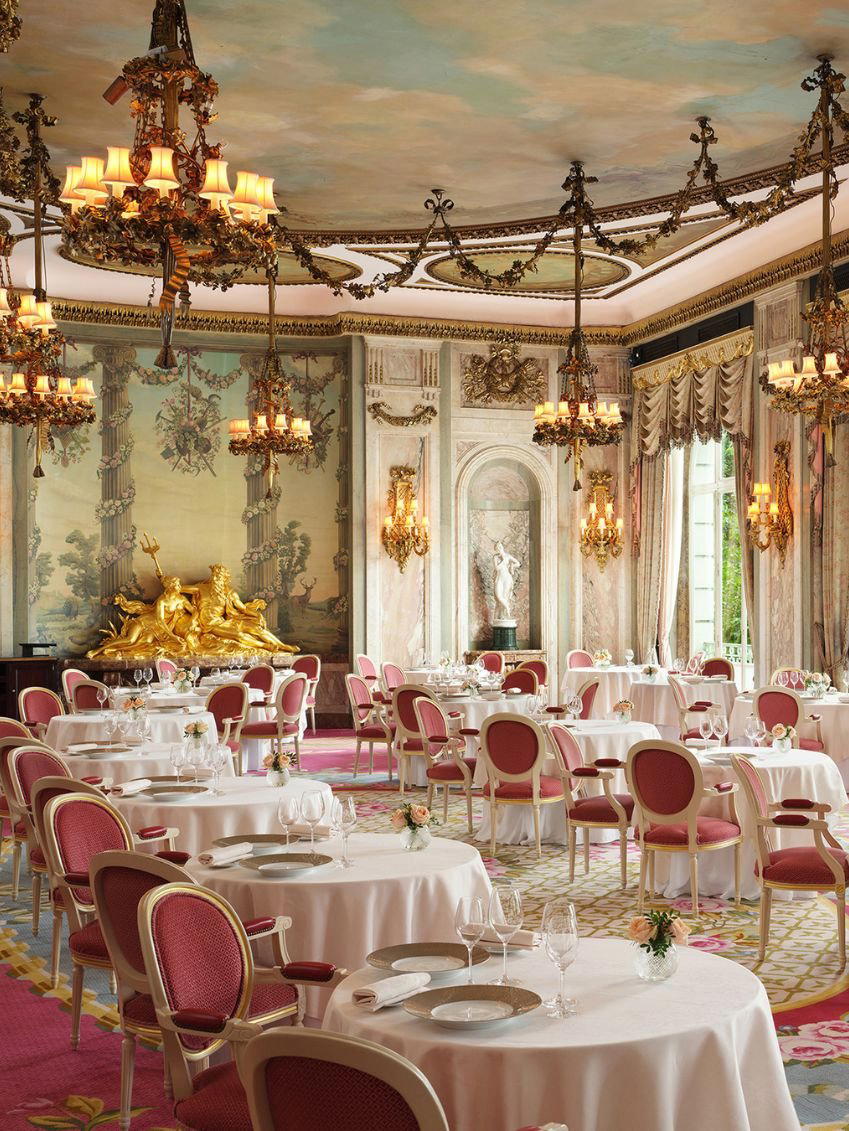
Restaurants in Gordes
Browse all →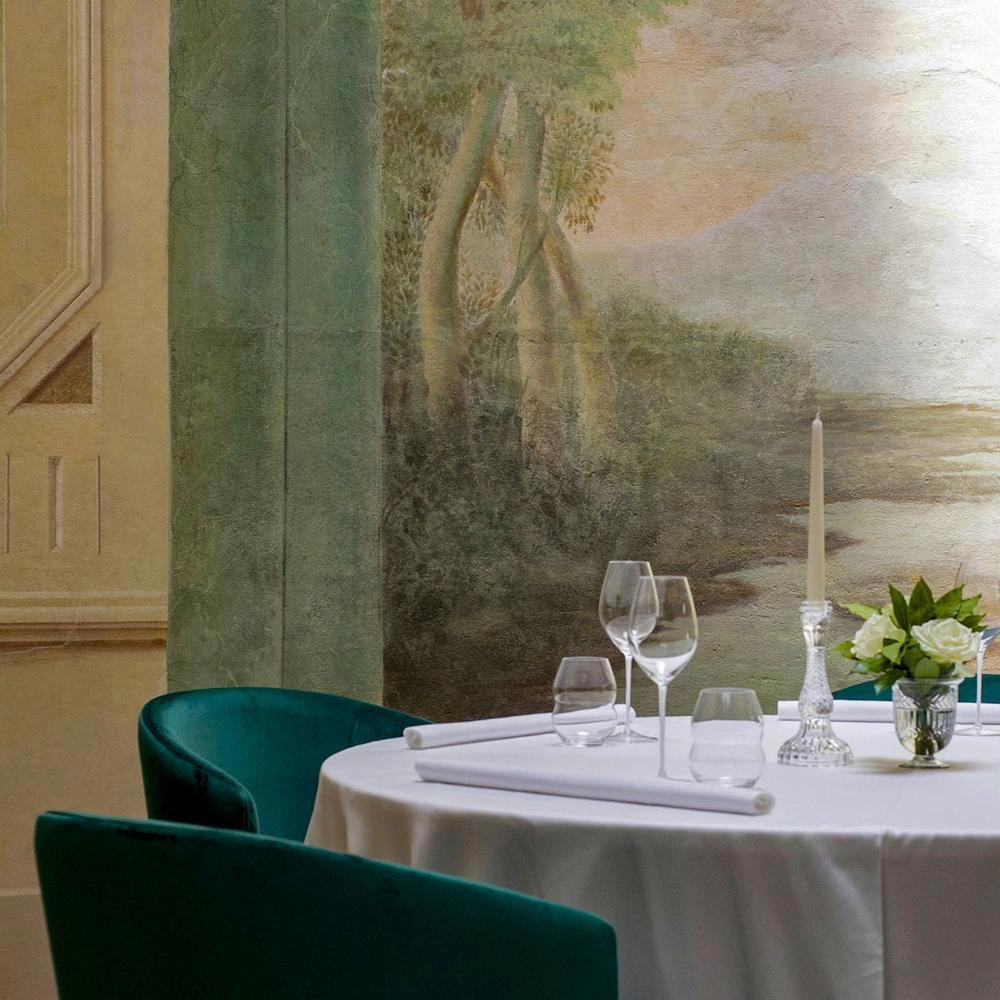
Bars in Gordes
Browse all →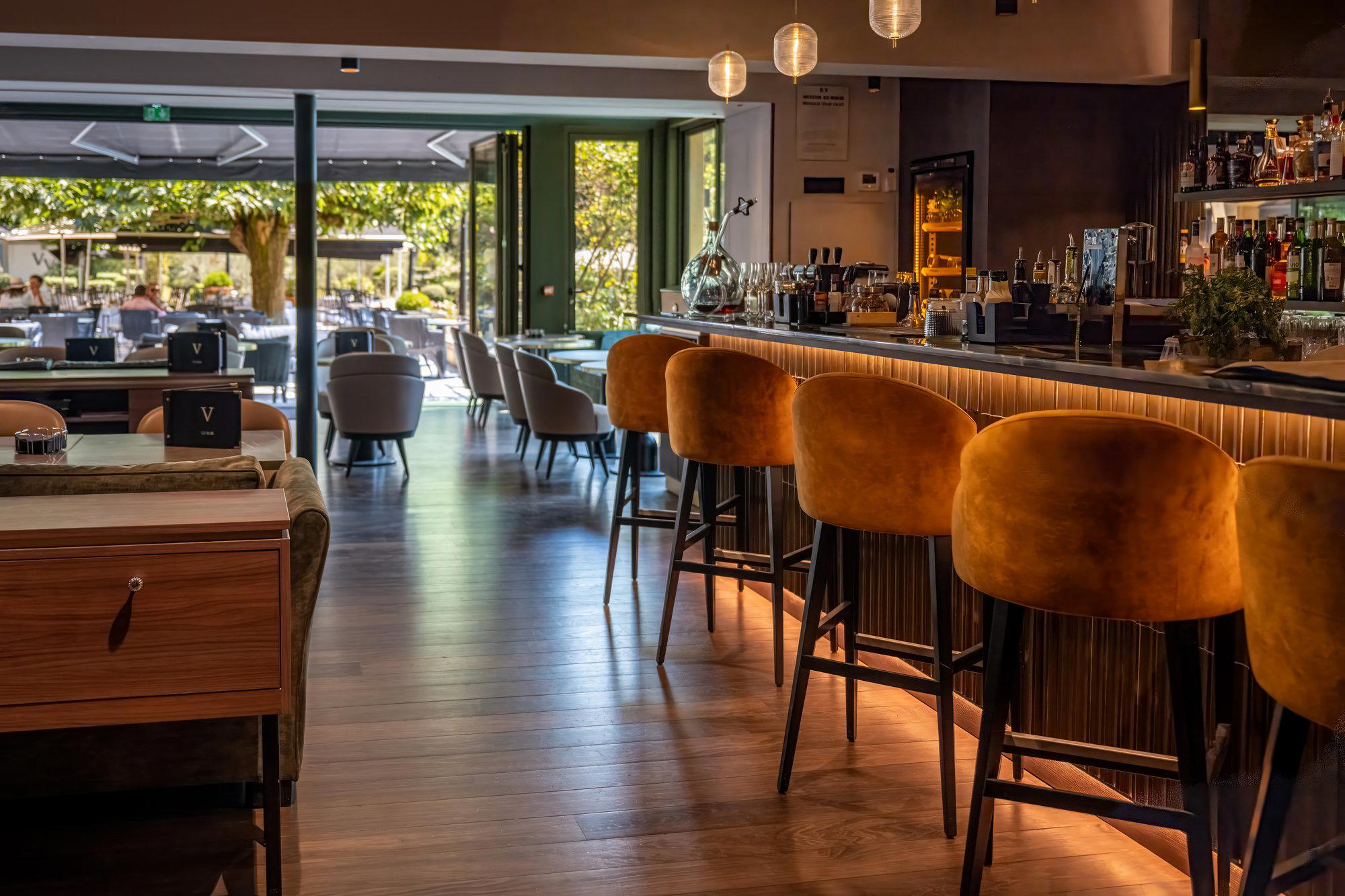
Hotels in Gordes
Browse all →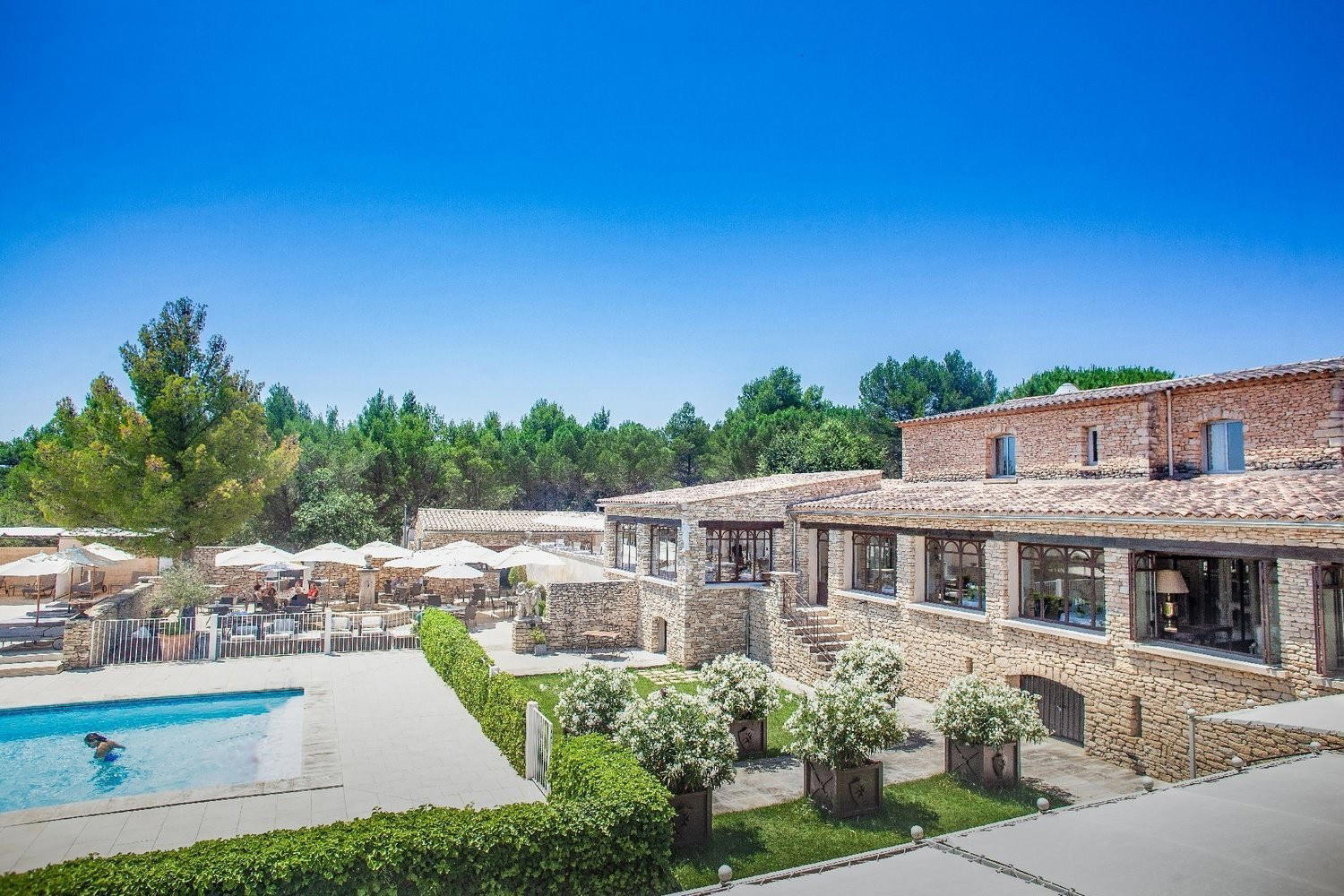
At a Glance
- Elegant
- Sophisticated
- Scenic
- Date Night
- Special Occasion
- Terrace
- Historic Building
- Hotel Restaurant
- Extensive Wine List
- Local Sourcing
- Mountain
Elegant interior with upholstered banquettes and woodwork evoking Luberon heritage, shaded terrace under chestnut trees with formal, swish service.