
Michelin Plate
Our verdict
La Table de Jeanne holds a Michelin Plate for both 2024 and 2025, making it one of the more formally recognised Savoyard tables in Tignes. Situated on the Avenue de la Grande Motte, the restaurant draws on the Alpine tradition of ingredient-driven mountain cooking, with a focus on regional produce that positions it clearly above the resort's casual ski-lodge tier.

Pearl is the En Primeur Club membership app, where members save venues, book tables and use the concierge.
The menu
What to order
- Raclette de Savoie
- Fondue
- Reblochon fermier du Grand Bornand rôti au four
- Gratin de crozets
- Tartare au couteau de mémé Jeanne
Where the Mountain Kitchen Takes Itself Seriously
At altitude, the gap between a restaurant that treats Savoyard cooking as a backdrop and one that treats it as a discipline tends to show quickly. Tignes sits at roughly 2,100 metres, and most of its dining options are calibrated to feed cold, hungry skiers rather than to say anything meaningful about the food itself. La Table de Jeanne, on the Avenue de la Grande Motte, operates in a different register. The room signals intent before a plate arrives: this is not the tartiflette-and-vin-chaud circuit that accounts for the bulk of alpine resort dining. The Michelin Plate recognition in both 2024 and 2025 confirms that signal is consistent enough to be taken at face value.
The Savoyard Tradition and What It Demands
Savoyard cuisine is among the more ingredient-specific regional traditions in France. Its foundations, reblochon, beaufort, abondance, tomme de Savoie, Chartreuse, crozets, diots, are tied to a geography that produced them: high-altitude pastures, low-intervention cheesemaking, cold-cellar preservation. The cuisine's character depends almost entirely on whether those foundational ingredients are sourced with any seriousness. A reblochon from a supermarket distribution chain and a fermier reblochon from a producer in the Aravis valley are not interchangeable; the same logic applies to every component on a table that positions itself in this tradition.
What the Michelin Plate designation signals, in this context, is that the kitchen clears a threshold of ingredient and technique integrity that earns external recognition. It is not a starred table, Tignes has no starred restaurants at present, and the high-altitude resort format makes that level of supply consistency genuinely difficult to maintain across a ski season. But within the €€€ bracket in a market where most options sit at €€ and deliver accordingly, La Table de Jeanne occupies the upper position. For comparison, Flocons de Sel in Megève represents what the full haute Savoyard tradition looks like at three Michelin stars, and Simple et Meilleur in Saint-Martin-de-Belleville offers another reference point for serious regional cooking at ski-resort altitude. La Table de Jeanne sits below both in formal award terms, but within the specific dining market of Tignes, it holds the more seriously credentialled position.
Ingredient Sourcing in the Alpine Context
The editorial question worth asking of any mountain restaurant is how far the kitchen reaches for its raw materials, and whether the sourcing holds through a full season. Alpine resorts create a particular supply problem: the season runs roughly from December through April, access is weather-dependent, and the volume demands of a ski resort dining room conflict with the quantities that small artisan producers can supply. Restaurants that resolve this tension, sourcing cheeses from named valley producers, working with regional charcutiers, using Savoie wine appellations rather than generic house pours, produce food that tastes like it belongs to the place. Those that don't produce food that could have been assembled anywhere.
The Savoie and Haute-Savoie regions give a kitchen real material to work with. Beaufort AOP, produced only in specific valleys from the milk of Tarentaise or Abondance cows, carries a distinct nuttiness that varies by alpage altitude and season. Crozets, the small buckwheat or wheat pasta native to the Tarentaise valley, absorb butter and cheese in a way that distinguishes a properly made gratin from a generic pasta dish. Diots, the Savoyard sausages traditionally cooked in white wine, depend on the character of the pig and the herbs used in the cure. These details matter at a restaurant operating in the €€€ range, where the expectation is that sourcing decisions have been made deliberately rather than by default.
La Table de Jeanne in the Tignes Dining Picture
Tignes has a thin layer of serious dining relative to its size as a resort. The Michelin-recognised tier is small: La Table de Jeanne holds two consecutive Plates, and Ursus, operating in the creative register, represents the more contemporary end of the resort's upper dining bracket. Le Panoramic covers the traditional cuisine ground. These three form the credentialled core of a scene that otherwise runs heavily toward informal ski-day catering. For anyone making a trip around food rather than treating food as an afterthought to skiing, the options narrow quickly, which makes the distinction between these addresses more consequential than it might be in a city context.
France's broader fine dining tradition, from the Alléno Paris au Pavillon Ledoyen and Paul Bocuse to the terrain-rooted ambition of Bras in Laguiole and the seasonal rigour of Mirazur in Menton, places enormous weight on the relationship between a kitchen and its territory. In mountain contexts specifically, that relationship is both more constrained (by altitude and season) and more legible (because the ingredients themselves are so distinctly geographic). When a Savoyard table executes that relationship well, the food reads as a direct expression of the valley and the season. When it doesn't, the regional cuisine tag is decorative rather than substantive.
Planning a Visit
La Table de Jeanne sits at 14 Avenue de la Grande Motte in Tignes, placing it within the central resort area rather than at a remote mountain access point. The €€€ price point positions it above casual resort dining and in line with what the Michelin Plate designation implies: a kitchen investing meaningfully in ingredients and execution. Given the seasonal nature of Tignes as a resort, the winter ski season from December through April represents the primary operating window, and booking ahead is advisable for any date in the core February and March peak period.
For a broader picture of where La Table de Jeanne fits within the resort's full dining and hospitality offer, see our full Tignes restaurants guide, our full Tignes hotels guide, our full Tignes bars guide, our full Tignes wineries guide, and our full Tignes experiences guide. For context on how serious regional French cooking operates at different price and award tiers, Auberge de l'Ill in Illhaeusern, Assiette Champenoise in Reims, AM par Alexandre Mazzia in Marseille, Troisgros - Le Bois sans Feuilles in Ouches, and Le Bernardin in New York City each illustrate what sustained sourcing discipline and technical rigour look like at the upper end of their respective traditions.
Frequently asked questions
Where is La Table de Jeanne in Tignes?
La Table de Jeanne is located at 14 Av. de la Grande Motte, 73320 Tignes, France, Tignes.
Side-by-Side Snapshot
| Venue | Cuisine | Price | Awards | Notes |
|---|---|---|---|---|
| La Table de JeanneThis venue (the venue you are viewing) | Traditional Savoyard French | $50–100 | Michelin Plate | Not listed |
| Alléno Paris au Pavillon Ledoyen | Modern French Fine Dining | $150–200 | 3 Michelin Stars · World's 50 Best #79 | Creative |
| Kei | Contemporary French, Modern Cuisine | Not listed | Michelin 3 Star | Not listed |
| L'Ambroisie | Classic French Haute Cuisine | $300–500 | 2 Michelin Stars · World's 50 Best #23 | French, Classic Cuisine |
| Le Cinq - Four Seasons Hôtel George V | Modern French Fine Dining | $300–500 | 3 Michelin Stars · World's 50 Best #24 | French, Modern Cuisine |
| Plénitude | Modern French Sauce-Led Fine Dining | $300–500 | 3 Michelin Stars · World's 50 Best #14 | Contemporary French |
Recognition history
Dated appearances from independent guides and award organizations, with the underlying list record or original source where available.
Michelin Plate
Michelin
Full recognition history (3 entries)
Michelin Plate
Michelin
Michelin Plate
Michelin
Continue exploring
More in Tignes
Restaurants in Tignes
All restaurants in Tignes →
Bars in Tignes
Browse all →
Details
- Cozy
- Rustic
- Classic
- Family
- Group Dining
- Casual Hangout
- Date Night
- Open Kitchen
- Standalone
- Local Sourcing
- A La Carte
Current opening hours
- Monday
- 7–9:30 PM
- Tuesday
- 7–9:30 PM
- Wednesday
- 7–9:30 PM
- Thursday
- 7–9:30 PM
- Friday
- 7–9:30 PM
- Saturday
- 7–9:30 PM
- Sunday
- 7–9:30 PM
Hours can change for holidays and private events. Hours as of .
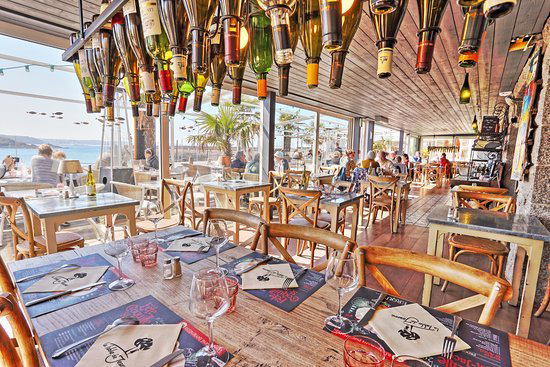
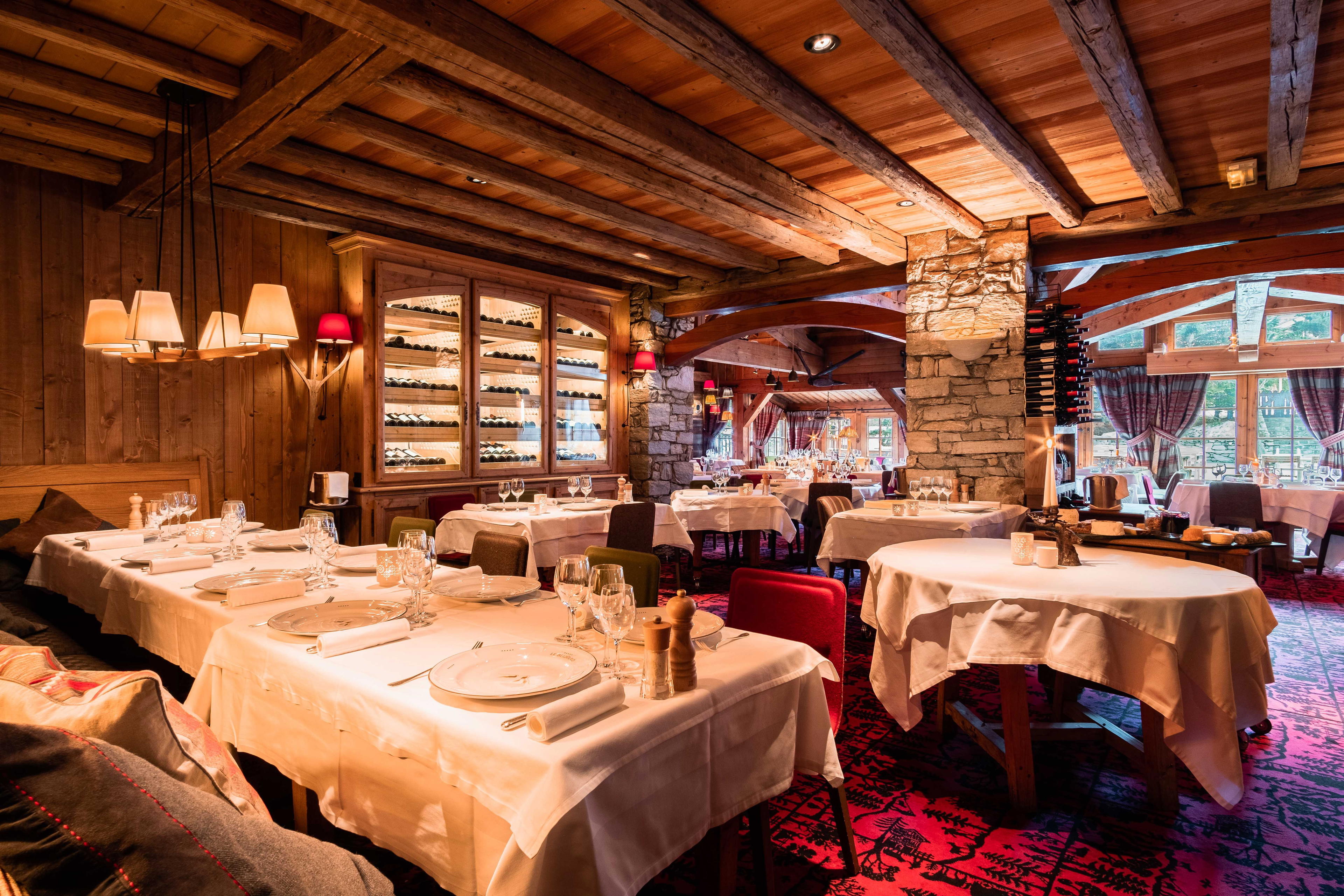
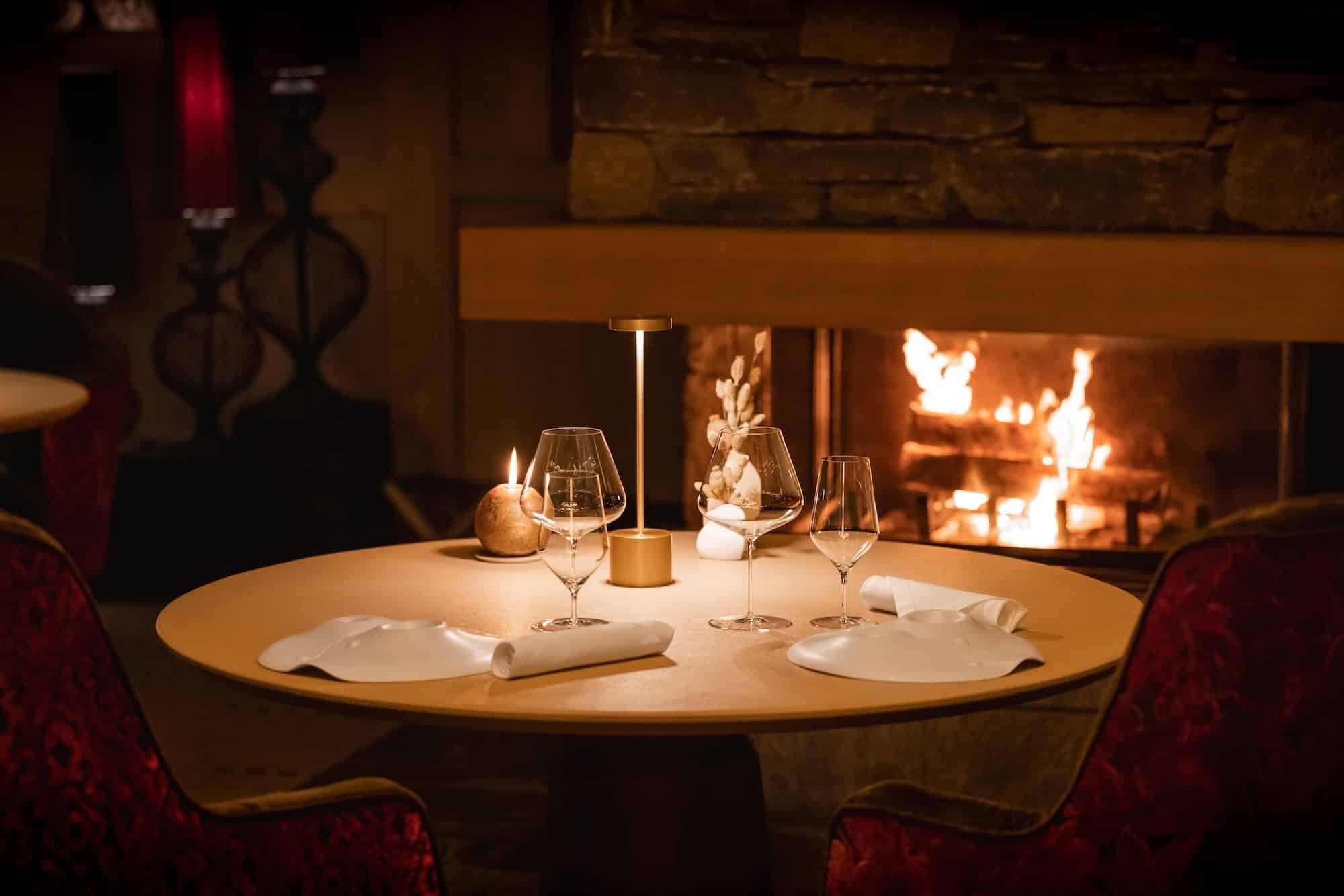
Warm, authentic and convivial, with vintage décor, family-heirloom furnishings and a cozy mountain-farmhouse feel.