

Macarfi 6.2 Food Rating · Guía Repsol 1 Sol
Our verdict
La Posada Del Laurel brings Prejano into Spain’s serious regional-dining conversation with a 2026 Guía Repsol 1 Sol. The draw is not urban theatre but La Rioja context: a small-town table where sourcing, seasonality, and proximity to producers matter more than spectacle.

Pearl is the En Primeur Club membership app, where members save venues, book tables and use the concierge.
The menu
What to order
- Traditional Riojan stews
- Local peppers
- Fish croquettes
- Dishes featuring produce from their own garden
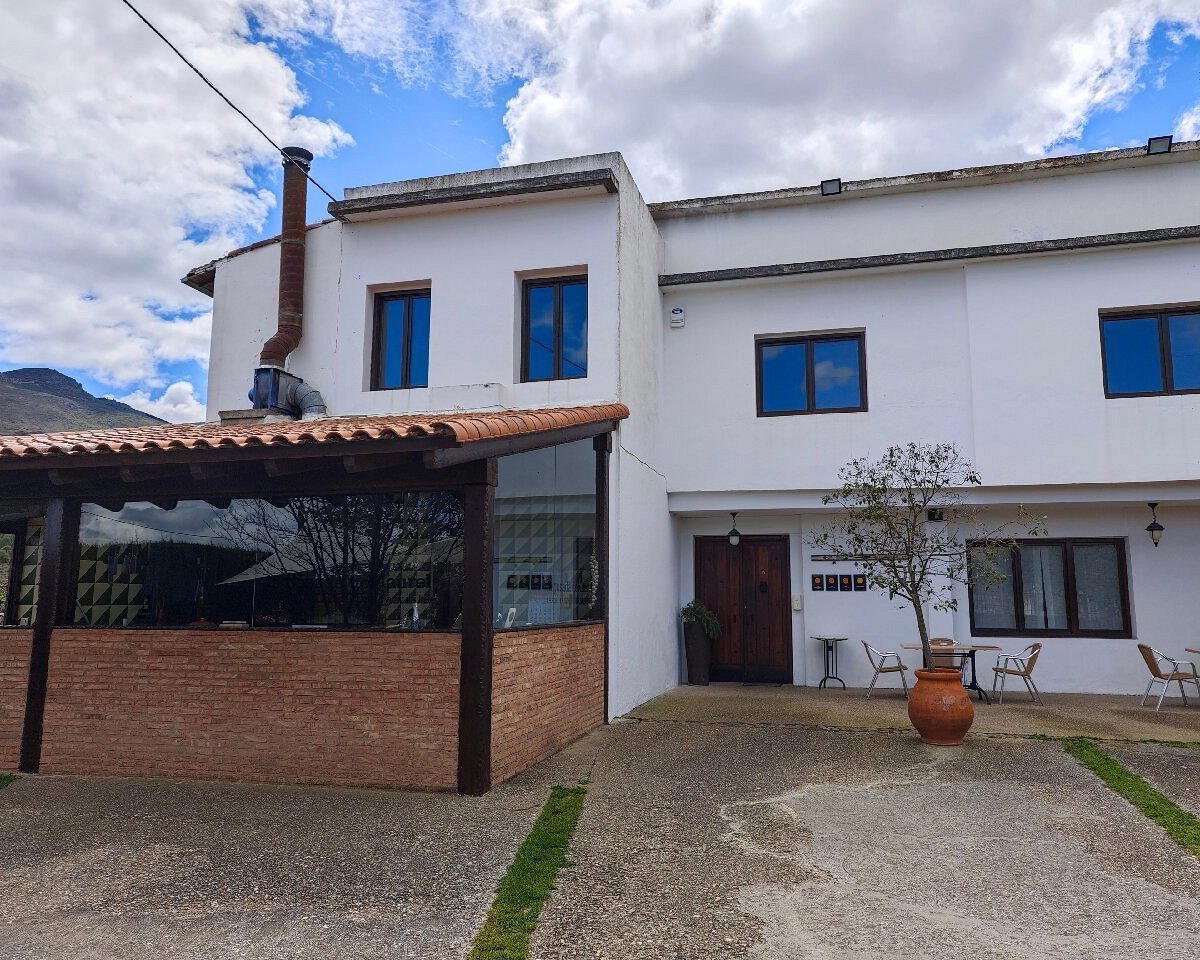
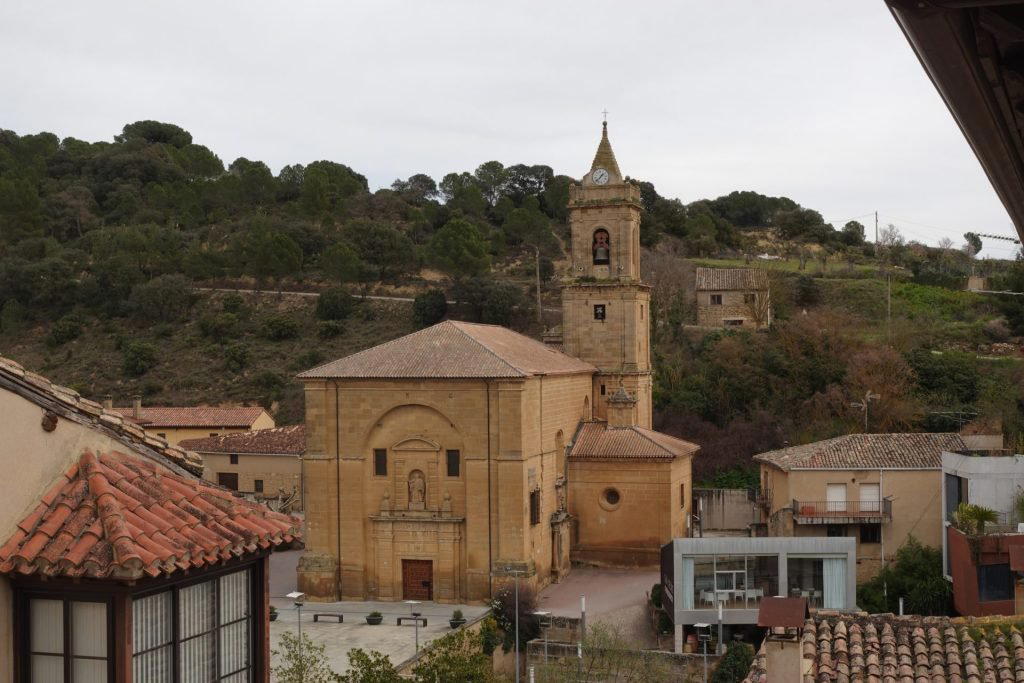
Prejano is the kind of La Rioja village where the road matters before the dining room. The approach sets the terms: rural country, regional wine culture within reach, and a slower lunch rhythm than the metropolitan tasting-menu circuit. La Posada Del Laurel reads less as performance destination than as part of a Spanish tradition that treats its setting as the starting point.
That distinction matters in La Rioja. The region’s reputation is wine-led, but its restaurants are often judged by how convincingly they connect a meal to the place rather than to a trend cycle. La Posada Del Laurel’s 2026 Guía Repsol 1 Sol places it in a national conversation without removing it from village scale. For travellers comparing rural La Rioja with bigger Spanish dining cities, the recognition signals seriousness while the context stays local.
La Rioja cooking viewed through sourcing, not spectacle
Ingredient-led cooking in northern Spain is often mistaken for rusticity. The stronger version is disciplined: produce carries the argument, and technique clarifies rather than disguises. La Posada Del Laurel sits inside that broader regional conversation, closer to houses whose menus reflect nearby supply and the season’s pace than to high-volume city restaurants built around design.
La Rioja’s dining identity is shaped by agriculture, preservation, village habits, and wine culture. Wine is not an accessory. It frames how people eat, how long lunch lasts, and how regional cooking is discussed. A restaurant in Prejano must answer to that culture directly, without the anonymity larger cities provide.
The Repsol Sol matters because it rewards Spanish dining through a lens especially relevant beyond the largest urban centres. Michelin recognition often dominates international travel planning, but Guía Repsol has long watched regional restaurants that express place with confidence. A 1 Sol in a village such as Prejano does not mean luxury by default; it means the cooking has been noticed within Spain’s own critical framework. That is often a more useful signal for travellers chasing regional character rather than imported polish.
On the Spanish map, La Posada Del Laurel belongs to the ingredient-and-territory conversation more than the theatrical dining-room model. Travellers building a wider itinerary can compare that rural logic with other city-facing dining rooms, Andalusian small-plates registers, or Basque-country restaurants. The contrast is useful: Spain’s serious restaurants no longer speak in one accent, and regional sourcing makes the differences legible.
Why Prejano changes the meal
Location is not background in a small La Rioja restaurant; it is part of the critical reading. Prejano does not offer the density of larger regional centres or the resort theatre of coastal Spain. Expectations shift. A meal here is less about moving through a packed dining district than making a deliberate stop in a rural pocket of the region. The city-break diner may need recalibration; the wine-country traveller will understand the tempo quickly.
That slower tempo also changes value. Without a verified price range, think by category rather than number: this is a recognized regional restaurant in a small town, not an anonymous roadside lunch stop. The Repsol listing raises expectations around sourcing and execution, while the village setting keeps the experience anchored in La Rioja rather than destination-restaurant choreography.
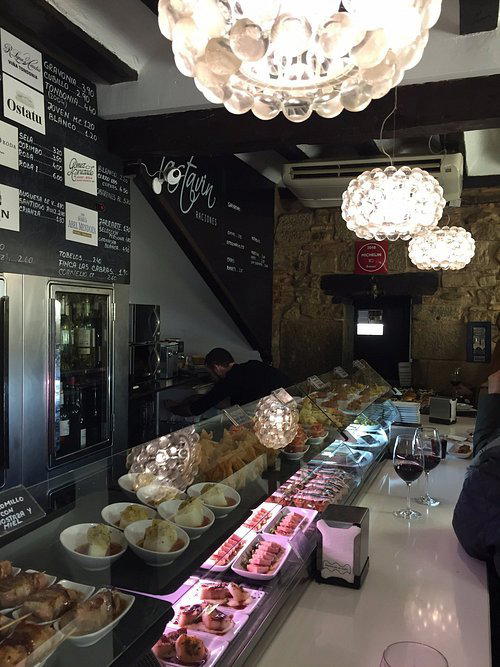
Comparison within the supplied regional set reinforces the point. Tastavin, Morro Tango, Sopitas, Carlos Oyarbide Bistronomiko, and Halconeras De Sancho Iv each point to different ways of reading regional dining. La Posada Del Laurel, with a 2026 Repsol 1 Sol, occupies its own lane: recognition-led regional dining where place and produce carry the argument. It will appeal to travellers who care less about novelty than how a kitchen translates its surroundings.
Across Spain, the contrast sharpens. Coastal, island, Catalan, and Canary Islands dining all ask different questions of ingredients and audience. La Rioja’s question is narrower and more demanding: does the meal feel organized from this region’s larder, habits, and sense of pace?
How to place it in a La Rioja itinerary
La Posada Del Laurel makes the strongest case as part of a wine-country day rather than an isolated detour. Rural restaurants in Spain reward careful planning, and this one sits most naturally within the slower rhythm of a regional itinerary. That suits La Rioja travel: mornings can be built around villages, vineyards, or regional roads, with the meal as the anchor rather than a pause.
Prejano itself is small enough that the surrounding plan matters. Use the broader Prejano dining context, then map the stay through local lodging, bars, wineries, and experiences. The better itinerary is compact and intentional, not a checklist of disconnected stops.
Travellers continuing through Spain can use this meal as a reference point for how regional restaurants express place differently. Mountain dining, market-season cooking, island restaurants, Castilian dining, and Rioja Alavesa tradition all show how geography changes the plate. Even outside Spain, the point holds: focused formats prove that specificity travels better than generic luxury.
The verdict is clear without overselling it. La Posada Del Laurel is for travellers who want La Rioja visible at the table: sourcing before spectacle, regional cadence before urban theatre, and a Repsol-recognized meal in a village setting that makes the surrounding country part of the decision.
Frequently asked questions
Can I bring kids to La Posada Del Laurel?
La Posada Del Laurel can work for family dining if children are comfortable in a serious regional restaurant setting. The 2026 Guía Repsol 1 Sol signals a dining room with more focus than a casual everyday stop.
How would you describe the vibe at La Posada Del Laurel?
It reads as a rural La Rioja dining room in Prejano. The 2026 Guía Repsol 1 Sol places it in a more serious tier than an everyday roadside stop, without changing its small-town setting.
What time does La Posada Del Laurel open and close?
Check La Posada Del Laurel directly for current opening hours before planning a visit.
Where exactly is La Posada Del Laurel?
Prejano.
A Quick Peer Check
Comparable venues by cuisine and price in the same metro.
| Venue | Cuisine | Price | Awards | Notes |
|---|---|---|---|---|
| La Posada Del LaurelThis venue (the venue you are viewing) | Traditional Riojan restaurant with local produce and mountain views | $50–100 | Macarfi 6.2 Food Rating · Guía Repsol 1 Sol | Not listed |
| Morro Tango | Contemporary Spanish Regional | $20–30 | Michelin Bib Gourmand · Macarfi 8.1 Food Rating | Contemporary |
| Tastavin | Modern Spanish Tapas & Pintxos | $20–30 | Michelin Plate · Star Wine List | Traditional Cuisine |
Recognition history
Dated appearances from independent guides and award organizations, with the underlying list record or original source where available.
Guía Repsol 1 Sol
Guía Repsol
Macarfi 6.2 Food Rating
Macarfi
Continue exploring
More in Prejano
Restaurants in Prejano
All restaurants in Prejano →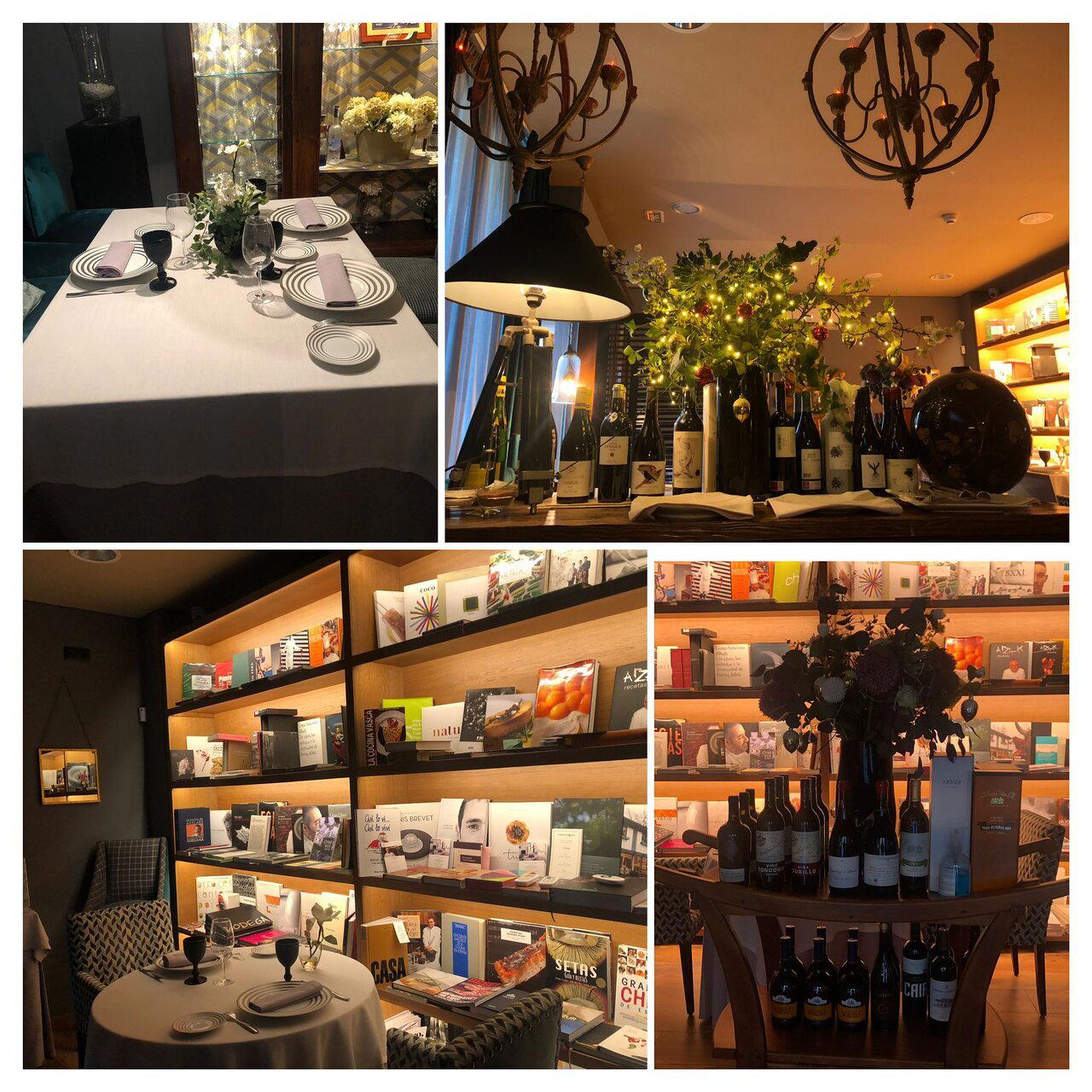
Bars in Prejano
Browse all →
Hotels in Prejano
Browse all →
Details
- Rustic
- Scenic
- Cozy
- Intimate
- Date Night
- Family
- Celebration
- Group Dining
- Special Occasion
- Panoramic View
- Historic Building
- Standalone
- Extensive Wine List
- Farm To Table
- Local Sourcing
- Mountain
- A La Carte
- Set Menu
- Wine
- Vegetarian Friendly
- Vegan Options
- Gluten Free Options
Current opening hours
- Monday
- Closed
- Tuesday
- 1:15–3:45 PM
- Wednesday
- 1:15–3:45 PM
- Thursday
- 1:15–3:45 PM
- Friday
- 1:15–3:45 PM
- Saturday
- 1:15–3:45 PM
- Sunday
- 1:15–3:45 PM
Hours can change for holidays and private events. Hours as of .
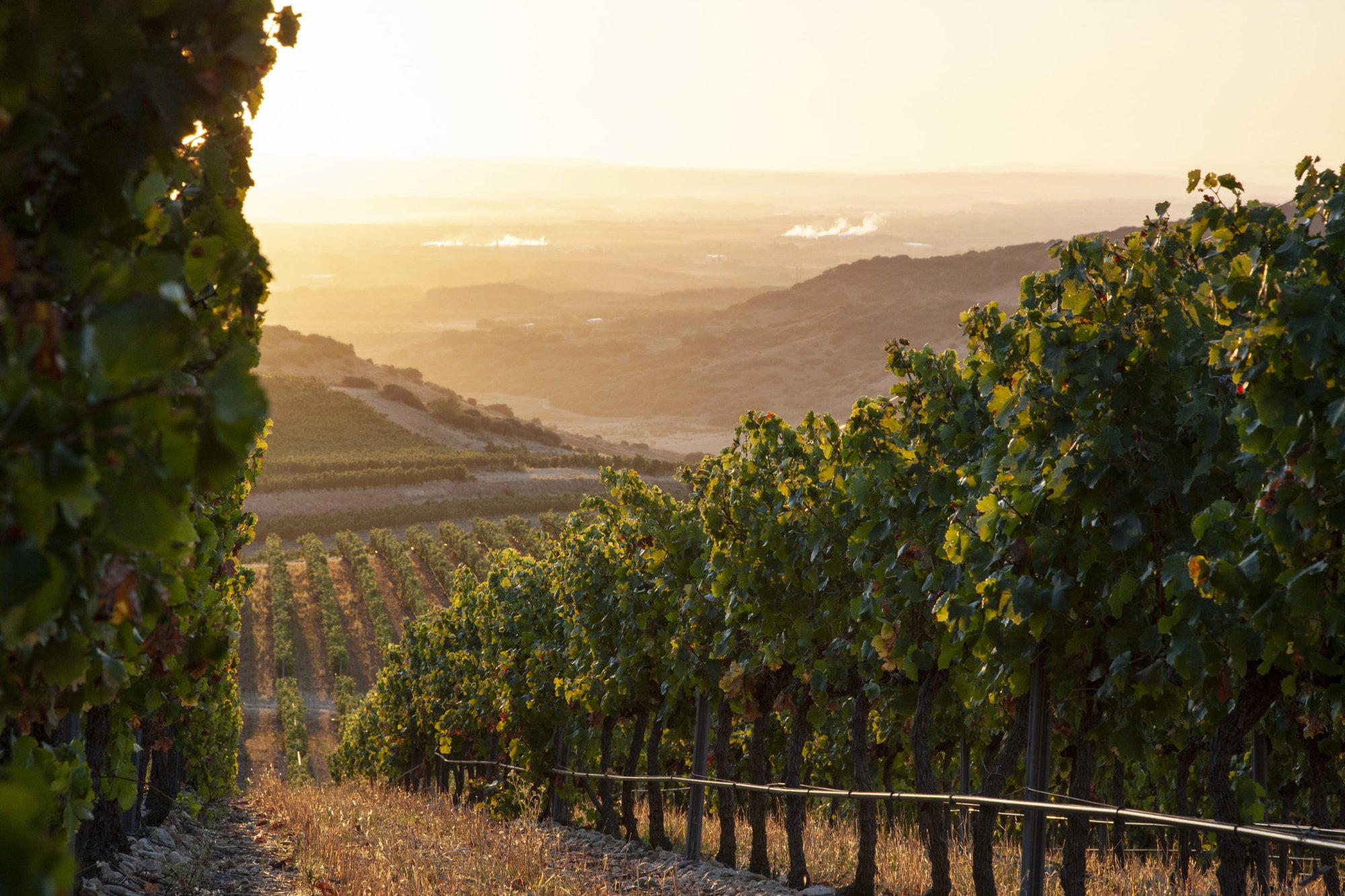
Warm and rustic country-inn feel in a quiet mountain village, with a calm, unhurried atmosphere, friendly close-knit service, and an emphasis on enjoying traditional Riojan food and wine against a natural scenic backdrop.