La Llorona Cantina Mexicana
Our verdict
La Llorona Cantina Mexicana occupies a corner of West Passyunk Avenue, Philadelphia's most densely competitive dining corridor, where Mexican cantina format sits alongside New American, Italian, and Southeast Asian neighbors. The space and its position on this particular stretch say as much about Philadelphia's evolving neighborhood restaurant culture as any single dish on the menu.

Pearl is the En Primeur Club membership app — saves, bookings, and concierge access live there. Same editors, same standards.
- Address
- 1551 W Passyunk Ave, Philadelphia, PA 19145
- Phone
- (215) 515-3276
- Hours
- Mon ClosedTue–Thu 4–10 PMFri 4 PM–12 AMSat 2 PM–12 AMSun 11 AM–10 PM
- Website
- lalloronaphilly.com
- Directions
- Get directions
- Booking
- Book on OpenTable
West Passyunk and the Cantina Format
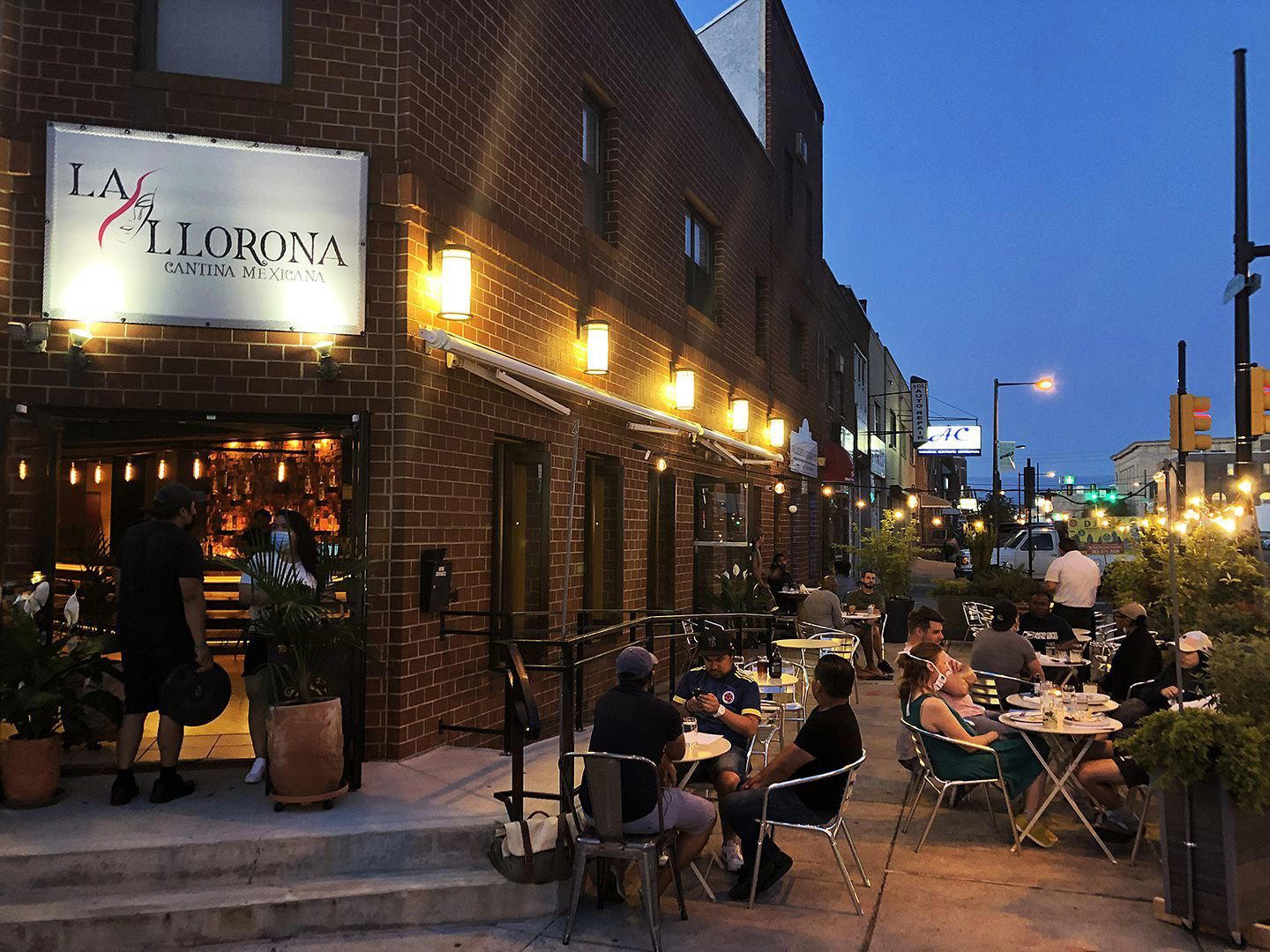
Passyunk Avenue has become one of the more instructive streets in Philadelphia dining, not because it concentrates fine-dining monuments, but because it concentrates a particular kind of neighborhood ambition. The blocks around 1551 W Passyunk Ave hold restaurants that are serious about their craft without performing seriousness as a costume. La Llorona Cantina Mexicana occupies that context. The cantina format, by definition, implies a certain physical register: a room designed for sustained presence rather than transactional eating, where the architecture leans toward informality without sacrificing intention.
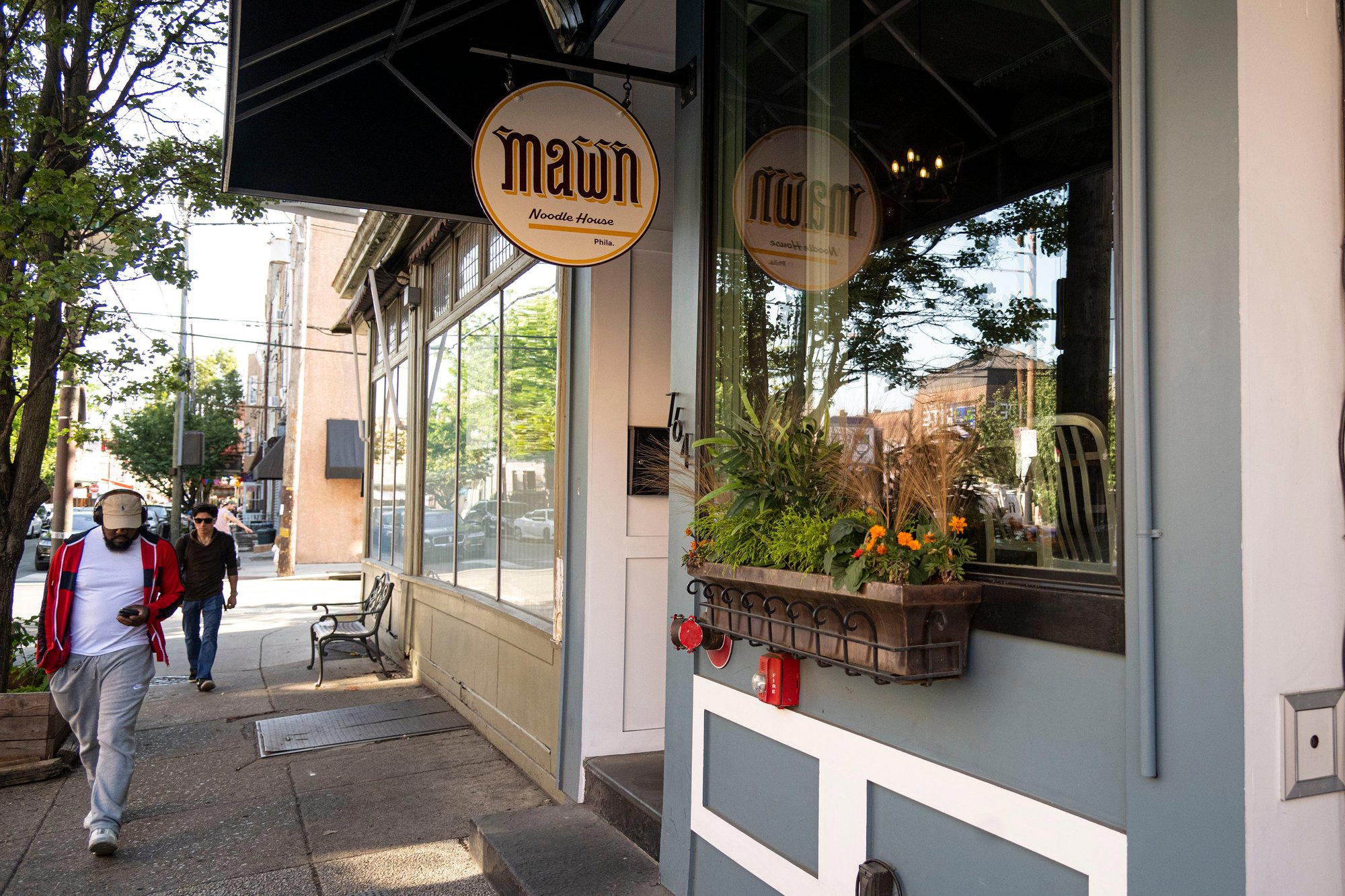
Philadelphia's Mexican restaurant category has historically been split between fast-casual and broader Latin-American formats. A cantina that plants itself on a corridor like Passyunk — alongside ambitious American tables like Fork and Friday Saturday Sunday, and within a neighborhood that also claims Kalaya's Thai precision and Mawn's Cambodian program — is staking a specific claim: that Mexican cantina cooking belongs in the same conversation as the city's more credentialed dining.
The Physical Container
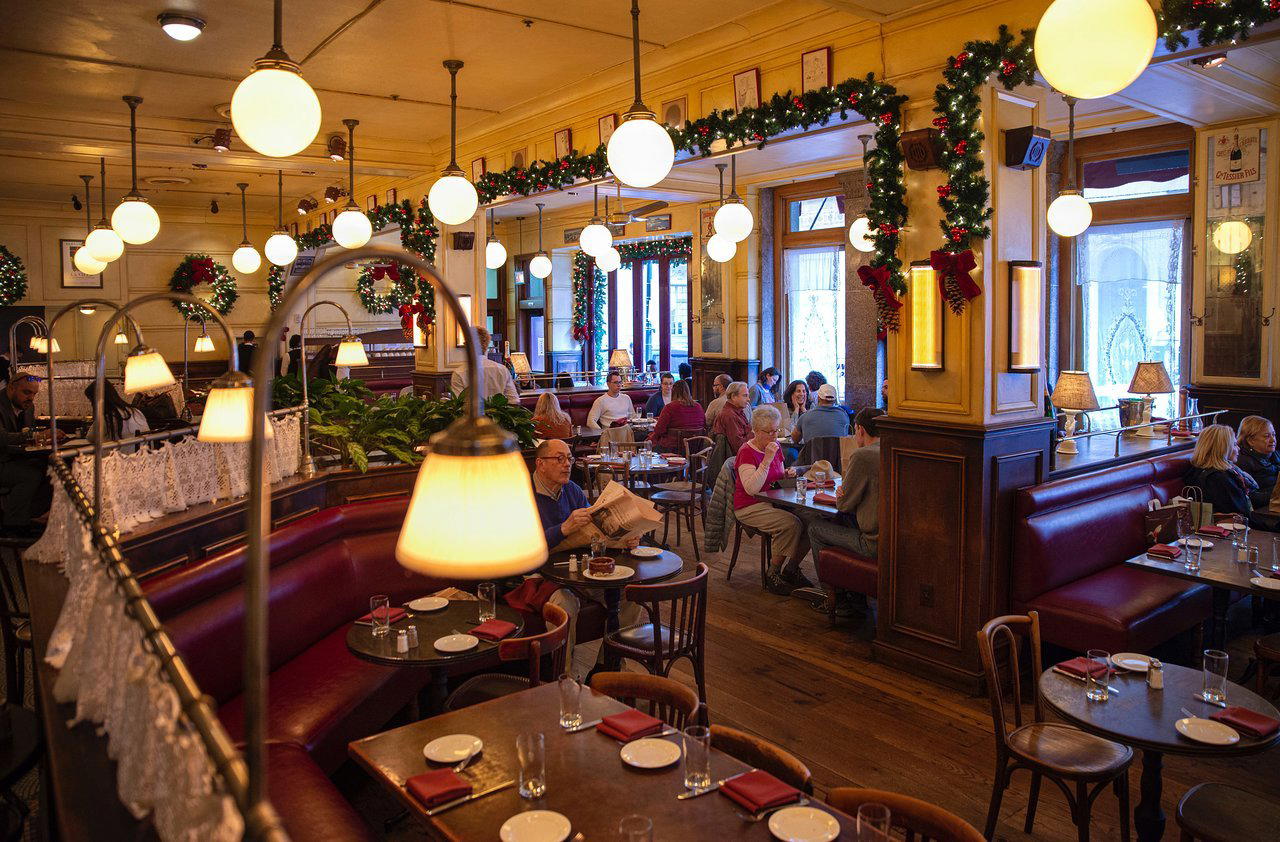
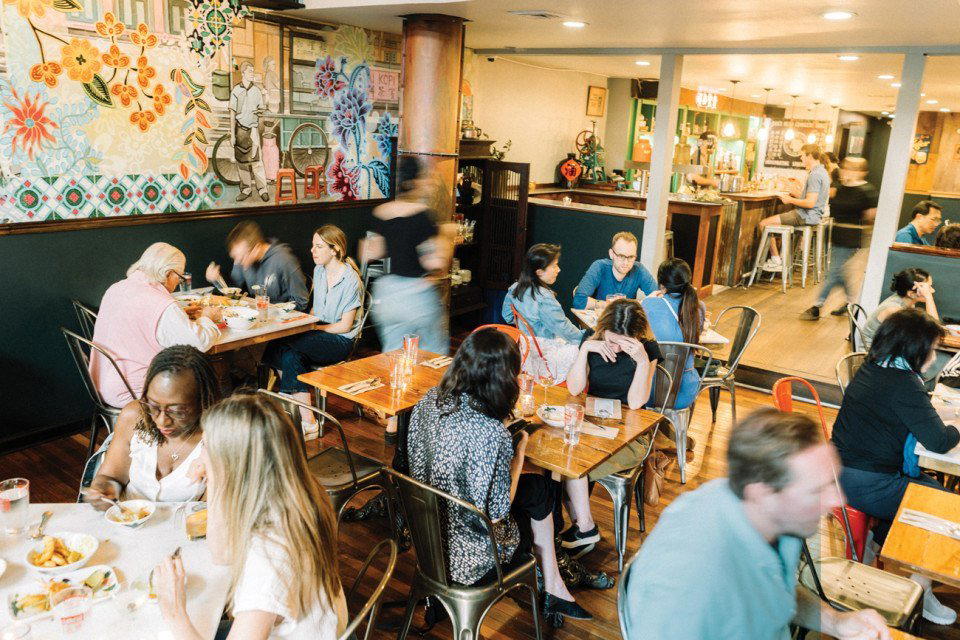
The cantina tradition in Mexico draws its spatial logic from permanence. These are rooms built to be used across the full arc of the day, from late-morning mezcal to post-dinner conversation. The architecture of a well-conceived cantina communicates this through specific signals: a bar that functions as a social anchor rather than a service counter, seating arrangements that mix high-traffic communal zones with quieter corners, and a material palette, tile, wood, warm metal, that ages into the room rather than dating it.
On Passyunk, that spatial logic maps onto a Philadelphia neighborhood context where the physical container carries significant weight. The street has a pedestrian scale that rewards restaurants with street presence, and the cantina format, with its openness to the sidewalk and its tendency toward ambient warmth in both lighting and material, translates well to that environment. The interior arrangement at La Llorona does what the format requires: it creates a room that reads as a destination on its own terms, not simply as a vessel for the food served inside it.
This matters in a city where dining rooms are increasingly part of the editorial conversation. Philadelphia's more discussed rooms of the past decade, including the considered interiors at My Loup, demonstrate that the physical environment now functions as a first signal of intent. Guests read the room before they read the menu.
Mexican Cantina Cooking in an American City
The cantina model, when transplanted from its Mexican context, faces a specific editorial challenge: the format can flatten into either a theme-park version of itself or into a generic Tex-Mex register that has no particular relationship to the original tradition. The more considered cantinas in American cities resist both outcomes by anchoring the menu in specific regional Mexican references, whether Oaxacan mole traditions, Yucatecan cochinita preparations, or the masa-forward cooking of central Mexican states, rather than assembling a composite greatest-hits format.
Philadelphia's dining culture has shown, across multiple cuisines, a preference for this kind of specificity. The success of Kalaya's Southern Thai focus, for instance, demonstrated that the city's dining public responds to restaurants that commit to a regional point of view rather than offering a diluted survey of a national cuisine. A cantina that applies the same logic to Mexican cooking finds itself in a category with less direct competition locally and more useful comparison points in other American cities.
Nationally, the conversation around serious Mexican restaurant cooking has shifted considerably. Restaurants from Houston to Chicago to Los Angeles have repositioned Mexican cuisine in the credentialed fine-dining tier, and that repositioning has filtered back into neighborhood formats. A cantina in 2024 operates in a different critical context than one from fifteen years ago, the reference points are better, the sourcing expectations are higher, and the customer arrives with more baseline knowledge.
Passyunk as a Dining Corridor
The Passyunk corridor functions as a useful lens for understanding where Philadelphia's neighborhood dining has arrived. The street is not organized around a single cuisine or a single price tier. It accommodates the full spectrum from counter-service to multi-course tasting menus, and it has enough foot traffic to sustain restaurants with different formats simultaneously. For a cantina, that means the competitive set is not purely other Mexican restaurants but the full range of neighborhood options a guest considers on a given evening.
That competitive framing places La Llorona in conversation with the broader Passyunk character: an appetite for places that feel locally grounded, that reward return visits, and that do not require a special occasion as justification. The cantina format, when it works, is designed precisely for that kind of use. It is a room you come back to because it fits easily into the texture of a neighborhood life, not because it demands to be experienced once as a destination.
Visitors arriving from outside the immediate neighborhood are well-served by understanding that Passyunk operates as a walkable strip. The restaurant sits within the broader South Philadelphia dining corridor, accessible by public transit from Center City, and the surrounding blocks offer enough complementary activity, bars, coffee, other restaurants, that an early arrival or extended evening presents no particular planning challenge.
Planning Your Visit
West Passyunk Ave attracts consistent foot traffic across lunch and dinner service, and the more recognized spots on the corridor tend to fill quickly on weekend evenings. For a cantina format, where the room is designed for longer stays and the bar program typically runs parallel to the food menu, arriving with flexibility in either direction, earlier than dinner peak or later into the evening, tends to produce a more relaxed experience. Philadelphia's dining culture skews toward early reservations mid-week and competitive walk-in traffic on Fridays and Saturdays, so planning accordingly is practical rather than precautionary. Those exploring the city more broadly can orient La Llorona within our full Philadelphia restaurants guide, which maps the city's current dining against its neighborhoods and price tiers.
Frequently asked questions
How do I find La Llorona Cantina Mexicana?
La Llorona Cantina Mexicana is located at 1551 W Passyunk Ave, Philadelphia, PA 19145, Philadelphia.
How does La Llorona Cantina Mexicana fit into Philadelphia's Mexican restaurant scene?
Philadelphia's Mexican dining options are concentrated unevenly across the city, with South Philadelphia neighborhoods holding a number of the more consistent operators. La Llorona's position on West Passyunk Ave places it on one of the city's most active neighborhood dining corridors, where it competes alongside a range of cuisines rather than within a distinct Mexican restaurant cluster. That positioning gives it visibility with a broader Philadelphia diner who may not be specifically seeking out Mexican food, which is a different kind of market pressure than a destination restaurant faces.
What's the best thing to order at La Llorona Cantina Mexicana?
Without a confirmed menu on record, the cantina format itself is the clearest guide: traditional Mexican cantinas anchor their identity in masa-based preparations, braised proteins, and house salsas made daily. At 1551 W Passyunk Ave, the kitchen operates within that tradition, so dishes built around those core techniques are worth prioritizing. Ask staff what is running fresh that day.
Should I book La Llorona Cantina Mexicana in advance?
West Passyunk Ave draws consistent traffic, and the more established spots on the corridor fill across lunch and dinner without much warning. Contacting La Llorona directly before arriving is advisable, particularly on weekend evenings when the Passyunk dining corridor runs at capacity. No online reservation system is currently documented for this address.
What's La Llorona Cantina Mexicana best at?
La Llorona operates within the cantina tradition, a format designed for sustained, all-day use rather than a single prix-fixe occasion. That structural commitment separates it from Mexican restaurants organized around dinner-only service, and positions it closer to the social, informal register the cantina model was built on. Philadelphia has relatively few venues operating within that specific format on a neighborhood corridor like Passyunk.
Can La Llorona Cantina Mexicana handle vegetarian requests?
Mexican cantina cooking draws heavily from a pre-meat pantry of beans, squash, chiles, and corn, which gives kitchens working in that tradition genuine range for vegetarian plates without improvisation. No specific vegetarian menu is documented for La Llorona, but the cantina format supports those requests more naturally than a grill-focused concept. Confirming directly with the restaurant at 1551 W Passyunk Ave before your visit is recommended.
Category Peers
Comparable venues nearby, for context on price, style, and recognition.
| Venue | Cuisine | Price | Notes |
|---|---|---|---|
| La Llorona Cantina MexicanaThis venue — the venue you are viewing | Authentic Mexican Cantina | Not listed | Not listed |
| El Camino Real | Tex-Mex BBQ Fusion | $20–30 | Northern Liberties |
| Loco Pez | West Coast Taco-Truck Mexican Taqueria | $20–30 | Fishtown |
| Buena Onda | Baja-Style Mexican Taqueria | $20–30 | Logan Square |
| Cantina Los Caballitos | Modern Mexican Gastro-Pub | $20–30 | Passyunk Square |
| Café y Chocolate | Authentic Mexican Brunch | $10–20 | Newbold |