La Guinguette

La Guinguette operates on a principle that is increasingly rare in Provence: it only opens when the sun is out. Backed by the 'Bon pour le Climat' organization, the restaurant builds its menu around seasonal vegetable preparations and fairly produced smoked trout, placing it squarely in the short-chain dining movement that is reshaping how the Luberon eats.
Pearl is the En Primeur Club membership app — saves, bookings, and concierge access live there. Same editors, same standards.
- Address
- 1494 Av. du Partage des Eaux, 84800 L'Isle-sur-la-Sorgue, France
- Phone
- +33 4 90 38 10 61
- Website
- la-guinguette.com
- Directions
- Get directions
 Saves & bookings on Pearl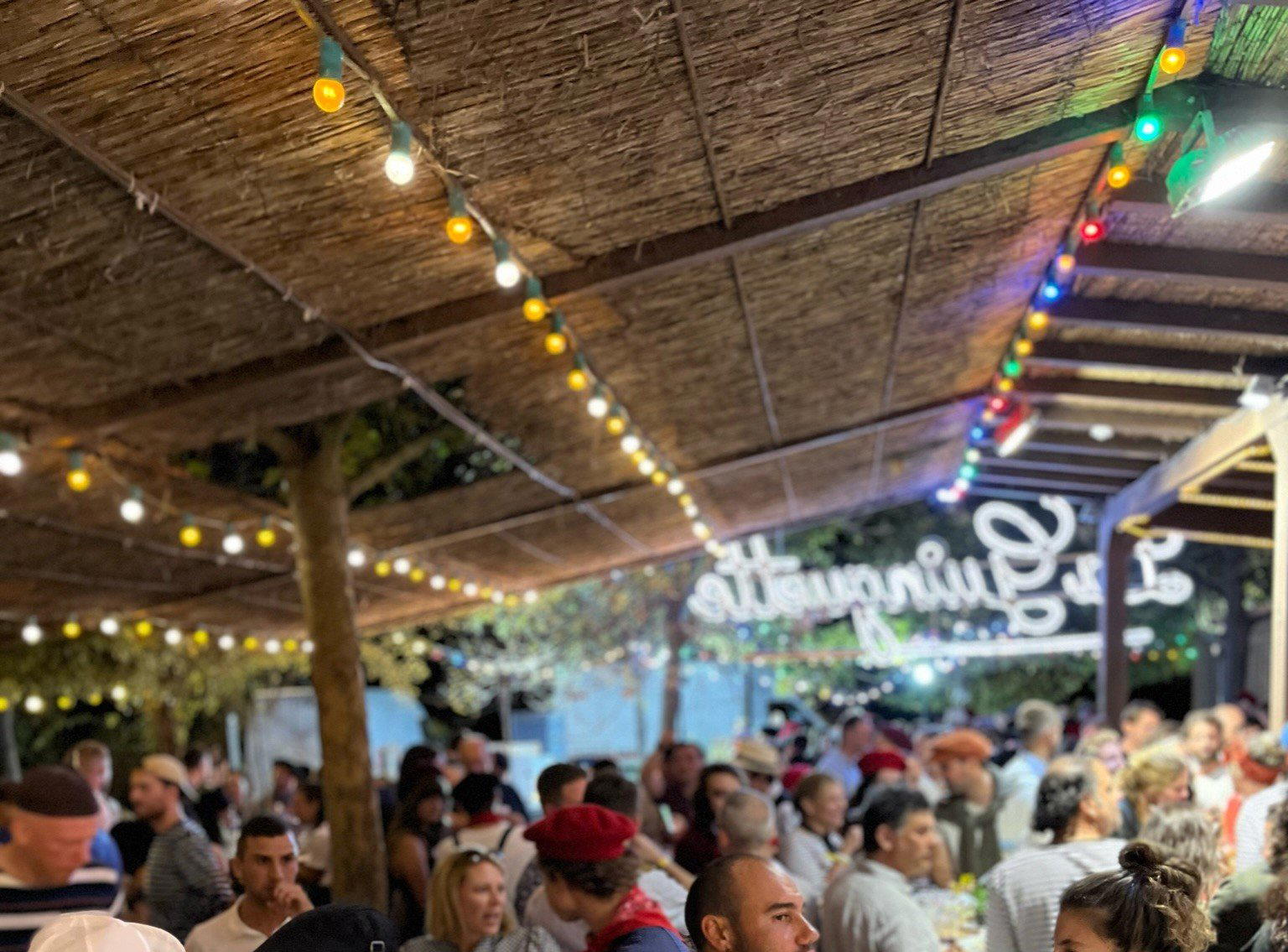
Where the Sorgue Meets the Plate
The waterways of L'Isle-sur-la-Sorgue divide the town into a loose grid of canals and plane-tree-lined banks, and the outdoor dining culture that runs alongside them is among the more distinctly Provençal in France. This is not the curated riverfront of a tourist development; the water mills still turn, the antique dealers still crowd the quays on weekends, and the guinguette tradition, that specifically French institution of open-air eating and drinking close to moving water, remains alive here in ways it has long since faded elsewhere. It sits within that tradition rather than merely referencing it.
The address itself is telling. The Avenue du Partage des Eaux translates, loosely, as the avenue of the division of the waters, and the restaurant occupies a stretch where the Sorgue's channels branch apart. Approaching on a clear afternoon, the experience is defined by light on water, the ambient sound of the river, and the particular quality of outdoor seating that belongs to a place designed around the weather rather than against it. La Guinguette does not open on overcast or rainy days. That decision commits it entirely to the outdoor guinguette format and refuses to compromise it with a covered fallback. For the reader planning a visit, this means checking the forecast before making the trip from Avignon or Aix, both within an hour's drive.
Short-Chain Provençal: What It Actually Means on the Plate
French dining at the highest tier, from Alléno Paris au Pavillon Ledoyen to Mirazur in Menton and Flocons de Sel in Megève, increasingly foregrounds provenance as a form of editorial statement. The sourcing story has become part of the tasting menu. But that conversation looks quite different at the guinguette scale, where the claim is not curated rarity but genuine locality. La Guinguette operates within the 'Bon pour le Climat' framework, an organization that structures restaurants around seasonal, low-carbon sourcing. In practice, this means the kitchen operates from what is available and appropriate to the season rather than from a fixed menu anchored to produce that may have travelled.
The vegetable emphasis here reflects the specific agricultural character of the Vaucluse, a département that produces asparagus in spring, courgettes and tomatoes through summer, and root vegetables and squash into autumn. Seasonal Provençal cooking at its most direct is not about complexity of technique; it is about the gap between what is picked that week and what appears on the table. At guinguette scale, that gap is narrow. Operators Guylaine and Nicolas Chiffet have built the restaurant's identity around exactly that compression.
The smoked trout element deserves particular attention. Trout from the Sorgue and its tributaries has been part of the region's food culture for generations, but the involvement in fair production here speaks to a concern with the full supply chain, not merely the final presentation. Fairly produced smoked trout, sourced through relationships rather than commodity markets, sits in a different category from the generic fumage that appears on many riverside menus across Provence. The distinction is not academic; it reflects decisions about who in the supply chain is paid equitably and under what conditions the product is made.
The Guinguette Format in Context
Guinguette as a dining format peaked in the nineteenth and early twentieth centuries along the rivers and lakes outside Paris, immortalized in the paintings of Renoir and the cycling excursions of the working bourgeoisie. Its defining characteristics were informality, outdoor seating, local wine served in carafes, and proximity to water. What survived into the twenty-first century has often been softened into something resembling a casual restaurant with a terrace. The version at L'Isle-sur-la-Sorgue is less compromised than most; the decision to close in bad weather is the clearest signal that this is a format-first operation rather than a business that happens to have outdoor seating.
La Guinguette operates on a register that is deliberately distinct. It does not compete with the tasting-menu tier. It belongs to a tradition that values the occasion of eating outside, in good light, with water nearby, as an end in itself. The food is in service of that occasion rather than the reverse.
L'Isle-sur-la-Sorgue's position in the broader French food conversation is shaped by the Luberon and Alpilles agricultural belt to its south and east, and by the Avignon market culture directly to its west. This is a corridor of serious food production, and restaurants that tap it directly operate with a sourcing advantage that less geographically fortunate towns cannot replicate. The town also draws a significant antique and design market on weekends, which means Sunday lunch here arrives alongside a browsing crowd from across Europe. Timing a visit to a weekday, when the antique trade is quieter, changes the atmosphere considerably.
Planning the Visit
The weather-conditional opening policy makes spontaneity difficult and planning necessary. A clear forecast of at least four to six hours is the practical threshold; the Provençal summer from late May through September offers one reliable window, with Mistral-free stretches common from June into August. The restaurant is on the avenue that traces the division of the Sorgue's channels, and the address, 1494 Avenue du Partage des Eaux, is specific enough to navigate to directly. Reservations are recommended. Arriving to check availability in person is part of the format's logic.
The 'Bon pour le Climat' framing also implies a menu that shifts with what is viable in the season. Visitors arriving in high summer should expect preparations that centre on vegetables at their most intense; those coming in the shoulder months of April or October will find a kitchen working with a different but equally specific palette of ingredients. The smoked trout, as a preserved and fair-produced product, likely appears across seasons as one of the more consistent elements on the menu.
How It Stacks Up
Comparable venues nearby, for context on price, style, and recognition.
| Venue | Cuisine | Price | Awards | Notes |
|---|---|---|---|---|
| La GuinguetteThis venue — the venue you are viewing | French Locavore Bistro | $$ | Not listed | Not listed |
| Umami | Provençal Fusion with Japanese Accents | $$$ | Not listed | Centre-ville |
| La Balade des Saveurs | Modern French Bistro | $$ | Michelin Plate | L'Isle-sur-la-Sorgue |
| La Prévôté | Indo-French Fusion Fine Dining | $$$ | Not listed | L'Isle-sur-la-Sorgue |
| Le Petit Henri | Bistronomic Provençal | $$$ | Michelin Plate | L'Isle-sur-la-Sorgue |
| L'Atelier Du Jardin | Traditional Provençal Bistro | $$ | Not listed | L'Isle-sur-la-Sorgue |
Recognition history
Dated appearances from independent guides and award organizations, with the underlying list record or original source where available.
We're Smart World 1 Radish
We're Smart World
Continue exploring
More in L'Isle-sur-la-Sorgue
Restaurants in L'Isle-sur-la-Sorgue
Browse all →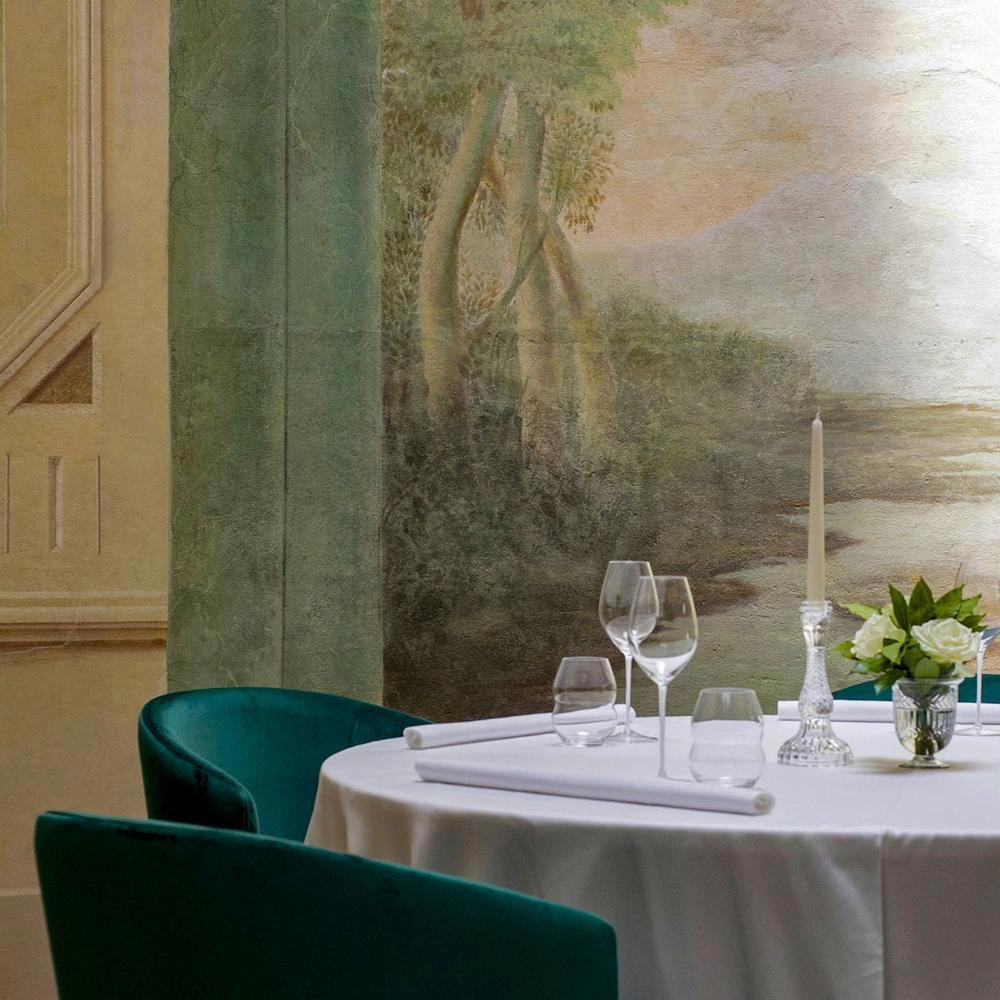
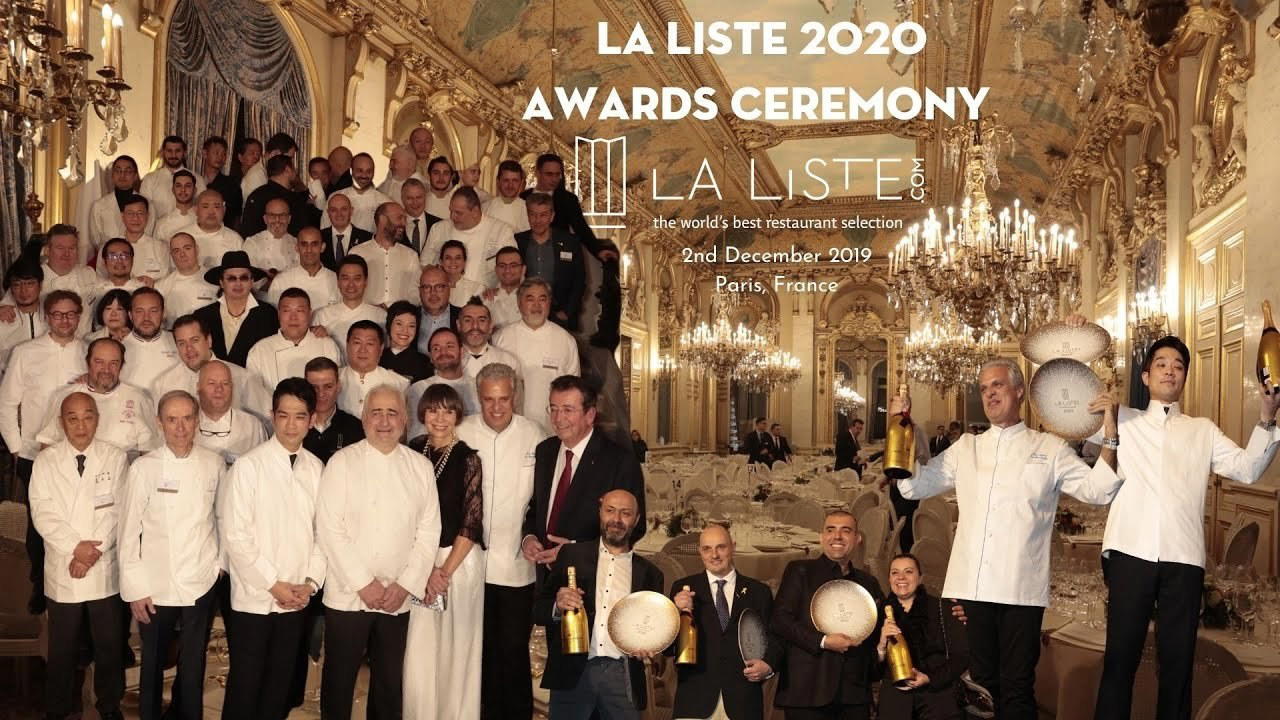
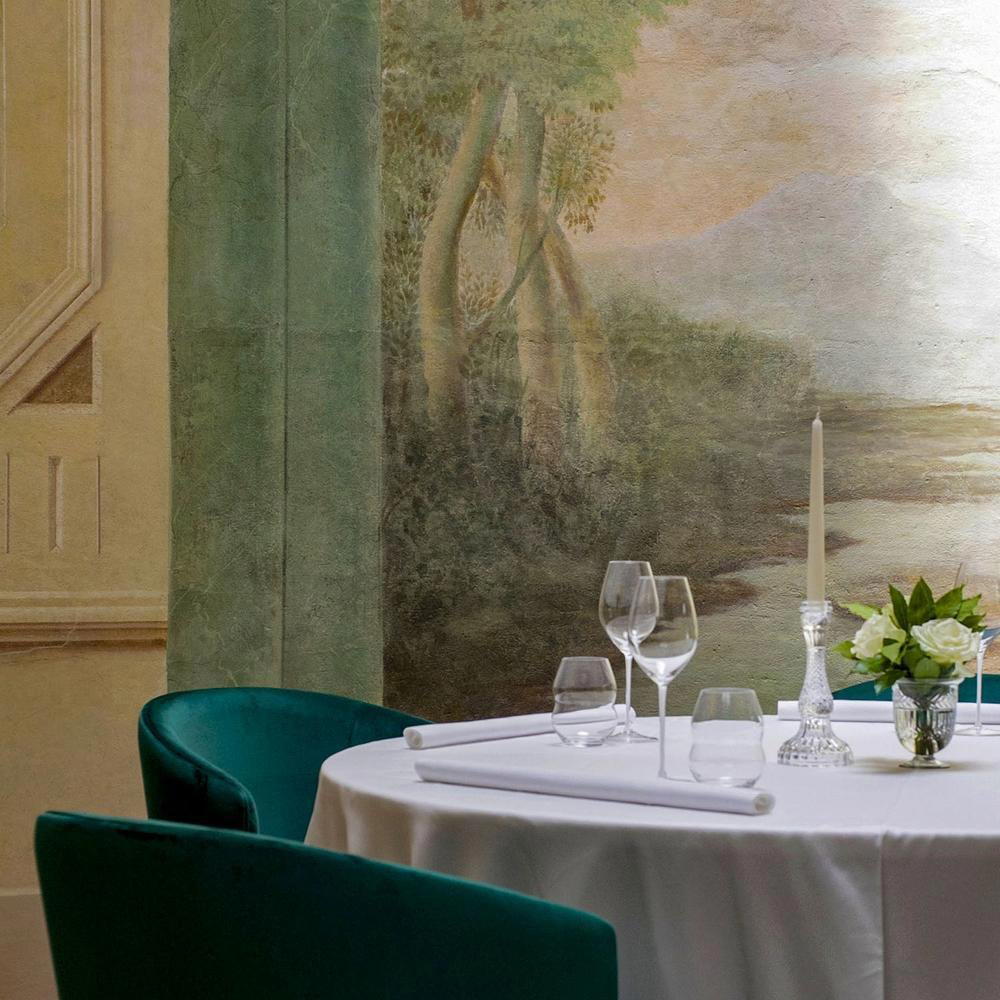
Bars in L'Isle-sur-la-Sorgue
Browse all →
Hotels in L'Isle-sur-la-Sorgue
Browse all →
At a Glance
- Rustic
- Scenic
- Cozy
- Casual Hangout
- Family
- Terrace
- Waterfront
- Local Sourcing
- Organic
- Waterfront
Current opening hours
- Monday
- 11:30 AM–3 PM
- Tuesday
- 11:30 AM–3 PM
- Wednesday
- Closed
- Thursday
- Closed
- Friday
- Closed
- Saturday
- 11:30 AM–3 PM
- Sunday
- 11:30 AM–4 PM
Hours can change for holidays and private events. Last verified .
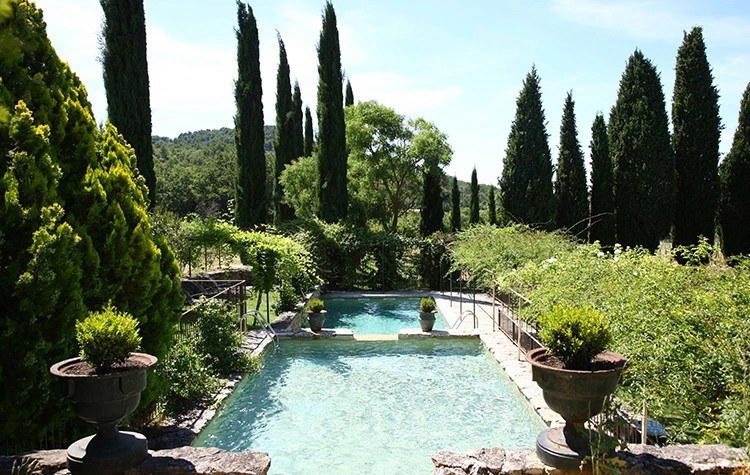
Relaxed outdoor terrace atmosphere by the water, pleasant and apaisant with simple interior.