
Set inside a restored red-brick foundry building in Malmö's post-industrial Varvsstaden district, La Fonderie occupies one of the city's more architecturally compelling dining spaces. The name nods directly to the building's manufacturing past, and the setting frames a restaurant that positions itself within Malmö's growing roster of serious, context-driven dining. For visitors working through the city's better tables, it earns a place on the shortlist.
Pearl is the En Primeur Club membership app — saves, bookings, and concierge access live there. Same editors, same standards.
- Address
- Ångfärjekajen 10, 211 19 Malmö, Sweden
- Phone
- +46 72 748 44 03
- Website
- lafonderie.se
- Directions
- Get directions
 Saves & bookings on Pearl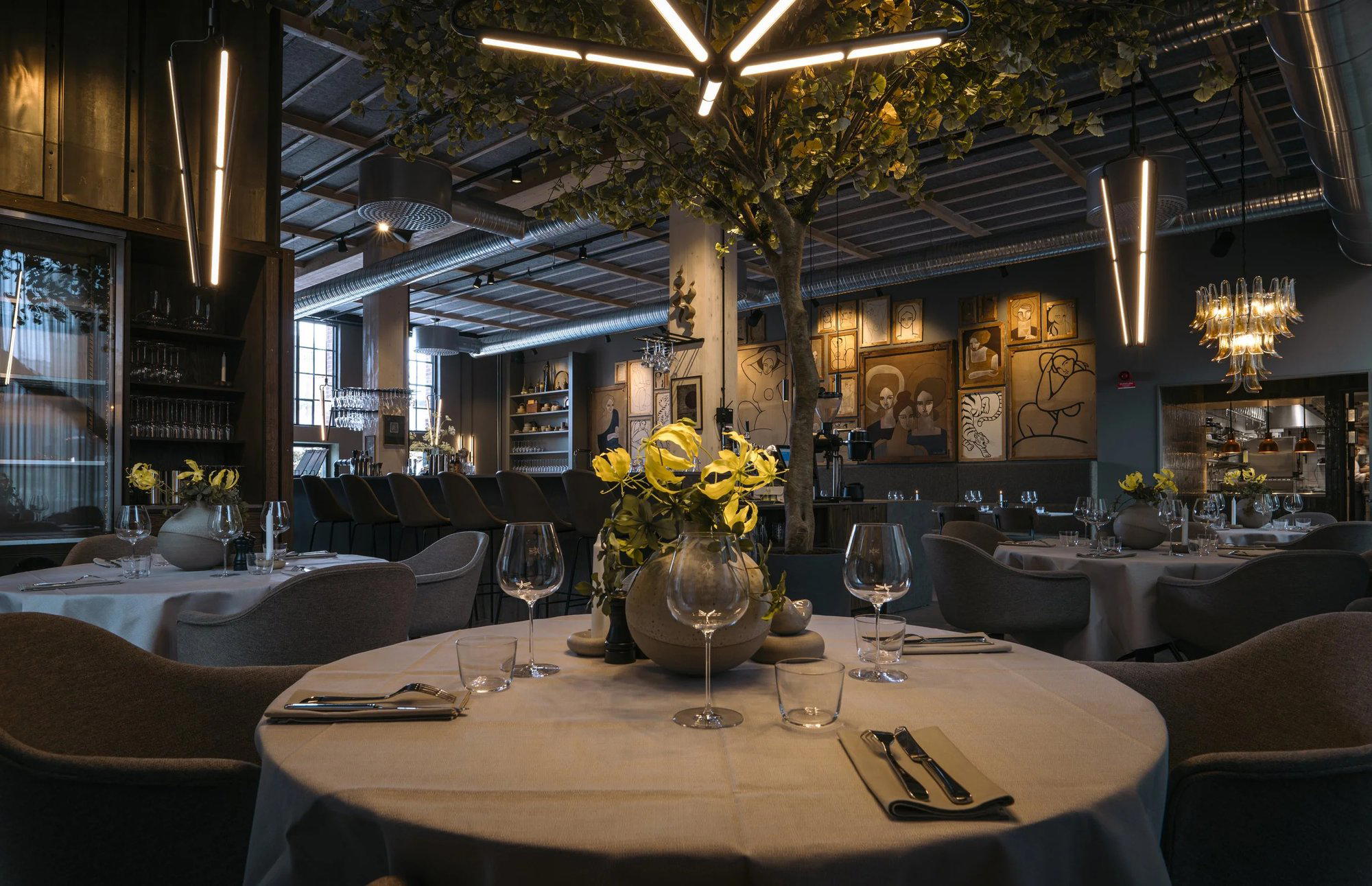
Industrial Malmö, Recast in Brick and Flame
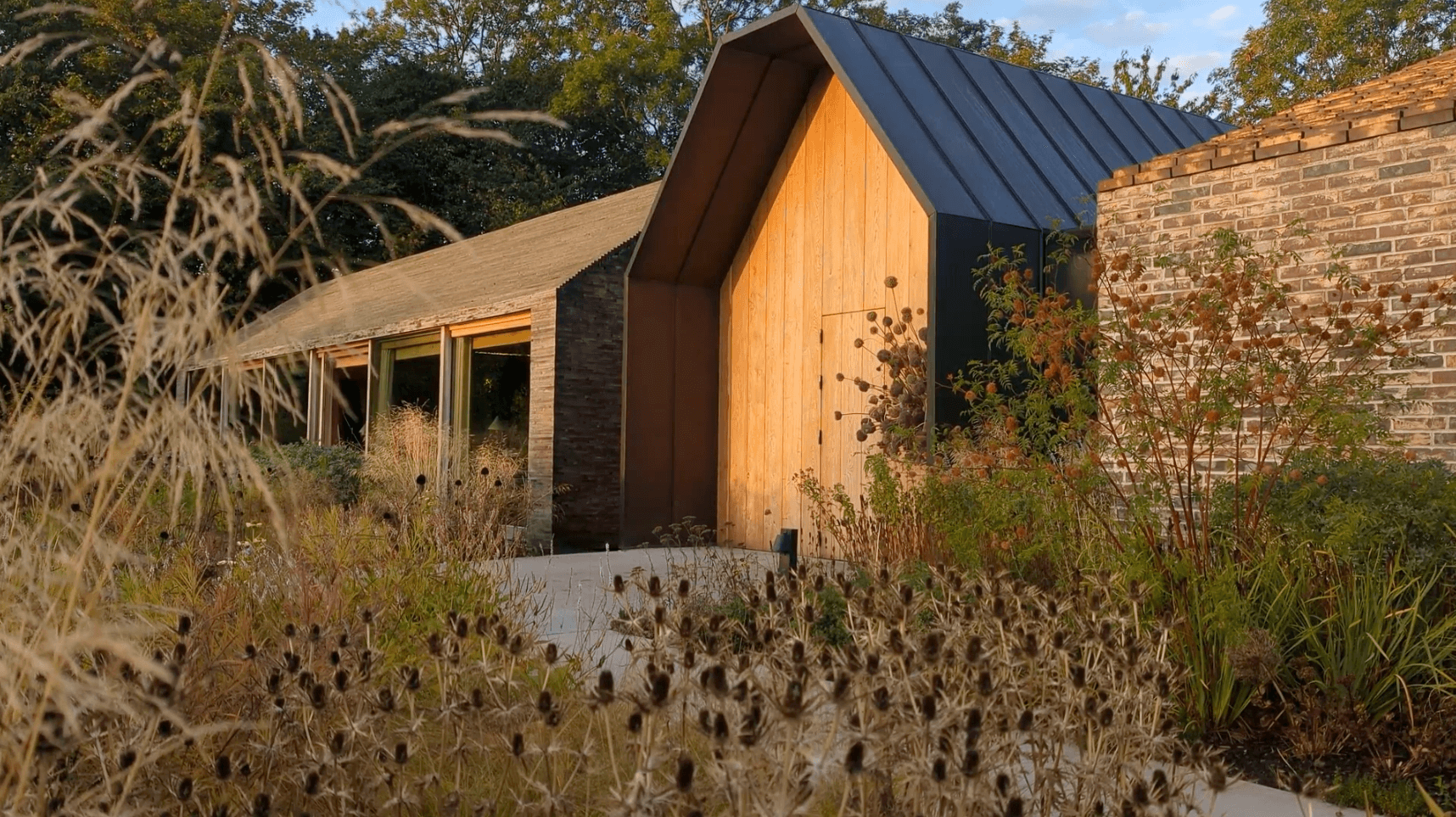
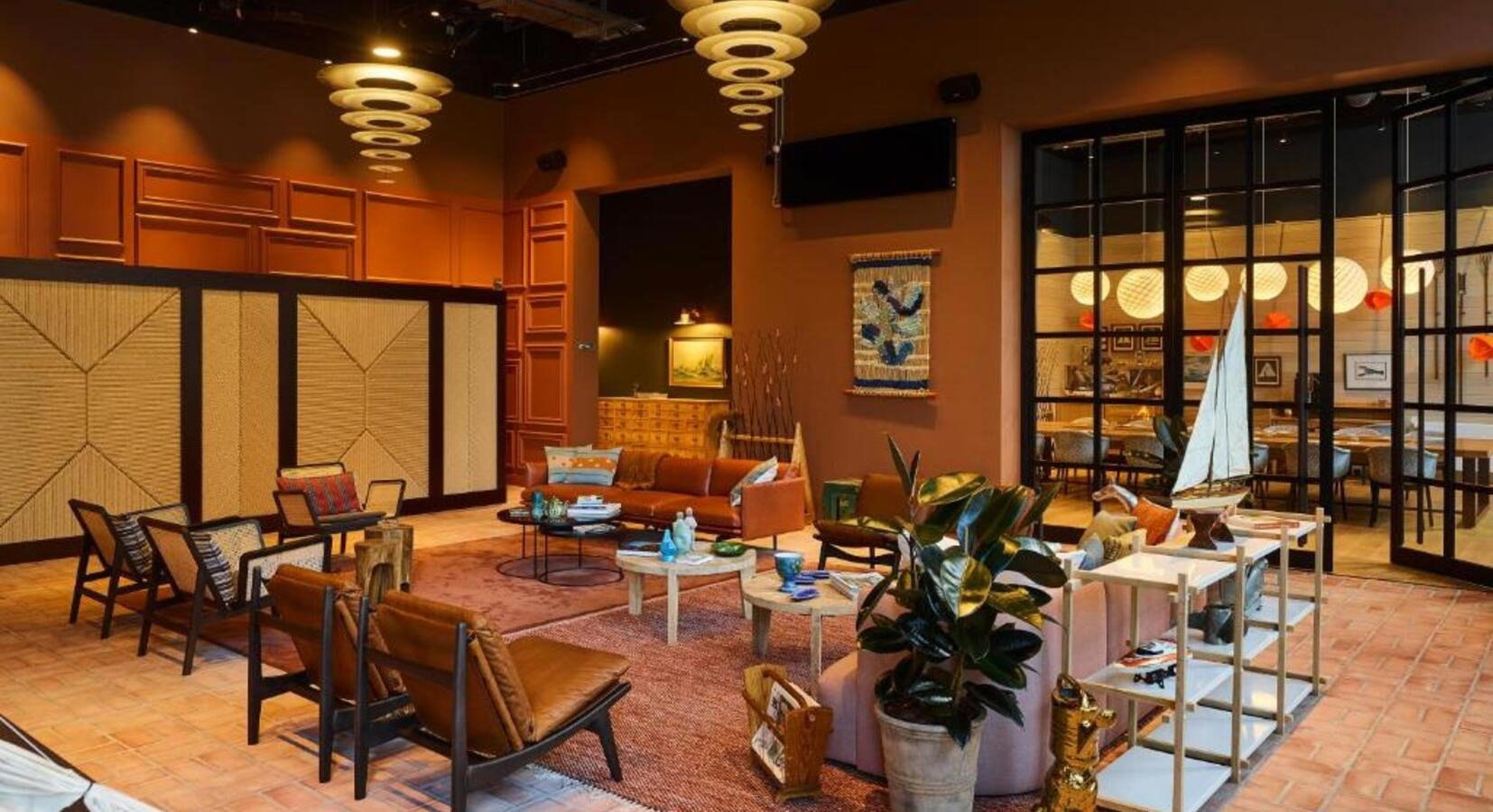
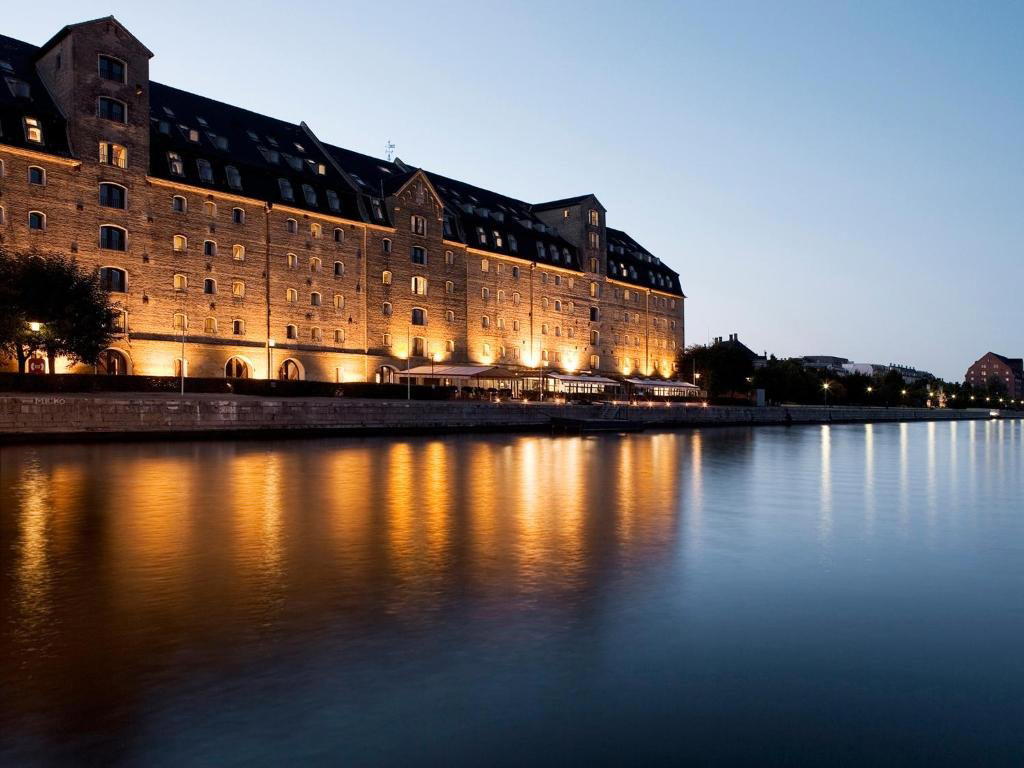
Varvsstaden, the former shipyard district on Malmö's western waterfront, has been absorbing creative and culinary tenants for the better part of a decade. The transformation follows a pattern seen in post-industrial European neighbourhoods from Nørrebro to Bermondsey: manufacturing buildings with high ceilings, thick walls, and irreplaceable structural character attract the kind of operators who understand that architecture is half the dining experience. La Fonderie, at Ångfärjekajen 10, sits squarely in that category. The red-brick building that houses it was once a working foundry, and the name, French for "foundry", confirms that the history is not incidental but deliberate. You arrive knowing what the room is going to say before you open the door.
The physicality of these spaces does specific work. Exposed brick absorbs sound in ways that poured concrete cannot. Industrial sightlines, where the room stretches rather than closes in, change the rhythm of a meal. Malmö's dining scene has increasingly understood this: the leading rooms here are not neutral containers but active participants in what happens at the table. La Fonderie's setting in Varvsstaden places it within a peer group of destination restaurants that ask guests to travel to a specific, non-central address, and that ask functions as its own editorial statement about what kind of evening is on offer.
Where La Fonderie Sits in Malmö's Dining Tier
Malmö punches harder than its population suggests it should. The city operates in the permanent shadow of Copenhagen, forty minutes across the Øresund Bridge, yet has built a dining identity that is increasingly self-referential rather than derivative. The serious end of that identity runs from Vollmers, the two-Michelin-starred benchmark for New Nordic cooking in the city, through mid-tier contemporary tables like aster and more creative formats like Bloom in the Park. The restaurant operates in a neighbourhood context that separates it physically from the city's central dining corridor, but that geographic remove is less of a friction point than it might appear: Varvsstaden is a genuine destination, and restaurants with strong enough propositions draw guests who plan around them.
The Foundry Context and What It Implies
Swedish fine and upper-casual dining has developed a preference for spaces with pre-existing industrial or agrarian character. This is not aesthetic nostalgia but a coherent position: rooms with history carry a narrative weight that newly built restaurant interiors rarely achieve. The foundry building in Varvsstaden gives the restaurant a setting that immediately frames expectations. Guests arriving for the first time are reading the room as they walk in, the mass of the brick, the scale of the ceilings, the visual grammar of manufacturing repurposed for hospitality. These signals matter when a restaurant is making a case for itself in a competitive mid-to-upper tier.
Malmö's strongest dining addresses outside the city centre share this quality of committed specificity. BISe and Bouchon each occupy distinct positions in the city's dining character, contributing to a scene that is genuinely heterogeneous across format and price. The restaurant's foundry address in Varvsstaden adds a layer of district identity to its proposition, one that differentiates it from competitors operating in more conventional central locations.
Planning a Visit
Varvsstaden sits on the western edge of the city centre, reachable on foot from the central station in approximately fifteen to twenty minutes, or a short taxi or cycle from most central hotels. Guests travelling specifically for a table at the restaurant should confirm reservations directly with the restaurant; reservations are recommended. For comparable Swedish precision at a different register, PM & Vänner in Växjö offers a useful point of reference in the region.
La Fonderie in the Wider Critical Frame
Swedish dining's critical reputation has been built outward from Stockholm but increasingly acknowledges the south's contribution. Malmö's proximity to Copenhagen has functioned as competitive pressure rather than inhibitor: restaurants here are aware of what is happening forty minutes away and have chosen to develop a distinct rather than derivative identity. The industrial repurposing of Varvsstaden as a dining and creative district tracks a wider European pattern, but the quality of the buildings and the seriousness of the operators who have chosen them gives the area credibility that goes beyond trend-following. The restaurant's address in that district, inside a genuinely characterful foundry building, positions it within a narrative about Malmö's post-industrial self-reinvention that has real critical traction. The spatial and historical register that restaurant inhabits places it in a conversation about environment-as-argument.
How It Stacks Up
Comparable venues nearby, for context on price, style, and recognition.
| Venue | Cuisine | Price | Notes |
|---|---|---|---|
| La FonderieThis venue — the venue you are viewing | Classic French Bistro | $$$ | Not listed |
| Bouchon | Traditional French Bistro | $$$ | Malmö |
| BISe | French-Inspired Continental Bistro with Natural Wines | $$ | Malmö Centrum |
| Marie Antoinette | Modern European Fusion | $$$ | Gamla Staden (Old Town) |
| MJs | Mediterranean Small Plates | $$ | Gamla Staden |
| Quan | Modern Asian Fusion | $$$ | Gamla Staden |
Recognition history
Dated appearances from independent guides and award organizations, with the underlying list record or original source where available.
Star Wine List
Star Wine List
At a Glance
- Elegant
- Cozy
- Industrial
- Sophisticated
- Date Night
- Business Dinner
- Casual Hangout
- Historic Building
- Open Kitchen
- Terrace
- Extensive Wine List
- Craft Cocktails
- Waterfront
- Street Scene
Current opening hours
- Monday
- 11:30 AM–3 PM
- Tuesday
- 11:30 AM–3 PM, 5 PM–12 AM
- Wednesday
- 11:30 AM–3 PM, 5 PM–12 AM
- Thursday
- 11:30 AM–3 PM, 5 PM–12 AM
- Friday
- 11:30 AM–3 PM, 5 PM–12 AM
- Saturday
- 5 PM–12 AM
- Sunday
- Closed
Hours can change for holidays and private events. Last verified .
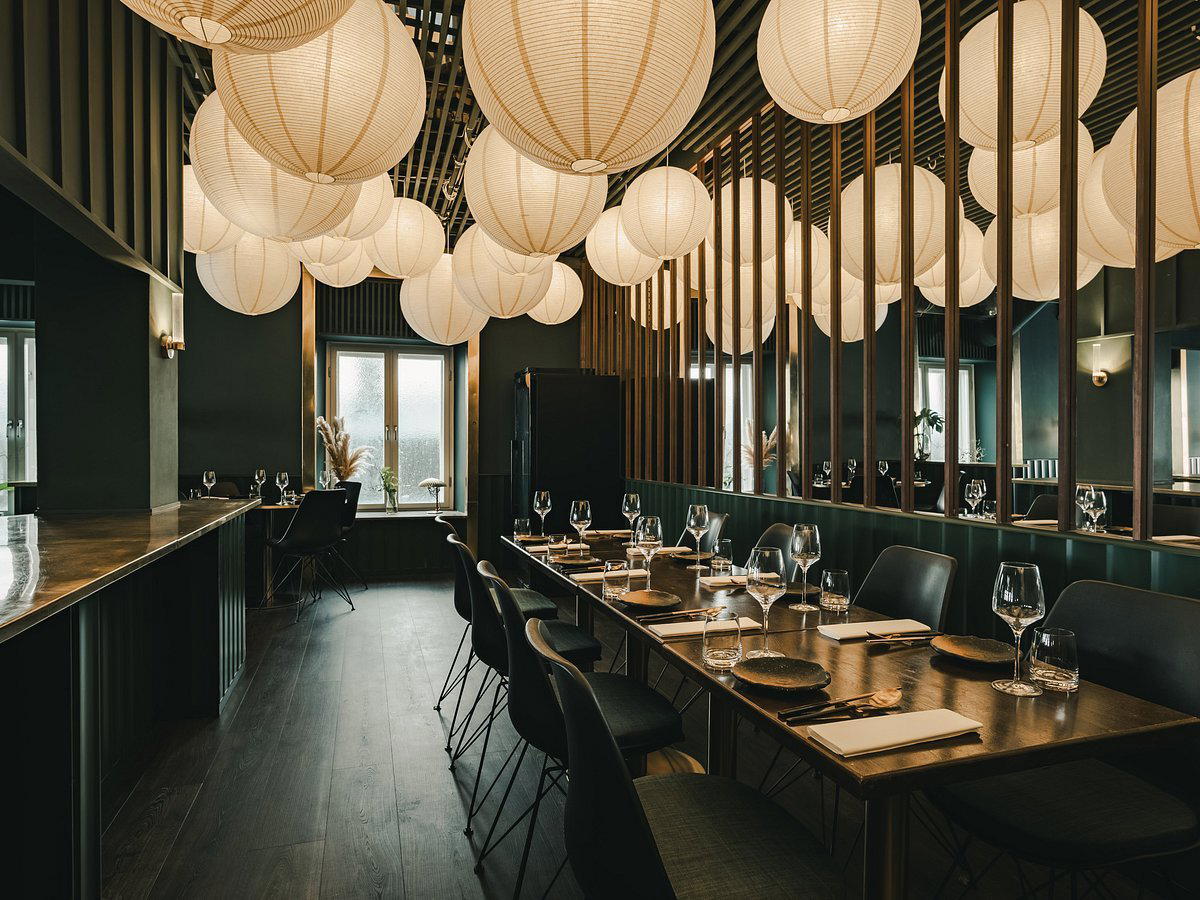
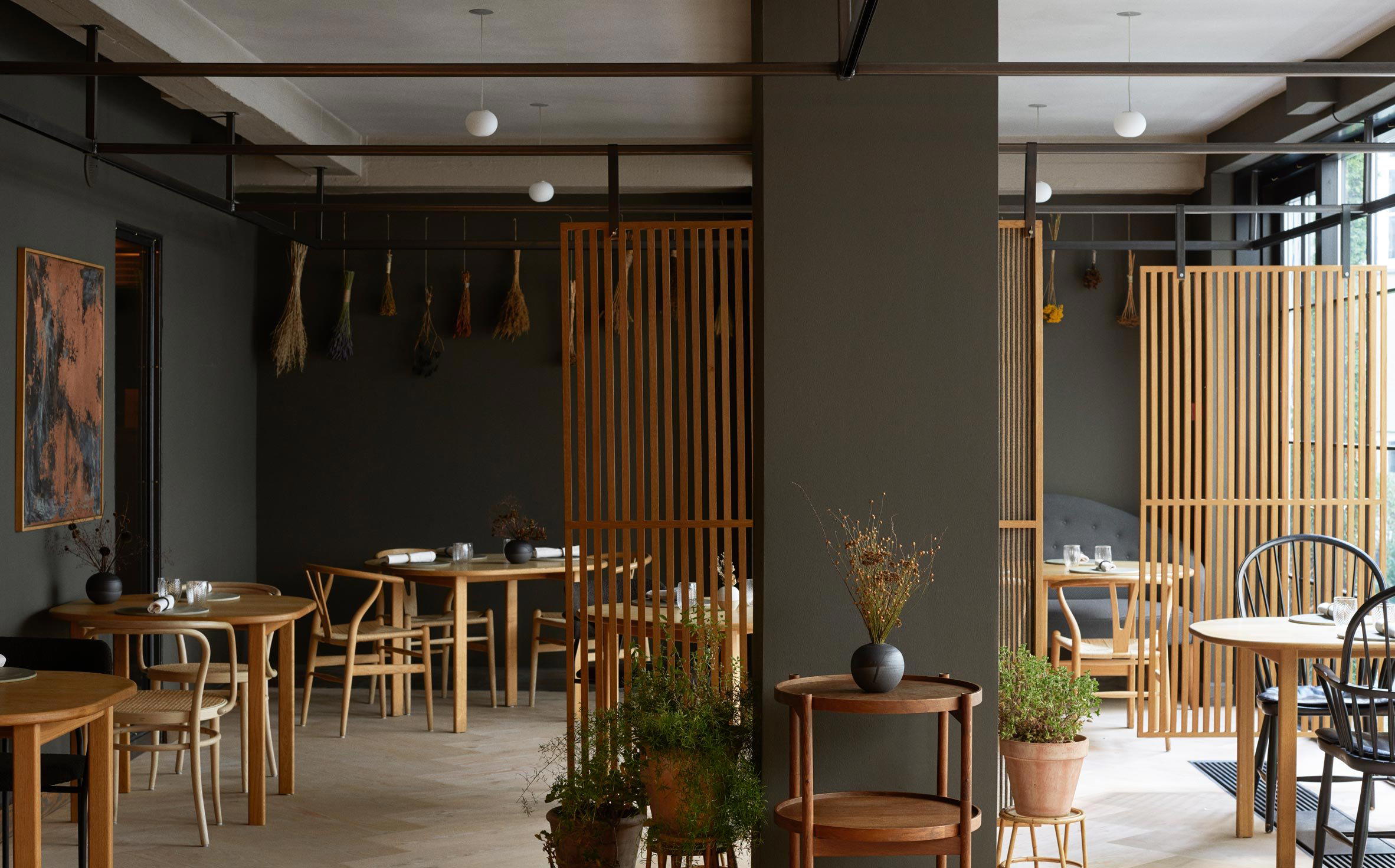
Understated décor with dark walls, shades of grey, subdued lighting, low-key music, and a relaxed warm atmosphere.