
Falstaff Wine Bar - 89 Falstaff Points
Modern restaurant with high quality design in Winterhude. House wines can be enjoyed along with antipasti, pinsas or salads. Large breakfast offer and beautiful outdoor area.

Pearl is the En Primeur Club membership app — saves, bookings, and concierge access live there. Same editors, same standards.
- Address
- Bahnhofstraße 1, 90402 Nürnberg, Germany
- Phone
- +49 911 2322624
- Hours
- Daily 11 AM–1 AM
- Website
- marriott.com
- Directions
- Get directions
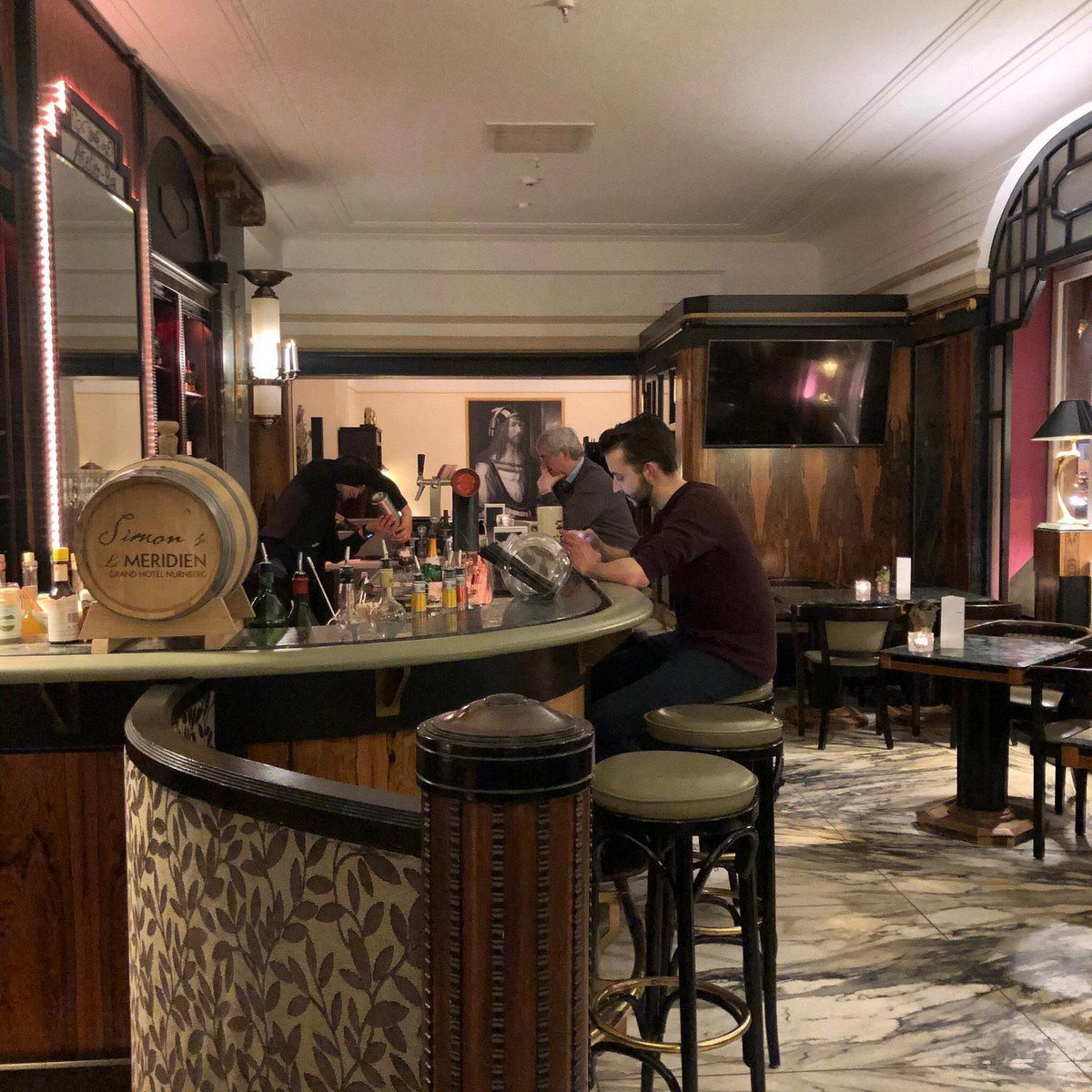
Nuremberg After Dark: Where the Cocktail Programme Does the Talking
Bahnhofstraße cuts through central Nuremberg with the directness of a city that has never been particularly interested in performing itself for tourists. The street runs from the Hauptbahnhof toward the old town, flanked by the kind of unshowy commercial fabric that defines working Franconian urbanism. Atelier Bar occupies number one on that stretch, a position that gives it both foot traffic from arriving rail passengers and proximity to the denser residential and creative neighbourhoods to the north. In a city where the bar scene has traditionally lagged its restaurant culture, that address carries a certain logic: accessible, central, neither hidden nor performatively obscure.
Germany's cocktail culture has matured significantly over the past decade, but that maturation has not been evenly distributed. Cities like Hamburg, with Le Lion Bar de Paris, and Berlin, with Stagger Lee, anchored the country's serious bar conversation early, building programmes with genuine international reach. Frankfurt added its own layer through venues like The Parlour and Mona Lisa Bar, and Munich has long carried the weight of Schuman's Bar as a near-institutional reference point. Nuremberg, by contrast, has operated at a quieter register, which is precisely what makes venues like Atelier Bar worth tracking: they represent the second wave of German cocktail seriousness, reaching into cities where expectations are lower and the room to define a local standard is correspondingly larger.
The Programme as Editorial Statement
In the current phase of European bar culture, a cocktail programme is a point of view before it is a menu. The leading bars in Germany's secondary cities have absorbed the technical lessons of the past decade — clarification, fat-washing, precise dilution, seasonal sourcing — and are now deciding what to do with that toolkit in a local register. Whether Atelier Bar's programme leans toward classic execution, contemporary technique, or a more territory-specific approach shaped by Franconian ingredients is not something the available record settles definitively. What the address and context suggest is a bar operating in a moment when Nuremberg's drinking culture is developing its own vocabulary, distinct from the Bavarian lager tradition that dominates regional perception from the outside.
Franconia itself is a wine-producing region as much as a beer region, a fact that visitors arriving from beyond Bavaria often miss. The Franken wine zone produces dry Silvaner and Müller-Thurgau with a minerality that has no real equivalent in the more famous German regions, and the local drinking culture reflects that duality. Bars in this context can draw on a regional palette that is genuinely different from what Hamburg or Cologne has available. The proximity to producers in the Main valley gives a cocktail programme access to local spirits, fruit distillates, and wine-adjacent ingredients that would require more deliberate sourcing in a large northern city. Whether Atelier Bar exploits that regional depth is a question the programme itself answers, but the structural opportunity exists at this address in a way it simply does not in Frankfurt or Berlin.
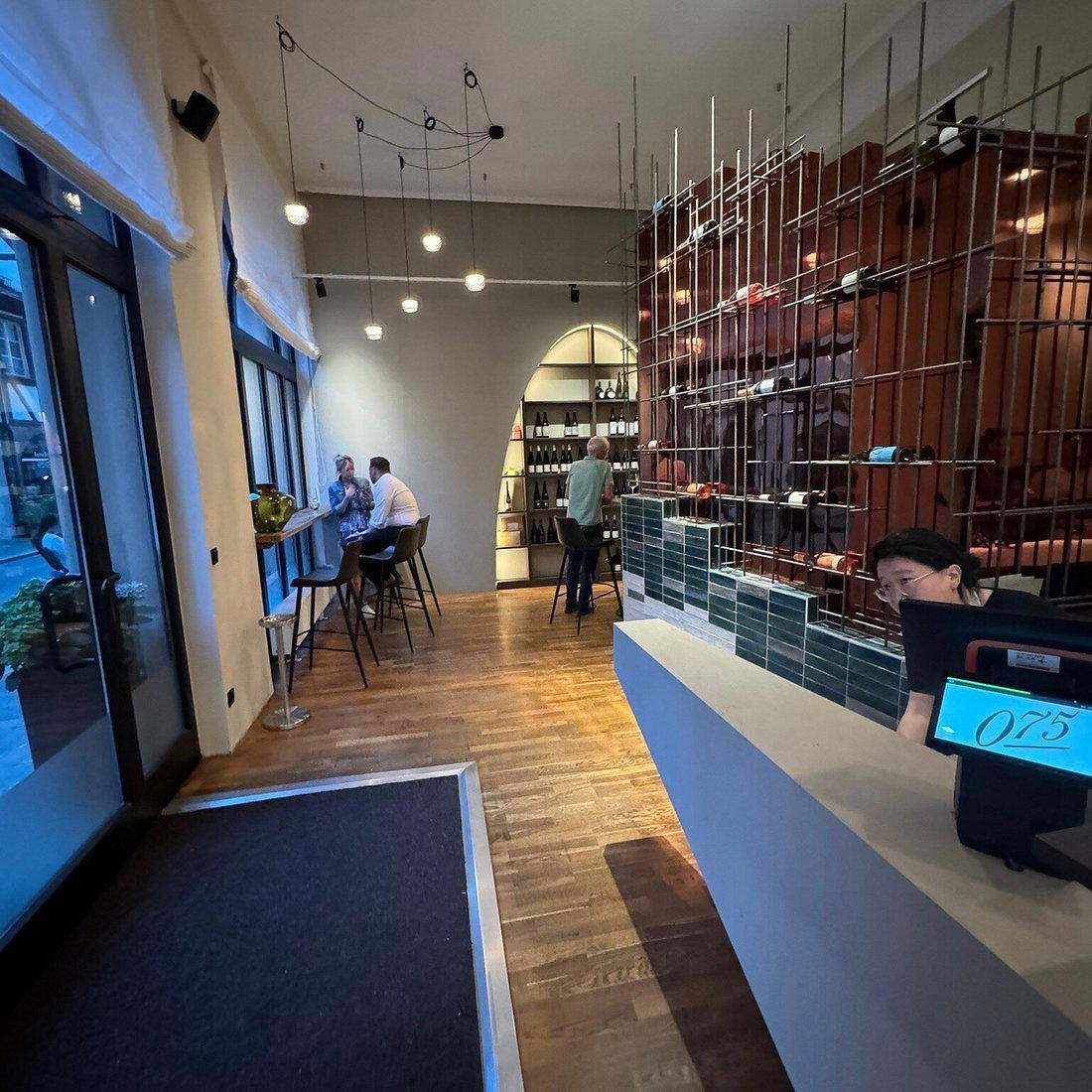
For context on the German bar scene more broadly, the range of approaches is instructive. Bar Trattoria Celentano in Cologne demonstrates how Italian-inflected hospitality can sit comfortably inside a German city's drinking culture. Wyno Weinbar in Düsseldorf shows how wine-bar formats and cocktail culture have begun to overlap. And 075 Weinbar & Handel, elsewhere in Nuremberg itself, illustrates how the city is building out multiple registers of its drinking identity simultaneously. Atelier Bar sits within that local ecosystem rather than in isolation.
The City It Belongs To
Nuremberg's reputation in food and drink is more developed than its international profile suggests. The city's Christmas market draws visitors who often leave without exploring what the off-season bar and restaurant scene has become. Franconian cuisine, hearty, pork-forward, rooted in preservation and smoking traditions, has a local restaurant culture that takes it seriously without condescension toward tradition. The bar scene that has grown alongside it shares that quality: less interested in trend-chasing than in executing a point of view with consistency.
The Hauptbahnhof location of Atelier Bar makes it one of the more logistically convenient reference points in the city for visitors arriving by rail, which from Munich takes approximately an hour on ICE services. From Frankfurt, the journey runs to around two hours. That accessibility matters for a bar culture that is still in the process of attracting visitors who would not previously have put Nuremberg on a dedicated drinks itinerary. For those already exploring Franconia, the bar fits naturally into an evening that might begin with a Schäufele and a glass of Silvaner and end with something more considered at the counter.
For a full picture of where Atelier Bar sits in the city's wider food and drink context, our full Nuremberg restaurants guide maps the scene across categories and neighbourhoods. Comparisons to bars in other German cities are worth making: Forstbaumschule in Kiel and Weingasthaus Breuer's in Rüdesheim each represent how regional German bar and wine culture operates in smaller cities with distinct local identities. Café La Trova in Miami offers a point of contrast for how a bar can root a programme deeply in a specific cultural tradition while remaining technically serious.
Planning a Visit
Atelier Bar's address at Bahnhofstraße 1 in the 90402 postal district places it at one of the most accessible points in central Nuremberg, walkable from the Hauptbahnhof in under five minutes and from the old town in roughly ten. Booking details, current hours, and specific programme information are best confirmed directly with the venue; the city's bar scene, like much of Germany's, has seen operating hours shift since 2020, and any pre-visit planning should account for that. Given its central position and the growing profile of Nuremberg's drinking culture, evenings at the bar are likely to be busiest on Fridays and Saturdays, with earlier weeknight visits offering a more measured experience for anyone who wants to engage properly with what the programme is doing.
Recognition history
Dated appearances from independent guides and award organizations, with the underlying list record or original source where available.
Falstaff Wine Bar - 89 Falstaff Points
Falstaff
Continue exploring
More in Nuremberg
Bars in Nuremberg
Browse all →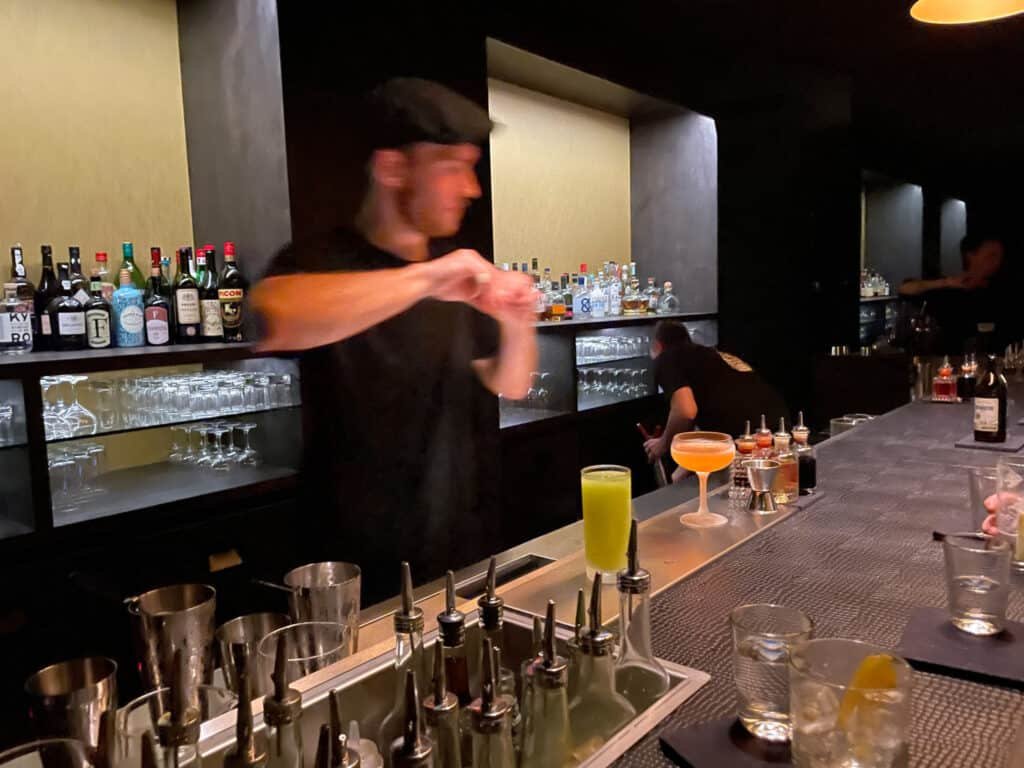
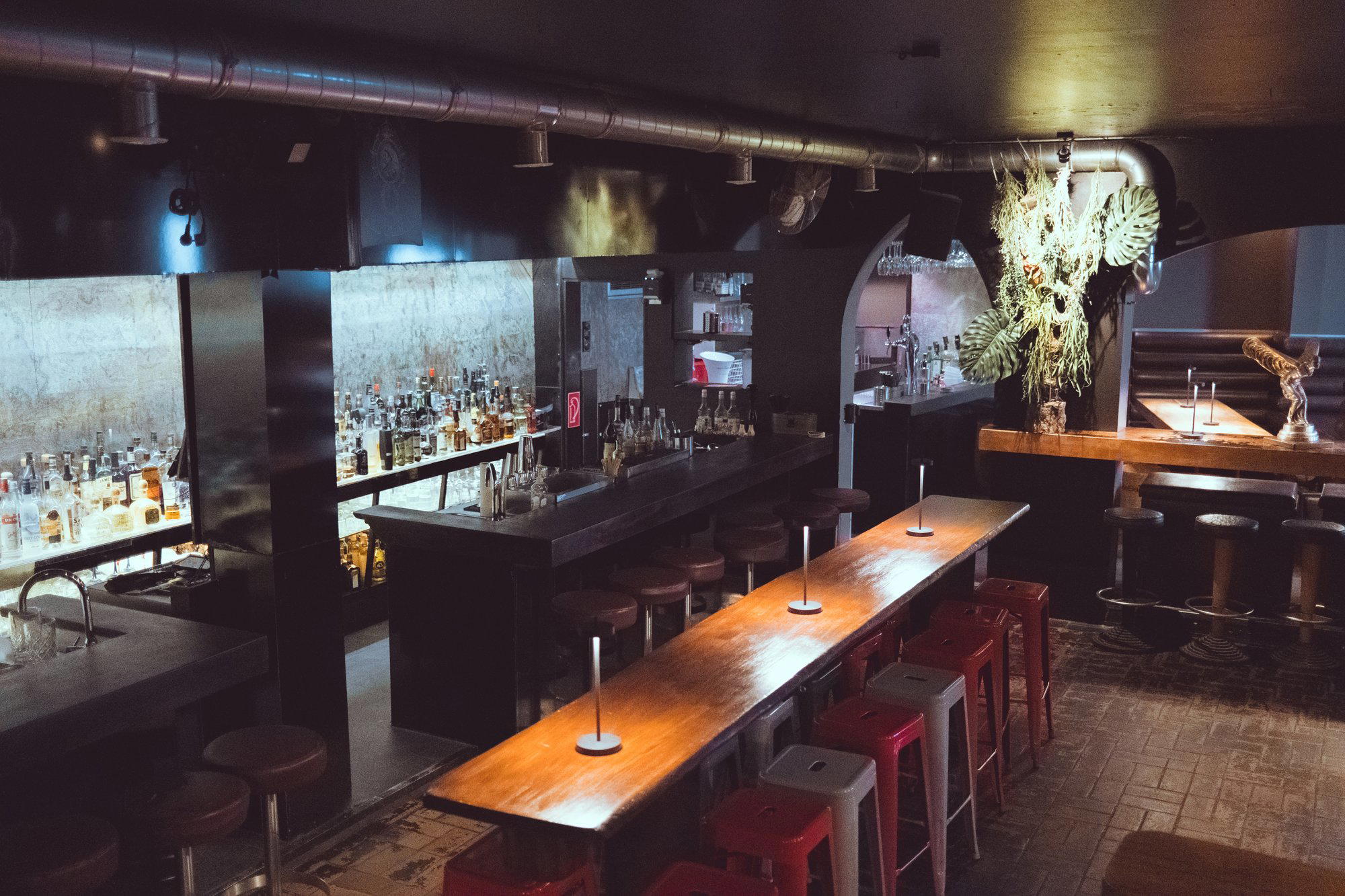
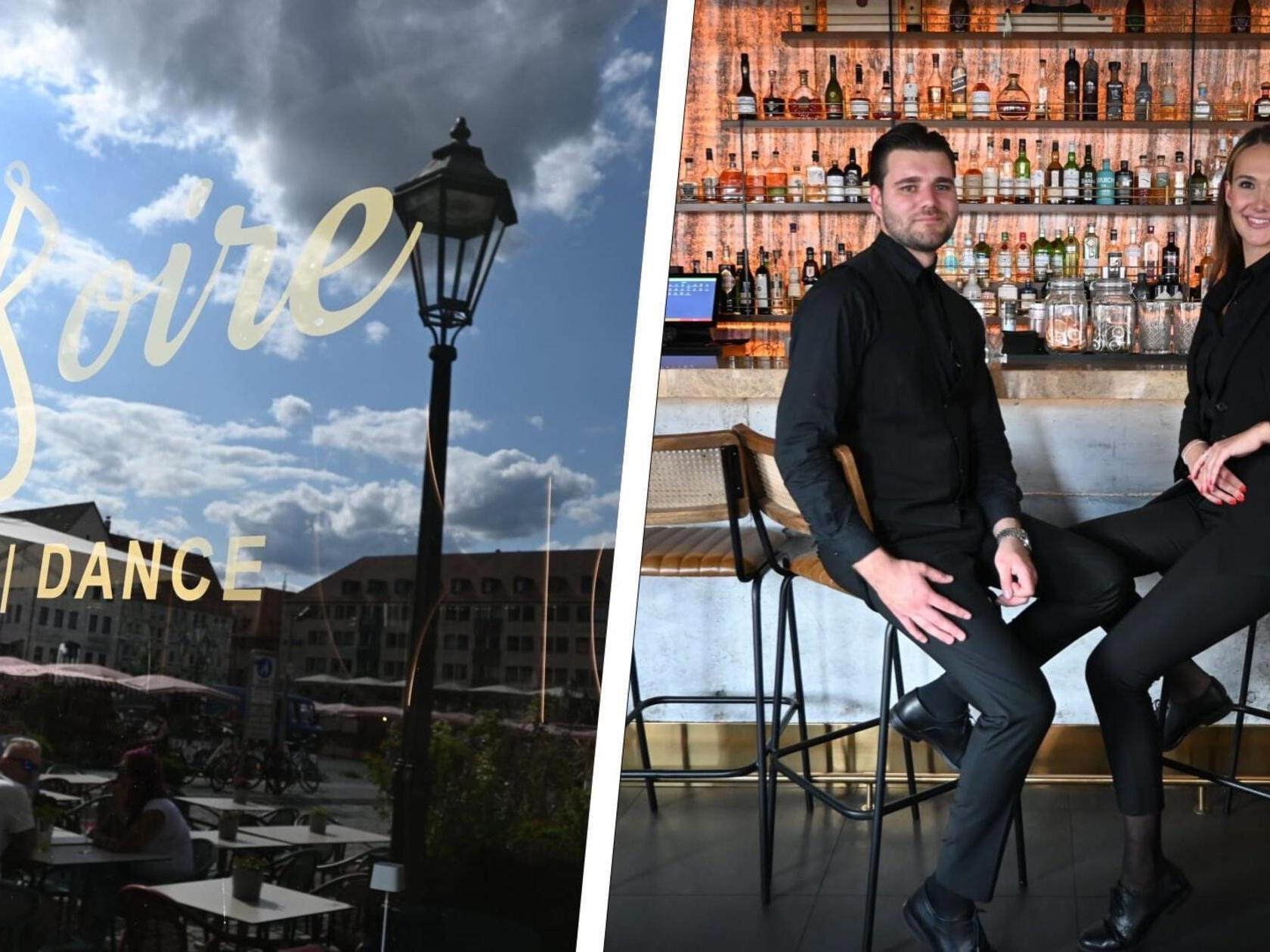
Restaurants in Nuremberg
Browse all →
Hotels in Nuremberg
Browse all →
Wineries in Nuremberg
Browse all →
Details
- Sophisticated
- Elegant
- Modern
- Lively
- After Work
- Date Night
- Casual Hangout
- Special Occasion
- Hotel Bar
- Live Music
- Design Destination
- Seated Bar
- Lounge Seating
- Booth Seating
- Craft Cocktails
- Classic Cocktails
- Conventional Wine
- Craft Beer
- Zero Proof
Current opening hours
- Monday
- 11 AM–1 AM
- Tuesday
- 11 AM–1 AM
- Wednesday
- 11 AM–1 AM
- Thursday
- 11 AM–1 AM
- Friday
- 11 AM–1 AM
- Saturday
- 11 AM–1 AM
- Sunday
- 11 AM–1 AM
Hours can change for holidays and private events. Last verified .