
Our verdict
Kesennuma Kuromori puts Chinese cooking into a port-city frame, where high-heat technique reads differently against Miyagi’s seafood culture and post-disaster recovery narrative. The draw is not a generic Chinese meal in rural Japan, but the way wok speed, flame control, and regional purpose meet in a city better known for fishing than destination dining.

Pearl is the En Primeur Club membership app, where members save venues, book tables and use the concierge.
The menu
What to order
- Shark fin tail course
- Trio of shark fin from three species
- Shark fin prepared with binchotan live fire
Approaching Kesennuma Kuromori, the city context comes first: this is a restaurant read through place rather than through spectacle. In that setting, Chinese cooking carries a focused charge. Wok heat is not decorative technique; it is compression, timing, and control, a way of turning ingredients through flame before they lose their snap. Kesennuma Kuromori belongs to that sharper category of regional dining, where the point is less about importing a metropolitan restaurant template and more about letting Chinese technique speak inside a Miyagi context.
Kesennuma’s restaurant culture rewards attention to setting as well as appetite. Food businesses here are encountered as part of a wider city visit, not as isolated luxury objects. The clearest verified marker for Kesennuma Kuromori is its No. 2 ranking in The Japan Times Destination Restaurants 2026 selection, where it is listed as a Chinese restaurant in Miyagi Prefecture. For travellers using our full Kesennuma restaurants guide, that distinction matters: this is a city where dining can be both a meal and a reason to look more closely at the surrounding place.
Chinese heat technique in a Sanriku port city
The editorial interest here is the meeting of technique and regional setting. Kesennuma gives the meal a clear local frame; Chinese restaurant cooking, especially wok-led cooking, depends on speed, mise en place, and the precise relationship between oil, metal, and flame. When that technique is placed in Kesennuma rather than a major urban dining cluster, the frame changes. The cooking is read through locality, not scale.
That is why the wok matters as a critical lens. High-heat Chinese cooking is unforgiving: ingredients move quickly, seasoning has to land early, and the difference between char and fatigue can be a matter of seconds. In Japan, Chinese restaurants range from casual neighborhood formats to more ambitious regional dining rooms; Kesennuma Kuromori sits in a more specific conversation because its public recognition places it among destination restaurants while keeping it rooted in Kesennuma. The result is a restaurant whose relevance comes from location and technique together.
For readers comparing Japanese dining categories, this is not the same decision as choosing a familiar capital-city format or a tasting counter in a major tourism corridor. The useful comparison is broader: regional Japan increasingly rewards restaurants that interpret place through a technique with its own discipline. Chinese cooking in Kesennuma does exactly that. It gives the city’s dining scene a register beyond the expected, while keeping the work close to the practical tempo of a regional visit.
Why the recovery context changes the meal
Restaurants in regional destinations are often discussed in broad emotional language, which can flatten the actual craft on the plate. The stronger reading is more concrete. A restaurant matters when it gives people a reason to return, spend time, bring guests, and reassess a city through daily culture rather than checklist travel. Kesennuma Kuromori’s recognition is a trust signal because it identifies the restaurant as part of a wider culinary map, not only as a place serving Chinese food.
That visibility does not excuse weak cooking; it raises the stakes. In a smaller city, a serious restaurant has fewer places to hide than it would in a dense dining district. Technique, hospitality, and consistency carry more weight because repeat local use and destination curiosity can overlap. The Chinese format is well suited to that pressure. Wok cooking is immediate, legible, and disciplined. It gives diners something measurable to watch for: heat, timing, texture, and restraint.
The setting also changes the traveller’s expectations. Kesennuma is not a casual add-on for every Japan itinerary; it asks for a more deliberate northern Japan route. That makes the restaurant more interesting for readers already looking beyond the obvious food circuits. Pairing dinner with the city’s wider travel planning, including our full Kesennuma hotels guide, our full Kesennuma bars guide, our full Kesennuma wineries guide, and our full Kesennuma experiences guide, gives the meal the context it needs: city, coastline, regional pace, and a reason to stay longer.
How to place it within a Japan dining itinerary
Kesennuma Kuromori makes strongest sense for travellers who already value technique over scene-chasing. Its setting in Kesennuma gives the visit a practical anchor within the city rather than a detached destination-restaurant feel. The available public recognition keeps attention on the larger question of how Chinese cooking functions in a city whose identity is closely tied to its regional context.
Readers building a route might compare it with other dining in Kesennuma and elsewhere in regional Japan to understand how local context changes the meaning of a meal. The point is not to force a hierarchy, but to notice how technique, city identity, and travel purpose can combine differently from one stop to the next.
Other useful reference points for itinerary building are best treated generically: regional dining rooms, casual counters, destination restaurants, and local Chinese formats all serve different travel needs. Read this Kesennuma table not as a trophy stop alone, but as a precise example of how a regional city can use Chinese fire technique to create a disciplined food story with a clear sense of place.
Frequently asked questions
Is Kesennuma Kuromori good for families?
Kesennuma Kuromori is a Chinese restaurant in Kesennuma. That format may suit mixed groups, though detailed family policies are not published. Check the venue's official channels for the latest details.
Is Kesennuma Kuromori better for a quiet night or a lively one?
It reads as a quieter choice: a Chinese restaurant in Kesennuma rather than a scene-driven dining room. The strongest verified context around the venue is its Destination Restaurants 2026 recognition, which points more toward a measured meal than a lively night out.
Is Kesennuma Kuromori award-winning?
Yes. Kesennuma Kuromori was ranked No. 2 in The Japan Times Destination Restaurants 2026 selection.
What style of cooking does Kesennuma Kuromori do?
Kesennuma Kuromori serves Chinese cuisine.
Where exactly is Kesennuma Kuromori?
Kesennuma.
How It Compares
Comparable venues nearby, for context on price, style, and recognition.
| Venue | Cuisine | Price | Awards | Notes |
|---|---|---|---|---|
| Kesennuma KuromoriThis venue (the venue you are viewing) | Shark fin–focused modern Chinese fine dining | $200–300 | Not listed | Not listed |
| EZO Seafood | Hokkaido Seafood Oyster Bar | Not listed | Not listed | Niseko Hirafu |
| Aca 1° | Spanish-Japanese Omakase Tasting Menu | $300–500 | Not listed | Nihonbashi |
| Sushi Mitani (鮨 三谷) | Edomae Omakase | $200–300 | La Liste Top Restaurants · Tabelog Gold #16 | Yotsuya |
| ゑび秀 | Traditional Kyoto Oden Omakase | $200–300 | Not listed | Higashiyama |
| Hakone Ginyu | Seasonal Kaiseki Ryokan | $500+ | Not listed | Miyanoshita |
Recognition history
Dated appearances from independent guides and award organizations, with the underlying list record or original source where available.
The Japan Times Destination Restaurants Destination Restaurants Selection #2
The Japan Times Destination Restaurants
Continue exploring
More in Kesennuma

Details
- Intimate
- Elegant
- Sophisticated
- Cozy
- Special Occasion
- Date Night
- Celebration
- Business Dinner
- Solo
- Chefs Counter
- Hotel Restaurant
- Design Destination
- Zero Proof
- Local Sourcing
- Sustainable Seafood
- Tasting Menu
- Set Menu
- Tea Pairing
- Sake
- Wine
- Pescatarian Friendly
- Allergy Accommodating
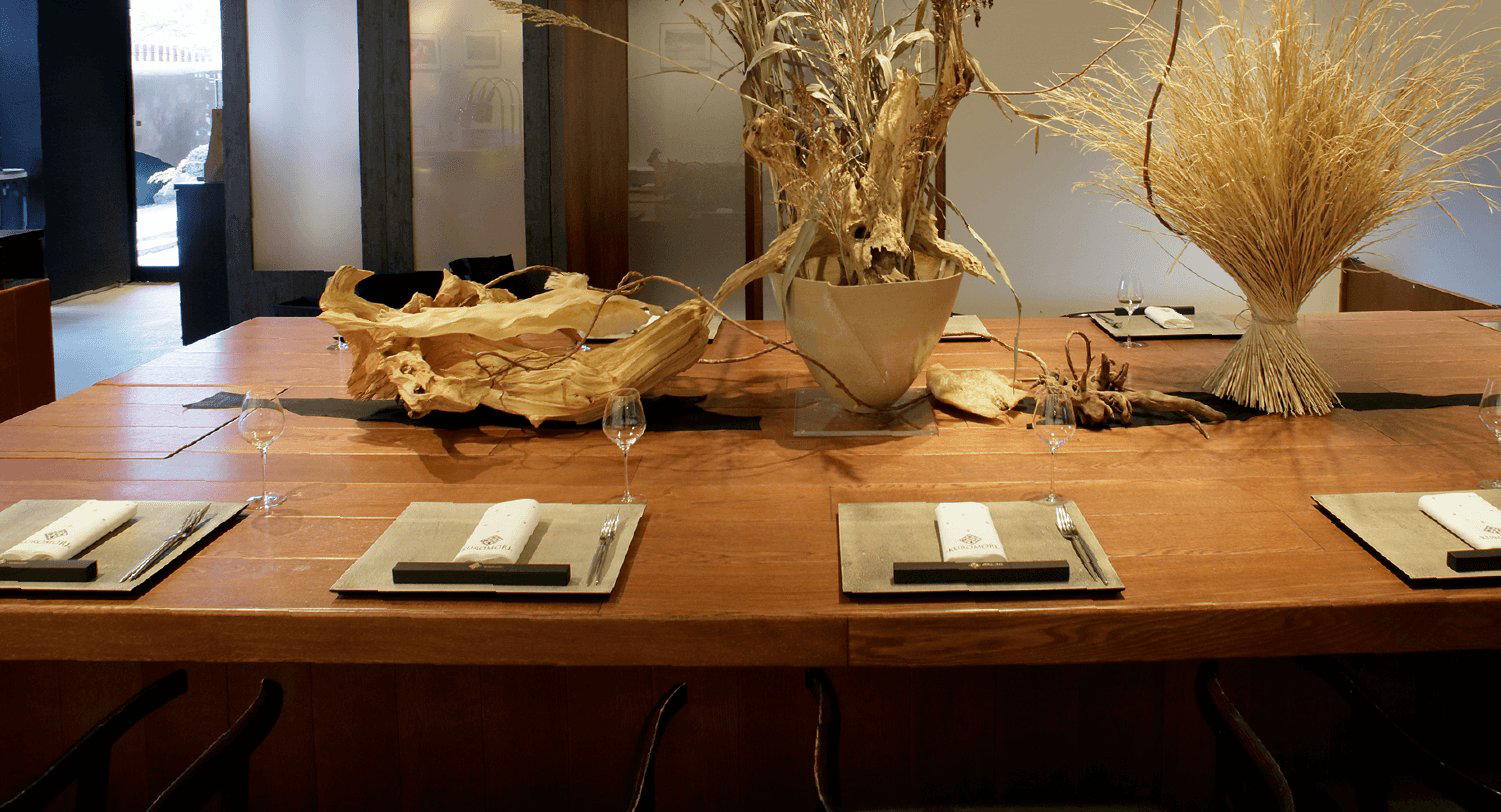
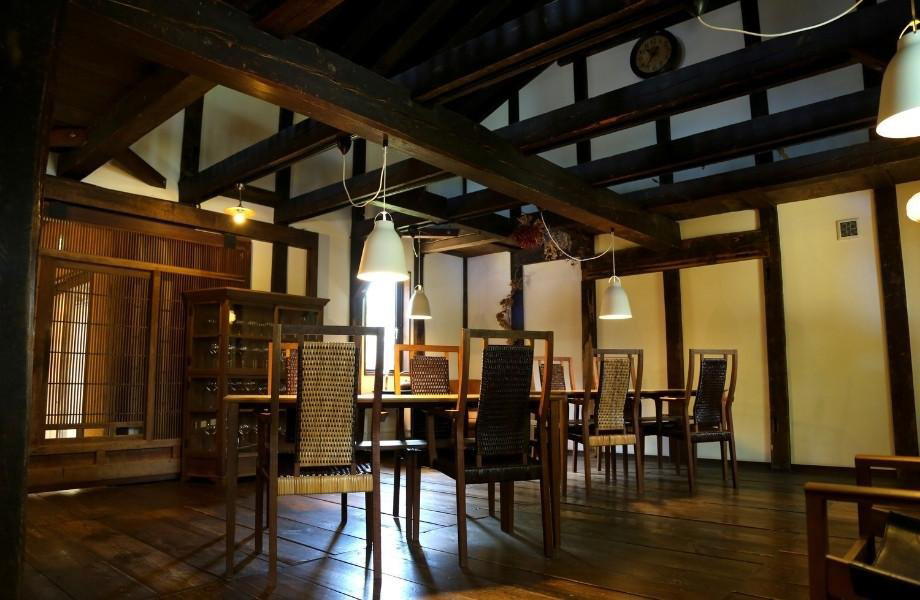
An intimate 8-seat dining room inside a small hotel, with a quiet, focused atmosphere where guests share a single seating and experience a carefully paced course menu highlighting the local port’s shark-fin culture.