Jägerstube Restaurant

Relais Chateaux Award
Our verdict
Jägerstube Restaurant brings Lech am Arlberg’s alpine dining into a more creative register: Austrian recipes, regional and seasonal produce, and modern technique rather than chalet nostalgia alone. Chef Michael Volcanjsek’s cooking is framed by a warm, rustic-refined room, making it a useful address for travellers who want the mountain setting without surrendering to heavy resort cooking.

Pearl is the En Primeur Club membership app, where members save venues, book tables and use the concierge.
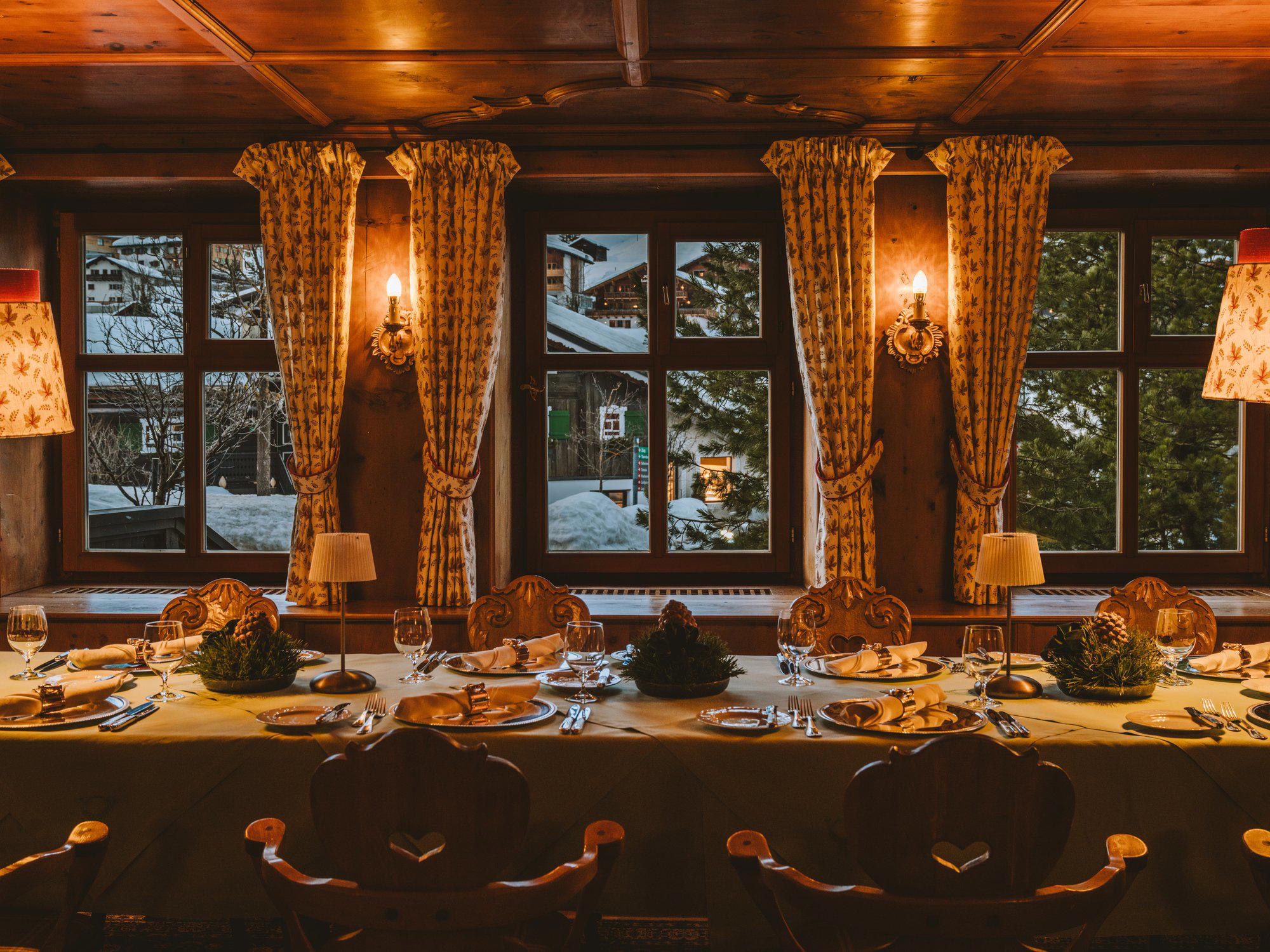
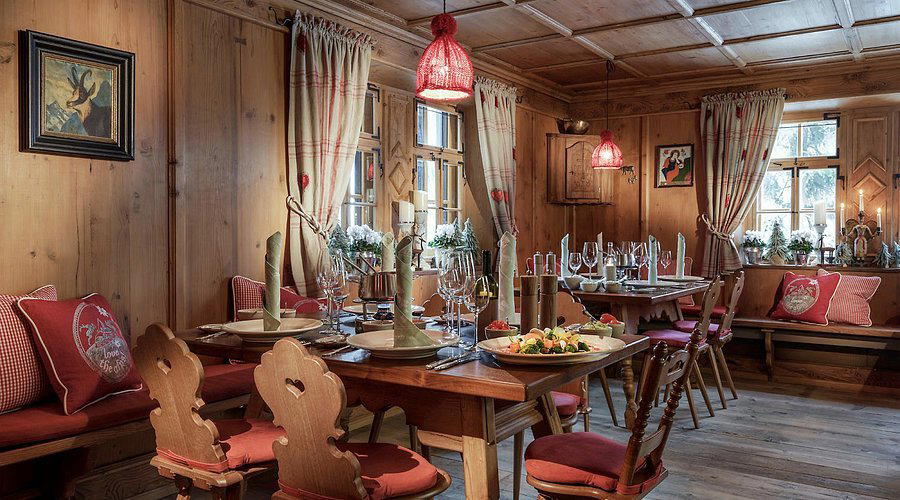
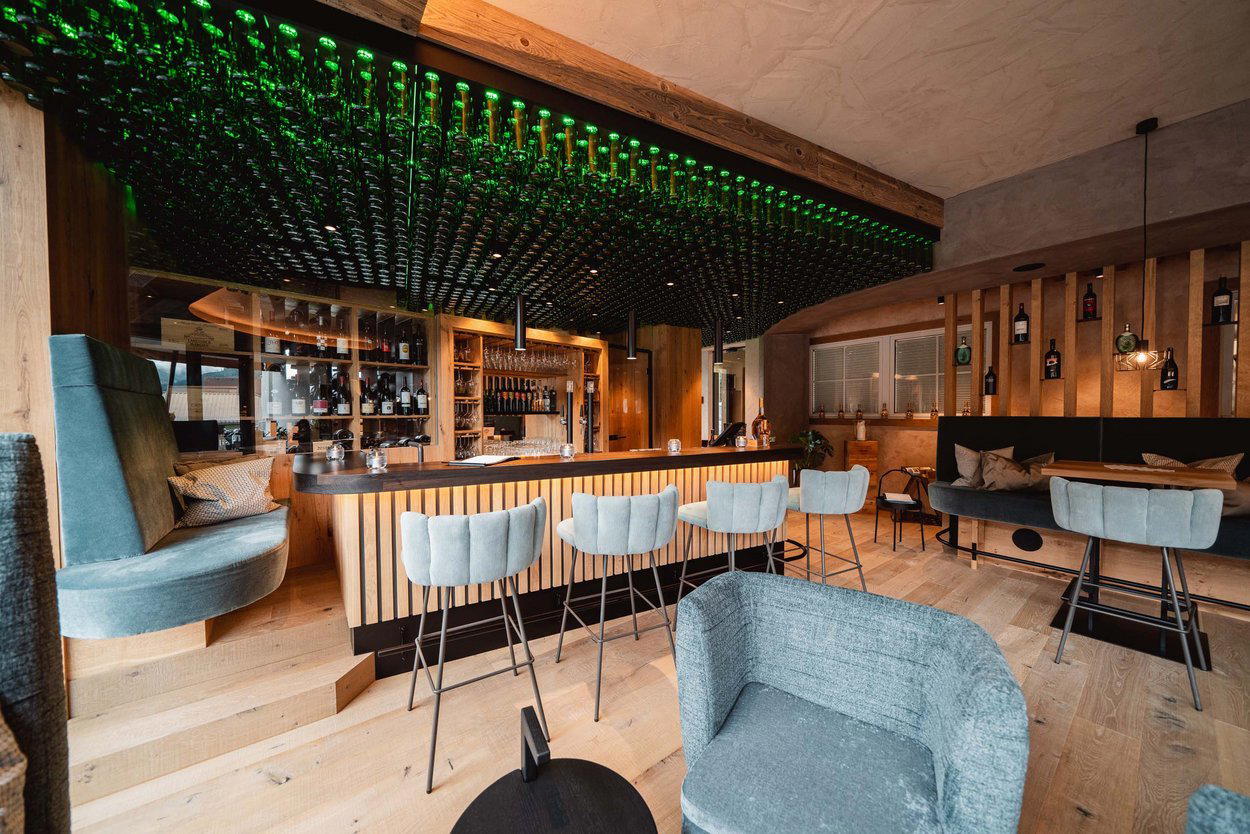
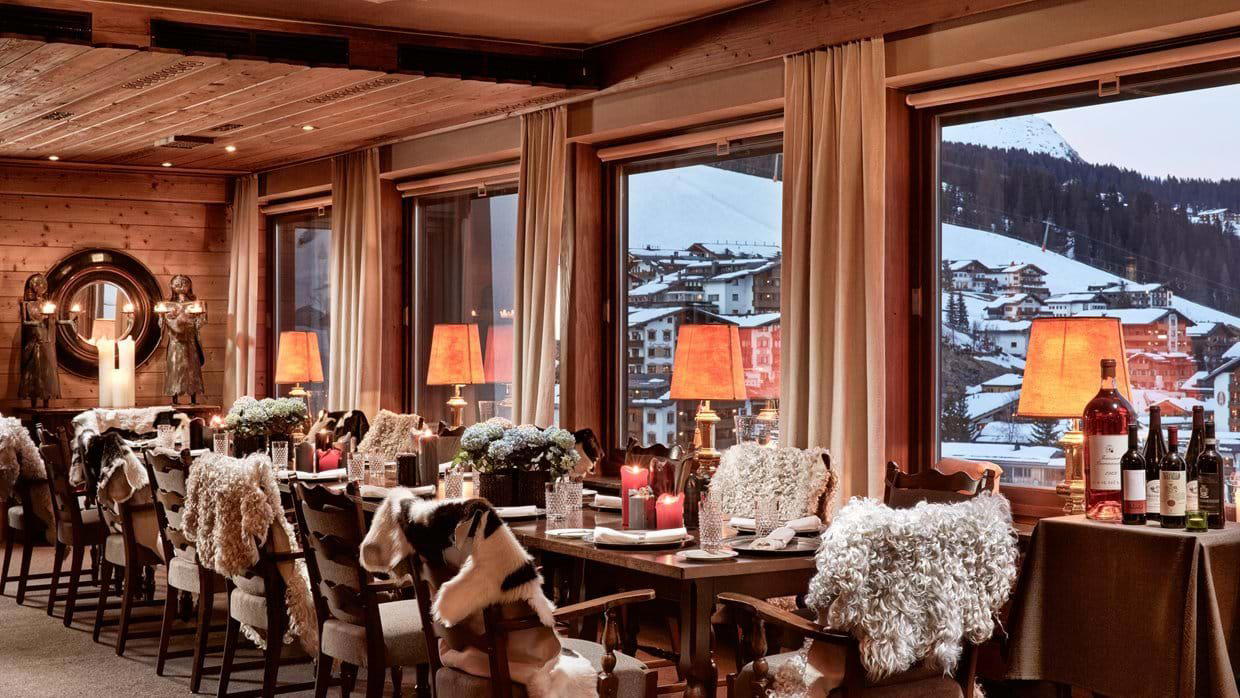
The room reads alpine before the menu does: timber warmth, mountain-village enclosure, and polish that keeps it from folkloric theatre. In Lech am Arlberg, that balance matters. The resort has long wanted comfort after ski hours, while its sharper restaurants now work between hut tradition and contemporary technique. Jägerstube Restaurant sits in that middle ground: the cues of a mountain stube remain visible, while the kitchen is identified in its published listing as Creative cooking.
Lech’s dining culture is strongly seasonal. Winter brings a high-spend international crowd expecting precision, warmth, and pace after the mountain; summer shifts toward hikers, longer daylight, and a quieter reading of the resort. Creative cooking here must do more than decorate familiar dishes. It has to make sense in the Arlberg context: cold air, mountain appetite, a preference for warmth, and a dining vocabulary that belongs in Lech am Arlberg rather than in an anonymous city room.
Alpine tradition, treated as material rather than costume
The useful reading is not rejection of alpine atmosphere, but a controlled edit. The stated category is Creative cooking, which places the kitchen in a broader European pattern: mountain restaurants using a strong sense of place as foundation while borrowing precision from contemporary dining. The risk is over-design, especially when a rustic room meets an ambitious plate. Here, the promise is restraint: the stube gives cultural anchor, while creative cooking signals that the kitchen is not bound to museum-piece regionalism.
Chef Michael Volcanjsek is the key credential, though the biography matters less than the cooking’s direction. In resort towns, chef-led dining often splits between kitchens reproducing familiar comforts for volume and kitchens shaping a broader dining audience. This address sits closer to the latter camp. The point is not novelty for its own sake, but a more considered alpine restaurant that stays legible to guests who came to Lech for a mountain table, not an abstract exercise detached from place.
That distinguishes it from other Lech am Arlberg dining rooms that lean more explicitly traditional, hotel-led, or format-driven. Some local tables read through inn culture; others point toward polished hotel dining or more staged interpretations of the region. Jägerstube Restaurant is more intimate in tone: a creative alpine restaurant rather than a grand dining room or performance-led counter format.
Where Lech's resort polish meets a more modern mountain kitchen
Lech am Arlberg is not a city dining market, and judging it as one misses the point. Its competitive set is shaped by mountain logistics, hotel dining rooms, après-ski timing, and the expectation that restaurants function within a larger stay. Warmth is therefore not decorative; it is part of the value proposition. A rustic-refined atmosphere lets the kitchen modernise without losing the sense of place many resort restaurants spend heavily trying to manufacture.
The creative-cooking category tells diners how to calibrate expectations. This is neither a pure regional tavern nor a luxury tasting room stripped of locality. It sits closer to the European resort mode in which a mountain setting provides structure and contemporary technique supplies movement. The Arlberg has that audience: guests who may eat traditionally one night, then want a more composed reading of the same alpine mood the next.
For wider itineraries, the useful comparison is category rather than geography. Creative cooking appears in many registers, from ambitious fine dining to relaxed regional revision and internationally inflected menus. The label can cover a broad field, so setting becomes the filter. In Lech, creative cooking is judged by how well it absorbs the mountain context.
That is why imported comparisons only go so far. Out-of-metro creative-cooking peers such as Roller Stube, La Filiale - L'evoluzione della pizza, Restaurant Gastronomique l'Ours, LPV Ristorante, and Buddha-Bar Beach by Buddha-Bar TM share a broad category, but not the same resort grammar. A creative kitchen in Lech must speak to snow, wood, regional atmosphere, and post-slope appetite. A beach club, pizza evolution restaurant, or formal gastronomic room answers a different brief.
How to place it in a Lech dining plan
This is strongest for dinner when the table wants alpine reference points with more polish than a straight tavern meal. It is less suited to diners seeking a purely classical checklist of regional dishes, and better for those interested in how a Lech kitchen can feel current without cutting the cord to place. The atmosphere supports that reading: warm enough for a resort evening, polished enough for a considered meal.
Within a Lech stay, vary formats rather than chase the same version of mountain cooking each night. Use our full Lech am Arlberg restaurants guide to build that spread, then read across our full Lech am Arlberg hotels guide, our full Lech am Arlberg bars guide, our full Lech am Arlberg wineries guide, and our full Lech am Arlberg experiences guide for the rest of the trip architecture. For a wider creative-cooking lens outside Austria, unnamed peers in other destinations show how elastic the category becomes once the setting changes.
The editorial case is clear: Jägerstube Restaurant is for diners who want Lech’s alpine atmosphere treated seriously, not used as decoration. Creative cooking gives the meal a defined point of view, while the room keeps it rooted in the resort’s social rhythm.
Frequently asked questions
Would Jägerstube Restaurant be comfortable with kids?
The warm, rustic yet refined atmosphere suggests a room that can suit a family dinner, especially for children comfortable with a quieter restaurant setting. Jägerstube is in Lech am Arlberg, with a published cuisine category of Creative cooking rather than a casual tavern format.
Does Jägerstube Restaurant have a Michelin star or similar recognition?
The provided recognition for Jägerstube Restaurant comes through its Relais & Châteaux restaurant listing, which identifies Chef Michael Volcanjsek and lists the cuisine as Creative cooking.
What cuisine category does Jägerstube Restaurant fall under?
Jägerstube Restaurant serves Creative cooking cuisine.
What part of town is Jägerstube Restaurant in?
Lech am Arlberg.
Who is the chef or culinary lead at Jägerstube Restaurant?
The chef associated with Jägerstube Restaurant is Chef Michael Volcanjsek.
Is Jägerstube Restaurant reservation-only?
Those details are not published. Given its Lech am Arlberg setting and chef-led creative cooking format, advance planning would be sensible for dinner. Check the venue's official channels for the latest details.
Comparable Spots, Quickly
Comparable venues by cuisine and price in the same metro.
| Venue | Cuisine | Awards |
|---|---|---|
| Jägerstube RestaurantThis venue (the venue you are viewing) | Creative cooking | Relais Chateaux Award |
| Roller Stube | Creative cooking | Not listed |
| La Filiale - L'evoluzione della pizza | Creative cooking | Not listed |
| Restaurant Gastronomique l'Ours | Creative cooking | Not listed |
| LPV Ristorante | Creative cooking | Not listed |
| Buddha-Bar Beach by Buddha-Bar TM | Creative cooking | Not listed |
Recognition history
Dated appearances from independent guides and award organizations, with the underlying list record or original source where available.
Relais Chateaux Award
Relais Chateaux
Continue exploring
More in Lech am Arlberg
Restaurants in Lech am Arlberg
All restaurants in Lech am Arlberg →
Bars in Lech am Arlberg
Browse all →

Details
- Hotel Restaurant