Hutong New York

Our verdict
Hutong New York brings Northern Chinese cooking to Midtown Manhattan, operating out of Beacon Courtyard on Lexington Avenue under chef Dominick DiBartolomeo. It occupies a distinct lane in New York's Chinese dining scene, where Cantonese and Shanghainese traditions have historically dominated the high-end tier.

Pearl is the En Primeur Club membership app, where members save venues, book tables and use the concierge.
The menu
What to order
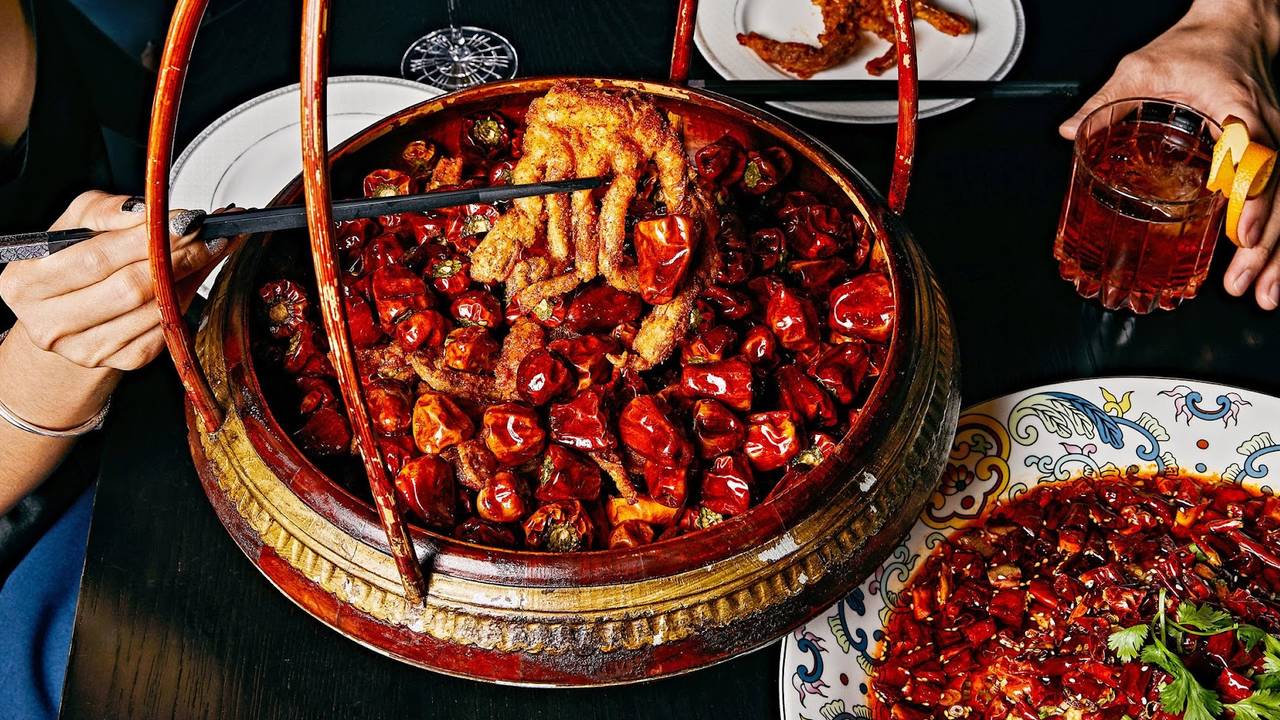
- Flaming Peking Duck
- Dim Sum Platter
- Soft Shell Crab
Northern Chinese Cooking in Midtown's Courtyard
Midtown Manhattan's restaurant geography skews toward power-lunch French and high-ticket omakase. The stretch of Lexington Avenue near 59th Street is better known for corporate dining than culinary specificity, which makes the address of Hutong New York worth noting: inside Beacon Courtyard at 731 Lexington, the setting is removed enough from street-level noise to read as deliberate. Northern Chinese restaurants operating at this tier are sparse in New York, and that scarcity has defined both the restaurant's positioning and its audience since it opened.
New York's Chinese dining tradition has long been weighted toward Cantonese cooking, particularly in the downtown Chinatown corridors, and toward Shanghainese and Sichuan formats in the outer boroughs and scattered Midtown spots. Northern Chinese cuisine, which draws from Beijing, Shandong, and the broader inland regions, arrived later to the premium tier and has fewer reference points for diners who haven't eaten it in situ. Hutong, with locations in Hong Kong and other international markets before its New York chapter, carries that regional identity as its primary editorial claim. The cooking tradition it represents, rooted in wheat-forward dishes, braised meats, and preparations distinct from the stir-fry vocabulary most American diners associate with Chinese restaurants, is substantially different from what the city's dominant Chinese dining offer presents.
The Chef's Position in a Specialist Kitchen
Chef Dominick DiBartolomeo leads the kitchen at Hutong New York. The editorial angle here isn't biographical in the conventional sense: what matters is the positioning challenge DiBartolomeo occupies. Running a Northern Chinese kitchen as a non-Chinese chef in a market where culinary authenticity debates are active and vocal is a specific professional circumstance. The broader question it raises, one that has surfaced across New York's Korean, Japanese, and Chinese fine-dining rooms over the past decade, is whether technical mastery and deep study of a regional tradition can substitute for inherited cultural knowledge, or whether the two operate in parallel rather than in competition.
New York's answer to that question has been largely pragmatic. Restaurants like Atomix, working within a Korean culinary framework, have brought Korean-born chefs to the fore and earned two Michelin stars in the process. The Michelin-three tier at Masa operates on a Japanese chef's absolute technical control of Japanese ingredients. The question at Hutong is whether the regional Chinese kitchen, with its distinct technical demands around dough work, braising, and aged preparations, has been translated accurately enough to hold the attention of diners who already know the source material.
Where Hutong Sits in New York's Premium Chinese Scene
New York's high-end Chinese dining has been a contested space. The city does not have a Michelin-starred Chinese restaurant at the level that San Francisco, Hong Kong, or Singapore maintain. That gap has been a consistent point of discussion among food writers and the broader dining public. Pearl, which focuses on culinary excellence and dining experience rigor, uses its recommended category to identify restaurants operating at a meaningful level below its starred tier, comparable in function to how Michelin's Bib Gourmand and plate designations operate.
The competitive frame is useful. Hutong isn't pricing against Le Bernardin, Eleven Madison Park, or Per Se, the French-tradition anchors of New York's formal dining tier. That's a meaningful bracket: it captures restaurants with genuine culinary ambition and consistent execution, without the reservation scarcity and theatrical pricing of the Michelin three-star floor.
Internationally, the Hutong brand connects to a broader conversation about Chinese fine dining's global expansion. Restaurants like 8 1/2 Otto e Mezzo Bombana in Hong Kong demonstrate how international operators have built serious culinary credentials in Asian markets. Hutong's trajectory runs in the reverse direction: a brand with Asian roots expanding into the American market and finding its footing in a city where the reference points for premium Chinese cooking remain underdeveloped relative to the size of the potential audience.
The Northern Chinese Table: What the Cuisine Represents
Understanding what Hutong is attempting requires some background on the regional tradition it draws from. Northern Chinese cooking is not a monolith. Beijing cuisine emphasizes roast preparations and imperial-court heritage dishes; Shandong cooking, one of China's eight great culinary traditions, brings a seafood and fermentation vocabulary that differs substantially from anything in the Cantonese canon. The wheat-based starches, hand-pulled noodles, and steamed or pan-fried dumplings that define northern table culture are a different technical discipline from the rice-based and wok-forward cooking that dominates American Chinese restaurant history.
That distinction matters editorially because it frames the actual difficulty of Hutong's kitchen program. Getting dough work right, specifically the elasticity and texture of hand-stretched noodle formats, is a craft that takes years to develop and is immediately legible to anyone who has eaten these preparations in Beijing or Xi'an.
Context Within New York's Broader Dining Circuit
For visitors building a serious New York dining itinerary, Hutong occupies a specific slot. The city's formal dining circuit, covered in depth in our full New York City restaurants guide, runs heavily toward European-tradition tasting menus at the upper tier. Hutong provides a point of differentiation within that itinerary, not as an alternative to the Michelin-three experience but as a complement that covers a regional Chinese tradition the starred rooms don't address.
Diners who have worked through the French-tradition anchors and want to track what serious American Chinese cooking looks like in 2025 will find the Beacon Courtyard address more instructive than another omakase counter. Those planning around accommodations should consult our full New York City hotels guide, and those building evening programs around cocktails and bar culture can find additional options in our full New York City bars guide. For additional context on cultural programming and experience-led options in the city, our full New York City experiences guide maps the broader offer.
American fine dining's regional diversity is well illustrated by contrasting Hutong's positioning with establishments like Alinea in Chicago, Lazy Bear in San Francisco, or The French Laundry in Napa, each of which has staked a distinct regional or conceptual identity. Hutong's identity claim, Northern Chinese cooking brought to a serious Manhattan room, is coherent and underserved in the current market. Whether it develops further recognition in the next award cycle will depend on the kitchen's ability to push beyond solid execution into the kind of definition that earns starred attention.
Planning Your Visit
Address: Inside Beacon Courtyard, 731 Lexington Ave, New York, NY 10022. Recognition:Reservations: Dress: Dress code not published; Midtown Manhattan context suggests smart casual at minimum. Budget:
Frequently asked questions
What's the signature dish at Hutong New York?
Hutong's broader brand has built its reputation around Northern Chinese preparations, including roast duck formats and hand-crafted noodle dishes drawn from the Beijing and Shandong traditions. The cuisine's identity is rooted in wheat-based dishes, braised proteins, and preparations that differ substantially from the Cantonese and Sichuan cooking more familiar to American diners.
Peers You’d Cross-Shop
A quick peer list to put this venue’s basics in context.
| Venue | Cuisine | Price | Awards | Notes |
|---|---|---|---|---|
| Hutong New YorkThis venue (the venue you are viewing) | Modern Northern Chinese | $100–150 | Not listed | Not listed |
| Le Bernardin | French Seafood Fine Dining | $300–500 | 3 Michelin Stars · World's 50 Best #13 | French, Seafood |
| Atomix | Modern Korean Tasting Menu | $300–500 | 2 Michelin Stars · World's 50 Best #7 | Modern Korean, Korean |
| Masa | Seasonal Hokkaido Tempura Omakase | $150–200 | Tabelog 100 #34 | Sushi, Japanese |
| Per Se | French Fine Dining Tasting Menu | $300–500 | 3 Michelin Stars · World's 50 Best #40 | French, Contemporary |
| Eleven Madison Park | Contemporary Plant-Based Fine Dining | $300–500 | 3 Michelin Stars · World's 50 Best #4 | French, Vegan |
Recognition history
Dated appearances from independent guides and award organizations, with the underlying list record or original source where available.
Opinionated About Dining Top Restaurants in North America Ranked #135
Opinionated About Dining
Continue exploring
More in New York City
Restaurants in New York City
All restaurants in New York City →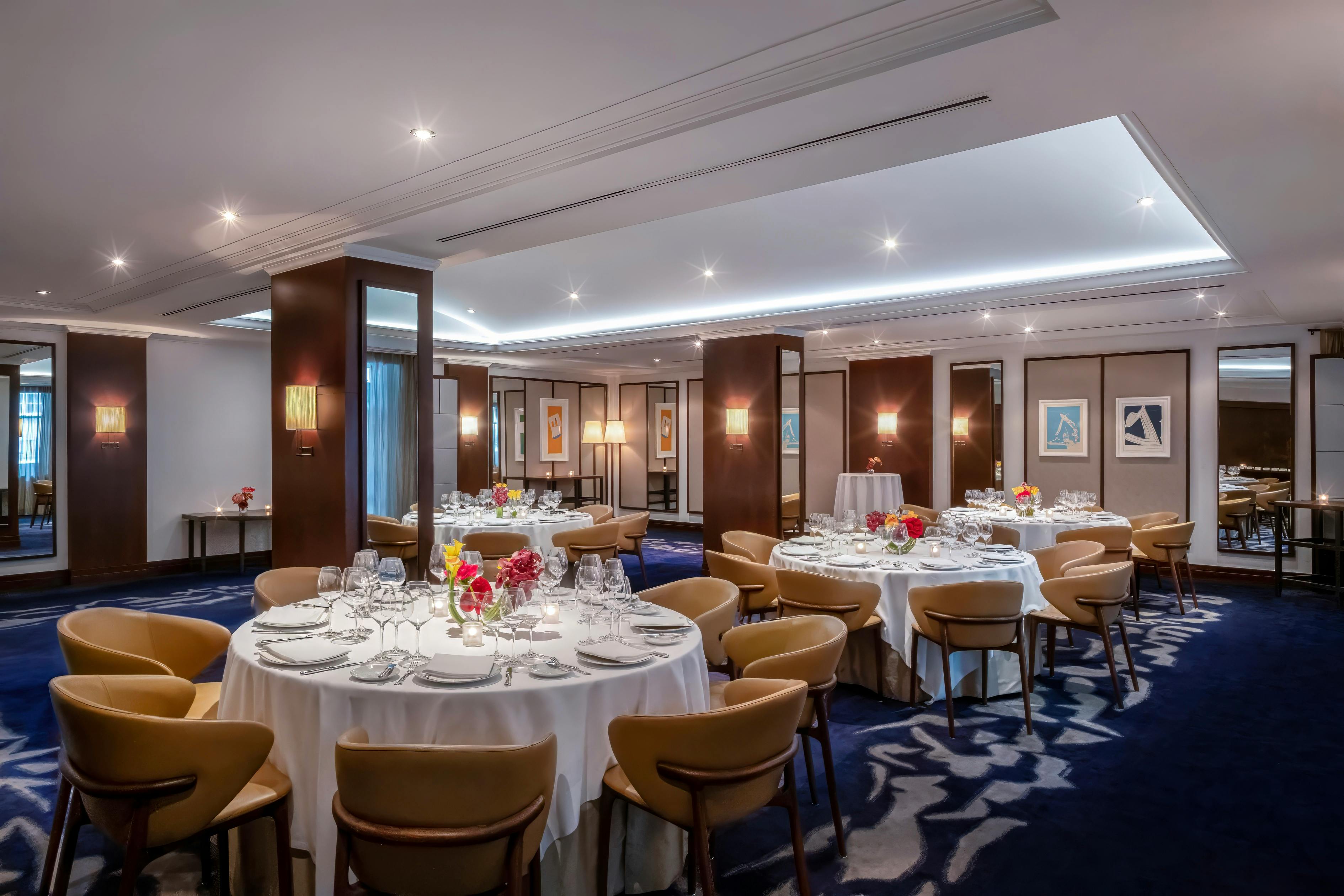
Bars in New York City
All bars in New York City →




Details
- Elegant
- Sophisticated
- Modern
- Ornate
- Date Night
- Business Dinner
- Special Occasion
- Group Dining
- Open Kitchen
- Craft Cocktails
- Sake Program
- A La Carte
- Prix Fixe
- Small Plates
- Cocktails
- Vegetarian Friendly
Current opening hours
- Monday
- 12–10 PM
- Tuesday
- 12–10 PM
- Wednesday
- 12–10 PM
- Thursday
- 12–10 PM
- Friday
- 12–11 PM
- Saturday
- 11:30 AM–11 PM
- Sunday
- 11:30 AM–10 PM
Hours can change for holidays and private events. Hours as of .
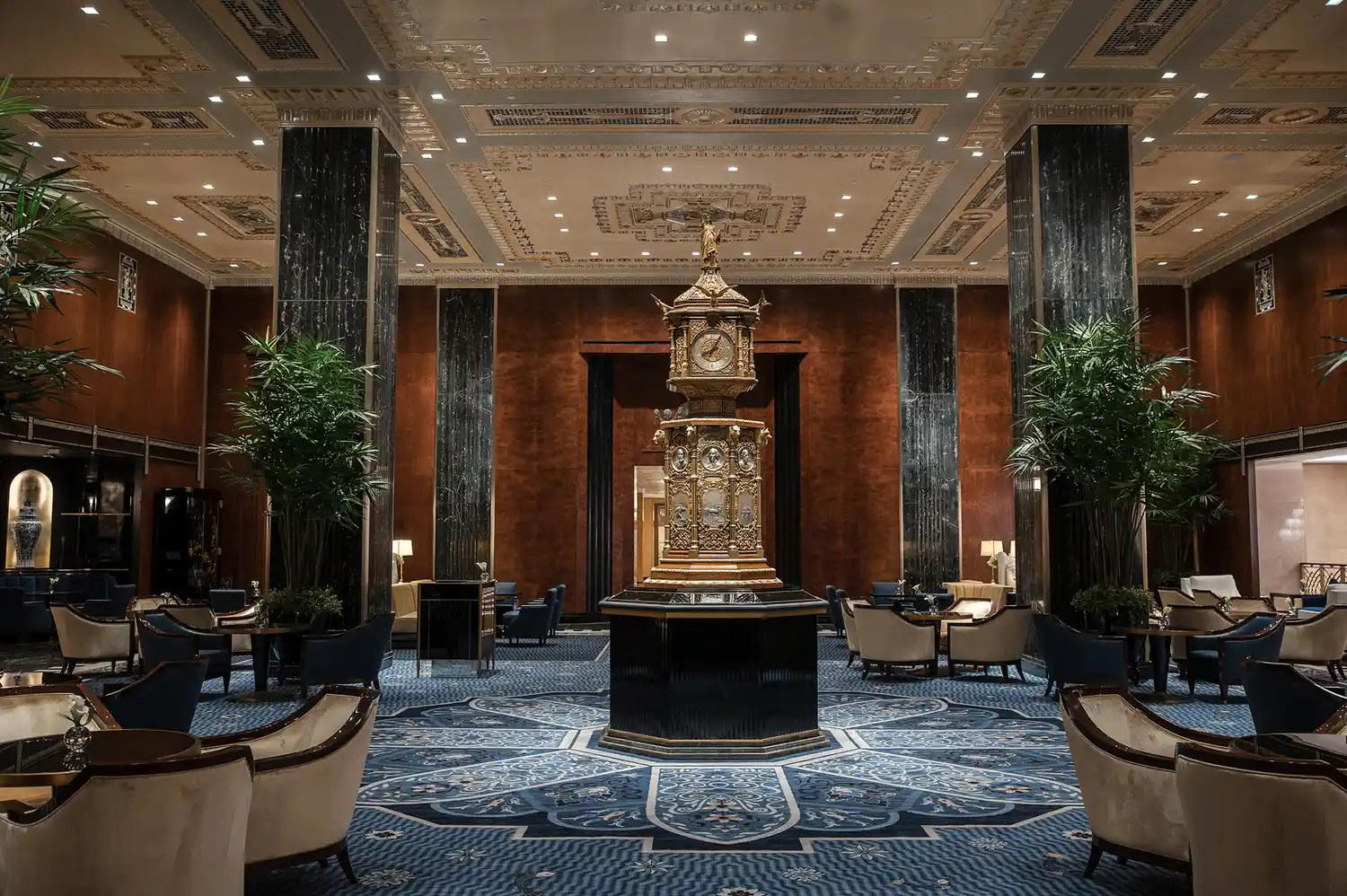
Elegant Art Deco dining room with beautiful design, moody lighting, mirrors, chandeliers, and a calm yet impressive atmosphere.