
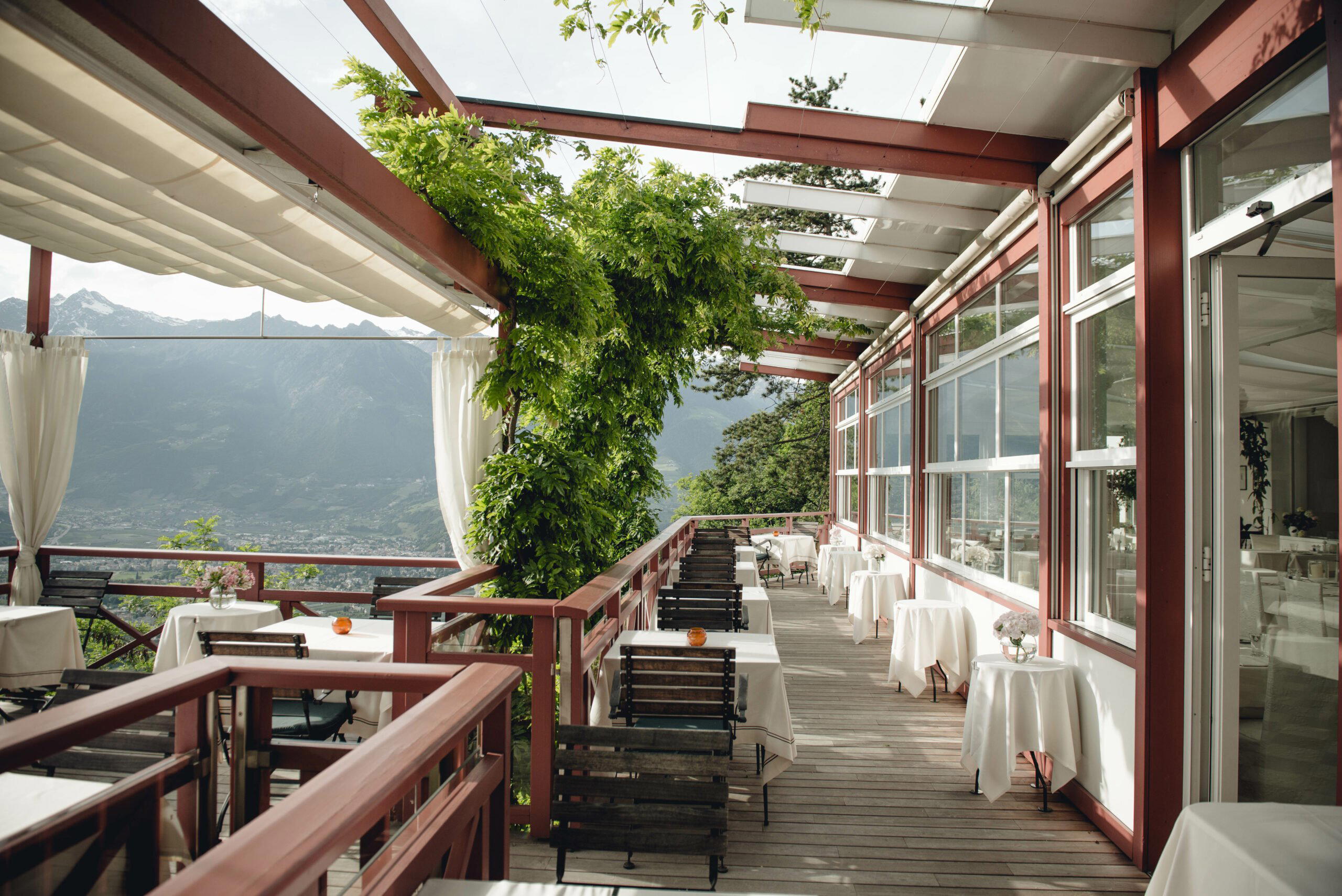
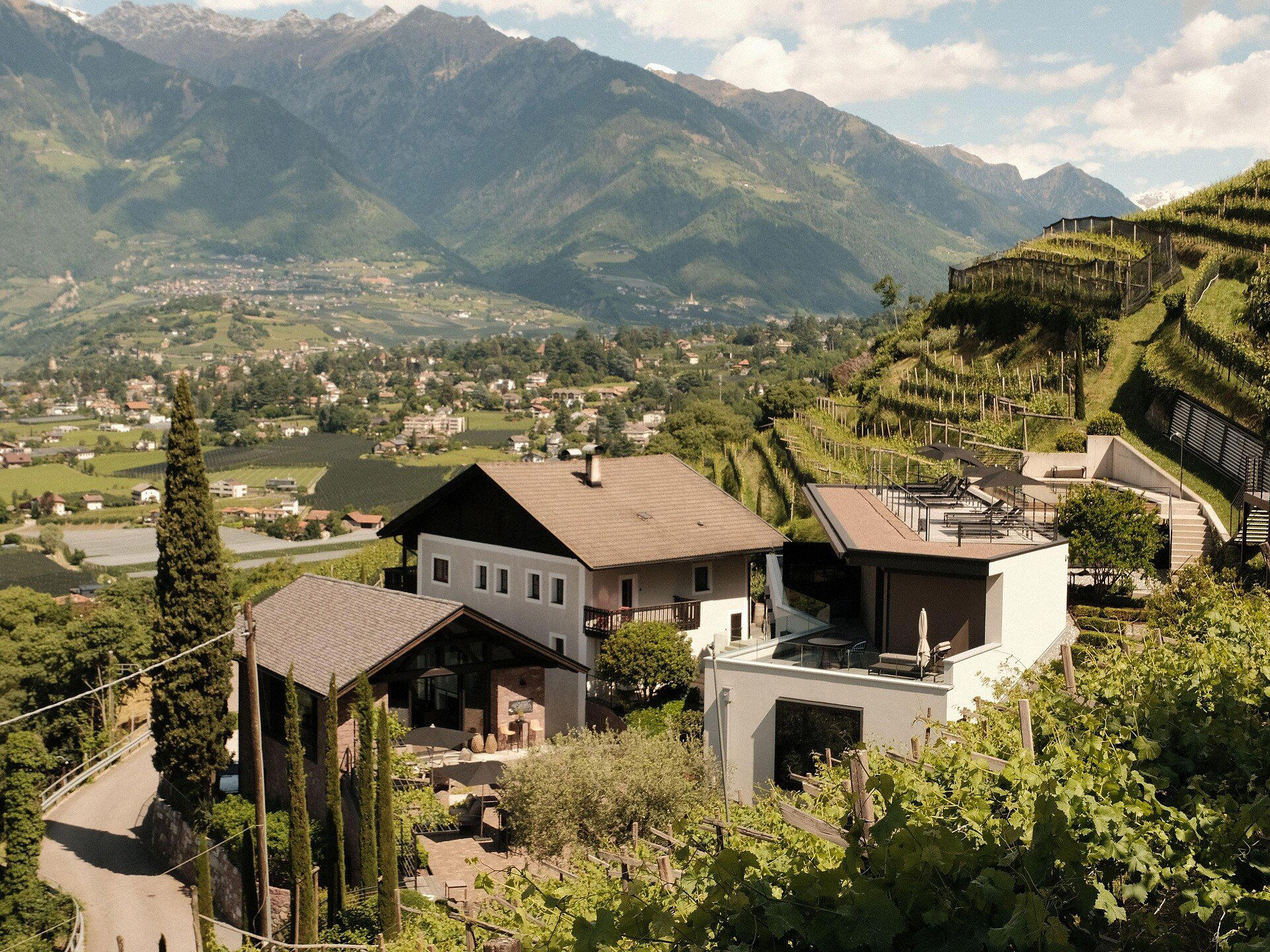
Hotel Erika occupies a historic address in Tirolo, above Merano, where the wine program under sommelier Mr Tappeiner represents one of South Tyrol's more considered food-and-wine pairings. The property sits within a region defined by alpine produce and a centuries-old crossroads between Italian and Austrian culinary traditions. Guests visiting for the dining experience should expect a cellar-driven approach where the wine list does as much editorial work as the kitchen.
Pearl is the En Primeur Club membership app — saves, bookings, and concierge access live there. Same editors, same standards.
- Address
- V. Principale, 39, 39019 Tirolo BZ, Italy
- Phone
- +39 0473 926111
- Website
- erika.it
- Directions
- Get directions
 Saves & bookings on Pearl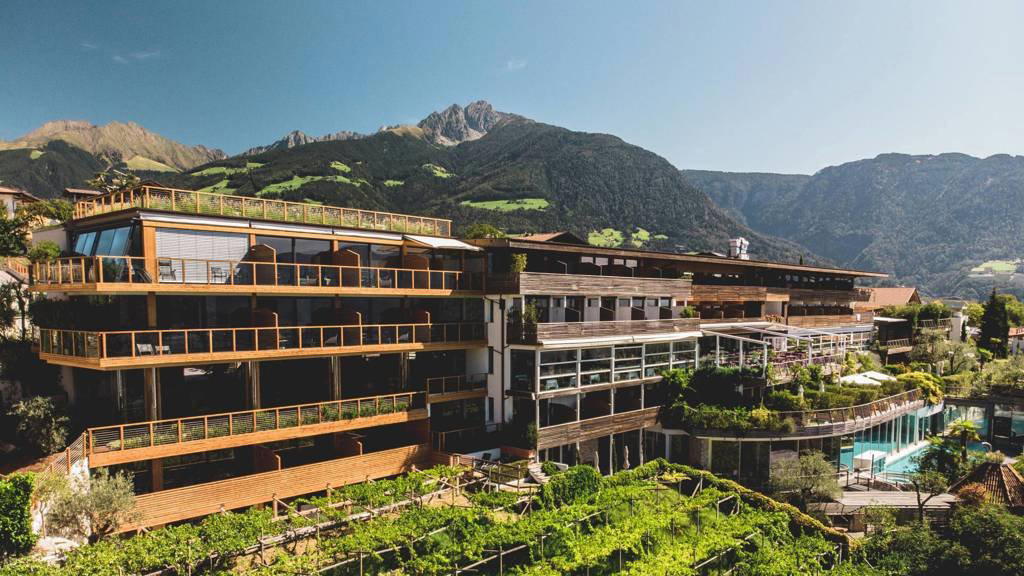
Where Alpine Produce Meets a Serious Cellar
Hotel Erika is a restaurant in Tirolo above Merano, with a smart casual dress code and a reservation policy that recommends booking ahead. The road up to Tirolo from Merano's spa district climbs quickly, and the shift in altitude is matched by a shift in register. This is wine country in a literal sense: the Merano DOC and Alto Adige appellations surround the hillside village. They supply the regional producers whose bottles make up the backbone of South Tyrol's most thoughtful wine lists. In that context, Hotel Erika's identity as a food-and-wine destination makes geographic sense.
South Tyrol sits at a productive tension between Italian and Austrian culinary inheritance. The result, across the region's better kitchens and cellars, is a cuisine that draws on smoked meats, aged cheeses, and root vegetables from the alpine north while leaning on the Italian tradition of letting primary ingredients set the terms of the dish. What arrives on the plate in this part of Italy tends to be shorter in technique than comparable fine dining in Milan or Florence, and longer on sourcing logic. That balance is the foundation on which Hotel Erika's food-and-wine program operates.
The Wine Program as the Real Argument
Italy has produced a small number of hotel and restaurant wine programs serious enough to define the establishment's identity rather than support it. Enoteca Pinchiorri in Florence is the extreme case, where the cellar effectively outranks the kitchen in critical reputation. The restaurant does not operate at that scale, but the principle is directionally similar: sommelier Mr Tappeiner is the figure around whom the wine experience is organized, and the cellar's reputation precedes the kitchen's in most accounts of the property.
That kind of sommelier-led identity is rarer than it sounds. In most hotel dining rooms, the wine program follows the kitchen rather than leading it. Venues where a named sommelier functions as the primary draw place a different set of demands on the guest: you come expecting education and curation, not just service. The regional context helps. Alto Adige produces Pinot Grigio, Gewürztraminer, Pinot Nero, and Lagrein at serious quality levels, and the question of how those bottles pair against the alpine larder is genuinely interesting. A sommelier with deep local knowledge can make that pairing argument in ways a printed list cannot.
For guests arriving from other parts of Italy where the wine conversation tends toward Piedmont or Tuscany, the Alto Adige cellar can reframe expectations. Piazza Duomo in Alba and Le Calandre in Rubano operate within wine cultures that are already well-mapped for international visitors. The Merano zone, by contrast, remains less documented outside specialist circles, which gives a guide like Mr Tappeiner a specific kind of authority.
Sourcing and the Alpine Larder
The culinary identity of this part of South Tyrol is inseparable from its geography. At altitude, the growing season is compressed, which concentrates flavor in produce and drives a culture of preservation: speck, aged dairy, dried herbs, and fermented vegetables all function as primary ingredients rather than condiments. The kitchens that work leading in this zone treat that preservation tradition as a form of sourcing intelligence rather than nostalgic habit.
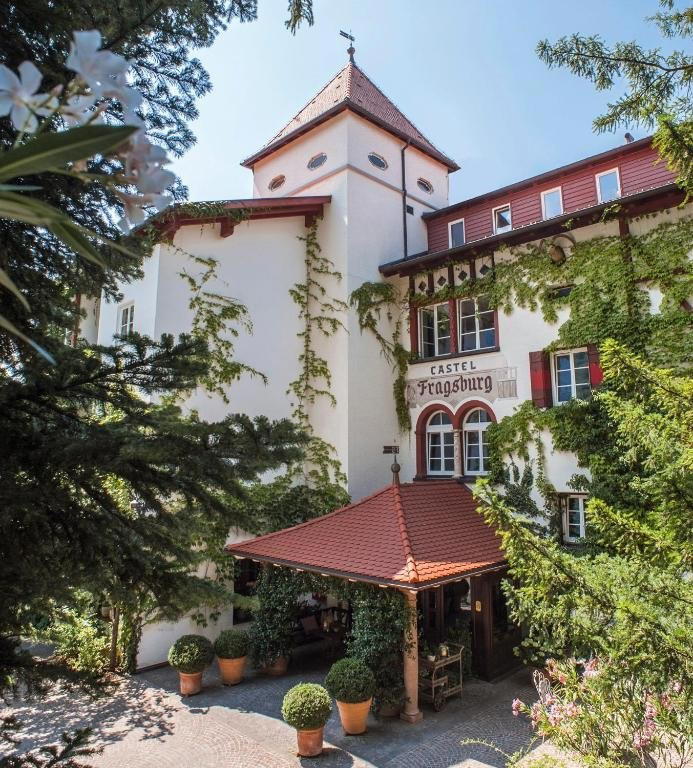
Merano's dining scene has developed along two tracks in recent years. One track runs toward the kind of modern Italian tasting-menu format found at Sissi and the creative work at In Viaggio - Claudio Melis, where the alpine ingredient base is reframed through contemporary technique. The other track, occupied by properties like Castel Fragsburg and the restaurant, draws on the region's historic identity as a destination for long, unhurried stays centered on food, wine, and landscape. Neither track is more legitimate than the other; they address different expectations. The restaurant's historic character places it in the latter, where the rhythm of a meal is measured in conversations about the cellar as much as in courses.
The broader regional argument for ingredient sourcing is made with particular force in Brunico, where the kitchen's sourcing philosophy has drawn sustained attention. That reference point matters here because it establishes that the alpine larder, used with discipline, is capable of supporting serious recognition. The restaurant operates within the same regional supply chain, if at a different register of ambition. The Gourmet Restaurant Prezioso in Merano further illustrates how Italian alpine cuisine can hold its own against the more widely recognised fine-dining formats of central and southern Italy.
Placing Hotel Erika in Merano's Visitor Context
Merano draws a particular kind of traveller: those who combine thermal spa culture with serious food and wine, often across multi-night stays rather than day visits. The town's infrastructure reflects that: hotels here tend to integrate dining more fully than comparable spa destinations in Switzerland or Austria, and the expectation of a substantial cellar is higher than in, say, a beach resort context.
The restaurant sits at V. Principale, 39 in Tirolo, the village directly above Merano proper, accessible by cable car from the town center or by road. That position, slightly removed from Merano's central restaurant strip, means the property functions primarily as a destination in itself rather than a base for restaurant-hopping. Guests who arrive expecting the density of options available in a city like Milan, where venues like Enrico Bartolini compete within a concentrated urban dining scene, will need to adjust their frame. Tirolo rewards slower engagement.
Planning a Visit
The property is a restaurant with a food-and-wine focus, and reservations are recommended, particularly if the wine experience with Mr Tappeiner is the primary draw.
Side-by-Side Snapshot
Comparable venues nearby, for context on price, style, and recognition.
| Venue | Cuisine | Price | Notes |
|---|---|---|---|
| Hotel ErikaThis venue — the venue you are viewing | Modern Italian Gourmet | $$$$ | Not listed |
| Castel Fragsburg | Alpine-Mediterranean Fine Dining | $$$$ | Fragsburg |
| Rametz | Alpine-Mediterranean with South Tyrolean Specialties | $$$$ | Labers |
| Vinothek Relax Pizzeria | Italian Pizza & Wine Bar | $$ | Merano city center |
| 357 Pizza and Food | Traditional Italian Pizza | $$ | Central Merano |
| Aqua Restaurant | Italian Seafood | $$ | Passeggiata Lungo Passirio |
Recognition history
Dated appearances from independent guides and award organizations, with the underlying list record or original source where available.
Star Wine List
Star Wine List
Continue exploring
More in Merano
Restaurants in Merano
Browse all →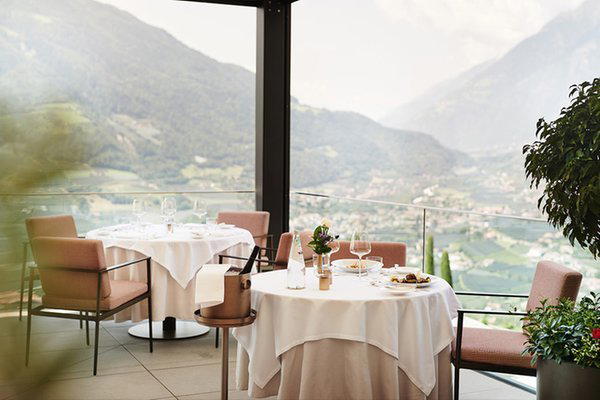
Bars in Merano
Browse all →
Hotels in Merano
Browse all →
At a Glance
- Romantic
- Elegant
- Cozy
- Scenic
- Sophisticated
- Family
- Celebration
- Special Occasion
- Hotel Restaurant
- Terrace
- Panoramic View
- Extensive Wine List
- Mountain
- Vineyard
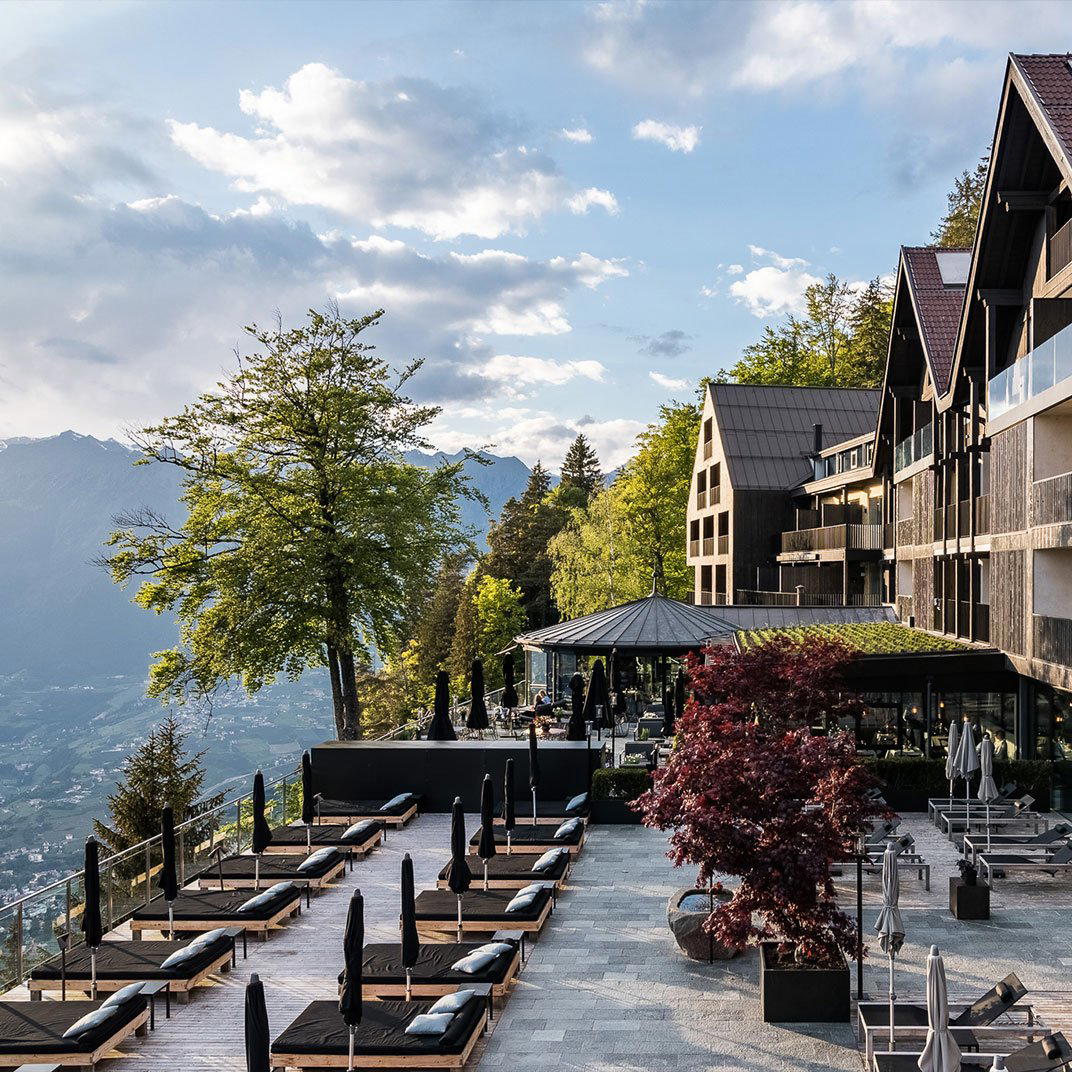
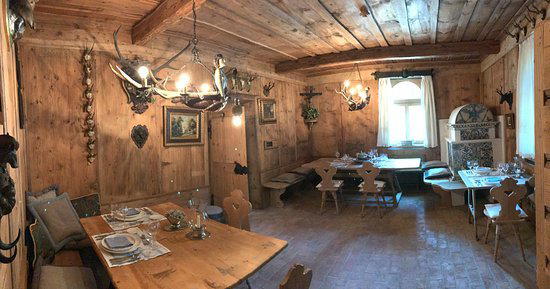
Elegant and stylish with warm, welcoming family atmosphere, dramatic valley views especially at sunset, and daily changing thematic decorations creating a harmonious and memorable dining experience.