Hong Yan
Hong Yan sits on Avenue du Mont-Blanc in Lausanne, placing it within reach of the city's lake-facing neighbourhoods and its established dining circuit. In a city where fine French and creative European formats dominate the upper tier, Chinese cuisine at this address represents a distinct position in the local scene. Confirm current details directly with the restaurant before visiting.
Pearl is the En Primeur Club membership app — saves, bookings, and concierge access live there. Same editors, same standards.
- Address
- Av. du Mont-Blanc 1, 1018 Lausanne, Switzerland
- Phone
- +41216830022
- Website
- hong2017.ch
- Directions
- Get directions
 Saves & bookings on Pearl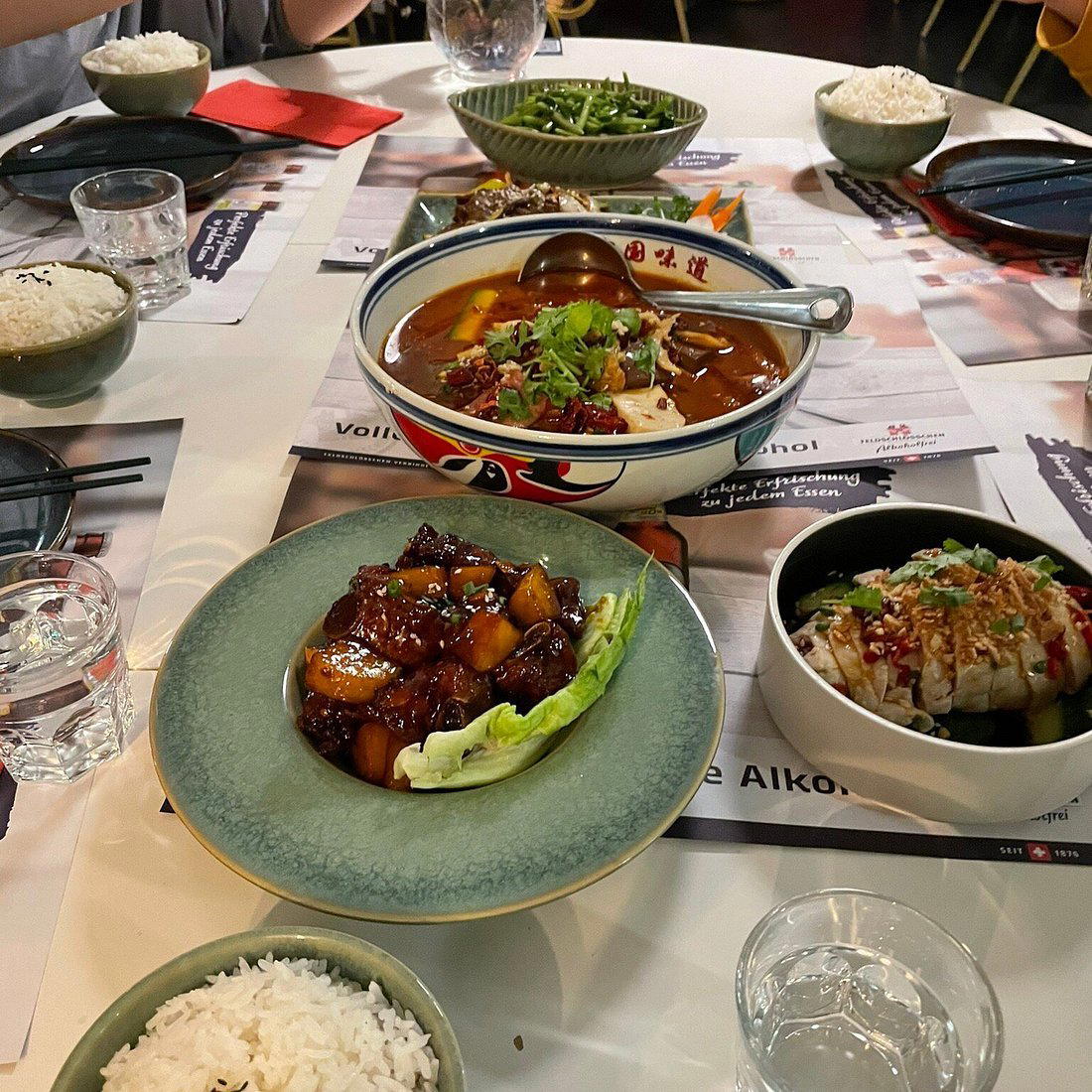
Chinese Dining in a City Built Around French Technique
Lausanne's restaurant circuit is heavily weighted toward French and French-inflected European cuisine. The upper bracket is occupied by institutions like La Table du Lausanne Palace (Modern French) and Pic Beau-Rivage Palace (Creative), both operating at the €€€€ tier with the awards pedigree to match. Below that, the mid-range French contemporary and classic bistro formats — places like Amici and 57° Grill — fill much of the city's dining calendar. What this means in practice is that a Chinese restaurant in Lausanne does not compete on the same terms as one in Geneva, Zurich, or a city with a large and long-established Chinese community. It occupies a structurally different space: the option for a cuisine that most of the dominant local dining rooms simply do not offer.
Hong Yan is located at Avenue du Mont-Blanc 1 in the 1018 postal district, placing it in a residential-adjacent zone that connects to Lausanne's broader urban fabric rather than the immediate lake-front hotel corridor. The address puts it within the city's navigable core, accessible from the central train station and the metro without significant effort, but outside the cluster of high-profile dining rooms that tend to anchor critical attention in this city.
The Role of Sourcing in Chinese Cuisine Outside China
The editorial angle that matters most when assessing any Chinese restaurant operating in a small European city is ingredient sourcing. Chinese regional cooking, whether the roast traditions of Cantonese cuisine, the numbing-spice architecture of Sichuan food, or the delicate stock-based logic of Shanghai cooking, depends on a specific supply chain: particular varieties of tofu, fermented black beans aged to the right salinity, dried seafood of specific provenance, fresh aromatics that don't travel particularly well from Southeast Asia to a landlocked Swiss city. In major European hubs, London, Paris, Amsterdam, specialist Chinese wholesalers have existed for decades, making it possible for serious Chinese kitchens to approximate what they need. In Lausanne, that infrastructure is thinner.
This matters not as a criticism specific to Hong Yan, but as context for how to read any Chinese restaurant in this geography. A kitchen in this position works with what the Swiss wholesale market provides, supplemented by whatever specialist suppliers serve the wider Swiss-Chinese catering sector. That supply chain is more limited than what a kitchen in Paris's 13th arrondissement or London's Chinatown can access. The result is a cuisine that may lean toward the most broadly reproducible Chinese formats, dishes whose core technique and flavour logic can survive moderate substitutions, rather than hyper-regional preparations that require a very specific pantry.
Switzerland's food import infrastructure is, by European standards, thorough and quality-conscious, which works in favour of any kitchen here. Fresh vegetables, quality proteins, and dairy are exceptionally well-sourced within the domestic market. Where the gap appears is in the fermented, dried, and preserved goods that give regional Chinese cooking its depth. A restaurant navigating that gap well will tend to show it in a tighter, more coherent menu rather than an ambitious but compromised one.
Where Hong Yan Sits in Lausanne's Dining Picture
For visitors arriving in Lausanne specifically for its fine dining circuit, the reference points are well-established. Anne-Sophie Pic at the Beau-Rivage Palace and the broader hotel dining ecosystem represent the city at its most formally ambitious. The Michelin-recognised rooms in the wider canton, and further afield at Hotel de Ville Crissier in Crissier, set the benchmark for the regional fine dining standard. At that tier, Swiss dining competes with the leading European rooms: see also Schloss Schauenstein in Fürstenau, Cheval Blanc by Peter Knogl in Basel, or Memories in Bad Ragaz for a sense of the national tier.
Hong Yan does not position within that conversation. Its role in the Lausanne scene is more prosaic and, for many visitors, more immediately useful: a Chinese option in a city where the category is genuinely thin. That has practical value regardless of whether the kitchen achieves anything particularly distinctive. A family group with varied preferences, or a business traveller with a preference for Chinese food over another French brasserie, will find the address more relevant than its neighbours on most review platforms would suggest.
For a broader view of where to eat across the city, our full Lausanne restaurants guide maps the scene across formats and price points.
Planning a Visit
Avenue du Mont-Blanc 1 is reachable by Lausanne's metro M2 line, which connects the lakefront at Ouchy to the city centre and beyond. The address places Hong Yan a short walk from several of the city's residential neighbourhoods, making it a practical choice for an evening out that does not require crossing the city. This is standard practice for smaller independent restaurants in Swiss cities, where operating hours can shift seasonally or in response to staffing.
Comparable mid-range options in the city's established circuit, like the classic bistro format at 57° Grill, typically operate on standard lunch-and-dinner schedules with walk-in availability at lunch. Whether Hong Yan follows a similar pattern is something to confirm directly.
Chinese Cuisine in the Swiss Broader Context
Swiss dining cities have developed strong international repertoires in recent decades, but Chinese cuisine remains underrepresented at the serious level compared to Italian, Japanese, or French. In Zurich, IGNIV Zürich by Andreas Caminada represents the kind of creative European ambition the city is known for, and destinations like focus ATELIER in Vitznau and Colonnade in Lucerne further map the country's strength in contemporary European formats. For Chinese cuisine at a technically serious level in Switzerland, the infrastructure simply hasn't developed at the same pace.
Internationally, the standard for Chinese-inflected cooking operating at the level of critical attention, think of what Atomix in New York City has done for Korean cuisine's profile in fine dining terms, or the sustained discipline of Le Bernardin in New York City in holding a singular cuisine to the highest technical standard, makes clear how much work goes into building serious cuisine credibility in a market not originally structured around it. Swiss cities are at an early stage of that process for Chinese food.
In that context, Hong Yan operates in a space where expectations should be calibrated to what a Chinese kitchen in Lausanne can credibly deliver, not to a global benchmark that no restaurant at this address currently approaches. That is not a dismissal. It is the most useful framing for a reader deciding whether this is the right choice for a given meal.
How It Stacks Up
| Venue | Cuisine | Price | Awards |
|---|---|---|---|
| Hong YanThis venue — the venue you are viewing | This venue | Not listed | Not listed |
| La Table du Lausanne Palace | Modern French | €€€€ | Michelin 2 Star |
| Pic Beau-Rivage Palace | Creative | €€€€ | Michelin 2 Star |
| Le Berceau des Sens | Modern French | €€€ | Modern French, €€€ |
| Au Chat Noir | Classic Cuisine | €€ | Classic Cuisine, €€ |
| Jacques Restaurant | French Contemporary | €€€ | French Contemporary, €€€ |
Continue exploring
More in Lausanne
Restaurants in Lausanne
Browse all →
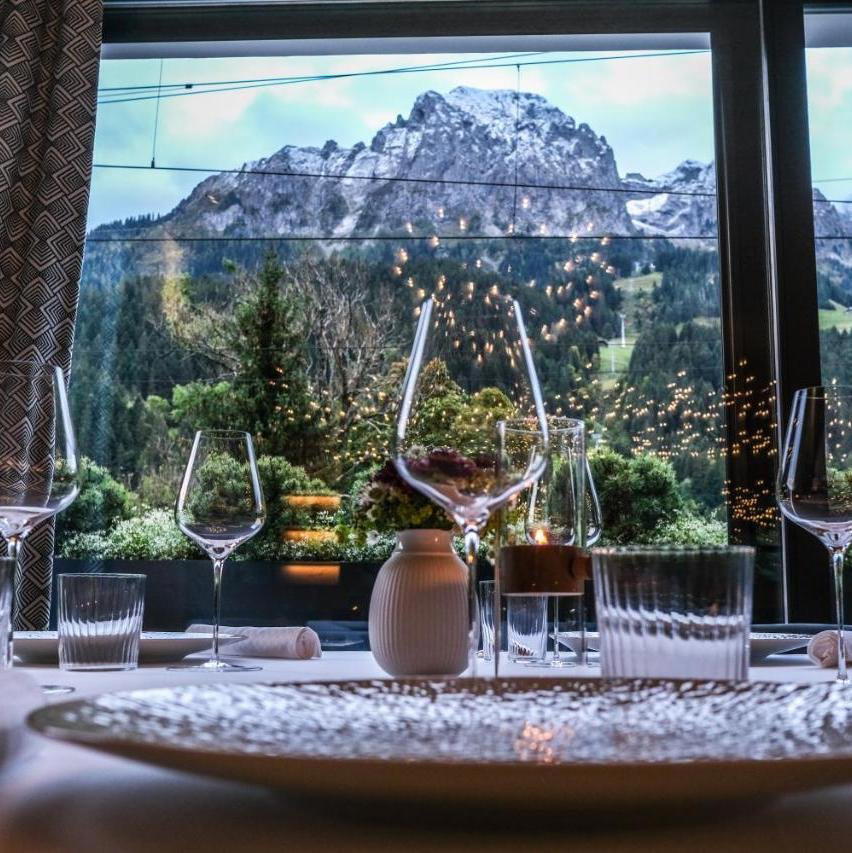
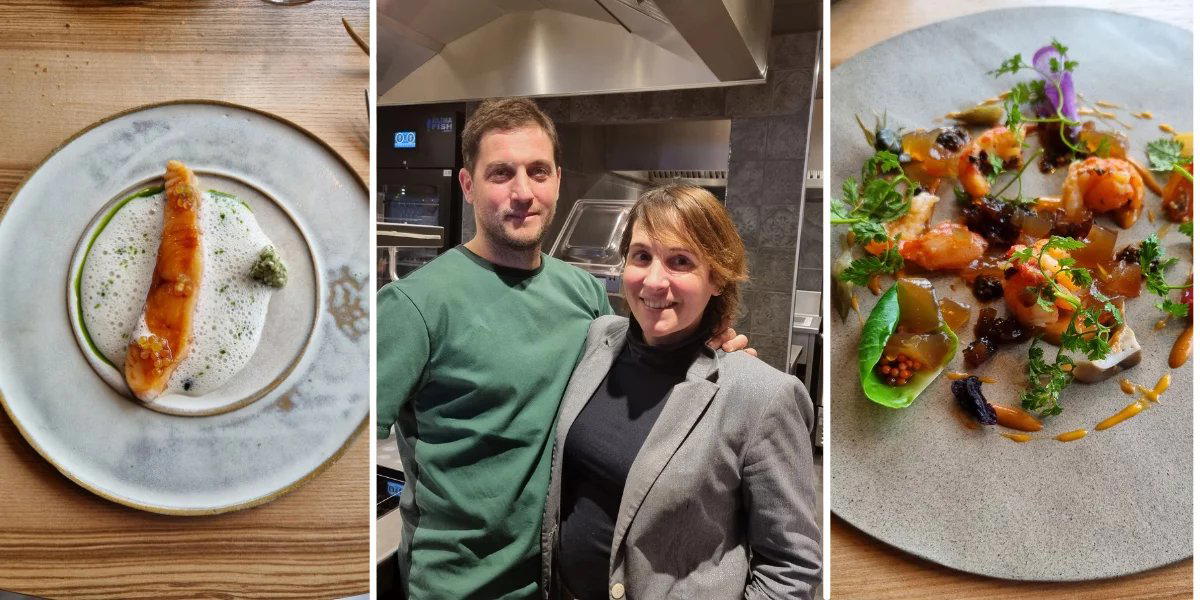
Bars in Lausanne
Browse all →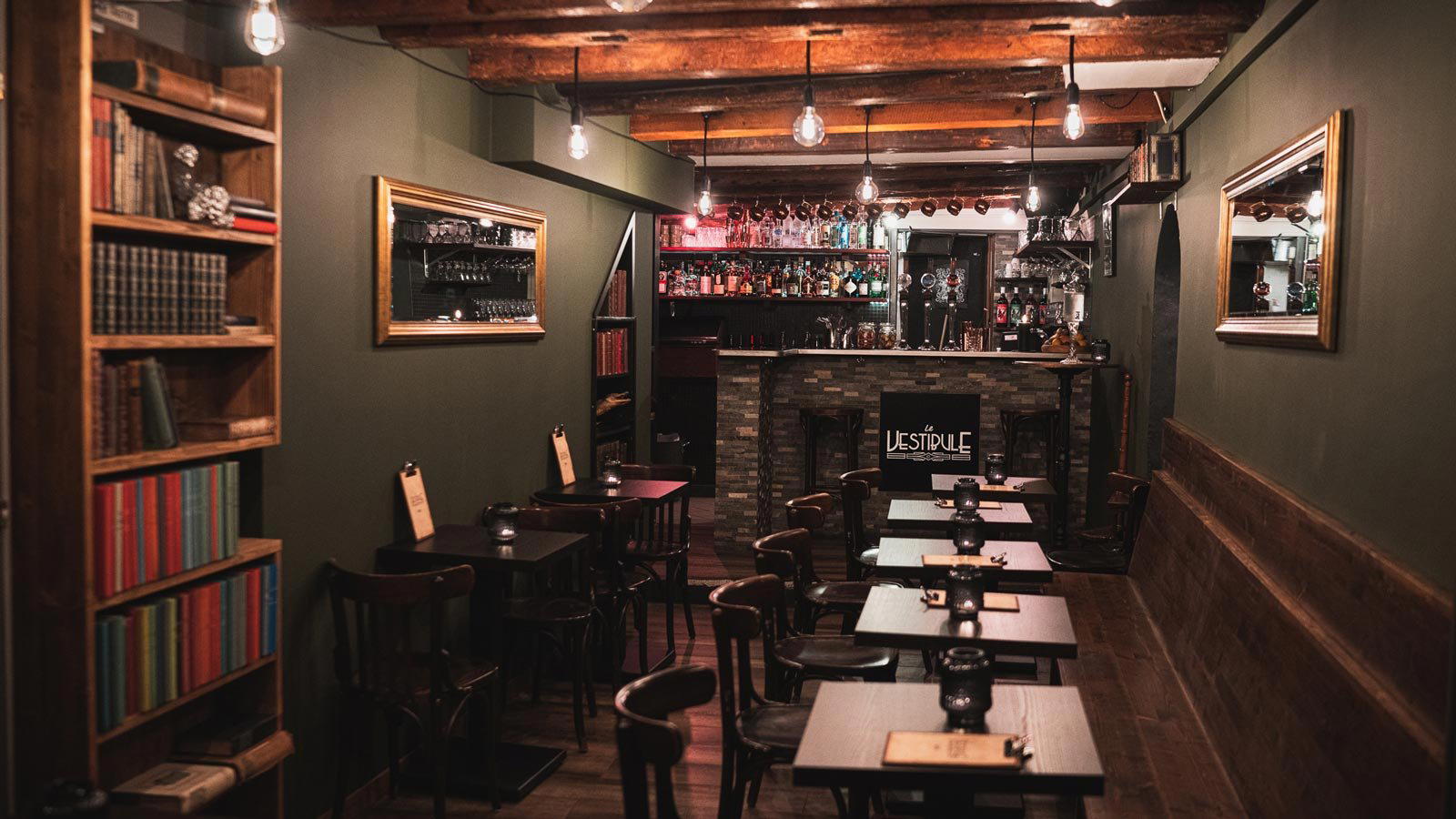
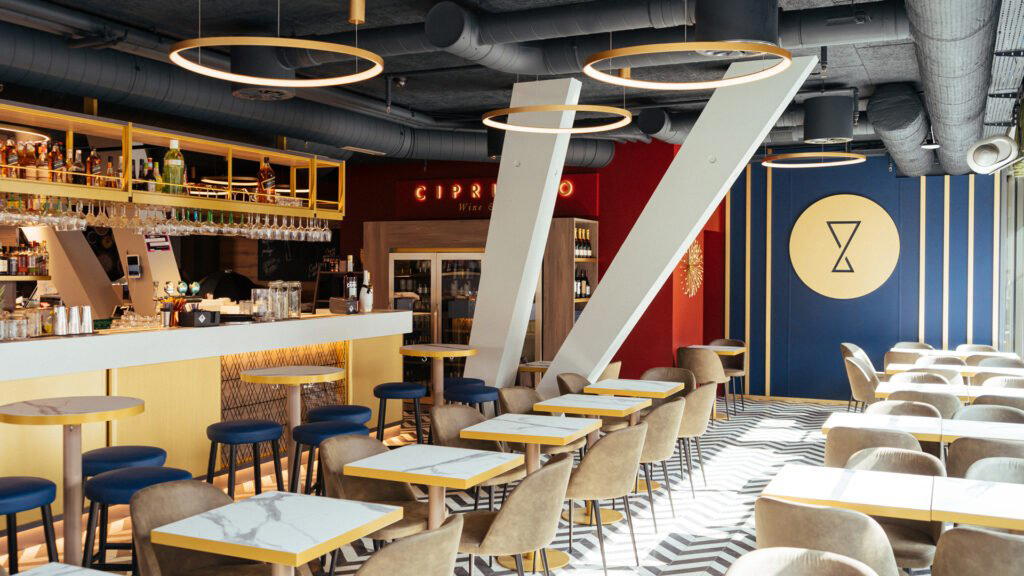
Hotels in Lausanne
Browse all →
At a Glance
- Cozy
- Classic
- Family
- Group Dining
- Casual Hangout
- Standalone
- Beer Program
Current opening hours
- Monday
- 11 AM–2:30 PM, 5–10:30 PM
- Tuesday
- 11 AM–2:30 PM, 5–10:30 PM
- Wednesday
- 5–10:30 PM
- Thursday
- 5–10:30 PM
- Friday
- 11 AM–2:30 PM, 5–10:30 PM
- Saturday
- 11 AM–2:30 PM, 5–10:30 PM
- Sunday
- 11 AM–10 PM
Hours can change for holidays and private events. Last verified .
Asian-themed decor with a sober, pleasant dining room and an atmosphere suited to traditional Chinese meals.
Know Before You Go
- Getting there
- Av. du Mont-Blanc 1, 1018 Lausanne, Switzerland