Fujiyama Teppanyaki Japanese Restaurant
Our verdict
Teppanyaki as a format puts the cooking apparatus at the centre of the meal, and Fujiyama on Bath Lane brings that live-fire theatre to Newcastle's West End. The iron griddle shapes everything from menu architecture to table dynamics, making the kitchen performance as much a part of the experience as the food itself. For Newcastle diners curious about Japanese cooking beyond the standard sushi format, it occupies a distinct position in the city's dining scene.

Pearl is the En Primeur Club membership app — saves, bookings, and concierge access live there. Same editors, same standards.
- Address
- 35-39 Bath Ln, Newcastle upon Tyne NE4 5SP, United Kingdom
- Phone
- +441912330189
- Hours
- Mon–Fri 12–2 PM, 6–11 PMSat 12–11 PMSun 12–2 PM, 6–11 PM
- Website
- fujiyama.restaurant
- Directions
- Get directions
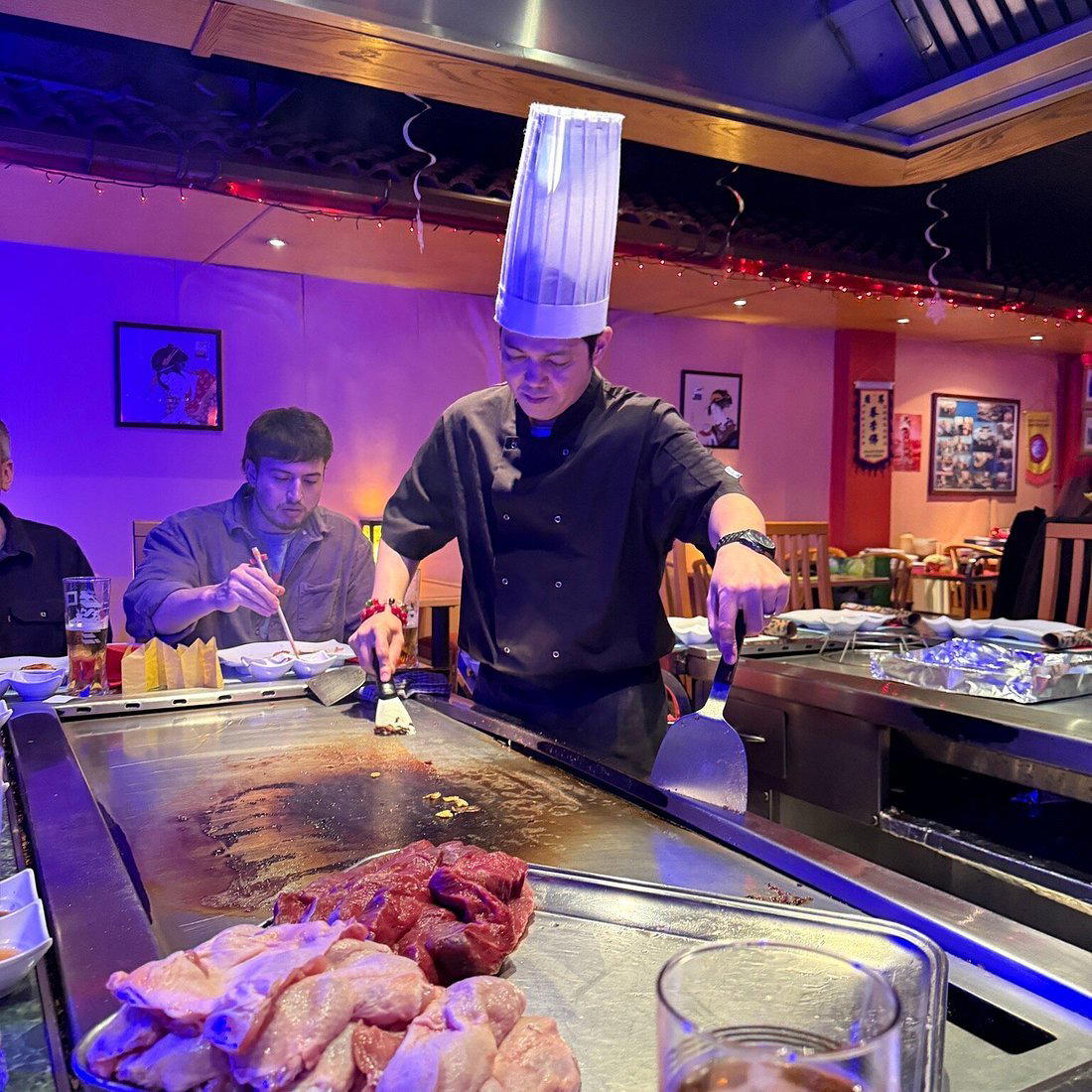
Iron and Fire: Teppanyaki's Place in Newcastle's Dining Scene
Bath Lane sits on the western fringe of Newcastle city centre, a short walk from the bustle of Westgate Road, in a stretch that mixes residential blocks with small independent businesses. It is not the obvious address for a restaurant destination, which makes Fujiyama Teppanyaki's presence there something worth examining on its own terms. The format it operates within — teppanyaki, where a flat iron griddle is the centrepiece of both cooking and theatre — is rare in the North East of England. Most Japanese dining in British provincial cities defaults to sushi bars, ramen counters, or pan-Asian menus that borrow Japanese elements without committing to them. A dedicated teppanyaki room represents a structural departure from that pattern.
The teppanyaki format originated in mid-twentieth century Japan and was developed partly for Western audiences seeking spectacle alongside their meal. Over decades it evolved into a legitimate dining tradition with its own menu logic: proteins and vegetables cooked in sequence on a shared griddle surface, the heat and timing managed by a cook working in direct view of the table. That visibility is the format's defining characteristic. Unlike open kitchens in contemporary European restaurants, where the brigade operates behind a pass and the drama is incidental, teppanyaki positions the griddle as the room's focal point by design. Newcastle's dining scene, which includes strong representation from House of Tides at the upper end of Modern British cooking and Solstice by Kenny Atkinson at the tasting-menu tier, has relatively few Japanese specialists operating at any level of the market. Fujiyama fills a gap that is less about price bracket than about format and culinary tradition.
How the Menu Is Structured
Teppanyaki menus follow a logic that differs from both à la carte and tasting-menu structures. The griddle format naturally organises dishes around protein selection, beef, chicken, seafood, and vegetable combinations, with rice, noodles, or both as the base layer, and sauces or dipping preparations completing each plate. The sequence is not arbitrary. Lighter ingredients typically precede heavier ones, and the cook's pacing across the griddle surface determines how courses arrive. In this respect, teppanyaki shares some structural DNA with the omakase counter: the kitchen controls timing, and the diner's role is to follow rather than direct. The difference is that at a teppanyaki table, that process is fully visible and communal rather than meditative and one-on-one.
This menu architecture also creates a social dynamic that sets teppanyaki apart from most other restaurant formats in a city like Newcastle. The shared griddle, the visible preparation, and the communal table arrangement mean that groups experience the meal together in a way that individual plating does not produce. It is closer in spirit to a Korean barbecue setup than to a conventional Japanese restaurant, though the culinary tradition and flavour profile are distinct. For Newcastle diners who have explored the city's Modern British restaurants, 21 at the mid-upper tier, or the more casual Blackfriars with its medieval hall setting, teppanyaki offers a structurally different proposition. It is not about a chef's editorial point of view expressed through a sequence of small plates; it is about a cooking method that is itself the story.
Japanese Cooking in British Regional Cities
The trajectory of Japanese food in British cities outside London has followed a predictable arc. Sushi chains and pan-Asian menus arrived first, establishing a broad but shallow familiarity with Japanese ingredients and aesthetics. More specialist formats, dedicated ramen shops, izakayas, omakase counters, have tended to concentrate in London, with occasional outposts in Manchester, Edinburgh, and Bristol. Teppanyaki restaurants exist in that specialist tier but occupy a different cultural register: they are associated with celebration dining, group bookings, and a degree of showmanship that makes them popular for birthdays and corporate events while also being taken seriously by diners interested in the cooking itself.
In a city where Al Dente Cucina Italiana represents the kind of specialist Italian approach that goes beyond standard trattoria fare, there is precedent for Newcastle diners engaging with cuisine-specific formats rather than defaulting to generalist menus. The broader UK dining context includes Japanese-influenced cooking at various levels of prestige, from the kaiseki formality that informs some of what happens at Ynyshir Hall in Wales to the precision seafood work at hide and fox in Kent. Teppanyaki sits at a different point on that spectrum, one defined more by format and communal energy than by fine-dining restraint, but it belongs to the same broader move toward culinary specificity that has reshaped British regional dining over the past fifteen years.
Planning a Visit
Fujiyama Teppanyaki is located at 35-39 Bath Lane, Newcastle upon Tyne NE4 5SP, within walking distance of the city centre and accessible from multiple bus routes serving the West End. The teppanyaki format typically works better for groups than for solo diners, given the communal griddle arrangement and the social pacing of the meal. As with most teppanyaki restaurants, advance booking is advisable, particularly for weekend evenings and for groups of four or more, when the theatre of the griddle is most fully realised. Newcastle's dining week tends to concentrate footfall on Thursday through Saturday evenings, so midweek visits generally offer more flexibility. Those building a broader Newcastle itinerary can cross-reference our full Newcastle Upon Tyne restaurants guide for context across price tiers and cuisine types.
Frequently asked questions
What's the address for Fujiyama Teppanyaki Japanese Restaurant?
Fujiyama Teppanyaki Japanese Restaurant is located at 35-39 Bath Ln, Newcastle upon Tyne NE4 5SP, United Kingdom, Newcastle Upon Tyne.
Is Fujiyama Teppanyaki a good option for group dining in Newcastle?
The teppanyaki format is structurally well-suited to groups: cooking happens at the griddle in communal view, which makes the meal a shared experience rather than a series of individual plates. Fujiyama's Bath Lane location in Newcastle upon Tyne puts it within easy reach of the city centre for groups coordinating from across the urban area, though securing seating for larger parties generally requires advance planning.
What dish is Fujiyama Teppanyaki Japanese Restaurant famous for?
Teppanyaki restaurants organise their menus around the live iron griddle, with proteins — typically beef, seafood, and chicken — cooked at the table in front of diners. At Fujiyama on Bath Lane, the teppanyaki format itself is the centrepiece: the theatre of the griddle and the precision of live-fire cooking define what the kitchen is known for, rather than any single dish.
Do I need a reservation for Fujiyama Teppanyaki Japanese Restaurant?
Teppanyaki counters and griddle-side tables are typically limited in number, which means walk-in availability can be unpredictable, particularly on weekends. Contacting Fujiyama directly via their Bath Lane address or visiting their current booking channel before you travel is advisable, especially for larger groups where coordinated seating around the griddle is required.
What has Fujiyama Teppanyaki Japanese Restaurant built its reputation on?
Fujiyama has established itself as one of the few dedicated teppanyaki venues operating in Newcastle upon Tyne, a city where Japanese dining has moved beyond chain sushi into more format-specific cooking. The restaurant's position on Bath Lane places it within reach of the city centre, and its focus on live griddle cooking gives it a distinct identity in a regional food scene that has been steadily developing Japanese cuisine credentials.
Awards and Standing
Comparable venues nearby, for context on price, style, and recognition.
| Venue | Cuisine | Price | Notes |
|---|---|---|---|
| Fujiyama Teppanyaki Japanese RestaurantThis venue — the venue you are viewing | Teppanyaki Japanese | Not listed | Not listed |
| Turtle Bay Newcastle | Caribbean Jerk & Island Street Food | $20–30 | Newcastle City Centre |
| Slug & Lettuce - Central Newcastle | Modern British Gastropub | $10–20 | Newcastle city centre |
| My Delhi Newcastle | Authentic Indian Street Food | $20–30 | Clayton Street |
| Al Dente Cucina Italiana | Authentic Southern Italian Trattoria | $20–30 | Newcastle City Centre |
| CANTINA | Vegan Mexican Taqueria | $20–30 | Heaton |
Continue exploring
More in Newcastle Upon Tyne
Restaurants in Newcastle Upon Tyne
Browse all →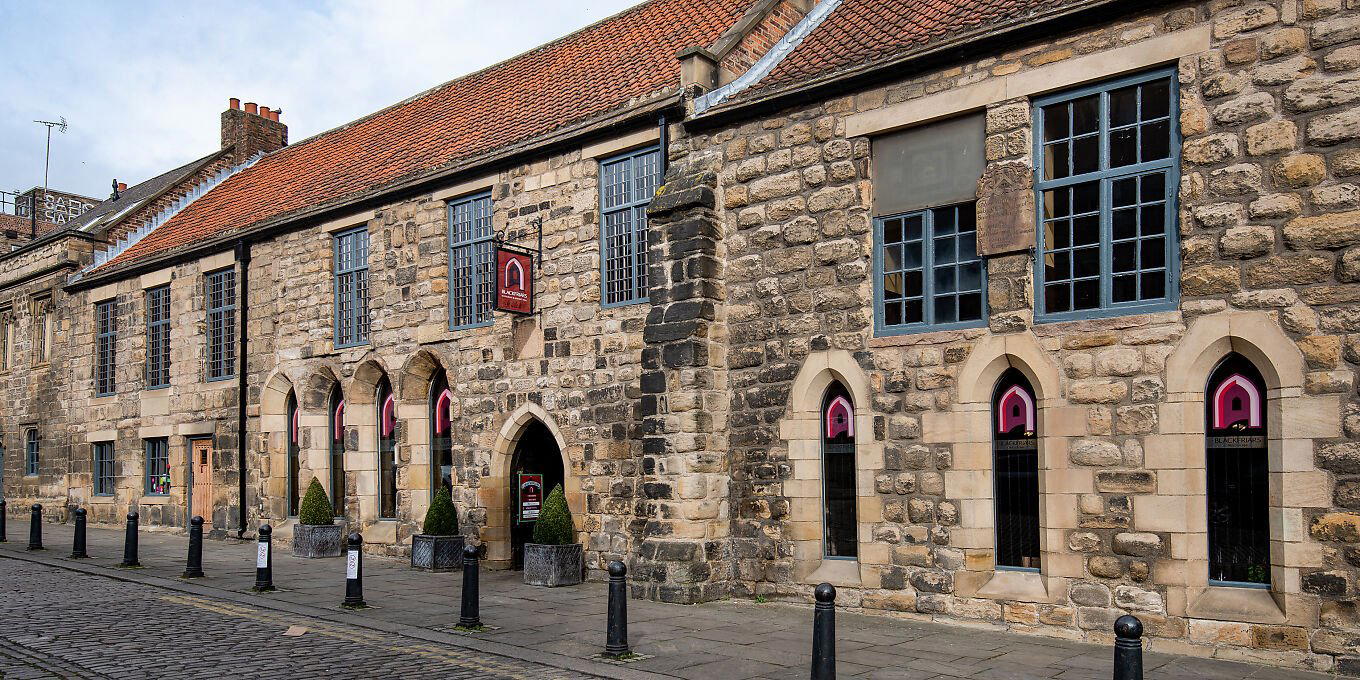
Bars in Newcastle Upon Tyne
Browse all →

Details
- Lively
- Energetic
- Celebration
- Group Dining
- Special Occasion
- Family
- Chefs Counter
- Open Kitchen
- Sake Program
- A La Carte
- Set Menu
- Counter Dining
- Vegetarian Friendly
- Gluten Free Options
Current opening hours
- Monday
- 12–2 PM, 6–11 PM
- Tuesday
- 12–2 PM, 6–11 PM
- Wednesday
- 12–2 PM, 6–11 PM
- Thursday
- 12–2 PM, 6–11 PM
- Friday
- 12–2 PM, 6–11 PM
- Saturday
- 12–11 PM
- Sunday
- 12–2 PM, 6–11 PM
Hours can change for holidays and private events. Last verified .
Fun and lively atmosphere with entertaining chefs performing at communal hotplate tables, creating an energetic and memorable experience.