
Michelin Plate
Our verdict
On a quiet avenue near Montrouge's town hall, Farouche runs a short, rotating menu built on quality sourcing and precise technique, the work of two Ferrandi-trained chefs who have quietly built one of the southern Paris suburbs' most loyal neighbourhood followings. The terrace draws a crowd when the weather holds, and the cooking is focused enough to reward repeat visits.

Pearl is the En Primeur Club membership app, where members save venues, book tables and use the concierge.
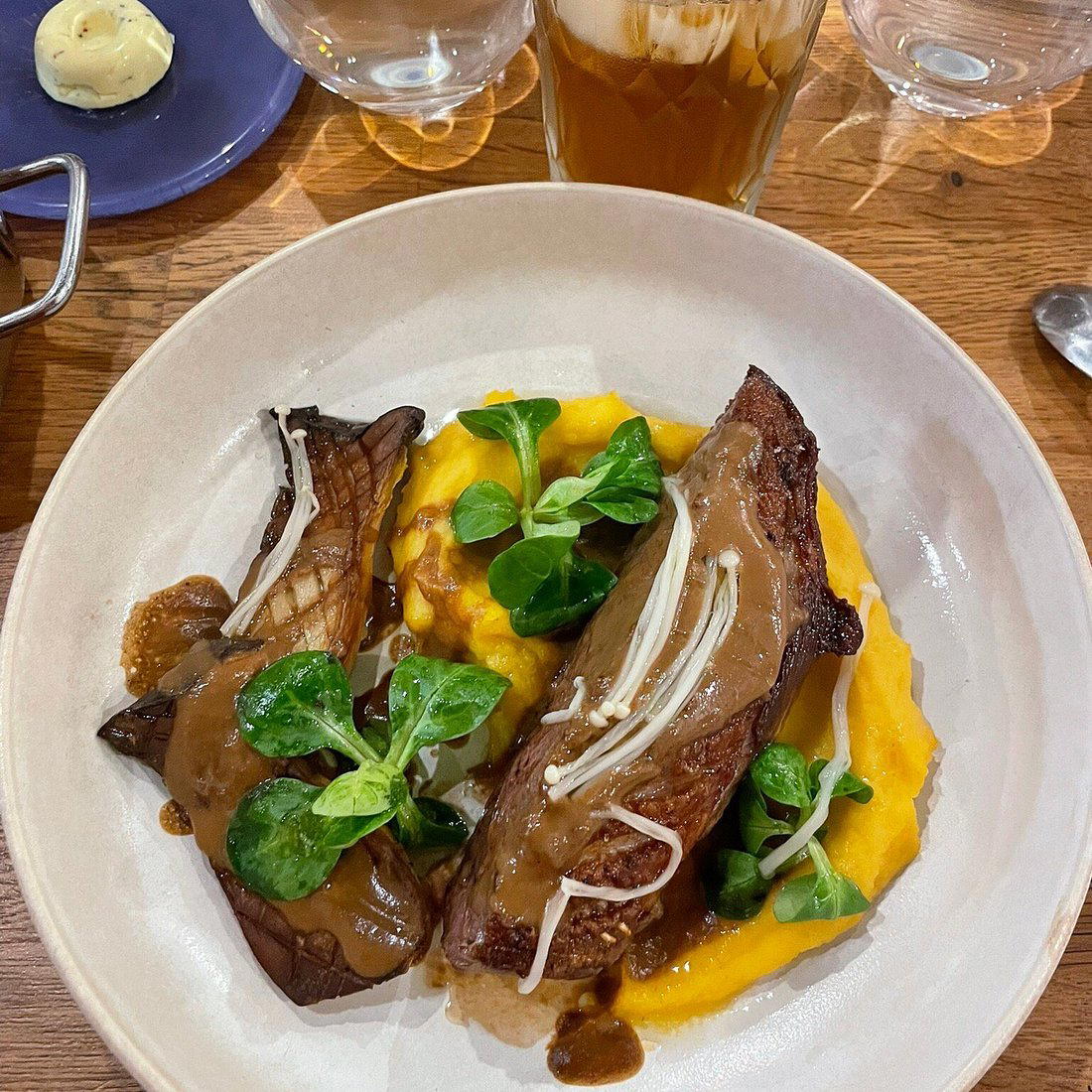
The menu
What to order
- Oeuf Parfait
- Marquise au Chocolat
A Different Rhythm, Just South of the Périphérique
The southern Paris suburbs occupy an odd position in the city's dining imagination: close enough to feel Parisian, far enough to be overlooked by the publications that set the weekly agenda. Montrouge sits right at that threshold, a commune that shares a métro line with the capital but rarely earns column inches. That distance from the hype has produced something useful: a neighbourhood restaurant culture built around regulars rather than tourists, where the test of a kitchen is whether locals return, not whether a critic calls once.
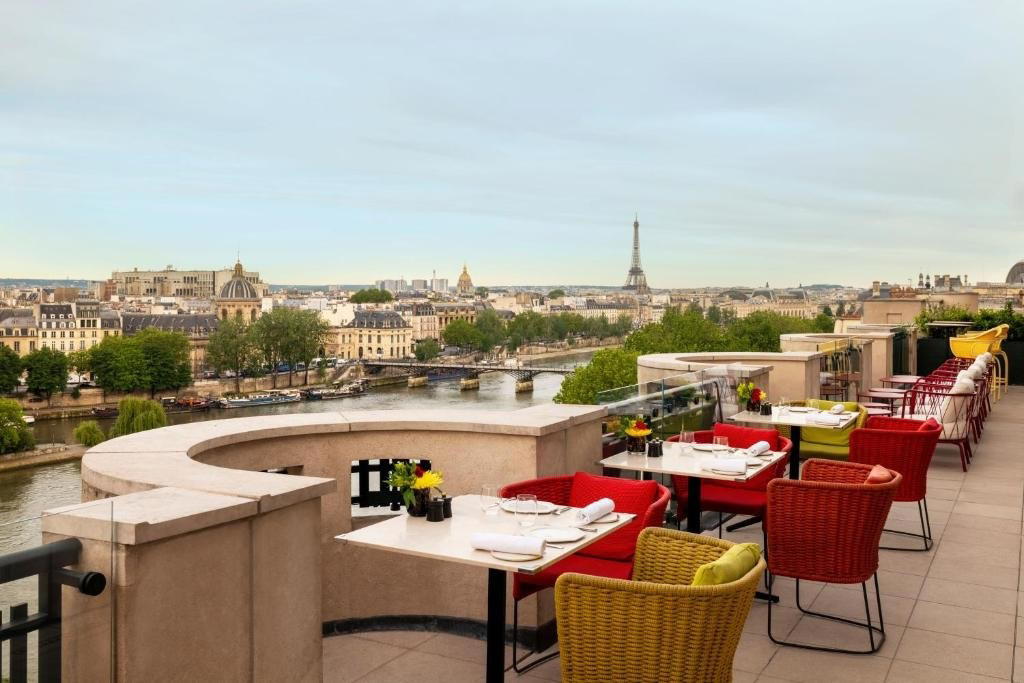
Farouche, on avenue Henri-Ginoux a short walk from the town hall, operates in precisely that register. The terrace fills when the weather cooperates, and on warm afternoons the rhythm is less destination dining and more of the easy, purposeful meal that Paris's inner arrondissements have been charging higher prices for since roughly 2015. The outdoor seating draws people from the blocks immediately around it, which is a better signal of neighbourhood trust than any algorithmic rating.
The Sourcing Logic Behind a Short Menu
The format at Farouche follows a logic that has gained traction across France's smaller, chef-driven rooms over the past decade: a short menu that rotates, built around what can be sourced well at the moment rather than what makes a consistent photograph. This approach places pressure directly on ingredient quality, because with fewer dishes, there is nowhere to hide a mediocre product behind complexity. The kitchen's credibility lives or dies with each purchase decision.
Cécile Farnier and Hélia Maouch, both graduates of the École Ferrandi in Paris, have structured the offer around that constraint. Ferrandi training carries specific implications in the French culinary world, it is a school with a hands-on, technique-first curriculum, respected for producing cooks who understand classical foundations before they start editing them. That background tends to produce kitchens where cooking precision comes before concept, and where the sourcing question is answered before the menu is written, not after.
A short, evolving menu of this kind signals a particular set of supply relationships: producers whose yields are seasonal and variable, who cannot guarantee the same item week after week. It is the opposite of a standardised supply chain, and it produces a different quality of ingredient and a different set of constraints on the kitchen. The regulars who have attached themselves to Farouche understand this, which is partly why the following built quickly. When a neighbourhood restaurant earns that kind of loyalty, it is almost always because the kitchen is doing something that justifies return visits, not spectacle, but consistency applied to changing material.
Cuisson as the Point
French restaurant criticism has long placed cuisson, the precision of cooking temperatures, resting times, and technical execution, near the centre of its evaluative framework, and with good reason. It is the hardest thing to fake and the clearest demonstration of kitchen discipline. A piece of fish cooked to the right internal temperature at the right moment requires attention and repetition; it cannot be compensated for by sauce or presentation. Reports from Farouche's regulars consistently cite on-point cuisson as the anchor of the experience, which places the kitchen in a different category from the kind of neighbourhood room where decent ingredients are treated carelessly.
This matters in context. The French capital's broader dining scene has expanded in the direction of both extremes: on one side, the institutional three-star houses that set the country's international reputation, from Alléno Paris au Pavillon Ledoyen to Mirazur in Menton; on the other, a generation of casual bistrots and neo-brasseries that prioritise atmosphere over kitchen rigour. The middle tier, where sourcing and technique carry genuine weight but the format stays accessible, has become the most interesting and contested space in contemporary French dining. Farouche sits in that tier, south of the city rather than inside it, which keeps the pricing rational and the room unpretentious.
France's long tradition of this kind of regional precision extends well beyond Paris. The country's most respected kitchens, Bras in Laguiole, Flocons de Sel in Megève, Auberge de l'Ill in Illhaeusern, built their reputations in part on sourcing integrity and technical discipline applied to local material. The scale and ambition at Farouche are different, but the underlying commitment is recognisable.
Service and the Neighbourhood Contract
The service tone at Farouche is described consistently as warm rather than formal, which is the right register for what the room offers. A kitchen this focused on sourcing and technique does not need a formal service architecture around it; the food makes the argument. What service needs to do in a room like this is maintain the sense that the meal is a genuine transaction, that the staff understands what is on the plate and why, rather than a performance of hospitality. By the accounts of the regulars who have established themselves as the base of Farouche's following, that contract holds.
For the broader context on where to eat, drink, and stay in the area, see our full Montrouge restaurants guide, alongside our full Montrouge bars guide, our full Montrouge hotels guide, our full Montrouge wineries guide, and our full Montrouge experiences guide.
Planning a Visit
Farouche is at 36 avenue Henri-Ginoux, a short walk from Montrouge's town hall and accessible from Paris via the southern métro lines. The terrace is the draw in fair weather, and given the loyal local following the room has built, arriving without a reservation during peak lunch or dinner service carries some risk. The menu changes with sourcing, so the specific offer on any given visit is not guaranteed in advance, this is part of the design, not a flaw in it. Booking ahead is the direct approach, and given the rotating format, the visit rewards attention to what is on that day's menu rather than a fixed expectation.
Frequently asked questions
Can I bring kids to Farouche?
The tone at Farouche is warm and neighbourhood-facing rather than formal, which generally sits well with families. The terrace setting on avenue Henri-Ginoux adds an informal ease in fine weather. That said, the menu is short and rotates frequently, so it may suit older children more comfortable with a limited selection.
What kind of setting is Farouche?
Farouche is a compact, chef-driven room a short walk from Montrouge town hall, with a terrace that draws a crowd when the weather cooperates. The register is relaxed and friendly, service is consistently described as warm, making it closer to a neighbourhood bistrot than a destination dining room. It sits just south of the Paris périphérique, accessible via the southern métro lines.
What distinctions does Farouche have?
Farouche has received recognition including: A stone's throw from Montrouge town hall, this place whose terrace is a hit in fine weather, is a breath of fresh air on the local restaurant scene. At the helm, Cécile Farnier and Hélia Maouch, both trained at the Ferrandi hospitality scho….
What's the signature dish at Farouche?
Farouche's menu rotates continuously, so no single dish defines the kitchen. The consistent throughline is technical precision in cooking temperatures, cuisson is evidently the house priority, applied to quality ingredients. Cécile Farnier and Hélia Maouch, both Ferrandi-trained, shape the menu rather than a fixed repertoire of signatures.
Where do I go for Farouche?
Farouche is located at 36 avenue Henri-Ginoux, Montrouge.
How far ahead should I plan for Farouche?
Farouche has already built a following of regulars, and the terrace fills quickly in fine weather, so booking ahead is advisable rather than optional. Contact details are not currently listed publicly, so checking directly via the venue at 36 avenue Henri-Ginoux or through local reservation platforms is the practical approach. Weekday lunches are typically the more accessible window at rooms of this size.
How It Stacks Up
Comparable venues nearby, for context on price, style, and recognition.
| Venue | Cuisine | Price | Awards | Notes |
|---|---|---|---|---|
| FaroucheThis venue (the venue you are viewing) | Modern French Bistronomique | $30–50 | Michelin Plate | Not listed |
| Zostera | Creative French Seafood Fine Dining | $100–150 | 1 Michelin Star · Wine Spectator Best of Award of Excellence | 16th arrondissement |
| Maison Ruggieri Palais Royal | Creative French Fine Dining | $200–300 | 1 Michelin Star | Palais Royal |
| Monsieur Dior by Yannick Alléno | Modern French Fine Dining | $200–300 | 1 Michelin Star | 8th Arr. |
| Chantoiseau | Modern French Bistro | $100–150 | Michelin Plate | Montmartre |
| Le Saint Sébastien | Modern French Bistro with Natural Wine Focus | $50–100 | Star Wine List | 11th Arrondissement (Marais) |
Recognition history
Dated appearances from independent guides and award organizations, with the underlying list record or original source where available.
Michelin Plate
Michelin · 2026 Michelin Plate
Continue exploring
More in Montrouge
Restaurants in Montrouge
All restaurants in Montrouge →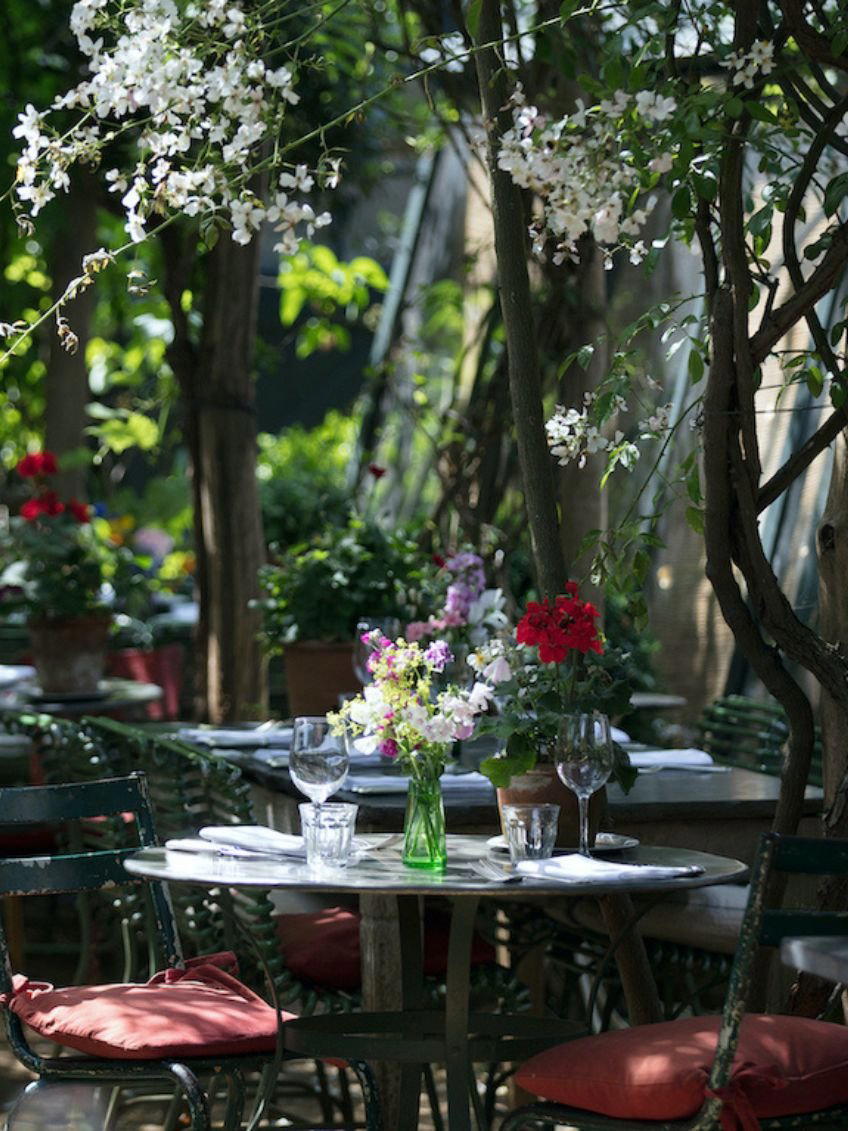
Bars in Montrouge
Browse all →



Details
- Modern
- Cozy
- Elegant
- Intimate
- Date Night
- Business Dinner
- Special Occasion
- Open Kitchen
- Terrace
- Extensive Wine List
- A La Carte
- Vegetarian Friendly
Current opening hours
- Monday
- 12–2 PM, 7–10 PM
- Tuesday
- 12–2 PM, 7–10 PM
- Wednesday
- 7–10 PM
- Thursday
- 12–2 PM, 7–10 PM
- Friday
- 12–2 PM, 7–10 PM
- Saturday
- Closed
- Sunday
- Closed
Hours can change for holidays and private events. Hours as of .
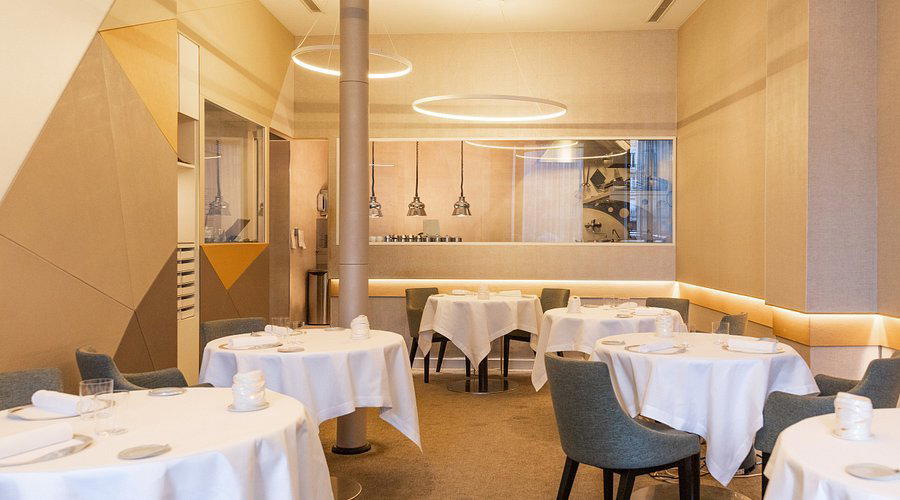
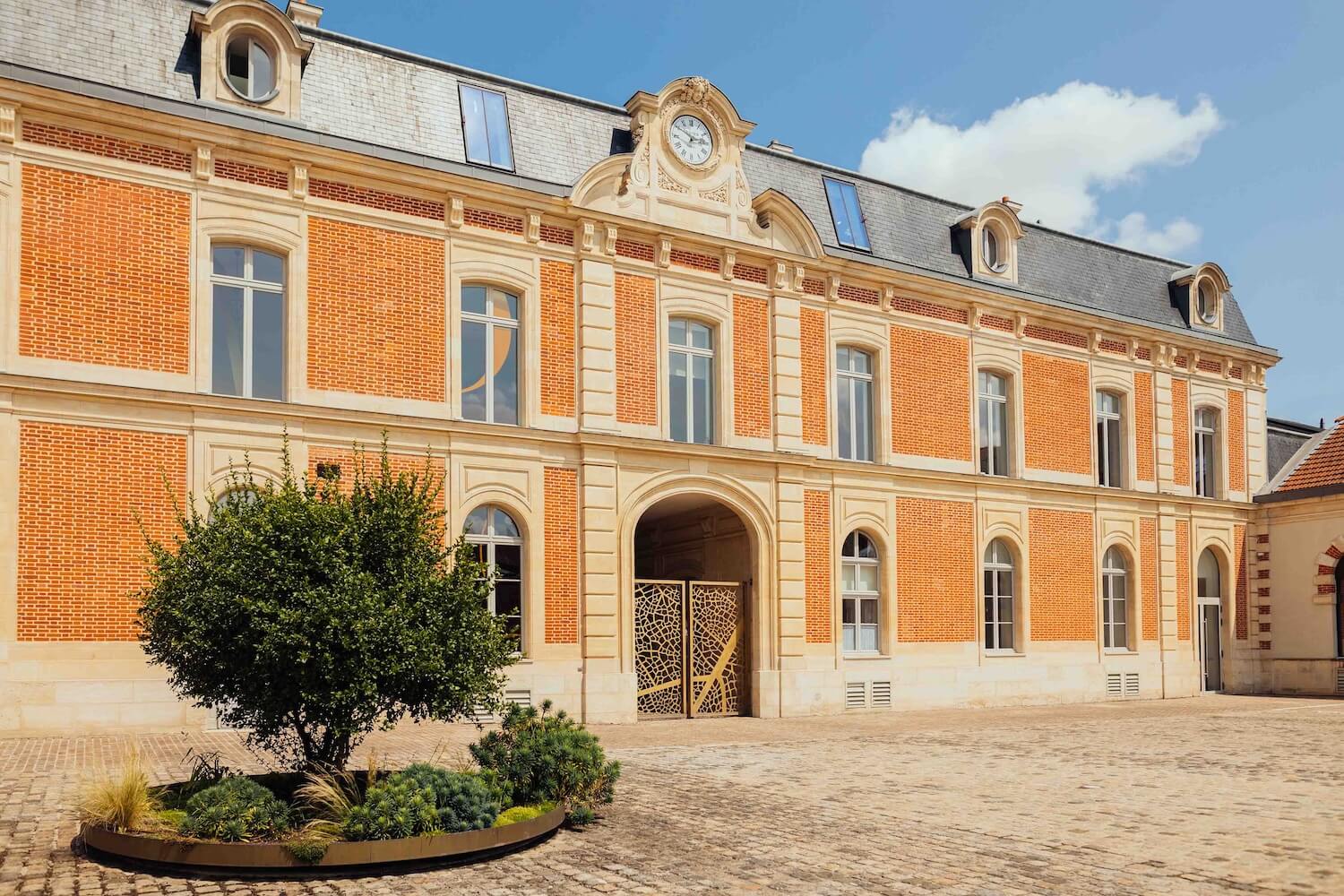
Modern and sober decor with comfortable seating; warm and friendly atmosphere per guest reviews, though some note it as minimalistic or bruyante on terrace.