Esprit Montagne

We're Smart World 2 Radishes
Our verdict
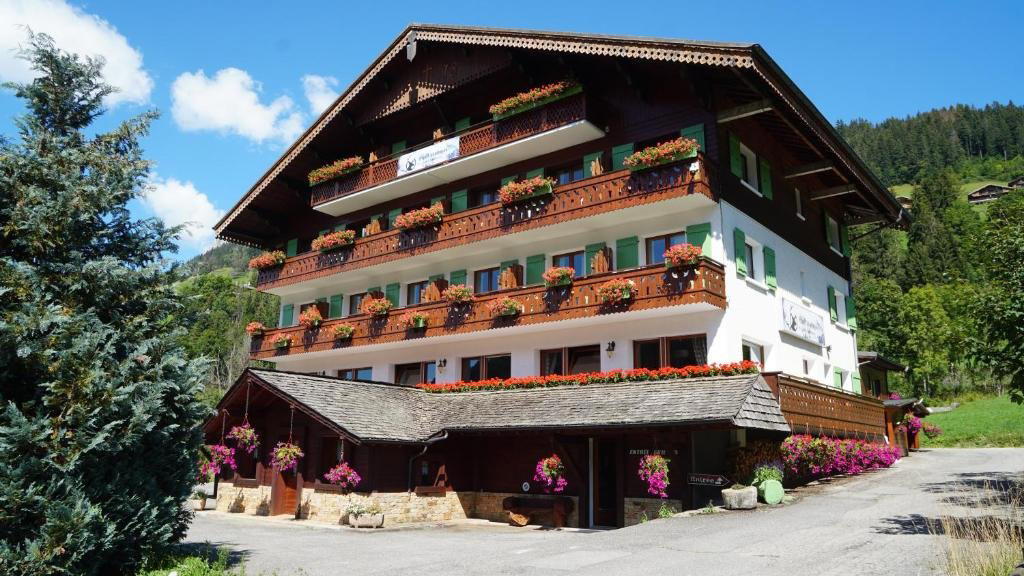
In the Abondance valley, Esprit Montagne places the alpine terrain itself at the centre of the plate. Chef Raf Meuris draws on wild mushrooms, mountain herbs, edible flowers, and artisanal regional products to build a menu that reads as a direct translation of the surrounding landscape. For those combining serious eating with mountain rest, this is a considered address in a valley that rarely makes headlines outside ski season.

Pearl is the En Primeur Club membership app, where members save venues, book tables and use the concierge.
The menu
What to order
- Daily gourmet menu
- Homemade bread
- Garden barbecue
Where the Valley Feeds the Kitchen
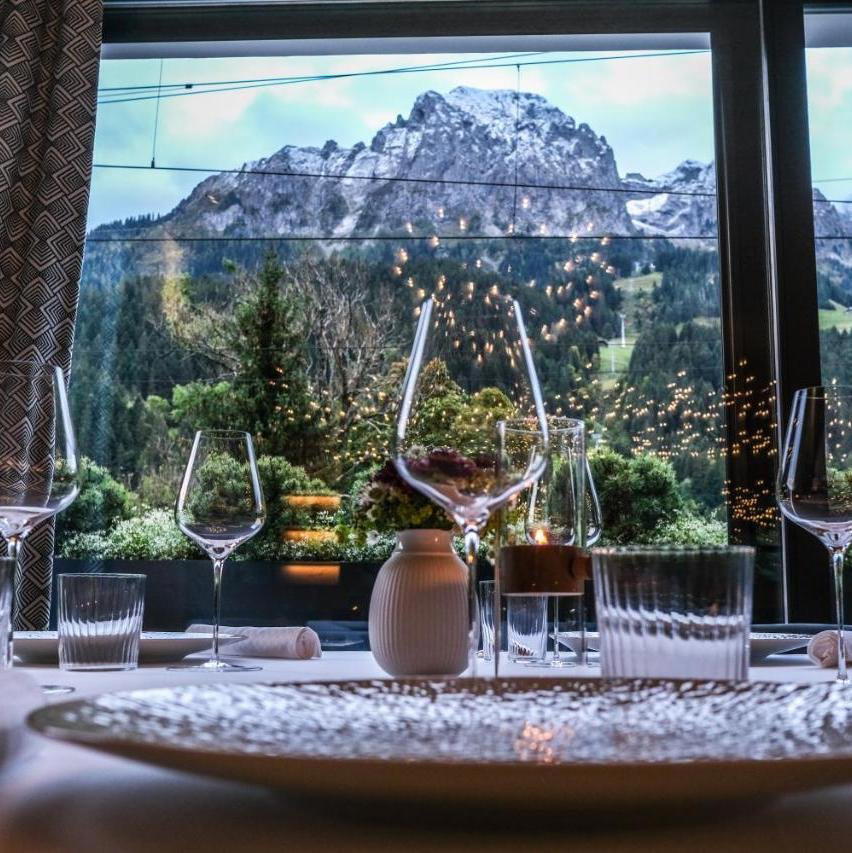
The Abondance valley sits at the quieter end of the Portes du Soleil ski area, a stretch of the Haute-Savoie that most visitors pass through rather than pause in. La Chapelle-d'Abondance is a village built around alpine routine: pasture, forest, snow, and the specific agricultural identity that has produced the region's protected Abondance cheese for centuries. It is in this context that Esprit Montagne operates, and the surrounding terrain is not a backdrop here, it is the primary ingredient source.
Mountain dining in the French Alps has followed two broad trajectories over the past two decades. The first runs toward resort-scale luxury, with destination kitchens at altitude pulling from international supply chains and positioning against the urban fine-dining tier. Flocons de Sel in Megève is perhaps the clearest example of that model, holding three Michelin stars while remaining deeply embedded in a high-alpine resort economy. The second trajectory stays closer to the valley floor, working with what the local land produces season by season. Esprit Montagne sits in that second category, and the distinction shapes everything about how the kitchen is run.
A Kitchen Shaped by What Grows Here
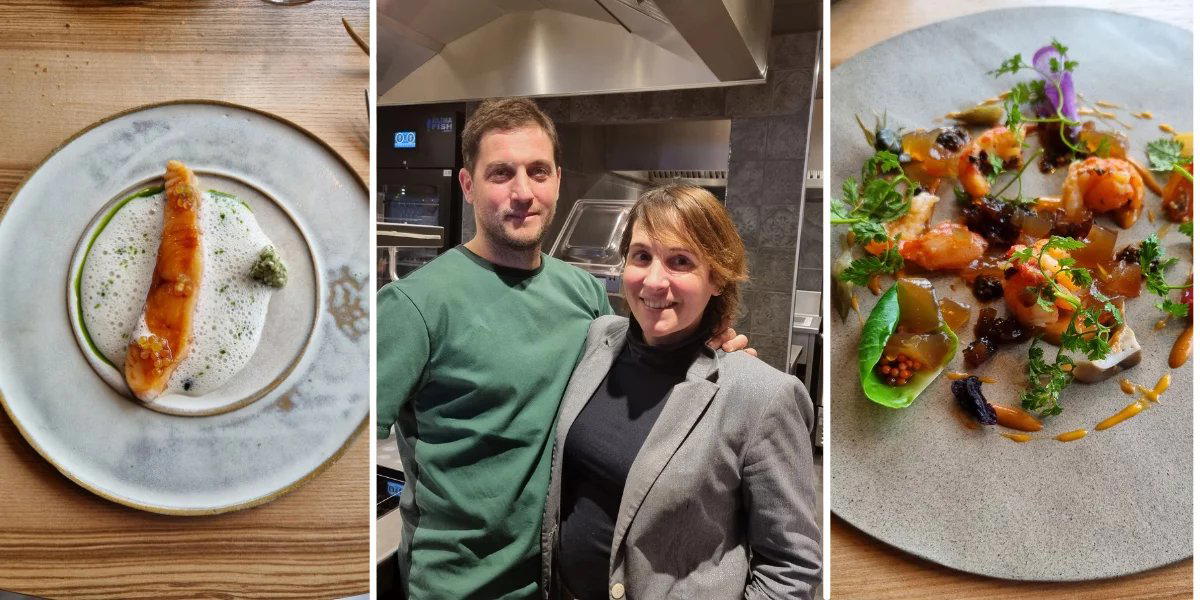
Chef Raf Meuris has built the menu around ingredients that the Haute-Savoie reliably offers: wild mushrooms gathered from the surrounding forests, edible flowers, fresh vegetables and herbs from the valley's short but productive growing season, and the artisanal products made by local producers who have worked the same land for generations. This is not a philosophical position imported from elsewhere, it is a practical and culinary response to being situated in one of France's most ingredient-rich mountain environments.
The Haute-Savoie's larder is less celebrated than Périgord or Provence in the popular food imagination, but the case for it is considerable. The valley pastures that sustain Abondance cattle produce milk of notable fat content and mineral character, reflected in the cheeses and dairy products that circulate through regional kitchens. Forest edges yield porcini, chanterelles, and species that appear only briefly during the shoulder seasons. Altitude and climate create herbs with concentration levels that their lowland equivalents rarely match. A kitchen that works systematically with these materials has access to a seasonal programme that shifts genuinely rather than cosmetically across the year.
This sourcing approach places Esprit Montagne in a lineage of French regional cooking that prioritises territory over technique as the primary source of flavour. The tradition runs through kitchens like Bras in Laguiole and Auberge du Vieux Puits in Fontjoncouse, where the surrounding land has always been the argument for why a restaurant exists in a particular location. In this respect, Esprit Montagne at La Panthiaz is making a coherent claim: that the Abondance valley has the raw material to support serious cooking, not just competent mountain fare.
Music, Nature, and the Texture of a Meal Here
Meuris is known to bring a sensibility shaped by two things: a genuine engagement with music, and an attentiveness to what the alpine environment provides at any given moment. This combination tends to produce kitchens that feel less rigid than classic French fine-dining formats and more responsive to what is available and interesting on a given day. The reported interest in mushrooms, flowers, fresh vegetables, and herbs suggests a kitchen that treats its produce as intrinsically interesting rather than as vehicles for technique. That is a meaningful difference in how a meal feels from the diner's side of the table.
The atmosphere at Esprit Montagne reflects the village's character rather than competing with it. La Chapelle-d'Abondance does not have the polished resort infrastructure of Megève or Morzine, and Esprit Montagne is not attempting to import that register. What it offers instead is a version of alpine hospitality that has rest and recovery built into its logic, the kind of address where the meal is part of a slower rhythm rather than a scheduled performance.
Planning Your Visit
La Chapelle-d'Abondance is most accessible by car, with the village sitting roughly 20 kilometres from Thonon-les-Bains and well-connected to the wider Portes du Soleil circuit that includes Avoriaz and Châtel. Arriving by train to Thonon-les-Bains or Évian-les-Bains and continuing by car or taxi is the practical route for those coming from Geneva or Lyon. The village is a year-round destination, with winter drawing skiers to the Portes du Soleil lifts and summer attracting walkers and those looking for genuine quiet. Ingredient availability in the kitchen will shift substantially between these seasons, with the summer and autumn months offering the widest range of fresh local produce, mushrooms, and herbs. Those with a specific interest in the kitchen's ingredient sourcing approach will find that timing a visit to coincide with late summer or early autumn aligns with the valley's most productive foraging and harvest period.
Esprit Montagne is located at La Panthiaz in La Chapelle-d'Abondance. Given the village's small scale and the kitchen's reputation, booking ahead is advisable during both the ski season and the peak summer weeks, when the valley fills with visitors seeking the slower pace the area provides. For those planning a broader stay, see for where to base yourself, and for how Esprit Montagne sits within the wider dining options available in the valley.
For drinking before or after. Those looking to extend their time in the area should also consult our full La Chapelle d'Abondance experiences guide for what the valley offers beyond the table.
How It Compares in the French Alpine Dining Register
To calibrate expectations, it is worth considering where ingredient-led alpine cooking sits within French restaurant culture more broadly. The country's most decorated kitchens, from Mirazur in Menton to Alléno Paris au Pavillon Ledoyen in Paris, operate at price points and formality levels that reflect their position at the top of a well-documented hierarchy. Esprit Montagne is not competing in that register. It belongs to the category of serious regional restaurants where the strength of local sourcing and a coherent culinary identity matter more than awards accrual. Comparisons with places like Auberge de l'Ill in Illhaeusern or Troisgros - Le Bois sans Feuilles in Ouches are useful in terms of regional-restaurant logic, even if those kitchens operate at a different scale and recognition level. What those kitchens share with Esprit Montagne is the insistence that where a restaurant is located should determine, in large part, what ends up on the plate.
Frequently asked questions
Is Esprit Montagne suitable for children?
The kitchen draws on mushrooms, edible flowers, mountain vegetables, and artisanal regional products rather than elaborate tasting-menu constructions, which makes the food accessible rather than forbidding. La Chapelle d'Abondance is a working alpine village with a family-oriented character across ski and summer seasons. Nothing in Chef Raf Meuris's declared approach suggests the room skews exclusively adult, though parents should factor in the ingredient-led focus when assessing younger diners' preferences.
Is Esprit Montagne formal or casual?
La Chapelle d'Abondance is a working alpine village rather than a polished resort, and Esprit Montagne fits that grain. Chef Raf Meuris's stated influences, music, mountain foraging, regional producers, point toward a kitchen with serious intent but not ceremonial formality. Alpine smart-casual is a reasonable register: considered enough for a destination meal, relaxed enough for a post-ski dinner.
Has Esprit Montagne won any awards?
Esprit Montagne has received recognition including: Chef Raf Meuris is the lucky charm here. He loves music and what the mountainous nature offers: mushrooms, flowers, fresh vegetables and herbs. But also the artisanal regional products have their role in the menu. In need of rest? Here you ….
What should I order at Esprit Montagne?
Chef Raf Meuris has positioned the kitchen around wild mushrooms gathered from surrounding forests, edible flowers, fresh mountain herbs and vegetables, and artisanal products from the Abondance valley. Those categories represent the kitchen's declared strengths, so any dish centred on them reflects the cooking at its most direct. Regional products from the valley, including the area's well-documented cheese tradition, also feature in the menu's construction.
Where is Esprit Montagne located?
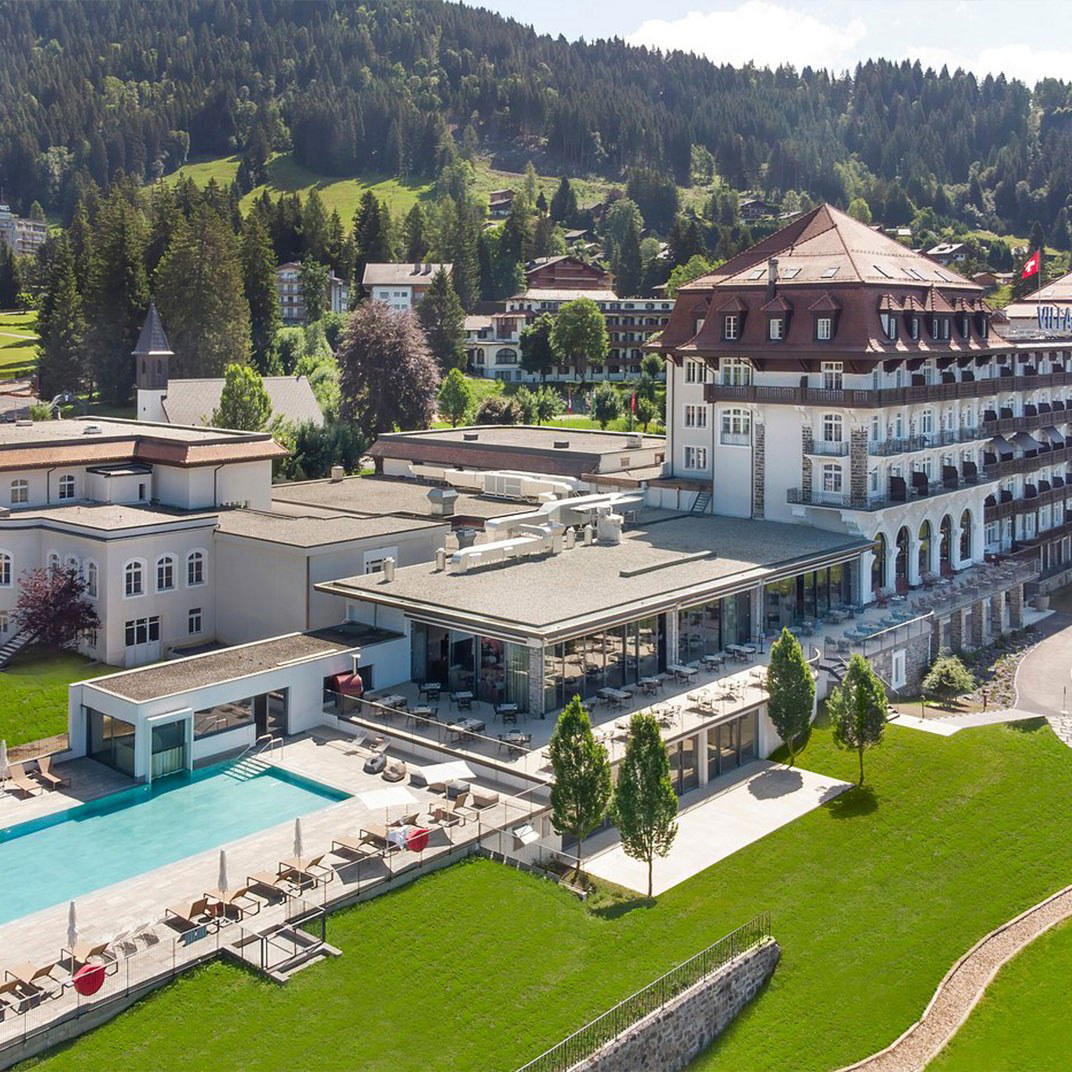
Esprit Montagne is located at La Panthiaz, 74360 La Chapelle-d'Abondance, France, La Chapelle d’Abondance.
Should I book Esprit Montagne in advance?
La Chapelle d'Abondance draws visitors across both ski season and the summer hiking period, and a restaurant with a defined culinary identity from a named chef fills covers quickly in a village of this scale. Booking ahead is the practical approach, particularly during peak winter and summer weeks. The address at La Panthiaz, 74360 La Chapelle-d'Abondance, is your reference point for planning logistics.
What's the defining dish or idea at Esprit Montagne?
The organising idea is that the Abondance valley's forests, pastures, and local producers provide sufficient material for serious cooking without reaching beyond the region. Chef Raf Meuris works specifically with wild mushrooms, edible flowers, mountain vegetables and herbs, and artisanal regional products, ingredients tied directly to the Haute-Savoie terrain. That constraint is a creative position, not a limitation, and it distinguishes Esprit Montagne from alpine restaurants that import their ambitions from elsewhere.
Comparison Snapshot
Comparable venues nearby, for context on price, style, and recognition.
| Venue | Cuisine | Price | Awards | Notes |
|---|---|---|---|---|
| Esprit MontagneThis venue (the venue you are viewing) | French Alpine Gourmet | $30–50 | We're Smart World 2 Radishes | Not listed |
| Les Gentianettes | Modern French Savoyard | $50–100 | Michelin Plate | La Chapelle d'Abondance |
| Les Cornettes | Traditional French Mountain Cuisine | $30–50 | Michelin Plate | La Chapelle d'Abondance |
| Le Dérapage | Traditional Savoyard with Pizza and Shared Plates | $20–30 | Not listed | Chinaillon |
| Auberge de la Distillerie | Traditional French / Jura Regional Cuisine | $10–20 | Not listed | Chapelle-des-Bois |
| L'Etale | French Savoyard Brasserie | $20–30 | Not listed | centre |
Recognition history
Dated appearances from independent guides and award organizations, with the underlying list record or original source where available.
We're Smart World 2 Radishes
We're Smart World
Continue exploring
More in La Chapelle-d'Abondance
Restaurants in La Chapelle-d'Abondance
All restaurants in La Chapelle-d'Abondance →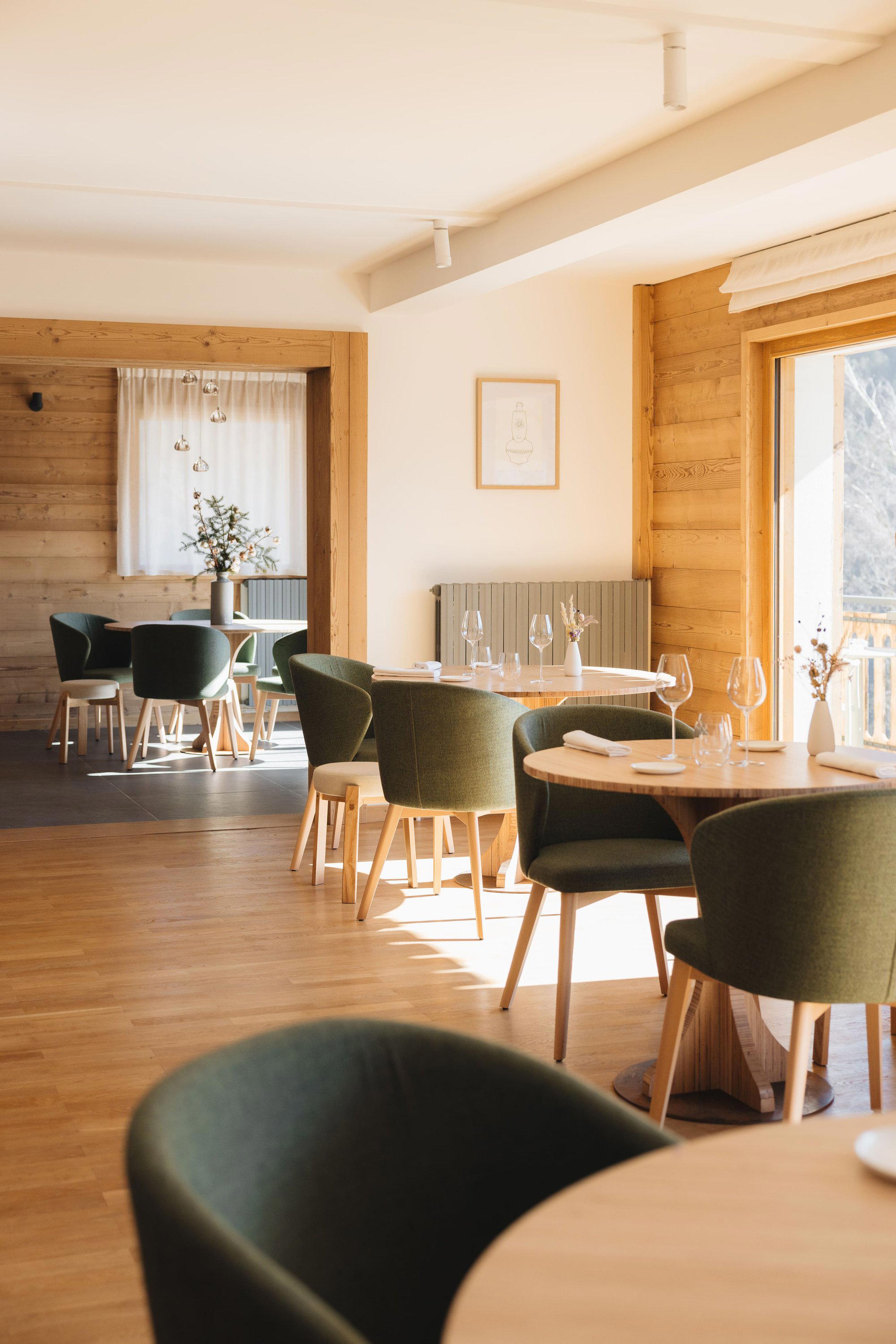
Bars in La Chapelle-d'Abondance
Browse all →
Details
- Rustic
- Cozy
- Scenic
- Date Night
- Family
- Special Occasion
- Hotel Restaurant
- Terrace
- Panoramic View
- Extensive Wine List
- Local Sourcing
- Mountain
- Set Menu
- Vegetarian Friendly
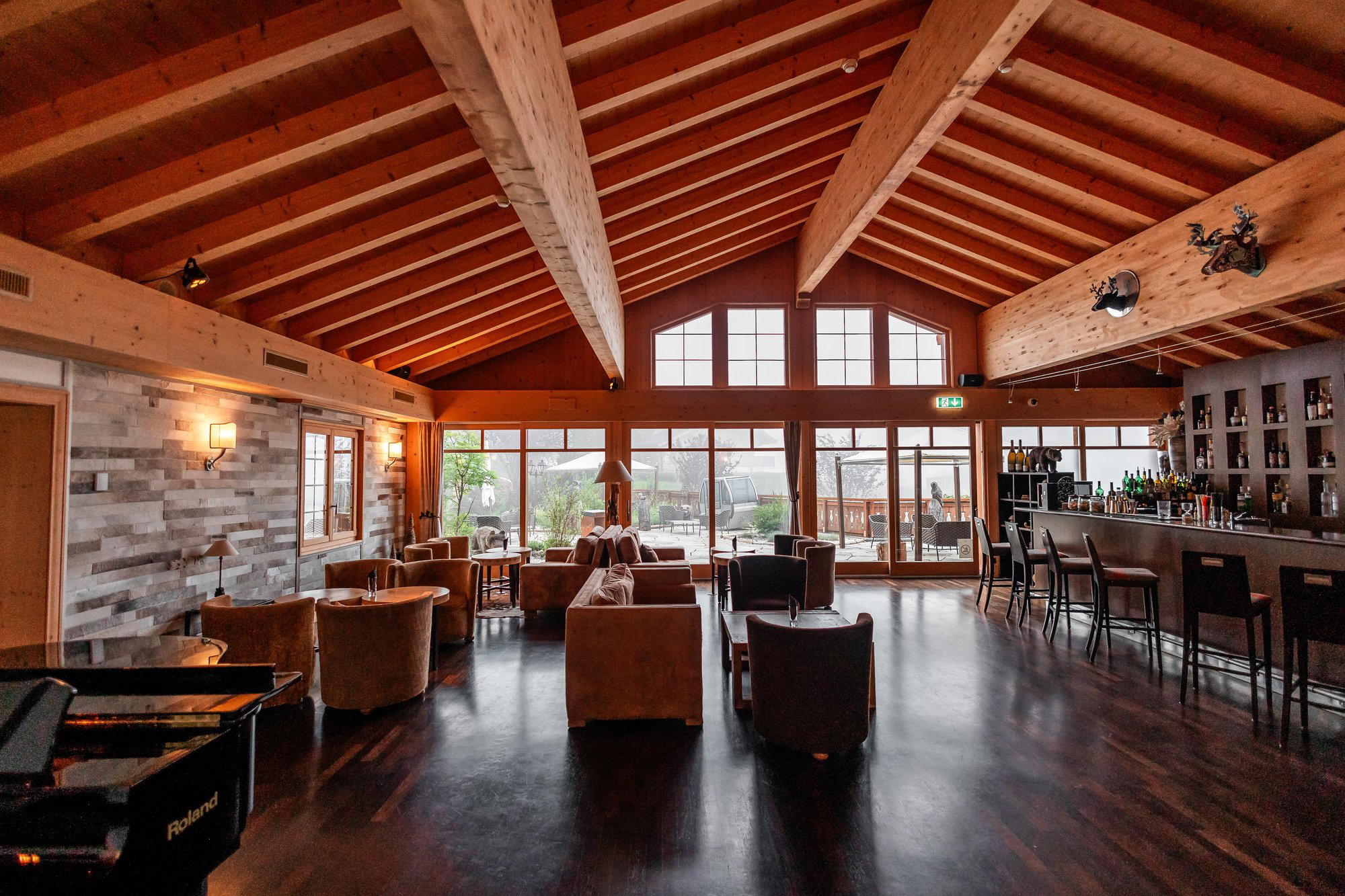
Charming and homely mountain atmosphere with rustic Alpine character, personal service, and a serene natural setting.