Dùthchas

Michelin Plate
Our verdict
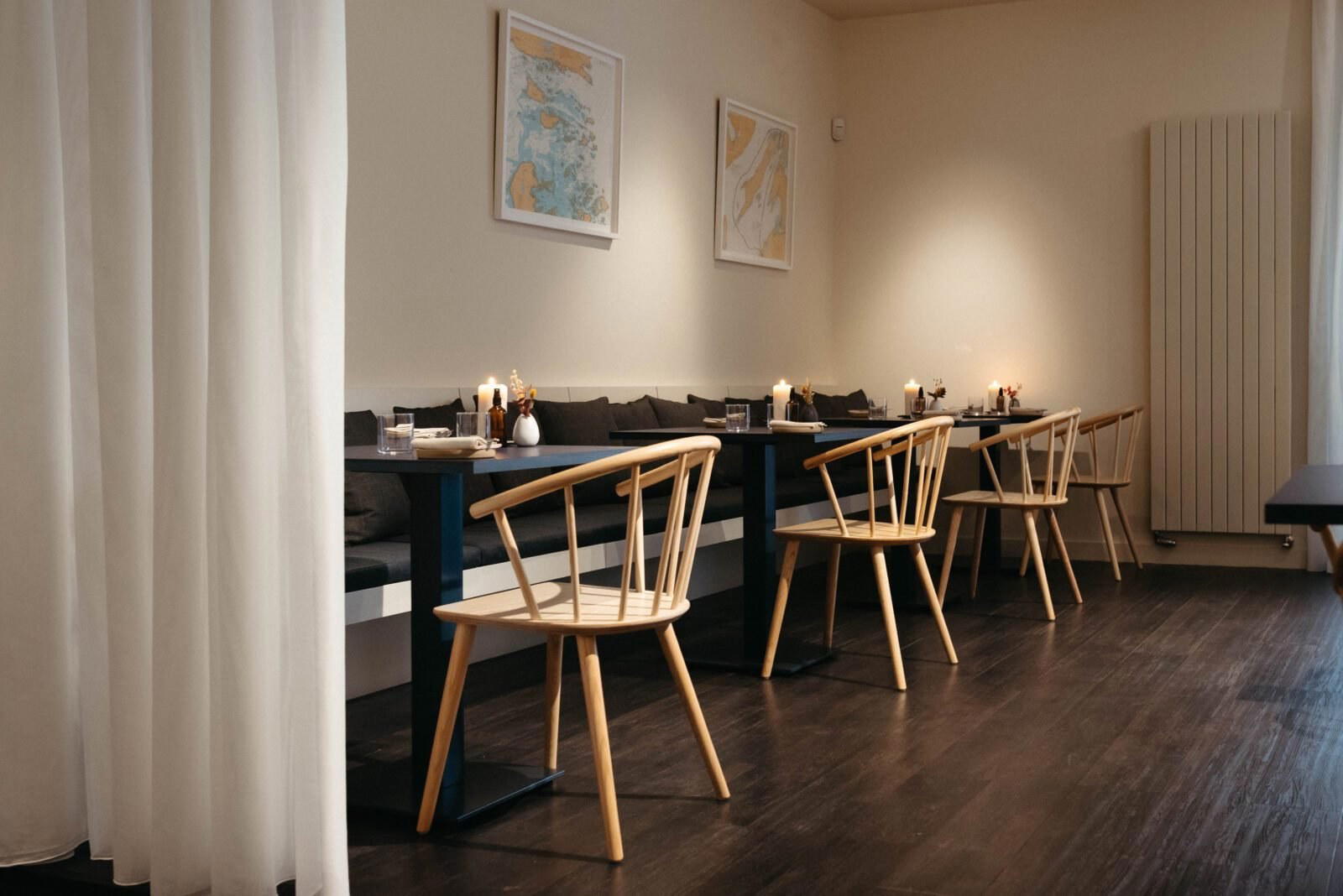
A six-table tasting menu restaurant on a modest stretch of Great Junction Street, Dùthchas takes Scottish seasonal cooking seriously without the ceremony. The kitchen delivers inventive dishes through either a tasting menu or fixed-price à la carte, backed by a wine pairing that leans into lesser-known bottles. Small in scale, deliberate in focus, it sits at the quieter, more considered end of Leith's dining scene.

Pearl is the En Primeur Club membership app, where members save venues, book tables and use the concierge.
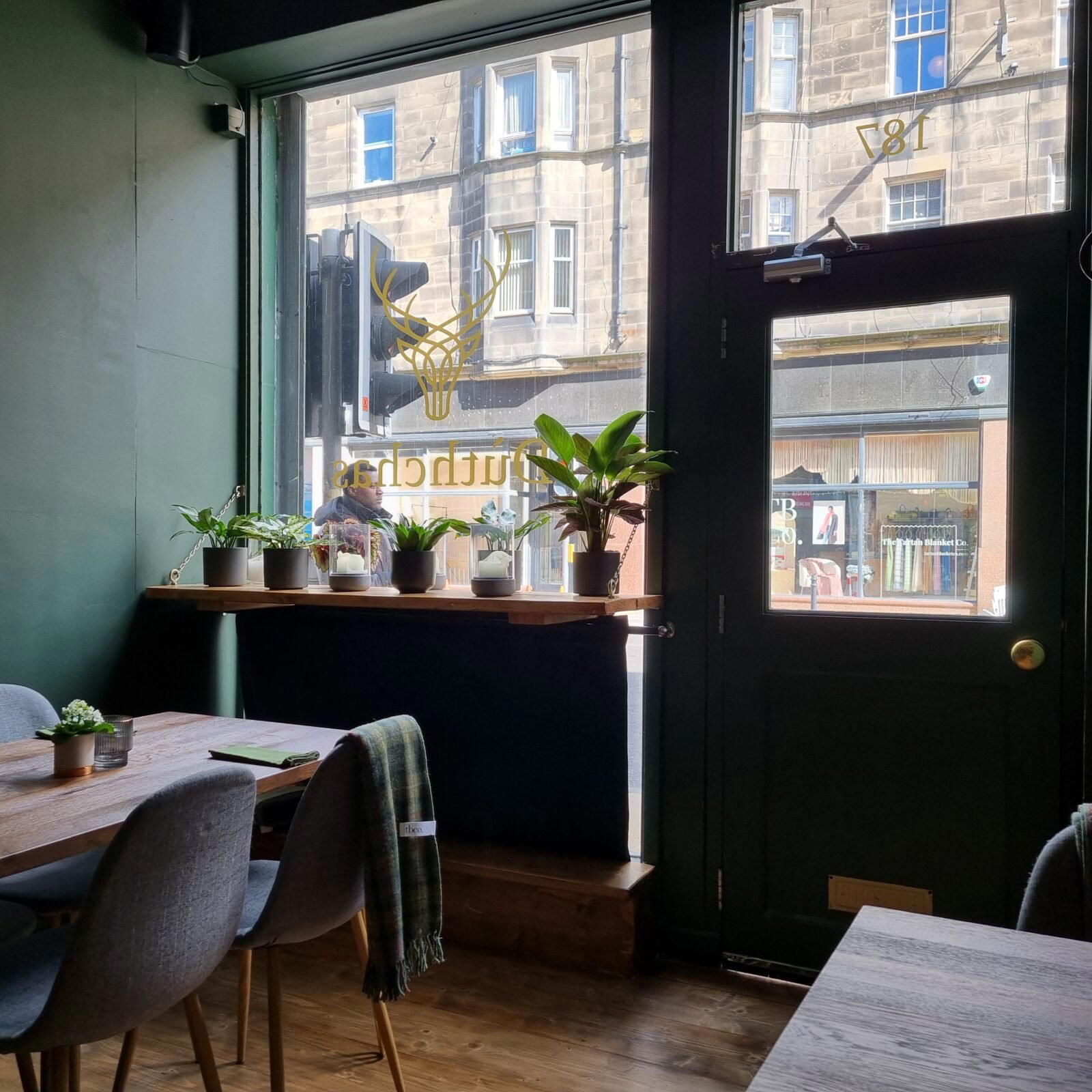
A Small Room on Great Junction Street Doing Serious Work
Great Junction Street is not the kind of address that announces itself. The stretch running through Leith's northern grid carries the practical character of the neighbourhood before its gentrification accelerated: hardware shops, takeaways, a parade of unassuming frontages. Dùthchas sits within that parade, its exterior offering little signal of what happens inside. That gap between exterior and interior is, in itself, an editorial statement about how a certain tier of Scottish restaurant now operates, not through visible theatre, but through what lands on the table.
The Gaelic word dùthchas carries a layered meaning that does not translate cleanly: it encompasses heritage, belonging, a sense of place inherited through land and lineage rather than acquired. Scottish Gaelic culture has used the concept to describe the bond between a community and its territory. Using it as a restaurant name is a deliberate cultural positioning, one that places the menu within a broader conversation about what Scottish cooking actually is when it draws on its own traditions rather than borrowing the grammar of French classical technique or Scandinavian minimalism. That conversation has been gaining momentum across Scotland's independent restaurant scene, and Dùthchas represents one of its more concentrated expressions.
The Format and What It Signals
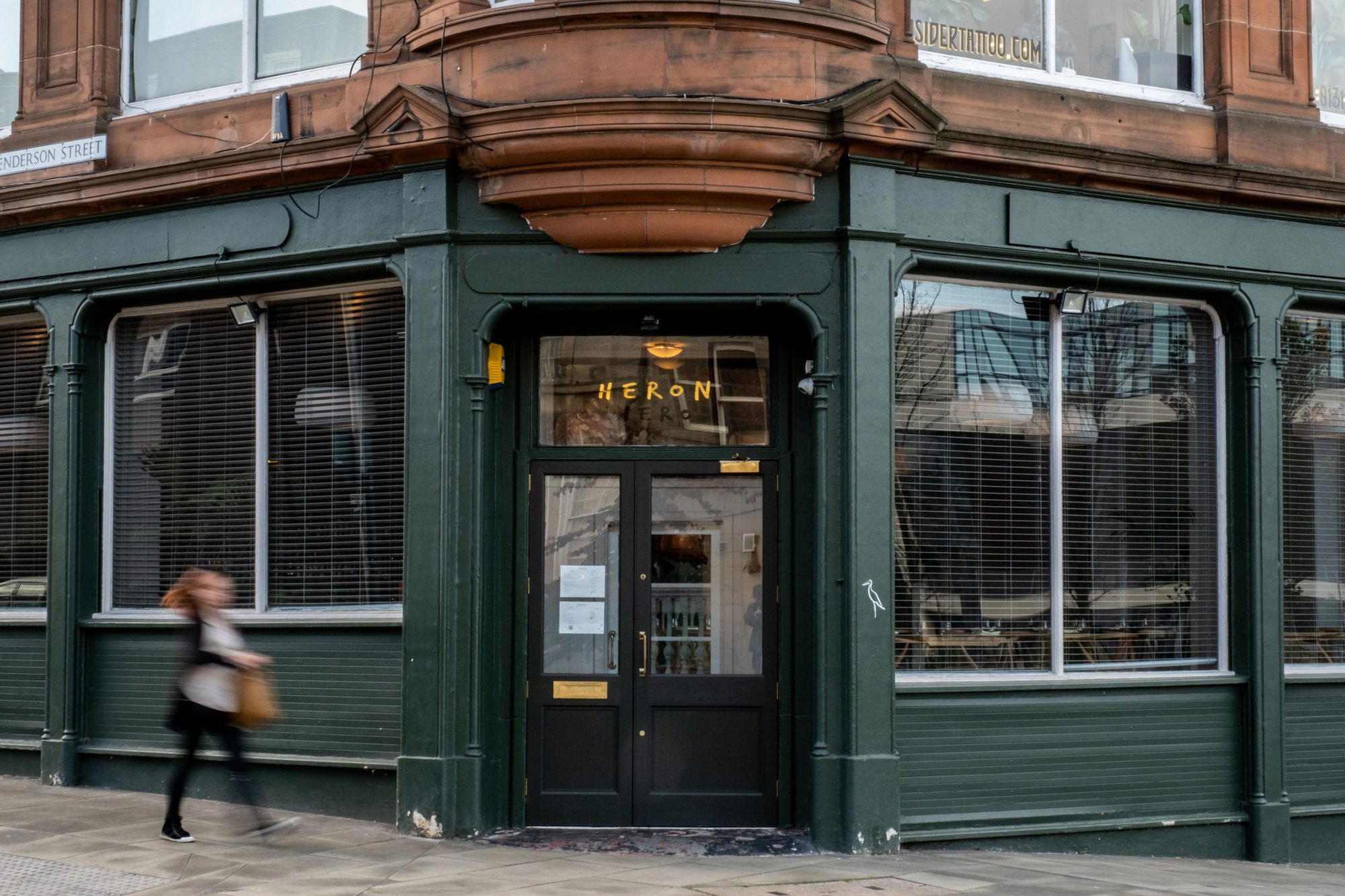
Six tables. The scale is important. In Edinburgh and Leith, small-format tasting menus tend to occupy one of two positions: the high-ceremony, multi-course progression at a price point that tracks against somewhere like Heron (££££ · Modern Cuisine) in the neighbourhood, or the more intimate, locally rooted format where the kitchen is close enough that the chefs deliver dishes themselves. Dùthchas belongs to the second category.
Across the broader British fine dining tier, the conversation around scale has shifted considerably. Restaurants like L'Enclume in Cartmel or Moor Hall in Aughton operate at a different altitude of ambition and resource, where tasting menus run to eighteen-plus courses and the wine list runs to hundreds of references. What Dùthchas offers is something structurally different: the cooking discipline of a tasting menu format applied at neighbourhood scale, with the team visibly present and communicative. That proximity matters. When a chef explains a dish in a six-table room, the context becomes part of the meal in a way that does not hold in a forty-cover dining room.
The option of a fixed-price à la carte alongside the tasting menu is worth noting. It signals that the kitchen is not dogmatically committed to one progression of flavours, it allows the diner to exercise some agency, which in a restaurant this small requires a degree of flexibility in preparation that is harder to execute than it looks.
The Cooking: Seasonal Grounding and Creative Reach
Scottish seasonal cooking at its most credible is ingredient-led in a particular way: the seasons here are defined by cold-water seafood, game, root vegetables, foraged materials, and a dairy culture that remains regionally distinctive. The risk in restaurants framing themselves around Scottish identity is a tendency toward nostalgia, haggis reinterpreted, cranachan deconstructed, without genuine creative engagement. What the kitchen at Dùthchas appears to do instead is use the seasonal framework as a constraint within which to find genuinely new angles.
The approach to something like prawn toast, a dish with obvious Chinese-British popular culture roots, as a vehicle for Scottish seasonal ingredients is the kind of culinary thinking that the better small British restaurants are doing consistently. It mirrors, at smaller scale, the kind of cultural recontextualisation that CORE by Clare Smyth in London applies to its potato and caviar, or that hide and fox in Saltwood applies to its coastal Kentish materials, the point being that the ingredient's provenance or the dish's cultural origin becomes the starting point rather than the endpoint.
Menus change seasonally, which in practice means the kitchen is not coasting on a fixed identity. Seasonal change at this scale is demanding; a six-table operation does not have the prep infrastructure of a larger brigade, so each menu revision requires genuine recommitment from the whole team.
The Wine Pairing
The wine pairing at Dùthchas leans toward lesser-known bottles, which places it within a recognisable trend in the more considered end of British independent restaurants. The sommelier tier at places like The Fat Duck in Bray or Le Manoir aux Quat' Saisons has long used prestige appellations as a trust signal, Burgundy grands crus, Barolo riserva, aged Champagne. The countermovement, visible in smaller independent rooms across Edinburgh and increasingly in Leith, is to build pairings around producers with smaller footprints: natural wine growers, regional appellations outside the standard reference points, Georgian and Slovenian bottles that would not appear on a conventional list.
A pairing built around wines the diner has likely not encountered before carries its own editorial point of view. It asks the diner to trust the selection rather than use prior knowledge as an anchor. In a six-table room where the team is explaining each dish, that trust is easier to extend, the explanatory context carries across both food and wine in the same breath. The pairing is worth taking. It is not an add-on here; it is part of the same intellectual framework as the cooking.
Leith Context and Where Dùthchas Sits
Leith's restaurant scene has diversified considerably over the past decade, moving from its historic identity as a port neighbourhood into a more layered dining environment where independent kitchens operate at different price points and formats. Barry Fish anchors one end of the local offering, while Heron's more elaborate format sits at the other. Dùthchas occupies a position that is neither casual nor ceremony-heavy, it is a room that asks you to pay attention without demanding deference.
For a broader picture of what Leith offers beyond this address, our full Leith restaurants guide covers the neighbourhood's range in detail. The Leith bars guide and Leith experiences guide are useful for building a longer stay, and the Leith hotels guide covers accommodation options if you are staying in the neighbourhood rather than Edinburgh's city centre.
Planning Your Visit
Dùthchas is at 187 Great Junction Street, Edinburgh EH6 5LQ, within easy reach of Leith Walk and the broader Leith grid. The six-table format means availability is limited; booking ahead is necessary rather than advisory, particularly for weekend sittings where demand from both local and visiting diners compresses the calendar. Given the kitchen's seasonal menu approach, the room changes character across the year, a winter visit will encounter different source materials than a summer one, which makes a return visit a genuinely different experience rather than a confirmation of what you already know. If you are deciding between the tasting menu and the à la carte, the wine pairing is structured to work alongside the tasting menu progression, so the combination of the two makes the stronger case for the full format.
Frequently asked questions
Where exactly is Dùthchas?
Dùthchas is located at 187 Great Jct St, Edinburgh EH6 5LQ, United Kingdom, Leith.
What awards or recognition does Dùthchas have?
Dùthchas has received recognition including: Blink and you could easily miss this diminutive restaurant in an unassuming parade of shops. Given what a lovely restaurant it is, we therefore recommend walking through Leith with your eyes wide open. Inside, it’s a cosy six-table operatio….
What's the best thing to order at Dùthchas?
The tasting menu with wine pairing is the format the kitchen is built around. The pairing draws on lesser-known bottles, making it a genuinely instructive way to eat here rather than a default add-on. If you prefer more control over the meal, the fixed-price à la carte covers the same seasonal Scottish range.
Do I need a reservation for Dùthchas?
Yes, and book ahead. Dùthchas runs six tables at 187 Great Junction Street, which means the room fills quickly, particularly on weekends as Leith's independent dining scene draws more attention from across Edinburgh. Walk-ins are a gamble at that scale.
What's the standout thing about Dùthchas?
The combination of genuine creative ambition and a deliberately small room. The kitchen applies tasting menu discipline to Scottish seasonal produce, dishes like their take on prawn toast signal a kitchen thinking carefully rather than defaulting to safe territory. At six tables, the chefs deliver and explain each course themselves.
Can Dùthchas handle vegetarian requests?
The menu rotates seasonally and is grounded in Scottish produce, which gives the kitchen flexibility beyond meat and seafood. Contact Dùthchas directly at 187 Great Junction Street, Edinburgh EH6 5LQ to confirm current options before booking.
Pricing, Compared
Comparable venues nearby, for context on price, style, and recognition.
| Venue | Cuisine | Price | Awards | Notes |
|---|---|---|---|---|
| DùthchasThis venue (the venue you are viewing) | Modern Scottish Fine Dining | $50–100 | Michelin Plate | Not listed |
| Barry Fish | Modern Scottish Seafood | $30–50 | Michelin Plate | Leith, Modern Scottish Seafood |
| Heron | Modern Scottish Fine Dining | $100–150 | 1 Michelin Star · The Good Food Guide GFG Very Good | Leith, Modern Scottish Fine Dining |
| The Clarence | British Gastropub with French Influences | $50–100 | Michelin Bib Gourmand | Partick East/Kelvindale, British Gastropub with French Influences |
| The Free Company | Modern Scottish Farm-to-Table | $50–100 | Michelin Plate | Balerno, Modern Scottish Farm-to-Table |
| One Square | Modern Scottish Brasserie | $30–50 | Not listed | West End, Modern Scottish Brasserie |
Recognition history
Dated appearances from independent guides and award organizations, with the underlying list record or original source where available.
Michelin Plate
Michelin
Continue exploring
More in Edinburgh
Restaurants in Edinburgh
All restaurants in Edinburgh →

Details
- Cozy
- Intimate
- Relaxed
- Date Night
- Special Occasion
- Open Kitchen
- Extensive Wine List
- Local Sourcing
- Tasting Menu
- Allergy Accommodating
Current opening hours
- Monday
- Closed
- Tuesday
- 12–3 PM, 6:30–11 PM
- Wednesday
- 12–3 PM, 6:30–11 PM
- Thursday
- 12–3 PM, 6:30–11 PM
- Friday
- 12–3 PM, 6:30–11 PM
- Saturday
- 12–3 PM, 6:30–11 PM
- Sunday
- Closed
Hours can change for holidays and private events. Hours as of .
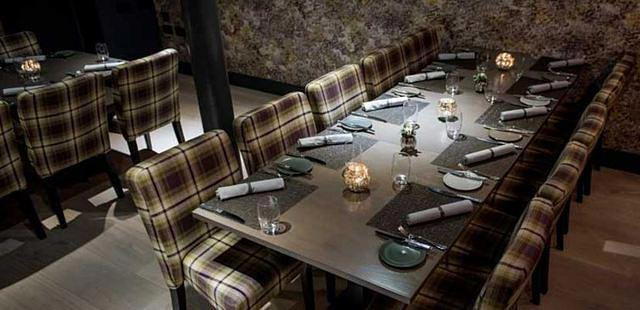
Cozy and intimate with a relaxed, welcoming atmosphere like dining in a friend's home, featuring chilled music and warm lighting.