Our verdict
Du Côté de Chez Xane occupies a Quai Saint-Antoine address on Lyon's storied right bank, placing it within reach of the city's most serious dining corridor.

Pearl is the En Primeur Club membership app, where members save venues, book tables and use the concierge.
Lyon's Quai Saint-Antoine and the Ethics of the Plate
The Quai Saint-Antoine runs along the Saône's right bank in Lyon's 2nd arrondissement, a stretch that connects the city's historic market infrastructure to its most concentrated cluster of serious restaurants. The Saturday morning market here has supplied Lyon's kitchens for generations, and the proximity between producer and plate is not incidental to the neighbourhood's dining character, it shapes what chefs in this corridor choose to cook and how they choose to cook it. Du Côté de Chez Xane, at number 26, sits inside that geography and the values it implies.
Lyon occupies a specific position in the French sustainability conversation. Unlike Paris, where high-end kitchens often source from across France and beyond, Lyon's strongest culinary tradition pulls toward the immediate region: the Bresse plateau to the north, the Rhône and Saône river systems, the Dombes marshlands, the Drôme valley to the south. That regional tightening is both a culinary and an environmental choice. Shorter supply chains mean fewer food miles, stronger traceability, and a kitchen that knows its producers by name. The Quai Saint-Antoine location puts Du Côté de Chez Xane at the intersection of that logic, you are, in effect, metres from where many of Lyon's ingredients begin their journey into the city's kitchens.
Where This Restaurant Sits in Lyon's Competitive Field
Lyon's restaurant scene in the premium tier has stratified considerably over the past decade. At the leading end, addresses like La Mère Brazier carry institutional weight rooted in Lyon's Michelin history. A tier below, a cluster of ambitious contemporary French kitchens, Le Neuvième Art, Takao Takano, Au 14 Février, compete on creative technique and sourcing credibility. At the more accessible end of the market, Burgundy by Matthieu signals the city's appetite for ingredient-led modern cuisine at a €€€ price point.
What the address confirms is alignment with the city's most food-literate neighbourhood, where the competition for sourcing relationships with the market's leading producers is constant and the guest base arrives with high baseline expectations. In Lyon, that context alone carries editorial weight.
The broader French sustainability movement in fine dining has produced a range of models. At the alpine end, Flocons de Sel in Megève built its identity around mountain terroir and hyper-local sourcing. On the Mediterranean, Mirazur in Menton grew its own ingredients in coastal gardens, a model that put producer sovereignty at the centre of the menu's logic. In Lyon, the tradition has always been different: the city is a market city, and the sustainability argument here runs through the market system, not through self-contained production. The Quai Saint-Antoine's Saturday stalls are the local equivalent of the kitchen garden, a living supply chain operating in public.
The Sourcing Argument in Lyon's Culinary Tradition
French gastronomy's relationship with sustainability has shifted from peripheral concern to structural commitment at many of the country's most referenced addresses. Bras in Laguiole has long argued that cooking from place is inseparable from cooking well, the herb meadows of the Aubrac plateau are not decoration but ingredient. Les Prés d'Eugénie in Eugénie-les-Bains built a wellness-adjacent model that made light, vegetable-forward cooking a culinary argument decades before it became fashionable. Auberge de l'Ill in Illhaeusern demonstrates that a decades-long Michelin relationship and a commitment to Alsatian regionality are not mutually exclusive.
What connects these examples is that sustainability, in the French fine-dining context, rarely announces itself. It operates through menu structure: shorter lists that signal seasonal discipline rather than all-year abundance; proteins from named farms rather than anonymous distributors; wine programmes that favour regional producers over prestige labels. A kitchen working from those principles on the Quai Saint-Antoine has the raw material for a serious argument, whether Du Côté de Chez Xane is making that argument explicitly or by default, the location and Lyon's culinary grammar both point in the same direction.
Getting There, Planning Your Visit
The Quai Saint-Antoine address places the restaurant within walking distance of Lyon's Bellecour and Cordeliers metro stations (lines A and D), making it accessible from both the train stations and the Presqu'île hotel corridor without needing a taxi. The Saône-side quais are pedestrian-friendly and particularly navigable in the warmer months, when the market activity extends into late morning and the walk along the river from Vieux Lyon remains one of the more atmospheric approaches to the 2nd arrondissement in the city.
Because verified booking, hours, pricing, and contact data are not currently in the public record for Du Côté de Chez Xane, the practical recommendation is to confirm all logistics directly with the venue before travel. Lyon's serious restaurants at this address tier tend to fill mid-week through advance reservation rather than walk-in, and the 2nd arrondissement's dining density means that last-minute alternatives exist if plans change. For a wider view of how this restaurant fits into Lyon's full dining map, the EP Club Lyon guide covers the city's key neighbourhoods and price tiers in detail.
Travellers connecting Du Côté de Chez Xane to a broader French itinerary may find useful regional anchors in Troisgros in Ouches, Georges Blanc in Vonnas, and Paul Bocuse's Auberge du Pont de Collonges, all within the broader Lyon-Rhône circuit and each representing a different register of the region's culinary tradition. For contrast with Lyon's more metropolitan peers, Alléno Paris au Pavillon Ledoyen and Le Bernardin in New York represent the international tier against which Lyon's leading kitchens are sometimes measured. Lazy Bear in San Francisco offers an interesting counterpoint for readers interested in how sustainability-led sourcing arguments translate outside the French tradition. La Table du Castellet rounds out a southern French comparison for those extending their travels toward Provence.
Frequently asked questions
What's the must-try dish at Du Côté de Chez Xane?
How hard is it to get a table at Du Côté de Chez Xane?
What has Du Côté de Chez Xane built its reputation on?
Is Du Côté de Chez Xane good for vegetarians?
Does Du Côté de Chez Xane reflect Lyon's tradition of market-driven cooking, and how does that shape the dining experience?
Budget and Context
A quick snapshot of similar venues for side-by-side context.
| Venue | Cuisine | Price | Awards | Notes |
|---|---|---|---|---|
| Du Côté de Chez XaneThis venue (the venue you are viewing) | Authentic Thai | $20–30 | Not listed | Not listed |
| Le Neuvième Art | Modern French Gastronomique | Not listed | 2 Michelin Stars · La Liste Top Restaurants | Contemporary French, Creative |
| Rustique | Contemporary French Peasant Cuisine | Not listed | 1 Michelin Star · Gault & Millau Remarkable Restaurant | Creative |
| La Mere Brazier | Modern Lyonnaise Fine Dining | $50–100 | 2 Michelin Stars · La Liste Top Restaurants | French |
| Burgundy by Matthieu | Modern French Fine Dining | $150–200 | 1 Michelin Star · Gault & Millau Remarkable Restaurant | Modern Cuisine |
| Miraflores | Franco-Peruvian Fine Dining | $150–200 | 1 Michelin Star · Gault & Millau Remarkable Restaurant | Peruvian |
Continue exploring
More in Lyon
Restaurants in Lyon
All restaurants in Lyon →
Bars in Lyon
All bars in Lyon →
Hotels in Lyon
All hotels in Lyon →

Details
- Cozy
- Intimate
- Casual Hangout
- Date Night
- Extensive Wine List
- A La Carte
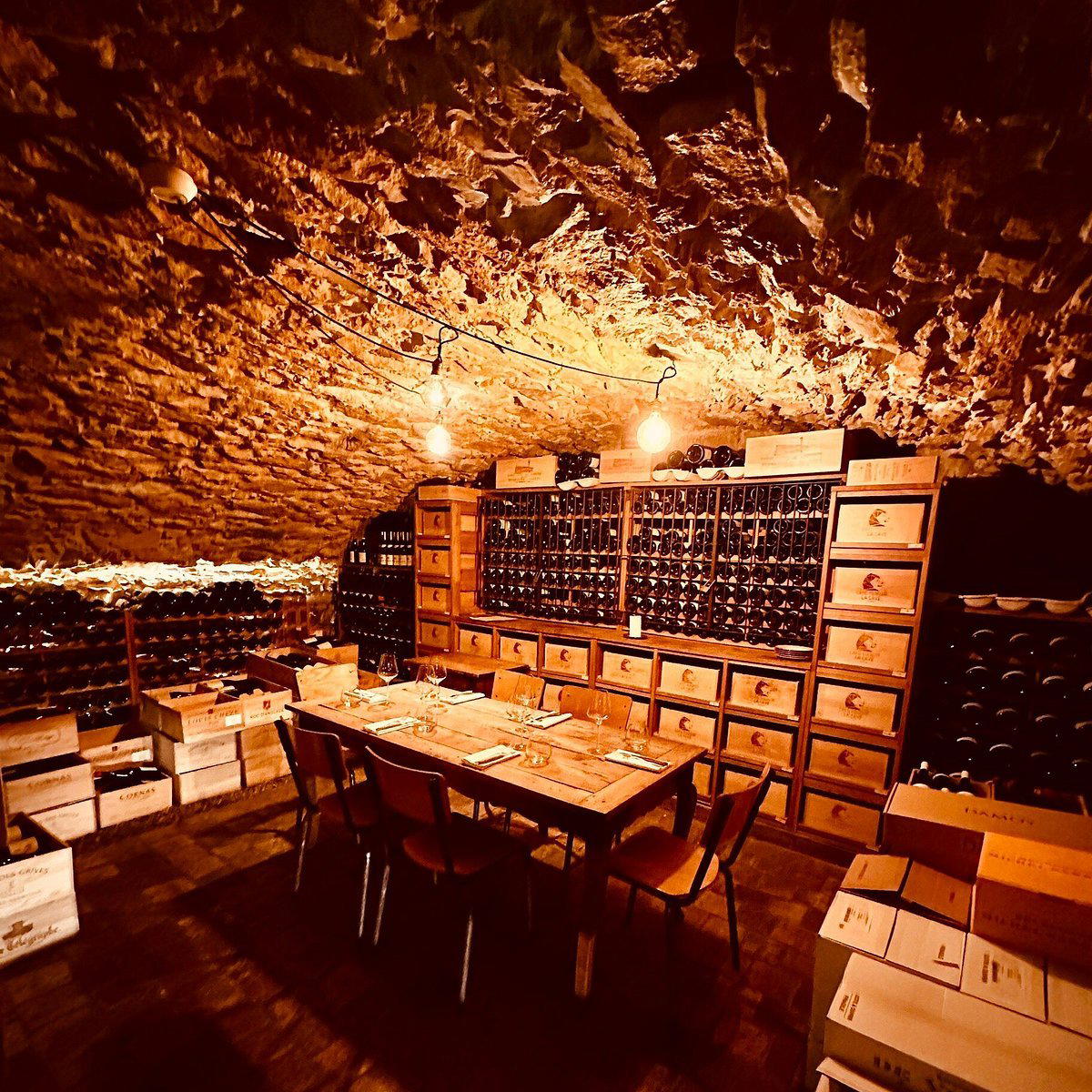
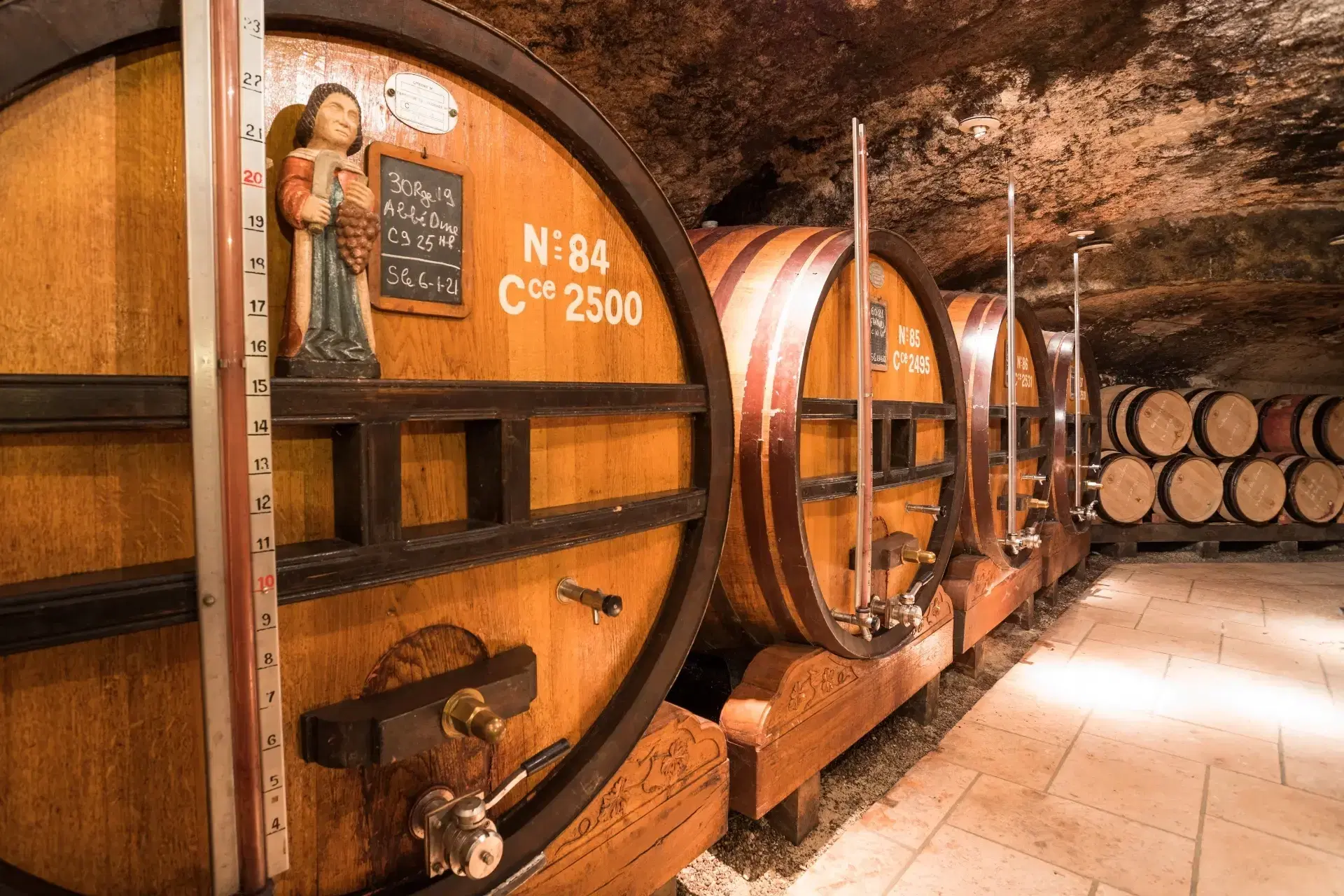
Cozy and convivial atmosphere in an intimate, atypical setting with two facing rooms.