
1 Michelin Star
Our verdict
The chef draws from his great-grandmother's recipes and presents a multi-course format with detailed commentary.

Pearl is the En Primeur Club membership app — saves, bookings, and concierge access live there. Same editors, same standards.
- Address
- Trakų gatvė 14, Vilnius, Vilnius Region, 01132, LTU
- Phone
- +370 622 11775
- Hours
- Mon–Tue ClosedWed–Sat 5:30 PM–12 AMSun Closed
- Website
- deeproots.lt
- Directions
- Get directions
- Booking
- Book on SevenRooms
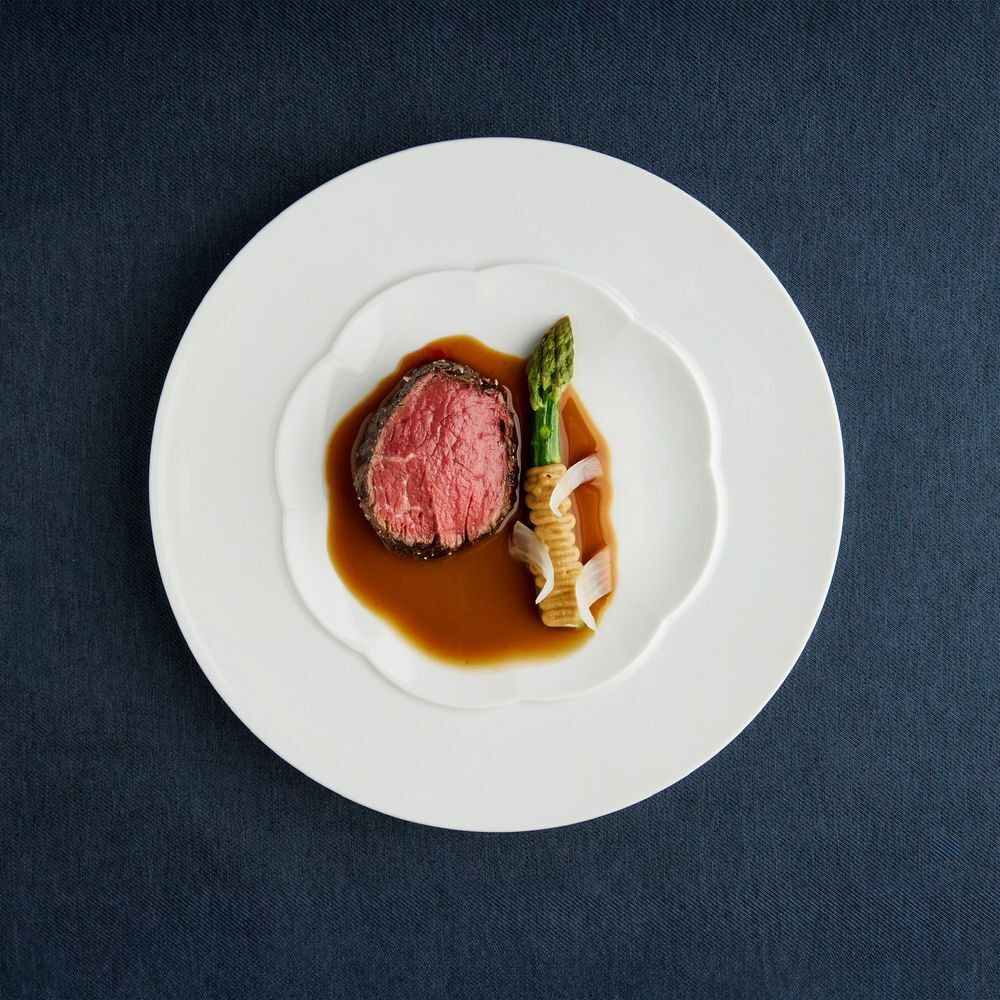
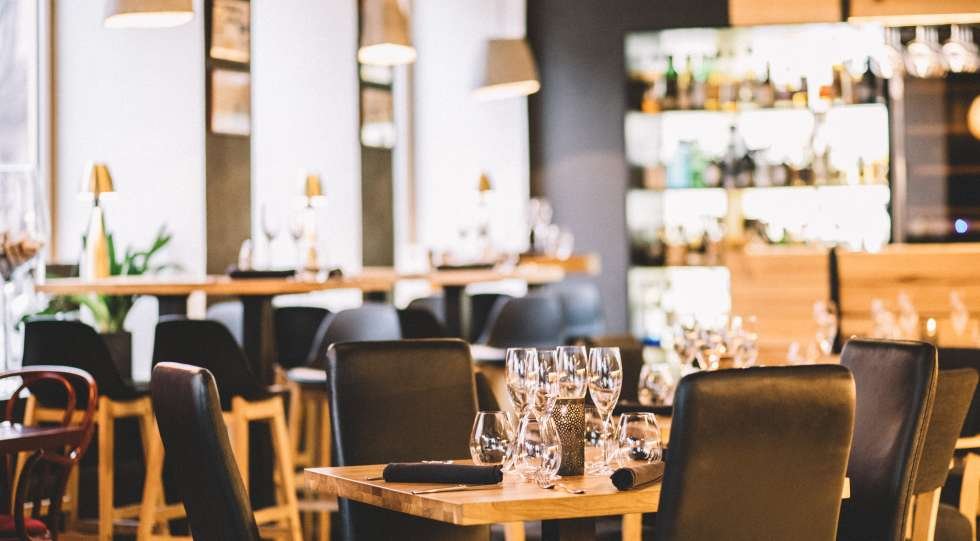
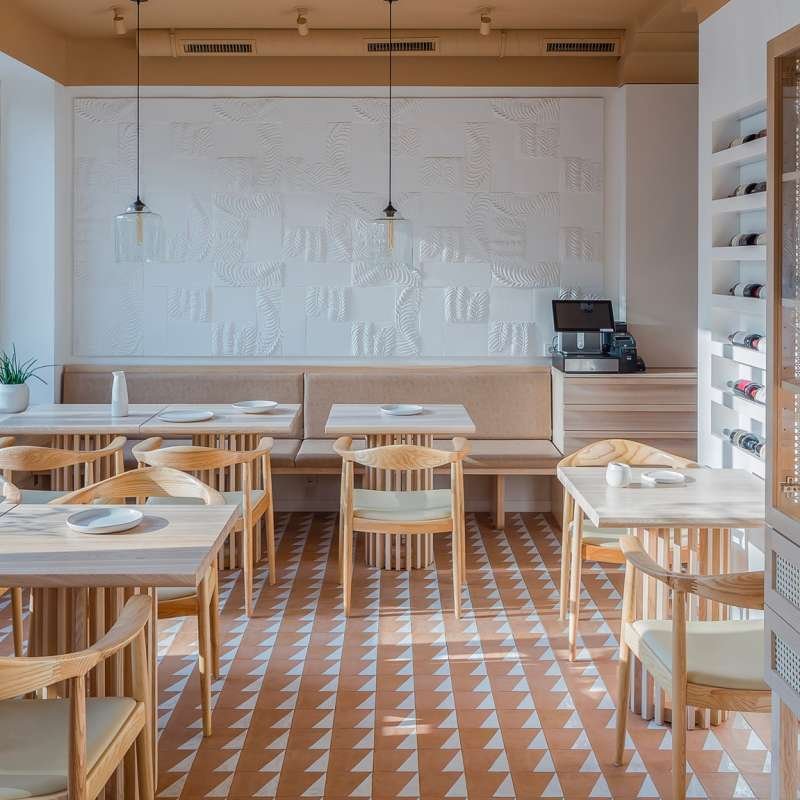
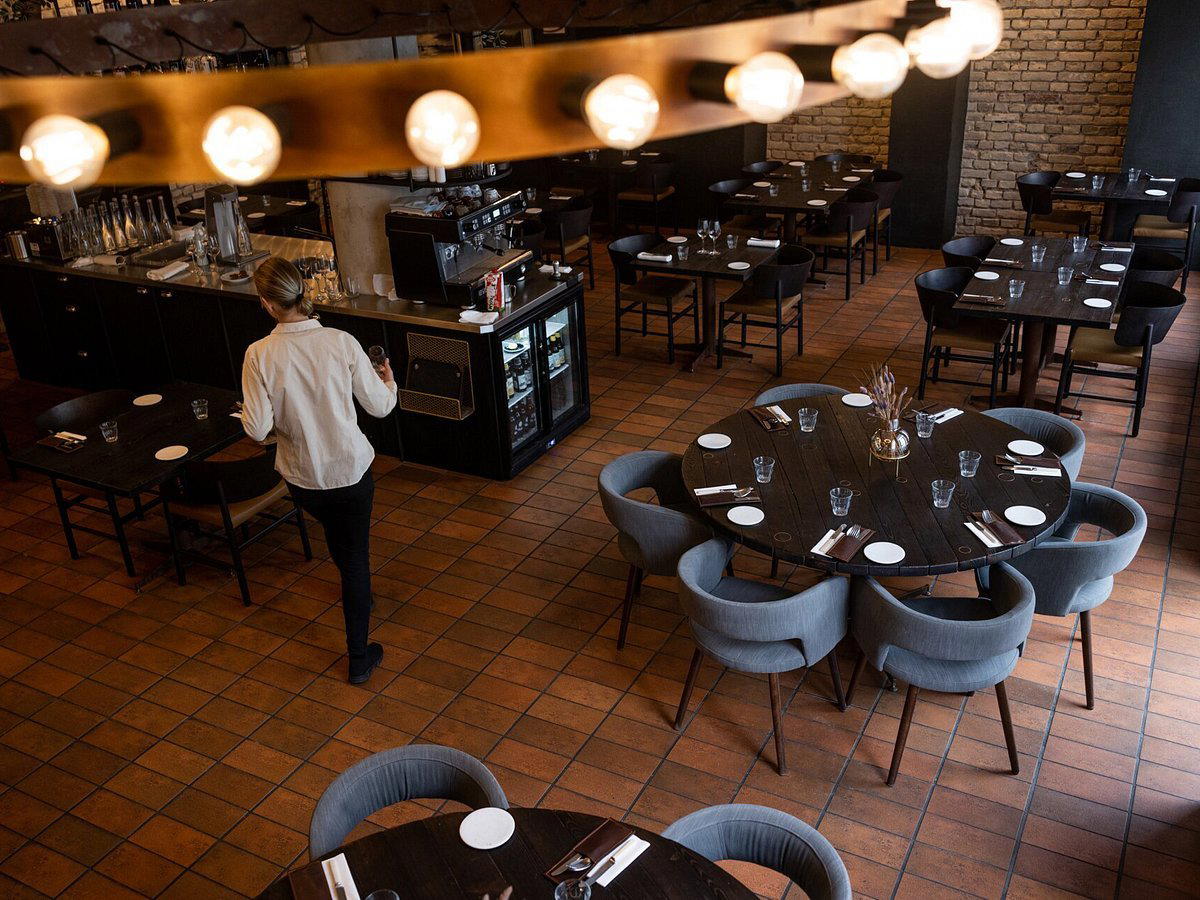
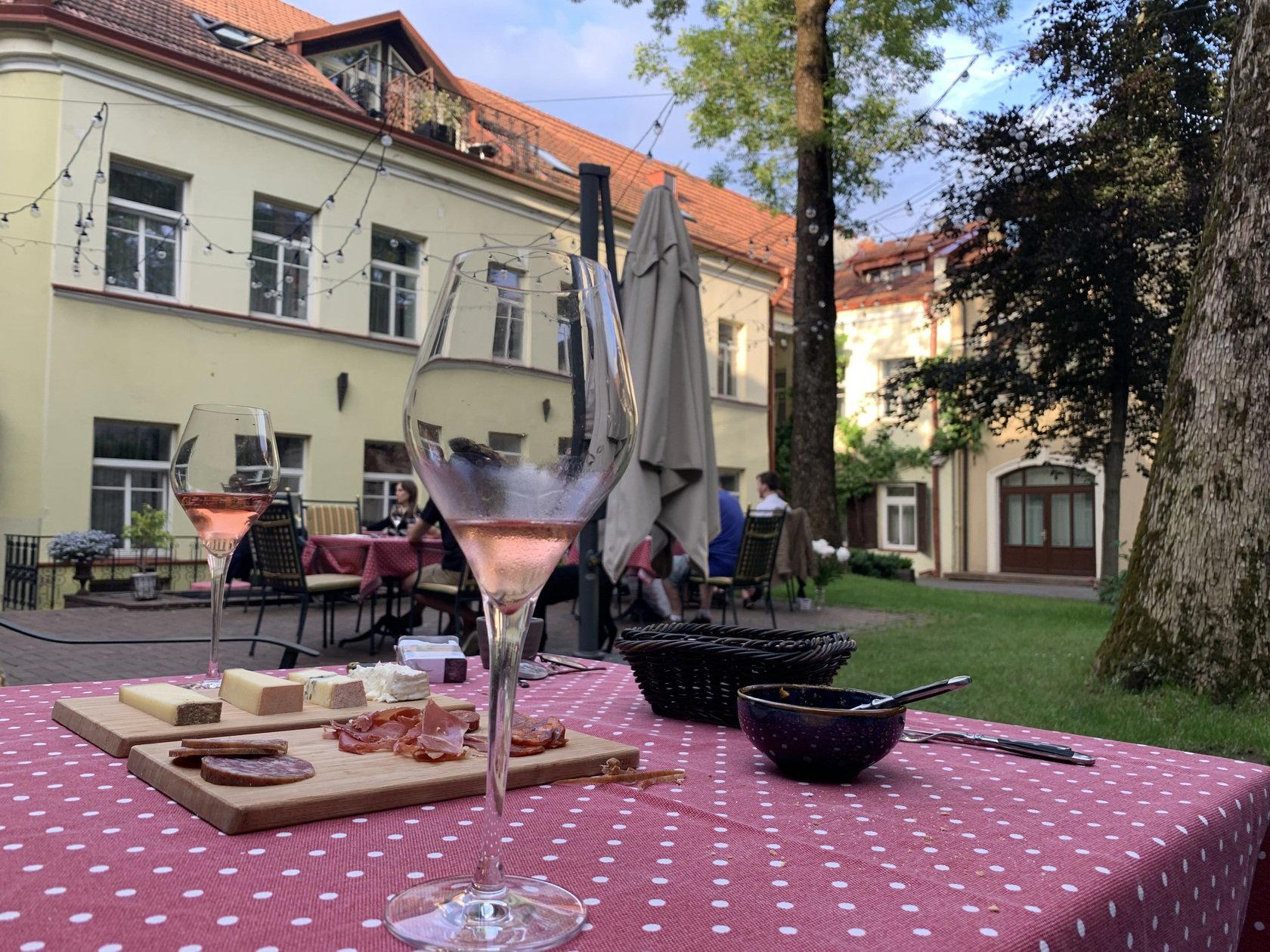
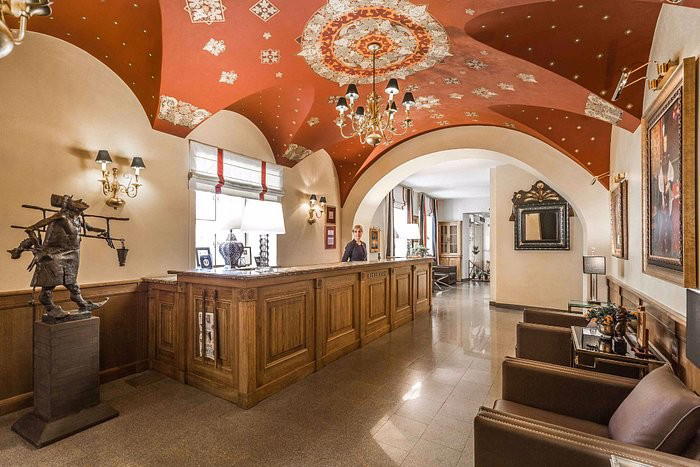
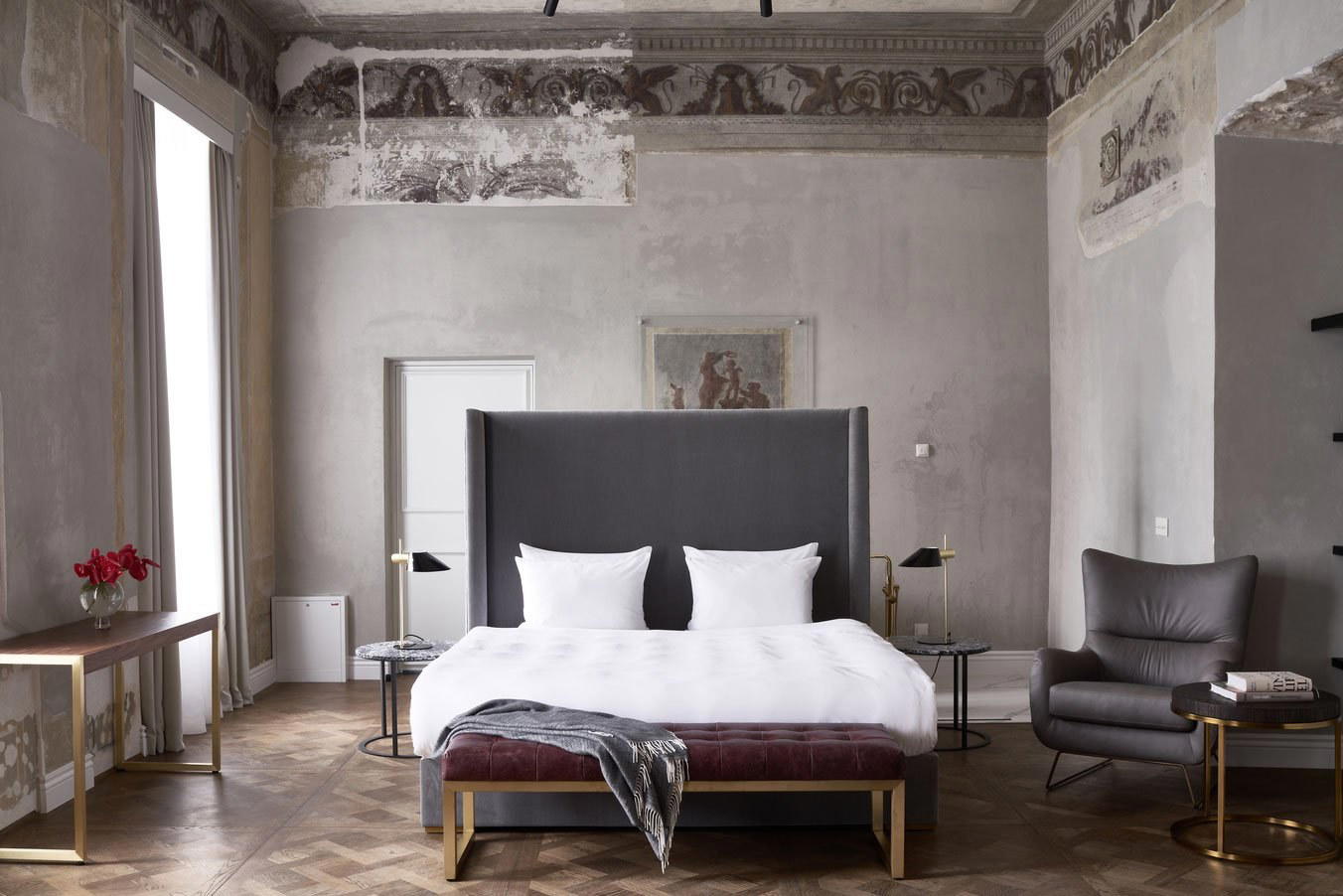
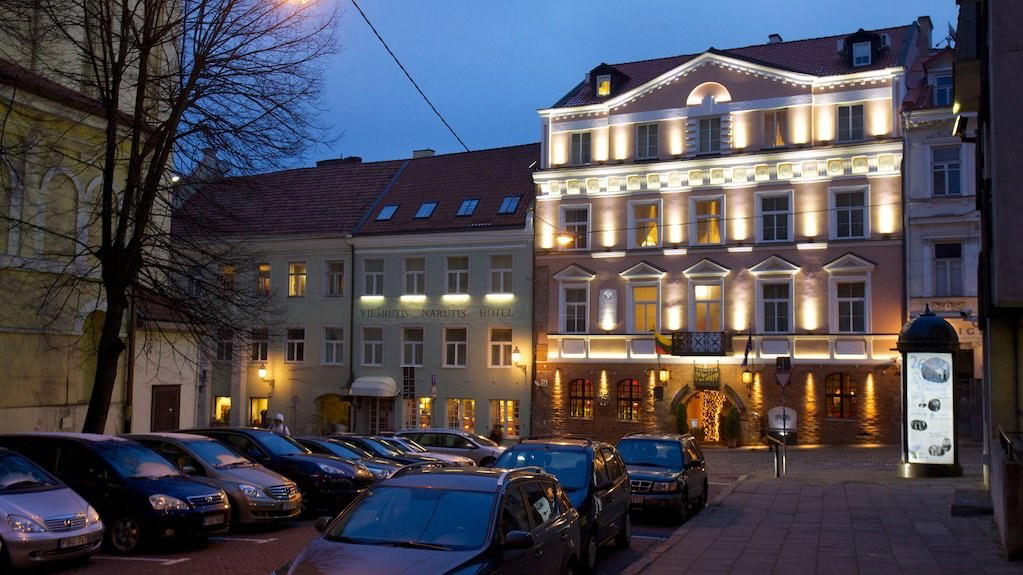
The building on Trakų gatvė dates to the 17th century, its walls thick enough to muffle the narrow Old Town street outside. Inside, Deep Roots occupies a space that has held various functions across four hundred years; the current iteration arrived with a deliberate focus on Lithuanian heritage cooking, farm sourcing, and a nose-to-tail philosophy that treats animal protein as a finite resource. The chef greets arrivals with a shot of Lithuanian moonshine, a practical reset before a meal that requires attention. The 2024 guide notation highlights the venue's originality and flavor confidence. In a city where the fine-dining scene remains concentrated in a handful of addresses, guide placement acts as a meaningful sorting mechanism for visitors with limited time. Deep Roots shares that recognition tier with other ingredient-forward operators, but its family-recipe framework and farm integration offer a distinct angle within the group. The venue does not pursue Michelin stars or international ranking lists; its ambition is local and conceptual rather than promotional. The city draws a modest but engaged food-tourism audience, primarily from Northern and Central Europe, and the local market has demonstrated willingness to pay for ingredient transparency and culinary storytelling. Deep Roots benefits from that context but does not depend on it; the format is built for repeat local visitors as much as travelers.enprimeurclub.enprimeurclub. The Old Town location is walkable from most hotels, and the 17th-century setting provides architectural context that many newer venues lack. The venue does not offer private dining or chef's-table seating; the format is communal in spirit, even if tables are separated. Deep Roots represents a strand of Lithuanian cooking that prioritizes memory, material sourcing, and technical restraint over spectacle. It is not the only venue pursuing that direction, but it is one of the few with guide recognition and a coherent farm-to-table model. The moonshine greeting, the lengthy course explanations, and the bold flavors distinguish it from more restrained competitors. For visitors seeking Lithuanian cuisine grounded in place and family history, Deep Roots delivers a focused, information-rich experience that avoids both folklore cliché and international fine-dining homogeneity. If the city continues to attract ingredient-led chefs and farm partnerships expand, Deep Roots will remain part of a growing conversation. If the market shifts toward lower-price, higher-volume formats, the venue's fixed-menu model and farm-sourcing costs may become harder to sustain. For now, it operates in a stable niche with local support and international recognition, and the 2024 guide placement confirms its relevance within that tier.enprimeurclub.
Frequently asked questions
Is Deep Roots okay with children?
The 17th-century building houses a fixed-menu format that runs multiple courses with lengthy chef explanations and opens with a shot of Lithuanian moonshine. Families with older children interested in heritage cooking may find it manageable, though the format and pacing are designed for adult engagement. The ownership has not published a formal children's policy.
What should I expect atmosphere-wise at Deep Roots?
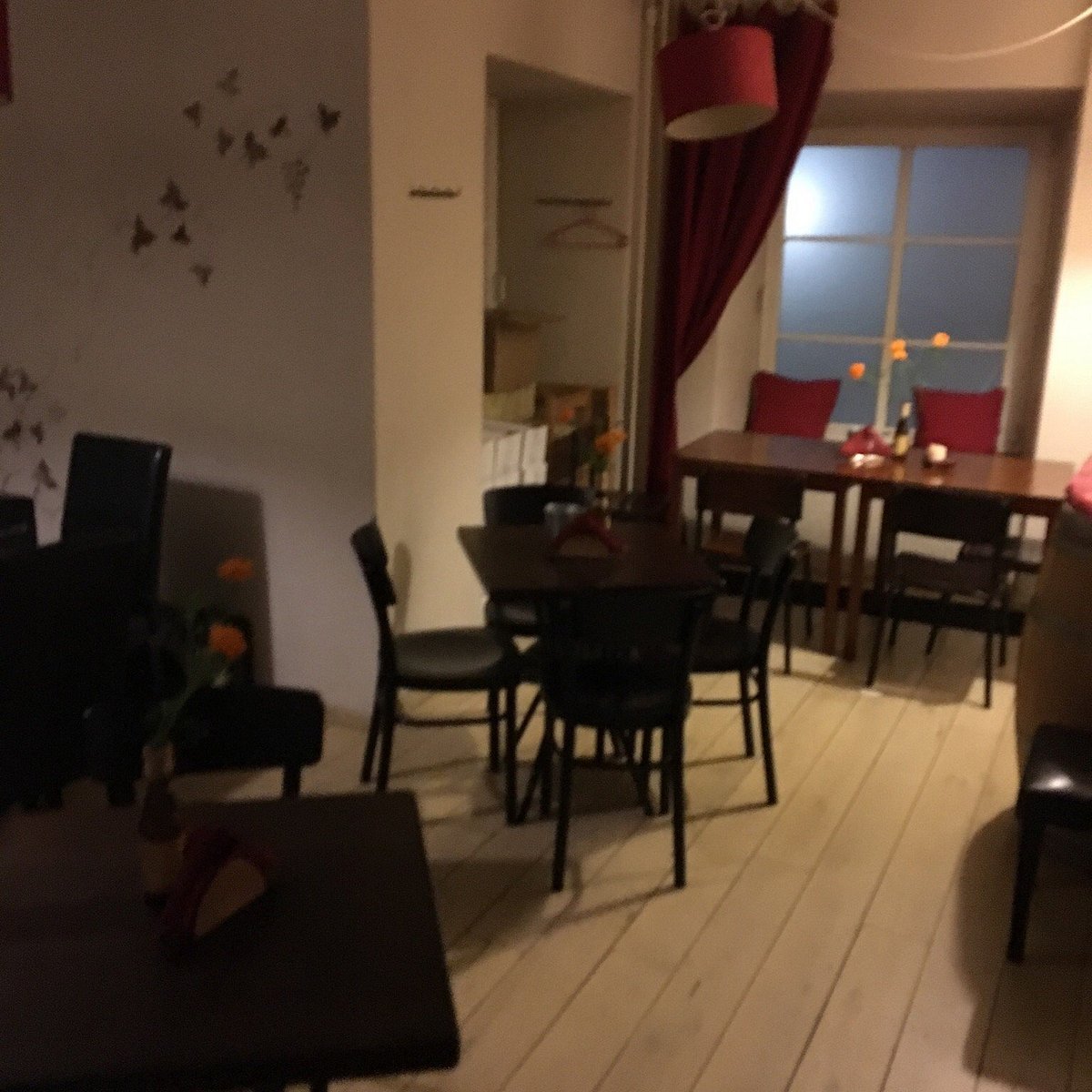
The dining room occupies a 17th-century heritage building on Trakų gatvė in central Vilnius. The chef presents each dish with detailed explanations tied to childhood memories and great-grandmother recipes, creating a narrative-driven experience. The meal begins with Lithuanian moonshine, setting a tone that favours storytelling and connection over formality.
What kind of recognition has Deep Roots received?
Deep Roots has received recognition including: The roots of this heritage building sit back in the 17th century, but the moniker means much more than this, with the owners naming it to be: “About home, about connection, about roots. About where we come from and where we are going”. With….
Where exactly is Deep Roots?
Deep Roots is located at Trakų gatvė 14, Vilnius, Vilnius Region, 01132, LTU, Vilnius.
How far ahead should I plan for Deep Roots?
Deep Roots does not publish reservation windows or booking policies on its website. Given the fixed-menu format and farm-sourced ingredients from Radiškis, securing a table two to four weeks ahead during high season is prudent. check the venue's official channels via the address at Trakų gatvė 14 for current availability.
What's the defining dish or idea at Deep Roots?
The kitchen builds its menu around nose-to-tail cooking inspired by the chef's great-grandmother's recipes, with protein and produce sourced from the ownership's farm in Radiškis, 160 kilometres northwest of Vilnius. The format prioritises boldly flavoured dishes rooted in Lithuanian childhood memory rather than a single signature plate. Each course is introduced with lengthy explanations connecting ingredient to origin.
Side-by-Side Snapshot
Comparable venues by cuisine and price in the same metro.
| Venue | Cuisine | Price | Awards |
|---|---|---|---|
| Deep RootsThis venue — the venue you are viewing | Modern Farm-to-Table Fine Dining | $50–100 | 1 Michelin Star |
| Buff On | Modern meat & wine steakhouse | $50–100 | Michelin Plate |
| Justa Pasta | Modern Italian Pasta | $20–30 | Michelin Plate |
| Skóg | Nordic-inspired Lithuanian tasting menu | $150–200 | Michelin Plate |
| Somm | Fusion, Modern Cuisine | Not listed | Not listed |
| SOMM The Wine Bar | Modern European Wine Bar | $50–100 | Michelin Plate · Star Wine List |
Recognition history
Dated appearances from independent guides and award organizations, with the underlying list record or original source where available.
Michelin 1 Star
Michelin
Details
- Sophisticated
- Intimate
- Cozy
- Elegant
- Date Night
- Special Occasion
- Celebration
- Private Event
- Chefs Counter
- Open Kitchen
- Design Destination
- Standalone
- Sommelier Led
- Farm To Table
- Local Sourcing
- Tasting Menu
- Set Menu
- Prix Fixe
- Counter Dining
- Wine
- Vegetarian Friendly
- Allergy Accommodating
Current opening hours
- Monday
- Closed
- Tuesday
- Closed
- Wednesday
- 5:30 PM–12 AM
- Thursday
- 5:30 PM–12 AM
- Friday
- 5:30 PM–12 AM
- Saturday
- 5:30 PM–12 AM
- Sunday
- Closed
Hours can change for holidays and private events. Last verified .
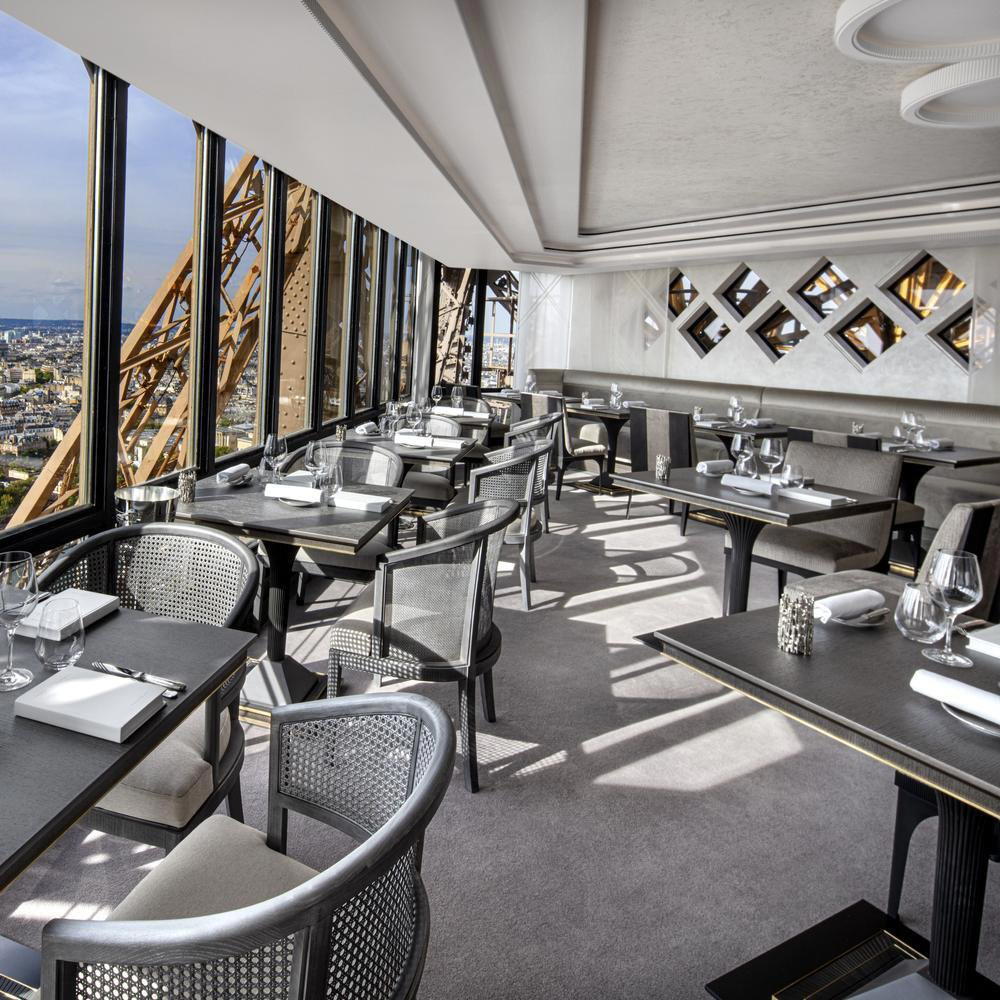
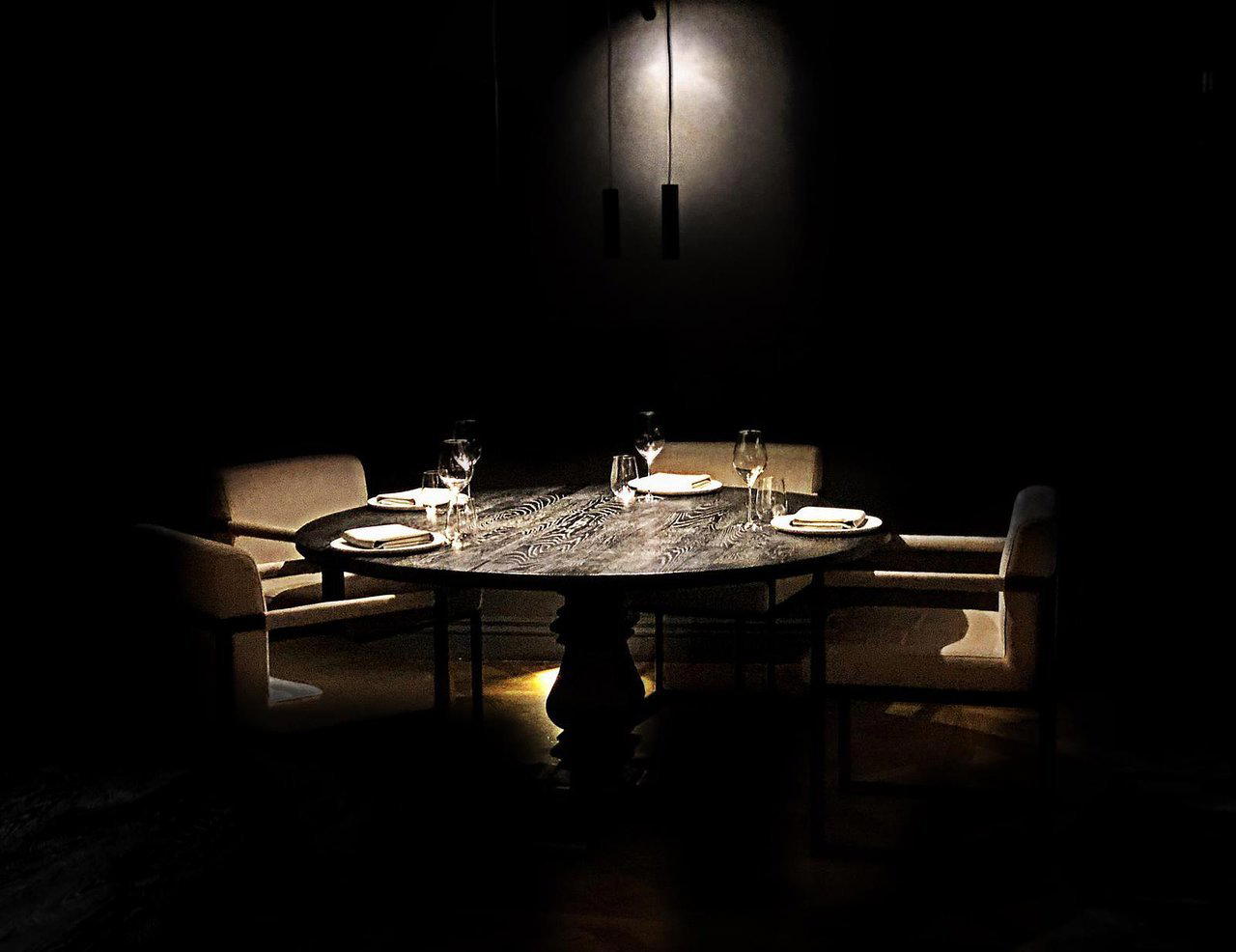
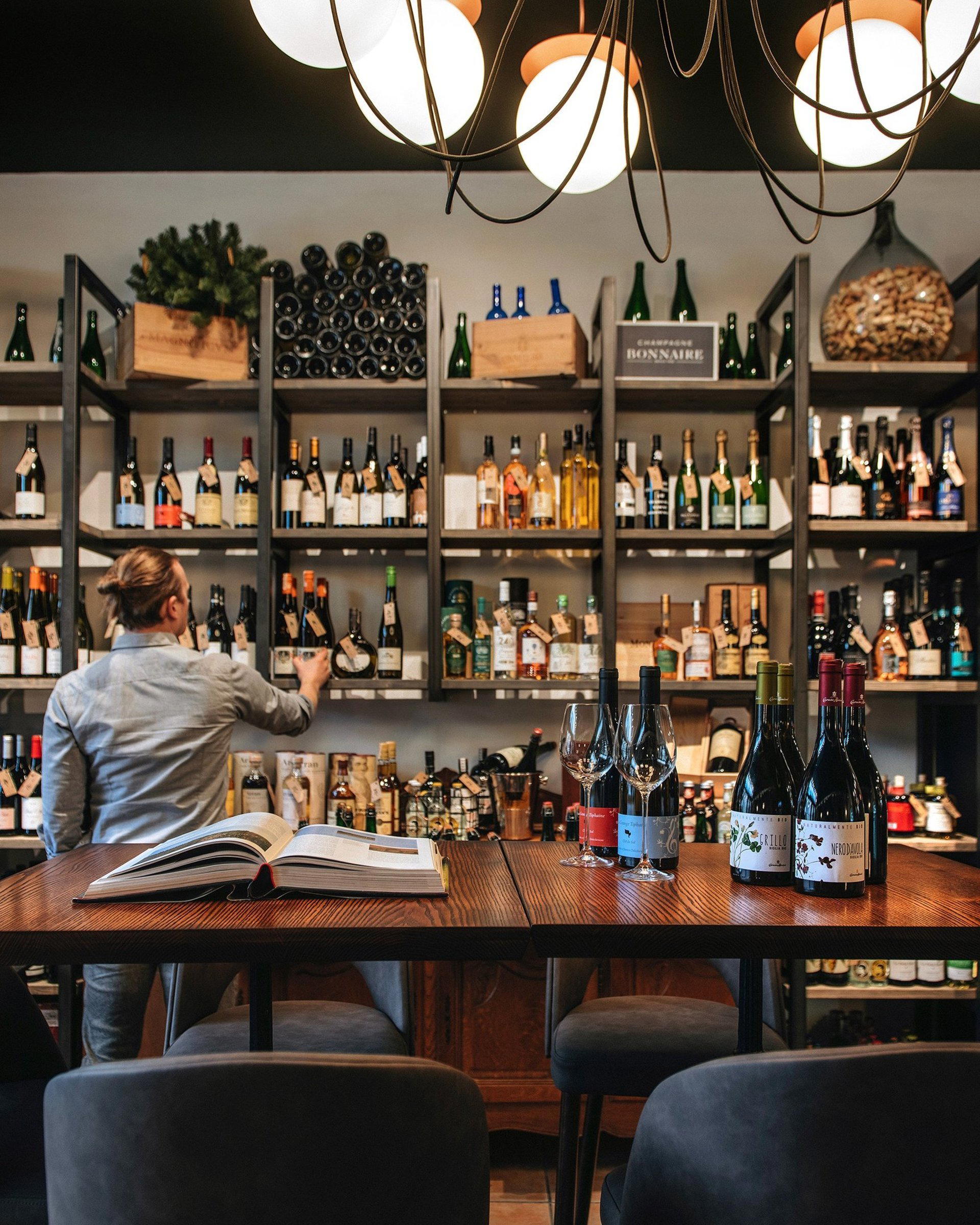
An intimate, slow-paced fine-dining room focused on quiet attention to detail, storytelling, and a polished gastronomic experience.