Cäsar Ritz

Cäsar Ritz brings classical Swiss cooking to Saas-Fee's car-free village centre, where Chef Christopher Cullum works within a tradition that prizes Alpine-sourced ingredients and precise technique. Recognised with the Cooking Classics highlight, the restaurant occupies a specific niche in Switzerland's mountain dining scene, one that values restraint and regional identity over novelty.
Pearl is the En Primeur Club membership app — saves, bookings, and concierge access live there. Same editors, same standards.
- Address
- Dorfweg 1, 3906 Saas-Fee, Switzerland
- Phone
- +41 27 958 19 00
- Website
- walliserhof-saasfee.ch
- Directions
- Get directions
 Saves & bookings on Pearl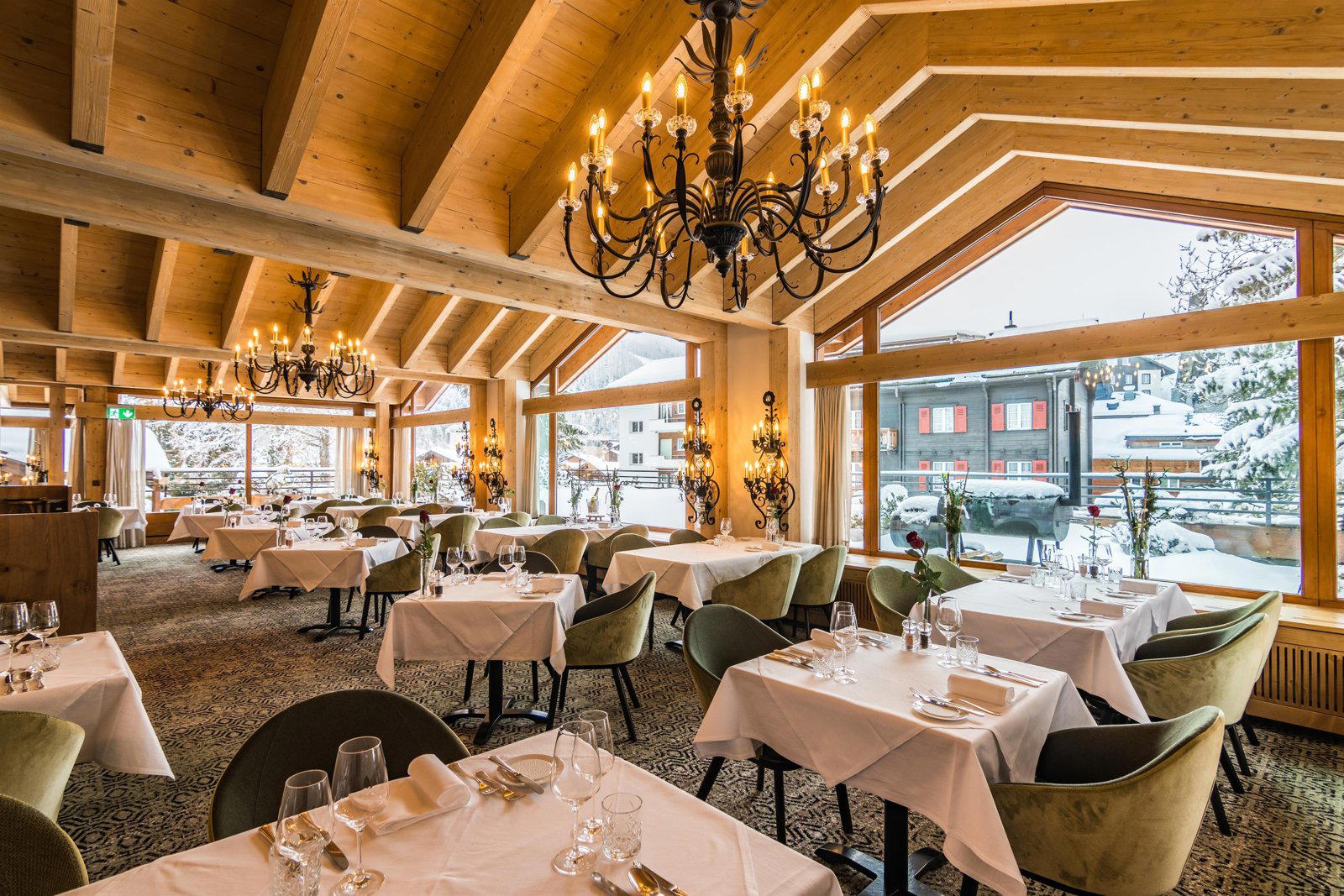
Where the Alps Set the Menu
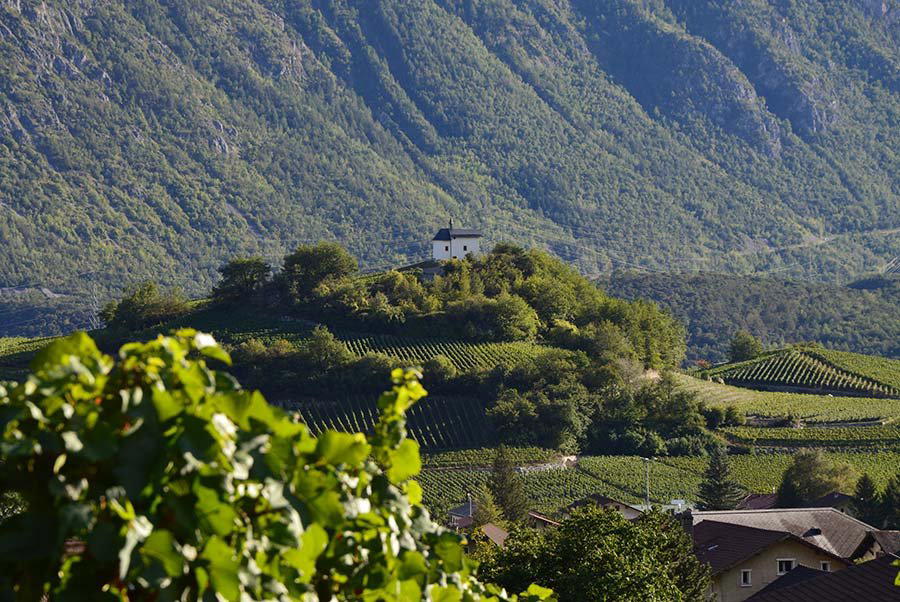
Saas-Fee sits at 1,800 metres in the Valais canton, a car-free village ringed by thirteen of Switzerland's highest peaks. The altitude and isolation that define the place also shape what ends up on the plate. Mountain communities across the Swiss Alps have long maintained a kitchen logic driven by necessity and proximity: cheese from the valley's own herds, cured meats through winter, root vegetables from short summer growing seasons. Cäsar Ritz, on Dorfweg 1 in the village centre, works within that tradition deliberately.
The restaurant takes its name from César Ritz, the hotelier born in the Valais canton in 1850 whose career redefined European hospitality standards. That reference is not decorative. It signals an orientation toward classical craft and Swiss identity at a time when many Alpine resort restaurants have drifted toward international fusion or purely seasonal novelty. The naming choice places the kitchen in a specific conversation about what Swiss cuisine actually is and where it draws its authority from.
Ingredient Sourcing in an Alpine Context
Switzerland's mountain kitchens operate under constraints that shape their character in ways lowland restaurants rarely experience. Supply chains are shorter by geography, seasonal gaps are more pronounced, and the leading locally sourced products, whether Walliser Roggenbrot, raclette from Visp-area producers, or game from the surrounding mountains, carry a provenance that is both traceable and meaningful. What arrives on the table in a village like Saas-Fee reflects not a trend toward local sourcing but a longstanding material reality: proximity to the source has always been the default.
Chef Christopher Cullum works within Swiss cuisine at a restaurant recognised with the Cooking Classics highlight, a designation that points toward mastery of established technique rather than deviation from it. In practice, that means a kitchen more likely to honour the discipline of a Geschnetzeltes or a Valais-style meat preparation than to reimagine it beyond recognition. The Cooking Classics recognition places Cäsar Ritz in a distinct bracket from the country's Michelin-starred modernist programmes, restaurants like Schloss Schauenstein in Fürstenau, Memories in Bad Ragaz, or focus ATELIER in Vitznau, which operate at a different register of technical ambition and price point.
That distinction matters for the traveller deciding where to eat in the Swiss Alps. The case for a classics-oriented kitchen is not that it lacks ambition but that its ambition is pointed in a different direction: toward the faithful execution of dishes that encode a region's agricultural and culinary history. In Saas-Fee, surrounded by the Valais landscape that produced some of Switzerland's most character-driven raw ingredients, that approach carries genuine weight.
The Saas-Fee Dining Context
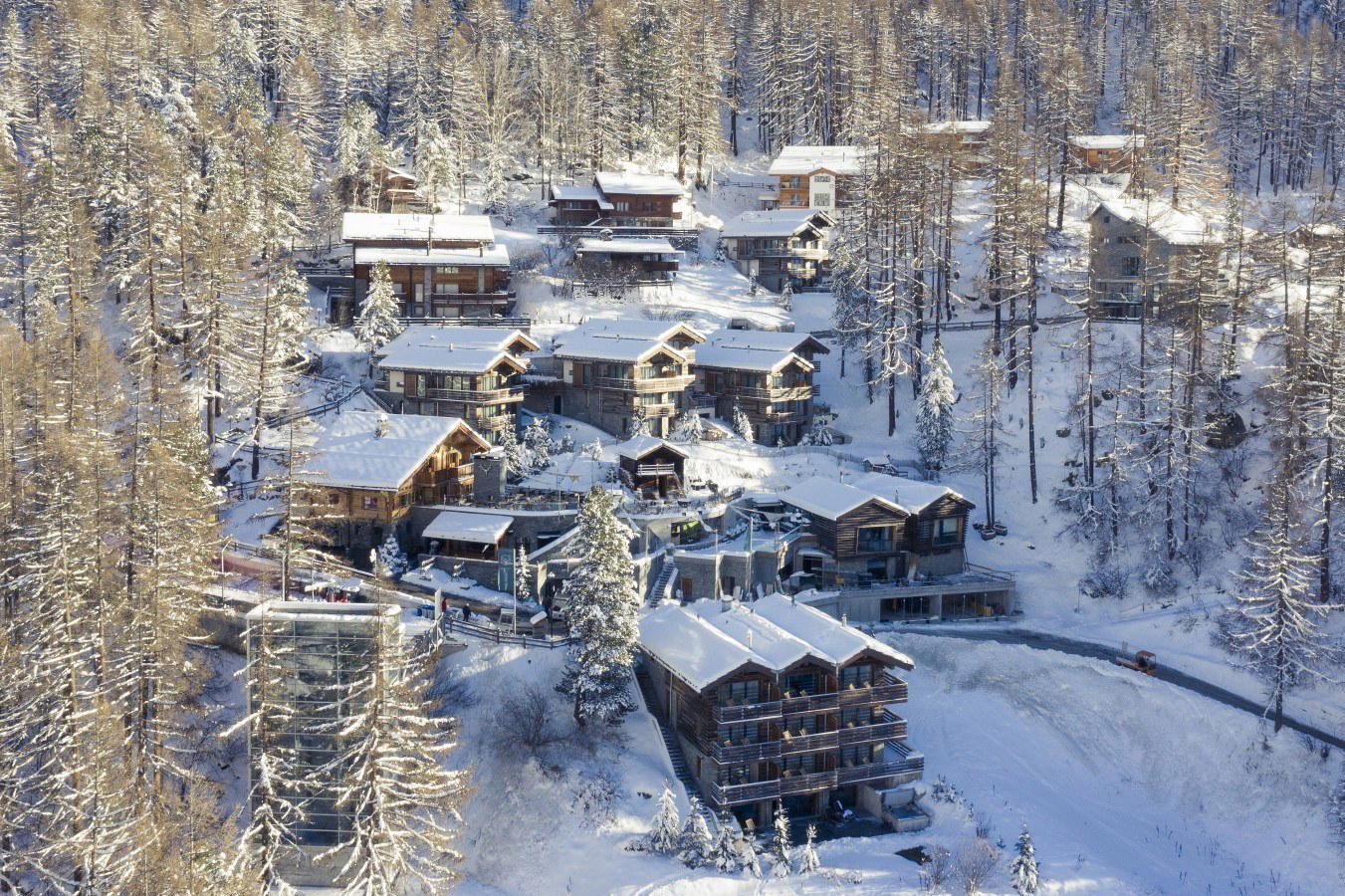
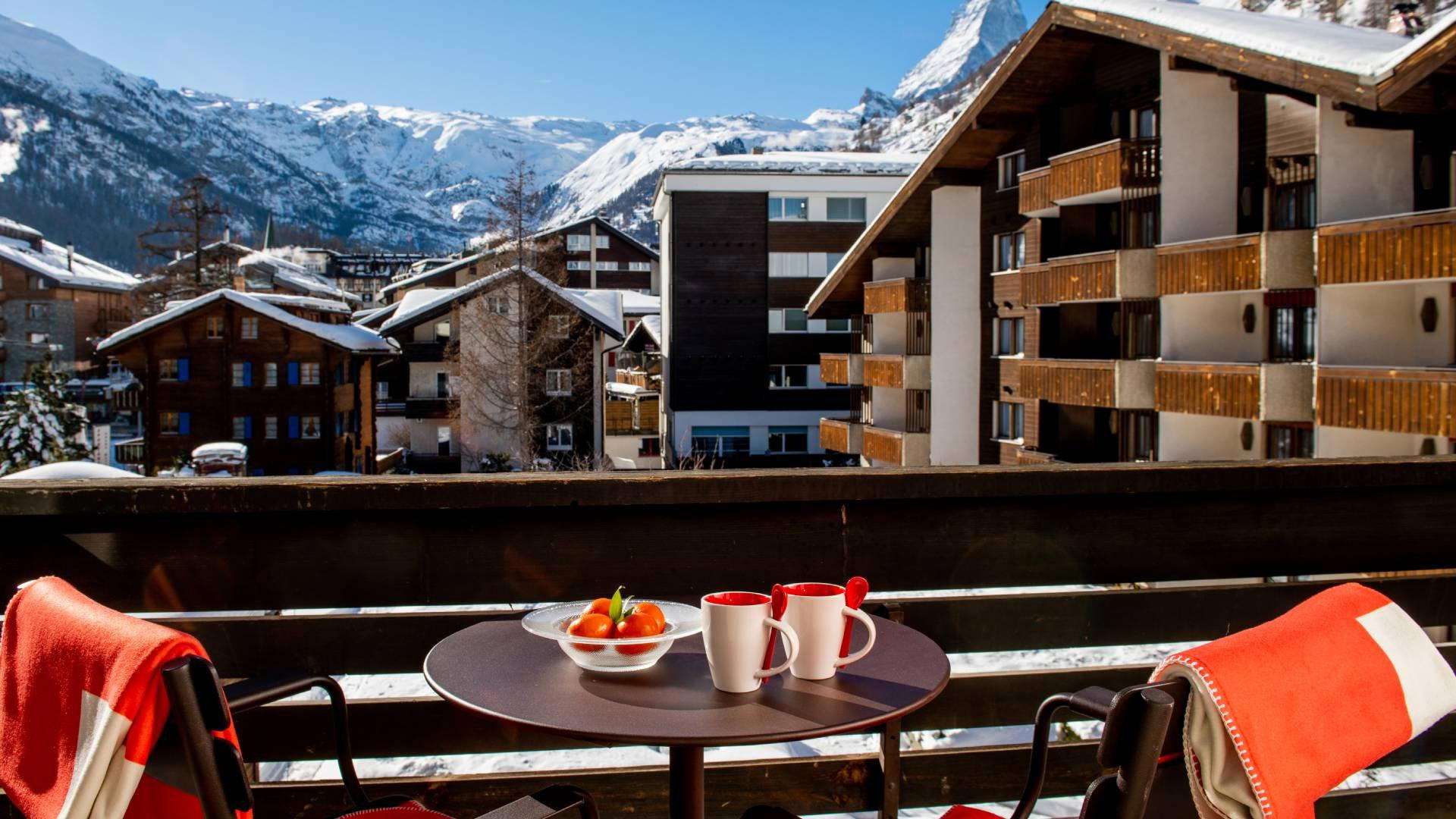
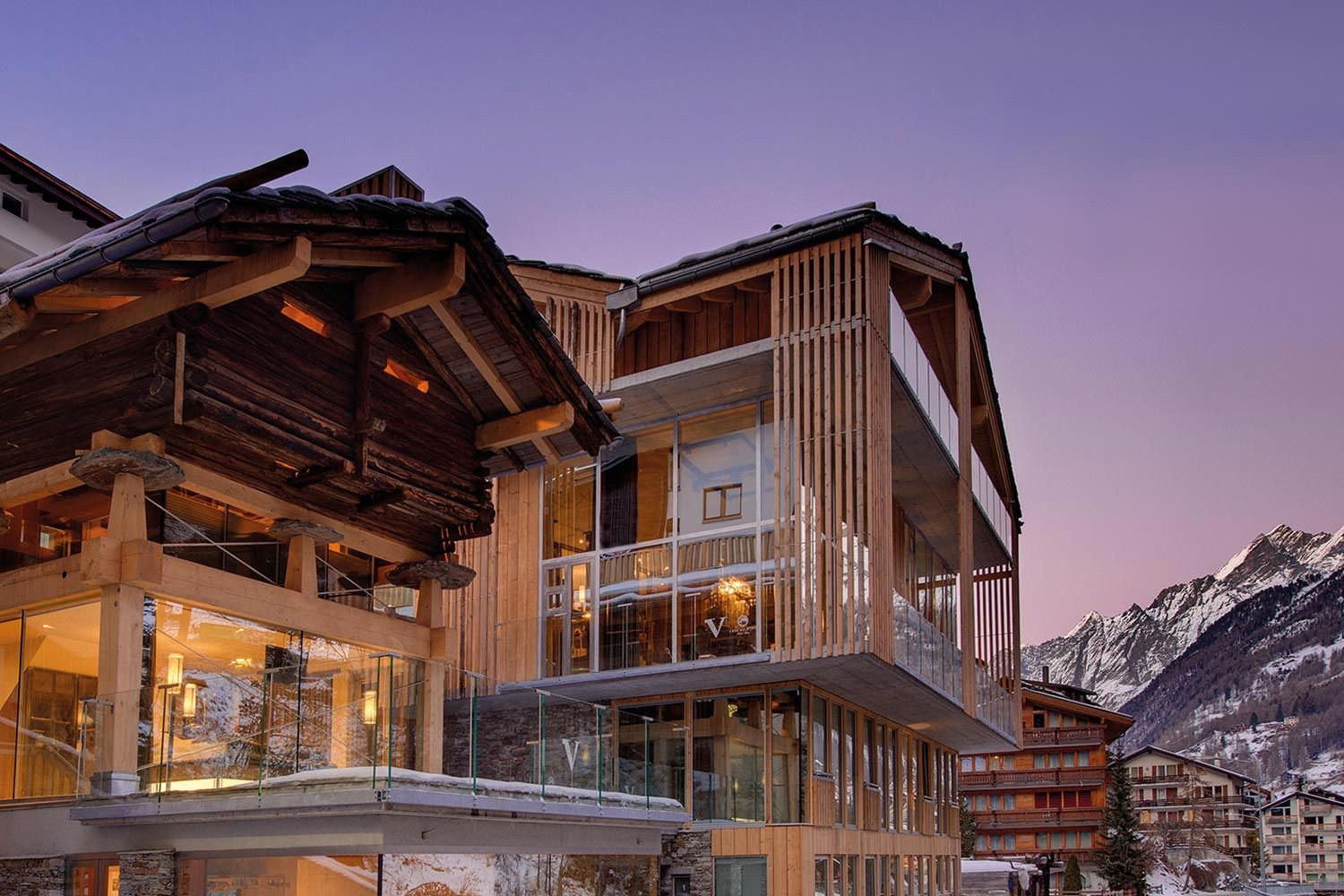
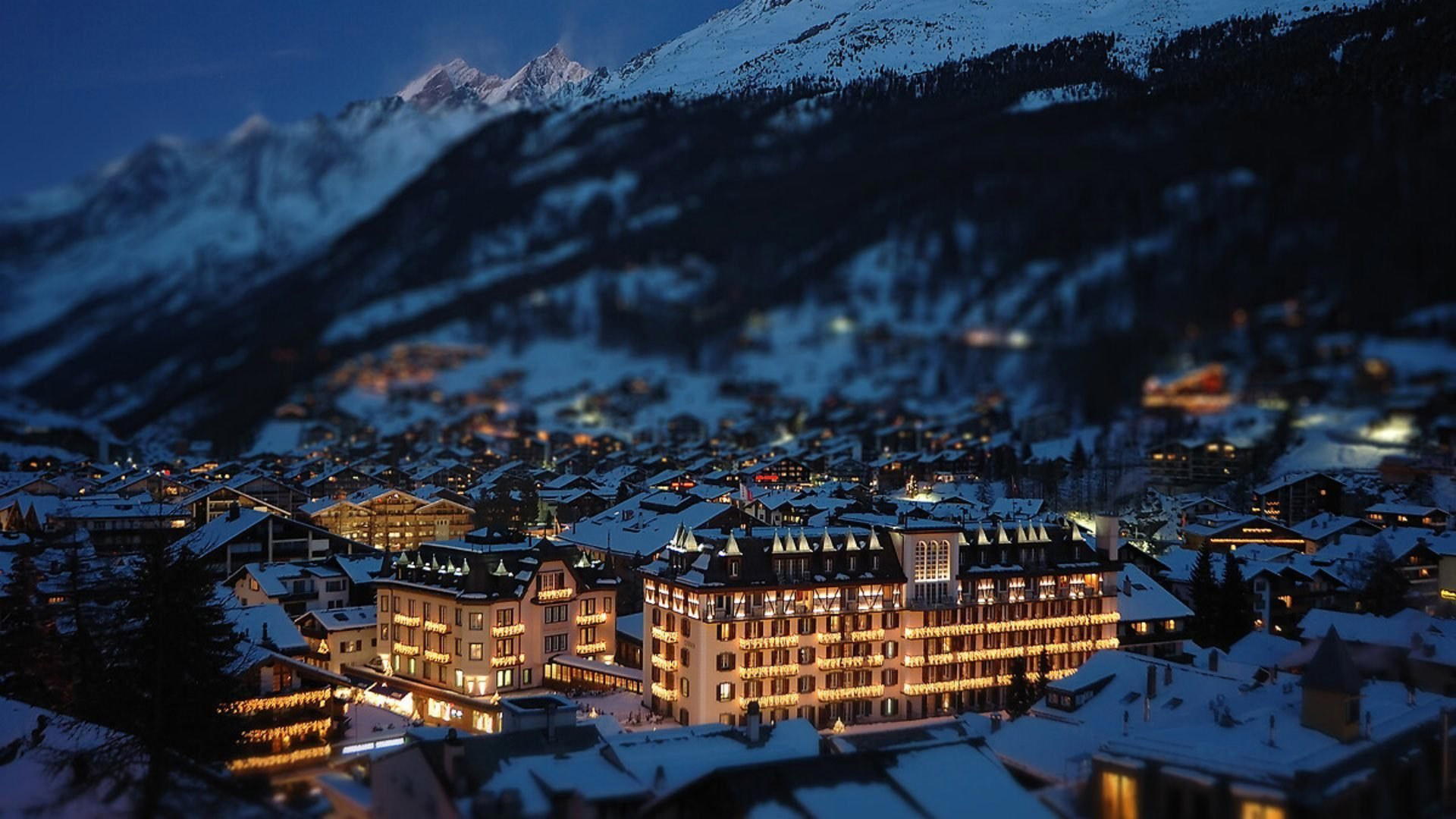
The village's status as a pedestrian zone means the approach to any restaurant involves a walk through a setting largely unchanged in its essential character for decades. The combination of glacier views, traditional Walliser architecture, and an absence of motor traffic creates a particular atmospheric register, one where pace slows and meals are not rushed between activities. That context favours a kitchen that takes a classical, unhurried position rather than a trend-chasing one.
Within Saas-Fee itself, the dining scene covers a relatively narrow range compared to larger Swiss resort towns. For visitors exploring the full picture, Brasserie 1809 and Zer Schlucht represent other points on the local spectrum. Our full Saas-Fee restaurants guide maps those options clearly, alongside bars, hotels, wineries, and experiences across the village.
Swiss Classics Dining Across the Country
For context on where classical Swiss cooking sits nationally, the country's fine dining tier is primarily represented by modernist and creative kitchens. Hotel de Ville Crissier in Crissier, Cheval Blanc by Peter Knogl in Basel, and Colonnade in Lucerne each anchor their respective cities with technically sophisticated programmes. At the Alpine resort level, Da Vittorio in St. Moritz and 7132 Silver in Vals demonstrate the range of what high-altitude dining can mean in Switzerland. Among Swiss cuisine specifically, Alex Restaurant in Thalwil, Grand Restaurant in Pontresina, and Einstein Gourmet in Sankt Gallen all show how the category reads across different Swiss regions and settings.
Cäsar Ritz operates at a point in that national map where regional identity and classical technique are the primary measures of quality, not Michelin star count or tasting-menu ambition.
Planning Your Visit
Saas-Fee is accessible by road to Saas-Fee village itself, where a car park sits at the village entrance; from there, the pedestrian zone requires walking or use of the village's electric taxi service. Cäsar Ritz is located on Dorfweg 1, which places it within a short walk of the village centre. Given the limited number of restaurants in Saas-Fee and the concentrated demand during ski season (December through April) and summer hiking months (July through September), reservations are advisable for dinner service. Winter weekends in particular see the village operating at capacity, and classical Swiss restaurants at this altitude tend to fill early in the evening. Visitors combining dinner with time in the Valais more broadly should note that the region's own wine production, particularly Fendant and Dôle from the Rhône valley floor, pairs naturally with the kind of Alpine cooking this kitchen practises.
Frequently Asked Questions
- Is Cäsar Ritz child-friendly? With no published price range and a classical Swiss format in a Valais mountain village, this is a sit-down restaurant rather than a casual family stop, so gauge your group accordingly.
- How would you describe the vibe at Cäsar Ritz? If you are drawn to Saas-Fee for its unhurried, car-free character and want a dining room that mirrors that register, Cäsar Ritz fits: a classical Swiss kitchen with a Cooking Classics recognition in a village that has kept its identity intact longer than most Alpine resorts. If you are expecting the theatrical modernism of Switzerland's leading Michelin tables, the positioning here is deliberately different.
- What dish is Cäsar Ritz famous for? No specific signature dish is documented in available records, but the Cooking Classics recognition under Chef Christopher Cullum points to mastery of established Swiss preparations, the kind of cooking that the Swiss cuisine category is built on, rather than a headline dish designed for social media.
How Cäsar Ritz Saas-Fee compares with similar nearby venues.
| Venue | Cuisine | Price | Awards |
|---|---|---|---|
| Cäsar Ritz | Swiss Cuisine | Not listed | Relais Chateaux Award (2026) |
| Zer Schlucht | Seasonal Cuisine | €€ | Not listed |
| Alex Restaurant | Swiss Cuisine | Not listed | Not listed |
| In Lain Hotel Cadonau | Swiss Cuisine | Not listed | Not listed |
Recognition history
Dated appearances from independent guides and award organizations, with the underlying list record or original source where available.
Relais Chateaux Award
Relais Chateaux
Relais Chateaux Award
Relais Chateaux
Continue exploring
More in Saas-Fee
Restaurants in Saas-Fee
Browse all →
Bars in Saas-Fee
Browse all →
Hotels in Saas-Fee
Browse all →


At a Glance
- Elegant
- Intimate
- Sophisticated
- Cozy
- Date Night
- Special Occasion
- Hotel Restaurant
- Extensive Wine List
- Local Sourcing
- Mountain
Current opening hours
- Monday
- 6:30–10:30 PM
- Tuesday
- 6:30–10:30 PM
- Wednesday
- 6:30–10:30 PM
- Thursday
- 6:30–10:30 PM
- Friday
- 6:30–10:30 PM
- Saturday
- 6:30–10:30 PM
- Sunday
- 6:30–10:30 PM
Hours can change for holidays and private events. Last verified .
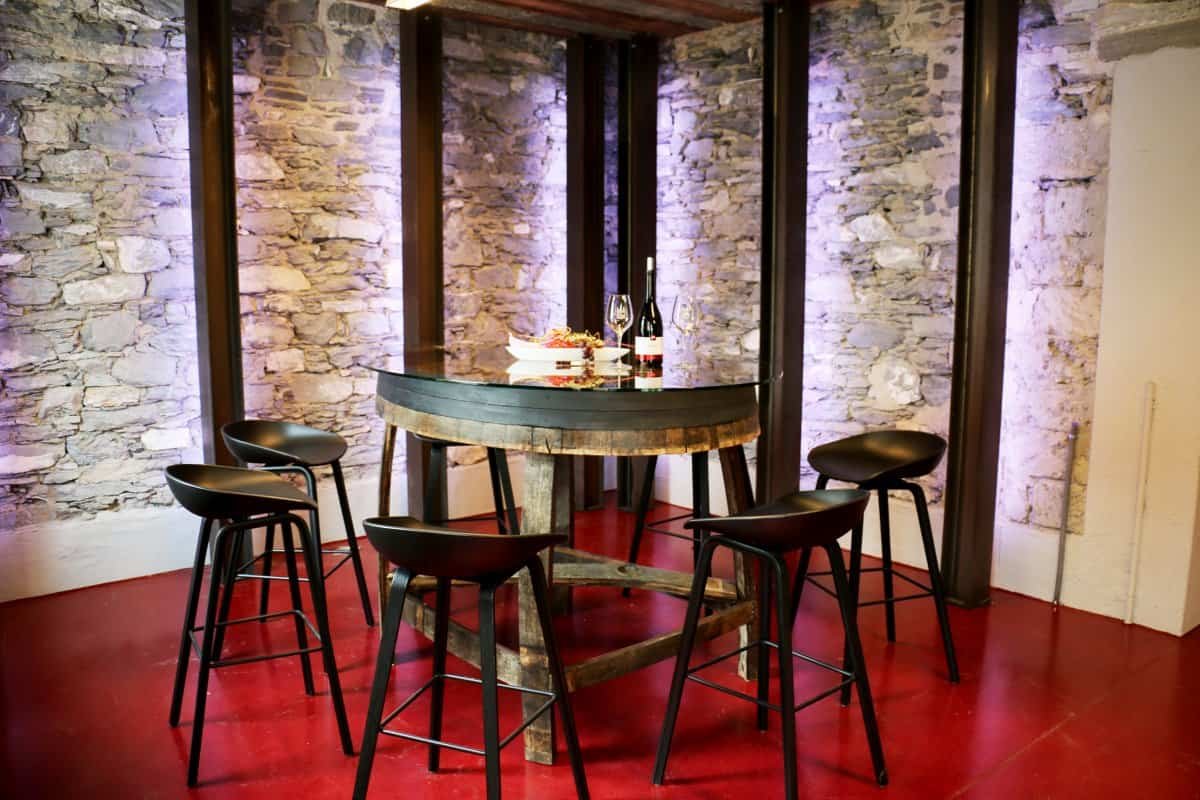
Measured and calm with crisp linens, comfortable conversation pitch, well-set tables, polished glassware, and warm lighting.
Know Before You Go
- Getting there
- Dorfweg 1, 3906 Saas-Fee, Switzerland