Chief's Creole Cafe
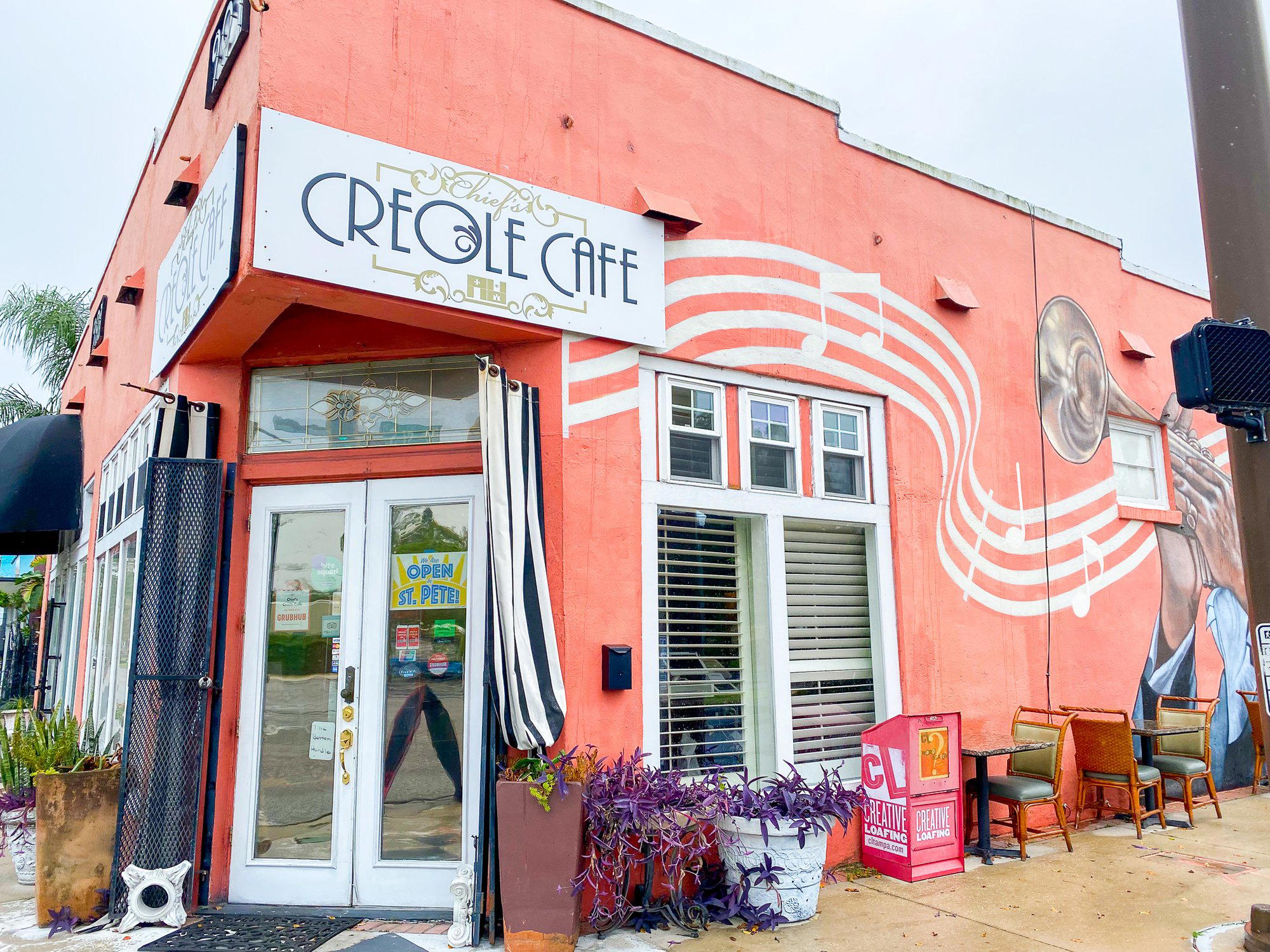
Chief's Creole Cafe occupies a corner of St. Petersburg's Midtown district at 901 22nd St S, where the Gulf Coast's pantry meets the culinary vocabulary of Louisiana and the broader African diaspora. The kitchen works the intersection where local ingredients meet inherited technique, placing it in a neighbourhood dining tier that St. Pete's more prominent waterfront restaurants rarely touch.
- Address
- 901 22nd St S, St. Petersburg, FL 33712
- Phone
- +17274988979
- Directions
- Get directions
Midtown's Creole Thread
St. Petersburg's dining conversation tends to orbit downtown and the waterfront, where the press concentrates and the foot traffic justifies higher covers. Chief's Creole Cafe is a casual Creole / Cajun restaurant at 901 22nd St S in St. Petersburg, Florida. The city's Midtown corridor, running south along 22nd Street, operates differently: it holds the older neighbourhood institutions, the community-anchored spots, and the places that predate the gentrification wave that reshaped Central Avenue. Chief's Creole Cafe at 901 22nd St S sits inside that geography, in a part of the city where dining choices reflect community history as much as market positioning. Walking the block, the surrounding streets carry the texture of a working neighbourhood rather than a curated dining district, which is precisely the context that gives a Creole kitchen here its legibility. The food tradition it draws from was never a restaurant trend; it was a survival cuisine shaped by West African techniques, French colonial structure, and the produce of the Gulf South.
The Intersection of Imported Method and Local Pantry
Creole cooking is one of the more instructive American examples of what happens when global technique meets regional ingredients under pressure. The French brigade tradition contributed the roux-based foundations and the layered sauce work; West African culinary inheritance brought the okra, the rice centrality, and the seasoning logic; Spanish and Native American influence added depth to the aromatic base. What emerged was not fusion in the contemporary sense, it was synthesis forged over generations in Louisiana, then carried through migration patterns across the Gulf Coast into Florida. Tampa Bay, with its own deep history of Caribbean and Cuban migration, sits in a culinary corridor where these traditions have long overlapped. A Creole kitchen in St. Petersburg is not an anomaly; it's a continuation of a regional food culture that follows the Gulf's coastline.
This context matters because it shapes what the kitchen's ingredient sourcing means. Florida's agricultural calendar runs counter to most of the continental United States: the growing season peaks in winter and early spring, when the rest of the country is dormant. Gulf seafood is available year-round, with shrimp, blue crab, and grouper all within short supply chains from the Tampa Bay area. A Creole preparation that uses local Gulf shrimp and Florida-grown okra is not borrowing from the Louisiana tradition, it's expressing a parallel version of the same tradition from a different point in the same geographic ecosystem. The technique travels; the ingredients are already here.
That alignment between Creole method and Gulf Coast pantry is what distinguishes this category of restaurant from, say, the technically demanding farm-to-table format pursued by kitchens like Single Thread Farm in Healdsburg or Blue Hill at Stone Barns in Tarrytown, where the local-ingredient thesis drives every menu decision. Creole cooking arrives with its technique already encoded in the tradition; the local ingredient argument is a natural consequence rather than a conceptual stance.
Where Chief's Creole Cafe Sits in St. Petersburg's Dining Picture
St. Petersburg has developed a recognisable restaurant scene over the past decade, with significant investment in the downtown core and a growing tier of chef-driven independents. The more prominent end of that market includes spots like Allelo, Birch & Vine, and bin6south, all of which operate in formats shaped by the city's tourism economy and its growing professional population. The restaurant operates outside that tier, not because of quality differential but because of community orientation. The Midtown address places it in a neighbourhood that the downtown dining boom has largely passed over, which creates a different kind of dining experience: one where the room is not performing for visitors.
For comparison, the Italian end of St. Pete's market has its own neighbourhood-rooted operators in Bavaro's Pizza Napoletana & Pastaria and Beau & Mo's Italian Steakhouse, both of which draw from European culinary tradition transplanted into Florida. The restaurant's parallel is the African American culinary tradition transplanted and adapted across the Gulf South, a tradition with equal historical depth and, in fine dining terms, considerably less institutional recognition at the national level.
That national recognition gap is worth naming. Creole and Cajun cooking receives sustained critical attention primarily through a handful of New Orleans institutions. Emeril's in New Orleans represents the point where that tradition crossed into national fine dining visibility. Outside Louisiana, Creole kitchens rarely attract the same critical infrastructure. The result is a cuisine that is often better executed at the neighbourhood level than the press coverage would suggest, and harder for visitors to locate without local knowledge.
Planning Your Visit
The restaurant's Midtown location at 901 22nd St S is a short drive from downtown St. Petersburg, though the neighbourhood sees less tourist traffic than the Central Avenue corridor. For visitors arriving from downtown, the drive runs south along 22nd Street and takes under ten minutes by car. Public transit options exist along the 22nd Street corridor, though the area is not as walkable from the city's main visitor concentration as the waterfront district. Prospective diners should verify current hours and contact information before visiting. Florida's dining season runs roughly October through April, when the heat drops and visitor numbers in the Tampa Bay area increase, the period when neighbourhood restaurants tend to operate at their most consistent.
Comparable Venues
Comparable venues nearby, for context on price, style, and recognition.
| Venue | Cuisine | Price | Notes |
|---|---|---|---|
| Chief's Creole CafeThis venue — the venue you are viewing | Creole / Cajun | $$ | Not listed |
| Sila Thai Restaurant | Traditional Thai | $$ | St. Petersburg |
| Grand Hacienda | Authentic Mexican | $$ | Downtown St. Pete |
| The Chattaway | Classic American Burgers & English Tea | $$ | Old Town St. Petersburg |
| Kobé Japanese Steakhouse - St. Petersburg | Japanese Teppanyaki Steakhouse | $$ | St Petersburg |
| LALA St. Pete | Modern American with French and Mediterranean Influences | $$$ | Grand Central District |
Continue exploring
More in St Petersburg
Restaurants in St Petersburg
Browse all →
Bars in St Petersburg
Browse all →

At a Glance
- Cozy
- Casual Hangout
- Family
- Courtyard
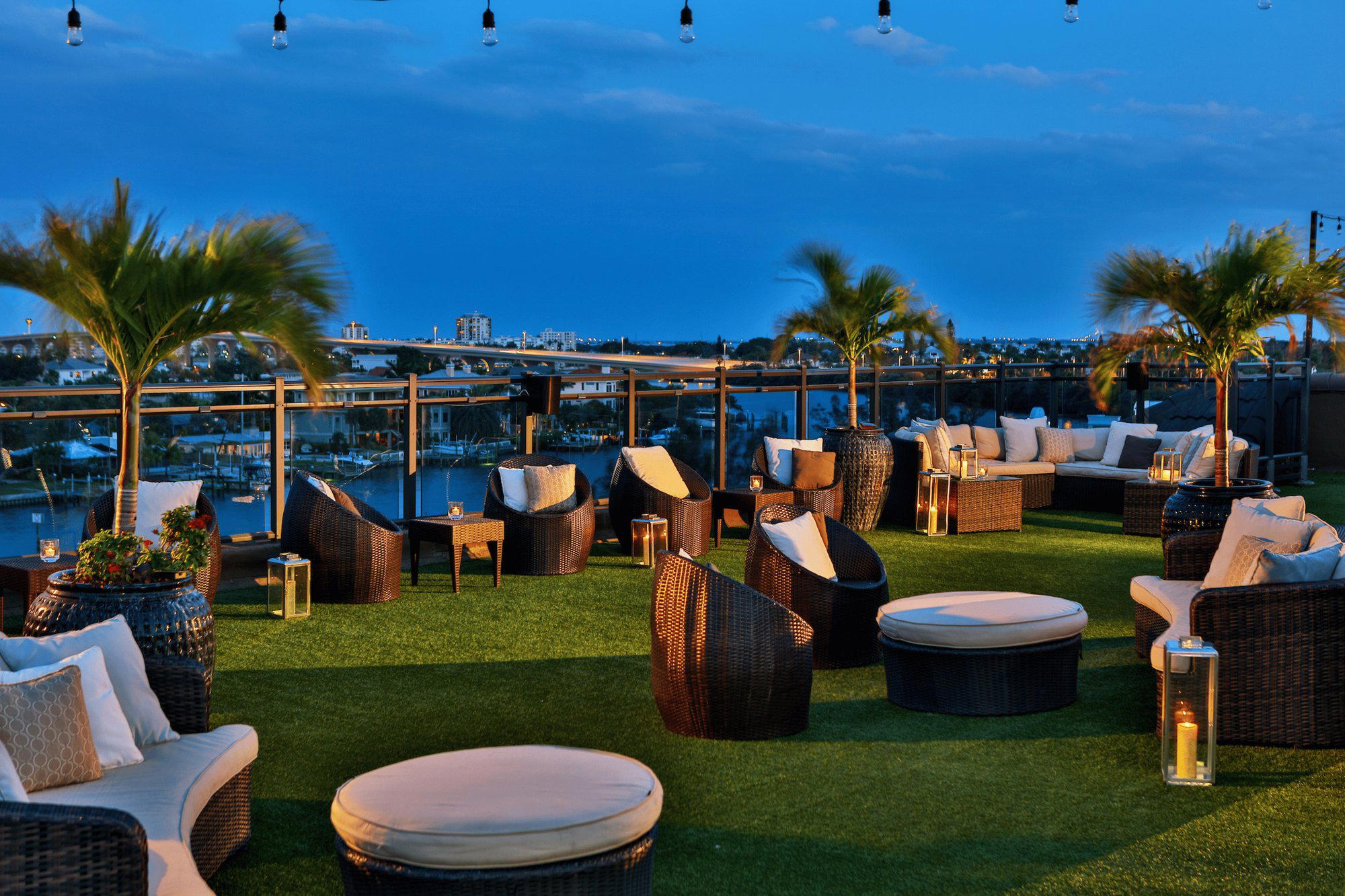
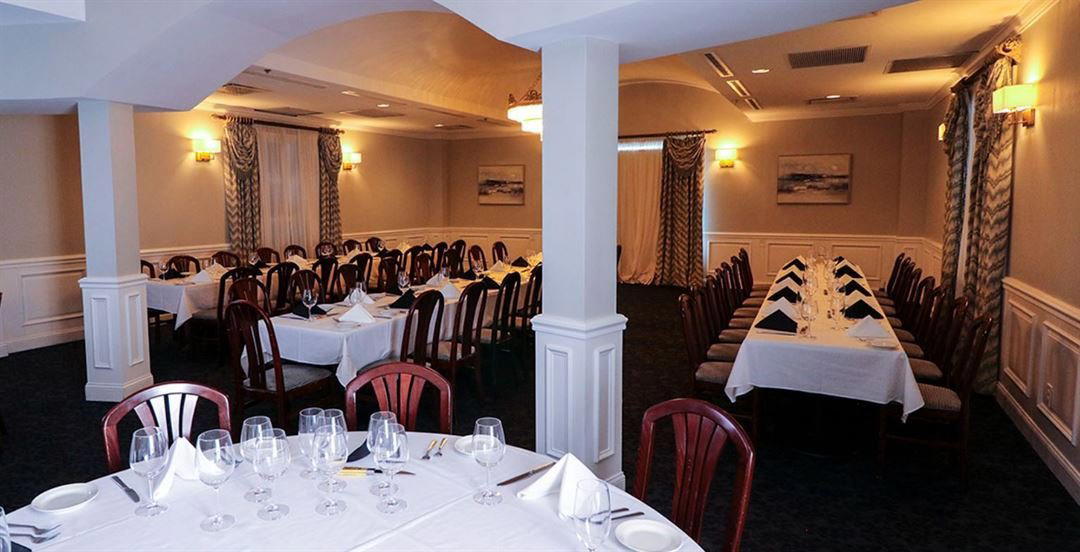
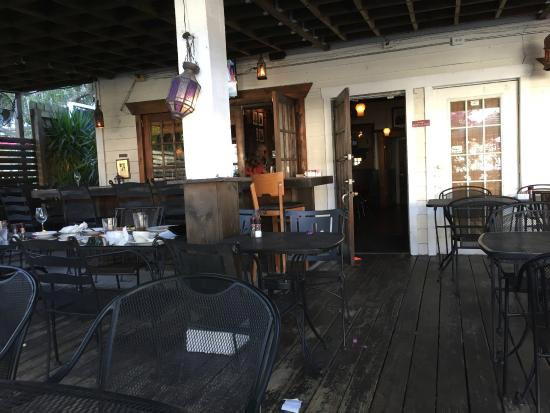
Homey and welcoming with hearty comfort food in a small, quaint space featuring a courtyard for groups.