Copa
Our verdict
Copa belongs to Jeddah’s Ash Shati dining belt, where Red Sea proximity shapes the way restaurants are judged: produce freshness, pacing, and the confidence to let seafood, citrus, rice, and grilled elements carry the table. With few public format details attached, it reads less as an awards-driven destination than as part of the city’s waterfront eating culture.

Pearl is the En Primeur Club membership app — saves, bookings, and concierge access live there. Same editors, same standards.
- Address
- Ground Floor, Al Kurnaysh Br Rd, Ash Shati, Jeddah 23611, Saudi Arabia
- Phone
- +966 12 696 8888
- Website
- copajeddah.com
- Directions
- Get directions
The menu
What to order
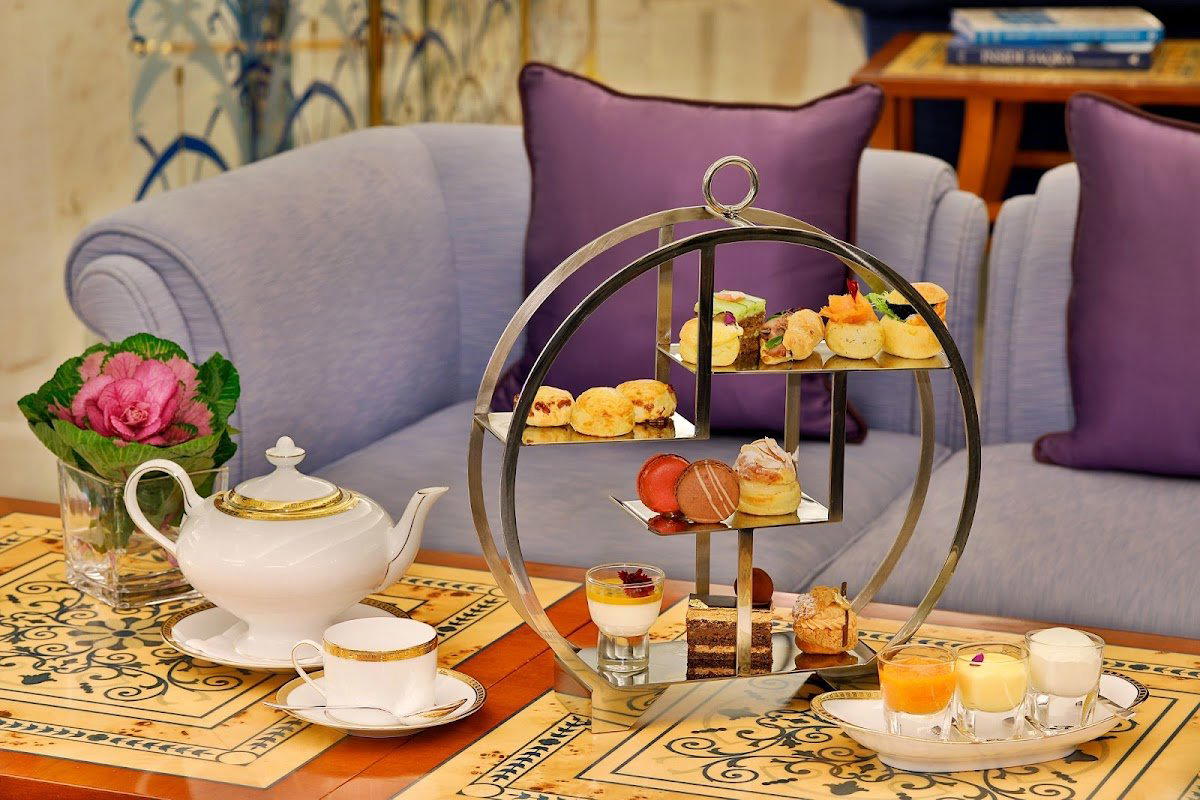
- Madagascan Chocolate Mousse Cake
- Rose Red Fruits Cake
- Afternoon Tea set
- Macaron with chocolate and caramel
- White choux with Costa Rica espresso
Approaching dinner in Jeddah, the city’s restaurant rhythm changes. The pace opens toward longer meals, hotel dining rooms give way to independent addresses, and dinner becomes less about speed than about the social length of the table. Copa sits in Jeddah, where the value of a restaurant is often measured by how well it handles freshness, heat, timing, and the quiet logistics of feeding groups who may arrive late, linger long, and order across the table rather than course by course.
That matters because Jeddah is not a generic Saudi dining city. Its port history, Hijazi households, pilgrimage traffic, and busy food culture have made it unusually receptive to outside influences, but the local test remains practical: ingredients need to feel well handled, sauces cannot smother the main event, and hospitality has to work for families as well as business dinners. In that context, Copa is better read through setting and category than through chef biography or ranking language. The public-facing story is the venue itself, not a named auteur.
Jeddah dining is judged by freshness before theatre
In Jeddah, restaurants inherit the expectations of a city that takes dining seriously, even when their menus move across different styles. Diners look for produce handled with restraint, cooking that does not flatten texture, cold items that hold their shape in the climate, and service that understands shared ordering. The broader scene includes international dining rooms, polished regional venues such as Niyyali, and other Jeddah restaurants built around group meals; Copa belongs to that same conversation about how the city eats.
The ingredient question is not romantic here. Jeddah’s heat punishes weak supply chains, and the better rooms in the city tend to reveal themselves in basics: clean handling, vegetables that have not been refrigerated into submission, bread or rice arriving with purpose, and sauces used as structure rather than camouflage. Without relying on a published chef-led narrative, Copa’s credibility rests on how convincingly it participates in that local standard. That is a harder test than a slogan, and a more useful one for travellers.
For comparison inside the city, Kaia and Shang Palace signal the international-dining current, while The Waterfront Kitchen reflects another polished Jeddah dining register. مطعم أوليف جاردن جده reflects the chain-restaurant side of Jeddah’s demand, where familiarity has its own audience. Copa’s position is quieter: a Jeddah address in a city where provenance, temperature, and pacing decide whether a meal feels anchored locally or merely imported into it.
The useful way to read the room is through Jeddah's long-table culture
Jeddah dining often rewards restaurants that can handle mixed occasions. A table may include children, visiting relatives, colleagues, and someone ordering only lightly; the meal has to flex without losing its shape. That is why the city’s stronger restaurant culture is not limited to tasting-menu discipline or chef-counter intimacy. It is built around tables where several appetites can coexist and where the kitchen’s sourcing decisions show up in shareable dishes and flexible ordering rather than a single declared signature.
This is also where Jeddah differs from the sharper new-opening tempo found elsewhere. Some markets may prize spectacle, scale, and brand arrival; Jeddah tends to judge restaurants by repeat usefulness and how they fit into a night out. The national scene is broad, with different cities expressing hospitality in different ways, but Jeddah’s social filter remains distinctive.
Within the city, Copa should be considered alongside a wider eating itinerary rather than treated as a single-purpose pilgrimage stop. Other Jeddah dining rooms explain mass local affection, international polish, and social dining in ways that one address cannot cover alone. For a broader map, use Our full Jeddah restaurants guide, then cross-check the city’s hospitality context through Our full Jeddah hotels guide, Our full Jeddah bars guide, Our full Jeddah wineries guide, and Our full Jeddah experiences guide.
Not every useful restaurant in Jeddah is defined by plaques, rankings, or named tasting formats. In a city where many meals are social before they are technical, limited public award context shifts attention back to fundamentals: where the kitchen places emphasis, how the room fits the city, and whether the experience makes sense within a Jeddah dining itinerary. Copa’s location in Jeddah gives it a clear editorial frame, but the smarter expectation is measured rather than inflated.
The strongest use case is a Jeddah meal where setting, ingredient handling, and group compatibility matter more than a chef-led manifesto. Travellers looking for heavily documented accolades may find more signal in internationally branded venues. Those trying to understand how Jeddah eats should pay attention to this category: restaurants whose reputation depends less on spectacle than on whether the ingredients, the table’s pace, and the standards of local diners all hold together.
For readers mapping taste beyond Saudi Arabia, contrast that grounded Jeddah logic with highly specific dining formats in other cities. Those rooms may be built around narrower product codes. Jeddah dining is broader, more social, and more dependent on how sourcing and service decisions hold up across a table rather than a single scripted sequence.
Frequently asked questions
Is Copa child-friendly?
Copa is in Jeddah, a city where many restaurants handle mixed-age dining. Child-friendliness still depends on the room setup and service style on the day.
What kind of setting is Copa?
Copa is in Jeddah. The setting is best read as a dining room for social meals rather than through a published chef biography or ranking claim.
What part of town is Copa in?
Jeddah.
Do I need a reservation for Copa?
No reservation policy is listed for Copa in Jeddah. It is sensible to plan ahead for peak dining times.
What's the signature at Copa?
No signature dish is named for Copa. The useful anchor here is the venue itself: Copa in Jeddah.
Is Copa allergy-friendly?
Copa’s allergy handling will depend on the kitchen and service team on the day. With only the Jeddah location and venue name provided, guests with allergies should treat direct confirmation as essential before ordering.
At-a-Glance Comparison
Comparable venues by cuisine and price in the same metro.
| Venue | Cuisine | Price | Awards |
|---|---|---|---|
| CopaThis venue — the venue you are viewing | Boutique patisserie with specialty coffee & chocolate pairing | $30–50 | Not listed |
| Kaia | Pacific Rim International | $30–50 | Not listed |
| Shang Palace | Modern Chinese Fine Dining | Not listed | Not listed |
| The Waterfront Kitchen | International Luxury Buffet | $50–100 | Not listed |
| مطعم أوليف جاردن جده | Italian Chain Classics | $20–30 | Not listed |
| Niyyali | Modern Lebanese Grill | $50–100 | Michelin Plate |
Details
- Elegant
- Modern
- Cozy
- Sophisticated
- Special Occasion
- Celebration
- Casual Hangout
- After Work
- Date Night
- Waterfront
- Design Destination
- Hotel Restaurant
- Zero Proof
- Waterfront
- A La Carte
- Small Plates
- Set Menu
- Specialty Coffee
- Tea
- Mocktails
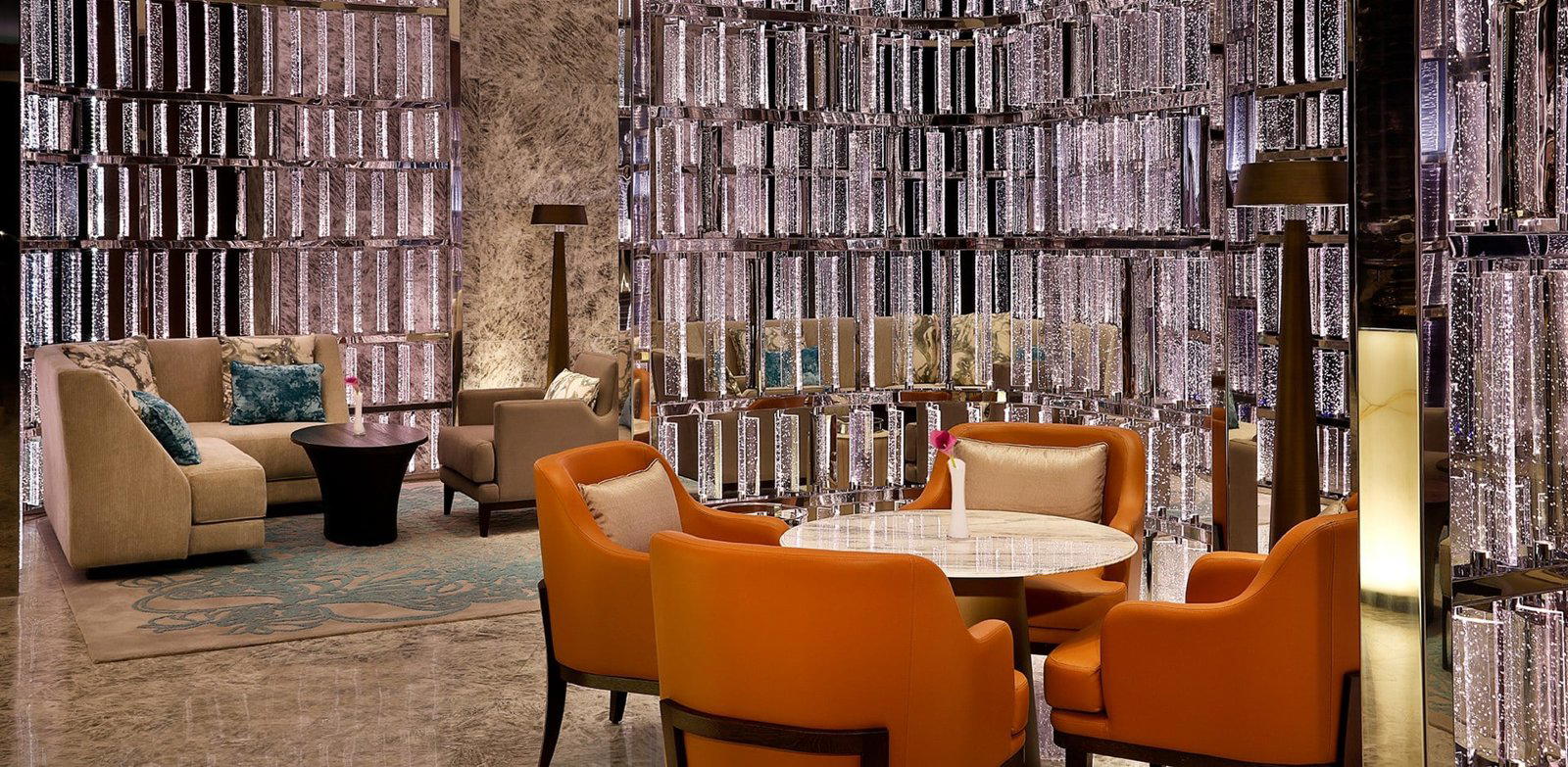
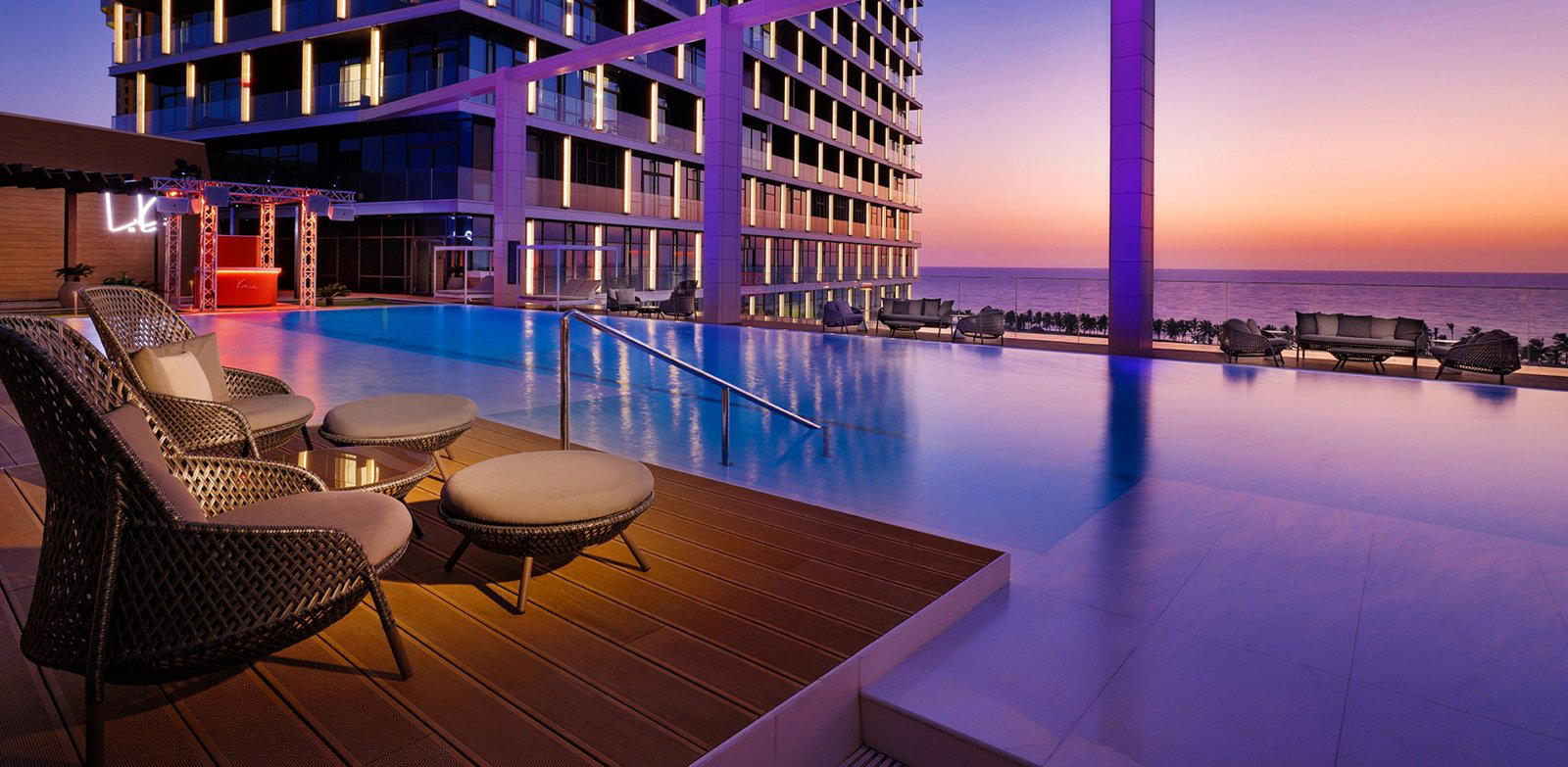
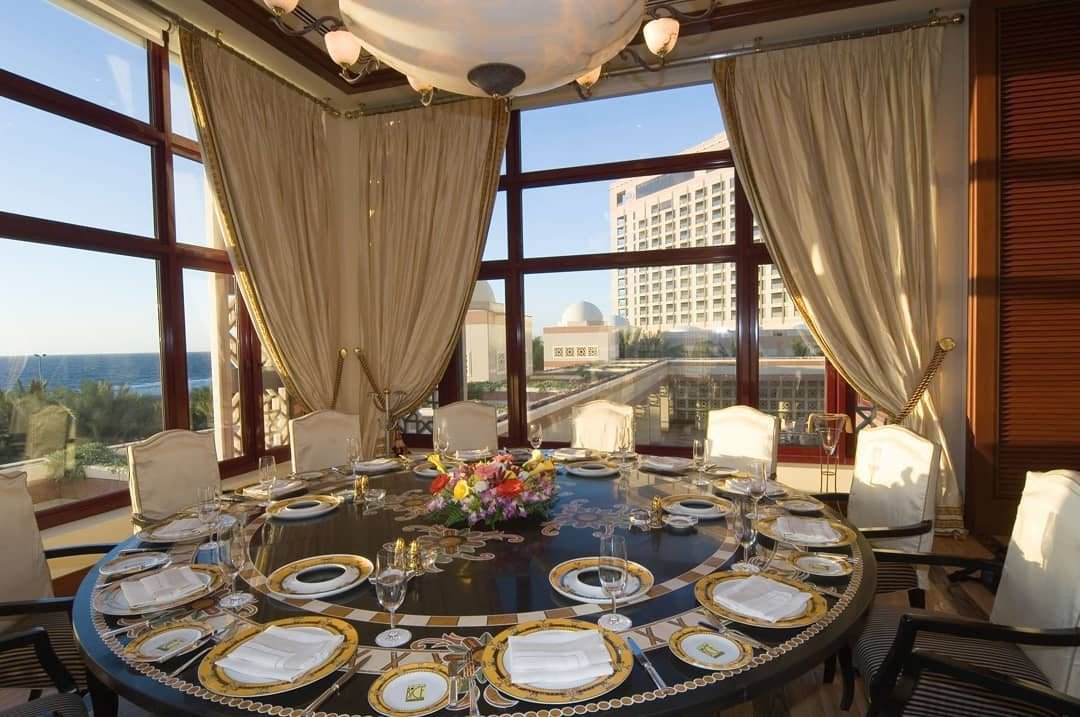
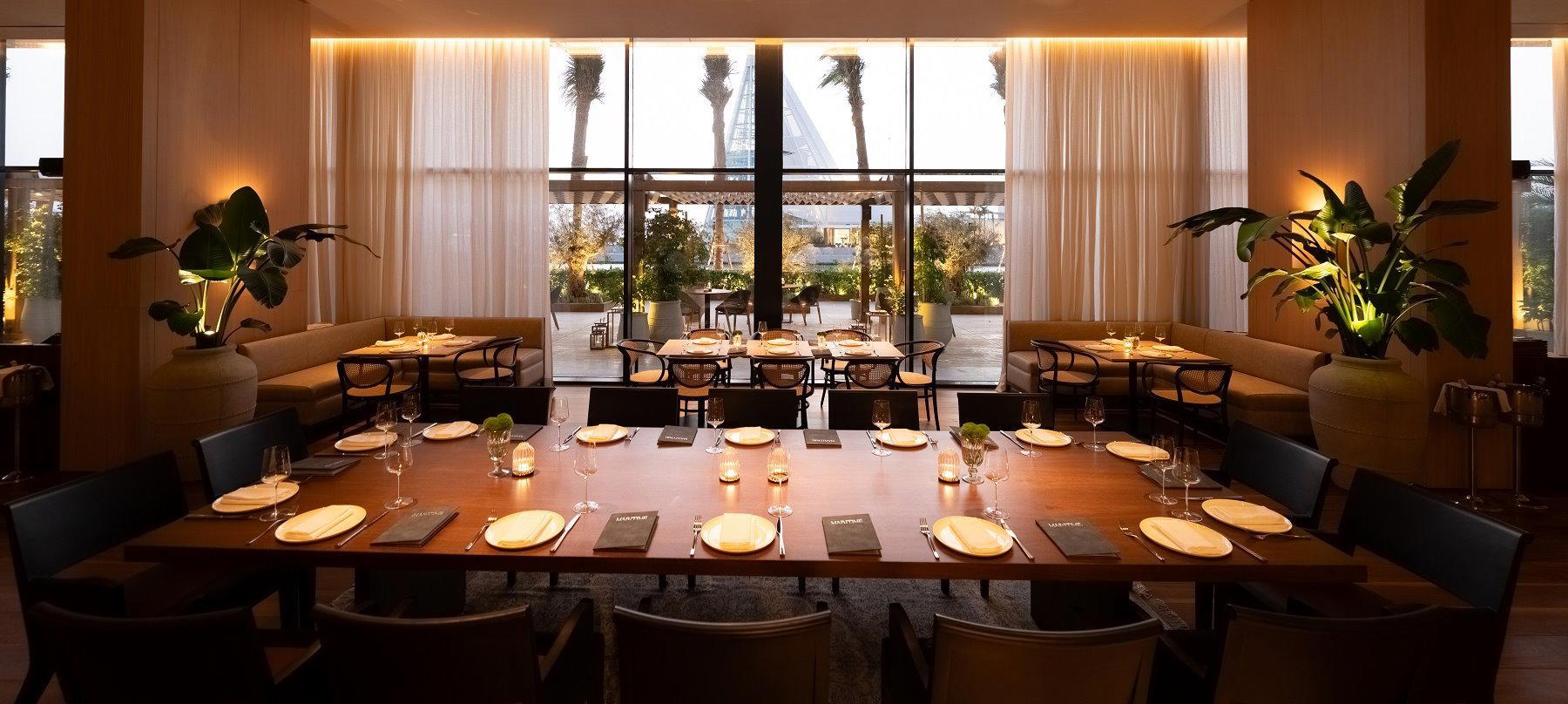
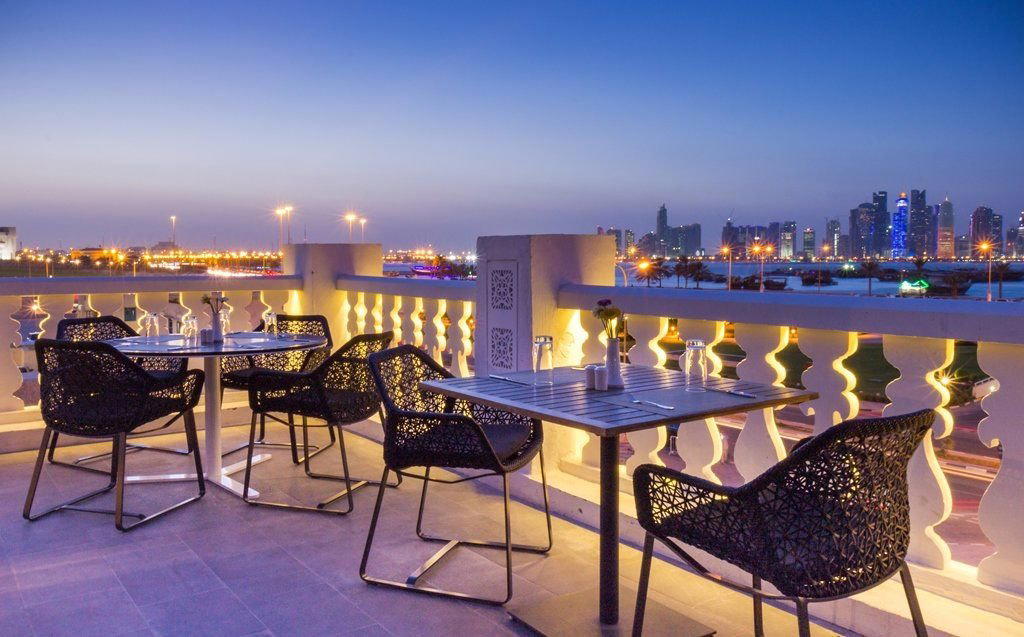
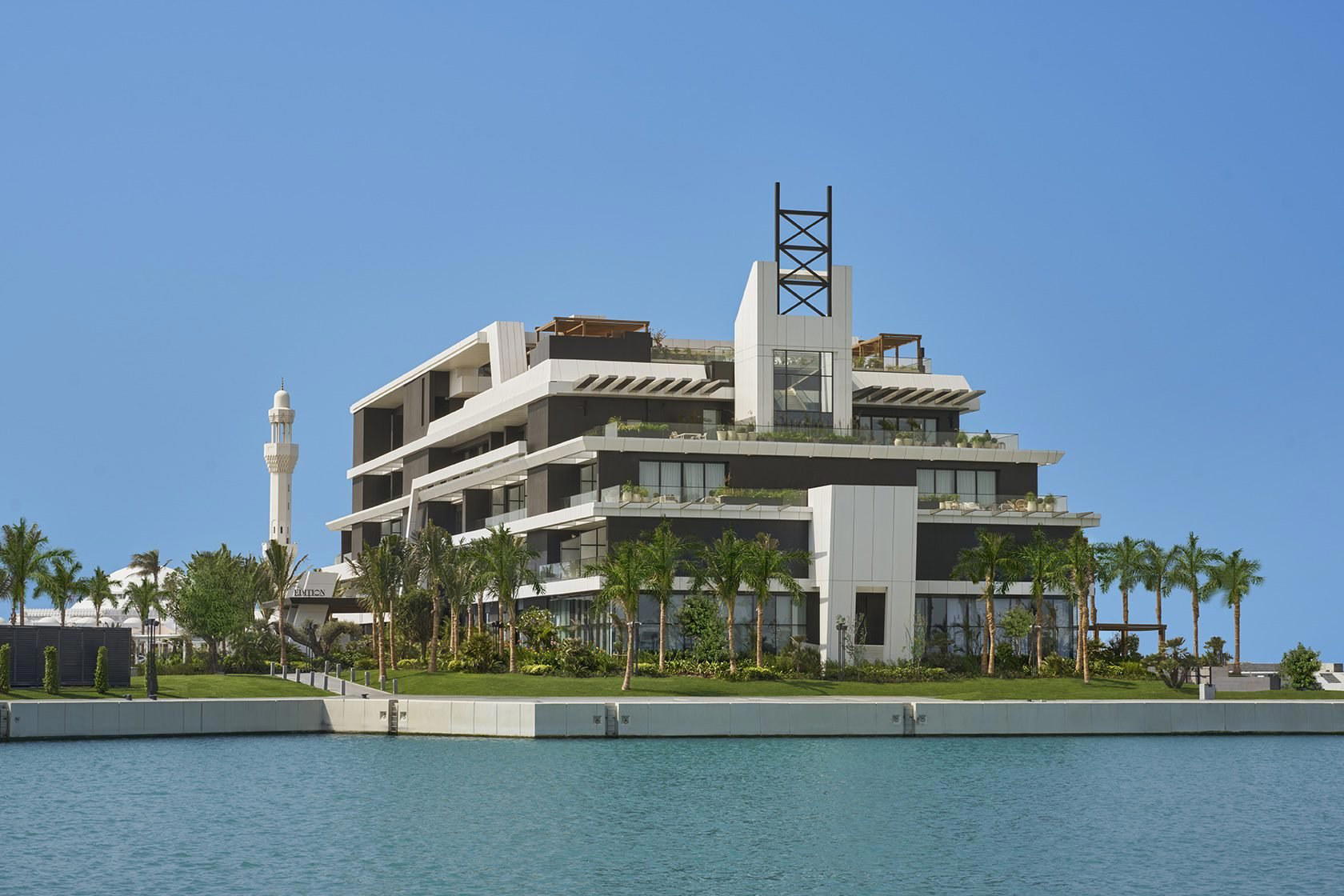
Refined and serene boutique patisserie atmosphere within a luxury hotel, with contemporary design, comfortable seating, and a calm, sophisticated mood suited to relaxed conversations and afternoon tea.