Palms Fish Camp Restaurant
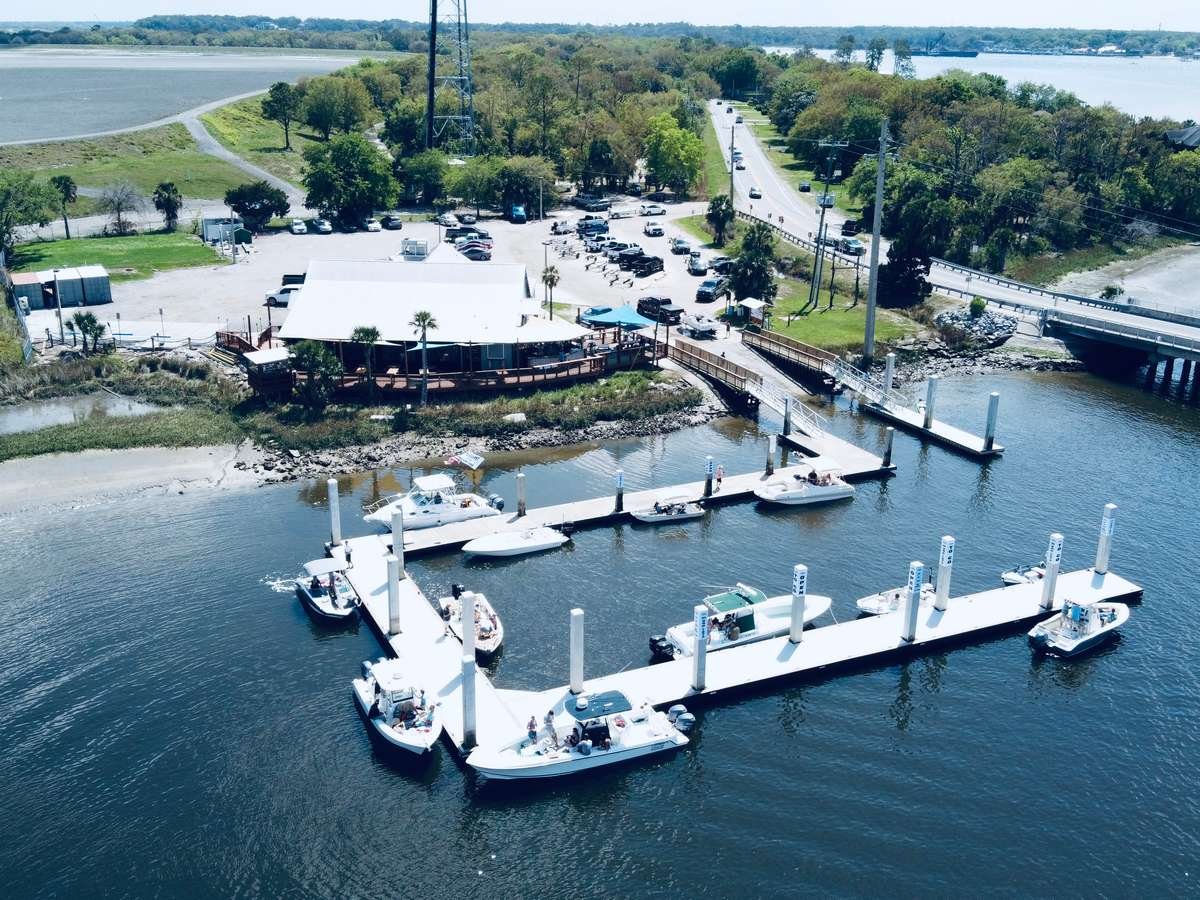
Palms Fish Camp Restaurant sits along Heckscher Drive on Jacksonville's Northside waterfront, where the St. Johns River meets a tradition of no-frills coastal cooking that predates the city's dining boom. The setting alone earns the drive out from downtown. For seafood in a working waterfront context, it represents a different register than the polished dining rooms closer to the urban core.

Pearl is the En Primeur Club membership app, where members save venues, book tables and use the concierge.
Where the River Meets the Table
Jacksonville's dining identity has long been divided between two gravitational pulls: the polished urban rooms clustering around Riverside and San Marco, and the working-waterfront spots that have fed the city's fishing and shrimping communities for generations. Palms Fish Camp Restaurant, at 6359 Heckscher Drive on the Northside, belongs firmly to the second tradition. Heckscher Drive traces the southern bank of the St. Johns River as it widens toward the Atlantic, and the approach to the restaurant carries that context with it, salt air, industrial docks, open sky over moving water. This is not a dining room that needs to manufacture atmosphere. The St. Johns does that work.
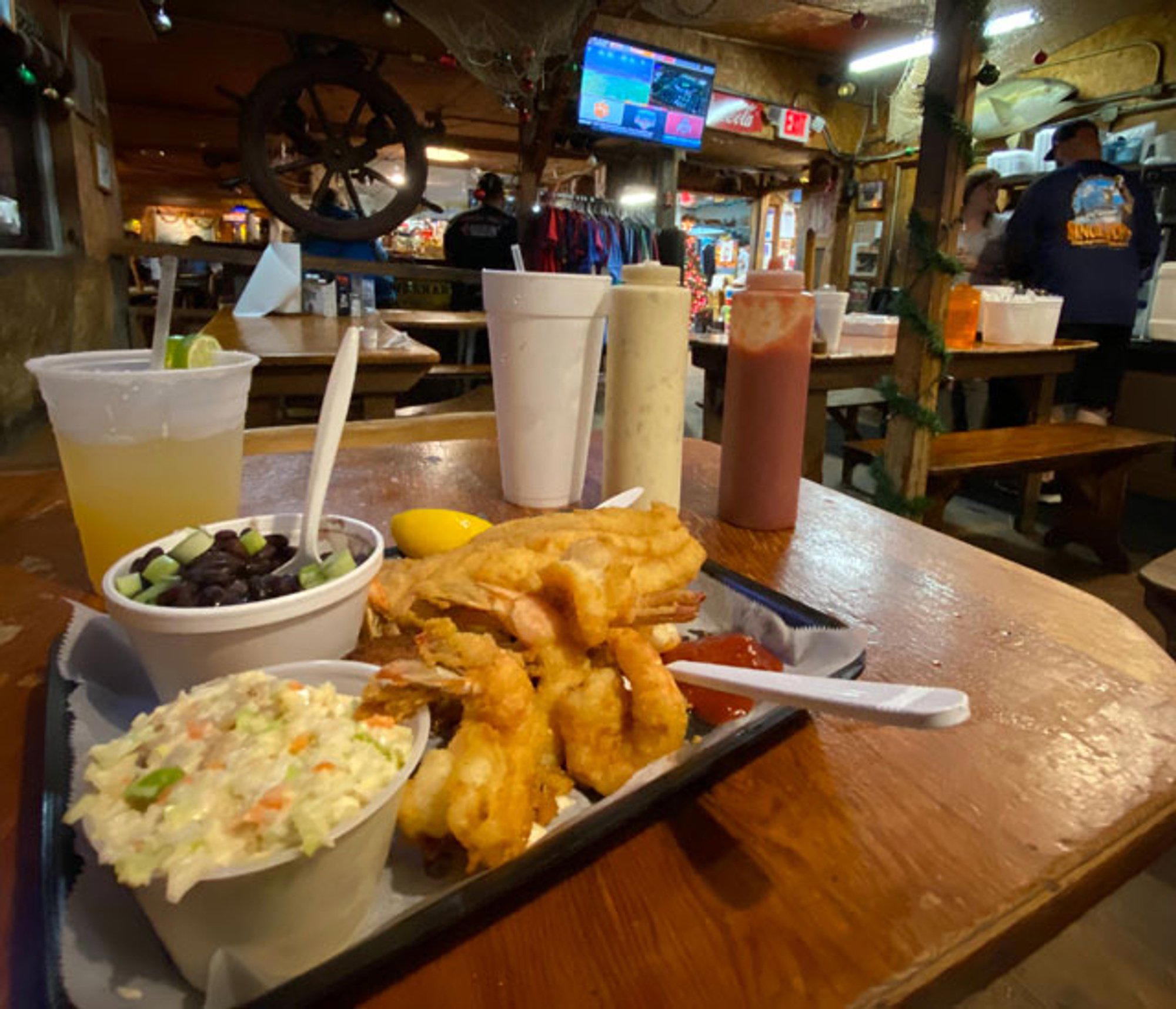
Fish camp dining in Florida has its own cultural grammar. The format predates the state's tourism economy and developed around the practical needs of commercial fishermen: fresh catch, kept simple, served without ceremony. What separates the places that have lasted from those that became self-parody is discipline in sourcing and an honest relationship between what comes off the water and what ends up on the plate. Along Jacksonville's Northside corridor, that tradition survives in a handful of spots that have resisted both gentrification and the opposite pressure of deliberate rusticism as marketing strategy.
The Collaborative Register of a Waterfront Room
In a category where the front-of-house dynamic often mirrors the informality of the format, the better fish camp operations develop their own version of team coherence. The relationship between kitchen, bar, and service at this tier of waterfront dining tends to be tight by necessity: the menu is driven by what came in that day, the bar program reflects the regional drinking culture (cold beer, simple cocktails, iced tea), and the floor staff function as translators between a rotating catch and guests who may not know their mullet from their sheepshead.
This model of collaboration looks different from the sommelier-led tableside choreography of a downtown tasting menu room, but it requires similar alignment. When the catch changes daily, the kitchen has to communicate those shifts to the floor quickly. A server who knows that the flounder came in this morning and the grouper was from yesterday is doing the same editorial work as a sommelier adjusting a pairing on the fly. The coastal seafood operations that sustain loyal followings tend to get this chain of communication right. Jacksonville's Northside has produced several of them, and the Heckscher Drive stretch in particular has a reputation for places where that operational honesty is baked in rather than performed.
For context on how Jacksonville's seafood scene compares across registers, Blue Fish Restaurant and Oyster Bar represents the more polished end of the city's fish-forward dining, while the Northside waterfront operations like Palms occupy a different tier that prizes proximity to source over production values. Both have their place in the city's eating map, and understanding the distinction matters for calibrating expectations.
Jacksonville's Northside Waterfront in Context
The Heckscher Drive corridor sits well north of downtown Jacksonville, far enough from the urban core that it functions almost as a separate dining ecosystem. The drive itself, running along the river past boat ramps and bait shops, signals clearly that the destination is the point. Nobody ends up on Heckscher Drive by accident. The self-selecting nature of the audience shapes the room: this is a crowd that drove out specifically for the water and the fish, not for design or scene.
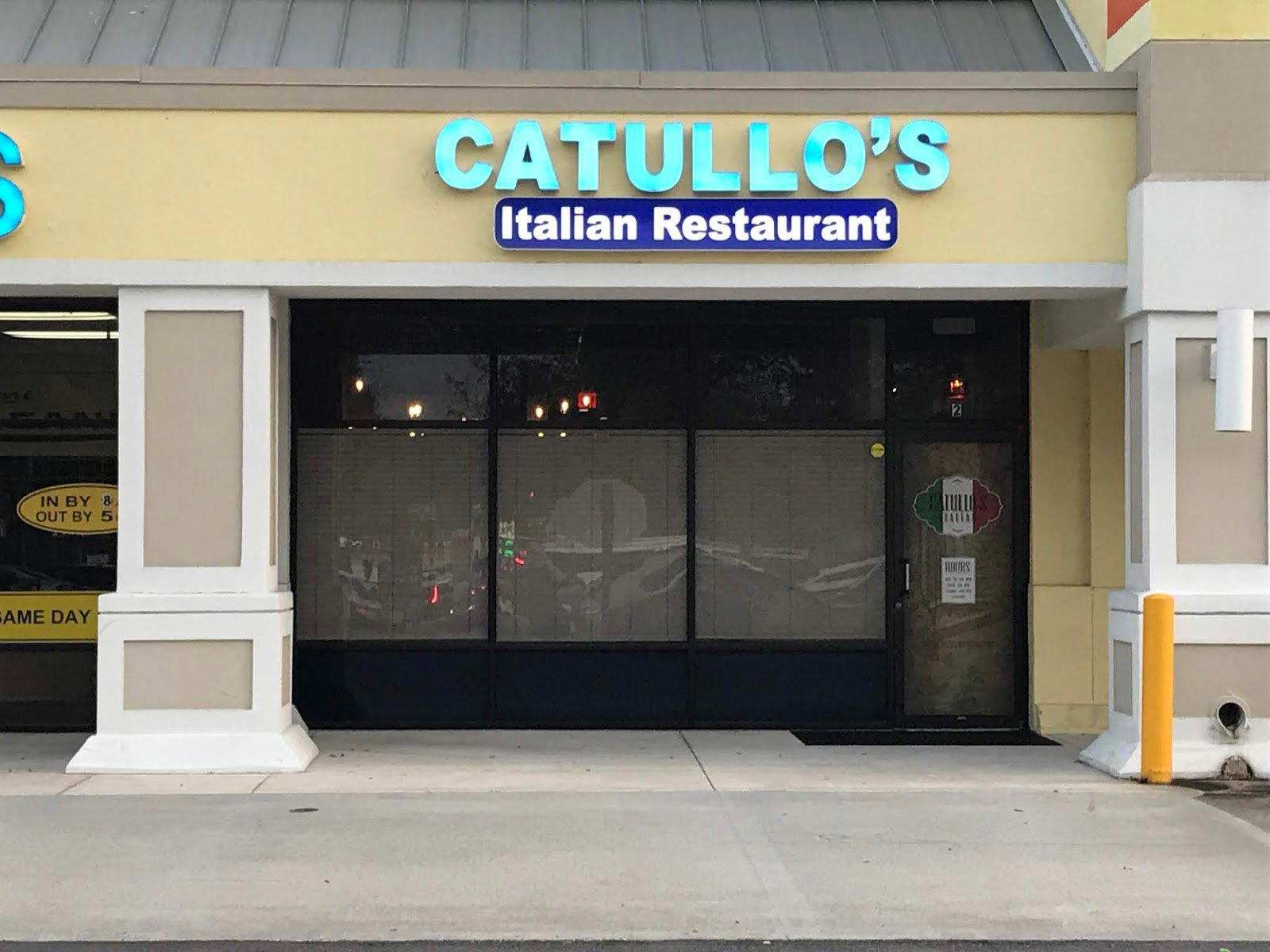
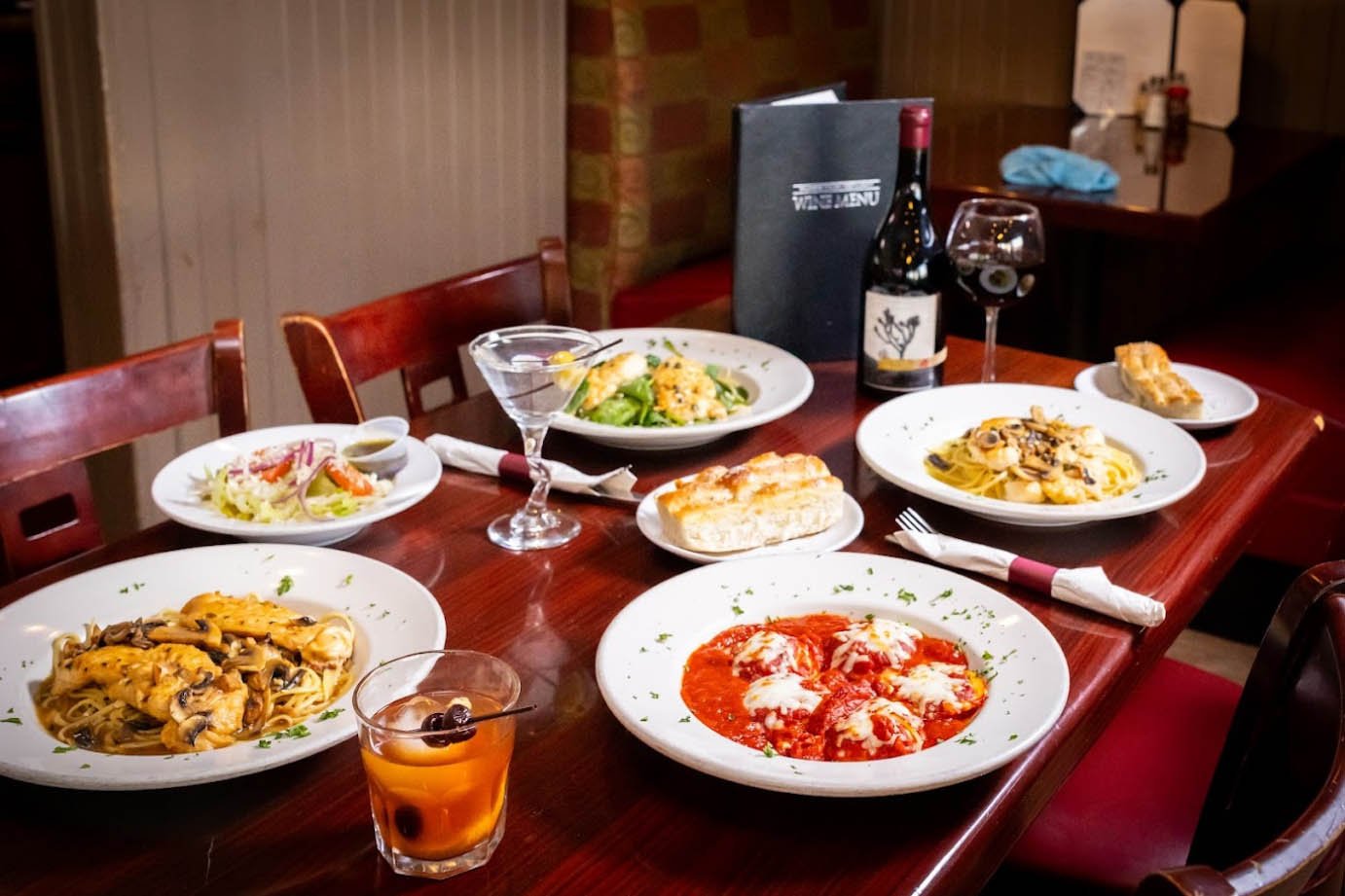
That insularity has historically protected the corridor's restaurants from the pressures that have reshaped Jacksonville's more visible dining neighborhoods. Cowford Chophouse and Catullo's Italian represent the downtown and Riverside dining investment that has defined the city's culinary ambitions in recent years. The Northside waterfront operates on a different logic, one where longevity is measured in decades and reputation is built almost entirely through word of mouth rather than critical attention or social media visibility.
For a broader orientation to Jacksonville's dining geography, the EP Club Jacksonville guide maps the city's key neighborhoods and the different dining registers each supports. The Northside waterfront gets less editorial attention than Riverside or San Marco, which is part of why it remains one of the more honest representations of how Jacksonvillians actually eat.
The Bar Program and Drinking Culture
Waterfront fish camp bars in Florida have historically operated within a narrow but comfortable range: cold domestic and regional craft beer, direct cocktails built around rum or bourbon, and a wine list that prioritizes accessibility over depth. The drinking culture on Heckscher Drive reflects the working waterfront character of the area. This is not the setting for the kind of technical cocktail programs found at operations like Kumiko in Chicago or Jewel of the South in New Orleans. Nor does it aspire to the clarified-drink precision of Bar Leather Apron in Honolulu or the mezcal-forward depth of Superbueno in New York City.
What it does offer is cold drinks matched to hot weather and fried fish, which is its own form of program integrity. The coastal Florida drinking tradition has internal logic: light, cold, and uncomplicated, designed to extend a long afternoon at a waterfront table without overwhelming food that is already direct in flavor. Venues like Julep in Houston, ABV in San Francisco, and The Parlour in Frankfurt each represent their own regional drinking grammar. The Northside fish camp bar has one too, even if it rarely gets described in those terms.
For those whose primary interest is the bar program, Congaree and Penn in Jacksonville offers a more deliberate drinks approach within the city.
Planning Your Visit
Heckscher Drive requires a car. The address at 6359 places the restaurant in the outer Northside, well beyond any practical walking or transit connection from downtown Jacksonville. The drive from the urban core runs roughly 20 to 25 minutes under normal conditions, longer during peak afternoon traffic on the corridor. The reward is a setting that resets the register entirely: water, open air, and a menu shaped by what the St. Johns and the nearby coast are producing at that moment. Given the absence of published booking information, calling ahead or arriving with some flexibility in timing is the practical approach, particularly on weekends when the Northside waterfront draws visitors from across the city.
Budget Reality Check
| Venue | Price |
|---|---|
| Palms Fish Camp RestaurantThis venue (the venue you are viewing) | $20–30 |
| Cowford Chophouse | $50–100 |
| Catullo’s Italian | $30–50 |
| Wicked Barley Brewing Company | $30–50 |
| Norikase - Modern Japanese Omakase & Sushi | $150–200 |
Continue exploring
More in Jacksonville
Bars in Jacksonville
All bars in Jacksonville →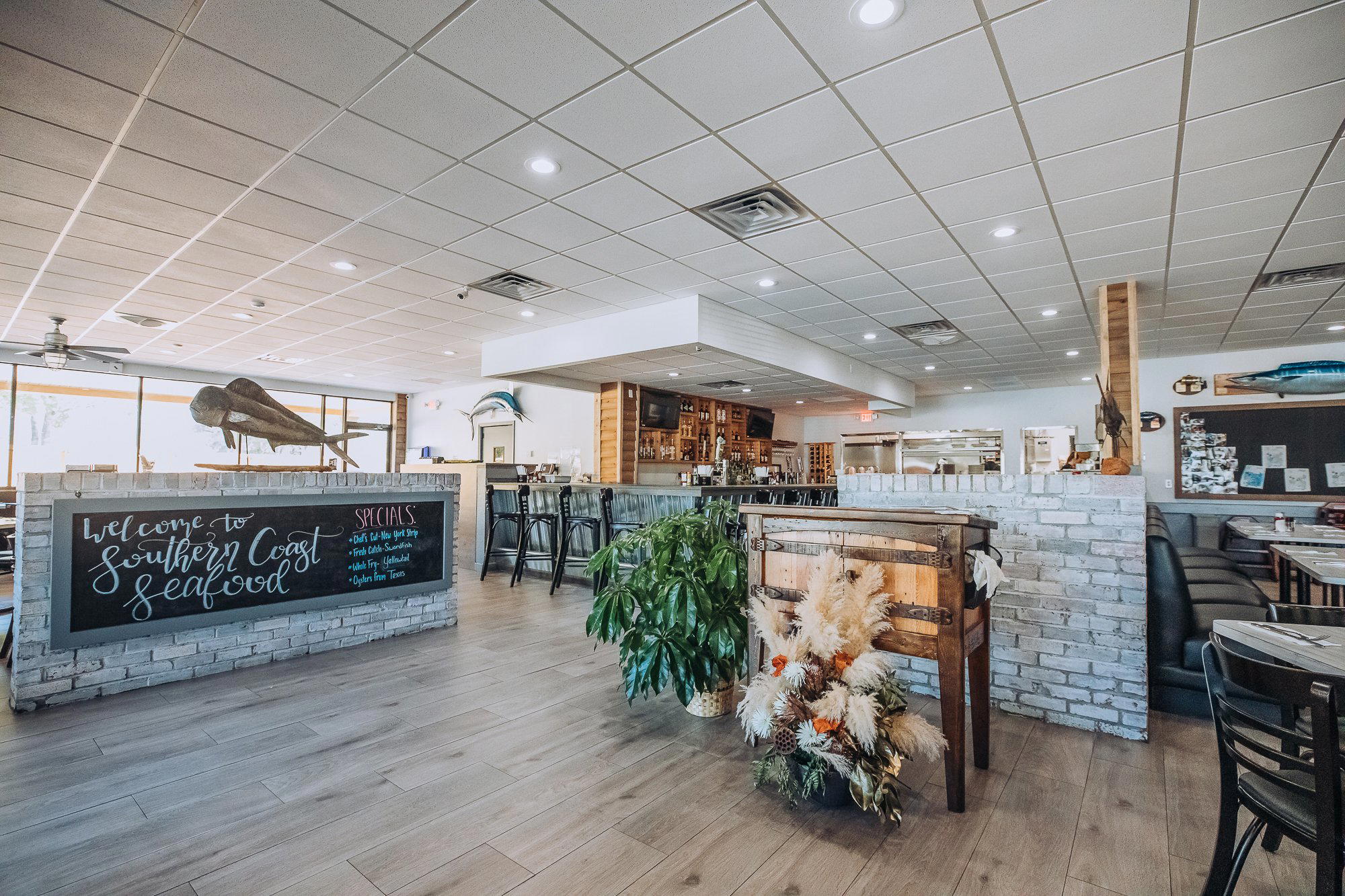
Details
- Rustic
- Lively
- Scenic
- Casual Hangout
- Waterfront
- Live Music
- Outdoor Terrace
- Waterfront
Current opening hours
- Monday
- 11 AM–9 PM
- Tuesday
- 11 AM–9 PM
- Wednesday
- 11 AM–9 PM
- Thursday
- 11 AM–9 PM
- Friday
- 11 AM–10 PM
- Saturday
- 11 AM–10 PM
- Sunday
- 11 AM–9 PM
Hours can change for holidays and private events. Last verified .
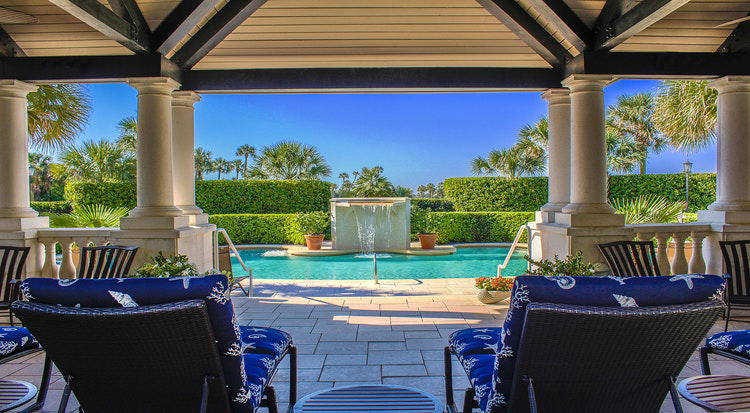
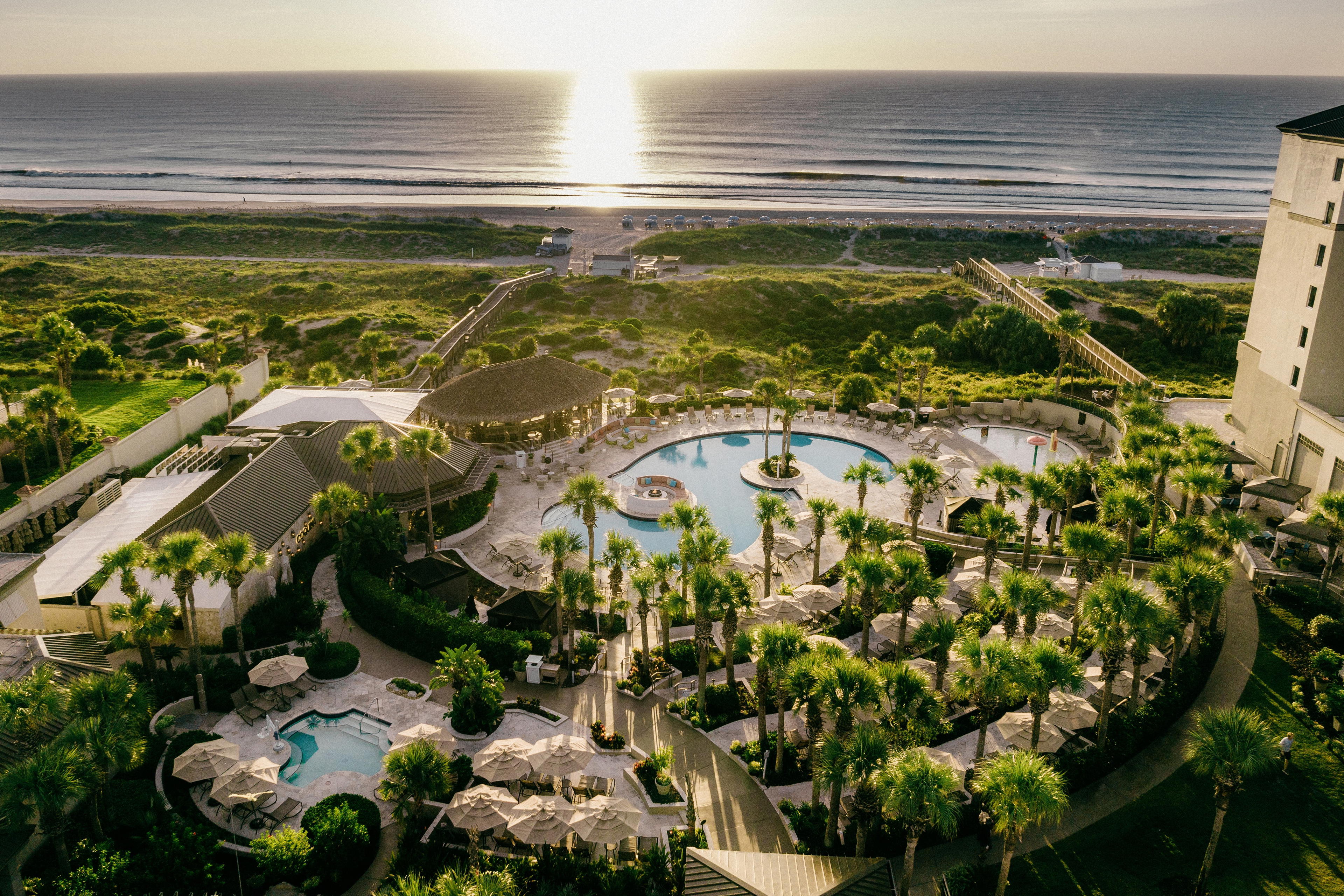
Lively outdoor deck atmosphere with scenic waterfront views and sunset watching.